
by Editor | Dec 10, 2023 | News
December 12, 2023
Introduction:
The astonishing achievements of Large Language Models (LLMs) and Transformer models have exceeded the expectations of even their most ardent supporters. Foundational advances were made in the discovery of the power of Markov processes, tensor networks, transformers, and context-aware attention mechanisms. These advances were guided, not by specific scientific hypotheses, but by sheer engineering ingenuity in the application of mathematical and novel machine learning techniques. Such approaches have relied upon massive computational capabilities to generate and fit billions of parameters into models and outputs that achieve outcomes tied to the expectations of their respective creators. Notwithstanding the massive advances in system performance, potential use cases, and adoption of such systems, no scientific principles nor independent performance standards were referenced or applied to direct the research and development, nor to evaluate the adequacy of their outputs or contextual appropriateness of their performance. Consequently, all current LLMs and Transformer models are “corpus bound,” and their parameter-setting criteria are confined to an inaccessible and undecipherable stochastic “black box”.
The rapid advance and notable successes of LLM and Transformer models in processing information is historically unprecedented and has led to proclamations, by some reputable individuals, of “existential” threats to human civilization and emergent “super intelligence” or “Artificial General Intelligence”. No doubt the potential for intentional abuse (and negligent application) of such powerful and novel technologies is enormous, and likely to dwarf those harms arising in social media contexts. However, suppositions as to what constitutes “intelligence”, much less a “super” or “AGI” are ill founded and foster highly misleading public narratives of the future of intelligent systems generally. This de facto narrative is rooted in popular tropes characteristic of apocalyptic science fiction, but are not supported by scientific evidence. Contrary to the popular narrative, a substantial and credible body of scientific research exists today, grounded in computational neuroscience, biology, and physics, that supports a much more nuanced, and ultimately positive and tractable narrative relating to the phenomenon of intelligences. This perspective is one that integrates AI, human intelligence, and other intelligent forms into an overall description and understanding about the interconnected “intelligences” of all “living things”. The emerging field of Diverse Intelligence, which is highlighting forms of cognition in unconventional substrates is an essential part of the AI debate, and a necessary balance to misguided comparisons to human minds as the essential rubric for evaluating AI.
This alternative scientific narrative that harmonically couples conceptions of “life” and “intelligence” is the precursor to next generation forms of ultra-high capacity, distributed AI composed of self-explanatory, self-reflective, and self-corrective intelligences.
Without a proper and nuanced scientific understanding of current and future AI technologies, policies and regulations intended to manage AI systems and their impacts are likely to be misdirected and ineffective.
Neural systems arising in nature have evolved to achieve an impressive array of adaptive capabilities. Human societies and the capacity for symbolic communication, have leveraged natural evolution of fitness to the point where human organisms can convey information across time and space, fostering the accumulation of knowledge at an ever-accelerating pace. The human mind and its extensions have advanced to the point where it can create AI.
Why is the human brain-mind relevant to the future of AI? A deep understanding of the structure and functions of the human brain and its emergent mental functions can not only help shape future technological possibilities (with and beyond neural network models), but will also be essential in optimizing how human intelligence integrates and works with artificial intelligence in a pro-social, rather than anti-social, manner. The human brain-mind has evolved in ways that lead to both advantages and limitations. It will be necessary to work synergistically with AI (including, for example, possible brain-computer interfaces in the treatment of diseases), and to guide its ethical development.
Critical misunderstandings are not just scientific and academic but in a broader economic, policy and social structural contexts as well. For example, due to their high computational costs and dependency on large volumes of training data, LLMs and Transformer models are broadly presumed to be only affordable for commercialization by “Big Tech” companies. Hence, the argument is made that Big Tech should be courted and granted special consideration by regulators and deference by the general public. But this need not be the case, as AI technology does not have to be monolithic nor concentrated to be successfully commercialized and appropriately regulated. In the very near future distributed and biologically grounded intelligences will have the capacity to run on mobile devices with far less energy than current systems, and with the intrinsic ability to self enforce and self correct their actions and goals, vastly outperforming current and future centralized AI system architectures. Such transparent cognitive architectures and edge infrastructures upon which such future intelligence infrastructures will run will be critical to preserving privacy and security and in attaining the equitable, sustainable and democratic use of this promising and necessary technology.
Call for actions:
We the undersigned signatories believe that it is vital at this juncture in the commercialization and regulation of AI that an alternative and science-based understanding of the biological foundations of AI be given public voice and that interdisciplinary public workshops be convened among legislators, regulators, technologists, investors, scientists, journalists, NGOs, faith communities, the public and business leaders.
Through the combined efforts of the Active Inference Institute, whose founding principles are grounded in science and the computational physics and biology of living intelligences and open technologies, the Neuropsychiatry and Society Program, whose focus is bringing an understanding of the human brain-mind to societal issues and technological developments, and the Boston Global Forum, whose mandate is the formation of global policies and AI World Society model for the inclusive and beneficial application of AI, there can be real transformative change in the way we approach, develop, and integrate artificial intelligence into our societies.
Signed,
Signatories list:
Krishnashree Achuthan, Dean, Amrita University
Nazli Choucri, MIT professor, Boston Global Forum Board Member
John H. Clippinger, Ph.D., Active Inference Institute; Bioform Labs
Scott L. David, University of Washington – Applied Physics Laboratory
Ramu Damodaran, The First Chief of the United Nations Academic Impact (UNAI), Co-Chair of the United Nations Centennial – BGF and UNAI Initiative in Honor of the United Nations 2045 Centenary, Representative of Boston Global Forum in New York
Governor Michael Dukakis, Co-founder and Chair of Boston Global Forum
Chris Fields, Ph.D., Tufts University; Private consultant
Daniel Ari Friedman, Ph.D., Active Inference Institute; COGSEC
Karl Friston, MD, PhD, University College London
Thomas Kehler, Ph.D., CrowdSmart.ai; CommonGoodAI
Virginia Bleu Knight, Active Inference Institute
Zlatko Lagumdzija, Former Prime Minister of Bosnia & Herzegovina, Ambassador of Bosnia and Herzegovina to the United Nations
Francesco Lapenta, John Cabot University in Rome, Representative of Boston Global Forum in Rome
Enrico Letta, Former Prime Minister of Italy, president of the Institut Jacques Delors
Michael Levin, Ph.D., Director, Levin Labs, Allen Discovery Center, Tufts University
Yasuhide Nakayama, Former Japanese State Minister of Defense and Foreign Affairs
Paul Nemitz, Principal Adviser on the Digital Transition in DG Justice and Consumers, EU Commission, Representative of Boston Global Forum in Brussels and Berlin
Nguyen Anh Tuan, Co-founder and CEO of Boston Global Forum
Martin Nkafu Nkemnkia, the Pontifical Lateran University, Vatican
Beth Noveck, Northeastern University, the first United States Deputy Chief Technology Officer under President Obama at the White House
Thomas Patterson, Harvard Kennedy School professor, Co-founder of Boston Global Forum
Alex Pentland, MIT professor, Boston Global Forum Board Member
Matthew Pirkowski, Bioform Labs
Joshua Shane, Bioform Labs
David A. Silbersweig, MD, Chairman, Department of Psychiatry, Co-Director, Center for the Neurosciences, Brigham and Women’s Hospital, Stanley Cobb Professor of Psychiatry, Harvard Medical School
Bert de Vries, PhD, Professor, Eindhoven University of Technology

by Editor | Dec 4, 2023 | News
Minh Nguyen is the Editor of the Boston Global Forum and a Shinzo Abe Initiative Fellow. She writes the Four Pillars column in the BGF Weekly newsletter.
More information has been made clear regarding a naval confrontation in the Horn of Africa. A civilian vessel, owned by an Israeli group and flagged as Liberian, sent out an SOS call in response to a raid by Somali pirates. However, their call was apparently ignored by the nearby Chinese military vessels. It was then that a US vessel, the USS Mason, along with an ally, reported to be Japan, a Pillar, finally intervened. This resulted in the boarding and arrest of the pirate vessels and those on board. Interestingly, the USS Mason was the one that came under fire from Houthi, an Iran-backed rebel group in Yemen, by two missiles that missed earlier that week. This incident demonstrates that the Four Pillars are an important and necessary player on the global stage. Coordination between the Four Pillars means that the Pillars can better defend themselves, and those that support the rule of law. It enhances democracy across the world. This incident also demonstrates that one should be wary of Chinese or Russian hegemony in the world, where the rule of law is not considered, or calls for assistance against lawless actors go unnoticed.
However, this naval incident is just one of many to befall US or allied (eg. Japan) vessels in recent weeks, in light of the war in Gaza. It has been reported that three commercial vessels had been targeted by the Houthis, and the Pentagon has threatened to take actions.
Japan and Vietnam have elevated their relationship to Strategic Comprehensive Partnership. This will enhance not just economic cooperation, but security cooperation as well, seeing both states have concerns and territorial disputes with China. Additionally, this has been a convergence of economic and security interests from both sides, building up from decades. This is the third Pillar that Vietnam has attained status with (the others being India and the US), and the second of this year.
Something to watch out in the Four Pillars space (none of the Pillars have taken action yet) is that Venezuela, a rival of the US in Latin America, has been eyeing to annex the western half of its neighbor Guyana, which recently discovered oil in the region. Most recently, the country’s population has “approved” a referendum to claim sovereignty over Essequibo, the aforementioned oil-rich region. However, it should be noted that this may just be posturing to distract the domestic population and won’t lead to consequential actions.

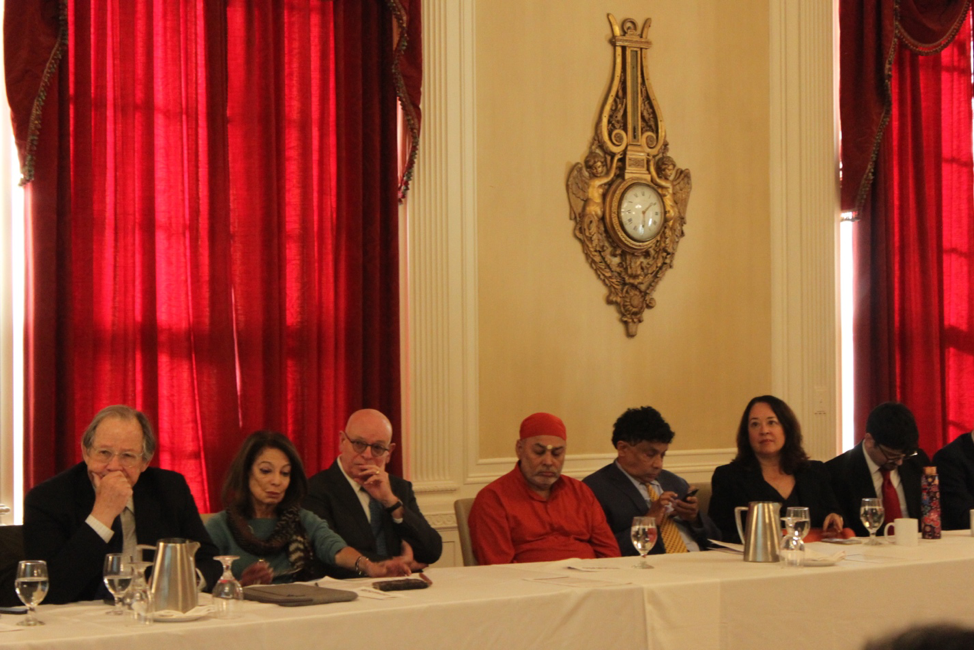
USS Mason and JS Akebono, credit: JMSDF Twitter
by Editor | Dec 3, 2023 | News
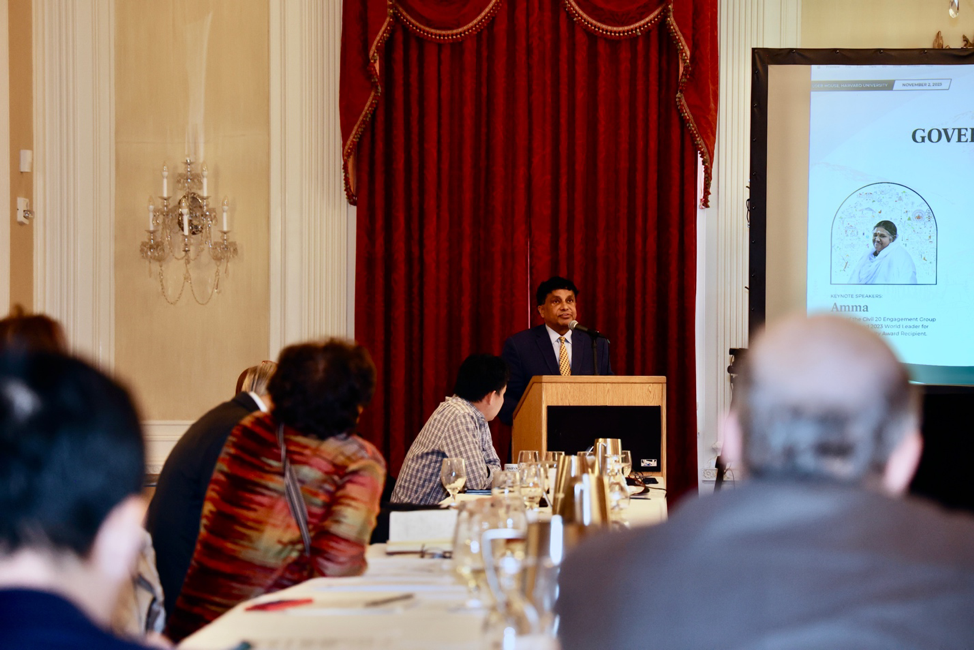
During Governor Dukakis’s 90th Birthday Celebration on November 2, 2023, held at Harvard University Loeb House and organized by the Boston Global Forum, Ramu Damodaran, the First Chief of the United Nations Academic Impact, Co-Chair of the United Nations Centennial Initiative, spoke on Governor Dukakis’ achievements and legacy. Below are some notes from his speech:
“Governor Dukakis, you have been responsible for the miracle that is Massachusetts. But beyond that, you have created what the very ponderous words of our program have called a democratic, humanitarian, and optimized society: a society based on deep understanding, a society based upon kindness, a society based upon innovation. Today is also another 90th birthday by another distinguished citizen of Boston, my compatriot, Dr. Amartya Sen. Dr. Sen has spoken about human rights as the acknowledgment that we are part of something larger than ourselves, that deep understanding that Governor Dukakis brought to the table. We’ve spoken about the infrastructure of Boston, about its limitations, and its challenges. But let’s also remember what the Governor said at that time: “Let opportunity be our watchword.” We need a connection between the North and the South so that people can move freely. Think of that as a metaphor for a link between the historically affluent North and an emerging South, which, as Swami G and Krish pointed out in the context of the G20 and the Civil 20, and the benediction and guidance of Amma, we are now trying to create.
Let us think of the kindness of all that Governor Dukakis did to make life easier for every individual, whether in terms of health insurance, being able to go and get a marriage license in an afternoon, starting your morning as a bachelor, ending the day as a husband. And in terms of innovation, where are we now? We have new tech industries that have made the city the beacon of the United States, and the world. But also, new tech industries around the world have reached out to the citizens of this nation, making their lives easier, but also possibly much more complex, as the Governor has said. The promise as well as the perils of AI are offered before us. And we think of innovation at its most obvious and human levels.
I’d like to end with a quotation from the song ‘Ripple’ by Grateful Dead, in which Jerry Garcia sings, “Let it be known that there is a fountain that was not made by the hands of men. The hands of men are finite, sometimes infirmed, sometimes weak.” And Amma said, “Don’t expect governments to handle this. It will be for you, the us.” This forum is the “you,” this “us” is what this forum is, and “us” is what Governor Dukakis has made Massachusetts. There are no others, there is just one first-person invested in himself but in that investment, he invested in the many.”
by Editor | Dec 3, 2023 | News
Boston Global Forum (BGF) and Indian Software Product Industry Round Table Foundation (iSPIRT), India collaborate in development digital, AI products, solutions with AI World Society models, concepts. Here are areas of collaboration:
- AI and Digital Strategies: BGF and iSPIRT will jointly explore and lead in the development of strategies related to AI, digital technologies, and their implications for economy, peace and society in Vietnam, Japan, EU with an emphasis on advancing AI World Society (AIWS) initiative, a flagship project of BGF and Digital Public Infrastructure; Identity stack MOSIP, financial inclusion stack UPI, e KYC, Digital locker and other products under development. They will also discuss development of global standards for digital public infrastructure that will help in offering interoperability between various systems. Furthermore, India expresses its readiness to assist in co-creating Digital Public Infrastructures (DPIs) for Vietnam, exploring various deployment models including SaaS services and ‘DPI in a box’ solutions.
- Deployment Integration: BGF will provide support to ISPIRT and recognize public technology conceptualised or created by iSPIRT as AIWS digital infrastructure and Global Enlightenment Mountain to bring and deploy Digital Public Infrastructure in Vietnam, Japan, EU. This collaboration will be strengthened through enhanced G2G and B2B bilateral cooperation in the field of Digital Public Infrastructure (DPI), fostering a more integrated and efficient approach in the development and deployment of these technologies.
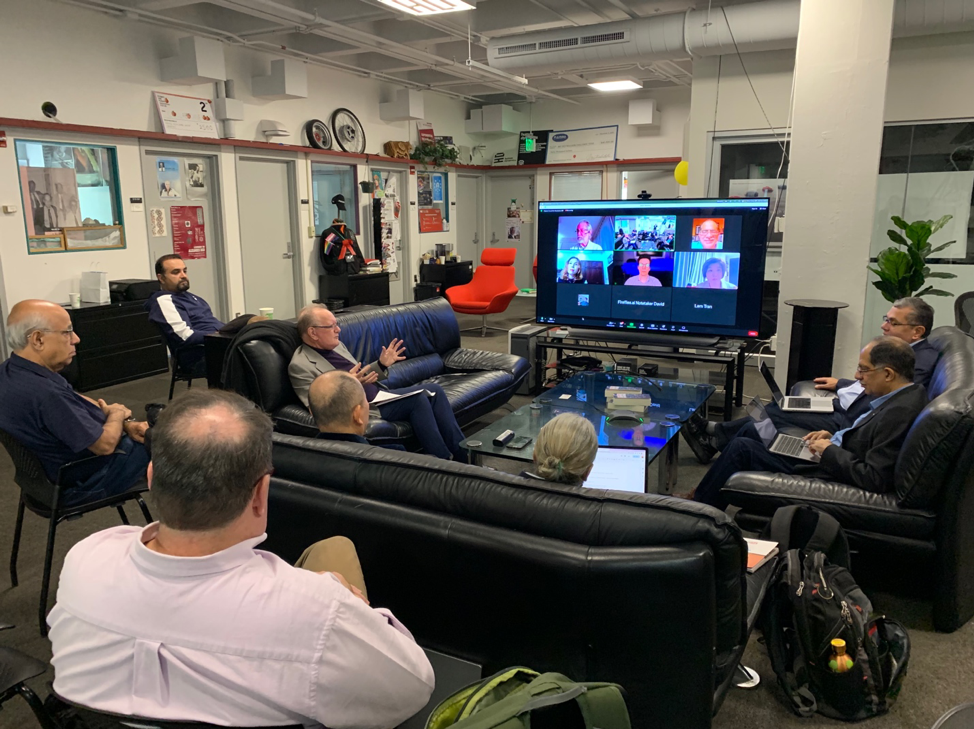
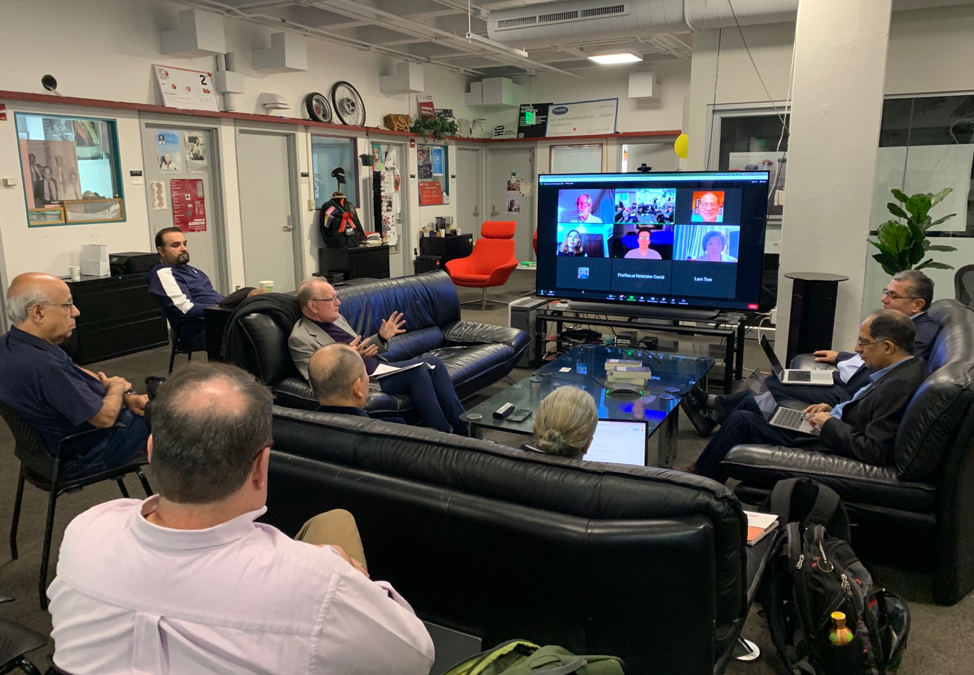
Sharad Sharma, co-founder iSPIRT and Nguyen Anh Tuan, BGF CEO at an AIWS Roundtable at MIT Connection Science

by Editor | Dec 3, 2023 | Global Alliance for Digital Governance
During Governor Dukakis’s 90th Birthday Celebration on November 2, 2023, held at Harvard University Loeb House and organized by the Boston Global Forum (BGF), an exciting and innovative initiative was unveiled. In collaboration with Amma, a globally esteemed spiritual leader, BGF introduced the initiative ‘World’s Congress of Spiritualities and Religions in Building the AI World Society.’
The following is an AIWS Roundtable discussion between Amma and Mr. Nguyen Anh Tuan, CEO of the Boston Global Forum, focusing on Spiritual Values to build AIWS.
Nguyen Anh Tuan: How can we integrate spiritual and humanitarian values into the development of AI and technology to create a more ethical and compassionate world as AIWS Model?
Amma: All technology, including AI, have no sense of ethics or compassion of their own. Technological devices may be programmed with some formulas and algorithms, and those formulas and algorithms might have been coded by a human being, yet that is not equal to “ethics” in the original sense. In cases of high importance, we will always need a human in the process—a person whose ethics and compassion are rock solid—both in principle and action. In truth, the values of humanitarian work and spirituality are fundamentally the same. Spirituality begins with the desire for personal peace, but when it matures, it blossoms into the beautiful flower of compassion for all. It even goes beyond humankind, expanding to include all beings, even inanimate things.
Nguyen Anh Tuan: Are there specific initiatives or collaborations you believe can harness the moral influence of religious leaders for positive changes in society?
Amma: Yes, there are ways for us to do so. Again, it starts with theory, which is provided by the various religious leaders around the world, but it shouldn’t end there. While morality begins as an intangible resource in each person’s heart, for that to transform into a tangible change in society, the followers need guidance—on the physical and emotional levels. They need a leader who is both wise and compassionate, practical, their actions steeped in selflessness, because this is exactly what the world needs today.
For example, through an annual internship program, we took our university students to remote, rural villages in India. The program introduced around 2,000 to 3,000 students to village life. After this, we noticed many students’ willingness to offer help to those in need. We were able to achieve this success with a young-adult population. So, consider the impact if we had introduced these concepts to them during their formative years.
We all have infinite potential within us. When we face challenges in life, we should not shy away from thinking, “I cannot do this.” Even when we feel helpless, we shouldn’t give up. Keep moving forward. This effort will help us become completely self-reliant.
One of our cornerstone initiatives is the Live-in-Labs program at Amrita, where we work on various projects related to sustainable development goals in hundreds of villages across India. These span across 7 thematic areas such as health and hygiene, water and sanitation, agriculture and risk management, waste management and infrastructure, education and gender equality, livelihood and skills development, and energy and environment. We have also invited several worldwide academic institutions that have actively participated in the field work.
Nguyen Anh Tuan: What are Amma’s priorities and strategies for promoting peace and security? How can organizations like Boston Global Forum support and collaborate?
Amma: Amma’s priorities are always the same—to give the world as much love and compassion as possible. Having personally embraced more than 40 million people throughout her life, Amma has directly listened to and consoled the world’s poor. Amma’s initiatives have been inspired by these conversations. These include: educational and skill development interventions (3.2 million young and adult learners in 15000+ educational institutions, 54000+ teachers trained), healthcare interventions since 1998 (5.9 million patients treated free of charge), disaster relief activities ($75 million provided in aid as part of disaster relief since 2004 with 203,000 estimated beneficiaries), nurturing the environment (over 1 million trees planted worldwide, massive cleanliness drives, public health and awareness campaigns, inspiring a zero waste approach through reuse and recycling,) along with research and development to support the pressing needs of the most vulnerable strata of the society and of course Amma’s darshan and spiritual practices. As part of the Civil20 India initiative, we connected with 6000 civil society organizations from 154 countries that included participation of more than 4.5 million people worldwide through outreach campaigns to address health, environment, community and technology empowerment.
We welcome support and collaboration on such initiatives with other like-minded organizations that can help strengthen our collective effort to reach out further to those in need.
Nguyen Anh Tuan presents Amma with the “2023 World Leader for Peace and Security Award” on her 70th birthday

by Editor | Nov 27, 2023 | News
Minh Nguyen is the Editor of the Boston Global Forum and a Shinzo Abe Initiative Fellow. She writes the Four Pillars column in the BGF Weekly newsletter.
Rumblings of a truce in Gaza came to fruition this week, wherein Hamas and Israel agreed to a halt in fighting in order to exchange hostages and prisoners. The ceasefire was to be for 4 days, with Hamas releasing 50 hostages and Israel, 150 Palestinian prisoners. Israel would also allow at least 200 trucks for humanitarian aid into Gaza. Brokered by Qatar and Egypt with the aid of the US, some view the deal as a potential opening to a broader ceasefire or peace.
In the broader Middle East, the US had been engaging in skirmishes with Iranian proxies in Iraq and Syria, retaliating with airstrikes. There was intel that the Wagner Group, an unofficial paramilitary of Russia had been preparing to supply Iranian proxies in the region with air defense equipment. More recently, the Houthi rebels in Yemen targeted a Japanese ship and attempted to attack an American ship. This could prove harmful to the Pivot to Asia, wherein the US has to return to the Middle East when the strategic threat remains in the Asia-Pacific.
In other news, the EU has been plotting its own course for defense spending, independent of reliance on the US. In other words, Brussels is seeking to enhance Europe’s defense industries but also export equipment. This would be beneficial in which the EU continues to step up aid to Ukraine, in lieu of American domestic political paralysis halting potential aid to the country.
The UK, a part of one of the Pillars, has been contributing to humanitarian aid in the region too via Egypt. Germany, another corpus of the EU Pillar, has signed a deal on gas and renewables with Nigeria, one of Africa’s most populous and also the top oil-producing country on the continent. Nigeria would supply Germany with LNG, while Germany invests in renewable projects in the country. This is helpful as the EU continues to move away from Russian gas, and the coming winter means more energy is spent.
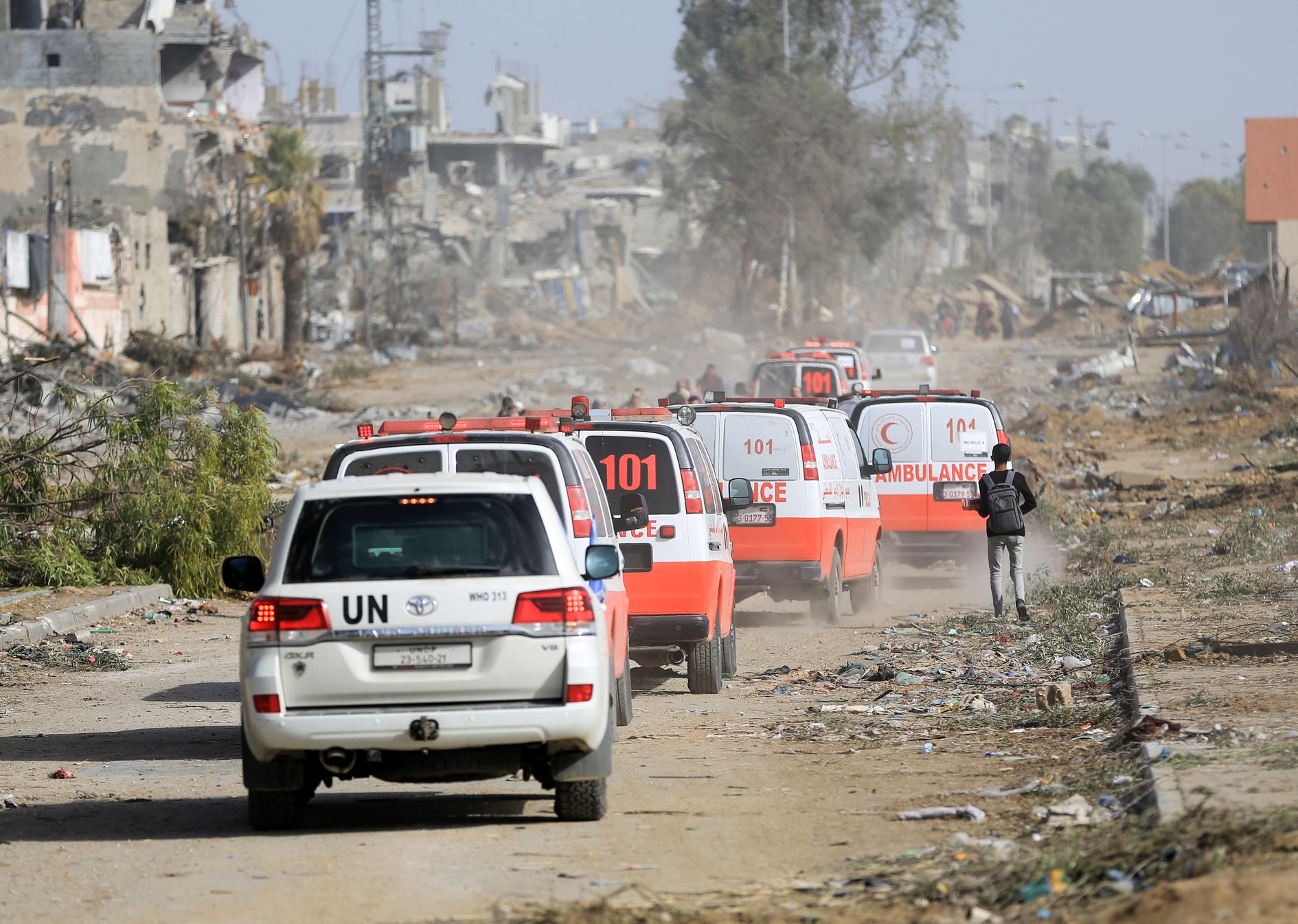
Vehicles carrying fuel and aid supplies make their way through Gaza City’s Zeitoun district on Sunday. Photo: Ahmed Ibrahim/Zuma Press
by Editor | Nov 26, 2023 | News
As a natural extension of the BGF Initiative unveiled at the BGF Conference in celebration of Governor Dukakis’s 90th birthday, BGF proudly presents the AIWS Roundtable series. This initiative delves deeper into the profound discussions initiated at the conference. Join us in unraveling the profound policy and societal implications of forging an alternative AI grounded in the sciences of computational physics, biology, and neuroscience. This unique exploration promises insights that transcend traditional AI boundaries, paving the way for a future where technology aligns seamlessly with the well-being of individuals and society at large. Be part of this groundbreaking conversation as we chart the course toward a more humane and enlightened AI future.
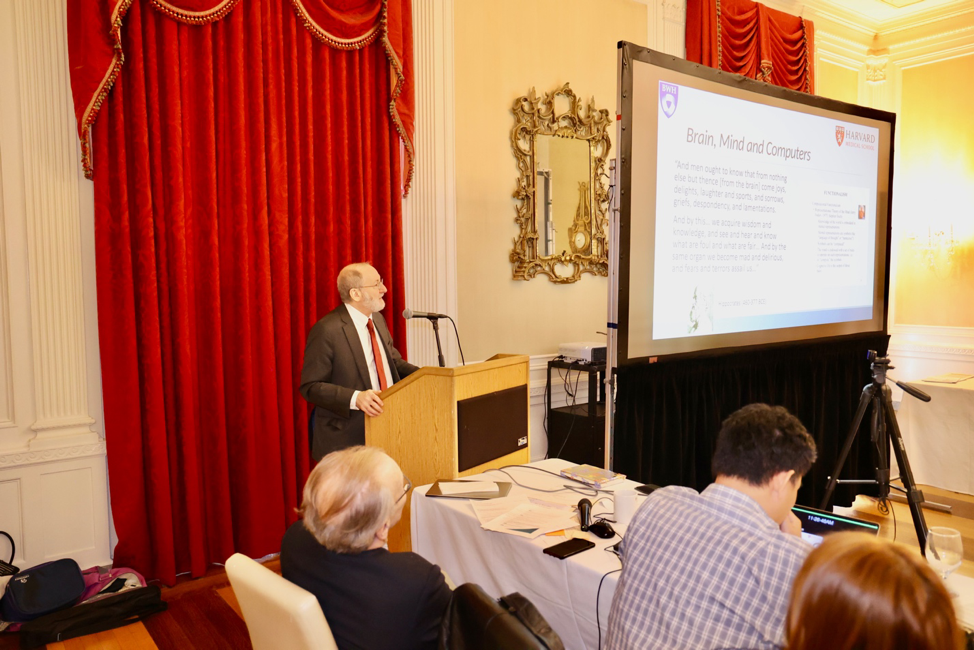
Embark on a transformative journey into the realms of artificial intelligence, neuroscience, and natural systems with our AIWS Roundtable series. The first Roundtable, commemorating the birthday of the Boston Global Forum, is set for December 12, 2023, followed by engaging sessions throughout January 2024. Lasting approximately two weeks each, these sessions delve into the profound implications of integrating AI with the wisdom of natural systems and the intricacies of neuroscience. Our esteemed panel of speakers includes MIT Distinguished Scholars Alex Pentland, John Clippinger, Harvard Scholars David Silbersweig, Thomas Patterson, John Quelch, distinguished innovators such as Tom Kehler, Tuan Nguyen, former Italian Prime Minister Enrico Letta, and many distinguished leaders, thinkers, policymakers, and decision-makers.
Duration: Approximately one hour per Roundtable
MC: David Lovejoy, Founder, and Chief Content Curator of Horizon Search
Theme for AIWS Roundtables: “An Alternative AI Based on The Science of Computational Physics, Biology, and Neuroscience: Policy and Societal Significance”

by Editor | Nov 26, 2023 | Global Alliance for Digital Governance
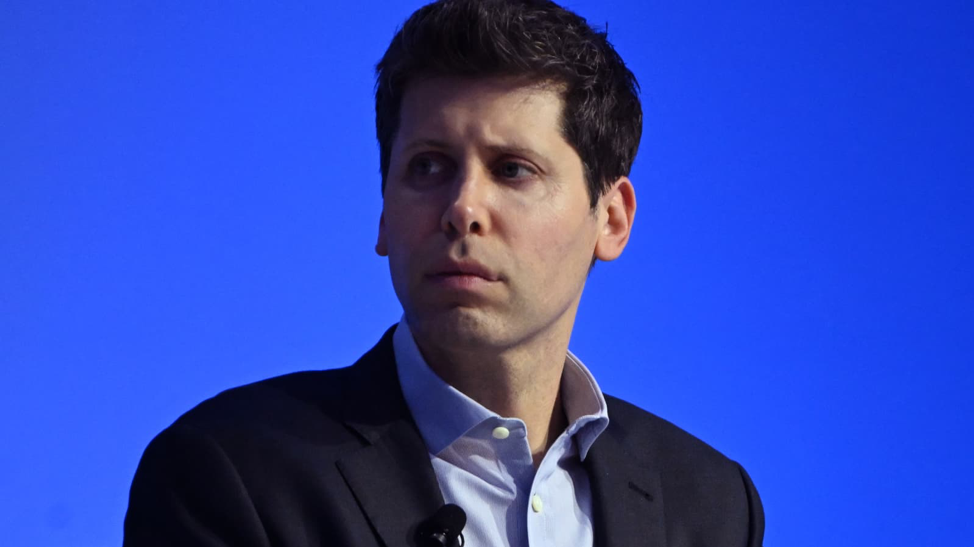
OpenAI’s board at first refused to entertain the possibility of Altman returning, but then something happened they could not ignore: 702 out of OpenAI’s 770 employees committed to leaving the company unless Altman was restored. The employees also asked that a new board be assembled. It was, and Altman was restored as CEO not long after.
Just one former board member sits on the new, temporary board: Adam D’Angelo, the CEO of the question-and-answer site Quora. He had voted for Altman’s ouster.
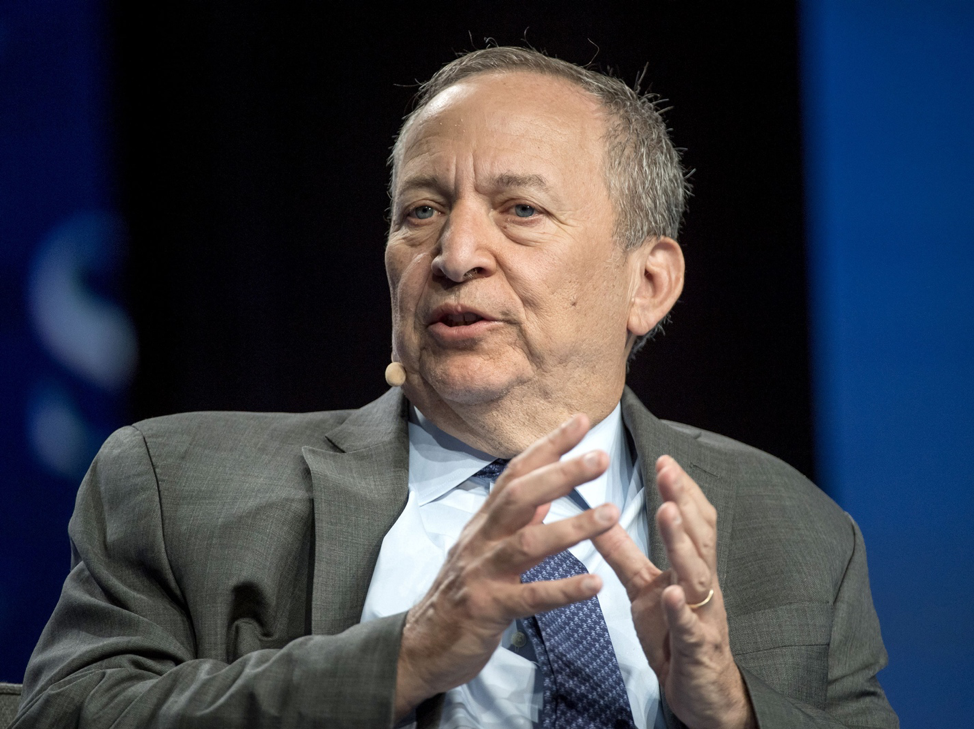
Others, who are familiar to Silicon Valley boards, have taken seats alongside him. They include Bret Taylor, a longtime Silicon Valley executive and former chairman of the board of Twitter, and former Treasury Secretary Larry Summers.
As it stands, OpenAI’s charter says it is committed to the development of artificial general intelligence, also known as AGI, or a type of AI superintelligence that can outperform humans, that will not “harm humanity or unduly concentrate power.”
Please read see full story here:
https://www.npr.org/2023/11/24/1215015362/chatgpt-openai-sam-altman-fired-explained#:~:text=OpenAI’s%20board%20of%20directors’%20abruptly,the%20surface%20of%20the%20company.
https://www.cnn.com/2023/11/22/tech/larry-summers-openai-board-sam-altman/index.html
https://www.theatlantic.com/technology/archive/2023/11/openai-ilya-sutskever-sam-altman-fired/676072/
by Editor | Nov 26, 2023 | News
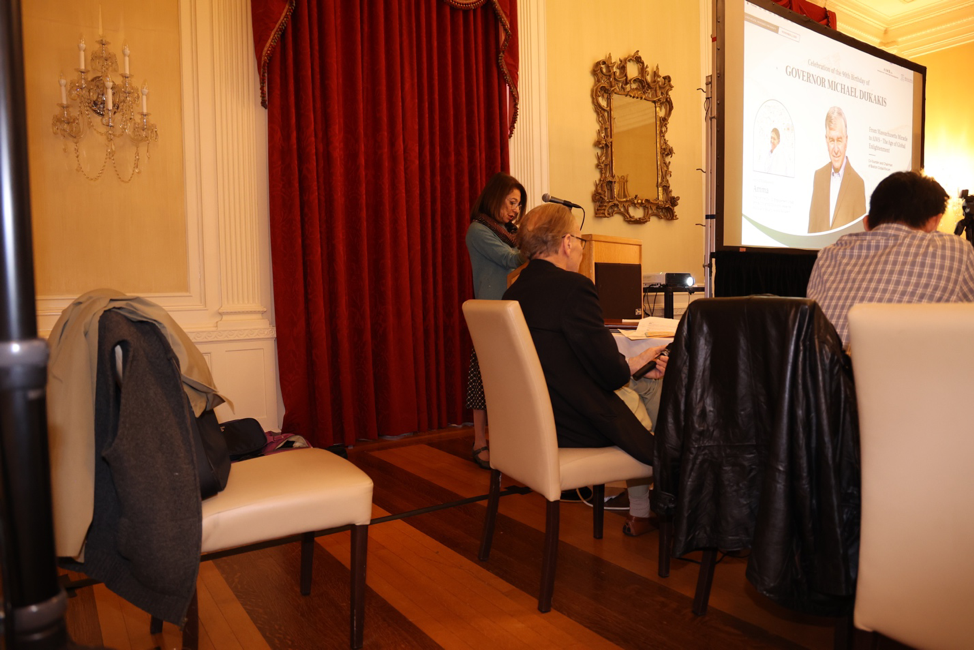
On November 2, 2023, at Harvard University Loeb House, during the BGF Conference commemorating the 90th birthday of Governor Dukakis, Co-founder, and Chair of BGF, MIT Professor Nazli Choucri, BGF Board Member, shared her insights as a distinguished contributor to the book “Remaking the World – Toward an Age of Global Enlightenment.” Here are the keynotes from her speech:
I want to revisit Michael Dukakis and highlight his various qualities as a person, individual, statesman, manager, leader, collaborator, problem solver, and inspirer for a better future. Those who have worked with him recognize his calm and compassionate nature. He handles differences of views with equilibrium and balance, efficiently reviewing and assessing priorities brought to him. In his interactions, he steers with respect for others, earning their respect in return.
We live in three interconnected worlds: the social, geopolitical human society; the natural environment; and the cyber domain. Our dilemma at this point in time is that we haven’t connected strategically, intellectually, theoretically, or even computationally to those three realities where we live. These are not autonomous anymore; they’re interconnected, but very few of us can really pull together where the connections really are. So, we’re faced with technological change.
Technological change and advances that are moving very rapidly, perhaps faster than we are able to manage. I want to conclude with a noteworthy discovery that around 74 countries have formal AI policies according to the OECD Observatory. The common core among them raises questions about the governance of AI with ethical considerations. Assessing outliers is crucial – are they outrageous and should be ignored, or integrated? This corpus of policies requires closer analysis and is of great importance to the governor.
Link: https://www.youtube.com/watch?v=7C0_AxieOtI