by Editor | Mar 26, 2023 | Event Updates, News
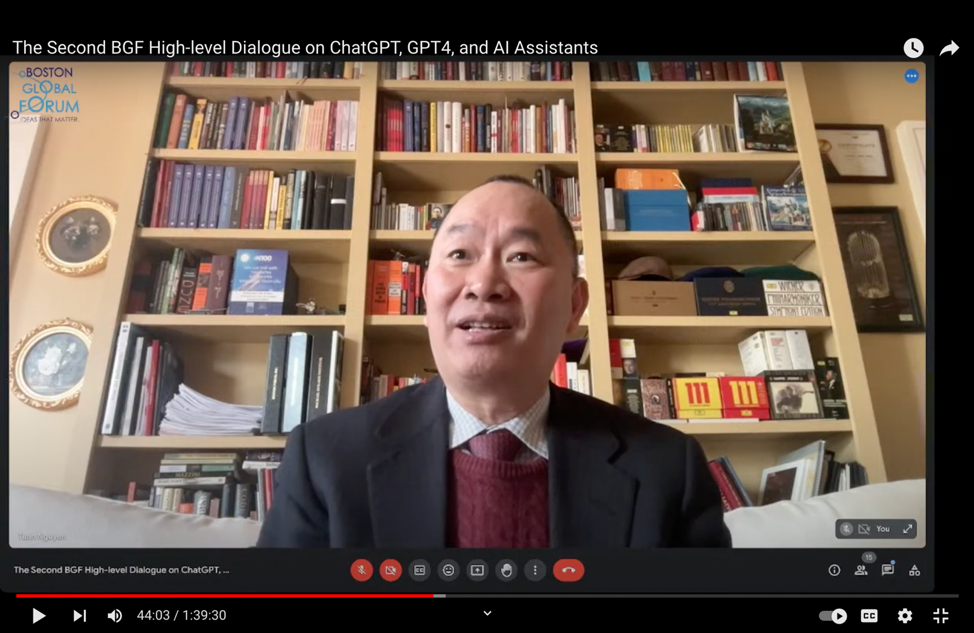
At the Second BGF High-level Dialogue on Regulation Framework for ChatGPT, GPT-4, and AI Assistants, March 22, 2023, Nguyen Anh Tuan, CEO of the Boston Global Forum, introduced the Global Enlightenment Mountain Program, a “Silicon Valley” in AI World Society (AIWS).
The Global Enlightenment Mountain Program, developed by the Boston Global Forum, is a revolutionary initiative aimed at creating a virtual Silicon Valley model for the AI and Digital era. This program aims to connect research centers, labs of leading universities, pioneering technology innovation companies from various countries including the US, Japan, India, Europe, Canada, Australia, South Korea, and Israel. By leveraging the collective knowledge and resources of these diverse regions, the program seeks to foster innovation and collaboration in the technology industry.
One of the key goals of the Global Enlightenment Mountain Program is to connect financial investment resources and talented human resources to participate in development and market. By pooling together resources from various sources, the program hopes to accelerate the pace of innovation and facilitate the creation of new products and technologies.
In addition, the program places a strong emphasis on understanding the needs of the market and society. By working closely with end-users and stakeholders, the program aims to identify areas where new technologies can create the greatest impact and support the development of products that meet these needs. Furthermore, the program provides support to create brands, go to market, and develop user communities, helping to ensure that new products and technologies are able to achieve widespread adoption and success.
Overall, the Global Enlightenment Mountain Program represents an exciting and innovative approach to fostering collaboration and innovation in the technology industry. Through its unique virtual model and focus on connecting resources and understanding market needs, the program is well positioned to drive meaningful change and shape the future of the digital era.
The Global Enlightenment Mountain Program includes the following components:
- Global Enlightenment Mountain Labs and Centers: This component involves connecting research centers and labs of leading universities, as well as pioneering technology innovation companies from various countries, to foster collaboration and innovation in the technology industry. This hub aims to attract and support young talent from all corners of the world.
- Global Enlightenment Mountain Market: This component emphasizes the importance of understanding the needs of the market and society, and working closely with end-users and stakeholders to identify areas where new technologies can create the greatest impact. The program seeks to develop products that meet these needs, and provide support to create brands, go to market, and develop user communities to ensure widespread adoption and success.
- Global Enlightenment Mountain Finance: This component aims to connect financial investment resources and talented human resources to participate in development and market, and pool together resources from various sources to accelerate the pace of innovation.
- Global Enlightenment Mountain Policy: It involves developing policies and regulations to support innovation and collaboration in the technology industry.
Mr. Nguyen Anh Tuan speaks at the second BGF High-level Dialogue

Mt. Cadillac, Acadia National Park
by Editor | Mar 19, 2023 | News
The Boston Global Forum (BGF) is set to honor and memorialize former Prime Minister Shinzo Abe as a Global Enlightenment Leader at the upcoming Shinzo Abe Conference, which will take place on April 5th in Tokyo. The conference will be centered around the theme “Make the Economy of Japan Great in the Age of Global Enlightenment”.
PM Abe, who served as the Prime Minister of Japan from 2006 to 2007 and 2012 to 2020, will be recognized for his outstanding contributions to promoting peace and security in the world. In 2015, PM Abe was honored with the BGF World Leader for Peace and Security Award, in recognition of his role in strengthening Japan’s relationship with other countries and his efforts to promote global peace and security.
The Shinzo Abe Conference will bring together distinguished leaders from Japan, USA, India to discuss the challenges and opportunities facing Japan’s economy in the age of globalization. The event will also serve as a platform to celebrate PM Abe’s legacy as a global statesman and his vision for a more prosperous and peaceful world.
By honoring Prime Minister Shinzo Abe as a Global Enlightenment Leader, BGF hopes to inspire others to follow in his footsteps and work towards a more secure and prosperous world.

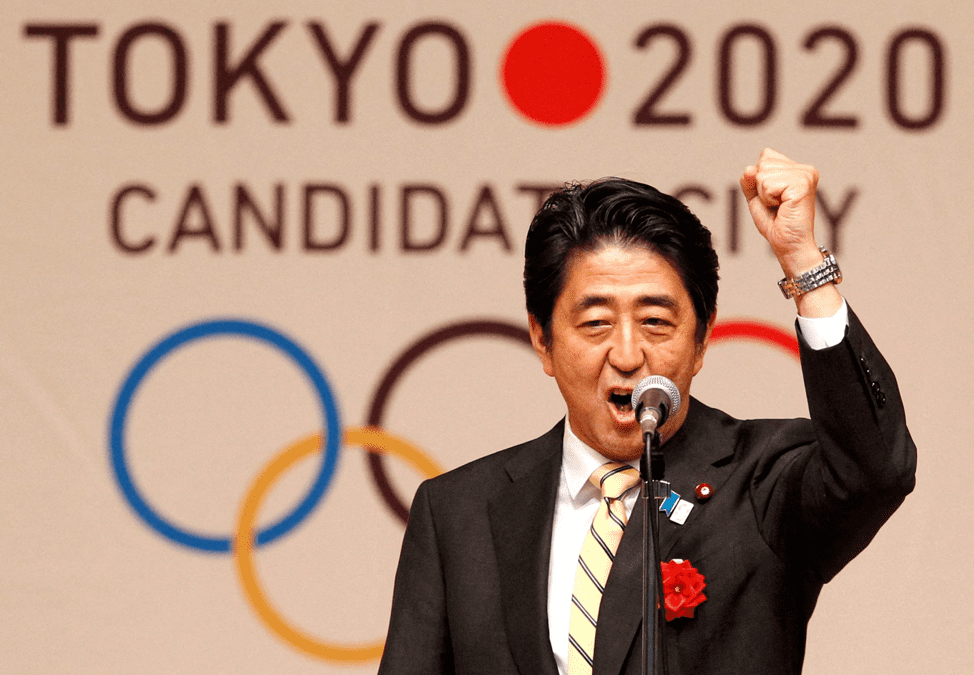
PM Abe speaking at an Olympic Games 2020 Tokyo event

by Editor | Mar 19, 2023 | Global Alliance for Digital Governance
Cameron Kerry, the former General Counsel and Acting Secretary of the United States Department of Commerce, will be speaking at the BGF High Level Dialogue on Regulation Framework for AI Assistants, including ChatGPT and GPT4. The dialogue will take place online on March 22, 2023, from 8:30 a.m. to 10:30 a.m. EDT. Kerry’s expertise in the legal and regulatory aspects of commerce will provide valuable insights into the challenges and opportunities that come with the development and growth of AI.
In addition to speaking at the BGF High Level Dialogue on Regulation Framework for AI Assistants, Cameron Kerry has been a frequent participant in significant events hosted by the organization. In addition, he is also a member of the Global Enlightenment Community, which was co-founded by Governor Michael Dukakis to celebrate his 90th birthday in 2023. Members of the Community are distinguished leaders, policy makers, business leaders, strategists, thinkers, scholars, innovators and experts from various fields to explore ideas and solutions to build the Age of Global Enlightenment. As a member of this community, Kerry’s contributions to the dialogue around AI’s impact on society are likely to be even more significant.
Former Acting Secretary of Commerce Cameron Kerry

by Editor | Mar 19, 2023 | News
In 2023, a milestone birthday will be celebrated for Governor Michael Dukakis – his 90th birthday. As part of this celebration, Governor Michael Dukakis and Boston Global Forum have founded the Global Enlightenment Community, which aims to accompany and is dedicated to building a better world in the age of Artificial Intelligence, dedicating to the United Nations Centennial Initiative and building the Age of Global Enlightenment as laid out from the concepts in the book “Remaking the World – Toward an Age of Global Enlightenment”.
Notable figures of Global Enlightenment Community are the 24 co-authors of “Remaking the World – Toward an Age of Global Enlightenment,” such as Governor Michael Dukakis, European Commission President Ursula von der Leyen, President Vaira Vike-Freiberga, Prime Minister Zlatko Lagumdzija, Speaker of Swedish Parliament Andreas Norlen, father of the Soft Power theory Joseph Nye, Vint Cerf, father of Internet, distinguished professors Judea Pearl, Alex Pentland, Thomas Patterson, Nazli Choucri, Japanese Minister Taro Kono; or prestigious leaders such as President of Finland Sauli Niinisto, former Prime Minister of Israel Ehud Barak, Professor Edward Feigenbaum, MIT professor Randall Davis, Harvard professor David Silbersweig.
To mark the occasion, a book titled “From the Massachusetts Miracle to the Age of Global Enlightenment” will also be launched. The book will feature contributions from leading figures in academia, politics, and business, highlighting Governor Dukakis’ contributions to public service and his vision for a better world, from Governor of Massachusetts to AI World Society – the Age of Global Enlightenment.
The launch of the Global Enlightenment Community and the book will be a fitting tribute to Governor Dukakis’ lifelong commitment to public service and his passion for promoting progressive change.

by Editor | Mar 12, 2023 | News
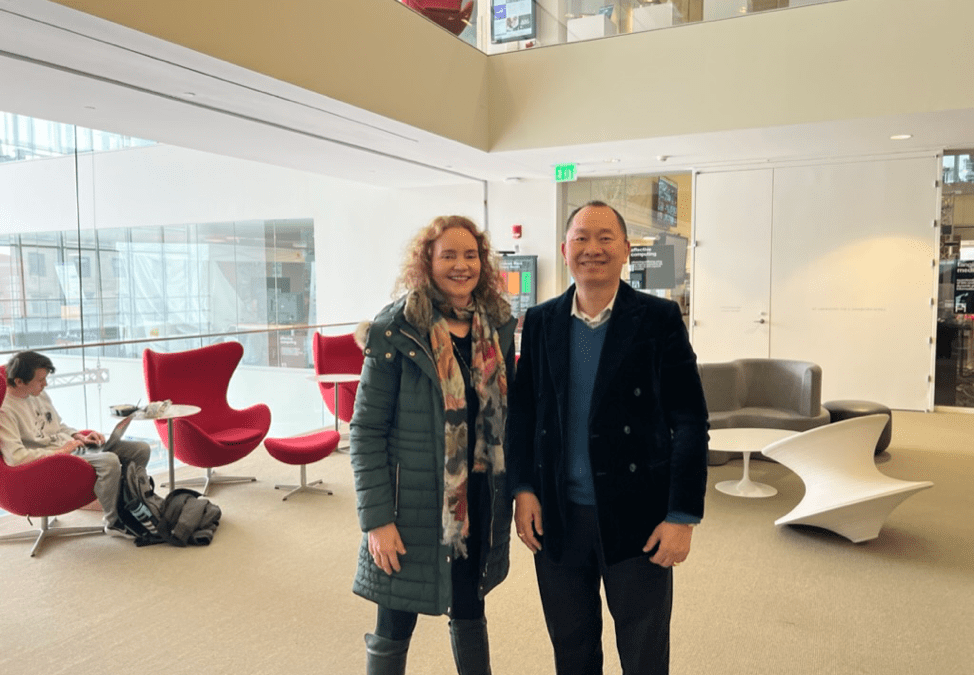
On March 7th, 2023, at MIT, the CEO of Boston Global Forum and Board Member of History of AI Initiative, Mr. Nguyen Anh Tuan, met with Tom Kehler and Kim Polese at MIT to discuss their contributions to the field of artificial intelligence, and how they can participate in the History of AI Initiative. Tom Kehler, co-founder of CrowdSmart, and Kim Polese, Executive Chairwoman of CrowdSmart, were announced to be historical figures of the History of AI House, recognizing their significant impact on the development and advancement of AI technology. Kim Polese is one of the most influential women in the technology industry, recognized for her leadership and innovation in software development and Internet. She was co-founding manager of Java language when she worked in Sun Microsystems in 1995. Her work on Java has been instrumental in shaping the way we use technology today. Tom Kehler has been a pioneer in the field of artificial intelligence, actively involved in the industry for many years and witnessing the evolution of AI technology from its early days to the present.
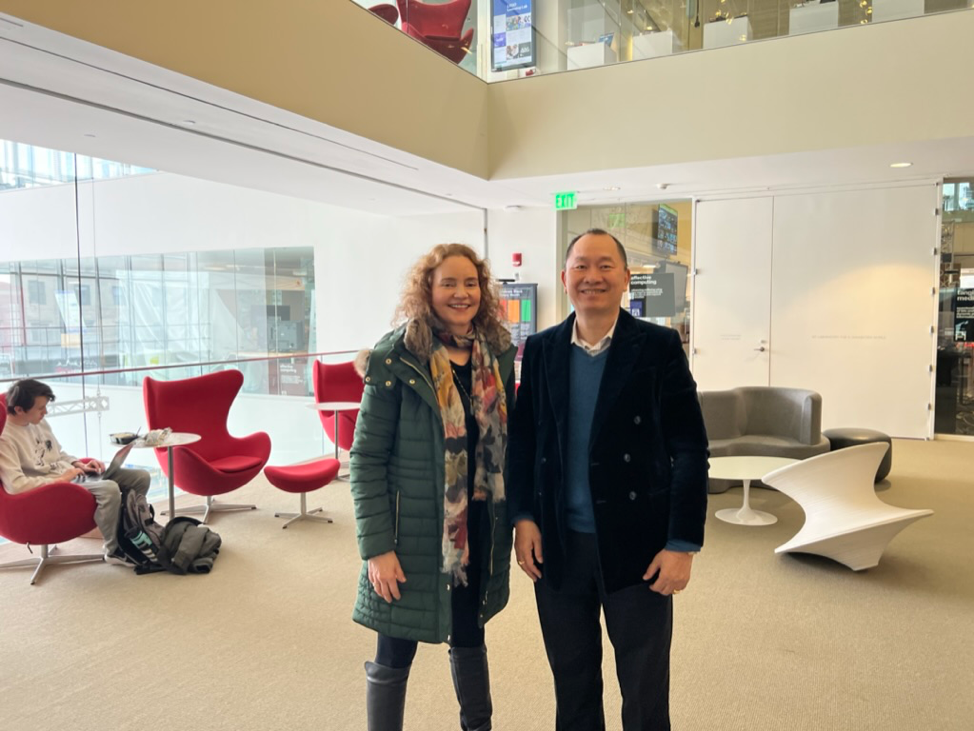
Nguyen Anh Tuan and Kim Polese
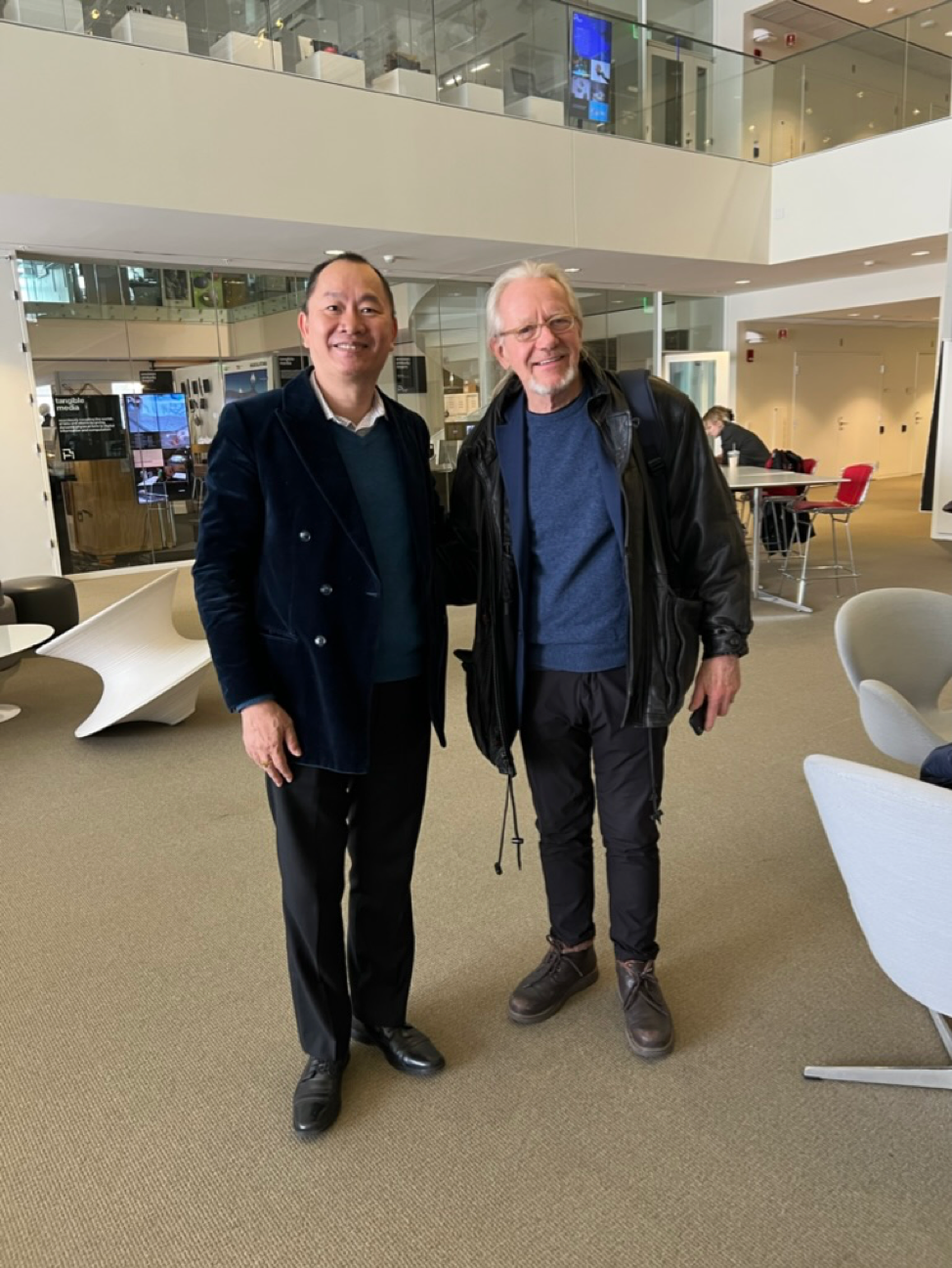
Nguyen Anh Tuan and Tom Kehler
by Editor | Mar 12, 2023 | News
The upcoming Shinzo Abe Initiative Conference on April 5, 2023, in Tokyo will showcase a special report titled “Make the Economy of Japan Great in the Age of Global Enlightenment.” The report aims to address the challenges faced by the Japanese economy in the current global landscape and provide recommendations for sustainable growth and prosperity, with the aid of AI.
The special report will cover a wide range of topics related to the Japanese economy, including innovation, technology, trade, investment, and challenges faced by the Japanese workforce such as an aging population and a shrinking labor force. The report is expected to draw insights from economists, business leaders, policymakers, and other stakeholders, providing a comprehensive and informed view of the Japanese economy.
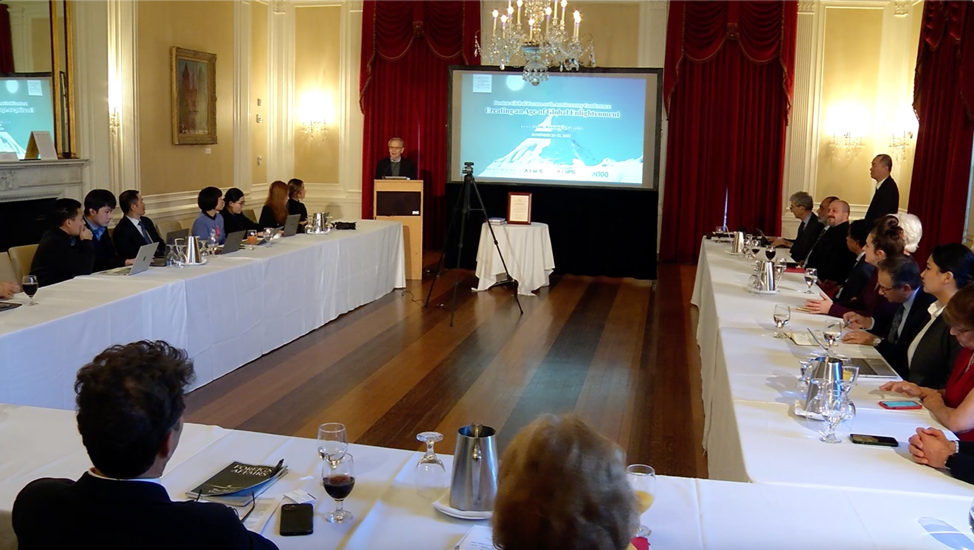
In addition to the presentation of the special report, the conference will also feature keynote speeches, panel discussions, and networking opportunities. The aim is to foster collaboration and generate new ideas that can drive Japan’s economy forward in the Age of Global Enlightenment. The first Shinzo Abe Initiative conference was organized at Harvard University Loeb House on November 23, 2022. Building on this momentum, the second conference will take place in Tokyo.
The conference is part of the initiative’s efforts to promote peace and security between Japan, Asia, and the world. Global Enlightenment Leaders of Boston Global Forum, the founder of the Shinzo Abe Initiative, contribute to this special report and aim to bring together leaders and experts from around the world to share their insights and perspectives.
Global Enlightenment Leaders at the Shinzo Abe Initiative Conference at Loeb House, Harvard University, November 23, 2022

by Editor | Mar 12, 2023 | Global Alliance for Digital Governance
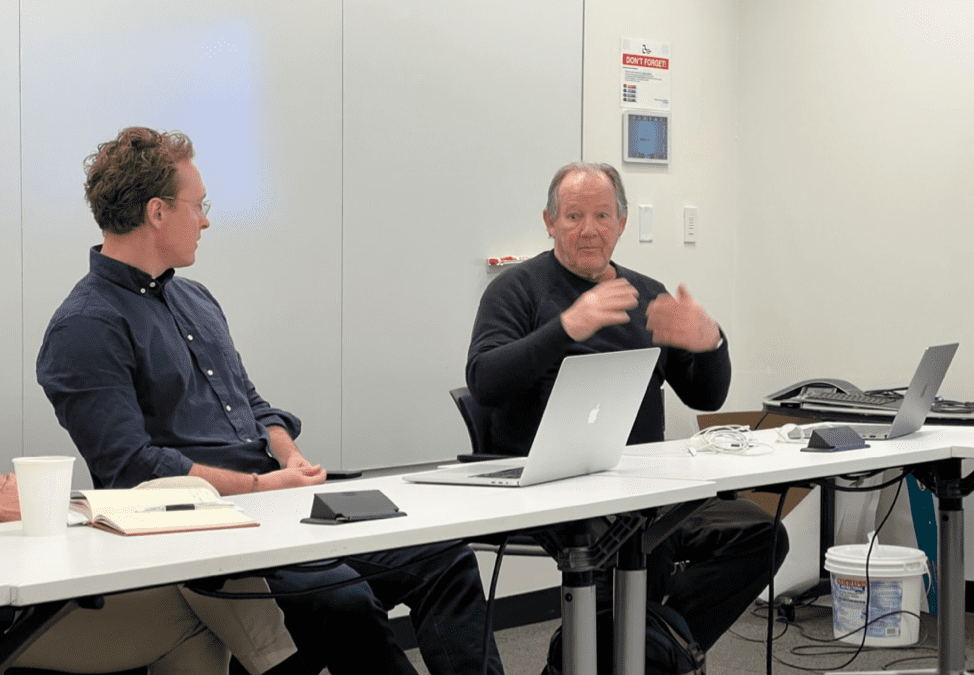
John Clippinger – Co-founder of BioForm Labs
At a time of profound threats to the biosphere, democratic institutions and global stability, scientifically informed perspectives and policies are needed to counter conspiratorial narratives and outright distrust in science and civil discourse. While the Industrial Machine Age and Free Market Capitalism engendered an era of extraordinary material wealth for the “industrialized world”, it has also imperiled all life on the planet. Furthermore, the failure of “free markets”and industrialized democracies to effectively and equitably govern has engendered a growing nihilism and fatalistic acquiescence to authoritarianism. The nightmare of an all knowing and all seeing Machine Intelligence, as exemplified in Artificial Intelligence, especially, as seen in recent ChatGPT projects, seems to further confirm such an inevitability.
But this need not be the case. Our group, Coalition for Collective Intelligence Commons (CCIC) was recently convened at the MIT Media Lab on the premise that we are transitioning from a 17th century “abiotic” or mechanistic view of Nature and ourselves to one based upon biotic principles, that is, a physics of living things. With the convergence of computational biology, complexity sciences, neuroscience, genomics, and physics has emerged science and evidence based computational methods for reimagining our democratic and economic institutions in a manner that is in concert with Nature and human dignity. This approach has recently come together to provide a coherent framework for a scale free and domain free AI that is based on the principles of living things. Known as Active Inference, Bayesian Belief modeling and Free Energy Minimization, this work builds upon a long history of cybernetics, information, computation and complexity sciences. It is best known recently through the work of Judea Pearl and the computational neuroscientist, Karl Friston.
The purpose of the CCIC is to form an entity for researchers, scientists, ecological and democratic activists, and new “biotic” companies to ensure that such technologies do not become captured by the powerful few, but serve the global commons, the Greater Good, through science and evidence based policies, firms, and institutions that strengthen democratic and open societies.
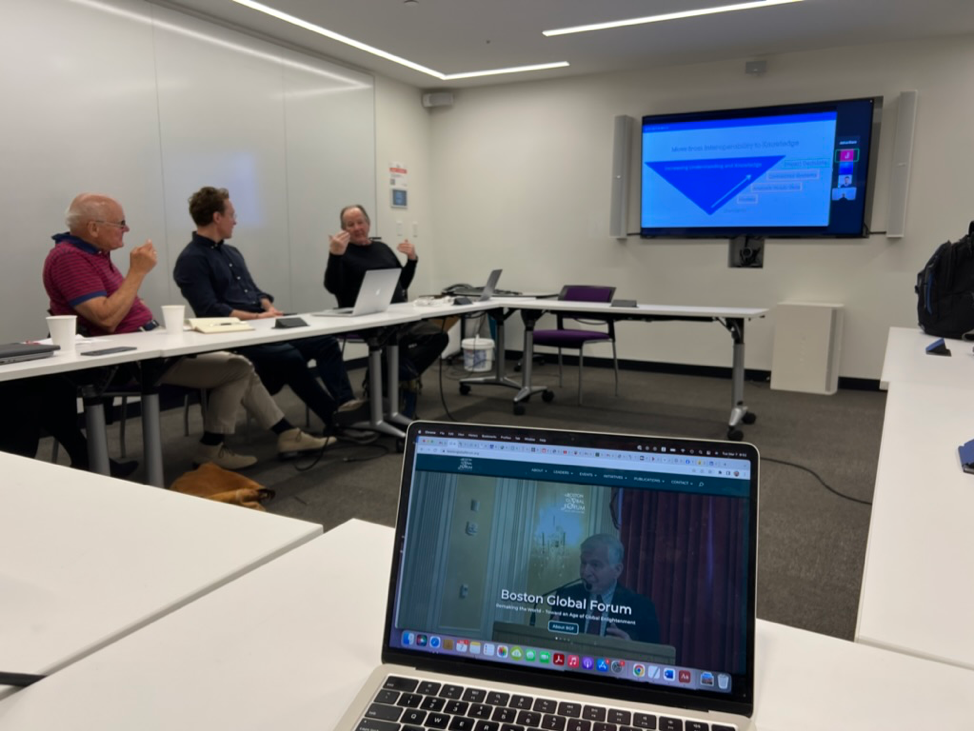
John Clippinger and CICC at MIT Media Lab, March 6-7, 2023
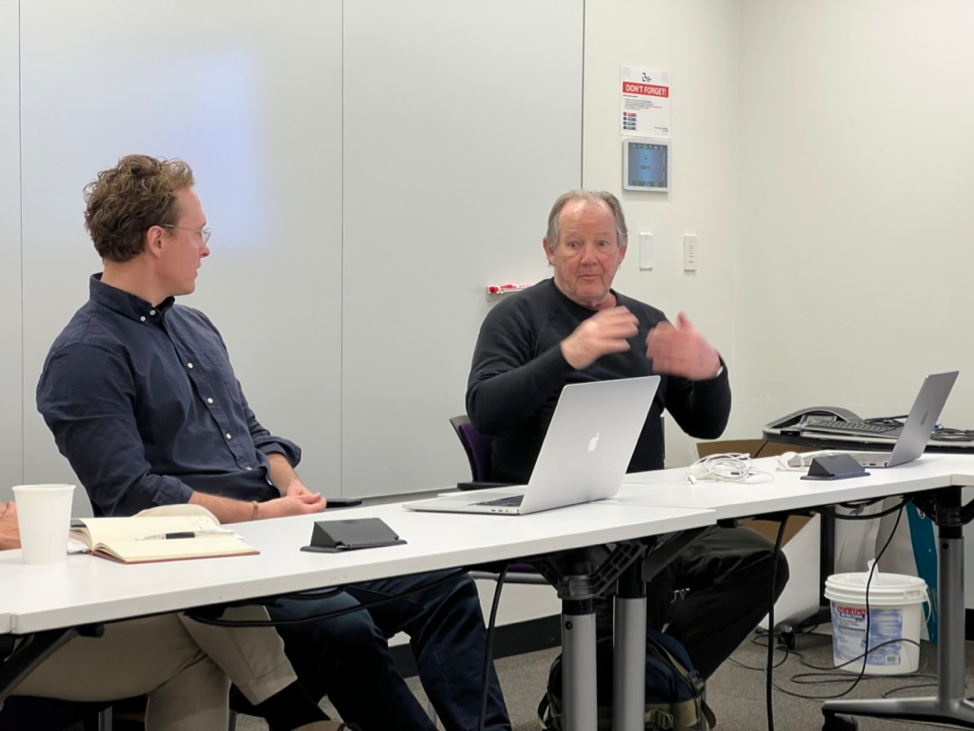
John Clippinger and CICC at MIT Media Lab, March 6-7, 2023
by Editor | Mar 12, 2023 | Event Updates, News
The upcoming Shinzo Abe Initiative Conference on April 5, 2023, in Tokyo features a lineup of esteemed speakers from various fields. The conference, titled “Make the Economy of Japan Great in the Age of Global Enlightenment,” aims to address the challenges faced by the Japanese economy in the current global landscape and provide recommendations for sustainable growth and prosperity, with the aid of AI.
The speakers at the conference are Cameron Kerry, Former US Acting Secretary of Commerce, Governor Michael Dukakis, Chair of the Boston Global Forum (BGF), Adam Posen, President of the Peterson Institute for International Economics, Alex Pentland, MIT professor, Masazumi Wakatabe, Deputy Governor of the Bank of Japan, Nguyen Anh Tuan, CEO of BGF, Yasuhide Nakayama, former State Minister, Ministry of Defense and Foreign Affairs, and Koichi Hamada, Yale professor and Special Economic Adviser to Prime Minister Shinzo Abe. Ambassador Etsuro Honda, an architect of Abenomics, will also be in attendance.
The discussions at the conference will be moderated by Ambassador Ichiro Fujisaki, a prominent Japanese diplomat who served as the Ambassador of Japan to the United States from 2008 to 2012.
The conference is an event that brings together leaders, policymakers, and experts to discuss Japan’s economic and political future and explore opportunities for growth.
The Shinzo Abe Initiative was founded on July 10, 2022 by Global Enlightenment Leaders of the Boston Global Forum, in honor of Prime Minister Shinzo Abe, who spearheaded several economic reforms during his tenure, after his assassination.
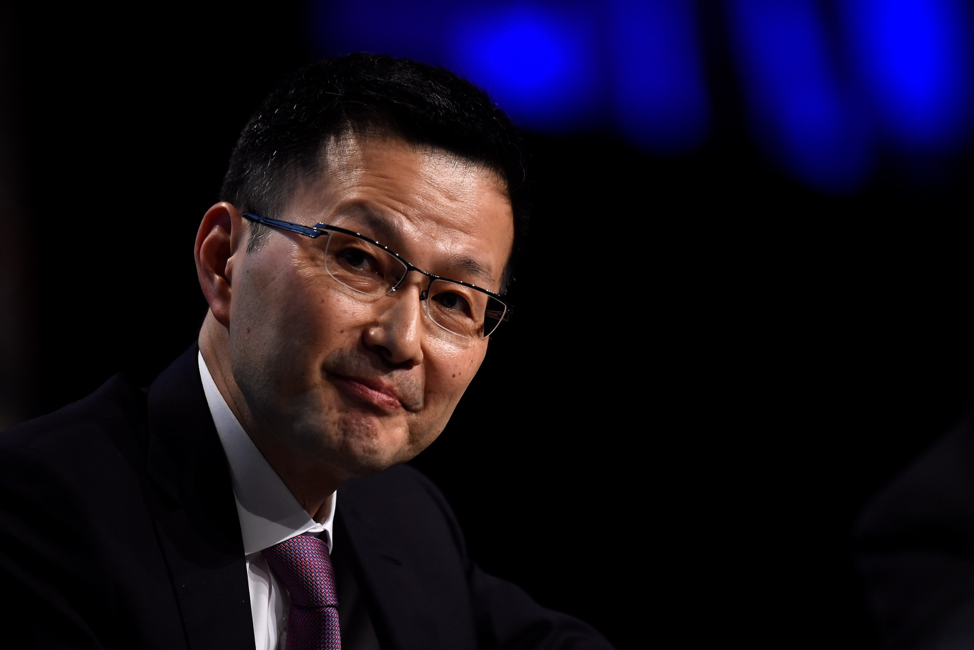
Masazumi Wakatabe, Deputy Governor of the Bank of Japan
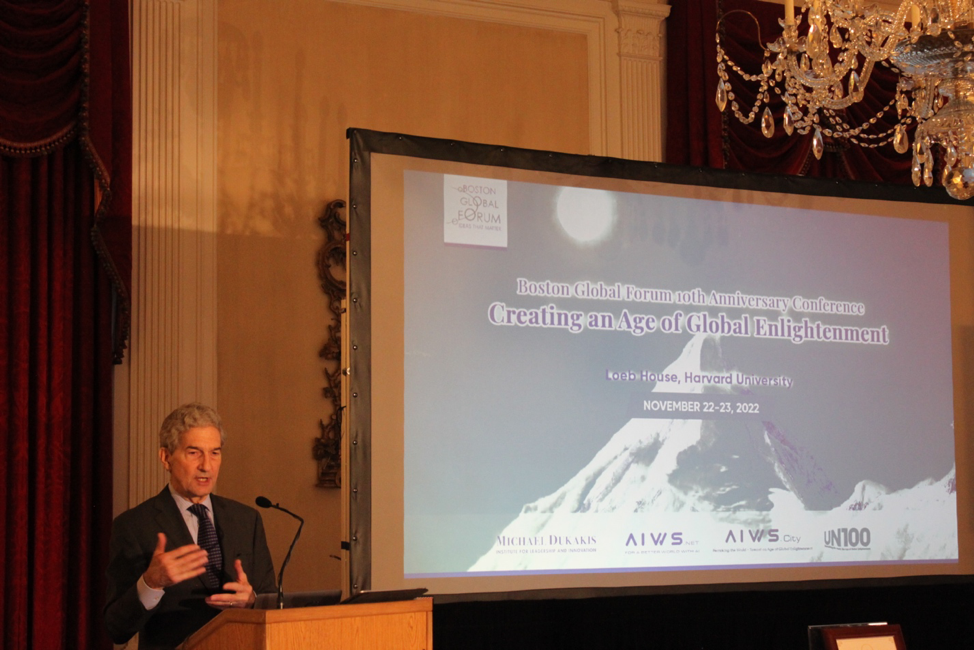
Cameron Kerry at the 10th Anniversary Conference of Boston Global Forum, November 22, 2022

by Editor | Mar 5, 2023 | News
Vietnamese writers Michelle Nguyen and Nguyen Dinh Thang, as well as renowned singer Bui Thi Thuy, have teamed up with AIWS-The Age of Global Enlightenment to promote education and raise awareness of the initiative’s 7-layer model for building a society deeply integrated with AI.
The initiative seeks to promote a more ethical, inclusive, and sustainable world by encouraging the development of AI technologies aligned with ethical principles that can help to solve some of the world’s most pressing problems. Its 7-layer model includes the Social Contract for the AI Age and the Global Enlightenment Economy, as well as Global Enlightenment Education which promotes the idea that “every citizen is an innovator” and aims to bridge the divide between AI in all areas.
Michelle Nguyen, an accomplished writer, is thrilled to work with AIWS to promote global awareness and education. She firmly believes in the potential of technology and AI to create positive change in the world and is eager to explore new ways to use these technologies to promote ethical and sustainable development. Similarly, Nguyen Dinh Thang, a prominent business leader with expertise in IT and banking industries and a passion for promoting access to quality education for all, is enthusiastic about the project.
Together, Michelle Nguyen and Nguyen Dinh Thang have just published the book “AI in the Age of Global Enlightenment,” inspired by the book “Remaking the World – Toward an Age of Global Enlightenment.” The book explores the potential of AI to promote ethical and sustainable development, in line with the principles of AIWS.
Renowned singer Bui Thi Thuy is also excited to be part of this initiative. She believes that music can be a powerful tool for promoting the core value of “every citizen is an innovator and creator” and is looking forward to using her platform to raise awareness of the pioneering concepts of AIWS and to inspire people to think critically about the future of technology and AI.
Together, these talented artists and writers are making a significant contribution to the global conversation about the future of technology and AI. Through their work with AIWS-The Age of Global Enlightenment, they are helping to remake the world towards an Age of Global Enlightenment. They hope that their efforts will inspire others to think critically about the role of technology and AI in shaping the future of our world and work towards a more ethical and inclusive society.
Singer Bui Thi Thuy

Writers Nguyen Dinh Thang and Michelle Nguyen