We, the Global Enlightenment Community, consisting of distinguished leaders, thinkers, strategists, innovators, artists, and business leaders from across the world, have gathered at the Boston Global Forum High-Level Conference on AI Assistant Regulation Summit to discuss the urgent need for government, civic, corporate action in AI advancement. As we celebrate Governor Michael Dukakis’s 90th birthday, Chairman of the Boston Global Forum, we recognize the critical role that he and other visionary leaders have played in promoting responsible AI development and governance.
Over the past few months, we have engaged in a series of high-level dialogues with distinguished leaders and thinkers from the US, Japan, Europe, India, and other regions, as well as with innovators from the Harvard University, MIT, Stanford, Silicon Valley, and policy makers from Boston, Tokyo, Rome, and other cities, to develop a regulatory framework for AI assistants and ChatGPT. We have called for research centers and laboratories to collaborate to create new values, optimize technological power, and realize the full potential of beneficial AI and encourage diverse and robust global markets and opportunities.
In addition to calling all national governments, civic societies, corporates to take action in regulating AI, the Global Enlightenment Community recognizes the importance of engaging with other key stakeholders, including leaders of the United Nations, Japan, US, Europe, and India, as well as leaders of different religions, to promote responsible and ethical AI development and governance.
Therefore, we propose organizing high-level delegations from the Global Enlightenment Community to meet and dialogue with these leaders in 2023. These delegations will comprise distinguished leaders, thinkers, and business leaders who will advocate for the development of a global regulatory framework and accord for AI and the need to ensure AI serves the best interests of humanity.
Through these dialogues, we aim to promote greater international cooperation and collaboration in the field of AI and to advance the goals of the Global Enlightenment Mountain and the Global Alliance for Digital Governance. We believe that concerted global efforts are necessary to address the urgent need for responsible AI development and governance, and to ensure that AI benefits all of humanity.
Therefore, we call upon national governments to take action and support the development of healthy AI that serves the best interests of people. This includes creating governance frameworks that ensure ethical and responsible AI development and governance based on international regulations and accords. We recognize that developing such frameworks is a complex task that requires the participation and collaboration of all stakeholders, including government, industry, academia, and civil society.
In this regard, the Boston Global Forum is proud to announce the Global Alliance for Digital Governance (GADG), which will coordinate the enforcement of oversight in the field of AI. This is a crucial step towards achieving the goals of the Global Enlightenment Mountain (GEM), a frontier initiative designed to create a virtual Silicon Valley model for the AI and digital era. GEM aims to connect research centers, labs of leading universities, and pioneering technology innovation companies from various countries, including the US, Japan, India, Europe, Canada, Australia, South Korea, and Israel.
We urge all governments, civic societies, and corporations to participate in setting the problems to be solved for GEM and to cooperate to create an overarching framework for viable and ethical AI development with robust governance. We must act now to ensure that AI is used to serve the best interests of humanity.
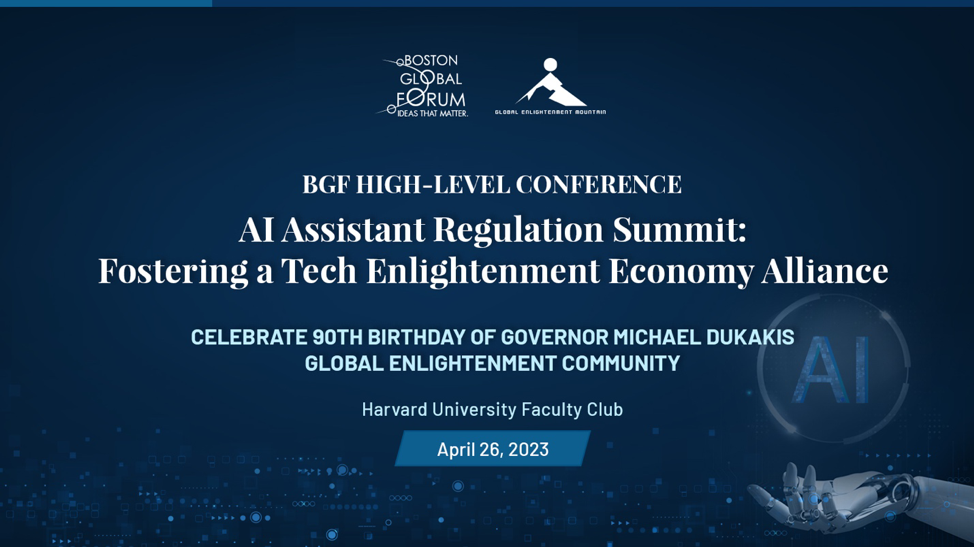
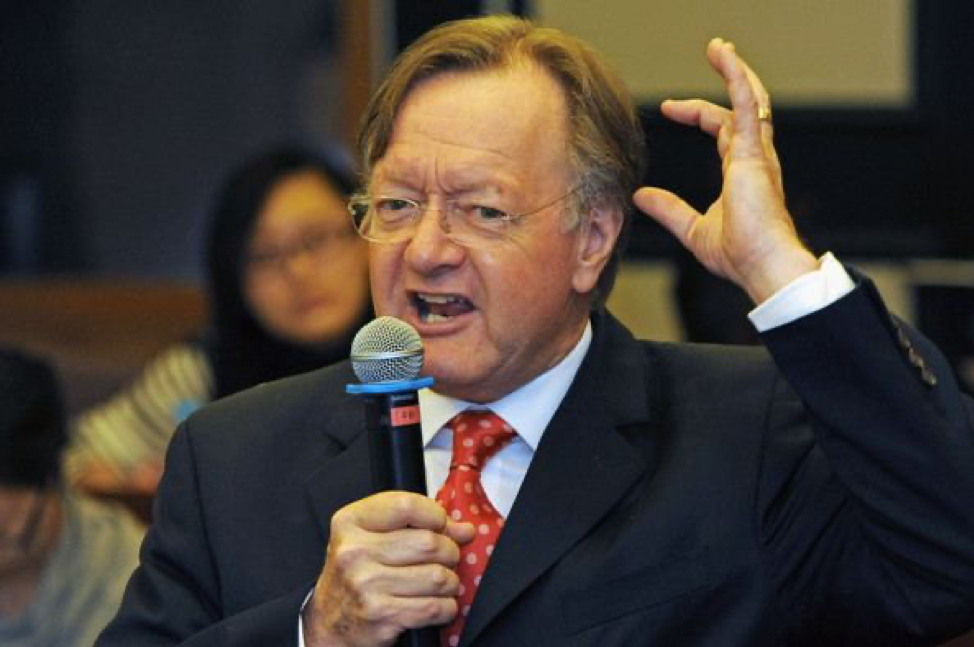
The Boston Global Forum is proud to host a high-level conference at Harvard University Faculty Club on April 26, 2023, featuring John Quelch, Emeritus Harvard professor and former Dean of three leading business schools. Quelch, who is also a co-founder of the Boston Global Forum, will speak on the timely topic “How to compete with China in the Age of AI and Data.” The conference promises to be a thought-provoking event, bringing together experts and leaders in the fields of technology, politics, and business to discuss critical issues facing our world today.
John A. Quelch CBE is the Charles Edward Wilson Professor Emeritus at Harvard Business School and former Dean of three leading business schools on three continents in London, Shanghai and Miami. He currently serves as non-executive chairman of the Globalpraxis management consultancy headquartered in Barcelona. A veteran non-executive director of ten listed companies, he is currently on the boards of Amerant Bancorp and several early stage and pre-IPO companies in the healthcare and financial services sectors. He served for nine years as Chairman of the Massachusetts Port Authority and for thirteen years as Honorary Consul General for Morocco in New England. He is a member of the Trilateral Commission, Council on Foreign Relations and American Academy of Arts and Sciences. He is a graduate of Oxford (BA), Wharton (MBA) and Harvard (SM and DBA).
Boston – It is an honor and privilege to come together to celebrate the 90th birthday of Governor Michael Dukakis, a truly remarkable figure in American politics and a tireless advocate for progressive values. Throughout his life, Governor Dukakis has dedicated himself to public service, working tirelessly to promote social justice, protect the environment, and foster global cooperation. His leadership has inspired countless activists, policymakers, and citizens to strive for a better world.
To mark this special occasion, the Boston Global Forum is thrilled to announce the forthcoming publication of a Liber Amicorum Book titled “From the Massachusetts Miracle to the Age of Global Enlightenment.” This book is a tribute to Governor Dukakis’ remarkable legacy and features contributions from distinguished leaders, thinkers, innovators, and artists who reflect on his achievements and the impact of Boston Global Forum initiatives, including “Remaking the World – Toward an Age of Global Enlightenment,” AIWS, World Leaders for Peace and Security Award, World Leader in AIWS Award, and Global Enlightenment Mountain (GEM).
Governor Dukakis has been a tireless champion of the AIWS, the United Nations Centennial Initiative, and the Global Enlightenment Community, which is dedicated to supporting the mission of building the Age of Global Enlightenment. We invite leaders, thinkers, and innovators to contribute content to the book, with a submission deadline of August 31, 2023. The book will be published in late October 2023, and we look forward to sharing it with the world.
As we celebrate Governor Dukakis’ 90th birthday, we recognize the extraordinary contributions he has made to American and global politics as the Massachusetts Miracle. His visionary leadership and tireless commitment to public service have left an indelible mark on the world, and we are inspired to continue his work towards a more just, peaceful, and prosperous world.
I am excited to announce the founding of the Global Enlightenment Community, a collective of distinguished leaders, thinkers, innovators, artists, and business leaders dedicated to building a future based on the principles of AIWS – the Age of Global Enlightenment.
As we look to the future, it is clear that technology and innovation will play a crucial role in shaping the world we live in. However, it is equally clear that we must approach these developments with caution and care, lest we create a future that is unrecognizable and even dangerous.
That is why the Global Enlightenment Community is so important. By bringing together some of the brightest minds in the world, we can work together to ensure that technology and innovation are harnessed for the greater good. Together, we can chart a course towards a future that is both prosperous and just, and that benefits all members of society.
I invite all distinguished leaders, thinkers, innovators, artists, and business leaders who share our vision to join us in this important mission. Together, we can build a future that is worthy of our best aspirations and that reflects the values of Global Enlightenment.
Thank you, and I look forward to working with you all.
Sincerely,
Governor Michael Dukakis, Chair of Boston Global Forum
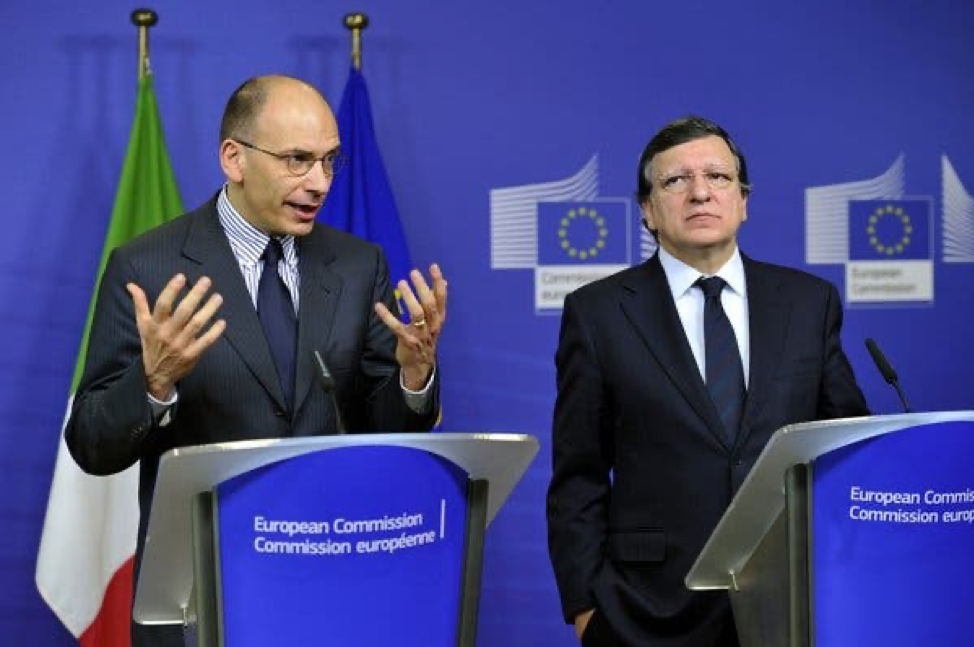
Pioneer in AI Governance, Special Regulations for AI Assistants and ChatGPT with a series of conference started February 28, 2023, the Boston Global Forum (BGF) calls on governments, companies, and academic institutions around the world to take action in managing and governing AI Assistants and ChatGPT. As AI technology continues to advance rapidly, it is crucial to ensure that these technologies are used ethically and responsibly. To address this challenge, BGF is organizing a High-level Dialogue on April 26 at the Harvard University Faculty Club, featuring distinguished speakers such as Japanese Minister of Economic Security Sanae Takaichi, former Prime Minister of Italy Enrico Letta, and former Prime Minister of Bosnia and Herzegovina Zlatko Lagumdzija.
The conference will discuss the urgent need to establish a robust regulation framework for AI and data-driven technologies, with a particular focus on AI Assistants and ChatGPT. The proposed Regulation Framework for AI Assistants and ChatGPT, developed by BGF’s Global Alliance on Digital Governance (GADG), establishes guidelines for the development and use of AI technologies, while also ensuring that they are used in a manner that is consistent with human rights and values.
The conference will also explore how governments, companies, and universities can work together to create a more transparent, accountable, and ethical global tech ecosystem. It will provide a platform for thought leaders and experts to exchange ideas and insights, and to identify practical solutions for managing and governing AI Assistants and ChatGPT.
BGF calls on stakeholders to participate in this critical conversation and to take action in managing and governing AI technology. By working together, we can ensure that AI technology is used in a way that benefits society as a whole, and that it is consistent with our shared values and principles.
One of the key initiatives of Global Enlightenment Mountain (GEM) is the creation of AI Assistants, including T-Lead, Enligh-T, T-Kindness, and Biotic AI. These intelligent assistants are designed to augment human abilities, improve our quality of life, and ensure their ethical and responsible usage, setting an example of ethics and responsibility for the tech industry.
T-Kindness: An AI assistant with empathy. T-Kindness is an AI assistant that is more than just an effective tool. It is a sincere and honest friend that understands your interests, psychology, habits, and personality. This assistant supports you in everything from work to love and health care, always there for you every time and everywhere. T-Kindness helps you build good character, right behavior, and nobility in times of failure or difficulties, as well as success, victory, and glory.
Enligh-T: AI assistant preserving the thoughts of outstanding leaders Enligh-T is an AI assistant that simulates the thought processes and decision-making of outstanding leaders, preserving their great minds for future generations. By absorbing and learning from these leaders, Enligh-T helps to ensure their legacies last for eternity.
T-Lead: AI assistant for decision makers T-Lead is an AI assistant that helps political leaders make informed decisions that are good for the people and society. By understanding the psychology and emotions of the leader, T-Lead provides empathetic support and acts as a trustworthy friend. T-Lead also learns from the leader’s good qualities and preserves them for the next generation.
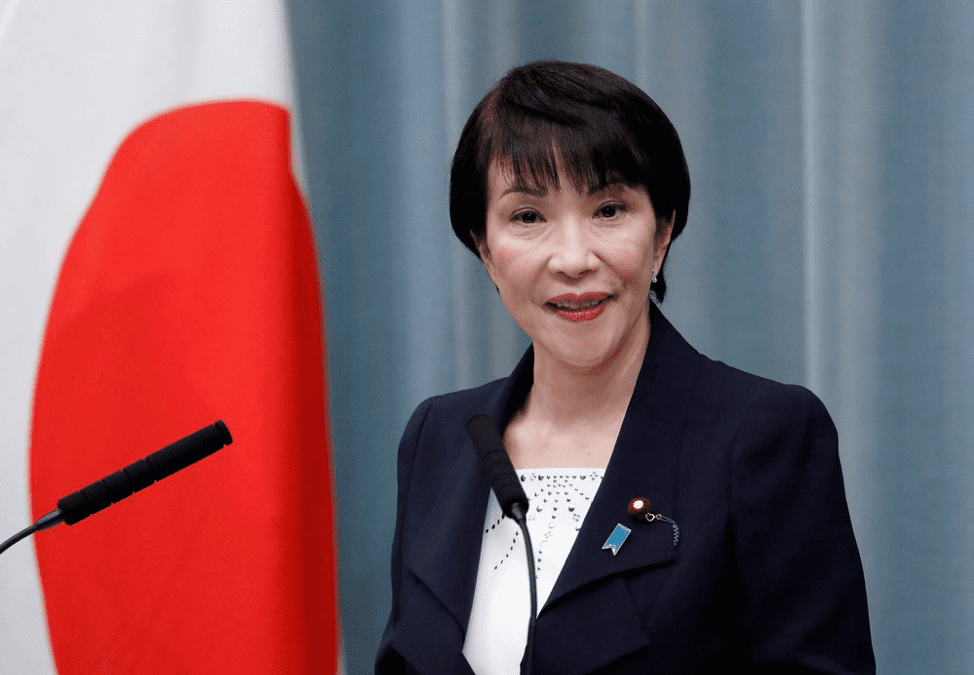
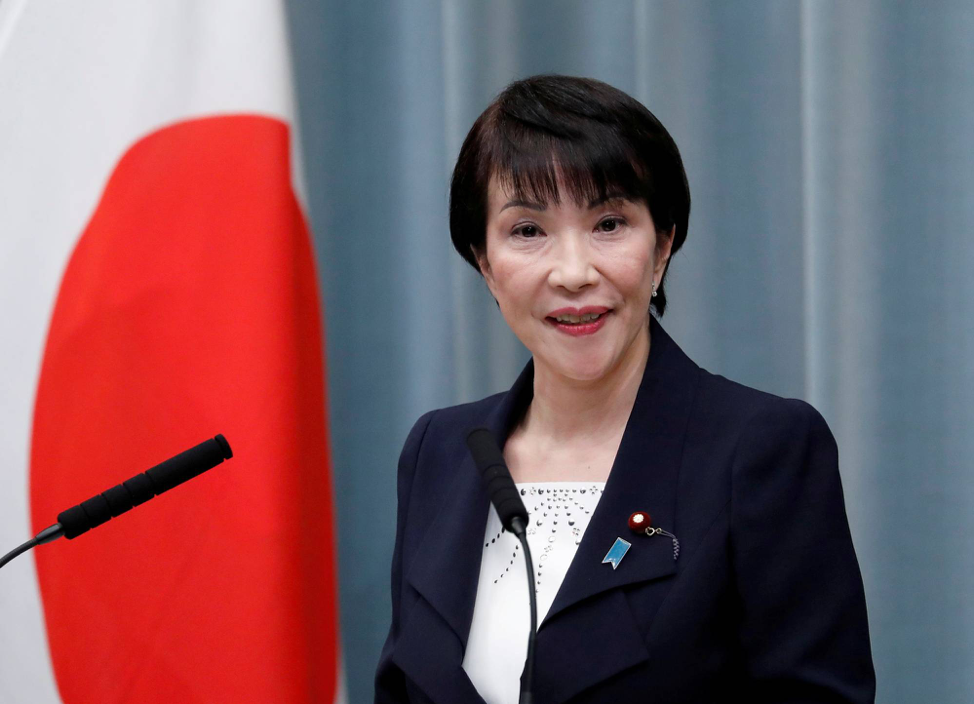
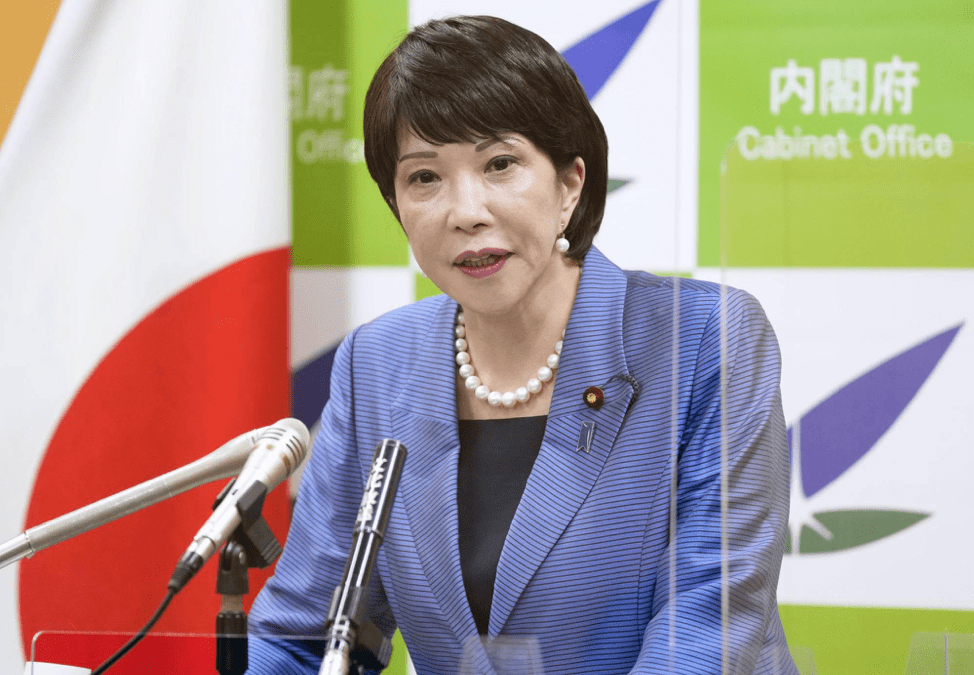
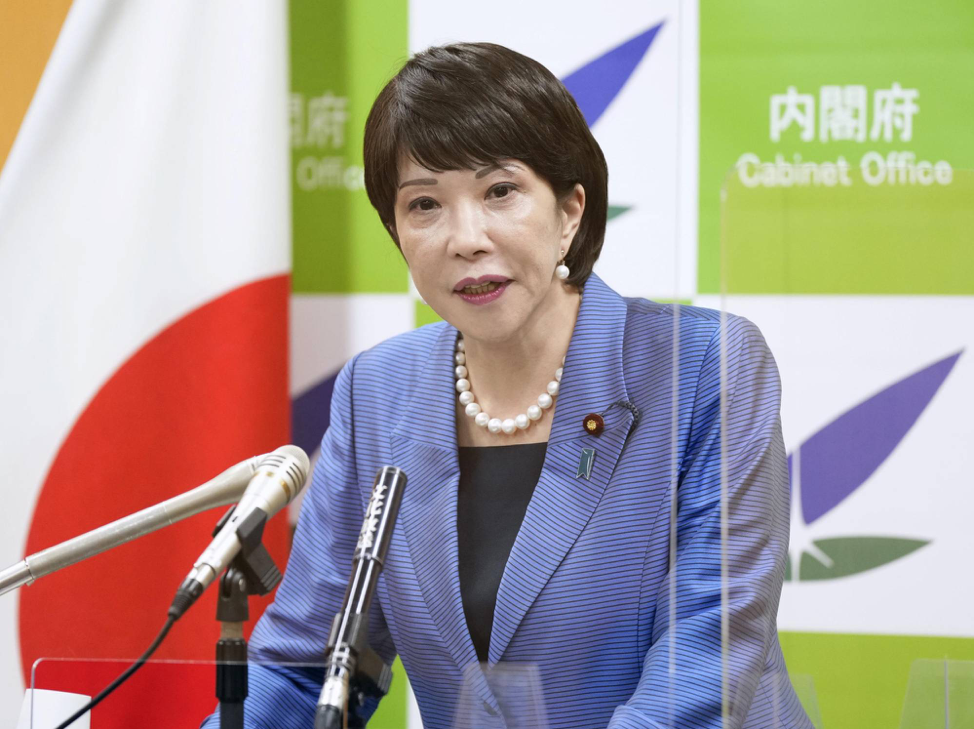
Boston – The Boston Global Forum (BGF) is pleased to announce that the Japanese Economic Minister Sanae Takaichi, will receive the World Leader in AIWS Award and present the Distinguished Global Enlightenment Speech at the BGF High-level “AI Assistant Regulation Summit: Fostering a Tech Enlightenment Economy Alliance” on April 26, 2023 at Harvard University Faculty Club.
Minister Sanae Takaichi dedicates to AI and Data economic security, contributes to need to act fast and create a Regulation Framework for AI governance based on the concepts of the Regulation Framework for AI Assistants and ChatGPT.
She urges governments around the world to join us in this effort, and to work together to create a more transparent, accountable, and ethical global tech ecosystem.
The Boston Global Forum has been actively involved in global discussions with high impact organizations with pioneering initiatives in AI and Digital Governance, building Regulations for AI Assistants and ChatGPT with a series of conference started February 28, 2023, Boston Global Forum (BGF) calls on governments, companies, and academic institutions around the world to act in managing and governing AI Assistants and ChatGPT, creating the Global Enlightenment Mountain. The Global Enlightenment Mountain (GEM) program is a model of the new Silicon Valley, designed to make significant achievements in building the Age of Global Enlightenment. As AI technology continues to advance rapidly, GEM is leading the way in creating a more transparent, accountable, and ethical global tech ecosystem. One of the key initiatives of GEM is the creation of AI Assistants, including T-Lead, Enligh-T, T-Kindness, and Biotic AI.
WHAT: Minister Sanae Takaichi will present the keynote address at the BGF High-level “AI Assistant Regulation Summit: Fostering a Tech Enlightenment Economy Alliance”
WHEN: April 26, 2023, 8:30 am – 12:00 pm, EDT
WHERE: Harvard University Faculty Club, Cambridge, MA
WHO: Minister Sanae Takaichi, Governor Michael Dukakis, Tuan Nguyen, CEO of Boston Global Forum. For full agenda and list of distinguished speakers, please visit: https://bostonglobalforum.org/bgf-events/
About Boston Global Forum and AI World Society
The Boston Global Forum (BGF) offers a venue for world leaders, strategists, thinkers, and innovators to contribute to the process of Remaking the World – Toward an Age of Global Enlightenment. The BGF introduced core concepts that are shaping groundbreaking international initiatives, most notably, the Social Contract for the AI Age, AI International Law and Accord, the Global Alliance for Digital Governance, the AI World Society (AIWS) Ecosystem, and the AIWS City.
Co-founders of the Boston Global Forum are Governor Michael Dukakis, Nguyen Anh Tuan, Founder & Editor-in-Chief of VietNamNet (1997-2011), Harvard Professors Thomas Patterson, and John Quelch.
The evolution of Artificial Intelligence holds great promise in a wide variety of sectors but can also be used in damaging ways, including political manipulation and unwarranted surveillance. For this reason, Michael Dukakis Institute has created the Artificial Intelligence World Society Initiative (AIWS) as a means of counteracting harmful and unethical uses of AI, and building the 7-layer AI model, including ethics, to achieve a peaceful and secure world.
The mission of AIWS is to develop recommendations for the development and implementation of AI in ways that promote the public interest. This includes:
Develop an ethical framework for the use of AI.
Create Social Contract for the AI Age, AI International Accord, and Global Alliance for Digital Governance
Innovate technical protocols to enhance cybersecurity and protect privacy.
Building AI-Government, the AIWS City, and AI Initiatives in Politics and Society.
At the Shinzo Abe Initiative 2nd Conference – Make the Economy of Japan Great in the Age of Global Enlightenment, renowned Singer Bui Thi Thuy contributed the song “Aspiration” to honor and memorialize Prime Minister Shinzo Abe. Below is the greeting from Artist Bui Thi Thuy:
“Dear distinguished guests,
I am delighted to extend my warm greetings to all as a Vietnamese artist who holds great admiration and respect for Prime Minister Shinzo Abe and is inspired by the BGF’s Initiative to Build the Age of Global Enlightenment. It is a great honor for me to have been invited to perform a memorial song in honor of Prime Minister Shinzo Abe at the Special Conference of the Shinzo Abe Initiative on April 5, 2023, amidst the breathtaking cherry blossom season in Tokyo. The song that I have chosen to dedicate to Prime Minister Shinzo Abe is “Aspiration” by the talented musician Pham Minh Tuan.”
Thank you, the Boston Global Forum, for the kind invitation to us at iSpirt to participate in the Shinzo Abe Initiative, 2nd Conference – Make the Economy of Japan Great in the Age of Global Enlightenment. I am Sanjay Anandaram, Ambassador of iSpirt, a not for profit technology think-and-do tank, based in Bengaluru, India. It is my pleasure to be in such distinguished company. Before I begin, I’d like to offer my Shraddhanjali ie homage and respects to Prime Minister Shinzo Abe who championed a deeper Japan – India friendship right from 2006 when he met with the then Indian PM Manmohan Singh in Tokyo. The bilateral relationship established then got upgraded to a “special and strategic partnership” in 2014 when PM Shinzo Abe and PM Modi effectively to encompass the diplomatic, military, and economic sectors. Japan was the first country with which India initiated a 2+2 dialogue between foreign and defense ministers. The two countries also conducted joint military drills, naval exercises, and counterterrorism operations. A Comprehensive Economic Partnership Agreement expanded their bilateral trade, with Japan becoming India’s 12th largest trading partner, and fourth largest investor by 2020. Importantly, in 2016, Japan and India signed a civil nuclear pact, eliminating Japan’s resistance to India as a nuclear power. PM Abe became the first Japanese prime minister to visit India three times. In a seminal speech in the Indian Parliament he shared a vision of the Indo-Pacific as a connected strategic domain, that there was “a Confluence of the Two Seas” and the “Pacific and Indian Oceans [were] a dynamic coupling as seas of freedom and prosperity.” This characterization enabled Japan’s bilateral relationship with India to grow into the larger cooperative partnership, the Quadrilateral Security Dialogue that was catalyzed by the rise of China. According to a Japan Bank of International Cooperation survey, India tops as an investment destination for Japanese companies. Today, as geopolitics, technology and energy reconfigure global supply chains, priorities and partnerships, it is important to see how India and Japan can build upon and strengthen their ties through technology. Here are some key areas:
1) India is a leader in conceptualizing, designing, developing and deploying digital public goods at continent scale. Recognised by the UN, World Bank and now an agenda item at the G20, these cover health, education, credit, payments, drones, ecommerce, agriculture among other areas; these are critical to the societal transformation of their own countries and to others around the world in a low cost, high volume, speedy, consent based manner. MOSIP, The world’s largest DPG is from India, is being deployed in Africa and Asia. American, European and Indian entities are part of this. Japan can play a major role here.
2) PM Abe coined the phrase “Data Free Flow with Trust” at the 2019 G20 Meeting in Osaka (India did not participate in the Declaration on Digital Economy). There is ample opportunity now for India and Japan to work together on building upon India’s pioneering techno-legal formulation on not just data privacy but also data empowerment & protection. This will go a long way in ensuring Data Free Flow with Trust. This will require India and Japan and others to work together to create new institutions, standards, innovation in policy, governance, regulations and access to markets.
3) There can be no discussion without AI – the flavour of the season! While there has been a call by leading AI Lab heads and experts to halt work on AI till discussions are held on issues of concern, it is important to also note that for the developing world, AI can play an enormous multiplier role in areas like healthcare, education, agriculture, security. In addition, various Indian (AI for 22 Indian languages bhashini initiative in India) and Japanese language translations via AI – this then can be of great value to the sharing of knowledge, practices and experiences. Japan’s expertise in AI & security coupled with India’s initiatives and capabilities (a 2020 report estimated that 12% of AI researchers worldwide are from India) can offer AI for good; In addition, areas like 6G, decarbonization technologies, security and quantum computing offer opportunities for partnerships.
4) India is one of the world’s top startup hubs as well as home to a large number of scientists and engineers. Japanese companies, capital, hardware & system technology and India with its market, software & science talent can work together for joint development and deployment of new solutions for the world.
5) Finally, the Japanese ikigai or ultimate purpose of our being, in the Age of Global Enlightenment with peace and humaneness, is tied into the realisation of Vasudhaiva Kutumbukam. The World is One Family, an ancient Indian moral value engraved at the entrance to the Parliament of India. Thank You!