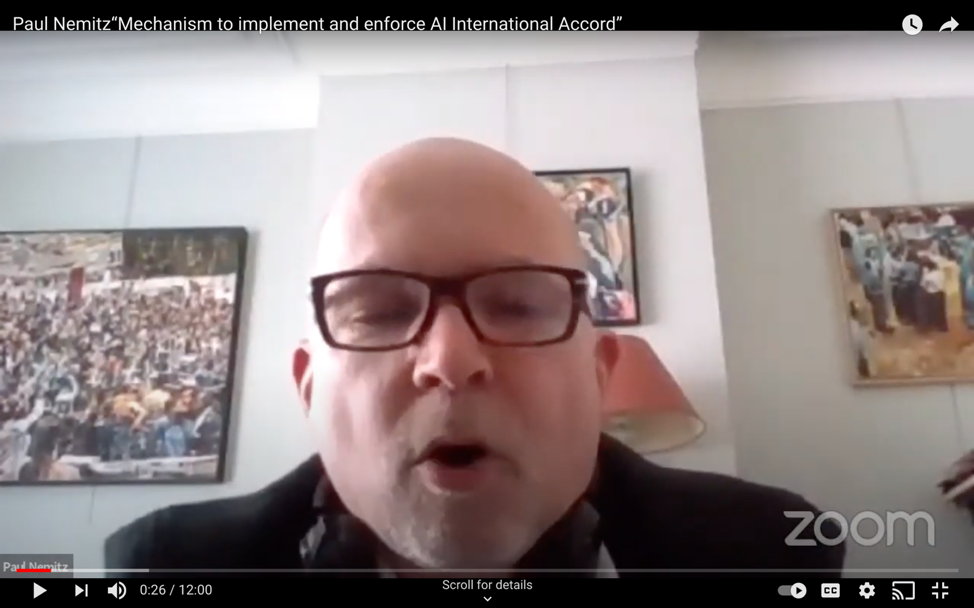
Is it right, and this will be my last and third remark, to take the multilateral agreement on the Law of the Sea, which is a United Nations Agreement, as a model for our work on AI? The multilateral agreement on the Law of the Sea is the biggest binding convention of the United Nations. And I would say, having in mind the ambition to have as many countries on board as possible as a precondition for a global AI accord working, I think that makes the Law of the Sea a great model.
Second, the Law of the Sea at the time was extremely innovative in dealing with a space which was largely unexplored, out there beyond the sight of the coast, 70% of the space of the world and so deep at certain places that no men had ever seen the bottom of what was being regulated in binding international law. This was exactly the reason that states got together and agreed on, if you look at them today, amazing principles of a binding nature because everyone understood that this new frontier, the ocean being at the beginning of exploitation, deep sea mining and other forms of economic and scientific activity, needs common rules to avoid conflicts in the future.
And the United Nations and states went very far on this. They even set up a court and a dispute settlement system which today works fairly well.
So, I think we should have our ambitions high, go beyond just repeating non-binding types of principles which we already find in the OECD code and in many ethic codes, focus on the specific nature of AI as a technology which provides us with the opportunity to set out principles on which agreement is possible, and we should aim for binding rules because we are dealing with power relations here and a matter of greatest importance both for states as well as natural persons.
How are AI and data systems evolving? What is the future of digital Government, Commerce, and Citizen Services? Broad technology trends and urgent needs are shaping how digital technology is developing and being deployed.
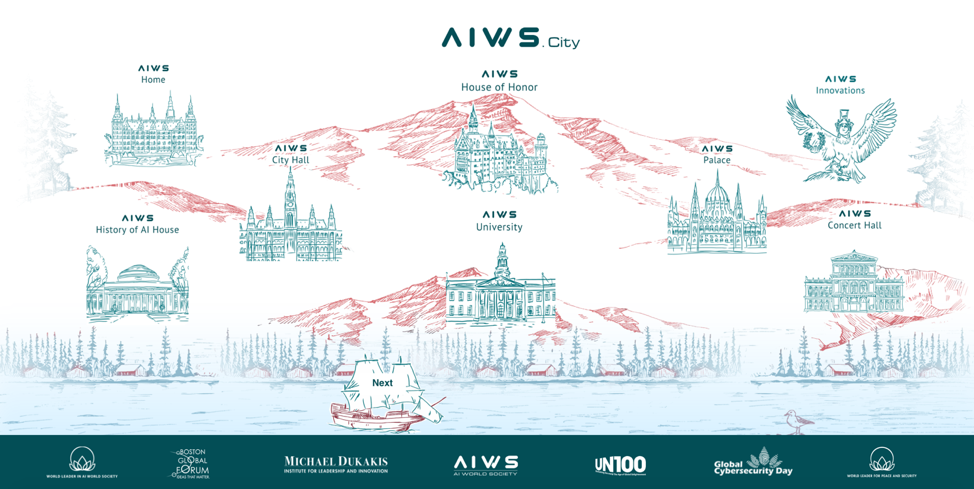
The United Nations Centennial Roundtable “Digital Future toward The Age of Global Enlightenment” will answer these questions and present solutions to them. AIWS Innovations at AIWS City and the United Nations Academic Impact are co-organizing this roundtable.
Keynote speaker: Professor Alex Sandy Pentland, MIT, Member of AIWS City’s Board of Leaders
Panelists:
Dr. Tomicah Tillemann, Executive Director of the Digital Impact and Governance Initiative (DIGI) at New America
Mr. Jeff Saviano, EY Global Tax Innovation Leader
Mr. Anders Hjorth Agerskov,Lead Public Sector Specialist at the World Bank Group
Moderator: Mr. Ramu Damodaran, Chief Academic Impact of the United Nations.
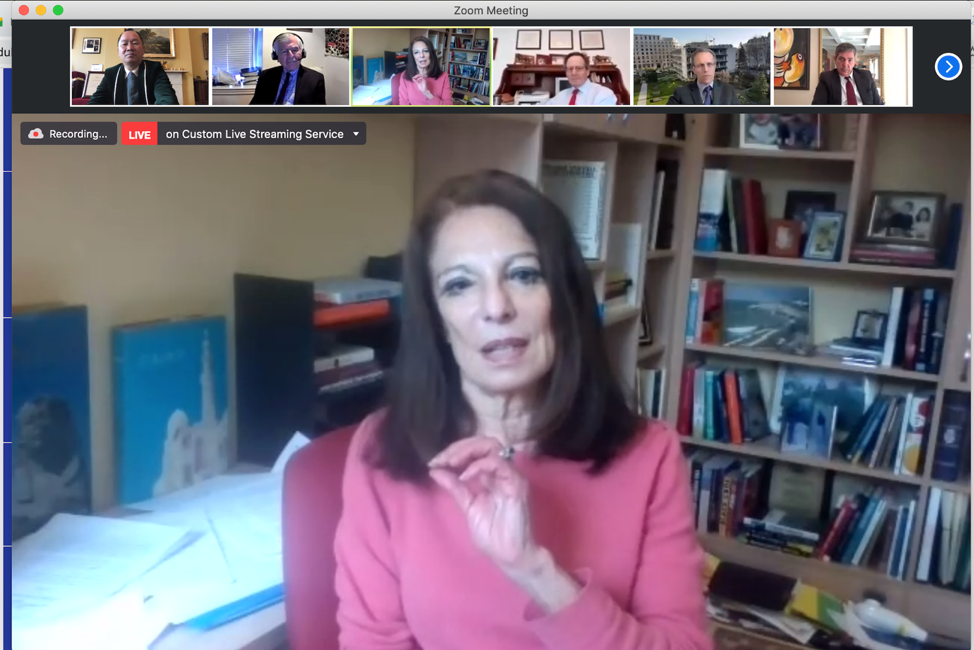
The Framework for AI International Accord version 1.0, which was presented by Professor Nazli Choucri at the AI International Accord Panel on April 28, 2021 follow the ceremony to honor the European Union Ambassador to the US Stavros Lambrinidis World Leader in AI World Society (AIWS) Award.
Below is the Framework for AI International Accord version 1.0, which will be presented by Professor Nazli Choucri at the AI International Accord Panel on April 28, 2021.
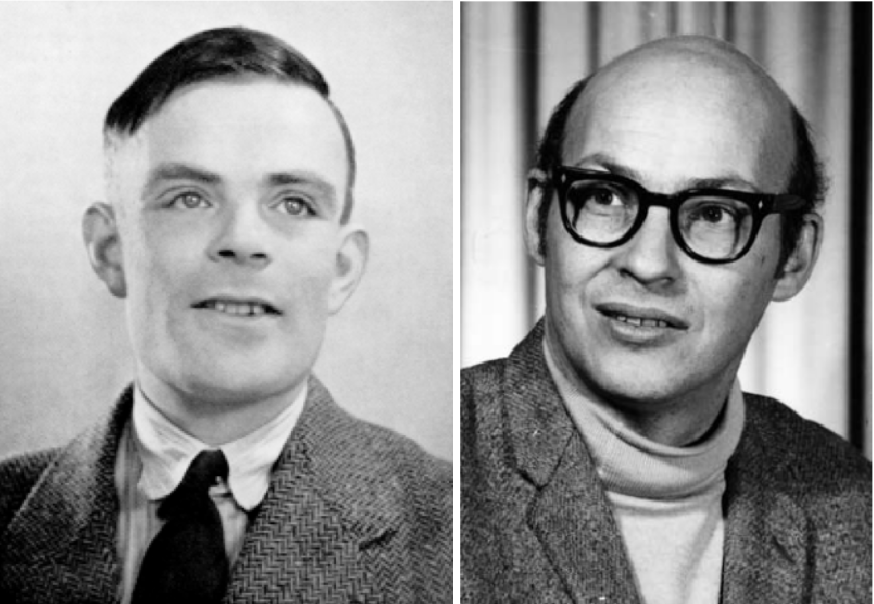
If you have questions about Turing and Minsky life and AI they will respond: a special AI program prepared by Querlo and the History of AI House at AIWS City makes this possible, even though they died!
MICHELANGELO AI is an educational tool available to all who want to know something about the art, life, and thought of the greatest Renaissance artist.
For Francesco Rulli, CEO of Querlo LLC: “This is a dream come true. Exploiting the potential of personalized Artificial Intelligence, we have been able to capture Michelangelo’s ‘spirit’, offering everyone the chance to interact personally with this master artist of the Renaissance and to know and contribute to the Florence Cathedral Foundation’s work in restoring and preserving its heritage.
Francesco Rulli discussed applying this technology in AIWS History of AI House and AIWS University. AIWS City and Querlo will collaborate to develop applications based on Querlo for education and innovation.