by Editor BGF | Jul 20, 2025 | News
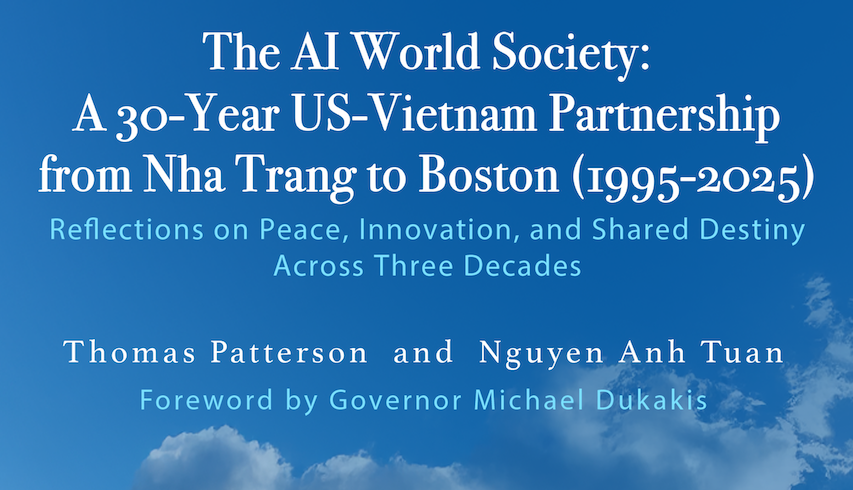
The Boston Global Forum (BGF) is pleased to announce that the book “The AI World Society: A 30-Year US-Vietnam Partnership from Nha Trang to Boston (1995-2025)”, co-authored by Harvard Professor Thomas Patterson and Nguyen Anh Tuan, Co-Founder, Co-Chair, and CEO of BGF, with a foreword by Governor Michael Dukakis, has been warmly welcomed in Vietnam.
This book chronicles a remarkable journey of reconciliation, friendship, and cooperation between the United States and Vietnam, culminating in the vision of the AI World Society (AIWS) — a model for fostering peace, democracy, and innovation in the AI Age.
To celebrate this important milestone:
- Nguyen Anh Tuan will speak at the Vietnam CEO Summit 2025, marking 30 years of US-Vietnam normalization and the 80th Anniversary of Vietnam’s National Day.
- He will also deliver remarks at the Global National Entrepreneurship Forum of Vietnam, held in honor of the 80th Anniversary of Vietnam’s National Day.
- Additionally, a series of discussions, dialogues, and forums focusing on the book and its themes will be organized throughout Vietnam in late July, August, and September 2025.
These events not only commemorate the historic relationship between the United States and Vietnam but also invite leaders, scholars, and entrepreneurs to engage in discussions on the future of AI governance, ethical innovation, and global cooperation.
The Boston Global Forum looks forward to contributing to these dialogues, strengthening the enduring US-Vietnam partnership, and advancing the AI World Society vision for a better, safer, and more inclusive world.
VTCNews: https://vtcnews.vn/ra-mat-sach-xa-hoi-tri-tue-nhan-tao-30-nam-doi-tac-viet-my-tu-nha-trang-den-boston-ar953909.html
VietNamNet: https://vietnamnet.vn/khi-trai-tim-va-khoi-oc-vuot-qua-moi-rao-can-2420976.html
by Editor BGF | Jul 13, 2025 | News, Shaping Futures
We’re starting to give AI agents real autonomy, and we’re not prepared for what could happen next.
Operator, an agent from OpenAI, can autonomously navigate a browser to order groceries or make dinner reservations. Systems like Claude Code and Cursor’s Chat feature can modify entire code bases with a single command. Manus, a viral agent from the Chinese startup Butterfly Effect, can build and deploy websites with little human supervision. Any action that can be captured by text—from playing a video game using written commands to running a social media account—is potentially within the purview of this type of system.
LLM agents don’t have much of a track record yet, but to hear CEOs tell it, they will transform the economy—and soon.
Scholars, too, are taking agents seriously. “Agents are the next frontier,” says Dawn Song, a professor of electrical engineering and computer science at the University of California, Berkeley. But, she says, “in order for us to really benefit from AI, to actually [use it to] solve complex problems, we need to figure out how to make them work safely and securely.”
That’s a tall order. Because like chatbot LLMs, agents can be chaotic and unpredictable.
As of now, there’s no foolproof way to guarantee that AI agents will act as their developers intend or to prevent malicious actors from misusing them. And though researchers like Yoshua Bengio, a professor of computer science at the University of Montreal and one of the so-called “godfathers of AI,” are working hard to develop new safety mechanisms, they may not be able to keep up with the rapid expansion of agents’ powers. “If we continue on the current path of building agentic systems,” Bengio says, “we are basically playing Russian roulette with humanity.”
https://www.technologyreview.com/2025/06/12/1118189/ai-agents-manus-control-autonomy-operator-openai/
by Editor BGF | Jul 13, 2025 | Shinzo Abe Initiative for Peace and Security, News
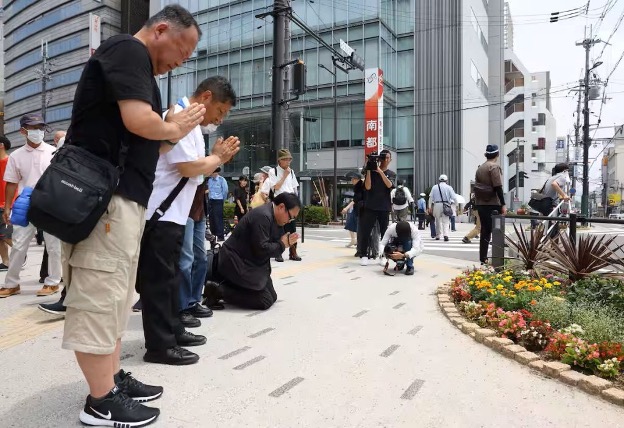
July 8 marked the third anniversary of the assassination of former Prime Minister Shinzo Abe, an outstanding prime minister and world leader. Abe was felled by a bullet fired by a terrorist as he gave a street corner speech. It happened during the last Upper House election, held in 2022. Once again, we offer our heartfelt condolences.
Let there be no doubt that assassination represents a direct challenge to democracy and is absolutely unacceptable. Not only does it take precious lives through violent means, but it also stifles freedom of speech.
Since then, politics in Japan have become unstable, and we are confronted with a crisis. This can be seen in the crushing defeat of the ruling parties in the 2024 House of Representatives election and the low approval ratings of Prime Minister Shigeru Ishiba‘s Cabinet.
The time has come to reevaluate “Abe politics.”
Please see full here:
https://japan-forward.com/floundering-politics-need-shinzo-abes-legacy/
People pray near the scene of PM Shinzo Abe’s assassination in Nara City, at 11:32 AM on July 8 (©Sankei by Kotaro Hikono)
by Editor BGF | Jul 13, 2025 | News
This week in the Boston Global Forum Weekly – Four Pillars Roundup, we open a critical conversation inspired by The Washington Post article:
📄 “Japan, after 101 tough days, learns a hard lesson about U.S. alliance” by Chie Tanaka
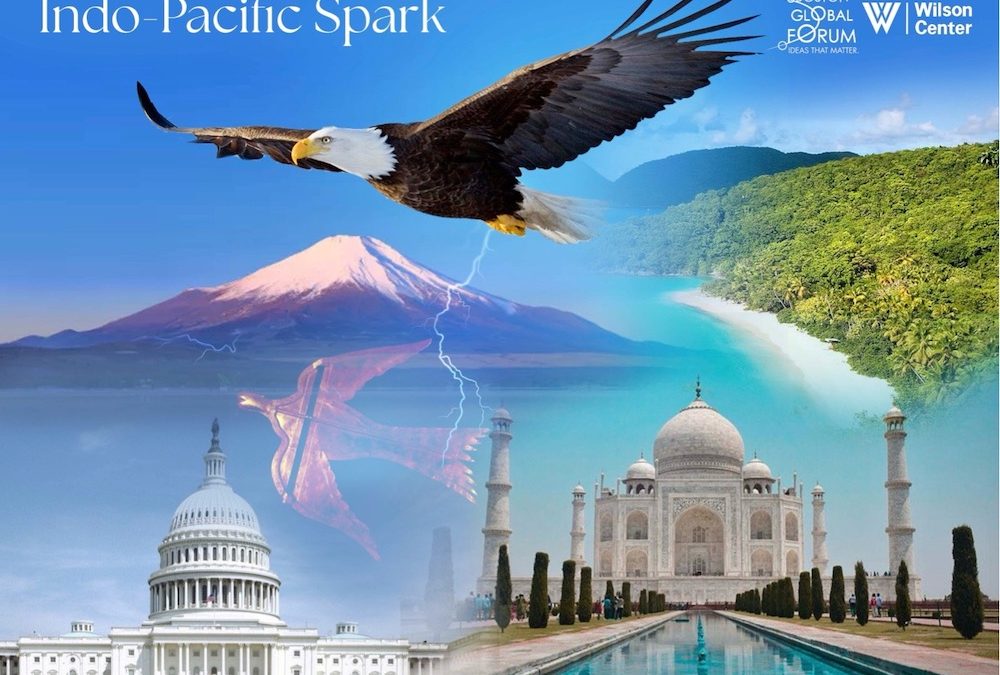
The article reflects on Japan’s recent diplomatic challenges and the evolving dynamics within the US-Japan alliance, a cornerstone of Indo-Pacific security and democratic cooperation. As the global order faces rising tensions and new forms of power competition, the resilience of alliances among democratic nations becomes even more essential.
At Boston Global Forum, the Four Pillars — Peace, Democracy, Innovation, and Leadership — provide the framework to analyze these developments. Japan’s experience underscores:
- The need for deepened trust and strategic alignment between allies.
- The role of leadership foresight in navigating geopolitical shifts.
- The imperative for technological and defense innovation, especially in AI and cybersecurity.
- The ongoing mission to fortify democratic values and global stability.
We invite BGF leaders, scholars, and partners to reflect and discuss:
✅ How can the US-Japan alliance adapt to new geopolitical realities?
✅ What leadership is required to strengthen democratic coalitions in the AI age?
✅ How can innovation — especially in AI — reinforce peace and security?
📌 Read the original Washington Post article here:
https://www.washingtonpost.com/world/2024/07/07/japan-us-alliance-defense-security/
Please send your opinions to [email protected]


by Editor BGF | Jul 13, 2025 | Global Alliance for Digital Governance
Companies must use advanced tools to detect and stamp out misinformation and deepfake content to help counter growing risks of election interference and financial fraud, the United Nations’ International Telecommunication Union urged in a report on Friday, July 11.
Deepfakes such as AI-generated images and videos, and audio that convincingly impersonates real people, pose mounting risks, the ITU said in the report released at its “AI for Good Summit” in Geneva.
The ITU called for robust standards to combat manipulated multimedia and recommended that content distributors such as social media platforms use digital verification tools to authenticate images and videos before sharing.
“Trust in social media has dropped significantly because people don’t know what’s true and what’s fake,” Bilel Jamoussi, Chief of the Study Groups Department at the ITU’s Standardization Bureau, noted. Combatting deepfakes was a top challenge due to Generative AI’s ability to fabricate realistic multimedia, he said.
Leonard Rosenthol of Adobe, a digital editing software leader that has been addressing deepfakes since 2019, underscored the importance of establishing the provenance of digital content to help users assess its trustworthiness.
by Editor BGF | Jul 11, 2025 | News
Today, July 11, 2025, marks a profound milestone: the 30th anniversary of the normalization of relations between Vietnam and the United States. It’s with immense pride and optimism that I reflect on this journey, a journey that finds its vibrant embodiment in the remarkable friendship between Professor Thomas E. Patterson and Nguyen Anh Tuan. Their story is truly a testament to what’s possible when hearts and minds reach across divides.
Tuan’s journey, which forms a central pillar of this book, is a powerful symbol of this three-decade transformation. Beginning in Nha Trang, Vietnam, Tuan’s vision led him to connect with Digital Equipment Corporation (DEC), a U.S. company based in Massachusetts. Inspired by the power of Alpha servers and U.S. technology, Tuan researched and led the effort to establish and launch VietNet in December 1995. This pioneering effort in Nha Trang marked the very genesis of what would become his extraordinary life’s path: from Nha Trang, to Hanoi, and then to Boston from 2011. Tuan’s outstanding achievements from Nha Trang 1995 to Boston 2025 are a symbol of the fruitful friendship between Vietnam and the U.S. in these 30 years (1995-2025).
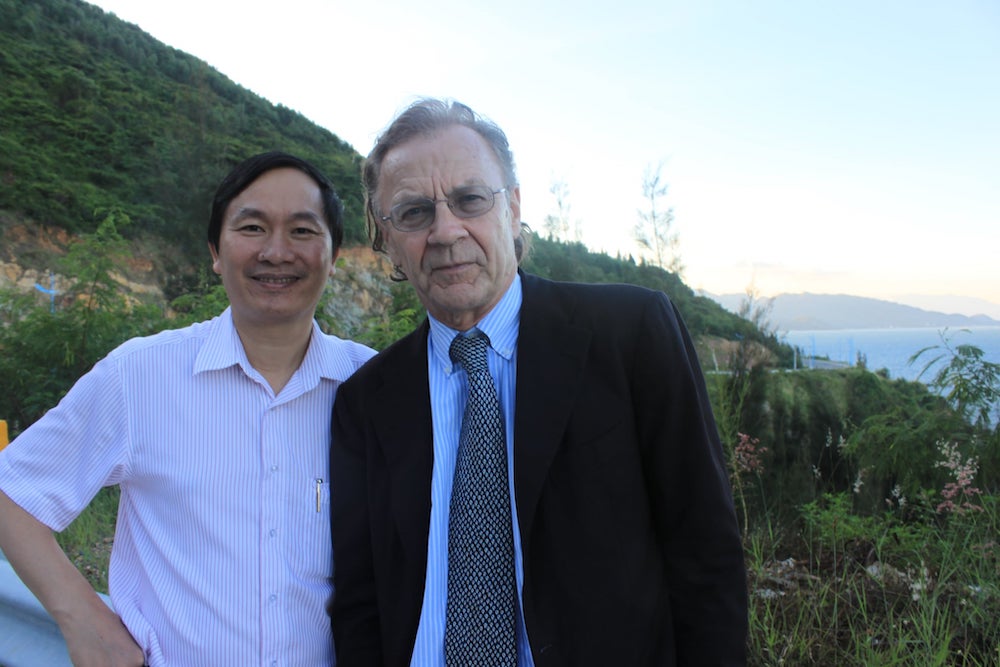
My own journey of collaboration with Tuan began early. This year, we celebrate 14 years of friendship, a bond that has deepened significantly. While Professor Thomas E. Patterson brought Nguyen Anh Tuan to Harvard University as a Research Scholar in April 2011, my deep involvement in the strategic direction of the Boston Global Forum (BGF) truly took root when Tuan and I sat together in Nha Trang in April 2013 during my trip to Vietnam. There, amidst the serene beauty of the bay, we passionately discussed and defined the very vision and strategies that would guide BGF in its nascent days. This profound connection underscores how the BGF has always contributed uniquely to US-Vietnam relations, especially bridging Nha Trang – Khanh Hoa with Boston – Massachusetts.
The culmination of these efforts to foster understanding took a historic turn on December 12, 2012, when Tuan, Tom Patterson, John Quelch, and I co-founded the Boston Global Forum. Our shared vision was ambitious: to create a pioneering hub for leaders, scholars, innovators, and citizens committed to addressing the world’s most pressing challenges. Over the years, BGF’s accomplishments have exceeded our most hopeful expectations.
Under Tuan’s visionary leadership, the BGF launched the AI World Society (AIWS) initiative. It was truly special to co-found this pivotal movement with Tuan at a meeting at my home in Brookline, Massachusetts, the day before Thanksgiving in 2017. From that point, Tuan has singularly led and invented AIWS, driving its remarkable achievements, impact, and influence across the United States and the world.
The AIWS has championed groundbreaking concepts like the Social Contract for the AI Age—offering a humanistic framework to ensure that technology serves human dignity—and the AIWS Government 24/7 model, which includes the Boston Finance Accord for AI Governance 24/7, AIWS Digital Assets, AIWS Film Park, and the AIWS Music for Humanity Movement, envisioning a new paradigm in public service delivery. We’ve also had the honor of recognizing global leaders with the World Leader for Peace and Security Award and the World Leader in AIWS Award, shining a light on those who steer the planet toward peace, security, innovation, and stability. Throughout these achievements, Tuan has played a vital role as Chief Executive Officer and, as of 2024, my Co-Chair. Together, we continue to chart new courses for international collaboration in the AI Age.
The invaluable friendship between Nguyen Anh Tuan and Thomas Patterson reflects the resilience of the human spirit to learn from the past, heal old wounds, and forge innovative solutions for the future. Their partnership stands as an inspiring symbol of reconciliation between two nations once divided by war—now united by shared aspirations for peace, prosperity, and meaningful cooperation. They’ve demonstrated that what we achieve together can far surpass what we might ever dream of accomplishing alone.
This book, “The AI World Society: A 30-Year US-Vietnam Partnership from Nha Trang to Boston (1995-2025),” offers a window into the story of Tuan and Tom: how their personal journeys converged to help establish one of the world’s most dynamic forums for global thought leadership. It reminds us that when visionary leaders reach across borders, foster intellectual exchange, and unite around a common purpose, they can inspire generations to come.
As you turn these pages, you’ll discover how true reconciliation can yield far greater results than the healing of old divides. It can bring forth new ideas, new networks, and new frameworks for understanding and tackling global challenges. Their story shows that reconciliation isn’t just about making peace with the past; it’s about imagining and building a better future for all.
In a world more interconnected and interdependent than ever before, Tuan and Tom’s journey offers hope, guidance, and a model for forging relationships that transcend differences. Their legacy—and that of the Boston Global Forum—serves as a beacon, lighting the path for those who believe that in striving for common ground, we can inspire the best in one another and in humanity.
Governor Michael S. Dukakis
Co-Founder and Co-Chair, Boston Global Forum
by Editor BGF | Jul 11, 2025 | News
Reflections on Peace, Innovation, and Shared Destiny Across Three Decades
Co-Authored by Harvard Professor Thomas Patterson and Nguyen Anh Tuan, with Foreword by Governor Michael Dukakis
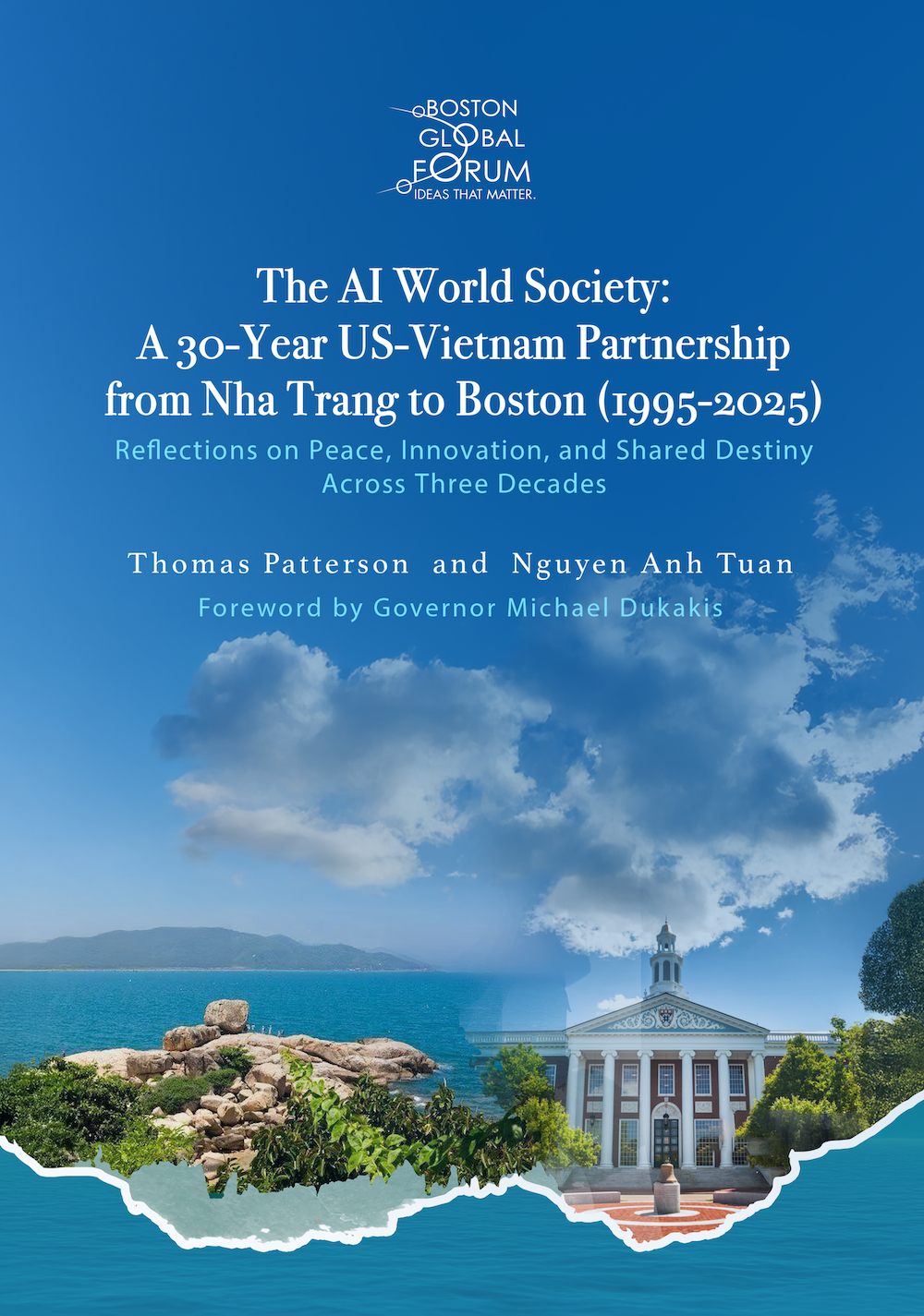
Boston, MA – July 11, 2025 – The Boston Global Forum (BGF) today proudly announces the launch of “The AI World Society: A 30-Year US-Vietnam Partnership from Nha Trang to Boston (1995-2025): Reflections on Peace, Innovation, and Shared Destiny Across Three Decades.” This groundbreaking book, co-authored by Harvard Professor Thomas E. Patterson and Nguyen Anh Tuan, Co-Founder, Co-Chair, and CEO of BGF, commemorates the 30th anniversary of the normalization of relations between the United States and Vietnam. Featuring a foreword by Governor Michael S. Dukakis, the publication explores the transformative journey of bilateral ties through the lens of personal stories, technological innovation, and global collaboration.
Spanning 30 chapters—15 authored by Professor Patterson and 15 by Tuan—the book chronicles three decades of progress from Nha Trang, Vietnam, to Boston, Massachusetts. It highlights pivotal moments, such as Tuan’s pioneering work in launching VietNet in 1995, inspired by U.S. technology, and the evolution of the AI World Society (AIWS) initiative under BGF’s leadership. Themes of reconciliation, peace-building, and AI-driven innovation underscore the shared destiny of the two nations, offering insights into how former adversaries have become partners in addressing global challenges.
Governor Michael S. Dukakis, in his foreword, reflects on the profound friendship between Patterson and Tuan as a symbol of this era: “Their partnership stands as an inspiring symbol of reconciliation between two nations once divided by war—now united by shared aspirations for peace, prosperity, and meaningful cooperation. They’ve demonstrated that what we achieve together can far surpass what we might ever dream of accomplishing alone.”
The book also delves into BGF’s contributions, including the co-founding of AIWS in 2017 and initiatives like the Social Contract for the AI Age, AIWS Government 24/7, and the World Leader for Peace and Security Award. These efforts exemplify the fruitful US-Vietnam collaboration, bridging Nha Trang-Khanh Hoa with Boston-Massachusetts.
“This book is not just a reflection on the past but a blueprint for the future,” said Nguyen Anh Tuan. “It celebrates how innovation and human connection can heal divides and build a more secure, AI-empowered world.”
Professor Thomas E. Patterson added, “Our collaboration mirrors the broader US-Vietnam story: from conflict to creativity, fostering ideas that benefit humanity.”
Published by the Boston Global Forum, the book is available for free digital distribution. Interested readers can register to receive a copy by emailing their full name, address, and email to [email protected].
About the Boston Global Forum
The Boston Global Forum (BGF) is a pioneering think tank dedicated to fostering dialogue among leaders, scholars, innovators, and citizens to address the world’s most pressing challenges. Co-founded in 2012 by Governor Michael Dukakis, Nguyen Anh Tuan, and Harvard Professors Thomas Patterson and John Quelch, the BGF champions initiatives like the AI World Society (AIWS) to promote ethical AI governance, peace, and global security. For more information, visit www.bostonglobalforum.org.
Media Contact:
Office of the Boston Global Forum
Email: [email protected]
Phone: +1 617 286 6589
by Editor BGF | Jul 8, 2025 | Shinzo Abe Initiative for Peace and Security, News
Boston Global Forum – AIWS Film Park
July 8, 2025
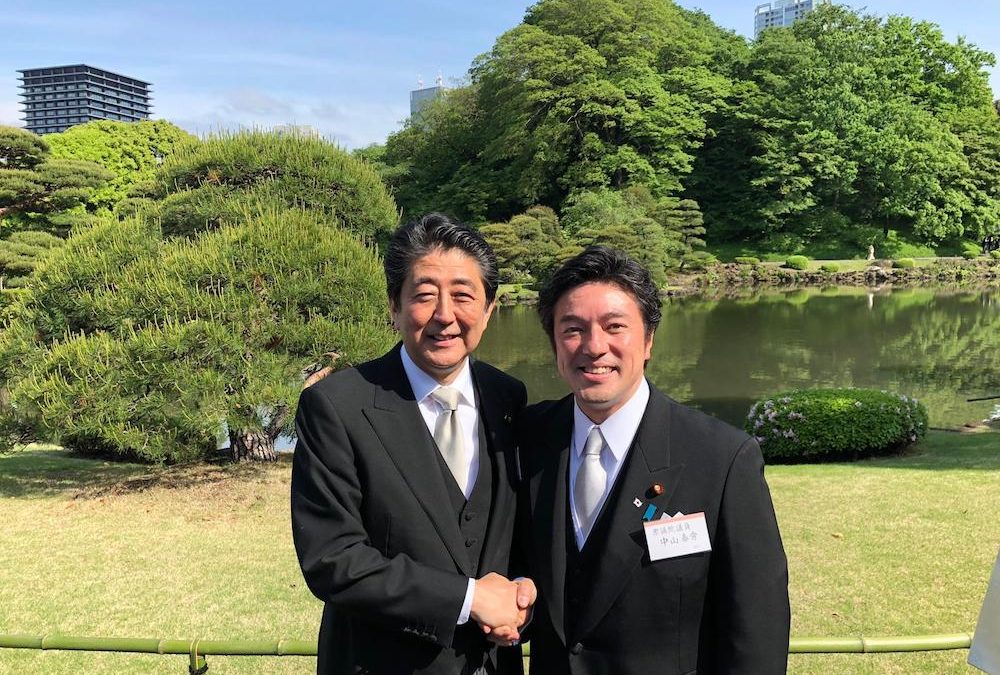
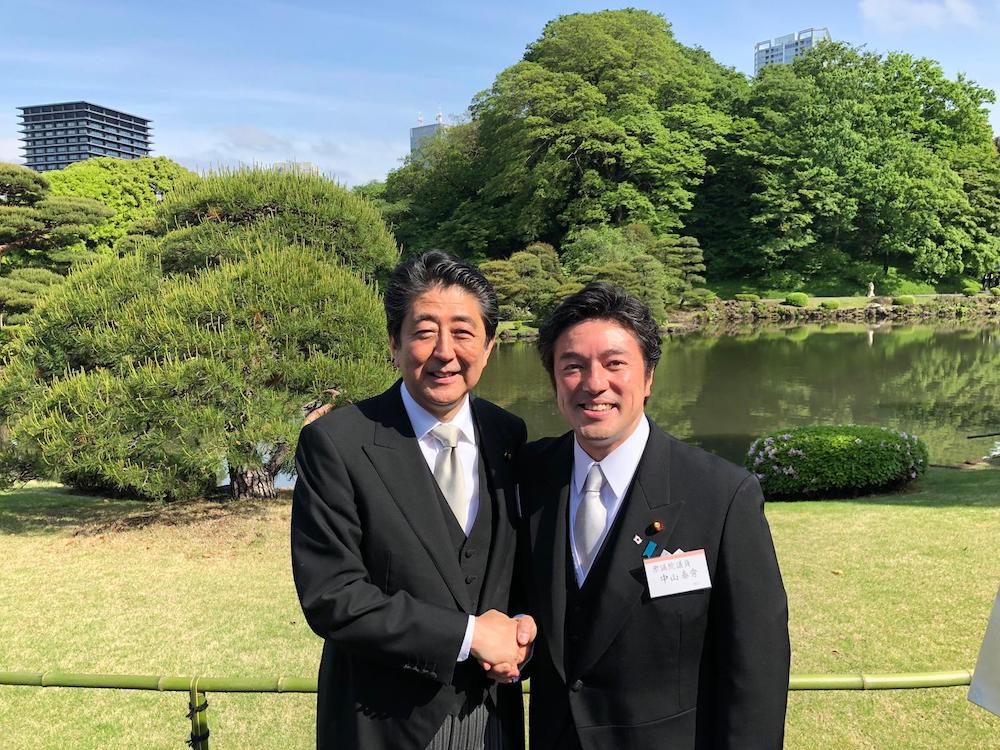
Today, on July 8, we solemnly remember the late Prime Minister Shinzo Abe, who was tragically assassinated on this day in 2022. His visionary leadership and unwavering commitment to peace, democracy, and a free and open Indo-Pacific continue to inspire us and countless people around the world.
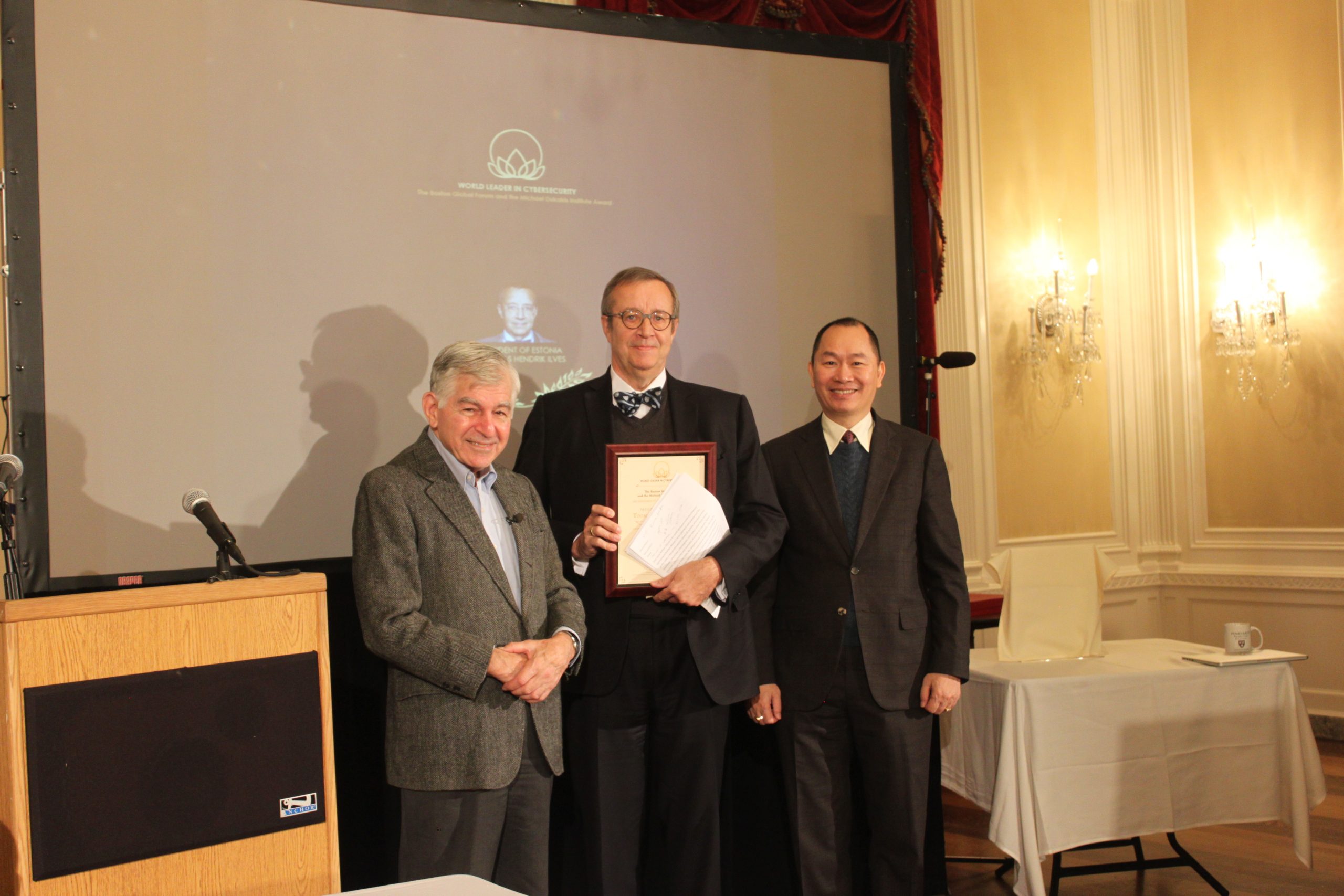
Shinzo Abe was a great friend of the Boston Global Forum (BGF). In recognition of his exceptional contributions to peace and security, BGF honored him with the World Leader for Peace and Security Award in 2015.
As part of the Shinzo Abe Initiative, the AIWS Film Park is currently producing a narrative film about Shinzo Abe’s life, leadership, and legacy. This film will honor his remarkable contributions and share his story with future generations, highlighting his steadfast belief in human dignity, compassion, and international cooperation. It will also showcase his vision in advancing the AI World Society, a vision that aligns technology with human-centered values and global peace.
Through this project, we reaffirm our commitment to the values for which Prime Minister Abe stood, ensuring that his vision continues to guide and inspire efforts to build a more peaceful, just, and innovative world in the age of AI.
We invite all friends and partners to join us in honoring Shinzo Abe’s legacy and to support the Shinzo Abe Initiative and the Shinzo Abe Film as we move forward together in building the AI World Society and a future aligned with his aspirations.
Please contact us at [email protected]
Boston Global Forum
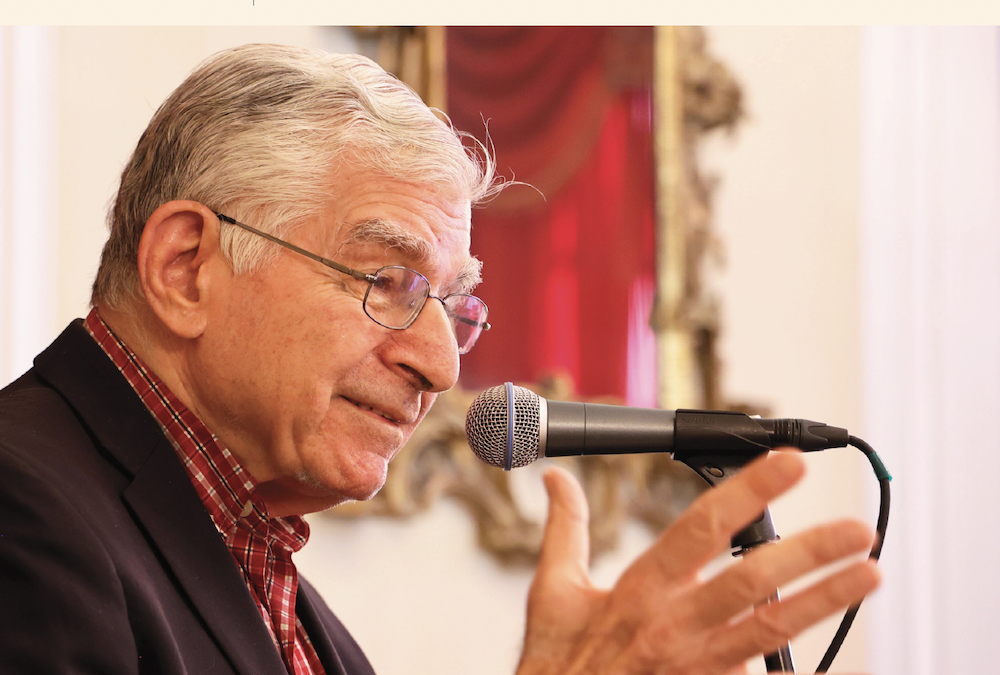
by Editor BGF | Jul 3, 2025 | News
Boston, MA – July 4, 2025
Happy July 4th, 2025.
Today, as we celebrate Independence Day in the United States, we are reminded of our enduring responsibility to use our freedoms to build a better world.
From the United States of America, the Boston Global Forum (BGF) and the AI World Society (AIWS) are dedicated to contributing to a better, safer, and more just world through the responsible use of artificial intelligence.
Since 2017, AIWS has pioneered initiatives in AI Politics, Economics, Society, Education, Innovation, Healthcare, and Culture, establishing a Social Contract for the AI Age. We have advanced the AIWS-G7 Summit Initiative, AIWS Government 24/7, the Boston Finance Accord for AI Governance 24/7, AIWS Esteemed Digital Assets, AIWS Music for Humanity, and the AIWS Film Park.
This year, BGF proudly celebrates the 10th Anniversary of the World Leader for Peace and Security Award (2015-2025). To honor this milestone, we are producing narrative films about recipients of the World Leader for Peace and Security Award and the World Leader in AIWS Award. This meaningful project, led by Nguyen Anh Tuan, Co-Founder, Co-Chair, and CEO of BGF, will bring to life the stories of the leaders who have shaped a more peaceful, democratic, and enlightened world.
Additionally, BGF and AIWS will issue Leader Digital Assets as “Leader NFTs”, ensuring that the legacies of these esteemed leaders are preserved and accessible to inspire current and future generations.
These initiatives are not abstract ideas—they are practical steps toward ensuring that AI serves humanity, upholds democratic values, and strengthens peace and security globally.
On this July 4th, I call upon every individual, everywhere, to join us at BGF and AIWS in making AIWS a reality. Together, we can ensure that the promise of AI is realized as a force for good, advancing human dignity and progress for all.
Let us work together to build a better world in the AI Age.
Warm regards,
Governor Michael Dukakis
Co-Founder and Co-Chair, Boston Global Forum
Former Governor of Massachusetts