As artificial intelligence becomes a central driver of economic growth, innovation, and national security, the United States is accelerating efforts to establish a regulatory framework that safeguards public interests while fostering technological leadership. A Bloomberg Professional Insights article, published on August 8, 2025, examines how policymakers, industry leaders, and regulators are navigating the complex challenges of AI governance—from ensuring transparency and accountability to addressing bias, safety, and misuse risks.
The piece outlines current legislative proposals, agency-led initiatives, and sector-specific guidelines emerging across the federal landscape, as well as the role of international cooperation in shaping global norms. It also highlights the delicate balance between enabling innovation and mitigating harm—an issue central to the Boston Global Forum’s AIWS 7-Layer Model.
For leaders and stakeholders in the AI ecosystem, these regulatory developments will influence not only compliance requirements but also strategic positioning in the Age of AI.
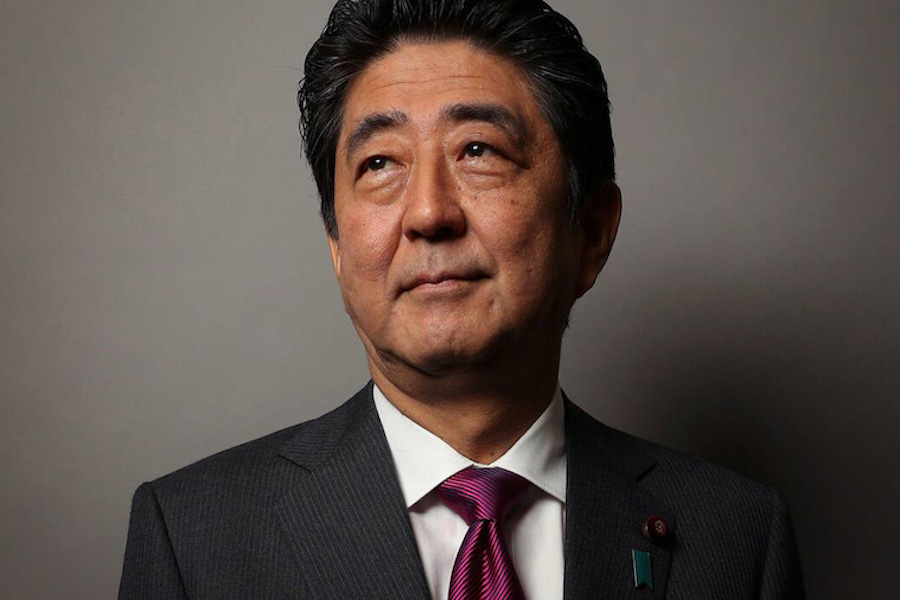
The Shinzo Abe Digital Assets are esteemed digital values of AIWS, representing peace, democracy, innovation, and ethical leadership that transcend borders and generations. Prime Minister Shinzo Abe, recipient of the World Leader for Peace and Security Award 2015, championed a free and open Indo-Pacific, built enduring alliances, and embraced innovation as a force for prosperity and stability. His story is also captured in the Shinzo Abe Film of the AIWS Film Park, a lyrical and inspiring tribute to his vision and impact.
These digital assets are not mere symbols; they are calls to action. They invite world leaders, policymakers, innovators, and thinkers to embrace the mission of the AI World Society: to shape the Age of AI as an Age of Global Enlightenment. They urge us to collaborate across nations, disciplines, and cultures—turning shared values into tangible systems of governance, education, and technology that protect human dignity and advance collective well-being.
The Boston Global Forum (BGF) will formally introduce the Shinzo Abe Digital Assets at the BGF Conference on November 4, 2025, held at Harvard University Loeb House. This debut will mark a milestone in honoring Abe’s legacy and embedding his values into the digital foundations of AIWS.
By honoring Shinzo Abe’s legacy in this way, we are not only commemorating his achievements but also committing to realize AIWS, to make it real, and to make it happen. This is a pledge to transform principles into practice, vision into reality, and digital recognition into a living force for humanity’s future.
Statement by President Macron, Prime Minister Meloni, Chancellor Merz, Prime Minister Tusk, Prime Minister Starmer, President von der Leyen and President Stubb on Peace for Ukraine ahead of President Trump’s planned meeting with President Putin.
We welcome President Trump’s work to stop the killing in Ukraine, end the Russian Federation’s war of aggression, and achieve just and lasting peace and security for Ukraine.
We are convinced that only an approach that combines active diplomacy, support to Ukraine and pressure on the Russian Federation to end their illegal war can succeed.
We stand ready to support this work diplomatically, as well as by upholding our substantive military and financial support to Ukraine, including through the work of the Coalition of the Willing, and by upholding and imposing restrictive measures against the Russian Federation.
We share the conviction that a diplomatic solution must protect Ukraine’s and Europe’s vital security interests.
We agree that these vital interests include the need for robust and credible security guarantees that enable Ukraine to effectively defend its sovereignty and territorial integrity. Ukraine has the freedom of choice over its own destiny. Meaningful negotiations can only take place in the context of a ceasefire or reduction of hostilities. The path to peace in Ukraine cannot be decided without Ukraine. We remain committed to the principle that international borders must not be changed by force. The current line of contact should be the starting point of negotiations.
We reiterate that Russia’s unprovoked and illegal invasion of Ukraine is a flagrant violation of the UN Charter, the Helsinki Final Act, the Budapest Memorandum, and successive Russian commitments. We underline our unwavering commitment to Ukraine’s sovereignty, independence and territorial integrity.
We continue to stand firmly by the side of Ukraine. We are united as Europeans and determined to jointly promote our interests. And we will continue to cooperate closely with President Trump and with the United States of America, and with President Zelenskyy and the people of Ukraine, for a peace in Ukraine that protects our vital security interests.
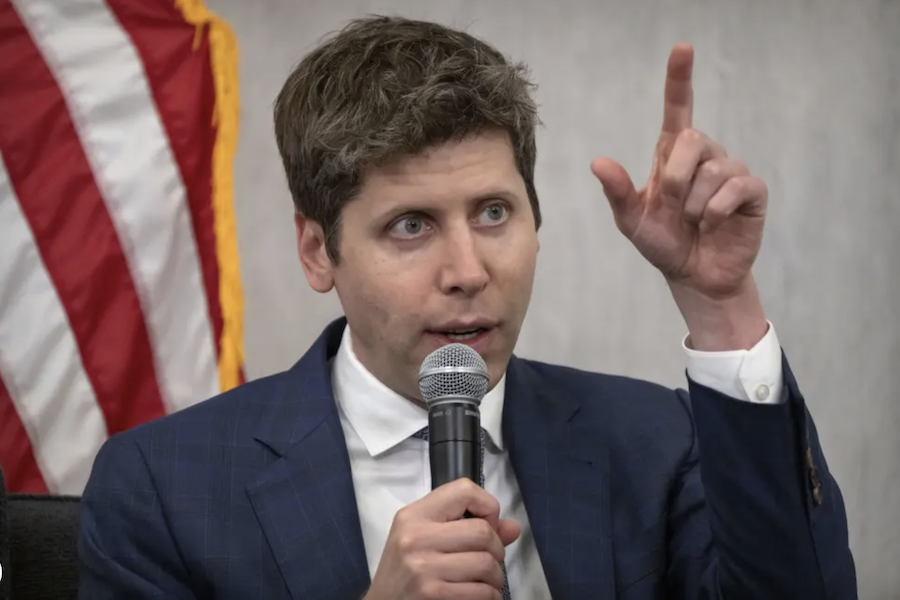
The AI World Society (AIWS) welcomes the release of ChatGPT‑5, launched on August 7, 2025, as a significant milestone in the evolution of artificial intelligence Wikipedia,AP News. This release marks a leap forward in bringing intelligent, context-aware assistance to people everywhere.
ChatGPT‑5—OpenAI’s new flagship model—boasts enhanced reasoning capabilities, reduced factual errors, and intuitive responses across domains like writing, coding, health, and multimodal tasks. It features a dynamic internal “router” that determines whether a quick answer or deeper reasoning is needed, making the experience seamless for users.
From the AIWS perspective, this advancement is not just a technical upgrade—it resonates deeply with our principles of ethics, transparency, and human-centered innovation. Guided by our 7-Layer Ethical Framework, AIWS sees ChatGPT-5 as a powerful enabler of cross-cultural understanding, knowledge equity, and responsible AI integration in domains like education, public policy, and creative expression.
We call on policymakers, technologists, and civil society to embrace this launch as a moment to reinforce safeguards, promote inclusive access, and uphold transparency. As AI systems like ChatGPT-5 become more capable, AIWS reaffirms our mission: to ensure that AI continues to serve humanity with integrity, empathy, and a commitment to global well-being.
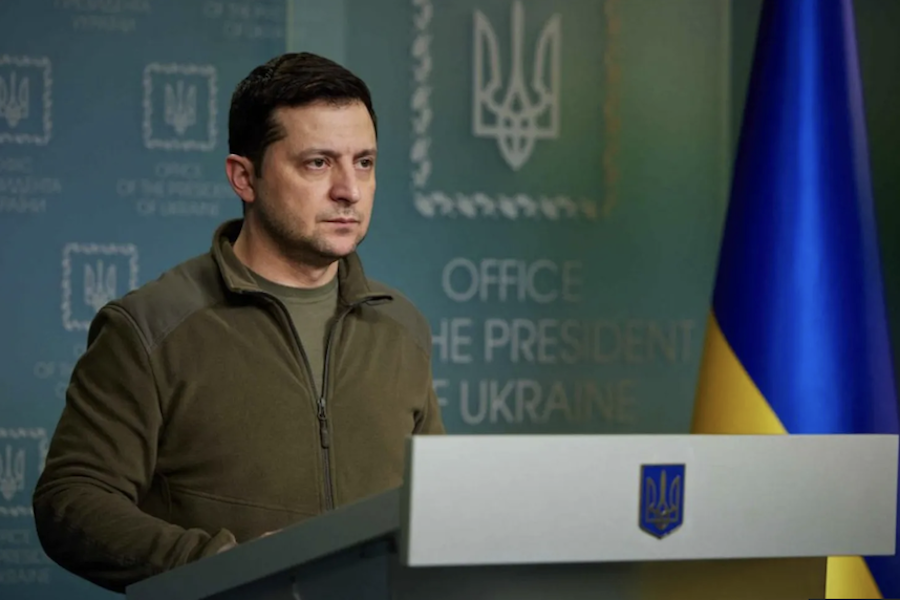
Ukrainian President Volodymyr Zelenskiy, 2022 World Leader for Peace and Security Award recipient, won diplomatic backing from Europe and the NATO alliance on Sunday ahead of a Russia-U.S. summit this week where Kyiv fears President Vladimir Putin and President Donald Trump may try to dictate terms for ending the 3-1/2-year war.
The group stressed the need for a “just and lasting peace” for Kyiv, including “robust and credible” security guarantees.
“Ukraine has the freedom of choice over its own destiny. Meaningful negotiations can only take place in the context of a ceasefire or reduction of hostilities,” the statement said.
Trump, who for weeks had been threatening new sanctions against Russia for failing to halt the war, announced instead on Friday that he would meet Putin on August 15 in Alaska.
Dr. Cansu Canca, a distinguished member of the AIWS Board, is an internationally recognized expert in AI ethics whose pioneering work bridges academic research, policy development, and practical governance frameworks. As the Founder and Director of the AI Ethics Lab and a faculty member at Northeastern University, she has led groundbreaking studies on the societal impacts of AI, with a particular focus on safeguarding human well-being in the digital age.
Her recent research, featured prominently in Time, the Los Angeles Times, and Northeastern Global News, examines how large language models like ChatGPT and Perplexity handle sensitive topics such as suicide and self-harm. By revealing vulnerabilities in AI safeguards—especially in scenarios involving “jailbreaking” prompts—Dr. Canca’s work underscores the urgent need for robust, ethically aligned AI systems. These studies have sparked global dialogue on balancing free information access with responsible guardrails to protect vulnerable users.
Within the framework of the AI World Society (AIWS), Dr. Canca’s contributions help shape the AIWS 7-Layer Ethical Framework, embedding principles of safety, transparency, and human dignity into the design and deployment of AI technologies. Her leadership reinforces AIWS’s mission to ensure AI serves as a force for humanity, fostering systems that are both innovative and aligned with fundamental ethical values.
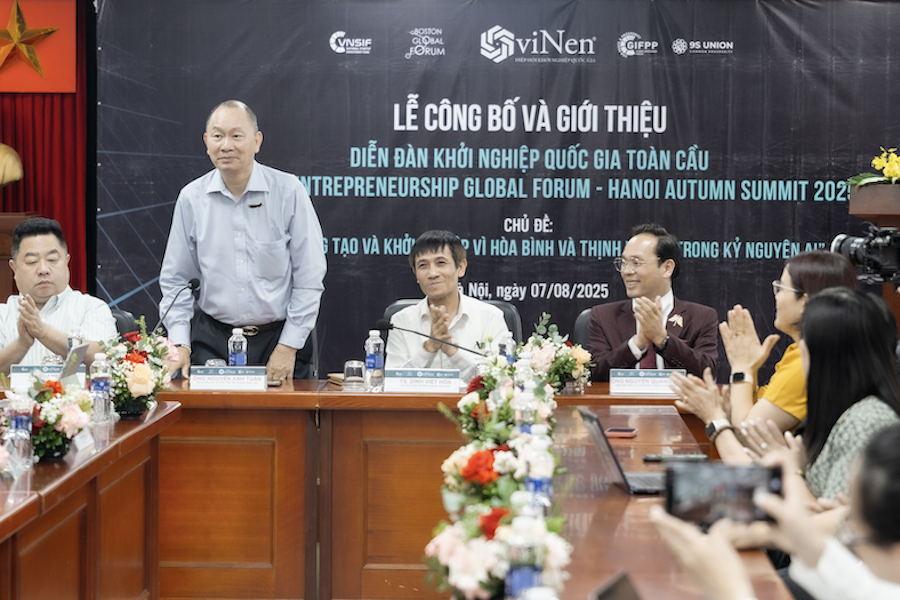
The Boston Global Forum (BGF) will support the Global National Startup Forum – Autumn Summit – Hanoi 2025, hosted by the Vietnam National Entrepreneurship Association (VINEN) on August 30, 2025 at the Vietnam Exhibition Center in Hanoi—the largest exhibition center in Southeast Asia. The event celebrates the 80th anniversary of Vietnam National Day (September 2, 1945) and will bring together leading entrepreneurs, policymakers, and innovators from Vietnam and around the world.
The Summit will feature speakers from the AIWS Brands and Values Board, who will highlight AIWS Digital Assets as new opportunities for Vietnam’s startup ecosystem, enabling ethical AI governance, global market expansion, and sustainable investment.
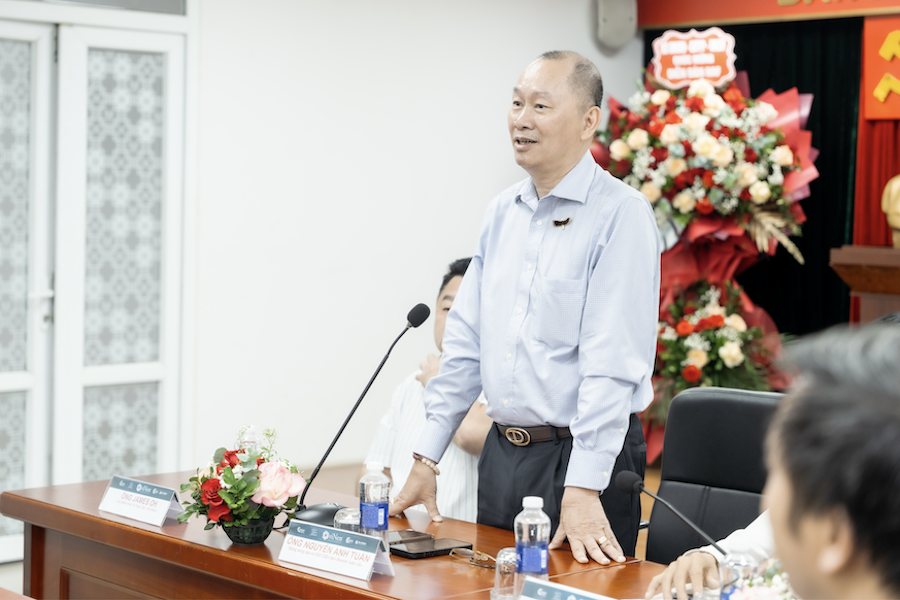
Governor Michael Dukakis, Co-Founder and Chairman of BGF, will send special opening remarks, and Nguyen Anh Tuan, Co-Founder and CEO of BGF, will deliver a keynote speech highlighting opportunities for Vietnam to build global brands and values in the Age of AI.
This major gathering will foster global connections, knowledge exchange, and strategic partnerships, positioning Vietnam as a vibrant hub for innovation in the Indo-Pacific.
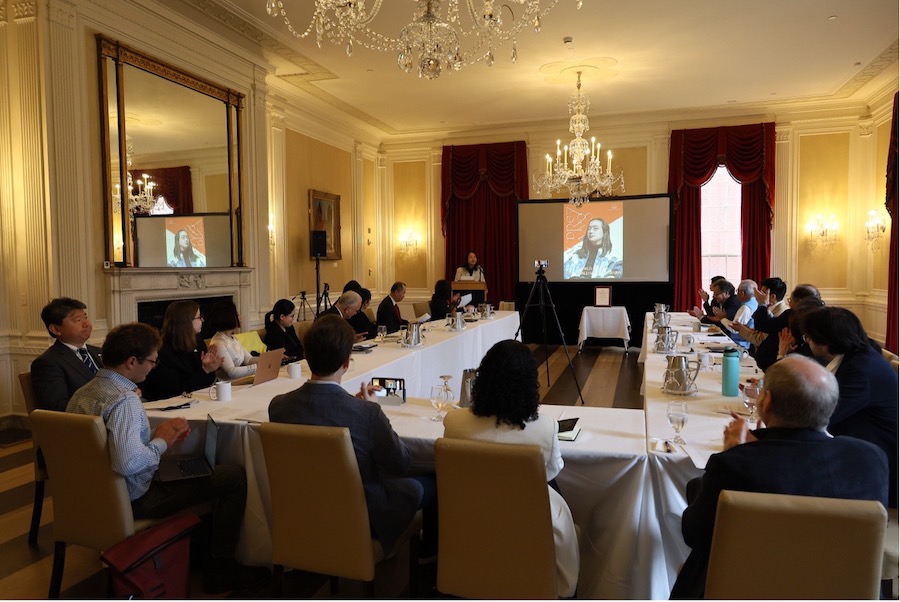
Audrey Tang, Taiwan’s cyber ambassador-at-large, joins Zoom In Zoom Out to explore how social media can be redesigned for democracy. In an era of deepfakes, disinformation and AI-generated manipulation, Tang advocates for “pro-social media”—platforms that reward nuance, build consensus and bridge ideological divides. From Taiwan’s crowdsourced Anti-Fraud Act to AI safety collaborations, Tang shares concrete tools to promote transparency, digital participation and online resilience.
Approximately one hundred Speakers and thirty Deputy Speakers are expected to participate in the conference, which includes a general debate, panel discussions, round-table discussions and presentations of reports. The conference will be preceded by a summit for women Speakers from various parliaments and will close with the adoption of a high-level declaration drawn up by a representative group of Speakers in consultation with their colleagues.
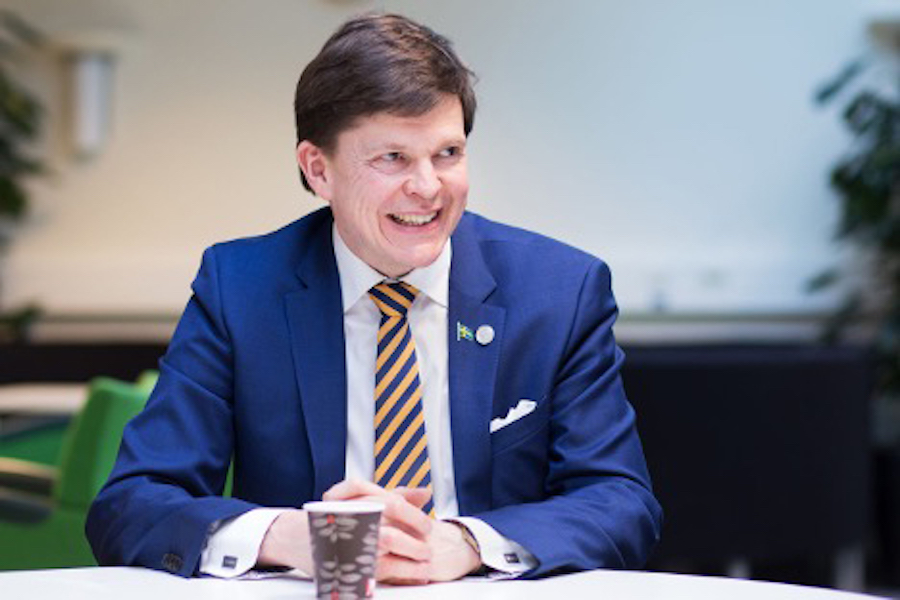
The Speaker Andreas Norlén , 2021 World Leader for Peace Security Award Recipient , among other things, delivered a speech at the general debate on the theme “A world in turmoil: Parliamentary cooperation and multilateralism for peace, justice and prosperity for all” and make contributions to two panel debates. He will furthermore hold meetings with UN High Commissioner for Human Rights Volker Türk and UNDP Assistant Secretary-General Susan Brown, as well as bilateral meetings with fellow Speakers from various parliaments.