
by Editor BGF | Nov 11, 2024 | News
Ceremony to Take Place on November 25, 2024, at Harvard University’s Loeb House
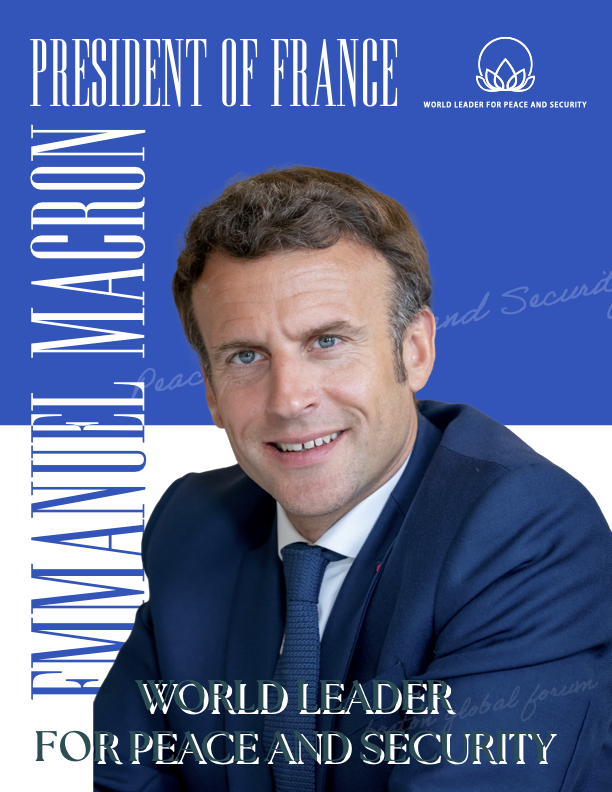
Boston, MA, November 11, 2024 —The Boston Global Forum is proud to announce that French President Emmanuel Macron will be honored with the 2024 World Leader for Peace and Security Award. The prestigious award ceremony is scheduled for November 25, 2024, at the historic Loeb House at Harvard University.
The award recognizes President Macron for his exemplary leadership and contributions in promoting peace and security in Europe and around the world.
Governor Michael Dukakis, co-founder and chairman of the Boston Global Forum, praised President Macron for his dedication to global peace and his forward-thinking approach to AI innovation, the AI economy, and the development of a new democratic model influenced by artificial intelligence. He highlighted that President Macron’s commitment to fostering peace, advancing the integration of the European Union, and promoting AI development sets a powerful example for leaders everywhere.
President Macron expressed his gratitude for the prestigious honor and emphasized the importance of international collaboration in shaping the future of AI and democracy. He underscored the need to accelerate innovation, invest wisely, and regulate appropriately to harness the potential of AI for the benefit of all humanity.
President Emmanuel Macron’s Contributions to World Peace and Stability
Elected President of France in 2017 and re-elected in 2022, Emmanuel Macron has actively engaged in international efforts aimed at promoting world peace and stability through:
- Mediation in International Conflicts: President Macron has played a key role in mediating conflicts such as the Ukraine-Russia war, advocating for diplomatic solutions and de-escalation of tensions.
- Middle East Diplomacy: He has engaged in dialogue with Middle Eastern leaders to promote peace and stability in the region.
- Strengthening the European Union: A strong advocate for a more integrated and sovereign EU, President Macron believes that a united Europe can be a significant force for global peace. Leadership in fighting against climate change and against poverty: he promoted an integrated approach between the fight against poverty and the fight for the planet, through the Paris Pact for People and the Planet (4P) which today gathers close to 70 countries from all regions of the world. He also initiated the One Planet Summit in 2017, which contributed to reinventing multilateralism, intensifying international cooperation and taking tangible action for the planet. Several summits on the planet, ocean, forests, poles and glaciers took place in the past few years.
- Paris Peace Forum: He initiated the Paris Peace Forum to encourage international cooperation and collective governance in addressing global challenges.
Through these efforts, President Macron aims to address both the immediate and underlying causes of conflict, promoting a more peaceful and cooperative international community.
Leadership in AI Innovation and Security for New Democracy
President Macron has been a vocal leader in advancing artificial intelligence programs for the future of France and Europe. He emphasizes the need for Europe to accelerate innovation, invest strategically, and regulate appropriately to remain competitive on the global stage.
He advocates for the development of European AI leaders and believes that a vibrant European AI ecosystem benefits not only Europe but also the global tech community. These efforts aim to shape a new democracy enhanced by AI.
Release of New AI Strategy Report
A new report on AI strategy—AI World Society for New Democracy—will be released at the November 25 conference. Prepared by the Boston Global Forum and conducted by a team of international strategists, the report outlines a framework for leveraging AI to enhance new models of democracy.
About the World Leader for Peace and Security Award
Since 2015, the Boston Global Forum and the Michael Dukakis Institute have presented the World Leader for Peace and Security Award to distinguished leaders who have made remarkable contributions to global peace and security. Past recipients include:
- Angela Merkel, Chancellor of Germany
- Shinzo Abe, Prime Minister of Japan
- Ursula von der Leyen, President of the European Commission
- Ban Ki-moon, Secretary-General of the United Nations
- Mata Amritanandamayi Devi (Amma), Humanitarian and Spiritual Leader
About the Boston Global Forum
The Boston Global Forum (BGF) brings together world leaders, distinguished thinkers, innovators, and promising young leaders to seek peaceful solutions to the challenges of our times.
About the AI World Society (AIWS)
Since its inception in November 2017, the Artificial Intelligence World Society (AIWS), founded by the Boston Global Forum, has been at the forefront of shaping the governance of artificial intelligence and fostering new models of democracy. Through collaborations with global leaders and top AI thinkers, AIWS has introduced innovative initiatives and frameworks aimed at harnessing AI for the betterment of society and humanity.
Contacts
- For further details about BGF and AIWS, please contact Tuan Anh Nguyen, Co-founder, Co-chair, and Chief Executive Officer of the Boston Global Forum, at +1 617 286 6589 or [email protected].
- Editors and reporters may contact Ramu Damodaran, BGF Executive Board Member, at +1 (347) 409-1747 or [email protected].

by Editor BGF | Nov 10, 2024 | News
As the world looks toward the leadership of President-elect Donald Trump, key global players—Japan, the European Union, and India—are eager to see how the U.S. will shape policies for global peace and security. In this dynamic context, the Indo-Pacific Spark Initiative, a partnership between the Boston Global Forum (BGF) and the Wilson Center, has emerged as a critical strategy for advancing economic resilience and technological progress. This initiative centers on harnessing artificial intelligence and the tech economy to strengthen the Indo-Pacific region’s stability, directly countering China’s growing influence.
The Four Pillars—U.S., Japan, EU, and India—are committed to maintaining an international order grounded in democratic values, economic security, and strategic cooperation. Together, they bring distinct strengths to this partnership: U.S. innovation and defense capabilities, Japan’s role in East Asian security, the EU’s democratic governance and economic integration, and India’s growing influence in the Indo-Pacific region.
The Indo-Pacific Spark Initiative aims to establish an AI-driven tech economy across these pillars, fostering innovation ecosystems that leverage new technologies for regional stability. Through collaborative efforts, the Initiative will enhance supply chains, support fair tech development practices, and promote secure digital infrastructure. With President-elect Trump’s policies expected to influence these priorities, the Initiative represents a forward-looking, multilateral approach to tech-enabled economic resilience and competition with China.
The Indo-Pacific Spark Initiative reflects the commitment of BGF, the Wilson Center, and global partners to ensure that AI and technology serve as tools for peace and security, reinforcing the Four Pillars’ shared mission. The initiative underscores the belief that enduring cooperation among the U.S., Japan, EU, and India is essential to creating a sustainable, resilient Indo-Pacific future.


by Editor BGF | Nov 10, 2024 | News, Shaping Futures
In recent years, many of us have enjoyed the convenience of AI assistants that retrieve information and perform basic tasks. However, a new generation of technology is emerging: AI agents, capable of much more than simple queries. These advanced AI models and algorithms can autonomously make decisions in real time, navigate complex scenarios, and seamlessly interact with various applications and platforms. Leading AI labs worldwide are racing to develop agents with enhanced reasoning, extended memory, and heightened interactivity.
The Boston Global Forum (BGF), through its AI World Society Initiative, pioneered the concept of AI Assistants in its Social Contract for the AI Age (2020). Building on this foundation, BGF has introduced Boston Areti AI (BAI)—an AI agent specifically designed to support and empower leaders. This innovation represents a significant step toward dynamic, decision-making AI dedicated to advancing human well-being, fostering compassion and innovation, and embedding core human values in its service to citizens worldwide.
https://www.ibm.com/think/topics/ai-agents
https://www.arthur.ai/blog/are-ai-agents-the-future-of-intelligent-systems#:~:text=What%20Are%20AI%20Agents?,game%20or%20in%20a%20robot.
https://www.theverge.com/2024/10/10/24266333/ai-agents-assistants-openai-google-deepmind-bots

by Editor BGF | Nov 10, 2024 | Shinzo Abe Initiative for Peace and Security, News
Japanese Prime Minister Shigeru Ishiba hopes to meet US President-elect Donald Trump in the United States this month, four sources said, in an attempt to emulate then-Prime Minister Shinzo Abe’s close ties during Trump’s first term.
The US is Japan’s most important economic and security partner, while Tokyo is a key Washington ally in Asia, providing bases that allow it to keep a large military presence on China’s doorstep.
Ishiba told reporters he had held a five-minute phone call with Trump on Thursday morning Japan time and that they agreed to meet as soon as possible.
https://www.tbsnews.net/worldbiz/asia/japan-pm-ishiba-seeks-meeting-trump-month-following-abe-example-988541
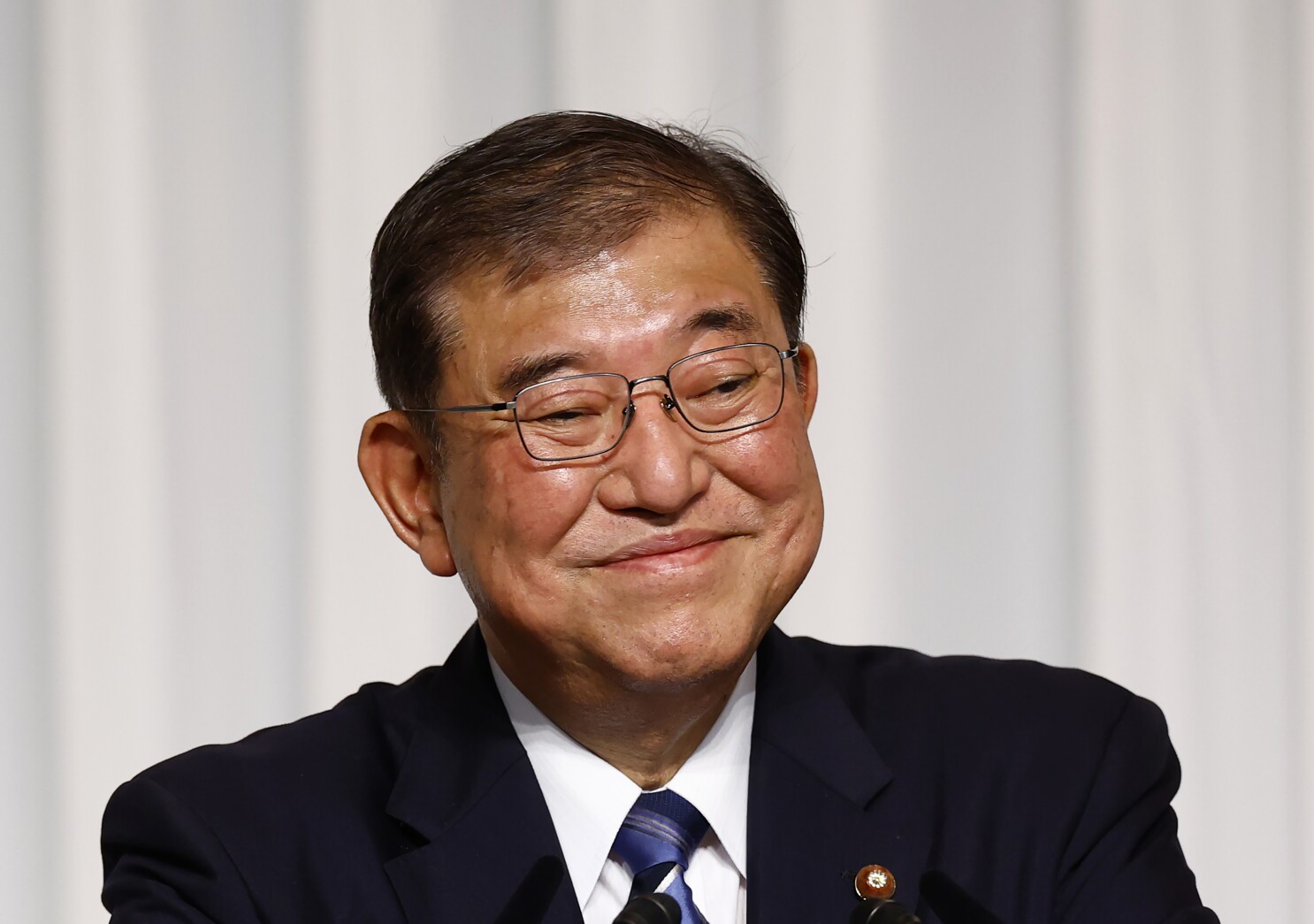
Shigeru Ishiba, the newly elected leader of Japan’s ruling party, the Liberal Democratic Party (LDP) holds a press conference after the LDP leadership election, in Tokyo Friday, Sept. 27, 2024. (Kim Kyung-Hoon/Pool Photo via AP)
by Editor BGF | Nov 10, 2024 | Global Alliance for Digital Governance
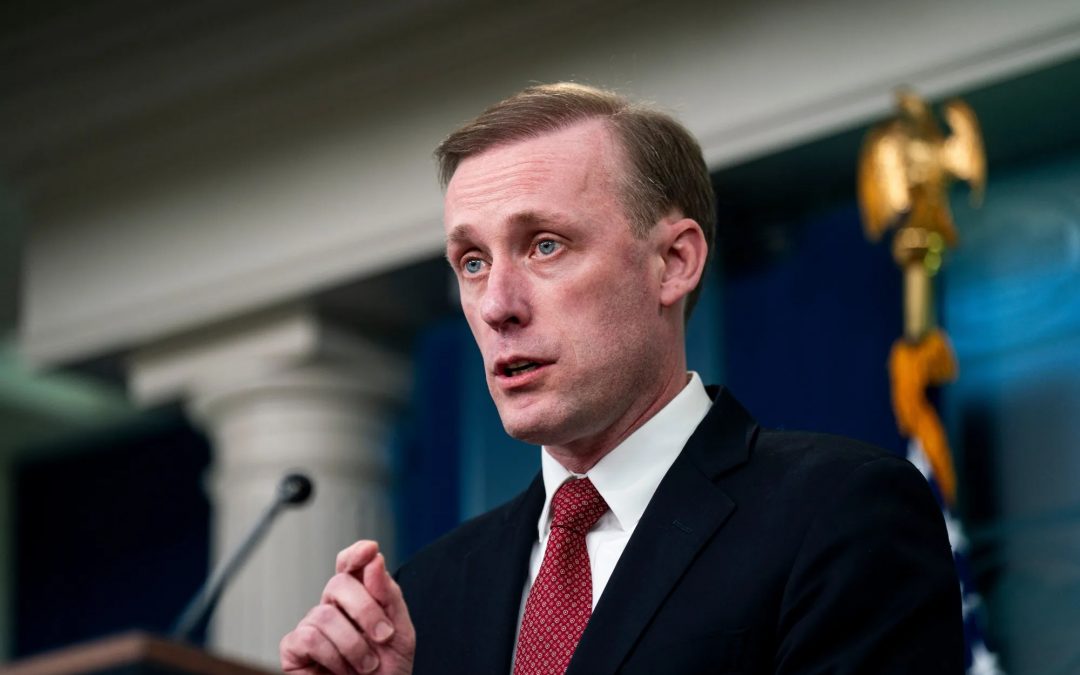
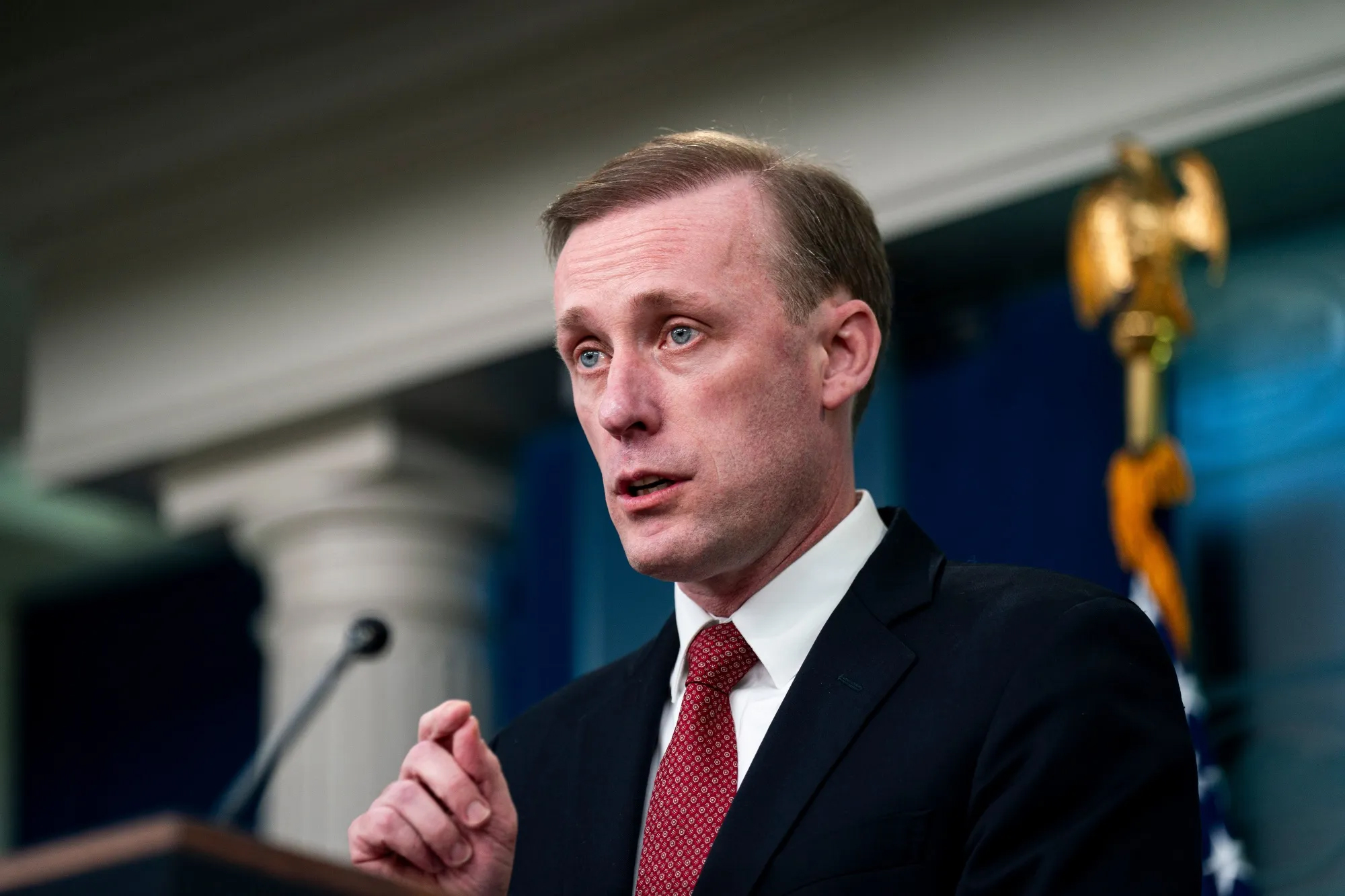
On October 24, 2024, Jake Sullivan, National Security Advisor to President Joe Biden, delivered a critical address at the National Defense University, focusing on the United States’ approach to AI and national security. His remarks underscored the importance of safeguarding AI infrastructure, fortifying the nation’s semiconductor production, and ensuring sustainable energy support—all essential to maintaining the U.S. lead in artificial intelligence.
“Next is hardware and power. Developing advanced AI systems requires large volumes of advanced chips, and keeping those AI systems humming requires large amounts of power.
On chips, we’ve taken really significant steps forward. We passed the CHIPS and Science Act, making a generational investment in our semiconductor manufacturing, including the leading-edge logic chips and the high-bandwidth memory chips needed for AI.
We’ve also taken decisive action to limit strategic competitors’ access to the most advanced chips necessary to train and use frontier AI systems with national security implications, as well as the tools needed to make those chips.
The National Security Memorandum builds on this progress by directing all of our national security agencies to make sure that those vital chip supply chains are secure and free from foreign interference.
On power, the memorandum recognizes the importance of designing, permitting, and constructing clean energy generation facilities that can serve AI data centers so that the companies building world-leading AI infrastructure build as much as possible here in the United States in a way that is consistent with our climate goals.”.
Please read full here:
https://www.whitehouse.gov/briefing-room/speeches-remarks/2024/10/24/remarks-by-apnsa-jake-sullivan-on-ai-and-national-security/
by Editor BGF | Nov 3, 2024 | Event Updates, News
Boston, November 3, 2024
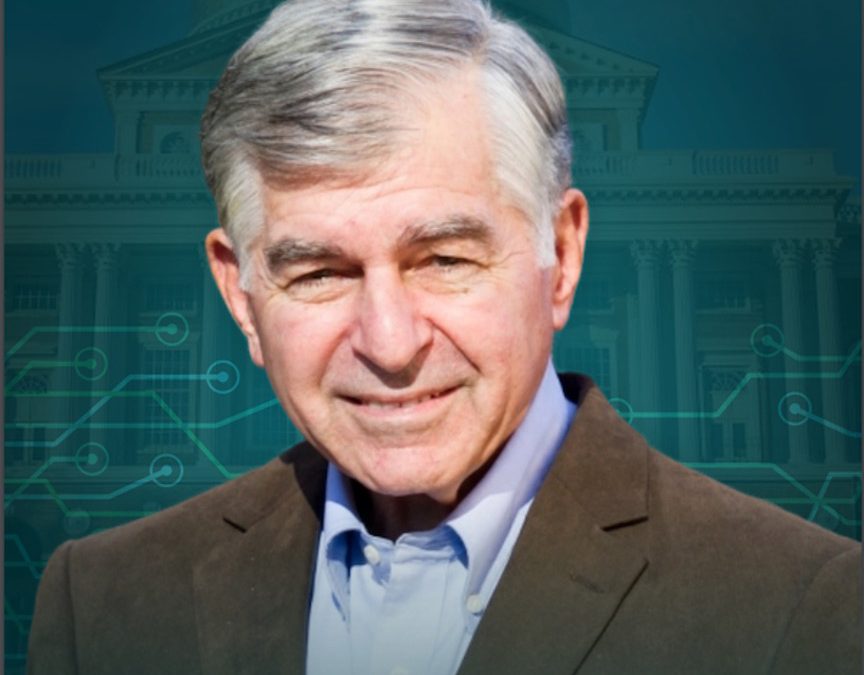
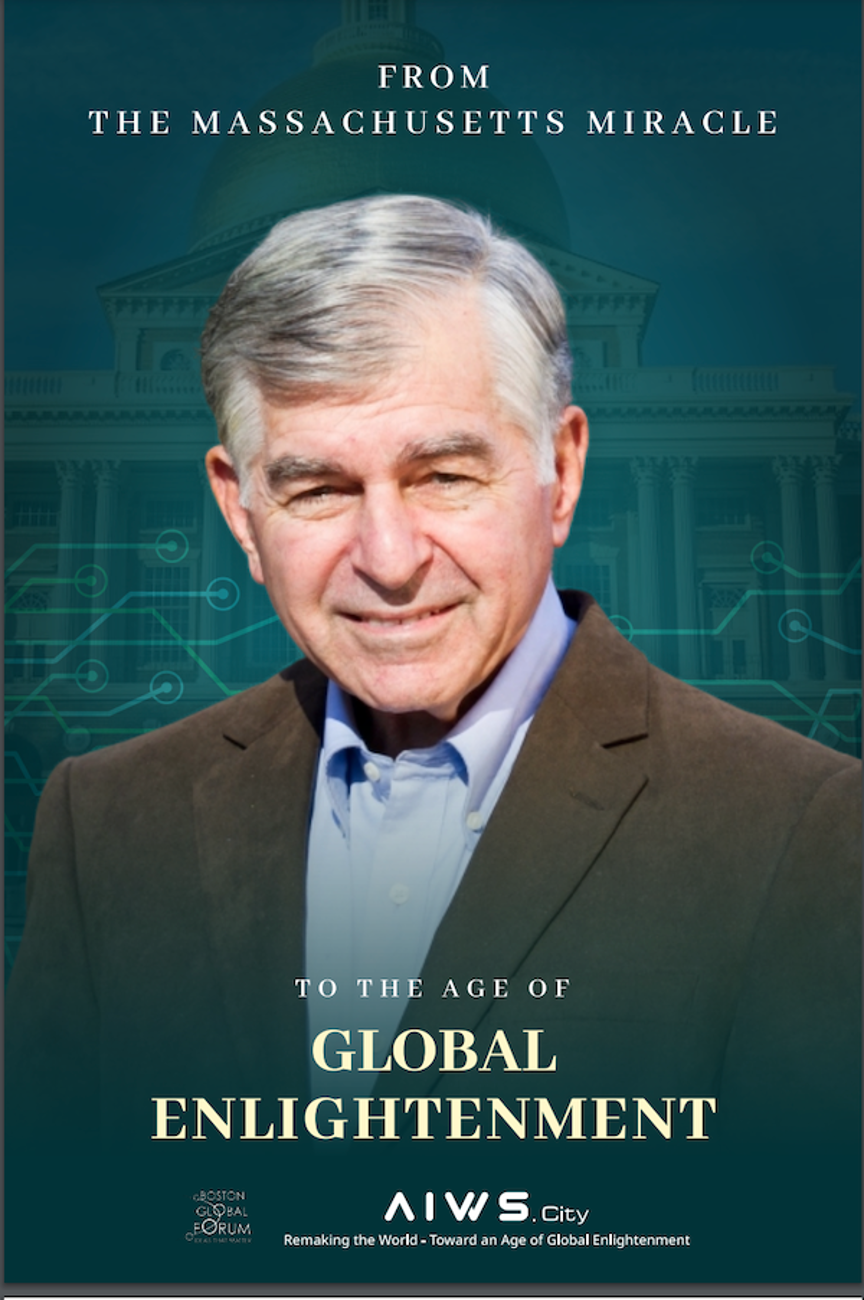
On this special day, the Boston Global Forum (BGF) joyously celebrates the 91st birthday of its esteemed co-founder and chair, Governor Michael Dukakis. His unwavering dedication to public service, education, and global collaboration has left an indelible mark on our society. As we honor his remarkable achievements, we are also excited to announce two groundbreaking initiatives that reflect his enduring commitment to shaping a compassionate and humane world in the Age of Artificial Intelligence (AI).
A Lifetime of Leadership and Innovation
Governor Dukakis’s illustrious career is a testament to visionary leadership and a deep commitment to the public good. Serving three terms as the Governor of Massachusetts, he implemented policies that emphasized economic growth, environmental stewardship, and social welfare—culminating in what is often referred to as the “Massachusetts Miracle.” His forward-thinking approach laid the groundwork for many of the progressive initiatives that continue to benefit the state today.
As a co-founder of the Boston Global Forum, Governor Dukakis extended his influence beyond national borders. Under his guidance, BGF has become a leading platform for international dialogue, bringing together policymakers, scholars, and industry leaders to address some of the world’s most pressing challenges. His co-founding of the AI World Society (AIWS) further exemplifies his dedication to ensuring that technological advancements serve humanity’s best interests. AIWS is a pioneer in AI governance, AI politics, AI economy, AI healthcare, and AI education, serving as a model for the future.
Announcing Two New Initiatives
In honor of Governor Dukakis’s birthday, we are thrilled to announce two new projects that embody his lifelong mission to inspire and educate future generations.
- Building AIWS Statues in Boston and Vietnam
The first initiative involves the construction of AIWS statues in Boston and Vietnam, symbolizing the bridge between technology and humanity. These statues will serve as enduring reminders of our collective responsibility to harness AI for the betterment of society. They aim to inspire individuals to contemplate the ethical implications of AI and encourage its use in promoting peace, security, and human welfare.
We are proud to acknowledge Code to Happiness JSC as the first sponsor and supporter of this visionary project. Their collaboration signifies a shared commitment to fostering happiness and well-being through responsible technological innovation.
- Inspiring the Youth: A New Book Series
Governor Dukakis, alongside Harvard Professor Thomas Patterson and Nguyen Anh Tuan, Co-chair and CEO of BGF, is embarking on a literary journey to inspire the youth of the AI Age. They are co-authoring a series of books that weave together personal narratives and insightful discussions, aiming to motivate young people to build an innovative, compassionate, and humane world empowered by AI.
The first book in this series is slated for publication in April 2025. It will serve as a beacon for the younger generation, guiding them to navigate the complexities of modern technology with empathy, ethical considerations, and a steadfast commitment to the common good.
A Vision for a Better World
Governor Dukakis’s enduring legacy is characterized by his profound belief in the power of education, collaboration, and ethical leadership. These new initiatives are more than just projects; they are extensions of his lifelong dedication to fostering a world where technology and humanity coexist harmoniously.
As we celebrate his 91st birthday, we not only honor his past contributions but also embrace the future he envisions—AIWS, a world where AI enhances human capabilities while upholding the values of compassion and empathy.
For more information about these initiatives, please visit BostonGlobalForum.org

by Editor BGF | Nov 3, 2024 | World Leader for Peace and Security, News, World Leaders in AIWS Award Updates
Boston, November 3, 2024
Dear Friends and Fellow Citizens,
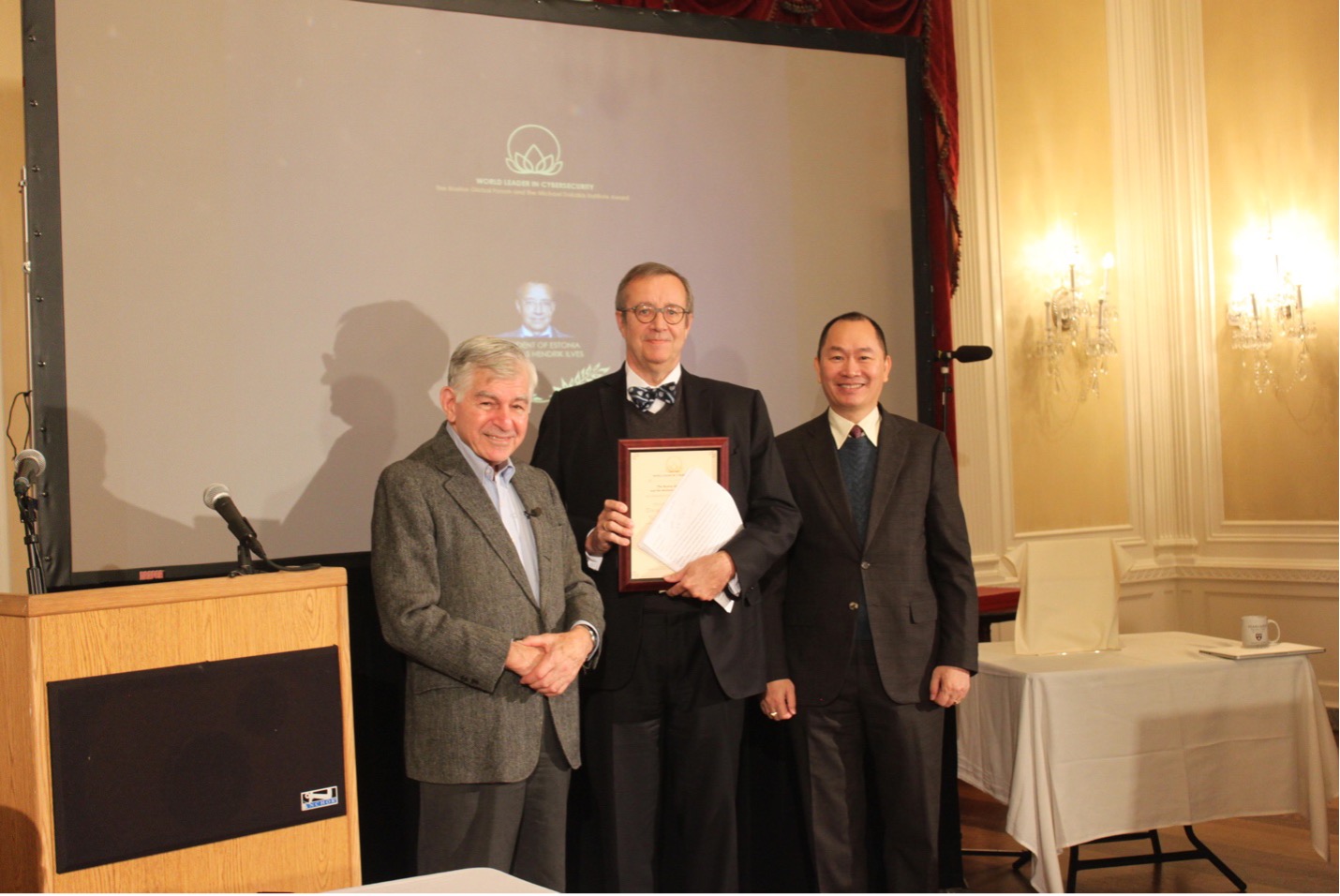
As we celebrate Governor Michael Dukakis’s 91st birthday today, we find ourselves reflecting on the journey we have all shared and the challenges that lie ahead. Our world stands at a crossroads, faced with unprecedented opportunities and formidable obstacles. It is in this spirit that we reach out to you—world leaders, peace advocates, innovators, and citizens of every nation—to join together in a renewed commitment to peace and security.
The pursuit of peace has always been more than just the absence of war; it is the presence of justice, the fostering of understanding, and the building of bridges between cultures and nations. We call upon all world leaders, especially those who have been recognized with the World Leader for Peace and Security Award, to lead with courage and compassion. Let us prioritize diplomacy over division, dialogue over discord, and collaboration over conflict.
In this era of rapid technological advancement, we have a unique tool at our disposal: Artificial Intelligence. Since 2017, we have conceived the AI World Society (AIWS), a model encompassing politics, economics, healthcare, and education, aimed at harnessing AI for the betterment of humanity as a New Democracy. With the support and collaboration of leaders, policymakers, thinkers, innovators, and business leaders, we have worked tirelessly to develop the AIWS model. This model strives to ensure that AI technologies are developed and deployed ethically, responsibly, and inclusively.
Introducing Our New Book Series
To further inspire and guide the younger generation in the Age of AI, we are excited to announce a new series of books that we are co-authoring with Harvard Professor Thomas Patterson. These books will weave together personal narratives, insights, and experiences to motivate young people to build an innovative, compassionate, and humane world empowered by AI. The first book in this series is slated for publication in April 2025. It will serve as a beacon for navigating the complexities of modern technology with empathy, ethical considerations, and a steadfast commitment to the common good.
We believe that education and shared knowledge are vital in shaping a future where technology serves humanity. Through this literary journey, we aim to provide guidance, provoke thoughtful dialogue, and inspire action among the youth who will lead us into tomorrow.
We will continue to work together to make the AIWS model truly beneficial for humanity through AI. We urge all of you to join us in building an AI World Society—a global community where AI is a force for good, enhancing human capabilities and fostering innovation.
But this vision cannot be achieved in isolation. It requires the collective effort of governments, private sector leaders, academics, and, most importantly, citizens like you. Together, we can leverage AI to address global challenges—from climate change and healthcare to education and economic inequality—and create a more just and equitable world.
Let us commit ourselves to this cause with the urgency it demands and the hope it deserves. Together, we can shape a world where technology serves humanity, where leaders lead with integrity, and where peace and security are the cornerstones of our global community.
Thank you for your dedication and partnership. We look forward to the progress we will make together.
With heartfelt gratitude,
Governor Michael Dukakis
Co-founder and Chair of Boston Global Forum
Nguyen Anh Tuan
Co-founder, Co-chair, and CEO of Boston Global Forum

by Editor BGF | Nov 3, 2024 | News
Boston, November 3, 2024
As the United States approaches another pivotal election, the Boston Global Forum (BGF) emphasizes the importance of the electoral process as a cornerstone of democracy and one of the critical pillars in our Four Pillars framework for a stable and prosperous global society. In these times of rapid technological advancement and societal change, BGF calls for a renewed commitment to bipartisan collaboration, voter engagement, and the responsible use of artificial intelligence (AI) to safeguard the integrity of our democratic institutions.
The Four Pillars and the U.S. Election
The U.S. election influences not only national policies but also America’s role on the global stage. A robust and fair electoral process ensures that the United States can continue to promote peace, drive economic growth, foster cultural understanding, and uphold democratic values worldwide.
Call for Bipartisan Collaboration
BGF urges both major political parties and voters to seek common ground and work collaboratively toward solutions that benefit all citizens. The polarization of politics hampers progress and weakens the nation’s ability to address pressing issues such as climate change, healthcare, economic inequality, abuse of AI by totalitarian systems, and unfair economic competition. By bridging divides and encouraging open dialogue, we can strengthen the fabric of our democracy and set a positive example for other nations.
America’s Role in the World
The United States holds a significant position in international affairs. The outcomes of its elections have far-reaching implications for global diplomacy, security alliances, and international trade. BGF highlights the responsibility of the U.S. to lead with integrity, champion human rights, and engage constructively with other countries to tackle global challenges and maintain peace and security.
AI and the U.S. Election
The integration of artificial intelligence into various aspects of society presents both opportunities and challenges for the democratic process. The AI World Society (AIWS) contributes concepts and models of AI politics that can enhance voter outreach, streamline administrative tasks, and provide valuable data insights. However, AI also poses risks related to misinformation, data privacy, and potential manipulation of public opinion, which AIWS is working with partners and contributors to solve.
The upcoming U.S. election is more than a national event; it is a testament to the enduring strength of democracy and its ability to adapt in the face of new challenges. By fostering bipartisan collaboration, engaging voters, and ensuring the ethical application of AI, we can reinforce the democratic process and uphold the values that define us.

by Editor BGF | Nov 3, 2024 | Shinzo Abe Initiative for Peace and Security, News
Basic data of Japan – India relations:
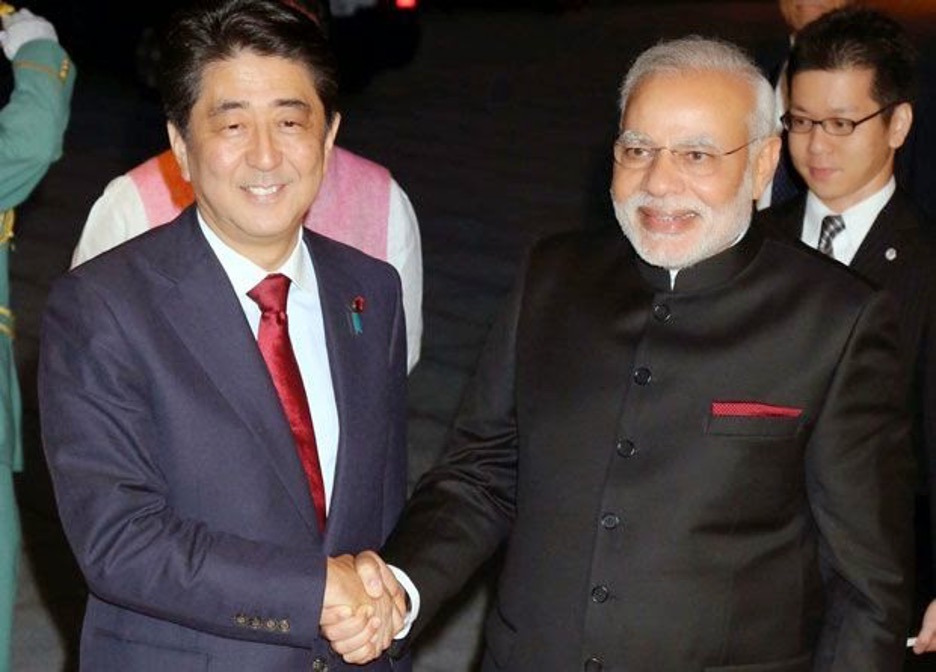
In September 2014, Prime Minister Narendra Modi paid an official visit to Japan and had a summit meeting with Prime Minister Shinzo Abe. They concurred to upgrade the bilateral relationship to “Special Strategic and Global Partnership.” In December 2015, Prime Minister Abe paid an official visit to India and had a summit meeting with Prime Minister Narendra Modi. The two Prime Ministers resolved to transform the Japan-India Special Strategic and Global Partnership into a deep, broad-based and action-oriented partnership, which reflects a broad convergence of their long-term political, economic and strategic goals. They announced “Japan and India Vision 2025 Special Strategic and Global Partnership Working Together for Peace and Prosperity of the Indo-Pacific Region and the World”, a joint statement that would serve as a guide post for the “new era in Japan-India relations.”
In November 2016, Prime Minister Modi paid an official visit to Japan and had a summit meeting with Prime Minister Abe. In the Japan-India Vision Statement issued during Prime Minister Modi’s visit to Japan in October 2018, two leaders reiterated their unwavering commitment to working together towards a “Free and Open Indo-Pacific”.
For more detailed information:
https://www.mofa.go.jp/region/asia-paci/india/data.html