
by Editor BGF | Nov 17, 2024 | News
Mark Kennedy, Director of The Wilson Center’s Wahba Institute for Strategic Competition and Member of the BGF Board of Thinkers, comments on President Biden and President Xi Jinping’s meeting at the APEC Summit in Peru. Here are his key messages:
- Importance of U.S.-China Communication: Despite the political transition in the United States, it’s crucial for the current administration to maintain open lines of communication with China. President Biden’s meeting with Chinese President Xi Jinping at the APEC summit in Peru signals to the world that both nations are continuing diplomatic engagement.
- Transition of Power and International Perception: The recent election results, with President Trump set to take office in 67 days, have impacted President Biden’s ability to project confidence internationally. However, it’s important to demonstrate that the U.S. government remains functional and attentive to global affairs during this transition period.
- Trump’s Appointees and Future Policy: China’s leadership is observing the incoming administration’s appointments, noting that the selections for Secretary of State and National Security Advisor are considered “China hawks.” This suggests a potentially tougher U.S. stance toward China in the future.
- Global Concerns Over U.S. Policy Shifts: Other countries, particularly in Europe, are closely watching the U.S. to understand how the new administration’s policies might affect international relations, including positions on issues like Ukraine.
- China’s Expanding Influence in Latin America: China is increasing its presence in the Western Hemisphere, exemplified by the construction of a $1.3 billion mega port in Peru, where the summit is taking place. This is part of a broader strategy that has led China to become the top trading partner with many South American countries, surpassing the U.S.
- Strategic Competition and Trade: The United States needs to pay more attention to trade relationships and infrastructure investments, such as ports, to maintain its influence. As China expands its global trade network, it’s essential for the U.S. to ensure that other countries continue to view it as a preferred trading partner.
- Need for Vigilance: Mark Kennedy emphasizes that the U.S. should be concerned about China’s growing global influence and take proactive steps to address strategic competition, especially in trade and economic partnerships.
For more details, please refer to the full discussion here.


by Editor BGF | Nov 17, 2024 | News, World Leaders in AIWS Award Updates
Amma, the 2023 World Leader for Peace and Security Award recipient, prayed for world peace during Diwali celebrations in Amritapuri in November 2024.
- Thousands of flames filled the main hall during the evening arati as devotees circled clay lamps in devotion, with Amma joyfully returning the flame.
- Amma called for prayers for global peace as the gathering chanted “Lokah Samastah Sukhino Bhavantu”—May all beings everywhere be happy and free.
“There are many wars happening around the world today. Let us all sincerely pray for universal peace and harmony,” Amma said. For three minutes, the gathering chanted in unison “Lokah Samastah Sukhino Bhavantu”—May all beings everywhere be happy and free.
Simultaneously, Amma waved sparklers in large, gentle circles with a radiant smile on her face. This expression of her motherly love inspired all to imagine a universal family of peace joined through unity in diversity—a family where each one contributes to the global light of happiness in their own small way.
See the full story here.


by Editor BGF | Nov 17, 2024 | Shinzo Abe Initiative for Peace and Security, News
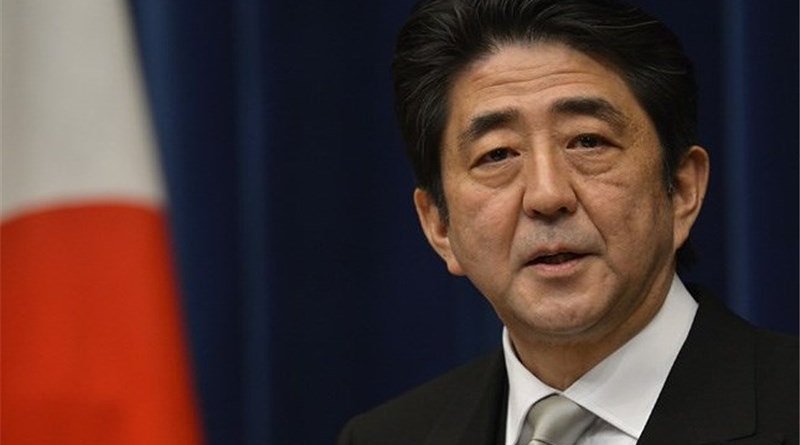
Japan is grappling with a labor shortage due to low birth rates and an aging population, prompting recent governments to bring in more foreign workers. Under the leadership of the late Prime Minister Shinzo Abe, significant immigration reforms were introduced between 2012 and 2020, aiming to alleviate these challenges by increasing the foreign workforce. However, despite these efforts, the government has continued to uphold the long-standing status quo of not having a formal immigration policy, mainly to balance business interests and nationalist sentiments.
Despite these limitations, Abe’s tenure saw a notable increase in Japan’s foreign population, driven by the expanded use of activity-based visas, which restrict workers to specific sectors. Although new activity-based visas, such as Specified Skilled Worker (SSW) and Highly Skilled Professional (HSP), offer some benefits like the possibility of permanent residency, most foreign workers still come through restrictive visas as technical interns or working students. Overall, Japan’s immigration system continues to rely on the old “side-door” pathways from the 1990s to admit foreign workers, especially those who are low-skilled.
See the full story:
Opening Borders for Workers: Abe’s Profound Influence on Japan’s Immigration Regime

by Editor BGF | Nov 17, 2024 | News, Shaping Futures
IBM has announced the launch of its most advanced quantum computers to date, marking a significant milestone in the pursuit of quantum advantage. The new systems, including the IBM Quantum Heron—the company’s first qubit chip with a new design—promise to accelerate the development of quantum computing applications across various industries. These advancements are expected to unlock new scientific value and pave the way for breakthroughs in fields such as artificial intelligence, cryptography, and complex system modeling.
In light of these groundbreaking developments, the Boston Global Forum (BGF) has invited esteemed guests, thought leaders, and innovators to their High-Level Discussion on “The Convergence of AI Chips and Quantum Computing for a New Democracy – AIWS.” This gathering is dedicated to exploring the frontiers of technology and its profound impact on the fabric of our global society.
The event will adopt a flexible format, beginning with meetings and discussions starting on November 3, 2024. The dialogue will continue on November 25, 2024, at the BGF Conference at Harvard University’s Loeb House. Subsequent discussions with distinguished leaders and innovators will culminate in a Special Report to be presented at the BGF Conference “Strategies for Democracy to Win in the AI Battle” in late April 2025. This report aims to contribute to building the AI World Society (AIWS) economic model.
For more information on IBM’s latest quantum computing advancements, you can read the full announcement here.

by Editor BGF | Nov 17, 2024 | Global Alliance for Digital Governance
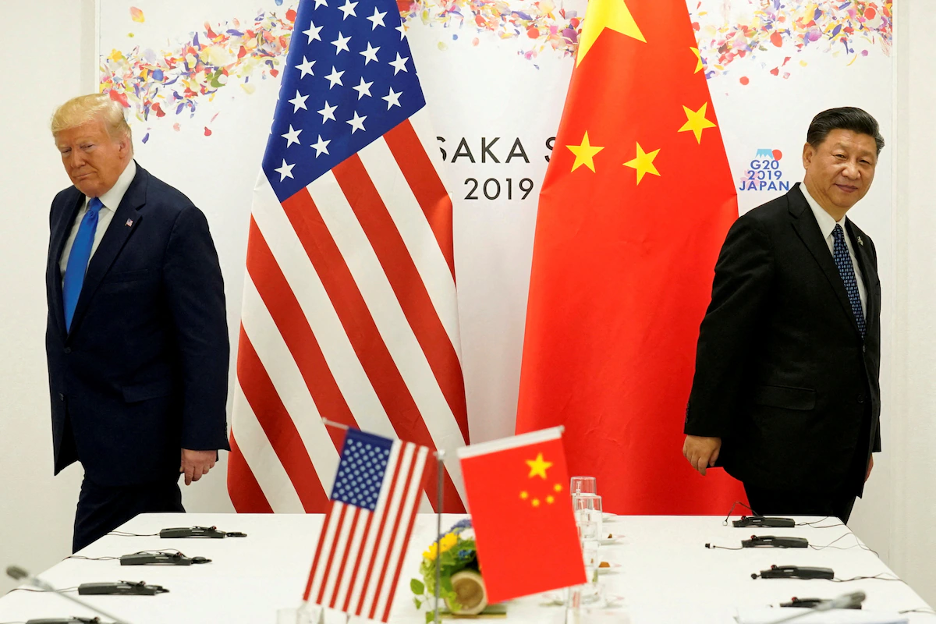
Former officials say the incoming president will expand tech controls on China, as the rivalry with Beijing promises to loom large for his administration.
The containment policy set in the first Trump administration and continued under President Biden is expected to get a harder edge, according to former officials.
Donald Trump launched a technological war against China during his first presidency. His next administration faces a much harder task: finishing it.
Former officials say the incoming administration is expected to expand and deepen measures to hobble China’s technological development, using tariffs as a bulwark and export controls as a slashing blade. They say Republican officials poised for senior positions will be less patient than their Biden administration counterparts in negotiating with China and will seek to move fast, even at the expense of breaking things.
The Boston Global Forum (BGF) looks forward to policies from President Trump and his new cabinet to help democracies win against China in the AI battle. BGF is discussing “How Democracies Win in the AI Battle and AI Economy,” a collaboration between the Wilson Center and the Boston Global Forum.
See the full story here: Trump set to deepen tech Cold War with China
by Editor BGF | Nov 11, 2024 | News
Ceremony to Take Place on November 25, 2024, at Harvard University’s Loeb House
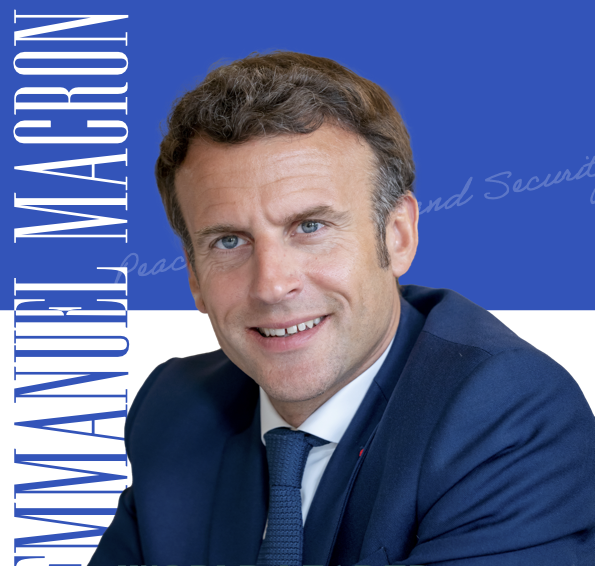
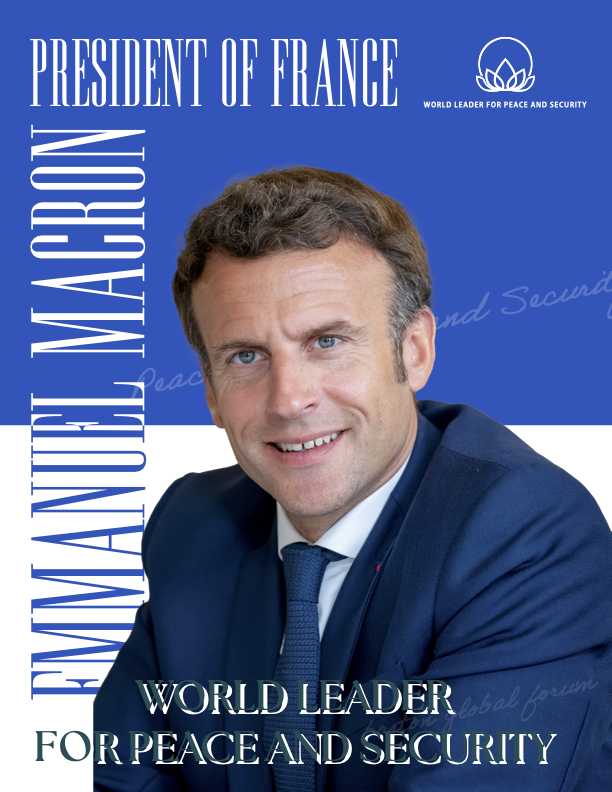
Boston, MA, November 11, 2024 —The Boston Global Forum is proud to announce that French President Emmanuel Macron will be honored with the 2024 World Leader for Peace and Security Award. The prestigious award ceremony is scheduled for November 25, 2024, at the historic Loeb House at Harvard University.
The award recognizes President Macron for his exemplary leadership and contributions in promoting peace and security in Europe and around the world.
Governor Michael Dukakis, co-founder and chairman of the Boston Global Forum, praised President Macron for his dedication to global peace and his forward-thinking approach to AI innovation, the AI economy, and the development of a new democratic model influenced by artificial intelligence. He highlighted that President Macron’s commitment to fostering peace, advancing the integration of the European Union, and promoting AI development sets a powerful example for leaders everywhere.
President Macron expressed his gratitude for the prestigious honor and emphasized the importance of international collaboration in shaping the future of AI and democracy. He underscored the need to accelerate innovation, invest wisely, and regulate appropriately to harness the potential of AI for the benefit of all humanity.
President Emmanuel Macron’s Contributions to World Peace and Stability
Elected President of France in 2017 and re-elected in 2022, Emmanuel Macron has actively engaged in international efforts aimed at promoting world peace and stability through:
- Mediation in International Conflicts: President Macron has played a key role in mediating conflicts such as the Ukraine-Russia war, advocating for diplomatic solutions and de-escalation of tensions.
- Middle East Diplomacy: He has engaged in dialogue with Middle Eastern leaders to promote peace and stability in the region.
- Strengthening the European Union: A strong advocate for a more integrated and sovereign EU, President Macron believes that a united Europe can be a significant force for global peace. Leadership in fighting against climate change and against poverty: he promoted an integrated approach between the fight against poverty and the fight for the planet, through the Paris Pact for People and the Planet (4P) which today gathers close to 70 countries from all regions of the world. He also initiated the One Planet Summit in 2017, which contributed to reinventing multilateralism, intensifying international cooperation and taking tangible action for the planet. Several summits on the planet, ocean, forests, poles and glaciers took place in the past few years.
- Paris Peace Forum: He initiated the Paris Peace Forum to encourage international cooperation and collective governance in addressing global challenges.
Through these efforts, President Macron aims to address both the immediate and underlying causes of conflict, promoting a more peaceful and cooperative international community.
Leadership in AI Innovation and Security for New Democracy
President Macron has been a vocal leader in advancing artificial intelligence programs for the future of France and Europe. He emphasizes the need for Europe to accelerate innovation, invest strategically, and regulate appropriately to remain competitive on the global stage.
He advocates for the development of European AI leaders and believes that a vibrant European AI ecosystem benefits not only Europe but also the global tech community. These efforts aim to shape a new democracy enhanced by AI.
Release of New AI Strategy Report
A new report on AI strategy—AI World Society for New Democracy—will be released at the November 25 conference. Prepared by the Boston Global Forum and conducted by a team of international strategists, the report outlines a framework for leveraging AI to enhance new models of democracy.
About the World Leader for Peace and Security Award
Since 2015, the Boston Global Forum and the Michael Dukakis Institute have presented the World Leader for Peace and Security Award to distinguished leaders who have made remarkable contributions to global peace and security. Past recipients include:
- Angela Merkel, Chancellor of Germany
- Shinzo Abe, Prime Minister of Japan
- Ursula von der Leyen, President of the European Commission
- Ban Ki-moon, Secretary-General of the United Nations
- Mata Amritanandamayi Devi (Amma), Humanitarian and Spiritual Leader
About the Boston Global Forum
The Boston Global Forum (BGF) brings together world leaders, distinguished thinkers, innovators, and promising young leaders to seek peaceful solutions to the challenges of our times.
About the AI World Society (AIWS)
Since its inception in November 2017, the Artificial Intelligence World Society (AIWS), founded by the Boston Global Forum, has been at the forefront of shaping the governance of artificial intelligence and fostering new models of democracy. Through collaborations with global leaders and top AI thinkers, AIWS has introduced innovative initiatives and frameworks aimed at harnessing AI for the betterment of society and humanity.
Contacts
- For further details about BGF and AIWS, please contact Tuan Anh Nguyen, Co-founder, Co-chair, and Chief Executive Officer of the Boston Global Forum, at +1 617 286 6589 or [email protected].
- Editors and reporters may contact Ramu Damodaran, BGF Executive Board Member, at +1 (347) 409-1747 or [email protected].
by Editor BGF | Nov 10, 2024 | News
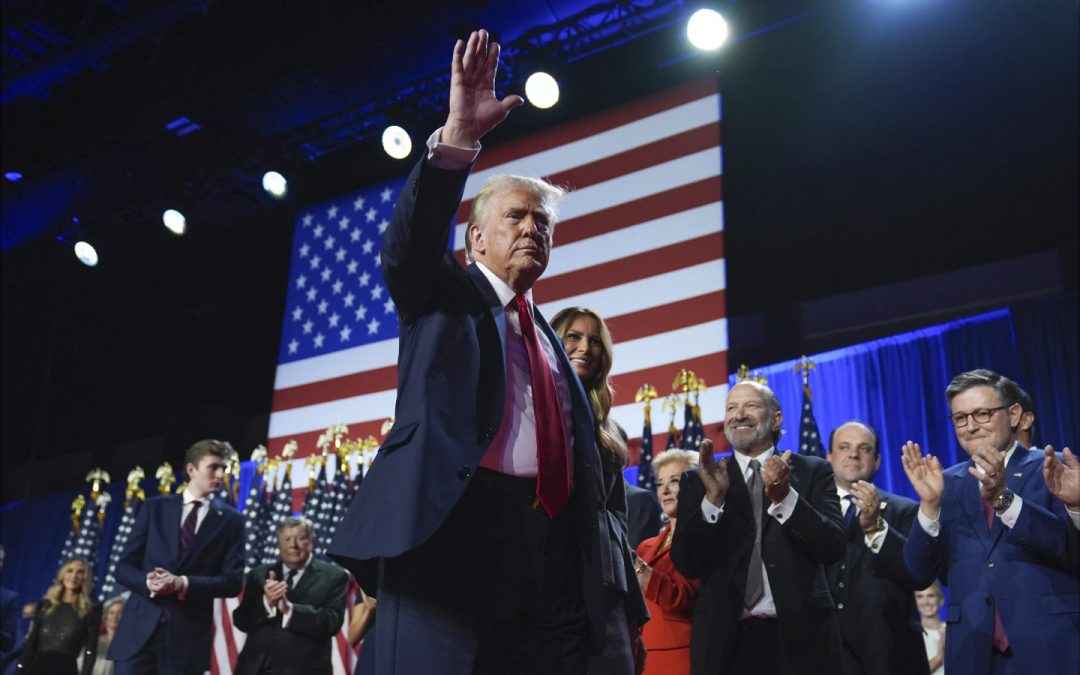
As the world looks toward the leadership of President-elect Donald Trump, key global players—Japan, the European Union, and India—are eager to see how the U.S. will shape policies for global peace and security. In this dynamic context, the Indo-Pacific Spark Initiative, a partnership between the Boston Global Forum (BGF) and the Wilson Center, has emerged as a critical strategy for advancing economic resilience and technological progress. This initiative centers on harnessing artificial intelligence and the tech economy to strengthen the Indo-Pacific region’s stability, directly countering China’s growing influence.
The Four Pillars—U.S., Japan, EU, and India—are committed to maintaining an international order grounded in democratic values, economic security, and strategic cooperation. Together, they bring distinct strengths to this partnership: U.S. innovation and defense capabilities, Japan’s role in East Asian security, the EU’s democratic governance and economic integration, and India’s growing influence in the Indo-Pacific region.
The Indo-Pacific Spark Initiative aims to establish an AI-driven tech economy across these pillars, fostering innovation ecosystems that leverage new technologies for regional stability. Through collaborative efforts, the Initiative will enhance supply chains, support fair tech development practices, and promote secure digital infrastructure. With President-elect Trump’s policies expected to influence these priorities, the Initiative represents a forward-looking, multilateral approach to tech-enabled economic resilience and competition with China.
The Indo-Pacific Spark Initiative reflects the commitment of BGF, the Wilson Center, and global partners to ensure that AI and technology serve as tools for peace and security, reinforcing the Four Pillars’ shared mission. The initiative underscores the belief that enduring cooperation among the U.S., Japan, EU, and India is essential to creating a sustainable, resilient Indo-Pacific future.

by Editor BGF | Nov 10, 2024 | News, Shaping Futures
In recent years, many of us have enjoyed the convenience of AI assistants that retrieve information and perform basic tasks. However, a new generation of technology is emerging: AI agents, capable of much more than simple queries. These advanced AI models and algorithms can autonomously make decisions in real time, navigate complex scenarios, and seamlessly interact with various applications and platforms. Leading AI labs worldwide are racing to develop agents with enhanced reasoning, extended memory, and heightened interactivity.
The Boston Global Forum (BGF), through its AI World Society Initiative, pioneered the concept of AI Assistants in its Social Contract for the AI Age (2020). Building on this foundation, BGF has introduced Boston Areti AI (BAI)—an AI agent specifically designed to support and empower leaders. This innovation represents a significant step toward dynamic, decision-making AI dedicated to advancing human well-being, fostering compassion and innovation, and embedding core human values in its service to citizens worldwide.
https://www.ibm.com/think/topics/ai-agents
https://www.arthur.ai/blog/are-ai-agents-the-future-of-intelligent-systems#:~:text=What%20Are%20AI%20Agents?,game%20or%20in%20a%20robot.
https://www.theverge.com/2024/10/10/24266333/ai-agents-assistants-openai-google-deepmind-bots

by Editor BGF | Nov 10, 2024 | Shinzo Abe Initiative for Peace and Security, News
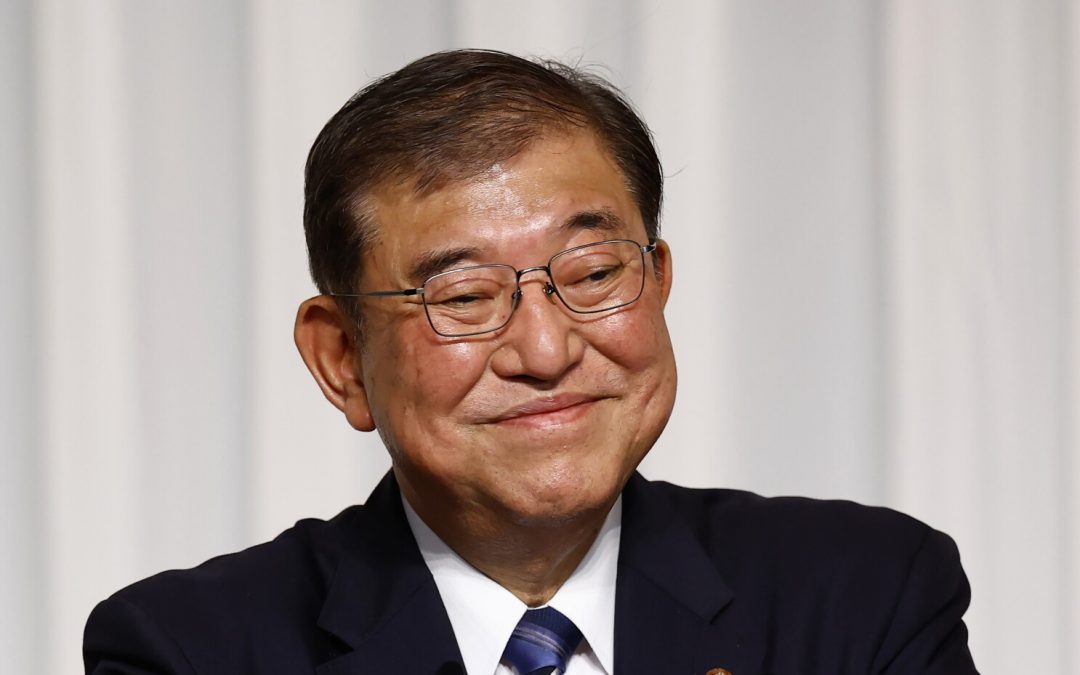
Japanese Prime Minister Shigeru Ishiba hopes to meet US President-elect Donald Trump in the United States this month, four sources said, in an attempt to emulate then-Prime Minister Shinzo Abe’s close ties during Trump’s first term.
The US is Japan’s most important economic and security partner, while Tokyo is a key Washington ally in Asia, providing bases that allow it to keep a large military presence on China’s doorstep.
Ishiba told reporters he had held a five-minute phone call with Trump on Thursday morning Japan time and that they agreed to meet as soon as possible.
https://www.tbsnews.net/worldbiz/asia/japan-pm-ishiba-seeks-meeting-trump-month-following-abe-example-988541
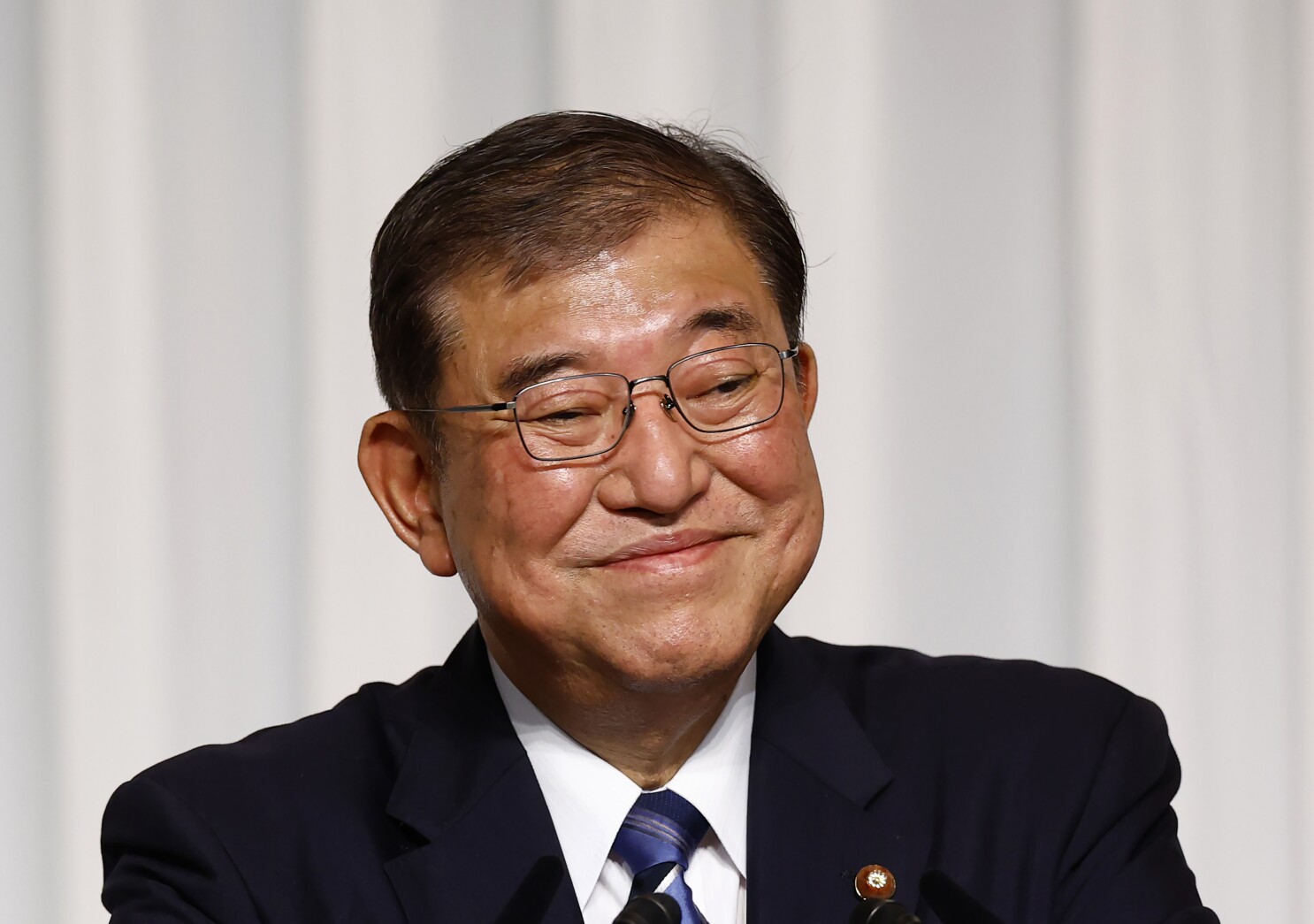
Shigeru Ishiba, the newly elected leader of Japan’s ruling party, the Liberal Democratic Party (LDP) holds a press conference after the LDP leadership election, in Tokyo Friday, Sept. 27, 2024. (Kim Kyung-Hoon/Pool Photo via AP)