by Editor BGF | Oct 14, 2024 | Global Alliance for Digital Governance
A recent article published on Fox News highlights concerns from experts regarding the United Nations’ involvement in artificial intelligence (AI) regulation. Experts warn that the UN’s approach could potentially lead to overregulation, stifling innovation and hindering the development of AI technologies.
The core concern revolves around balancing safety with the promotion of innovation. Overly stringent regulations may impede technological advancements and limit the benefits that AI can bring to society. Conversely, insufficient regulation could lead to unethical uses of AI or unintended consequences.
The Boston Global Forum (BGF) has been a pioneer in AI governance since 2017 through its AI World Society (AIWS) Initiative. The AIWS advocates for a balanced approach to AI governance that fosters innovation while ensuring ethical standards and societal benefits are upheld.
The concerns raised about the UN’s role in AI regulation underscore the need for ongoing discussions about the future of AI governance. Balancing innovation with safety is a complex challenge that requires input from various stakeholders.
In response to these developments, the United States will hold a safety summit in November to better coordinate global regulation efforts.
The Boston Global Forum is organizing a roundtable and invites distinguished thinkers, leaders, business executives, and policymakers to discuss this critical issue. We encourage you to share your perspectives by sending them to [email protected].
Your contributions will help shape meaningful discussions and inform strategies aimed at harnessing the potential of AI for the betterment of society.
For more information on BGF’s efforts in AI governance and to explore the AI World Society Initiative, please visit our publication: AIWS: Pioneering AI Governance and New Democracy
by Editor BGF | Oct 14, 2024 | Event Updates, News
The Boston Global Forum (BGF) is set to host the conference “AIWS for New Democracy: Strategies for Democracy to Win in the AI Battle” at Harvard University’s historic Loeb House on November 25, 2024. This significant event aims to bring together eminent thinkers, policymakers, and business leaders to formulate actionable strategies that promote democratic principles within the framework of the Artificial Intelligence World Society (AIWS) and build a new democracy empowered by AI technologies.
Keynote Speaker: Audrey Tang
The conference will feature a keynote address by Audrey Tang, the former Minister of Digital Affairs of Taiwan. Renowned for her innovative approach to digital governance and commitment to open democracy, Tang is expected to provide valuable insights on leveraging AI to strengthen democratic institutions and processes.
Event Highlights
- Focused Sessions: The event will address how democracies can effectively compete in the global AI landscape against authoritarian models.
- Actionable Outcomes: The conference aims to produce strategic reports, public statements, and foster networks to implement solutions that ensure democracy thrives in the AI era.

by Editor BGF | Oct 6, 2024 | Shinzo Abe Initiative for Peace and Security, News
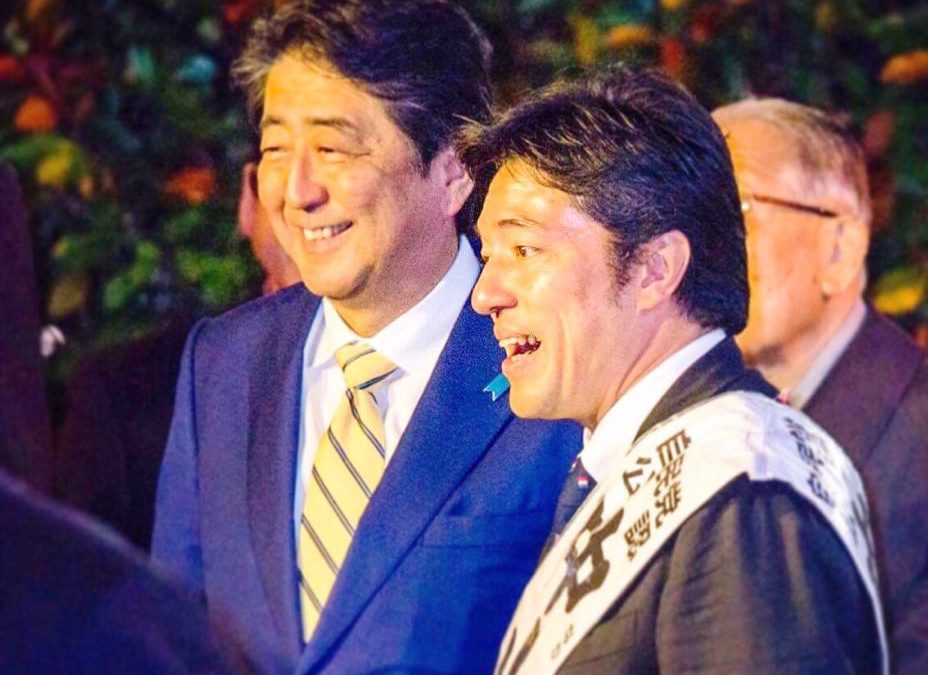
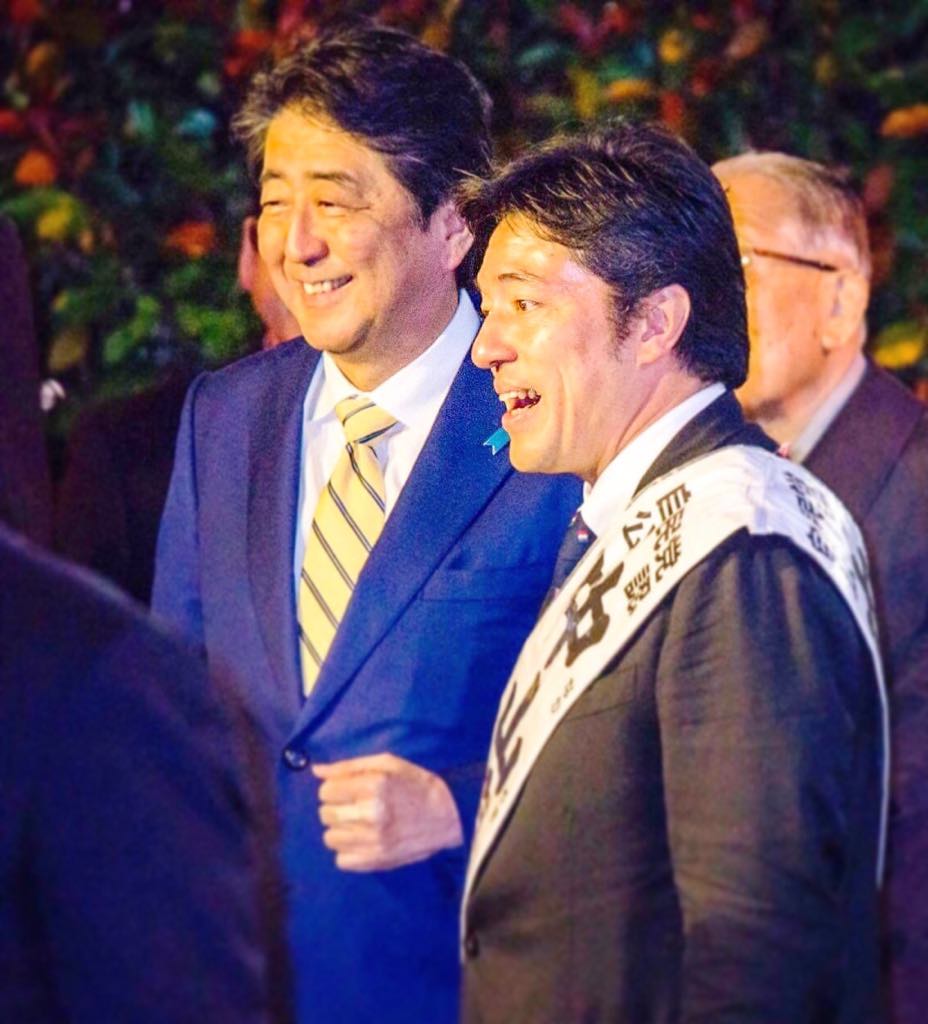
The Boston Global Forum (BGF) has announced the promotion of former Japanese State Minister Yasuhide Nakayama to the position of Representative of the Boston Global Forum in Japan and Taiwan. BGF Co-chair and CEO Nguyen Anh Tuan sent an appointment letter acknowledging Mr. Nakayama’s outstanding contributions as the Coordinator of the Shinzo Abe Initiative in Japan and Taiwan.
In the appointment letter, Nguyen Anh Tuan wrote:
“Your leadership, professionalism, and commitment have been instrumental in advancing our mission and strengthening our presence in the region. Your efforts have not only fostered collaboration but have also enhanced our initiatives in digital governance.”
“In recognition of your excellent work, it is my pleasure to inform you that, effective today, you are promoted to the position of Representative of the Boston Global Forum in Japan and Taiwan.”
“In this new role, you will assume greater responsibilities in expanding our strategic initiatives, building partnerships, and representing BGF’s interests in Japan and Taiwan. We are confident that your experience and insights will be invaluable as we navigate the challenges and opportunities ahead.”
Mr. Yasuhide Nakayama is a distinguished politician who has served as a State Minister in both Japan’s Ministry of Foreign Affairs and Ministry of Defense. His extensive experience in international relations and defense matters positions him well to advance BGF’s mission of fostering global collaboration and addressing critical issues in the digital age.
As the Representative of BGF in Japan and Taiwan, Mr. Nakayama will focus on expanding strategic initiatives, building partnerships, and representing the organization’s interests in the region. His leadership is expected to enhance BGF’s efforts in promoting the AI World Society (AIWS) and contributing to the development of a new democracy augmented by artificial intelligence.

by Editor BGF | Oct 6, 2024 | News, World Leaders in AIWS Award Updates
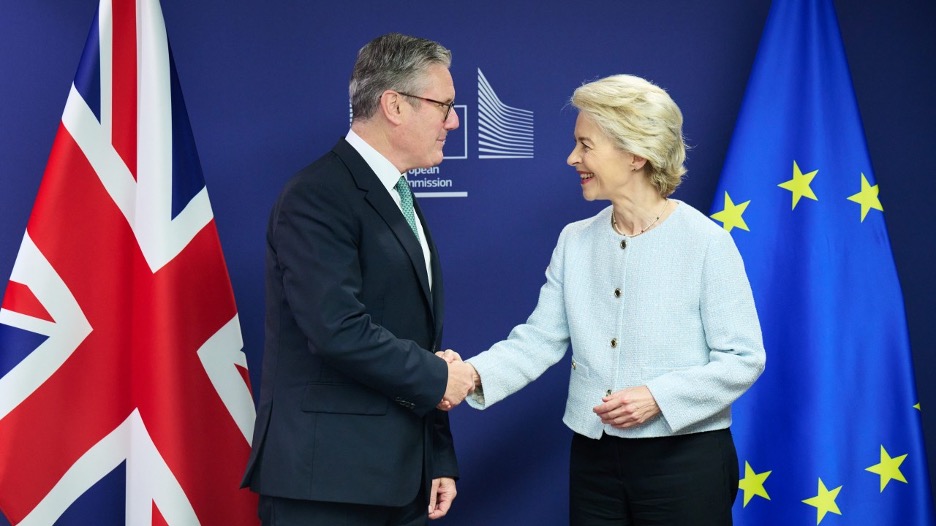
The President of the European Commission, Ursula von der Leyen, and the Prime Minister of the United Kingdom, Keir Starmer agreed to strengthen the relationship between the European Union and the United Kingdom. In a joint statement, they emphasized the importance of enhanced strategic cooperation to address shared global challenges. Both leaders acknowledged the altered strategic context in Europe, notably resulting from Russia’s illegal invasion of Ukraine. They reiterated their unwavering support for Ukraine’s sovereignty and emphasized the need for continued collaboration to uphold international law and democratic values. The discussions also covered a range of global issues, including economic headwinds, geopolitical competition, irregular migration, climate change, and rising energy prices. These challenges, they agreed, pose fundamental threats to the shared values of the EU and the UK and serve as strategic drivers for stronger cooperation. Reflecting on recent events in the Middle East, the leaders condemned acts of aggression and underscored the importance of de-escalation by all parties involved. They called for coordinated diplomatic responses and urged all sides to show restraint and end the bloodshed. An immediate ceasefire was deemed essential to create space for political solutions. This meeting marks a significant step toward rebuilding and enhancing the partnership between the European Union and the United Kingdom following Brexit. Both sides recognize the importance of collaboration in addressing global challenges and fostering peace and stability. President Ursula von der Leyen, recognized for her efforts in promoting peace and security, received the 2020 World Leader for Peace and Security Award from the Boston Global Forum (BGF).
Details: Official joint statement: European Commission Press Release
by Editor BGF | Oct 6, 2024 | News
Israeli former prime minister says in interview it is too late to significantly set back Tehran’s nuclear ambitions, and that a ‘massive’ attack on Iran’s oil facilities is likely
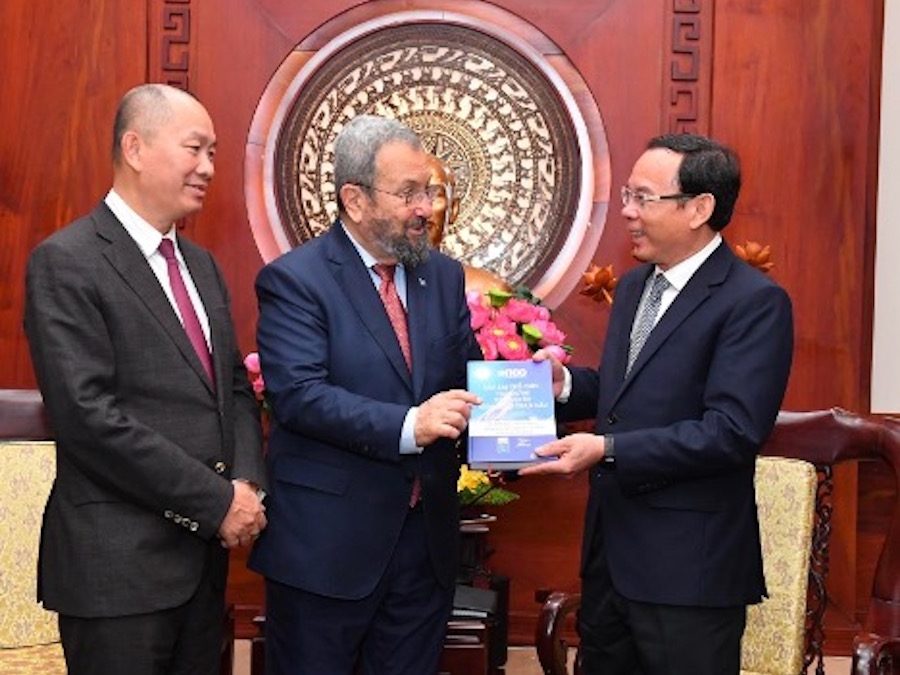
Israel is likely to mount a large-scale airstrike against Iran’s oil industry and possibly a symbolic attack on a military target related to its nuclear programme, former Israeli prime minister Ehud Barak has predicted.
Barak said there was no doubt there would be an Israeli military response to Iran’s assault on Tuesday with over 180 ballistic missiles, most of which were intercepted, but some landed on and around densely populated areas and Israeli military bases.
“Israel has a compelling need, even an imperative, to respond. I think that no sovereign nation on Earth could fail to respond,” Barak said in an interview.
The former prime minister, who also served as defence minister, foreign minister and army chief of staff, said the model for the Israeli response could be seen in Sunday’s reprisal airstrikes against Houthi-controlled oil facilities, power plants and docks in the Yemeni port of Hodeidah, a day after Houthi fired missiles aimed at Israel’s international airport outside Tel Aviv.
Prime Minister Ehud Barak is a Boston Global Forum Global Enlightenment Leader.

https://www.theguardian.com/world/2024/oct/04/israel-may-launch-symbolic-attack-on-iran-nuclear-facilities-says-ehud-barak
https://www.jpost.com/middle-east/iran-news/article-823165
by Editor BGF | Oct 6, 2024 | Global Alliance for Digital Governance
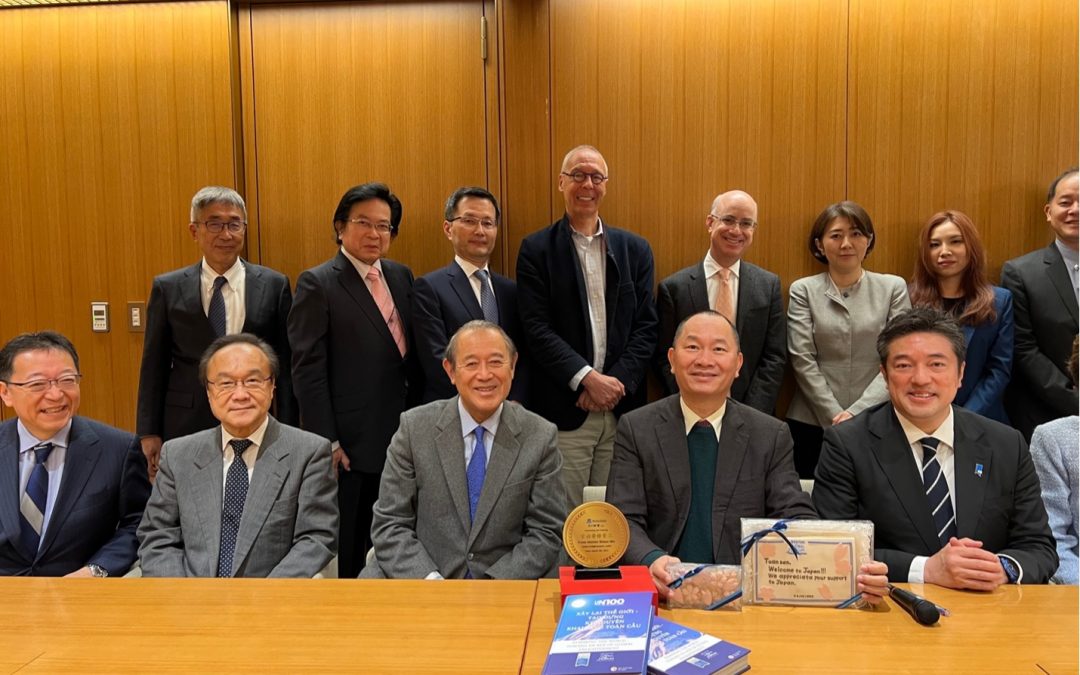
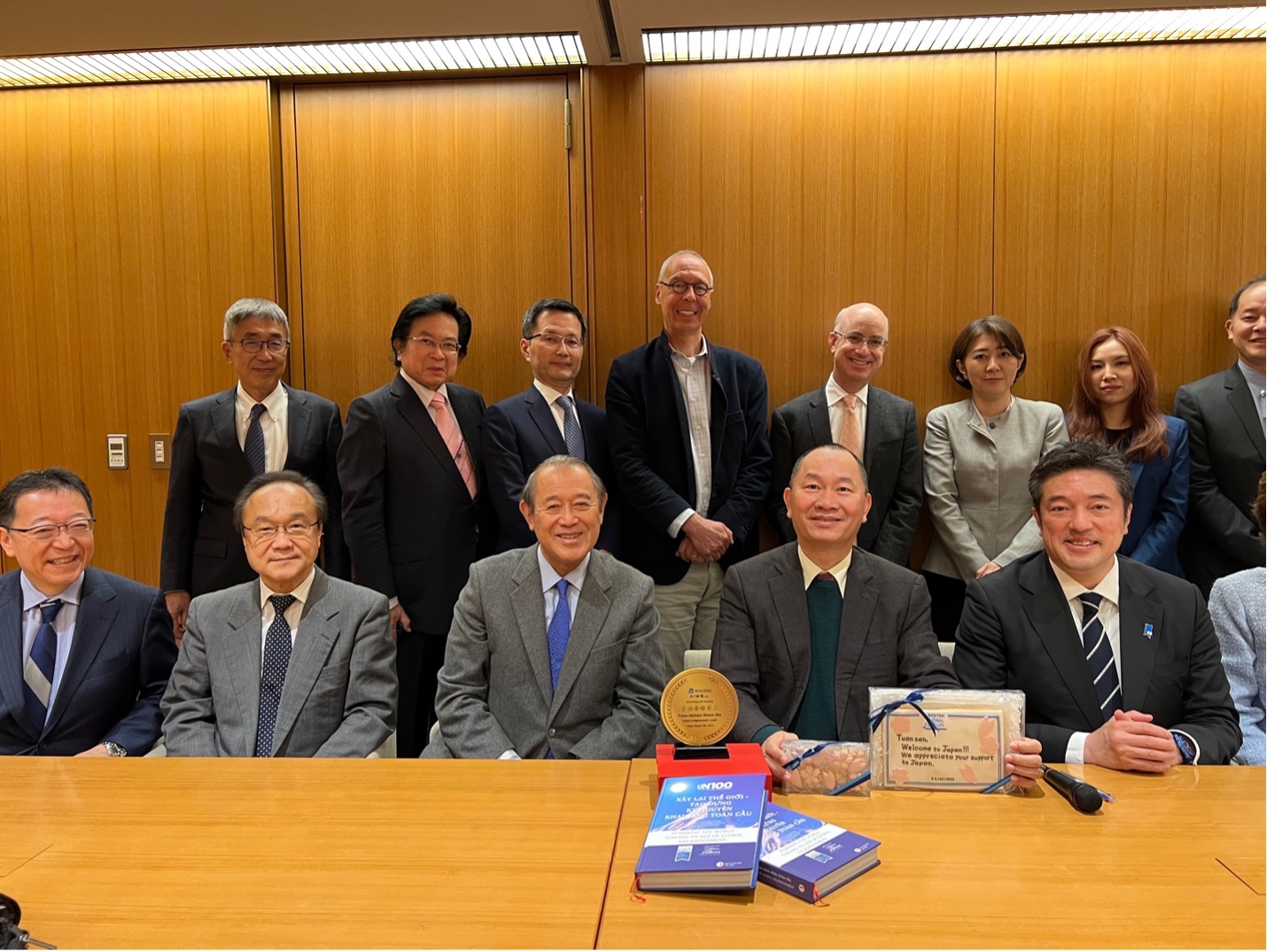
As the world faces rapid change and competition over AI, Japan’s step-up is significant for the East Asian region but also the wider world.
The deterioration of security in the Indo-Pacific has generated a great deal of discussion in Japan about the sustainability of the pacificist provisions in its constitution. Not surprisingly, artificial intelligence (AI) has emerged as a key factor in any potential shifting of this position.
One only has to look at the government’s second AI White Paper, which called for Japan to become the “world’s most AI-friendly country.” It further asserted that as the world enters a period of flux – more dynamic in all aspects of technology, services, utilization, and regulation – nations with the best “understanding of AI and the easiest implementation of AI” are likely to prosper. For the Japanese government, this entails strengthening competitiveness, maximizing profits, and minimizing risks.
Please read more: https://thediplomat.com/2024/10/can-japan-become-the-worlds-most-ai-friendly-country/
BGF contributed the 2023 report “The Shinzo Abe Initiative 2nd Conference
Japan’s Prominence in the New Age of Global Enlightenment”: https://bostonglobalforum.org/reports/the-shinzo-abe-initiative-2nd-conference-japans-prominence-in-the-new-age-of-global-enlightenment-3/

by Editor BGF | Oct 6, 2024 | Event Updates, News
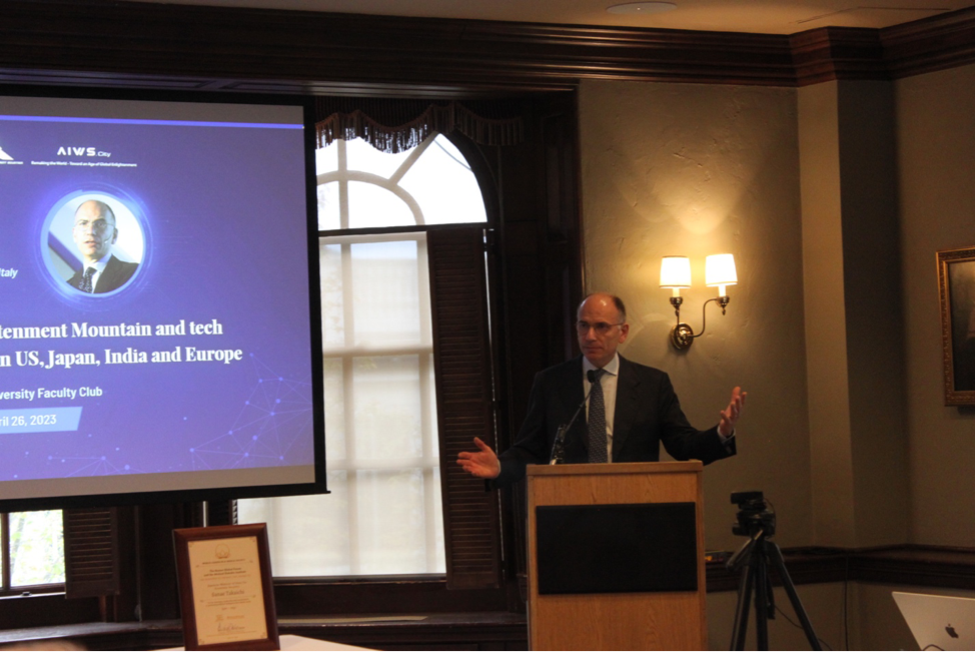
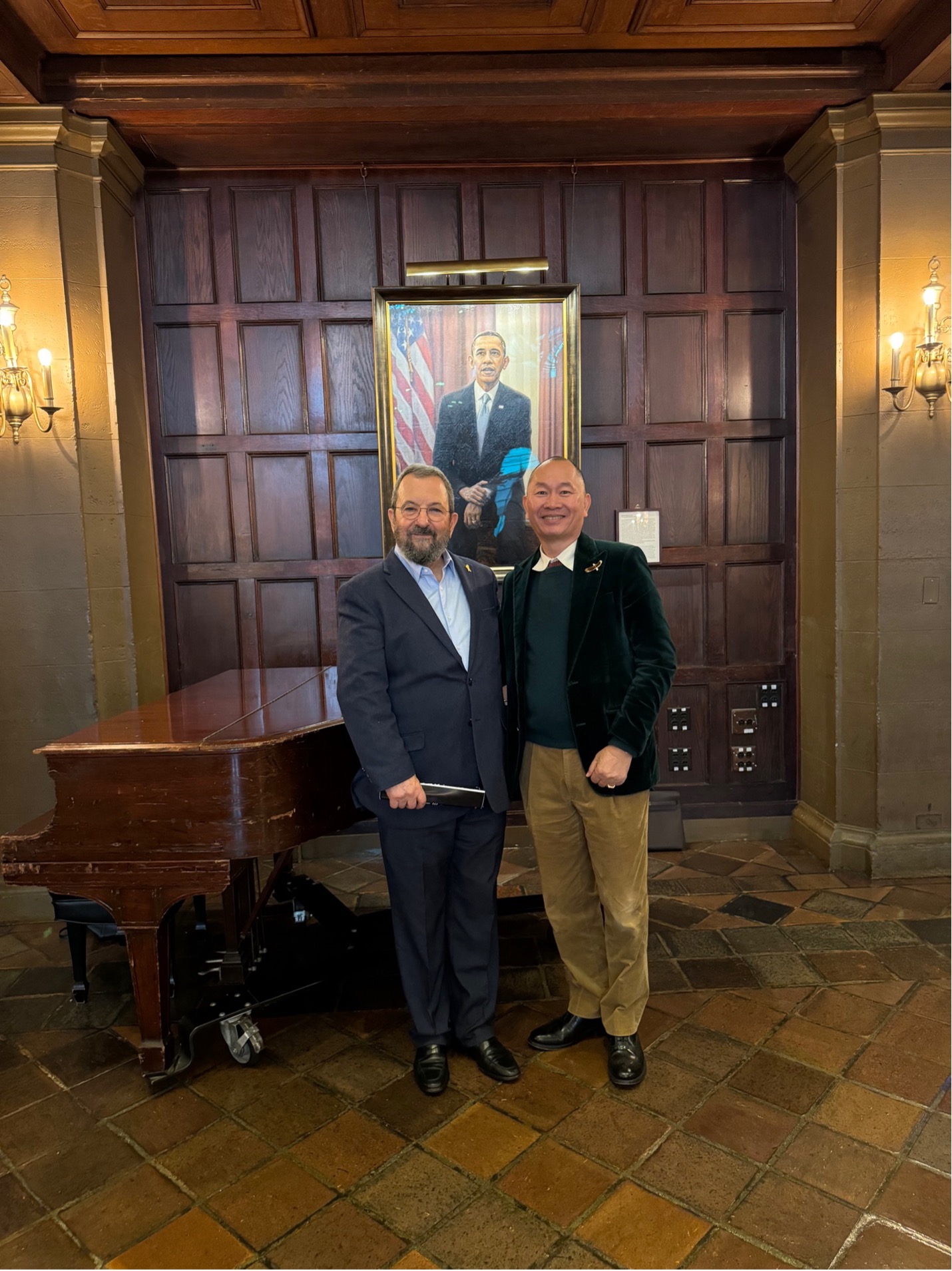
On October 3, 2024, at the Harvard Club of New York City, the Boston Global Forum (BGF) commenced its High-Level Discussion on Strategies for Democracy to Win in the AI Battle with an opening roundtable. BGF Co-chair and CEO Nguyen Anh Tuan met with former Israeli Prime Minister Ehud Barak, a BGF Global Enlightenment Leader, to discuss strategies for democracies to win in the artificial intelligence (AI) economy when competing with dictatorial and totalitarian systems.
Prime Minister Ehud Barak raised the challenges and obstacles that democracies face in this battle and shared his ideas to overcome them. His contributions will be featured in a special report outlining key strategies for democracies to succeed in the AI race.
“We are grateful to Prime Minister Barak for his invaluable input,” said Nguyen Anh Tuan. “His vision sets a strong foundation for our ongoing discussions aimed at empowering democracies in the face of emerging AI challenges.”
The event was attended by distinguished guests, including Ramu Damodaran, Founder and the first Chief of the United Nations Academic Impact and Representative of BGF in New York, along with Ehud Barak’s wife, Nili Priel.
The BGF’s High-Level Discussion on Strategies for Democracy to Win in the AI Battle aims to bring together eminent thinkers, policymakers, and business leaders to formulate actionable strategies that promote democratic AI World Society principles and build a new democracy based on AI. The series will continue with additional roundtables and discussions in the coming months.

by Editor BGF | Sep 29, 2024 | News
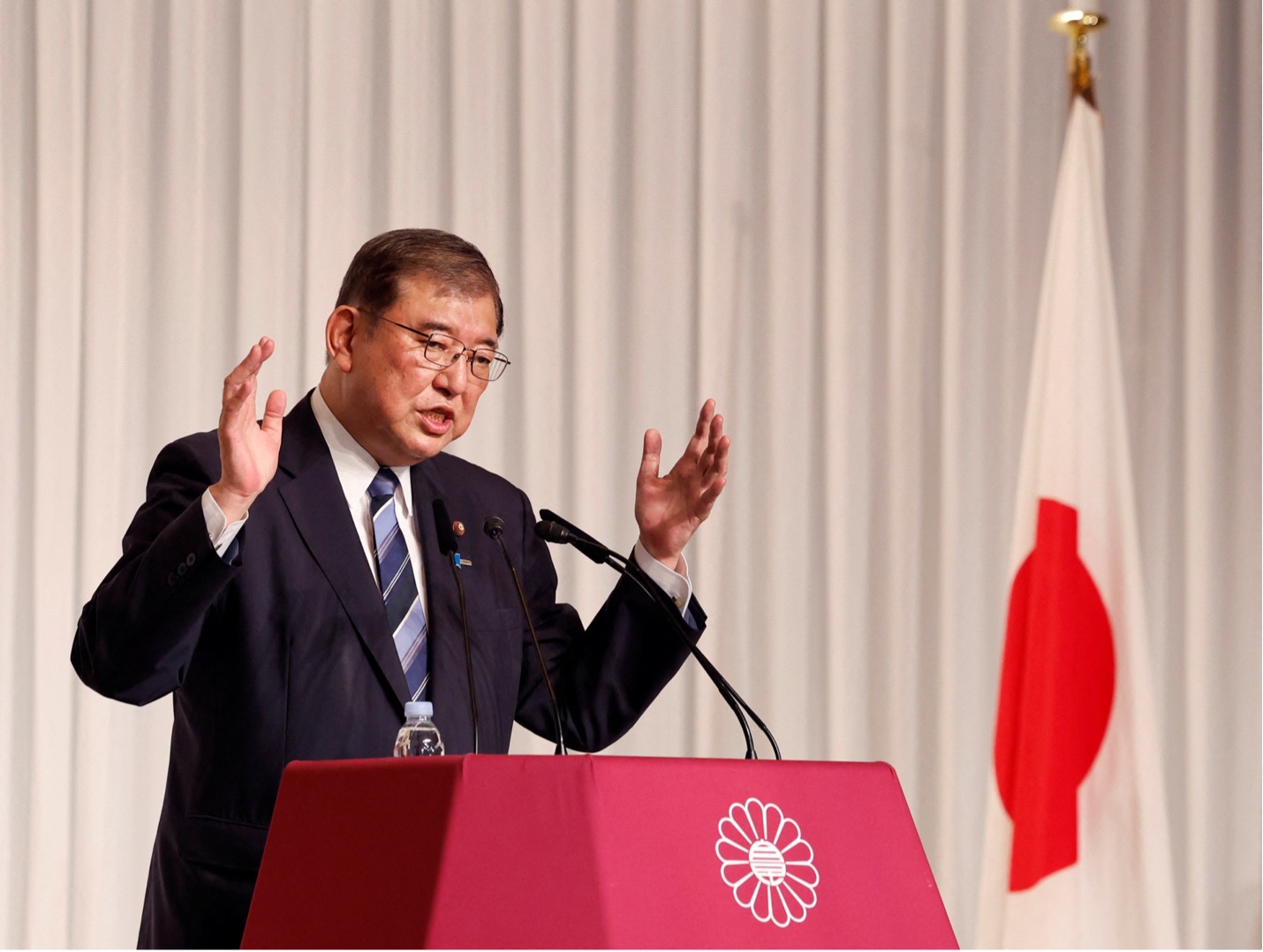
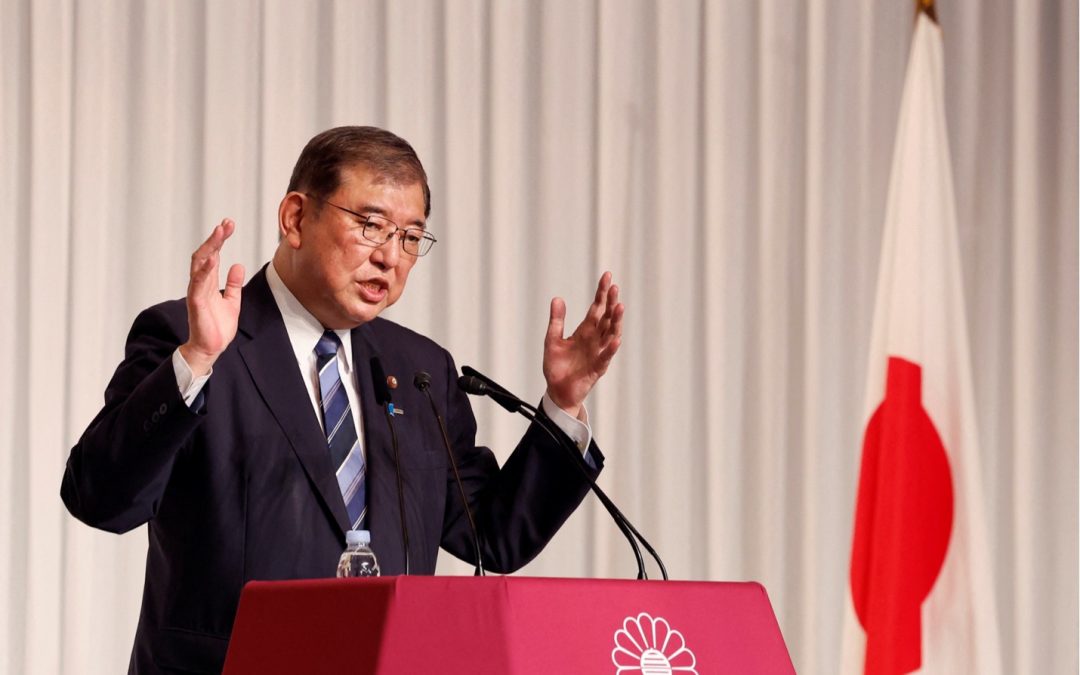
Japan’s governing party on Friday September 27, 2024, picked former Defense Minister Shigeru Ishiba as its leader, setting him up to become prime minister next week.
The party leadership is a ticket to the top job because the Liberal Democratic Party’s governing coalition controls parliament.
Considered a defense policy expert, Ishiba secured a come-from-behind win against Economic Security Minister Sanae Takaichi, a staunch conservative who hoped to become the country’s first female prime minister.
Reuters comment: “Shigeru Ishiba, tapped to be Japan’s next prime minister, may cause diplomatic headaches for the U.S. with proposals to revamp Tokyo’s closest alliance by locking Washington into an “Asian NATO” and stationing Japanese troops on U.S. soil.
Ishiba, elected leader of the ruling Liberal Democratic Party on Friday, outlined his plan in a paper to the Hudson Institute think tank last week. He argues that the changes would deter China from using military force in Asia.”
https://apnews.com/article/japan-election-new-prime-minister-ca3ba06b79c79d5dc534a0d259a7272c
https://www.reuters.com/world/asia-pacific/incoming-japan-pm-ishibas-asian-nato-idea-test-us-diplomacy-2024-09-27/
by Editor BGF | Sep 29, 2024 | Shinzo Abe Initiative for Peace and Security, News
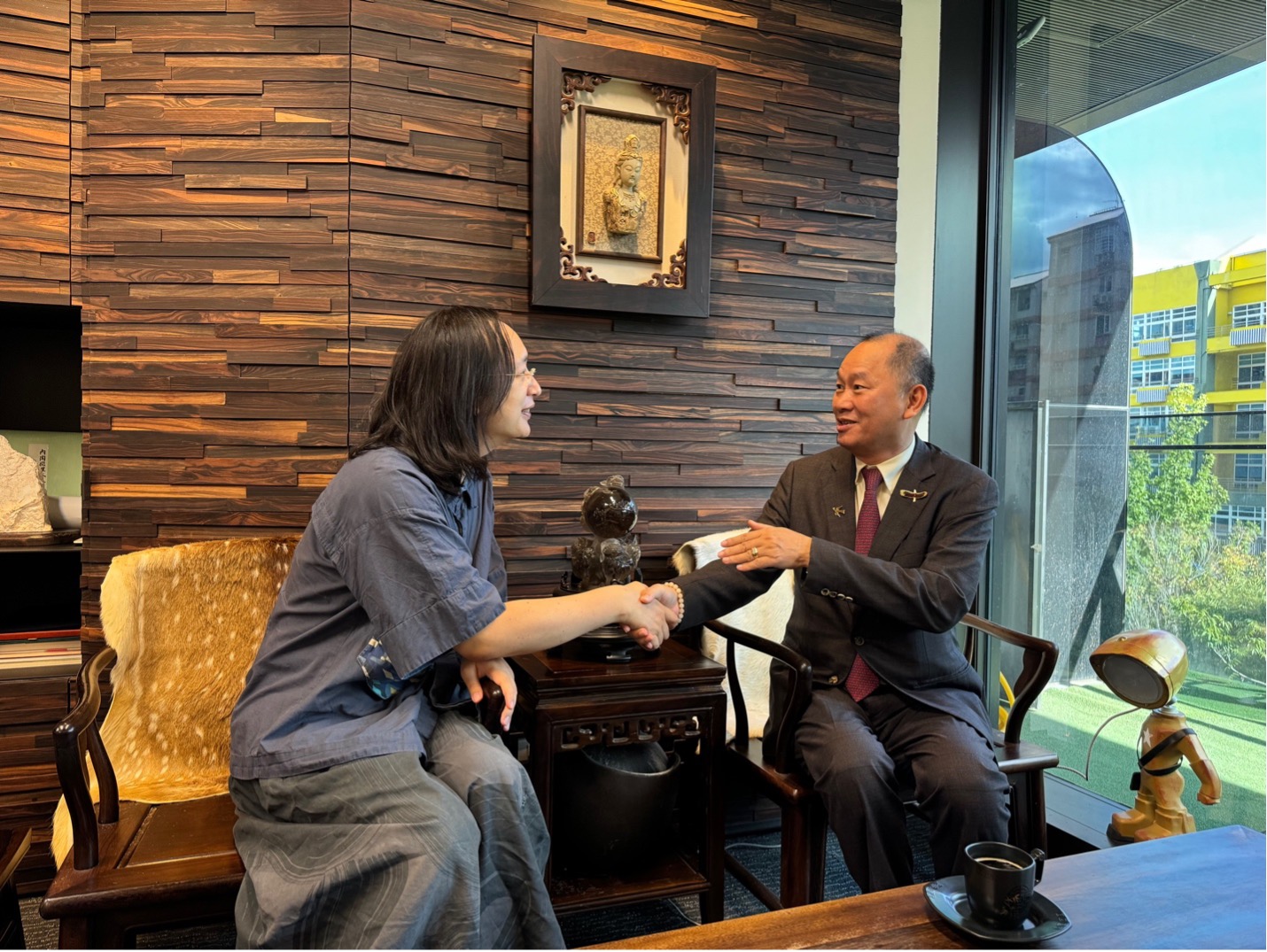
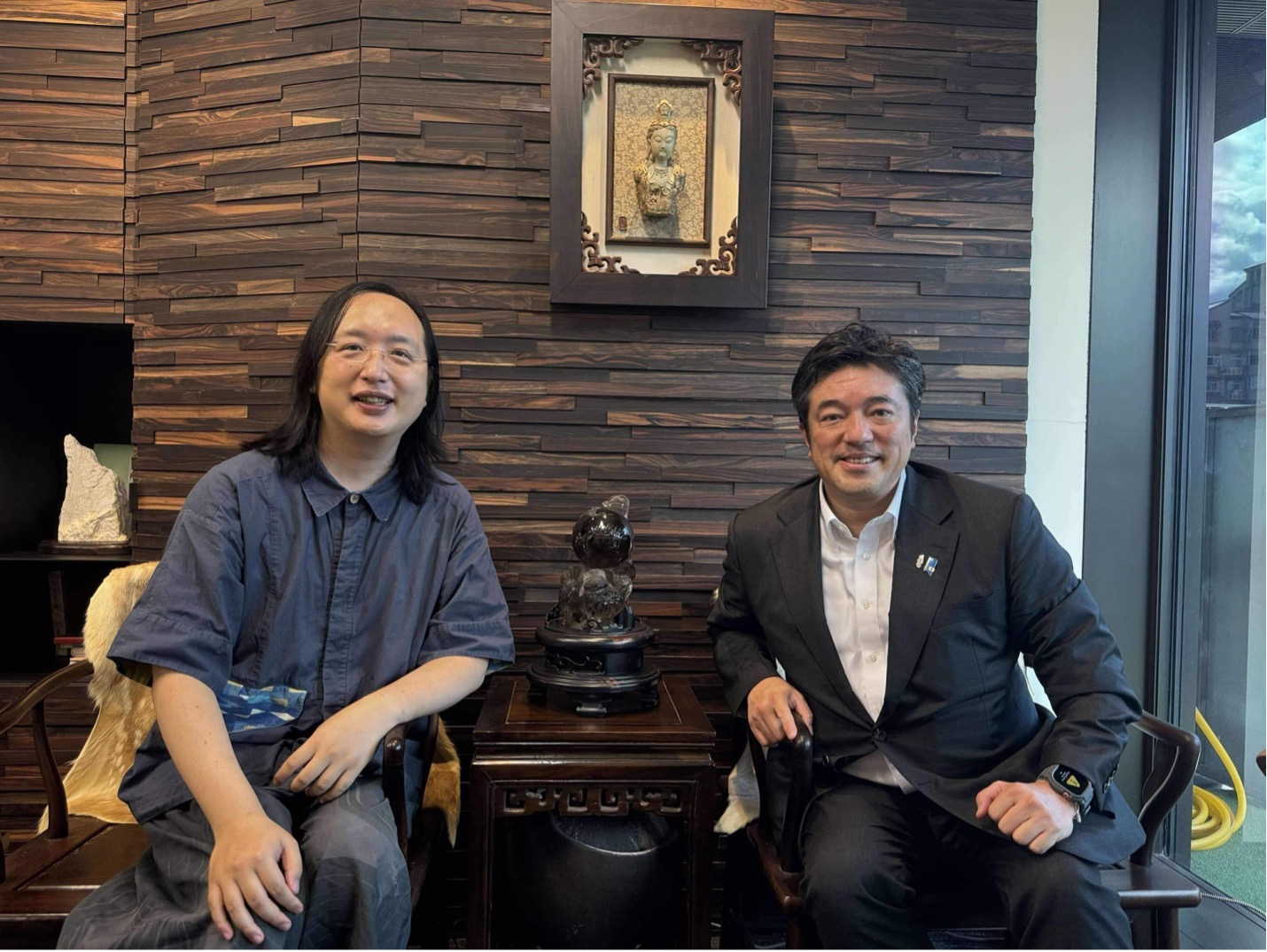
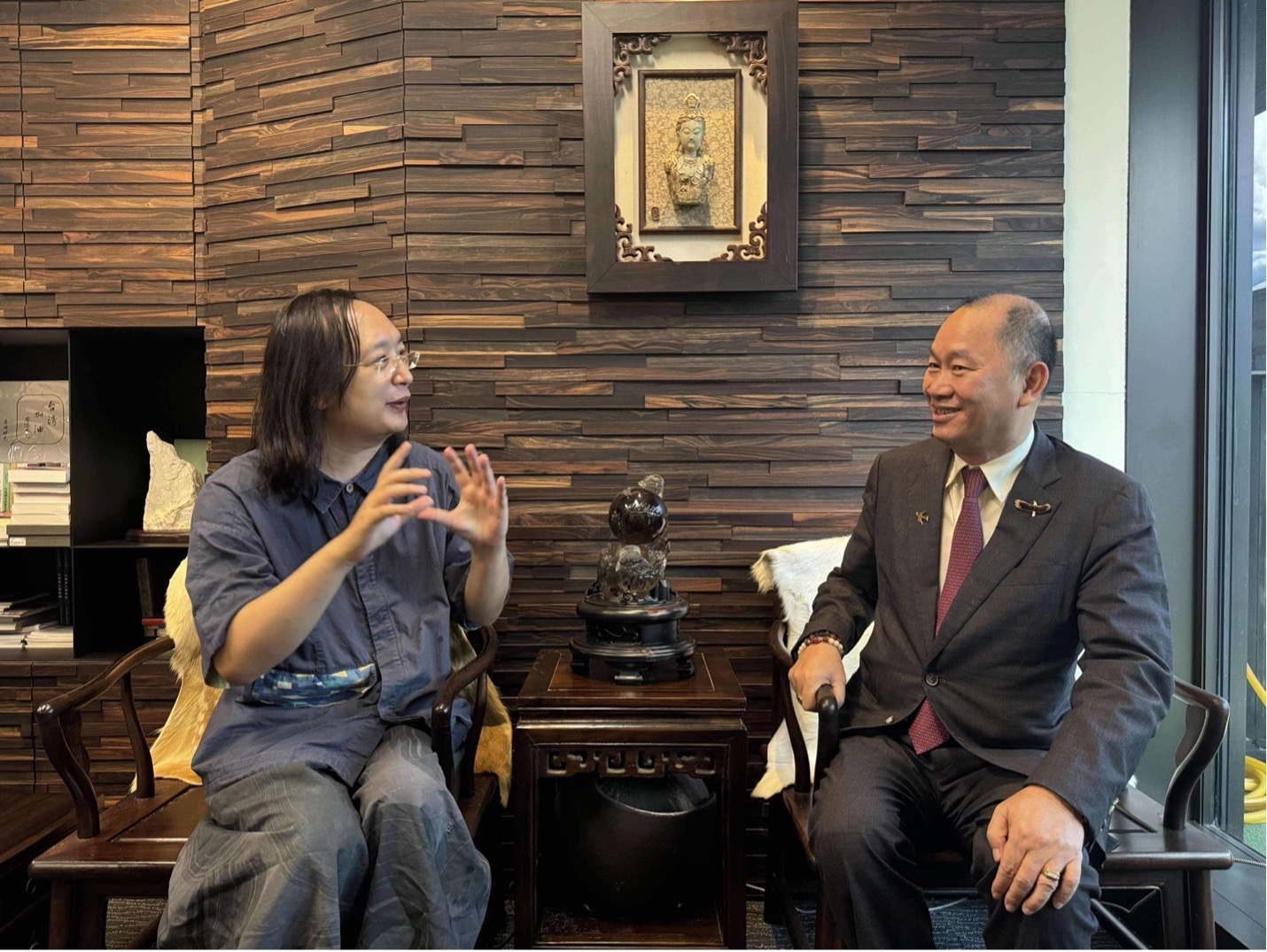
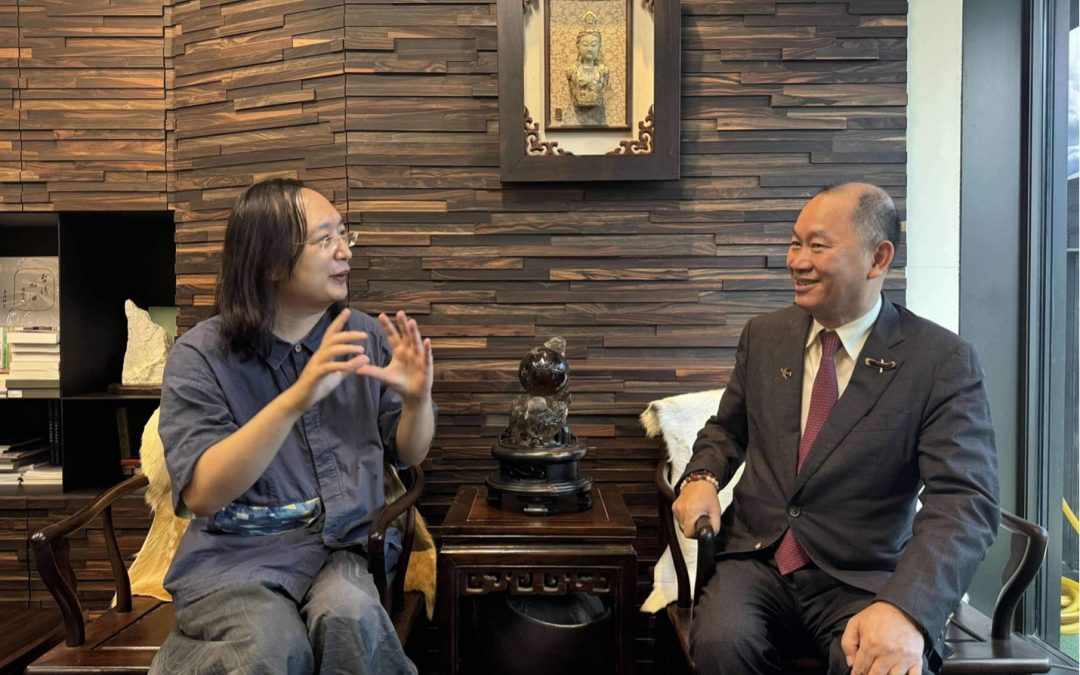
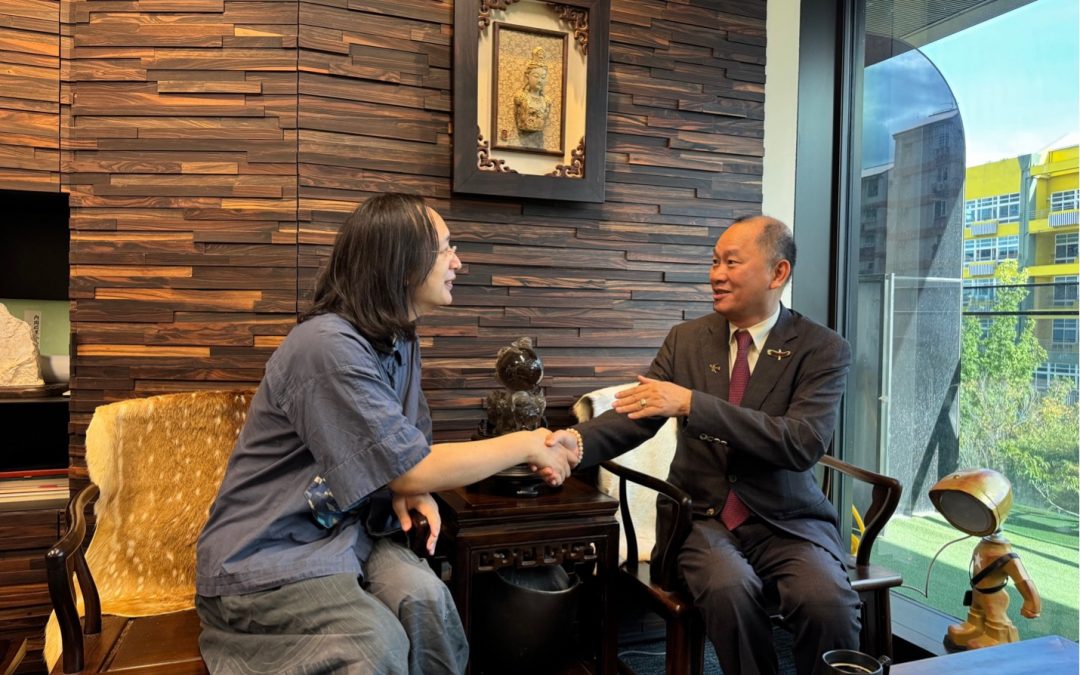
On September 20, 2024, in Taipei, at the Office of the Friends of Abe Shinzo Association in Taiwan, the Boston Global Forum (BGF) Co-Chair and CEO Nguyen Anh Tuan and Yasuhide Nakayama met with Audrey Tang, Taiwan’s former Minister of Digital Affairs. Mr. Nakayama is the Representative of BGF in Japan and Taiwan and a former State Minister of Japan’s Ministry of Foreign Affairs and Defense. Marlon Yeh, Secretary General of the Friends of Abe Shinzo Association in Taiwan, was also in attendance.
The meeting focused on the AI World Society (AIWS) initiative and the concept of New Democracy, exploring how artificial intelligence can be leveraged to enhance democratic processes and institutions. Audrey Tang shared insights from Taiwan’s experiences in integrating technology with governance, emphasizing the country’s advancements in digital democracy and civic participation.
Nguyen Anh Tuan highlighted the importance of international cooperation in shaping the new democracy in the Age of AI. “International collaboration is essential for harnessing AI to strengthen democratic values worldwide,” he stated.
Yasuhide Nakayama added, “The synergy between Japan, Taiwan, and the Boston Global Forum is pivotal in addressing the challenges posed by rapid technological advancements. By sharing knowledge and strategies, we can ensure that AI serves as a tool for good.”
The participants also reflected on the legacy of former Japanese Prime Minister Shinzo Abe, whose vision for regional cooperation continues to inspire initiatives like the Friends of Abe Shinzo Association. The association aims to strengthen ties between nations committed to democratic principles and technological innovation.