In the rapidly evolving landscape of artificial intelligence (AI), the need for a comprehensive knowledge platform has never been more pressing. As AI systems continue to permeate various aspects of our lives, from healthcare and finance to transportation and entertainment, the importance of having a centralized repository of knowledge to inform decision-making processes is paramount. Due to this necessity, the Boston Global Forum has conceived the Knowledge Platform for AI Systems. This Knowledge Platform can serve as an essential resource, providing a foundation upon which AI applications and systems can reference, think critically, and make informed decisions.
Rooted in ethics and standards, this platform can offer guidance and reference points for individuals navigating the complexities of artificial intelligence. Emphasizing humanity, compassion, and moral judgement, it embodies a commitment to fostering ethical practices and responsible use of AI technologies. By integrating intellectual rigor with ethical considerations, the platform empowers users to make informed decisions that align with ethical principles and societal values, promoting integrity, fairness, and accountability in AI applications across various domains.
At its core, the Knowledge Platform for AI Systems seeks to aggregate and organize vast amounts of data, information, and expertise from diverse sources, both modern and historical. It encompasses the Social Contract for the AI Age, standard values of AI World Society (AIWS), historical data, norms, ethics, and background information from politics, science, and the economy. By consolidating this wealth of information into a single, accessible platform, AI systems can draw upon a wide range of insights to enhance their understanding and decision-making capabilities.
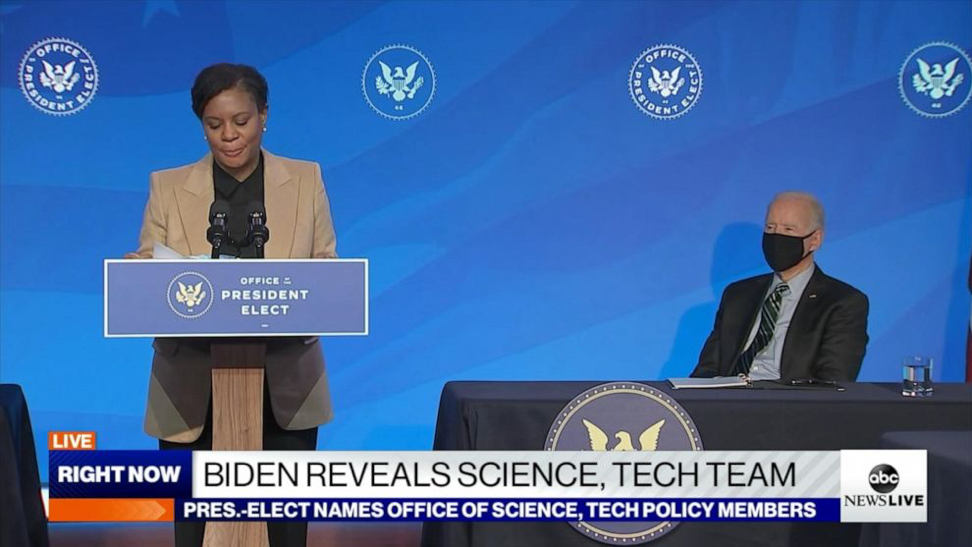
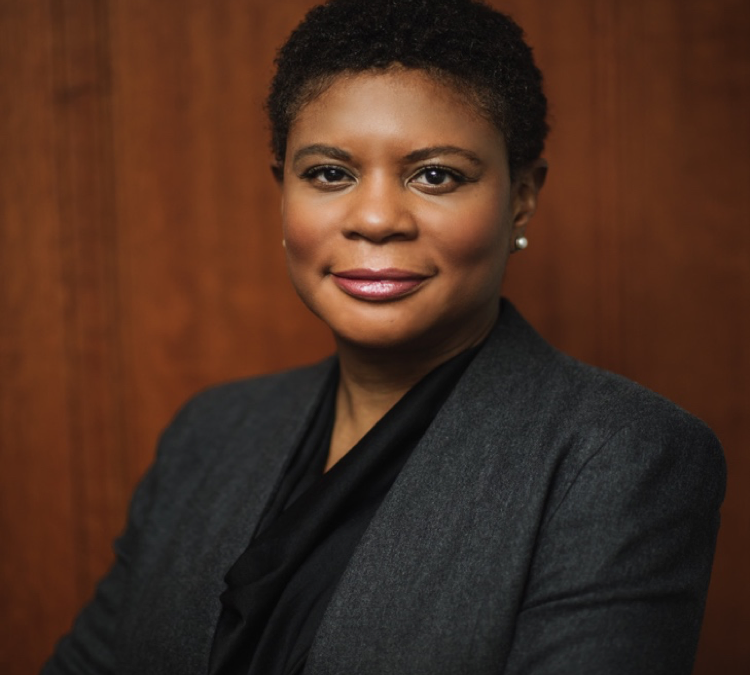
Boston Global Forum will unveil “the Knowledge Platform for AI Systems” at the BGF Conference, where Dr. Alondra Nelson will be honored with the 2024 World Leader in AIWS Award at Harvard University Loeb House on April 30, 2024.
Minh Nguyen is the Editor of the Boston Global Forum and a Shinzo Abe Initiative Fellow. She writes the Four Pillars column in the BGF Weekly newsletter.
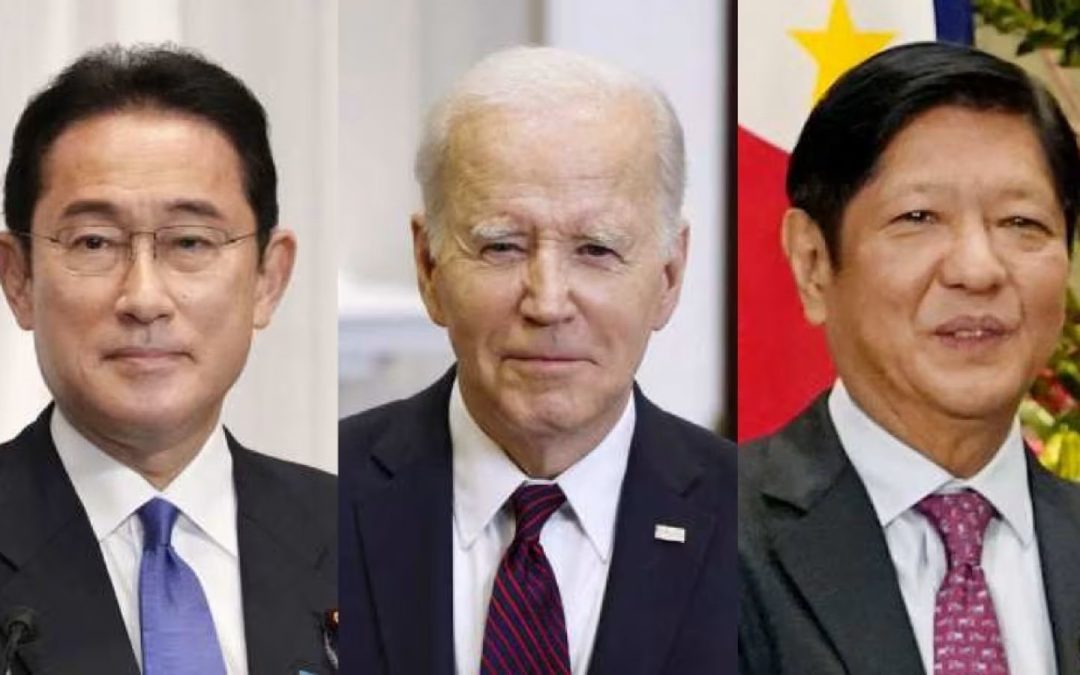
As the summit between the US, Japan, and the Philippines approaches next week, more policies and initiatives between the two Pillars and the Southeast Asian country have been reported on or announced. These include enhanced cooperation in clean energy and chips between the three countries; and an agreement on joint defense equipment development between the two Pillars. Furthermore, AUKUS, the working group of Australia, the UK, and the US, of which two are Pillars, are seeking to bring Japan into the fold, which will most likely be announced today. Specifically, they are hoping to involve Japan with collaboration on defense technologies, and this would also help the Pillars connect with each other more easily when faced with flashpoints in the region. These agreements and moves are the seeds of what seem to be one of the more important summits of the decade, as the Pillars deepen their ties in what appears to be an inevitable battle against China and the CCP in the Pacific Rim.
The situation in the Middle East is at a two-fold stage, between the actors of Israel, the US, and Iran. When an IDF airstrike killed 7 foreign aid workers, part of organizations that were replacing the disgraced UNRWA, leading a major international backlash against Israel, the US was able to put more pressure on the Israeli government to be less heavy-handed in their approach in the campaign in Gaza. Biden and the State Department’s attempts to reign in Netanyahu did not seem to be effective in previous months, but recently pressures have been bearing more fruit: the Israeli cabinet approved reopening the northern Gaza border crossing for the first time since October 7th, and the IDF begins to withdraw from southern Gaza.
Outside of Israel’s borders, the IDF allegedly airstriked a top IRGC commander in Syria, attacking the Iranian embassy in Damascus, which now has led to Iran threatening not just Israel, but also the US, with a major rettalion. In fact, US forces were preparing over the weekend for an Iranian attack in the region in the coming week. The tension seems to be in a lull right now between the states, but it could merely be the calm before the storm.
The Boston Global Forum (BGF) is delighted to convene a pivotal conference on April 30, 2024, titled “Governing the Future: AI, Democracy, and Humanity.” Hosted at the prestigious Harvard University Loeb House, this event will bring together esteemed thought leaders, policymakers, and scholars to explore the intersection of artificial intelligence (AI), democracy, and the collective well-being of humanity.
Commencing at 1:30 pm and extending until 5:00 pm, the conference will begin with a warm welcome to participants at 1:00 pm.
One of the highlights of the conference will be the honoring of Alondra Nelson, Former Deputy Assistant to President Joe Biden, Former Acting Director of the White House Office of Science and Technology Policy, and Harold F. Linder Professor at the Institute for Advanced Study. Dr. Nelson will be recognized as the recipient of the 2024 World Leader in AI World Society (AIWS) Award in acknowledgment of her outstanding contributions to shaping the governance, public policy, and societal dimensions of AI development and deployment. Governor Michael Dukakis will present this esteemed award to Dr. Nelson, followed by her distinguished speech on “Governing the Future: AI, Public Policy, and Democracy.”
The conference will feature engaging discussions moderated by Harvard Professor Thomas Patterson, focusing on vital topics such as platforms for AI democracy and humanity. Esteemed speakers including MIT professors Alex Sandy Pentland, Lily Tsai, and Robert Mahari will present on the topic of ‘Generative AI for Pro-democracy Platforms,’ while MIT professor Nazli Choucri will speak on the development of the Knowledge Platform for AI Systems.
Furthermore, Harvard Professor David Silbersweig will explore the dynamics of prosocial human brain-AI interactions, shedding light on the potential for harmonious collaboration between human intelligence and artificial intelligence.
The conference will culminate with concluding remarks from Nguyen Anh Tuan. He will introduce The World Leader Peace Community”, comprise recipients of World Leader for Peace and Security Award and World Leader in AIWS Award. Throughout the event, participants will have the opportunity to engage with leading experts and contribute to the advancement of AI governance and ethical practices.
The BGF conference on ‘Governing the Future: AI, Democracy, and Humanity’ promises to be a platform for thought-provoking dialogue and collaborative action, shaping a future where AI serves as a force for positive societal transformation.
Joint Statement EU-US Trade and Technology Council of 4-5 April 2024 in Leuven, Belgium
The acceleration of the digital transformation creates unprecedented opportunities for growth and innovation but also raises numerous risks and challenges that call for accelerating our efforts to establish joint leadership and continue robust coordination on our approaches for creating rules of the road for emerging technologies, such as artificial intelligence (AI), quantum technologies, and 6G wireless communication systems. We aim to foster interoperability and support our common democratic values and the protection of human rights, while also promoting innovation. We are also dedicated to continuing to equip our workforce with the skills necessary to meet the needs created by rapidly changing technology, including AI.
The cooperation between the European Union and the United States continues to be the bedrock for dealing with such global challenges, and the TTC has played a vital role in shaping a forward-looking dialogue and facilitating unprecedented coordination and quick responses to key trade and technology related issues and developments, not least in the context of Russia’s continued aggression against Ukraine. We therefore reaffirm the importance of the TTC and will continue to refine and adapt this forum to advance our shared objectives.
Advancing Transatlantic Leadership on Critical and Emerging Technologies, Artificial Intelligence
The European Union and the United States reaffirm our commitment to a risk-based approach to artificial intelligence (AI) and to advancing safe, secure, and trustworthy AI technologies. The dedicated coordination under the TTC continues to be instrumental to implementing our respective policy approaches which aim to reap the potential benefits of AI while protecting individuals and society against its potential risks and upholding human rights.
Boston, MA – April 10, 2024 – Boston Global Forum (BGF) is proud to announce that Dr. Alondra Nelson, former Deputy Assistant to President Joe Biden, former Acting Director of the White House Office of Science and Technology Policy, and Harold F. Linder Professor at the Institute for Advanced Study, has been selected as recipient of the 2024 World Leader in AI World Society (AIWS) Award.
The prestigious award recognizes Dr. Nelson’s outstanding contributions to shaping global public policy, the governance of artificial intelligence (AI), and our understanding of the societal dimensions of AI development and deployment.
During her tenure at the White House Office of Science and Technology Policy (OSTP), Dr. Nelson spearheaded the development of the “Blueprint for an AI Bill of Rights,” which was incorporated into both President Biden’s historic executive order on artificial intelligence and enacted into policy for the federal government. In leadership at OSTP, she also provided guidance to expand taxpayer access to federally funded research, served as an inaugural member of the Biden Cancer Cabinet, strengthened evidence-based policymaking, and galvanized a multisector strategy to advance equity and excellence in STEM.
In 2022, Nature recognized Dr. Nelson as one of 10 people in the world who shaped science. In 2023, she was named to the inaugural TIME100 list of the most influential people in AI. She was also nominated by the Biden-Harris administration, and appointed by United Nations Secretary-General António Guterres, to serve on the UN High-Level Advisory Board on AI, which released its interim report in December.
The ceremony honoring Dr. Nelson will take place at 1:00 pm on April 30, 2024 at Harvard University Loeb House. The event will feature a keynote address, “Governing the Future: AI, Public Policy and Democracy,” by Dr. Nelson herself, who will receive the award from Governor Michael Dukakis, as well as remarks from prominent figures in the field of AI ethics, policy, and science.
“We are thrilled to honor Dr. Alondra Nelson with the 2024 World Leader in AI World Society Award,” said Nguyen Anh Tuan, Co-Founder and CEO of Boston Global Forum. “Her dedication to advancing civil and human rights, democratic freedoms, and responsible practice in the use of AI technology exemplifies the spirit of the AI World Society initiative, and we are grateful for her invaluable contributions to shaping the future of AI for the betterment of humanity.”
Prior recipients of the AIWS World Leader Award have included Ambassador Amandeep Singh Gill, the United Nations Envoy on Technology; Stavros Lambrinidis, European Union Ambassador to the United States; internet pioneer Vint Cerf; and Sanae Takaichi, the Japanese Minister of State for Economic Security.
For more information about the event, please visit the Boston Global Forum website at bostonglobalforum.org.
Originally published by the Shinzo Abe Initiative on LinkedIn.
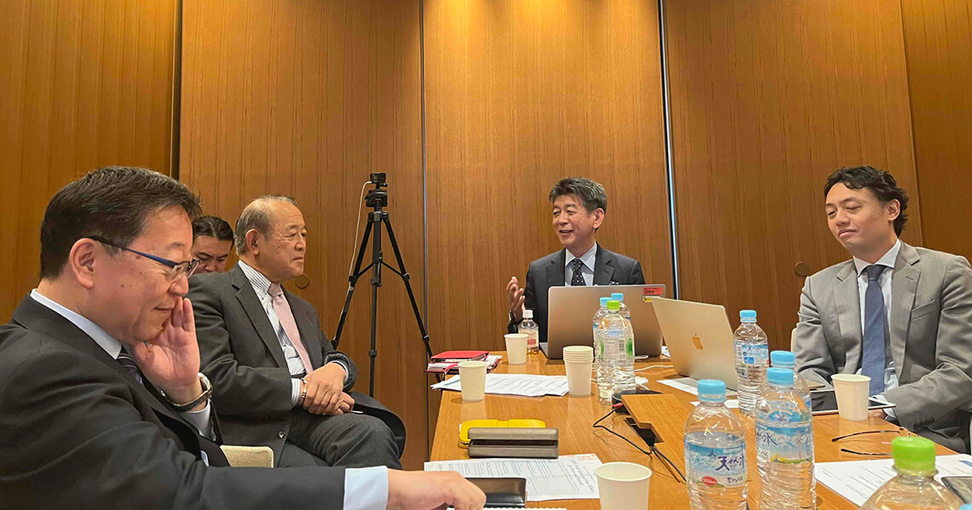
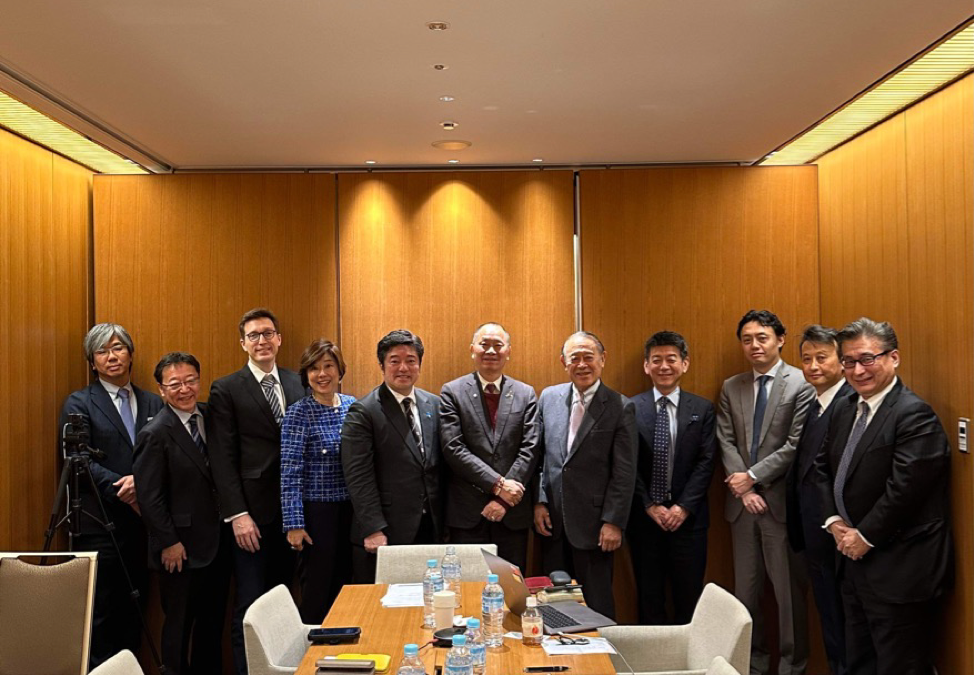
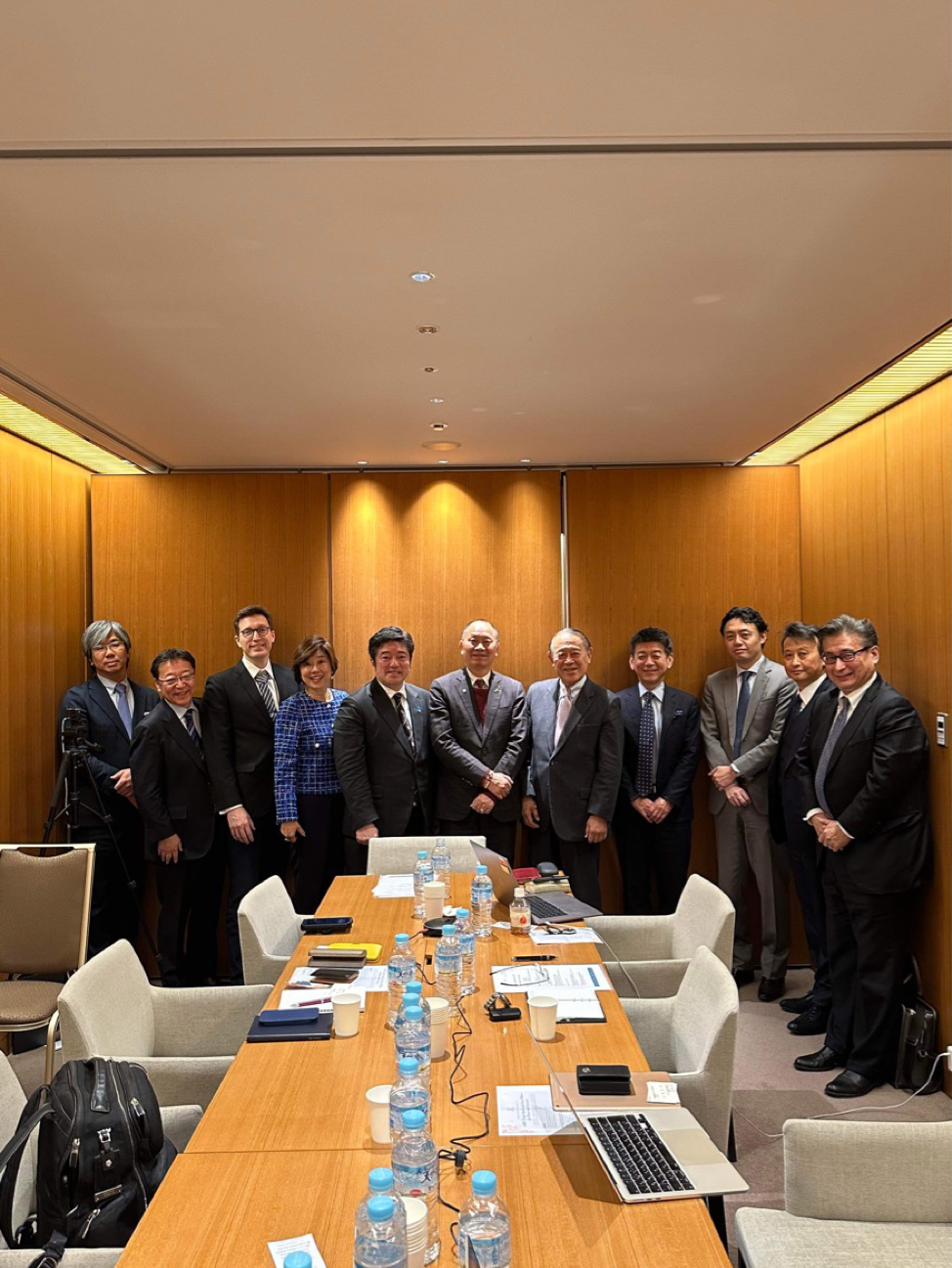
Recently, a groundbreaking dialogue on AI governance took place at Hotel Okura Tokyo under the moderation of Ichiro Fujisaki, the esteemed former Japanese Ambassador to the USA. The discussion focused on responsible governance regarding AI ethics, safety, and accessibility, emphasizing the Four Pillars for Peace and Security, which include politics, science and technology, business, and the peaceful use of drones.
The conference opened on a high note with remarks from Nobue Mita, the Japan representative of Boston Global Forum, setting the stage for a series of enlightening presentations. Tuan Nguyen, the visionary CEO of Boston Global Forum, introduced AIWS Trade Stack and expanded on the importance of the foundational Four Pillars for Peace and Security, which paved the way for Sanae Takaichi, Japanese Minister of State for Economic Security, and the 2023 World Leader in AIWS to discuss Japan’s pivotal role in this global endeavor.
“Good morning everyone, I am Sanae Takaichi, and I am delighted to celebrate the 3rd Shinzo Abe Initiative Conference hosted by the Boston Global Forum Japan, which is taking place today.
Technological innovations such as generative AI bring a variety of benefits, including improving productivity and addressing worker shortages. However, they also pose serious risks, such as the spread of disinformation.
In Japan, the AI Safety Institute was established last month as an organization to study AI safety evaluation methods. Additionally, AI business guidelines, encompassing essential principles for AI companies to adhere to, are scheduled to be published next month.
I would like to express my sincere appreciation to CEO Tuan and everyone at the Boston Global Forum for their significant contributions over the years. I also extend my best wishes for the continued growth and success of the Boston Global Forum and its participants. Thank you.”
A highlight of the event was the first agenda item, featuring luminaries like former Senior Vice Minister of Defense, Yasuhide Nakayama, former British Ambassador to Japan, Paul Madden CMG, and Professor Yuichi Hosoya of Keio University, who shared insights on the collective efforts of the USA, Japan, EU-UK, and India towards world peace and security in 2024. Adding a valuable perspective to this discussion, Professor Alex ‘Sandy’ Pentland of MIT shared his insights on how data-driven approaches and computational social science can aid in understanding and enhancing international collaboration. His work at the MIT Human Dynamics Laboratory and the World Economic Forum Big Data and Personal Data initiatives underscores the importance of leveraging big data and personal data for societal benefits, including security and peace.
Nakayama elaborated on the four pillars:
Politics: We aim for conflict resolution and peacebuilding through the “The Global Leaders Peace Community”, promoting dialogue and mediation to maintain global peace and security.
Science and Technology: By forming a community of scientists and engineers, we direct the power of science and technology towards peaceful purposes, understanding the causes of conflicts scientifically and leveraging this knowledge for peacebuilding.
Business: We create a community of business leaders and entrepreneurs to use economic power to foster social progress and peace, emphasizing ethical business practices and social responsibility.
Drone Technology: Through the “Drones for Peace Community”, we aim to manage the potential risks while utilizing drones for humanitarian, surveillance, and disaster relief purposes. These four pillars interact to contribute to peace and stability.
This discussion illuminated the necessity of collective efforts worldwide in these frenetic and dynamic times, setting the stage for an array of perspectives, with an additional layer of depth provided by Peter Landers‘ journalistic insights. As the Tokyo bureau chief for The Wall Street Journal, Landers brings a unique viewpoint on how data and technology impact international relations and security, bridging the gap between technological advancements and their real-world implications.
Tsuneo “Nabe” Watanabe and Bonji Ohara, as fellows at the Sasakawa Peace Foundation / 公益財団法人 笹川平和財団, offered expert analyses and strategies aimed at fostering stability and encouraging inclusive solutions, underscoring the think tank’s commitment to impactful, peaceful engagements worldwide. The conference also spotlighted innovation and leadership, presenting the Shinzo Abe Award for excellent startups. Announced by Tuan Nguyen, the award seeks to honor a leader exemplifying the spirit and vision of the late Prime Minister Shinzo Abe. The winner will be revealed at a forthcoming event at Harvard University later this month and will be presented the award at a special ceremony in Nha Trang in June.
Left to right: Bonji Ohara, Fellow of Sasakawa Peace Foundation; Professor Yutaka Matsuo of Tokyo University; and CEO of Boston Global Forum, Tuan Nguyen
In a subsequent session that included Professor Yutaka Matsuo of Tokyo University and Dr. Kazuo Yano, CEO of Happiness Planet, the conversation expanded with insights from Professor Hiroshi Ishiguro of Osaka University. Professor Ishiguro introduced the concepts of Perceptual Information Infrastructure and Intelligent Robot Infrastructure, highlighting his pursuit of technologies that enable robots to understand and interact meaningfully with the human world. This exploration into computer vision, robotics, and artificial intelligence complemented the broader discussion on AI ethics and natural AI, emphasizing the need for ethical considerations in AI’s role within society and its interactions with humans.
Unpacking the Complexities of AI Governance
The Shinzo Abe Initiative Conference 2024 stood out as a pivotal forum for tackling the complex challenges of AI governance. It brought together a remarkable assembly of Japanese dignitaries, including journalists, professors, and members of parliament, for an in-depth exploration of AI ethics, safety, and accessibility. Enriching this dialogue, the newly appointed Japanese Ambassador to Hungary, Hikariko Ono, contributed from Budapest, highlighting the necessity of global synergy in tackling the multifaceted aspects of AI governance and its worldwide implications.
Challenges and Risks, Benefits and Realities
The conference acknowledged the myriad challenges and risks that accompany the advancement of AI, including privacy concerns, security risks, potential misuse, and ethical dilemmas. The discussions recognized the need for a nuanced approach to address these issues, emphasizing the importance of embedding ethical considerations from the outset. Despite the hurdles, the event highlighted the transformative potential of AI across various sectors. It placed an emphasis on the importance of international collaboration in developing standards and regulatory frameworks that balance innovation with ethical considerations and human rights.
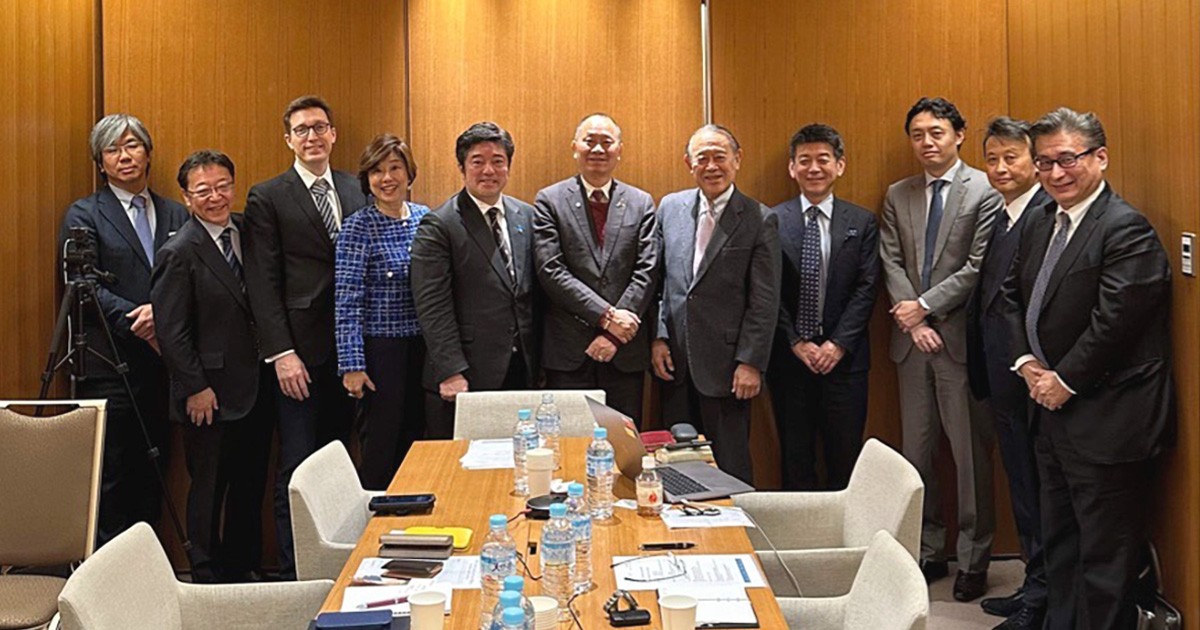
Prof. Yuichi Hosoya, Tsuneo Watanabe, David Lovejoy, Nobue Mita, Yasuhide Nakayama, Tuan Nguyen, Ichiro Fujisaki, Dr. Kazuo Yano, Prof. Yutaka Matsuo, Bonji Ohara, and Okabe Noboru
Moving Forward on the Path to Global Cooperation
A key takeaway was the critical need for transparency and trust among all stakeholders in navigating the complexities of AI development, deployment, and governance. The conference concluded with a call for continued dialogue and mutual support, inviting more countries to join this global initiative. It marked a hopeful step towards a promising future where AI is harnessed for the greater good.
Technological innovations such as generative AI bring a variety of benefits, including improving productivity and addressing worker shortages. However, they also pose serious risks, such as the spread of disinformation. — Sanae Takaichi
Minh Nguyen is the Editor of the Boston Global Forum and a Shinzo Abe Initiative Fellow. She writes the Four Pillars column in the BGF Weekly newsletter.
The US and Japan, two Pillars, will cooperate with the Philippines in the South China Sea, as China continues to infringe on the sovereignty of countries in the region with their Nine-Dash Line claim. China has been putting stronger pressure in the region, with multiple scuttles between them and the Philippines over the past months. The US is looking to capitalize on the growing relations they have with countries in the region feeling threatened by China’s saber rattling. Hopefully this will not be the only multilateral groupings the US and Japan will conduct, and is only one of the starts, as the two Pillars are vital to checking against Chinese infringement on sovereignties.
In the US, the TikTok divestment bill is reaching the Senate in the coming weeks and months. The Senate looks to have their own plans for the bill, with differing opinions on putting amendments and restrictions in the bill. That could lead to some stalling of the bill, or the loss of momentum in enacting it. Furthermore, hurdles could remain, as TikTok is looking to prepare to stop the bill through the courts. Although a divestiture is still likely, it is far from a foregone conclusion what the US may do.
At the 3rd Shinzo Abe Initiative Conference, March 28, 2024 in Tokyo, the Boston Global Forum announced the Shinzo Abe Initiative Report: Addressing World Conflict and Four Pillars for Peace and Stability
Contributed by Michael Dukakis, Ramu Damodaran, Francesco Lapenta, Yasuhide Nakayama, Minh Nguyen, Quynh Nguyen, Tuan Anh Nguyen, Thomas Patterson
The Highlight of the report is FOUR PILLARS FOR PEACE AND STABILITY
Uniting countries under the Four Pillars framework, Boston Global Forum is set to gather critical resources and lead the world forward by uniting leaders, technology innovators, and business visionaries. This initiative lays the foundation for a series of forward-thinking endeavors that will be introduced subsequently, each designed to tackle global challenges through collaboration and innovation.
Establishing BGF Peace Task Force include Governor Michael Dukakis, Nguyen Anh Tuan, Harvard Professor Thomas Patterson, MIT Professor Nazli Choucri, Professor Zaneta Ozolina, Yasuhide Nakayama, Ambassador Ichiro Fujisaki, President Enrico Letta, President Vaira Vike-Freiberga, Ramu Damodaran.
Building the World Leader Peace Community
Boston Global Forum is establishing the World Leader Peace Community. At the core of this community are distinguished leaders who have been honored with the prestigious Boston Global Forum’s World Leader for Peace and Security Award and World Leader in AIWS Award. As Peace Leaders, they shoulder the critical task of organizing and facilitating discussions aimed at proposing viable solutions to conflicts worldwide. Leveraging their expertise, experience, and diplomatic acumen, they engage with governments and militaries of nations to advocate for peaceful resolutions to ongoing disputes and tensions. Through dialogue, negotiation, and mediation, they tirelessly work to foster understanding, build trust, and promote reconciliation among conflicting parties.
Furthermore, the Peace Leaders recognize the urgent need to prevent conflicts and wars before they escalate. To this end, they collaborate with international organizations, civil society groups, and other stakeholders as Four Pillars to generate strength and momentum toward peace. By raising awareness, advocating for disarmament, and promoting peaceful coexistence, they strive to create a more secure and harmonious world for all humanity.
In essence, the World Leader Peace Community serves as a beacon of hope and inspiration, demonstrating the power of dialogue, cooperation, and diplomacy in resolving conflicts and advancing global peace and security.
Building a Community of Scientists and Technologists for Peace
Building a Community of Business Leaders and Entrepreneurs for Peace
The US government issued new rules Thursday requiring more caution and transparency from federal agencies using artificial intelligence, saying they are needed to protect the public as AI rapidly advances. But the new policy also has provisions to encourage AI innovation in government agencies when the technology can be used for public good.
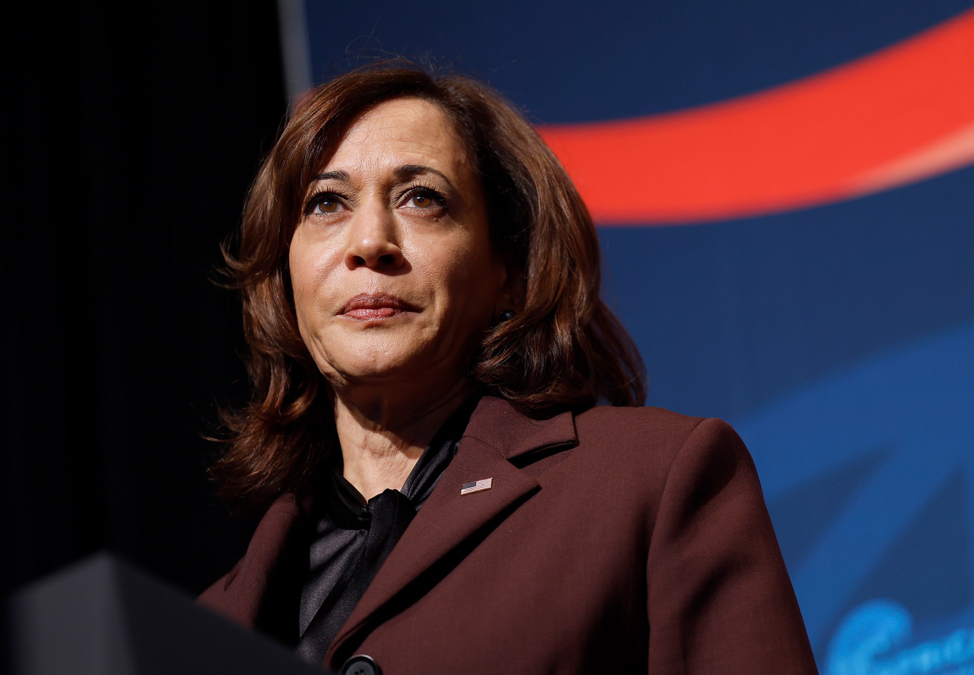
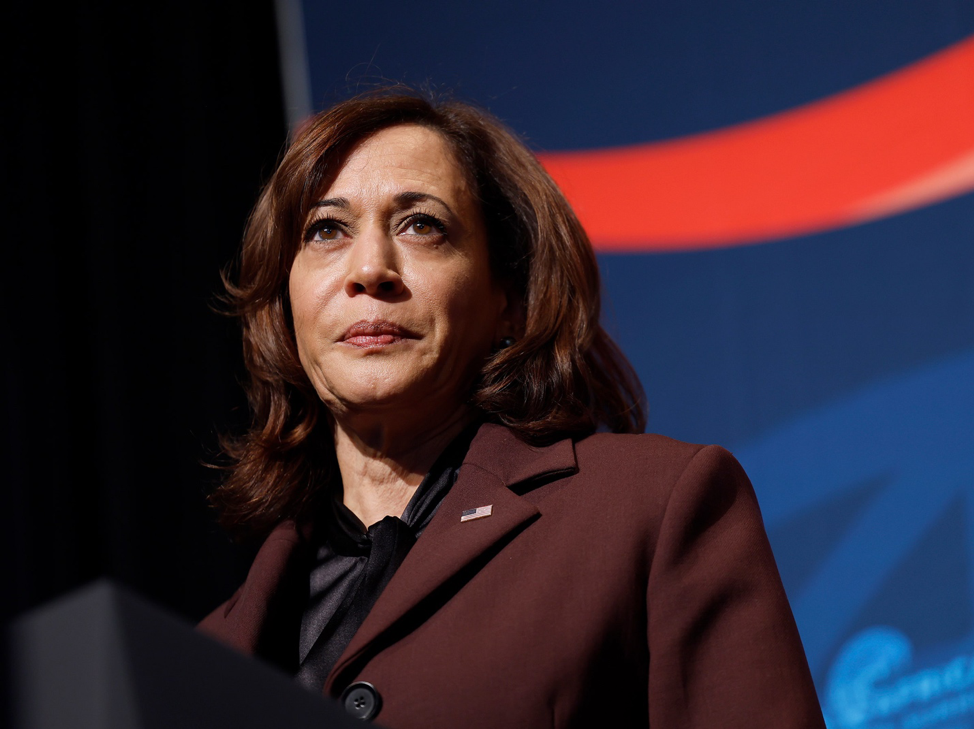
Vice President Kamala Harris says new rules for government AI deployments, including a requirement that algorithms are checked for bias, will “put the public interest first.”
The US hopes to emerge as an international leader with its new regime for government AI. Vice President Kamala Harris said during a news briefing ahead of the announcement that the administration plans for the policies to “serve as a model for global action.” She said that the US “will continue to call on all nations to follow our lead and put the public interest first when it comes to government use of AI.”