by Editor | Mar 18, 2024 | Event Updates, News
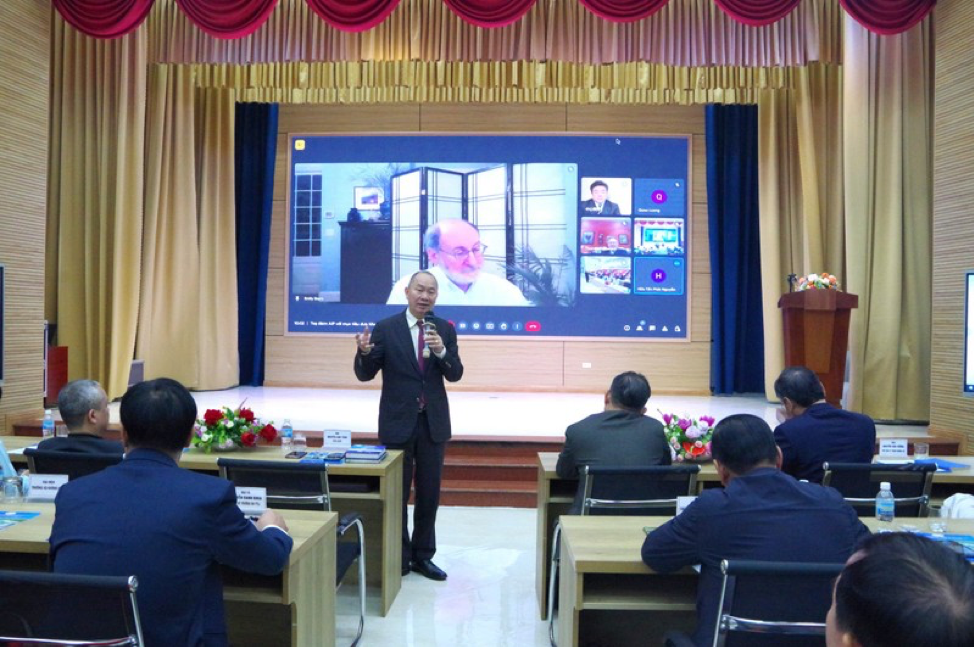
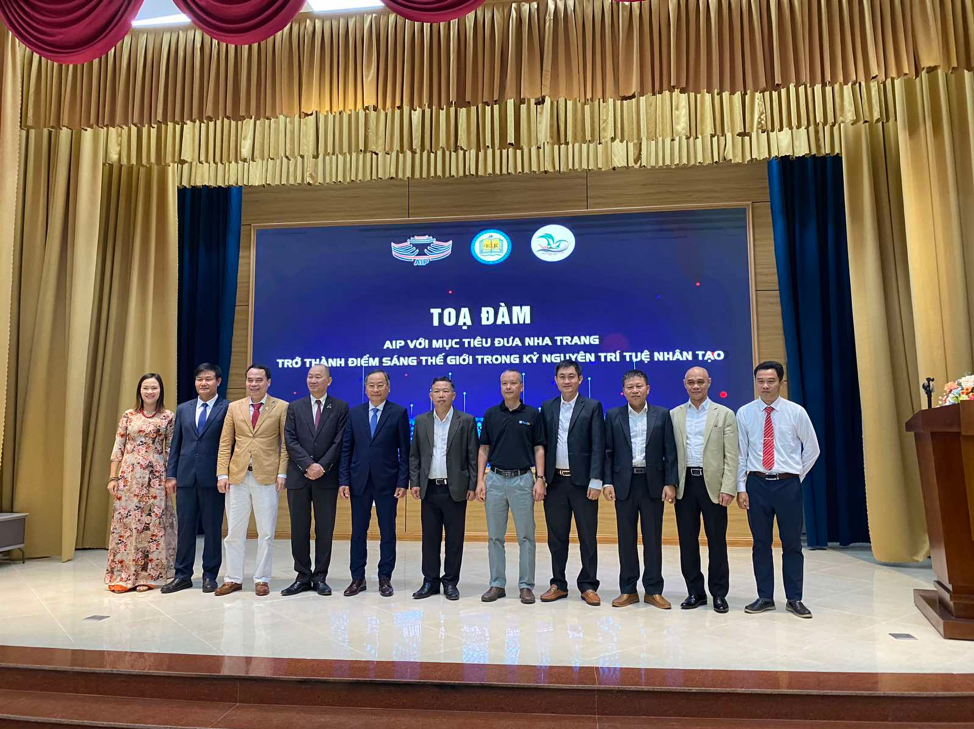
On March 15, 2024, at the conference held at the AI Park (AIP) in Nha Trang to celebrate the city’s 100th anniversary, numerous presentations delved into the digital landscape and the role of artificial intelligence in scientific research, particularly focusing on the innovative technological developments within Nha Trang. The topics covered ranged from “AIP’s Mission: Propelling Nha Trang into Global Prominence in the Age of Artificial Intelligence” to “Human Natural Artificial Intelligence Initiative – AIWS Angel: Applications and Deployment in Vietnam” and “AIWS Trade Stack: AIP’s Role and Opportunities for Vietnamese Businesses to Attain Global Recognition.” Other discussions included “Drones for the Era of Global Enlightenment” and “Dispelling Misconceptions about Digital Transformation for Vietnamese SMEs and Strategies for Holistic Digital Integration.” These presentations aimed to elucidate ideas and technological solutions that would enable AIP to fulfill its mandate of positioning Nha Trang as a beacon of innovation in the artificial intelligence era. BGF CEO Nguyen Anh Tuan introduced the AIWS Angel initiative during the event, underscoring its significance in advancing AI research and application.
https://trithuccuocsong.vn/xa-hoi/dai-hoc-thong-tin-lien-lac-bo-quoc-phong-toa-dam-ve-ai-an-ninh-mang-1968370.html
by Editor | Mar 18, 2024 | Global Alliance for Digital Governance
The European Union’s parliament on Wednesday approved the world’s first major set of regulatory ground rules to govern the mediatized artificial intelligence at the forefront of tech investment.
The EU brokered provisional political consensus in early December, and it was then endorsed in the Parliament’s Wednesday session, with 523 votes in favor, 46 against and 49 votes not cast.
“Europe is NOW a global standard-setter in AI,” Thierry Breton, the European commissioner for internal market, wrote on X.
The president of the European Parliament, Roberta Metsola, described the act as trailblazing, saying it would enable innovation, while safeguarding fundamental rights.
“Artificial intelligence is already very much part of our daily lives. Now, it will be part of our legislation too,” she wrote in a social media post.
Dragos Tudorache, a lawmaker who oversaw EU negotiations on the agreement, hailed the deal, but noted the biggest hurdle remains implementation.
Born in 2021, the EU AI Act divides the technology into categories of risk, ranging from “unacceptable” — which would see the technology banned — to high, medium and low hazard.
The regulation is expected to enter into force at the end of the legislature in May, after passing final checks and receiving endorsement from the European Council. Implementation will then be staggered from 2025 onward.
Some EU countries have previously advocated self-regulation over government-led curbs, amid concerns that stifling regulation could set hurdles in Europe’s progress to compete with Chinese and American companies in the tech sector. Detractors have included Germany and France, which house some of Europe’s promising AI startups.
The EU has been scrambling to keep pace with the consumer impact of tech developments and the market supremacy of key players.
Last week, the bloc brought into force landmark competition legislation set to rein in U.S. giants. Under the Digital Markets Act, the EU can crack down on anti-competitive practices from major tech companies and force them to open out their services in sectors where their dominant position has stifled smaller players and choked freedom of choice for users. Six firms — U.S. titans Alphabet, Amazon, Apple, Meta, Microsoft and China’s ByteDance — have been put on notice as so-called gatekeepers.
Concerns have been mounting over the potential for abuse of artificial intelligence, even as heavyweight players like Microsoft, Amazon, Google and chipmaker Nvidia beat the drum for AI investment.
Governments fear the possibility of deepfakes — forms of artificial intelligence that generate false events, including photos and videos — being deployed in the lead-up to a swathe of key global elections this year.
Some AI backers are already self-regulating to avoid disinformation. On Tuesday, Google announced it will limit the type of election-related queries that can be asked of its Gemini chatbot, saying it has already implemented the changes in the U.S. and in India.
“The AI Act has pushed the development of AI in a direction where humans are in control of the technology, and where the technology will help us leverage new discoveries for economic growth, societal progress, and to unlock human potential,” Tudorache said on social media on Tuesday.
“The AI Act is not the end of the journey, but, rather, the starting point for a new model of governance built around technology. We must now focus our political energy in turning it from the law in the books to the reality on the ground,” he added.
Legal professionals described the act as a major milestone for international artificial intelligence regulation, noting it could pave the path for other countries to follow suit.
“Once again, it’s the EU that has moved first, developing a very comprehensive set of regulations,” said Steven Farmer, partner and AI specialist at international law firm Pillsbury.
“The bloc moved early in the rush to regulate data, giving us the GDPR, which we are seeing a global convergence towards,” he continued, referring to the EU’s General Data Protection Regulation. “The AI Act seems to be a case of history repeating itself.”
Mark Ferguson, public policy expert at Pinsent Masons, said that the passage of the act was just the beginning, and that businesses will need to work closely with lawmakers to understand how it will be implemented.
Meantime, Emma Wright, partner at law firm Harbottle & Lewis, raised concerns that the act could quickly become outdated as the fast-moving technology continues to evolve.
“Considering the pace of change in the technology — as shown with the launch of generative AI last year — a further complication could be that the EU AI Act quickly becomes outdated especially considering the timeframes for implementation,” she said.
Just_super | E+ | Getty Images
Read an overview of the legal requirements and objectives of this law at Goodwin Law.
by Editor | Mar 18, 2024 | News
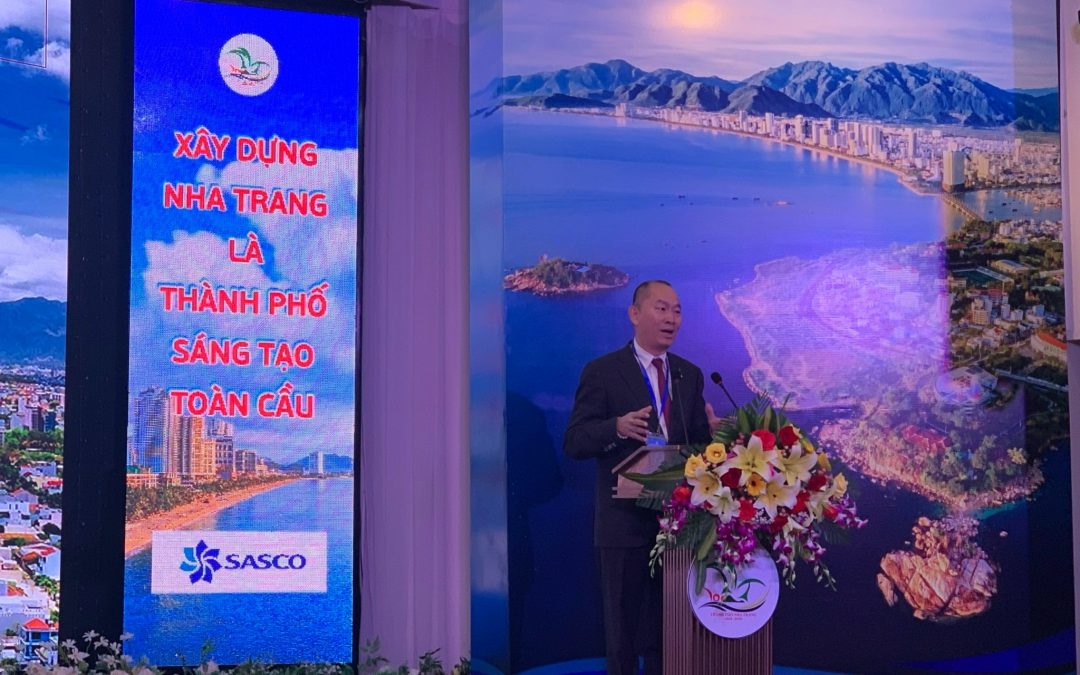
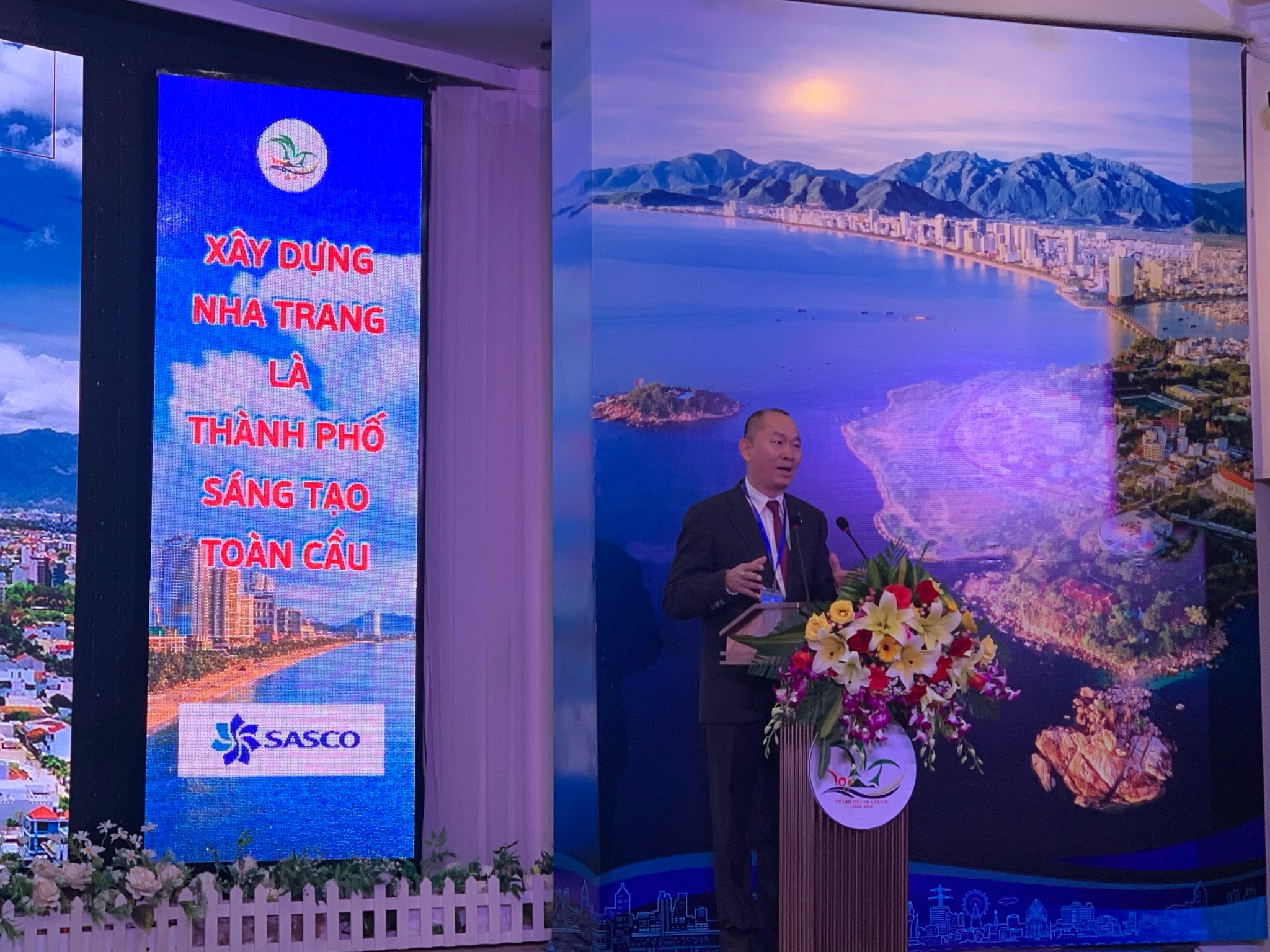
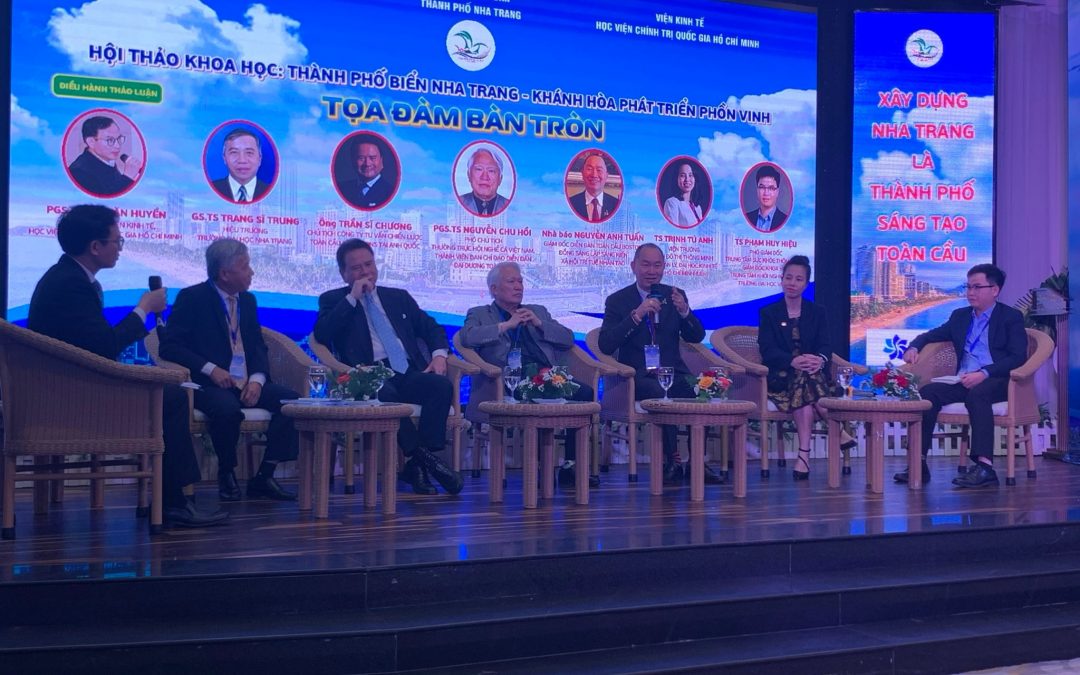
On March 18, 2024, Nguyen Anh Tuan, CEO of the Boston Global Forum, took the spotlight as the honored guest speaker at the Nha Trang 100th Anniversary conference, captivating the audience with his visionary insights and ambitious proposals for the future of his hometown.
Nguyen Anh Tuan, whose remarkable journey began in this vibrant coastal city, connected with the community and Nha Trang had nurtured his aspirations during his youth. As the founder of VietNet, Vietnam’s first TCP/IP network providing public service, Tuan’s roots in Nha Trang served as the fertile soil for his groundbreaking achievements.
During his address, Tuan presented innovative solutions aimed at propelling Nha Trang into the global spotlight as a world-class innovation city. Drawing inspiration from Boston, renowned as an intellectual capital of the world, Tuan emphasized the potential for Nha Trang to forge strategic partnerships and leverage its unique strengths to drive exponential growth and development.
A highlight of Tuan’s vision was the idea of harnessing the power of AIWS Angel, a pioneering AI initiative, to catalyze Nha Trang’s transformation. By mobilizing a large contingent of Nha Trang’s populace to contribute to the development of AIWS Angel, Tuan proposed creating a unique ecosystem where innovation thrives and new opportunities abound.
Furthermore, Tuan put forward a bold proposal to establish a dedicated AIWS Angel house in Nha Trang, envisioned as a gathering place for world leaders, thinkers, and creators to converge, collaborate, and co-create solutions for humanity in the era of artificial intelligence.
The event, attended by leaders of Nha Trang and distinguished scholars from across Vietnam, concluded on a note of optimism and aspiration, with Tuan’s visionary ideas igniting a spark of hope and possibility for Nha Trang’s bright future as a beacon of innovation and progress on the global stage.
by Editor | Mar 18, 2024 | News
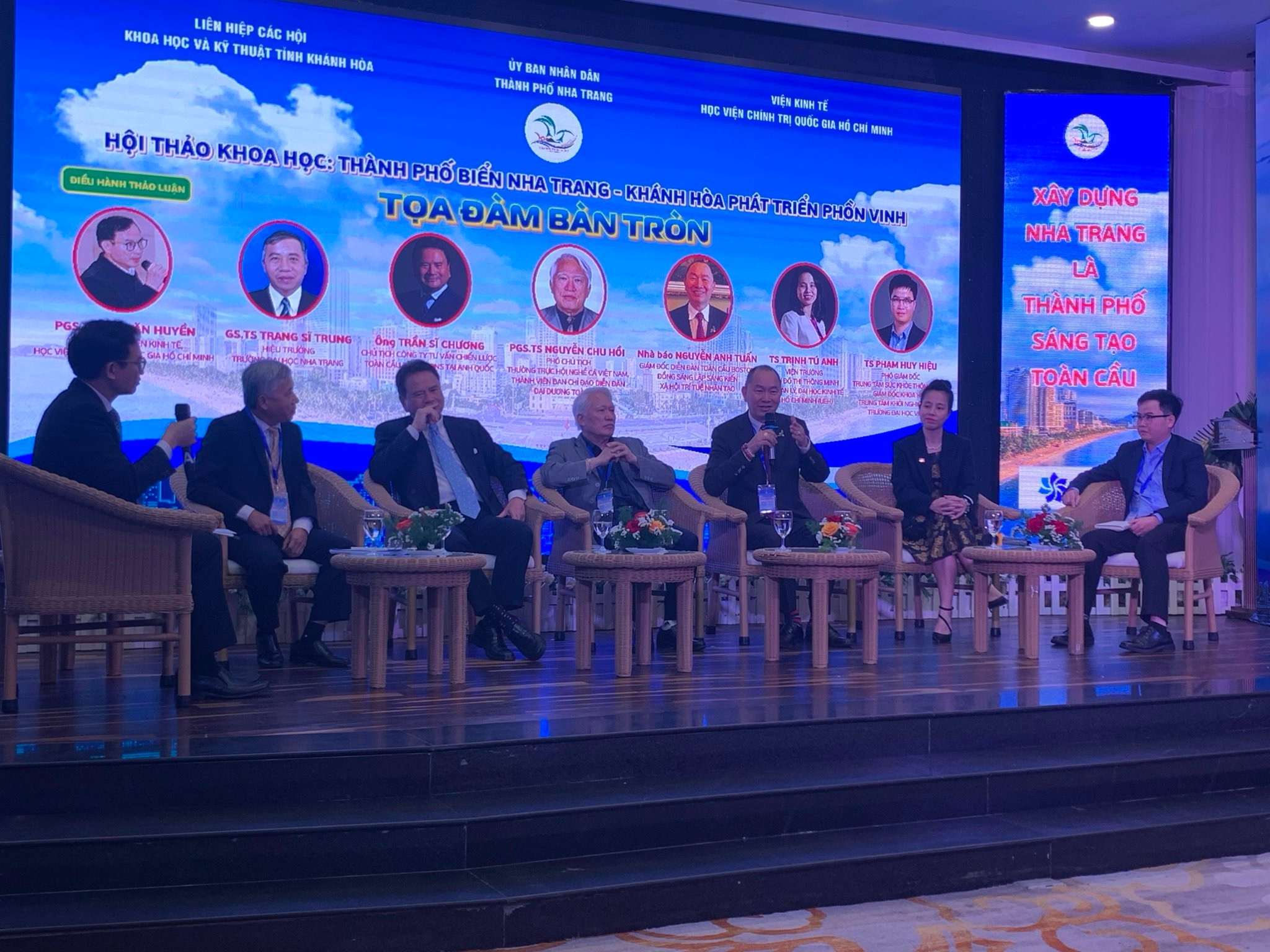
In a landmark event marking the 100th anniversary of Nha Trang city, renowned as one of the most picturesque bays globally, Mr. Nguyen Anh Tuan, CEO of the Boston Global Forum, unveiled plans for the AIWS Angel House. This announcement took place on March 18th during a conference attended by top leaders of Nha Trang-Khanh Hoa province. The AIWS Angel House initiative aims to catalyze innovation within Nha Trang, positioning the city as a beacon of progress and technological advancement.
In his presentation, Mr. Nguyen Anh Tuan highlighted the pivotal role of the AIWS Angel House in fostering innovation and technological excellence within Nha Trang. He emphasized how the AIWS Angel, a revolutionary super AI Assistant developed by the Boston Global Forum, would serve as a cornerstone for nurturing creativity, collaboration, and visionary thinking within the city’s burgeoning innovation ecosystem.
by Editor | Mar 11, 2024 | News
Minh Nguyen is the Editor of the Boston Global Forum and a Shinzo Abe Initiative Fellow. She writes the Four Pillars column in the BGF Weekly newsletter.
Two weeks ago, Hungary acquiesced and voted in favor of Sweden’s ascension to NATO. Now, the Scandinavian country is officially joining the alliance. Thus, the Baltic Sea has now turned into a NATO lake. It should be remembered that it was Russia’s decision to invade that drove Finland and Sweden to join NATO.
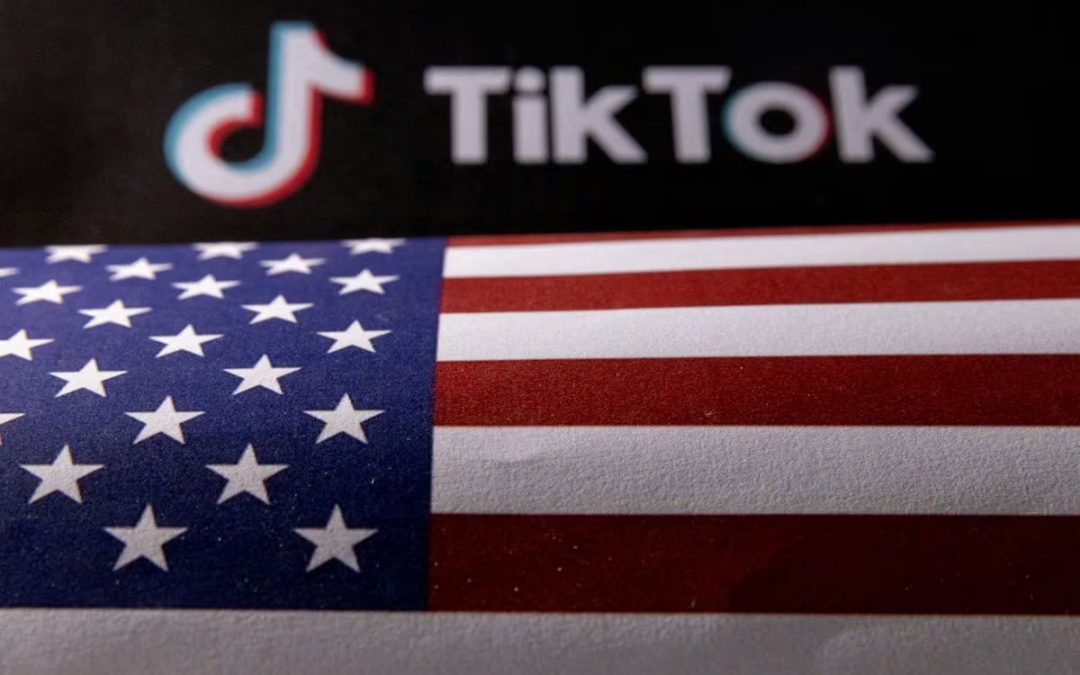
In the US, a bill that would force TikTok to be sold to a non CCP-controlled company was recently introduced, leading to a scramble of pro-TikTok messaging in the week. However, the bill still passed unanimously, perhaps because of the campaign. President Biden has stated he would sign the bill, but some “tough on China” individuals made a 180 turn on the issue, ostensibly because of being backed by a ByteDance investor, potentially throwing a wrench into the passage of the bill. It is necessary that this bill passes, for not just the US but the Pillars broadly too.
The EU, another Pillar, has recently fined ByteDance, the owner of TikTok, for violating its data laws. It has also opened an investigation into the app for online content rules breaches. Perhaps in the future, what the US is setting out to do could be applied in Europe as well, using their regulatory regime. India was the first Pillar to ban TikTok, as it did in 2020 after border clashes with China.
It is important that the Pillars negate TikTok, not for just its known psychological effects on users, but also for security purposes. Having a major popular app that could serve as a disinformation center for a potential adversary (say, an invasion of Taiwan or crisis in the South China Sea) is dangerous, especially as China itself is shutting out American tech too. Thus, it is vital to the Pillars’ interest to ban, or at least force the sale of the app: for it is degrading public discourse, it is psychologically degrading especially to children, and it gives a major adversary the levers of influence over the general public.
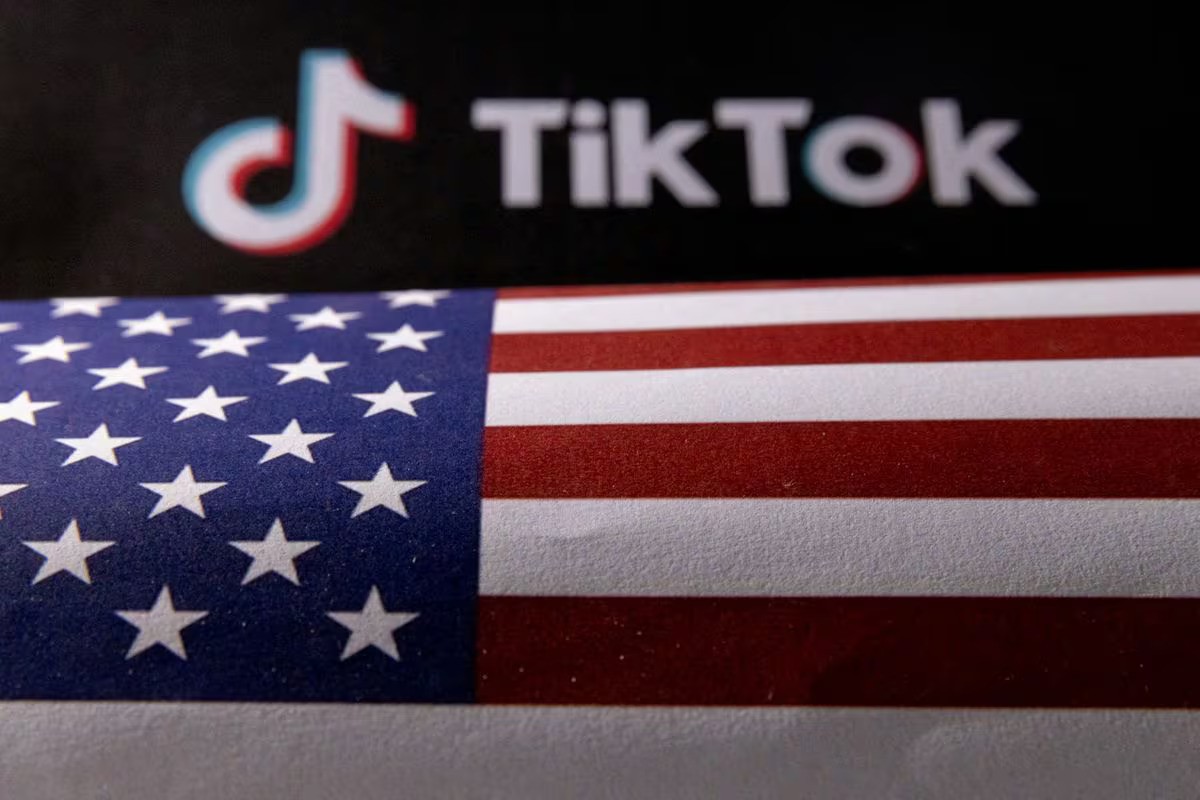
REUTERS/Dado Ruvic/Illustration/File Photo

by Editor | Mar 11, 2024 | Event Updates, News
Nha Trang City is abuzz with excitement as it commemorates its 100th anniversary with grand ceremonies and events, marking a century of progress and prosperity. Among the highlights of the celebrations is the highly anticipated Conference at AI Park (AIP) scheduled for March 15, 2024, aimed at charting a course for Nha Trang’s transformation into a world-class AI and Digital Innovation center.
The conference, set to be attended by esteemed leaders and visionaries, will focus on leveraging AI and digital technologies to propel Nha Trang into the ranks of global innovation hubs. Distinguished figures such as BGF Leaders Nguyen Anh Tuan, Harvard Professor Thomas Patterson, and Harvard Professor David Silbersweig, will speak at the event with their insights and expertise. With their collective wisdom and guidance, AIWS will play a pivotal role in igniting the AIP’s mission to become a beacon of innovation in the Age of Global Enlightenment.
Furthermore, on March 18, the Nha Trang Government will host a special conference dedicated to charting the path toward making Ocean City Nha Trang-Khanh Hoa prosperous and joyous. During this event, Nguyen Anh Tuan will take the stage to articulate how AIWS can support Nha Trang-Khanh Hoa in its journey to become a world-class innovation city in the Age of AI. Through strategic collaboration and forward-thinking initiatives, Nha Trang is poised to emerge as a shining example of innovation, prosperity, and happiness in the global landscape.

by Editor | Mar 11, 2024 | Global Alliance for Digital Governance
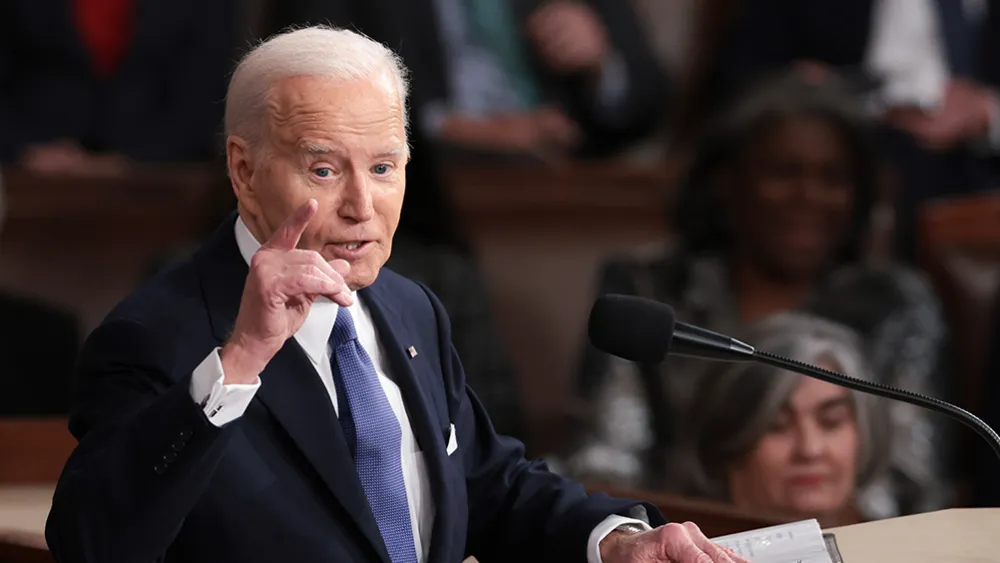
President Joe Biden took credit for the improving economy in his State of the Union speech Thursday.
He also addressed artificial intelligence, saying he wants to harness the promise of it – especially one element that had a direct impact on him. “Pass bipartisan privacy legislation to protect our children online, harness the promise of AI to protect us from peril, ban AI voice impersonations and more,” Biden said.
President Biden included a nod to a rising issue in the entertainment and tech industries during his State of the Union address Thursday evening, calling for a ban on AI voice impersonations.
“Here at home, I have signed over 400 bipartisan bills. There’s more to pass my unity agenda,” President Biden said, beginning to list off a series of different proposals that he hopes to address if elected to a second term. “Strengthen penalties on fentanyl trafficking, pass bipartisan privacy legislation to protect our children online, harness the promise of AI to protect us from peril, ban AI voice impersonations and more.”
The president did not elaborate on the types of guardrails or penalties that he would plan to institute around the rising technology, or if it would extend to the entertainment industry. AI was a peak concern for SAG-AFTRA during the actors union’s negotiations with and strike against the major studios last year. The talks eventually finished with an agreement that established consent and compensation requirements for productions to utilize AI to replicate actors’ likenesses and voices. However, the deal did not block the studios from training AI systems to create “synthetic” performers that bear no resemblance to any real people.
Win McNamee/Getty Images
by Editor | Mar 11, 2024 | News
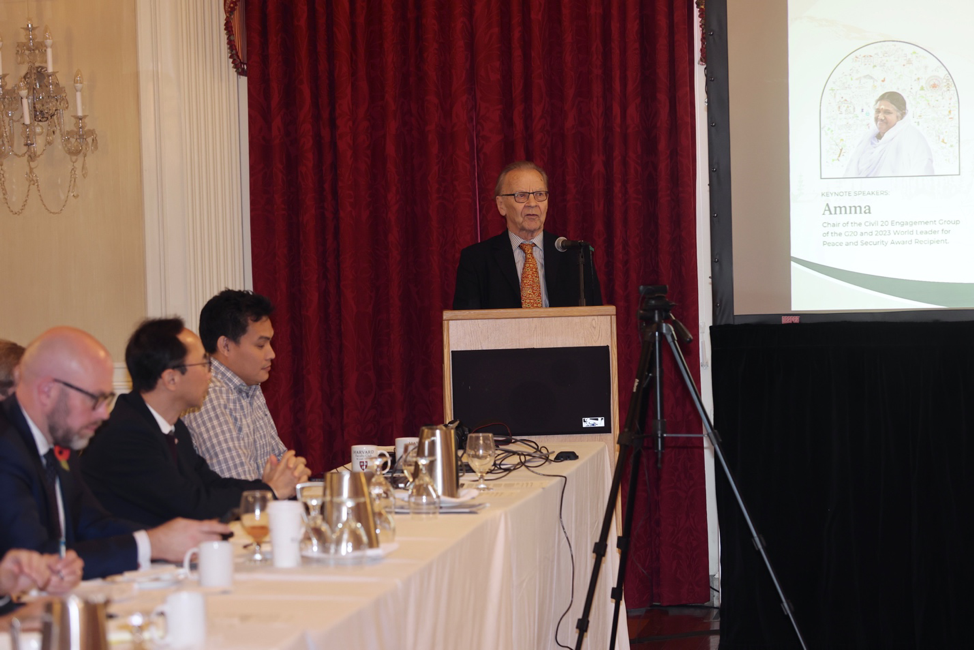
Renowned scholar and BGF Global Enlightenment Leader, Professor Thomas Patterson, will speak as a distinguished speaker at the upcoming conference hosted by the AI Park (AIP) in Nha Trang, Vietnam, marking the momentous occasion of the city’s 100th anniversary. Professor Patterson’s significant contributions and unwavering support for Nha Trang, one of the most beautiful bays in the world, have been pivotal in shaping the city’s trajectory towards progress and innovation.
With a steadfast commitment to fostering peace and innovation, Professor Patterson has been instrumental in advocating for the development of Nha Trang as a world-class innovation center. His invaluable insights and visionary leadership have propelled initiatives aimed at transforming Nha Trang into a hub of excellence and creativity.
Professor Patterson’s involvement in the Peace and Innovation Village project has been particularly noteworthy, as he has actively engaged with local leaders, offering guidance and expertise to steer the city towards a brighter future. His frequent visits to Nha Trang and active participation in conferences and meetings have served to galvanize efforts towards realizing the city’s full potential.
Along with BGF CEO Nguyen Anh Tuan, Professor Patterson’s presence at the conference promises to be both illuminating and thought-provoking, offering invaluable perspectives as Nha Trang celebrates a century of history and progress. As the city looks towards the future, Professor Patterson’s vision for innovation and prosperity will undoubtedly inspire attendees and pave the way for continued growth and success in Nha Trang’s next chapter.
by Editor | Mar 4, 2024 | News
Minh Nguyen is the Editor of the Boston Global Forum and a Shinzo Abe Initiative Fellow. She writes the Four Pillars column in the BGF Weekly newsletter.
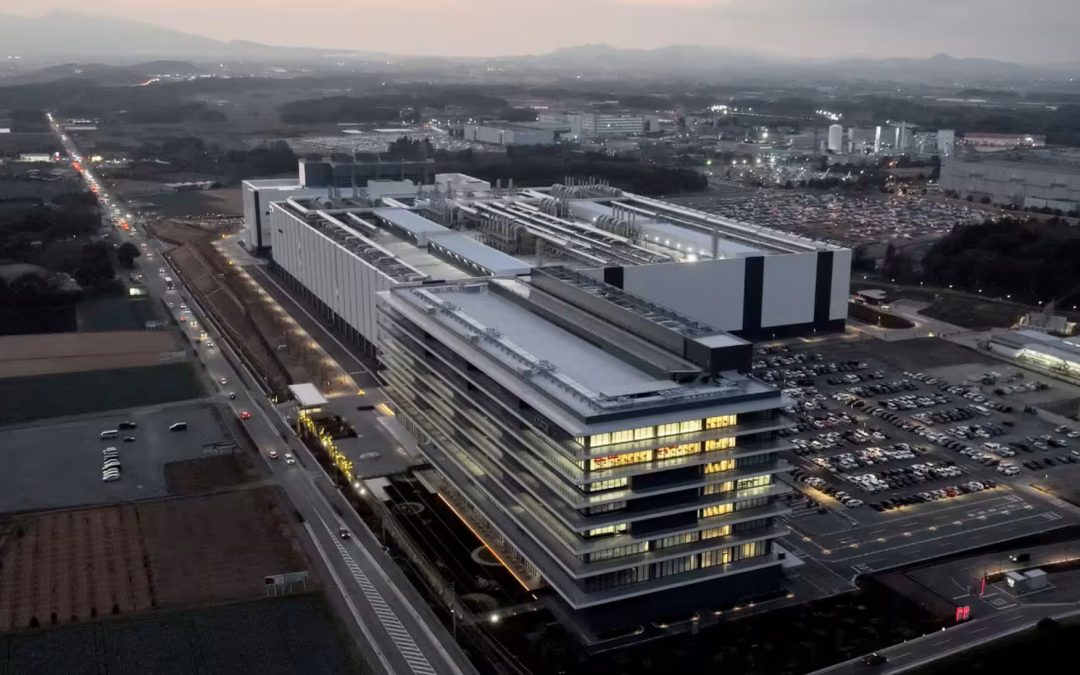
As mentioned last week, Japan, a Pillar, although in recession, has received a boon in the form of new semiconductor/chip development coming to the country. A change from the lost decades, it helps the Pillar to continue securing the economy and technological development. Furthermore, it helps security against China, as the giant continues to threaten global security and supply chains with saber rattling over Taiwan, the home of TSMC and such industries.
India, a Pillar, is also indicating good economic progress. It was reported that its Q3 GDP growth is 8.4%, exceeding expectations. Furthermore, India continues to chip away at China’s economic dominance in electronic exports. This is important, as the Pillars continue to attempt to counteract China’s influence and strength, both economically, diplomatically, and militarily.
However, the German spy scandal has shaken the country, with a meeting between German and Ukrainian officials leaked. This is damaging to the credibility of a member of a Pillar, especially when resolve and unity is key in the war against Russia, and in a week where Germany has wavered on its commitments to Europe and NATO.
A ceasefire still eludes the Israel-Hamas conflict. Still, the onus is now on Hamas to accept the ceasefire deal that many parties, including Israel and Egypt, have proposed. While the IDF has shown a heavy hand in their operations in Gaza, the aid stampede and a potential famine shows that it is necessary more than even that Hamas agrees to the ceasefire and that aid relief is allowed in. The US, a Pillar, has taken initiative to start providing airdrops.
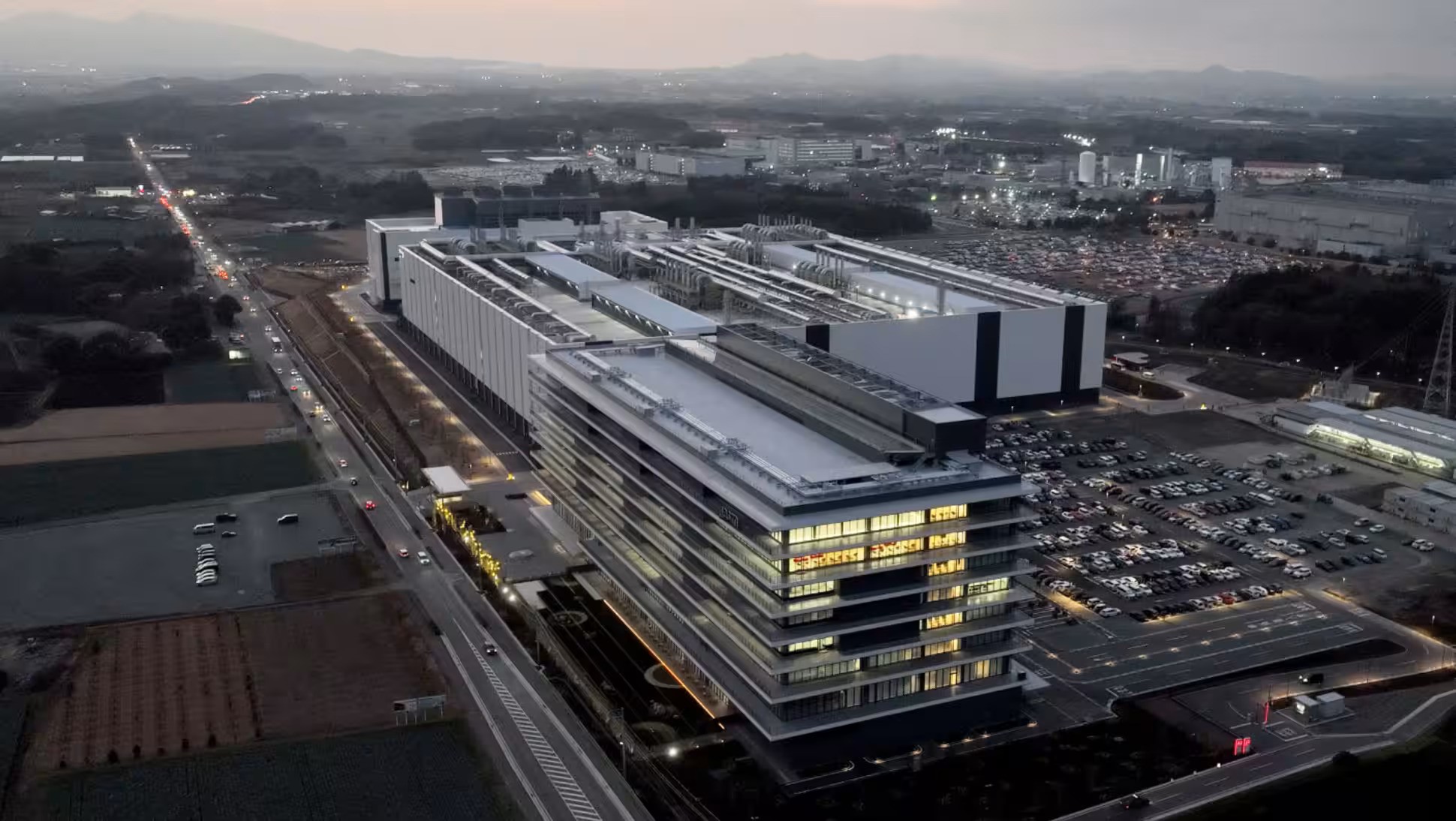
Photo by Arisa Moriyama / Nikkei Asia