by Editor BGF | Mar 10, 2025 | Shinzo Abe Initiative for Peace and Security
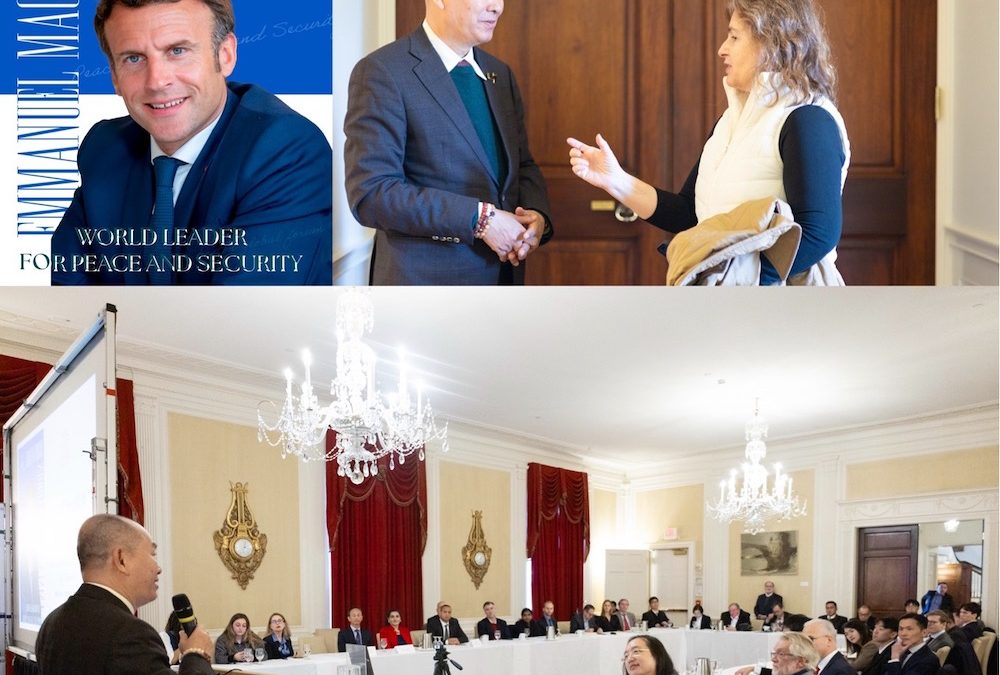
The Shinzo Abe Initiative Conference on AIWS Government 24/7 will convene on March 28, 2025, in Tokyo, featuring keynote addresses by Japan’s Minister of State for Economic Security, Mr. Minoru Kiuchi, and Minister for Digital Transformation, Mr. Masaaki Taira. Building on the momentum of the AI Action Summit held in Paris on February 10-11, 2025, this event will advance the vision of AI World Society (AIWS) Government 24/7—a model of AI-driven, continuously responsive governance that prioritizes security, innovation, and human-centric values.
The conference will explore the technological frameworks required to support an AI-enhanced government operating 24/7, leveraging Japan’s expertise in cybersecurity and digital reform to offer unique perspectives and solutions. It honors the legacy of former Prime Minister Shinzo Abe, whose forward-thinking vision for peace, security, and technological progress continues to shape Japan’s leadership in the global AI landscape.
Bringing together policymakers, tech innovators, and scholars, the event will address how AIWS Government 24/7 can enhance transparency, efficiency, and resilience in governance while tackling challenges such as cybersecurity threats and ethical AI deployment. Held at a venue in Tokyo to be announced, the conference underscores Japan’s commitment to harnessing AI for societal advancement.
As a bridge between the AI Action Summit in Paris and actionable global outcomes, this event promises to outline practical steps toward a connected, AI-empowered society. Japan’s contributions will reinforce its role in driving the Age of Global Enlightenment through innovative governance solutions.

by Editor BGF | Mar 10, 2025 | World Leader for Peace and Security, News, World Leaders in AIWS Award Updates
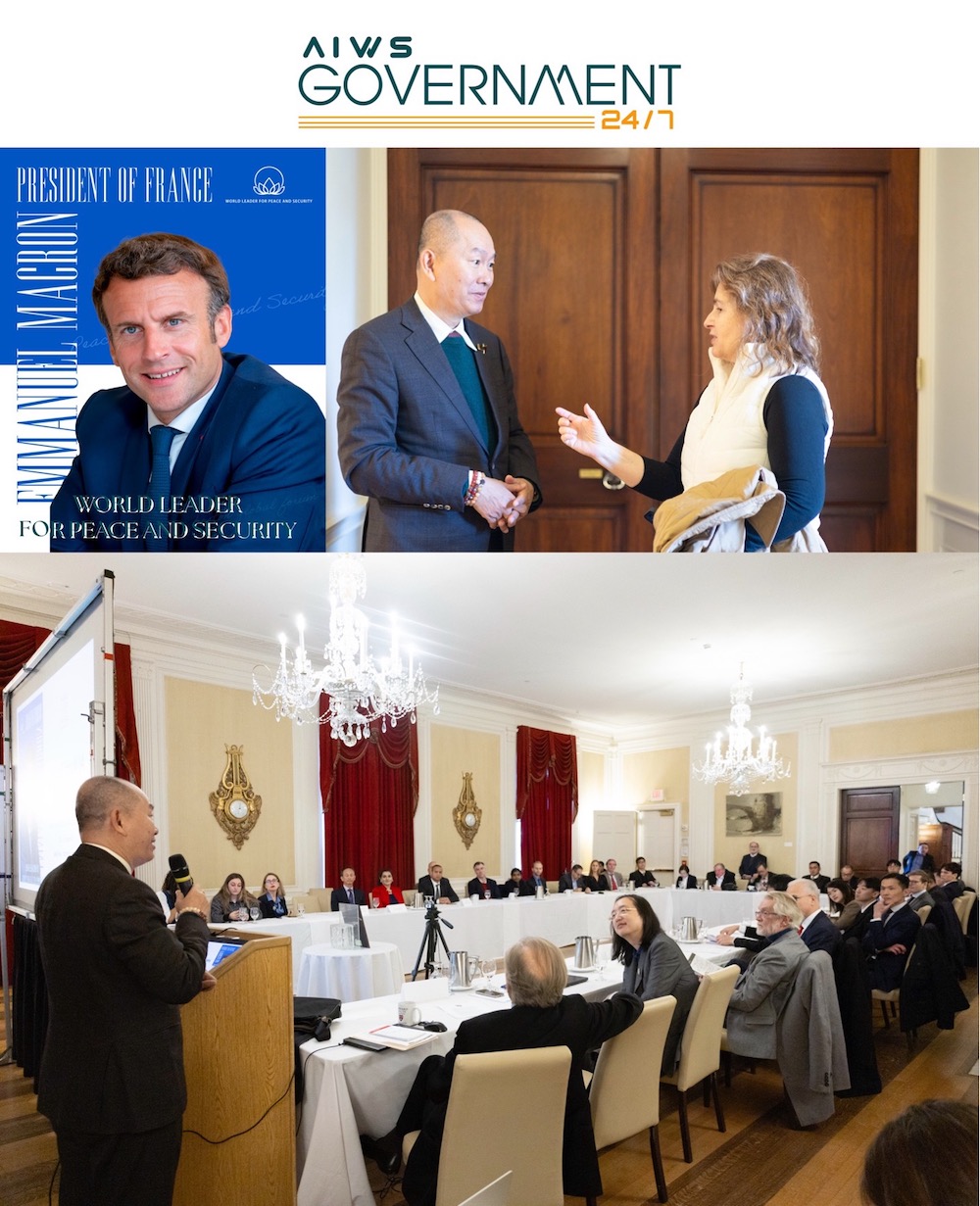
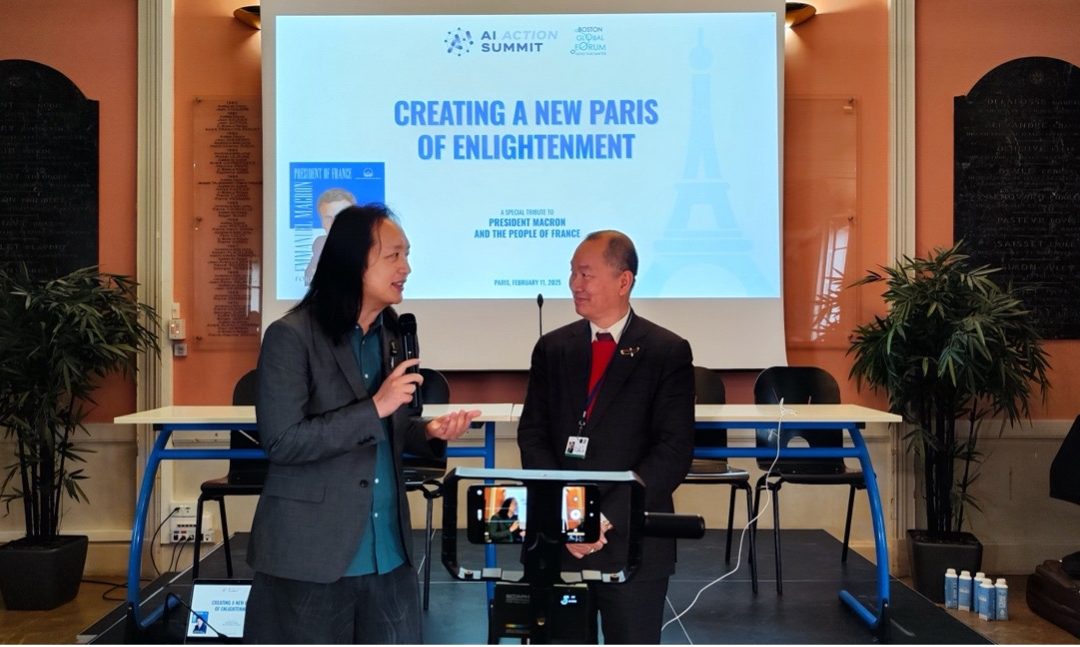
The Shinzo Abe Initiative Conference on AIWS Government 24/7 will convene on March 28, 2025, in Tokyo, featuring a keynote address by Audrey Tang—Taiwan’s first Digital Minister, Cyber Ambassador at Large of Taiwan, and 2025 World Leader in AIWS Award recipient. Tang will join Japan’s Minister of State for Economic Security, Minoru Kiuchi, and Minister for Digital Transformation, Masaaki Taira, at this landmark event, held at a venue in Tokyo to be announced.
Building on the AI Action Summit in Paris on February 10-11, 2025, the conference will explore technological frameworks for AI World Society (AIWS) Government 24/7—a vision of continuously responsive, AI-enhanced governance. Leveraging Japan’s expertise in cybersecurity and digital reform, discussions will offer unique perspectives to enhance transparency, efficiency, and resilience while tackling cybersecurity threats and ethical AI deployment.
Honoring former Prime Minister Shinzo Abe’s legacy of peace, security, and technological progress, the event unites policymakers, tech innovators, and scholars to advance his vision in the global AI landscape. Tang, renowned for her tenure as Taiwan’s Digital Minister (2016–2022) and her ongoing work as Cyber Ambassador promoting human-centric technology, will share insights on empowering governance with AIWS principles.
As Japan underscores its leadership in AI-driven societal advancement, the conference promises to bridge the Paris summit with actionable steps toward a globally connected, AI-empowered future, setting a new benchmark for governance in the AI era.
by Editor BGF | Mar 9, 2025 | Global Alliance for Digital Governance
The AIWS Nha Trang Film Park Community stands as a beacon of AI responsibility, uniting filmmakers, writers, innovators, investors, and scholars in a shared mission to harness artificial intelligence for the betterment of cinema and society. Anchored in Nha Trang, Vietnam, and guided by the AI World Society (AIWS) standards, this pioneering network champions the ethical integration of AI into filmmaking, ensuring that technology amplifies human creativity, preserves cultural values, and promotes social good. By fostering a global community that spans Nha Trang, Boston, New York, Hollywood, Washington DC, San Francisco, Paris, Rome, Venice, and London, it creates a platform for collaboration and dialogue on AI’s role in storytelling.
The community is dedicated to developing innovative filmmaking models—such as AI-enhanced studios and mobile film initiatives—that prioritize transparency, accountability, and inclusivity. It seeks to empower individuals worldwide to create responsibly, blending natural settings with AI tools to democratize cinema while safeguarding against misuse, bias, or loss of human agency. Through roundtables, workshops, and events like the “Roundtable of Film in the AI Age – Age of Global Enlightenment,” the AIWS Nha Trang Film Park Community addresses critical issues like data privacy, ethical AI deployment, and the balance between technological advancement and artistic integrity.
In contributing to AI responsibility, this community not only elevates Vietnamese cinema’s global voice but also sets a precedent for how AI can responsibly shape narratives that inspire, educate, and connect humanity. By aligning with AIWS’s vision, it ensures that the future of film in the AI era remains a force for enlightenment, empathy, and collective progress.
by Editor BGF | Mar 3, 2025 | News
Venue: Harvard University Faculty Club, 20 Quincy Street, Cambridge, MA 02138
Time: 3:00 PM – 7:00 PM, March 11, 2025
Moderator: Professor Thomas Patterson, Harvard University
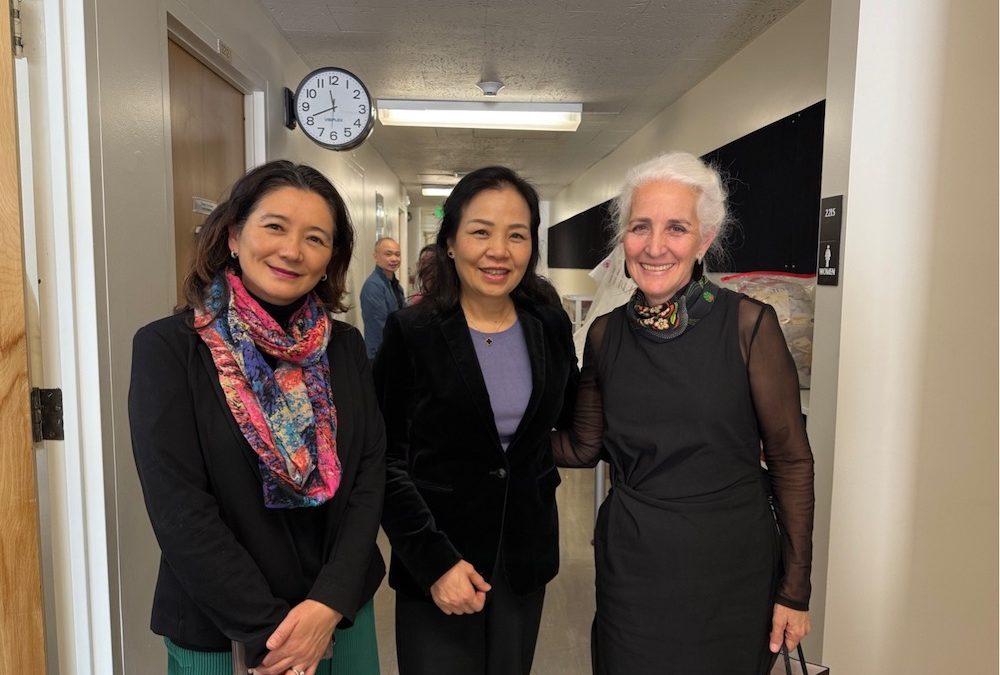
The Roundtable on “Humanity and Compassion in Vietnamese Film and Contributions to the AI World Society” will convene distinguished scholars, filmmakers, and cultural leaders to examine the profound role of Vietnamese cinema in promoting humanistic values and compassion. This event will explore how these themes can enrich the AI World Society (AIWS) in an era of rapid technological advancement. Serving as a continuation of discussions from the AI Action Summit in Paris, it will foster dialogue on Vietnam-U.S. cross-cultural collaboration in the film industry and highlight AI’s potential to enhance storytelling and artistic innovation.
Agenda
- 3:00 PM – Welcome Guests
- 3:30 PM – Opening Remarks
- Professor Thomas Patterson, Harvard University
- Speakers from Harvard University
- 3:40 PM – Keynote Speech
- Ngo Phuong Lan, Chairwoman of the Vietnam Film Development Association (VFDA)
- 4:10 PM – Panel Discussion
- Engaging dialogue with filmmakers, scholars, and AI experts on the intersection of cinema, human values, and AI-driven innovation.
- 5:10 PM – Announcement: Friends of Vietnam-U.S. Film Collaboration
- Unveiling new initiatives to deepen ties between the Vietnamese and U.S. film industries.
- 5:20 PM – Statement for Vietnam-U.S. Film Collaboration
- Presentation of a formal commitment to future bilateral cooperation in filmmaking.
- 5:30 PM – Concluding Remarks and Dinner
- Networking dinner with continued discussions on film, culture, and the AI World Society.
This roundtable celebrates the artistic legacy of Vietnamese cinema while opening doors to innovation and international collaboration within the framework of the AI World Society. Coinciding with the 30th anniversary of U.S.-Vietnam normalization, it aims to strengthen cultural ties and pave the way for future partnerships in the film industry and beyond, leveraging AI to amplify creativity and compassion.
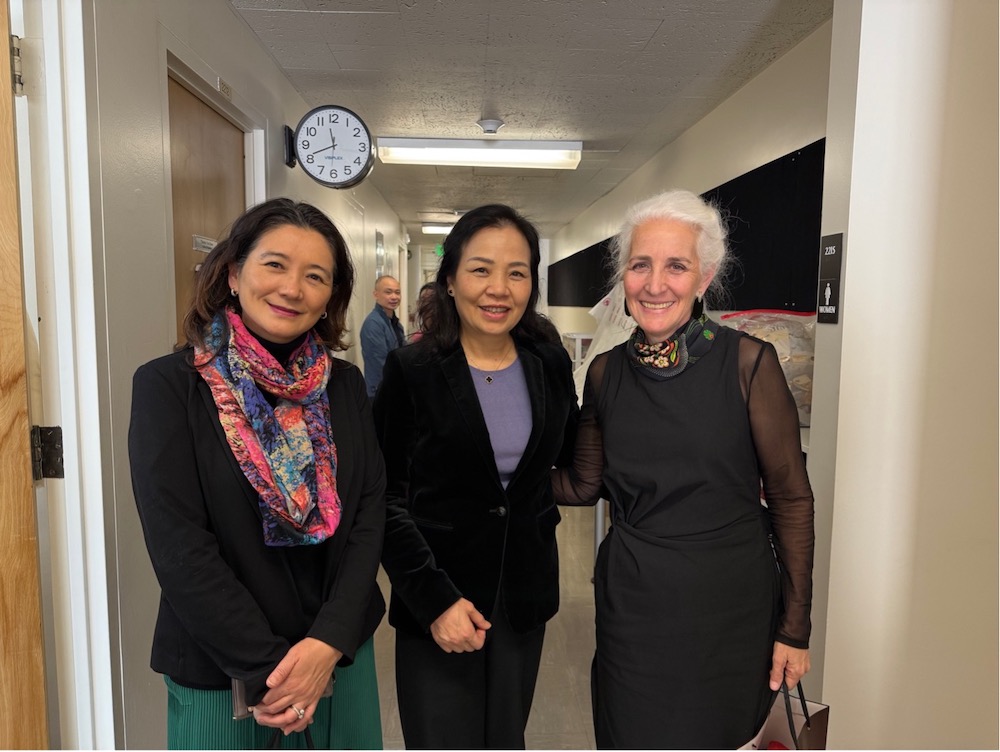
Dr. Ngo Phuong Lan, Chairwoman of the Vietnam Film Development Association (VFDA) at UCLA Feb 28, 2025
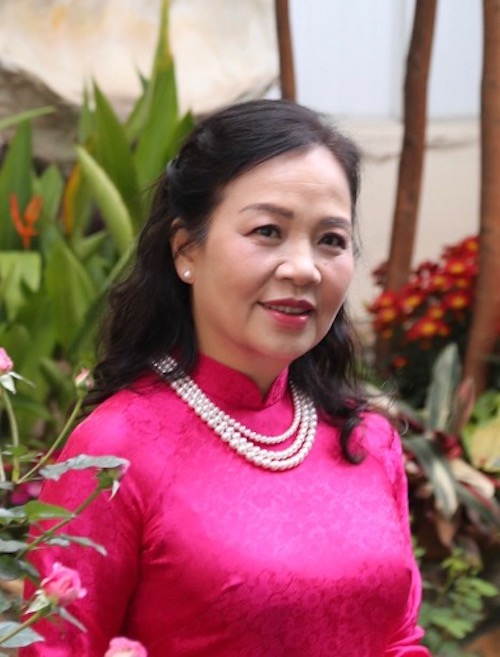
Dr. Ngo Phuong Lan, Chairwoman of the Vietnam Film Development Association (VFDA)
by Editor BGF | Mar 3, 2025 | News
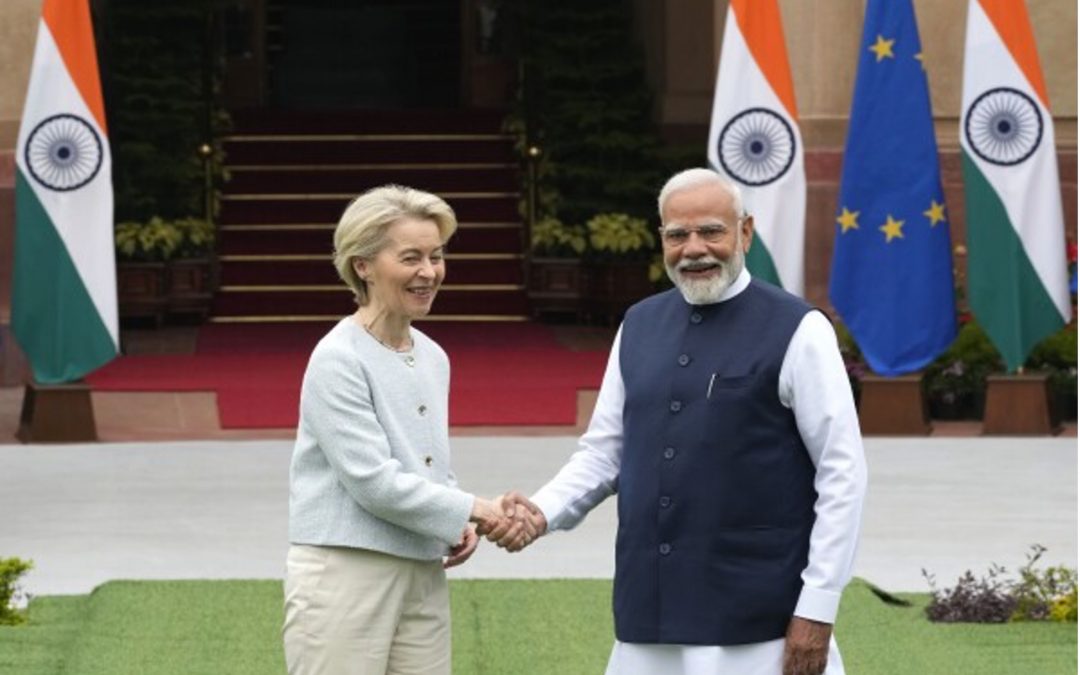
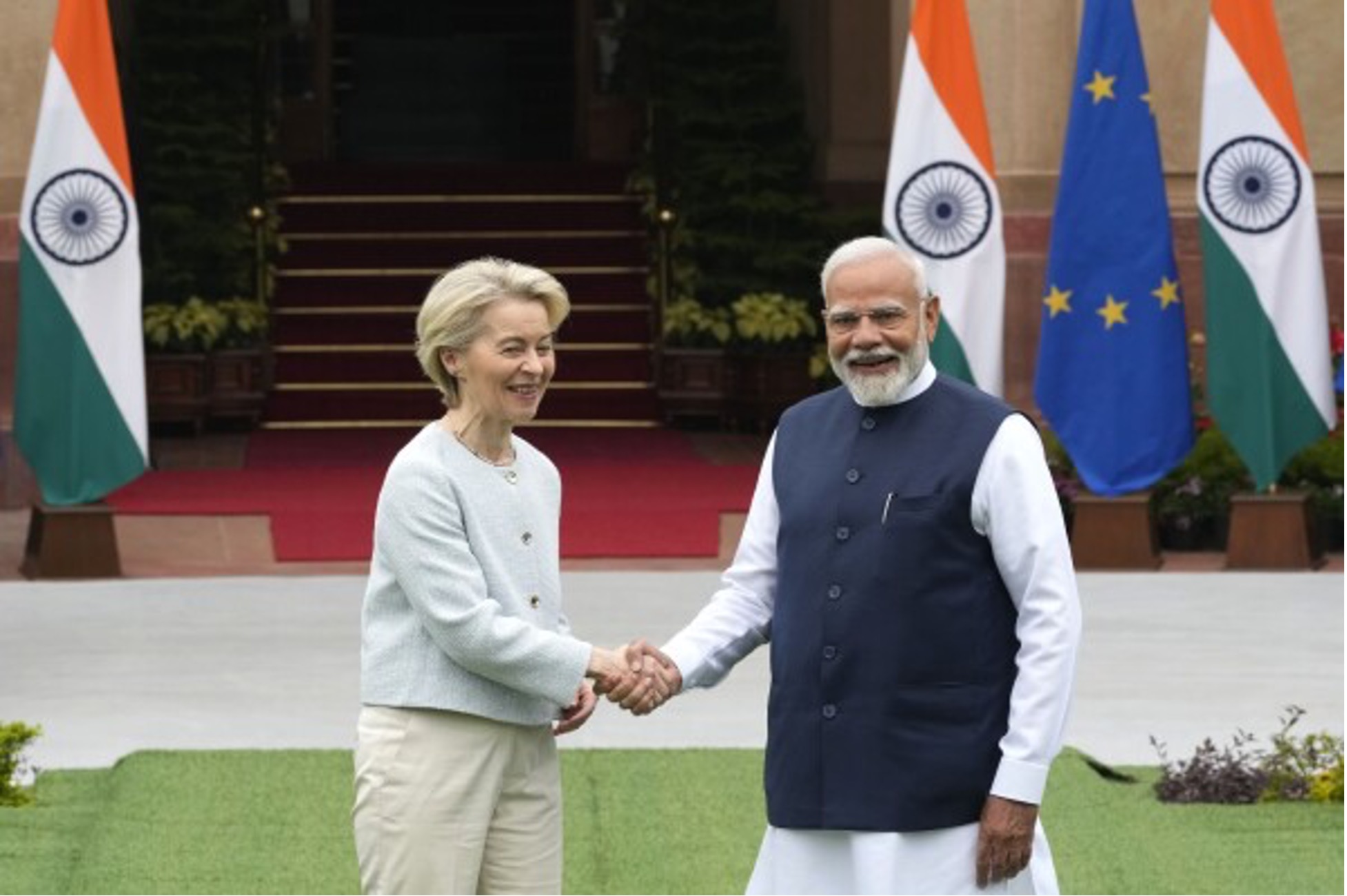
India and the European Union have agreed to finalize a long-pending free trade agreement this year and boost cooperation in trade, technology, connectivity and defense, Indian Prime Minister Narendra Modi and the European Commission chief said Friday.
Modi said after meeting with European Commission President Ursula von der Leyen, World Leader for Peace and Security Award Recipient, that the two sides have directed their teams to conclude the bilateral free trade deal by end of this year. Modi said many decisions were taken to “elevate and accelerate India-EU partnership” in the meeting.
“India-EU strategic partnership is natural. Its core is trust and shared belief in democratic values,” Modi said.
The European Commission chief said the “free trade agreement between the EU and India would be the largest deal of this kind anywhere in the world.”
Brussels is ramping up efforts to seal with deal with New Delhi in the face of potential U.S. tariffs. U.S. President Donald Trump has said he is planning to hit goods made in the EU with tariffs of 25%.
https://apnews.com/article/india-eu-modi-ursula-von-der-leyen-309ab4795ad0206b66fe20bef5ca9a92#
by Editor BGF | Mar 3, 2025 | Shinzo Abe Initiative for Peace and Security, News
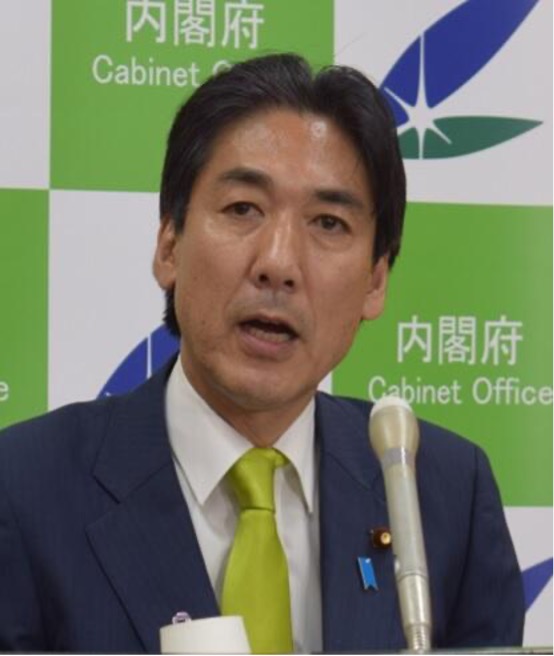
Tokyo, Japan – March 2, 2025 – The Shinzo Abe Initiative Conference on AIWS Government 24/7 is set to take place on March 28, 2025, in Tokyo, featuring keynote addresses from Japan’s Minister of State for Economic Security, Mr. Minoru Kiuchi, and Minister for Digital Transformation, Mr. Masaaki Taira. This event, building on the momentum of the AI Action Summit held in Paris on February 10-11, 2025, will focus on advancing the concept of AI World Society (AIWS) Government 24/7—a vision for AI-driven, continuously responsive governance that prioritizes security, innovation, and human-centric values.
Organized as a continuation of global efforts sparked by the Paris summit, which convened over 80 heads of state and 1,000 representatives to discuss AI’s economic potential and ethical implications, the Tokyo conference will spotlight Japan’s leadership in integrating artificial intelligence into public administration and economic security. Mr. Kiuchi, known for his strategic oversight of Japan’s economic security policies, will address how AI can safeguard national interests in an increasingly digital world. Meanwhile, Mr. Taira, a key figure in Japan’s digital transformation agenda, will explore the technological frameworks needed to support a 24/7 AI-enhanced government, drawing on his expertise in cybersecurity and digital reform.
The conference honors the legacy of former Prime Minister Shinzo Abe, whose proactive vision for peace, security, and technological progress continues to inspire Japan’s role in the global AI landscape. It will bring together policymakers, tech innovators, and scholars to discuss how AIWS Government 24/7 can enhance transparency, efficiency, and resilience in governance while addressing challenges like cybersecurity threats and ethical AI deployment.
Held at a yet-to-be-announced venue in Tokyo, the event underscores Japan’s commitment to shaping a future where AI serves as a tool for societal advancement. As the world watches, this conference promises to bridge the outcomes of the AI Action Summit Paris with actionable steps toward a globally connected, AI-empowered society.
by Editor BGF | Mar 3, 2025 | World Leader for Peace and Security, News, World Leaders in AIWS Award Updates
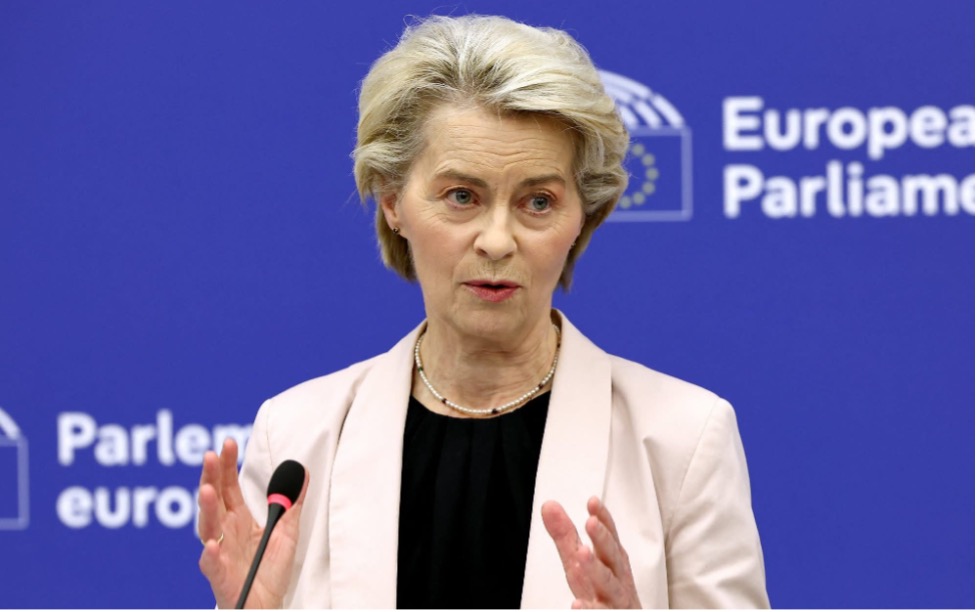
Ursula von der Leyen, World Leader for Peace and Security Award Recipient, has distanced herself from her past support for an EU army, despite Donald Trump fuelling demands for the creation of a joint European fighting force.
European governments are scrambling to boost their collective defence amid concerns over deteriorating relations with Mr Trump’s administration, as well as fears US troops will pull out of Europe and weaken Nato.
These concerns would have been only exacerbated by Volodymyr Zelensky’s disastrous Oval Office meeting with Mr Trump on Friday, which descended into a shouting match.
The crisis has boosted calls to ensure Europe can act independently of Washington, and raised the long-distant prospect of an army coming a step closer.
https://www.yahoo.com/news/von-der-leyen-cools-eu-120000781.html
by Editor BGF | Mar 3, 2025 | News, Shaping Futures
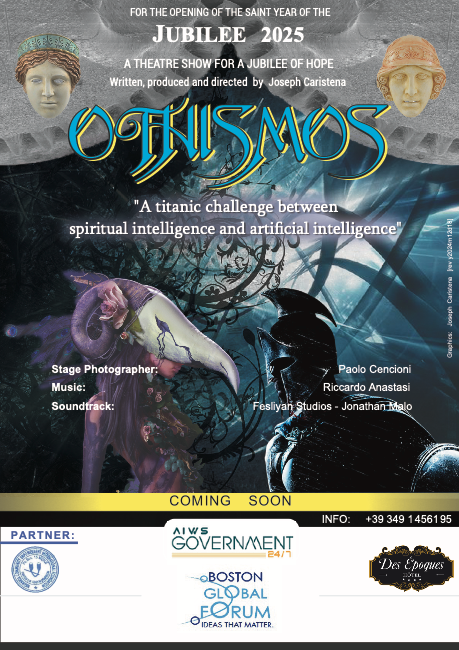
Sponsored by AIWS Government 24/7
Written and Produced by Joseph Caristena
A fantasy-fiction theater production dedicated to enthusiasts and lovers of the Hellenic world and Magna Graecia.
Synopsis
“Othismos” presents a titanic clash between “Spiritual Intelligence” and “Artificial Intelligence”—a parallel between the spiritual wisdom of ancient mysticism and the modern quantum physics of artificial intelligence, exemplified by concepts like entanglement.
In the era of the Fourth Industrial Revolution, artificial intelligence (AI) is rapidly reshaping the boundaries and architecture of our society. Today, even the basic understanding of intelligence itself grows increasingly elusive, plunging humanity into a profound identity crisis. As democracies worldwide face backsliding and a process of social reverse engineering, technological progress accelerates at an unprecedented pace. This relentless advance demands urgent reflection on the ethical, philosophical, and social implications of a disruptive and pervasive technological revolution.
Technological development must not be reduced to the mere financial expansion of a few global high-tech empires, stretching their influence across the world and into space. True development must be holistic—geared toward the social elevation of every individual, leaving no one behind. What matters is not the abstract technological advancement of society, but the progress, growth, and elevation of humanity’s spiritual well-being. Only when this occurs within every person, every community, and ultimately all of humankind can we speak of genuine social progress and universal development.
In this context, it may seem paradoxical to turn to the world of Greek mythology. Yet, these ancient myths offer timeless and powerful insights to decode the abstract challenges and threats posed by AI. They place humanity back at the center of evaluating societal progress in a hyper-technological world, where algorithms—driven by a hybrid form of artificial intelligence—increasingly shape our behaviors, attitudes, and decisions.
Only a clear perception and authentic narration of lived reality (not a virtually constructed one) can illuminate the horizon of our future. Through deep spiritual discernment, we can redefine the universal values and ethical principles that guide humanity. In recent years, the rapid pace of technological acceleration and an obsession with anticipating the future have triggered a relentless erosion of the human spirit—destructuring identities, flattening memories, and uprooting our original essence.
The wild, unrelenting forces of AI now challenge human intellect and identity. The unexplored consequences of creating artificial entities raise profound questions about consciousness and the essence of existence, leaving humanity in perpetual confusion as perception spirals out of control. Without knowing our destination, only a journey inward can exorcise both our known and unknown fears.
In antiquity, “Know thyself” was inscribed in bold letters on the pediment of Apollo’s temple at Delphi. We must look within to discover that the essence of life lies in our inner world, not in the external one. If external conflicts stem from internal struggles, the emergence of a third, immersive virtual dimension—blurring the boundaries with our physical and mental realities—complicates matters further.
To uncover our destiny, we must be prepared for sacrifice, hoping that this journey ends with the embrace of the Muse of Truth. This quest might conclude in a single, unexpected moment or become the pursuit of a lifetime. Regardless, it is a journey worth embarking upon—to feel truly alive and to finally encounter our authentic selves waiting at the end.
by Editor BGF | Mar 3, 2025 | AI Action Summit, Global Alliance for Digital Governance
Following the AI Action Summit Paris, the Enlightenment in Action Alliance (EAA) and the Boston Global Forum (BGF) are proud to announce a pivotal dialogue focused on building a better future for the chip industry within the AI World Society (AIWS). This event will unite leaders from the technology sector and prominent financial institutions to explore advancements, investments, and strategic opportunities in chip development—a cornerstone of the AI-driven global economy—with a special emphasis on quantum chips and artificial intelligence.
Co-organized by the BGF and the Wilson Center, the dialogue will take place from March 15 to March 25, 2025, and will feature key financial leaders, including representatives from:
- BlackRock
- Vanguard Group
- State Street Global Advisors
- Rowe Price
- Elliott Management
- JPMorgan Chase Asset Management
- Goldman Sachs
This dialogue aims to foster collaboration between tech innovators and financial powerhouses, examining how investments in semiconductor technologies, including quantum chips, can accelerate AI innovation while promoting sustainable growth and societal benefit. The EAA is committed to ensuring that advancements in the chip industry align with humanistic values, strengthening the AI World Society (AIWS) framework for a compassionate and equitable future.
We look forward to a robust exchange of ideas that will shape the next era of technological and economic progress.