Transcription: Interview with Sedex’s Mark Robertson
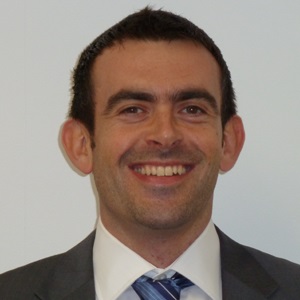
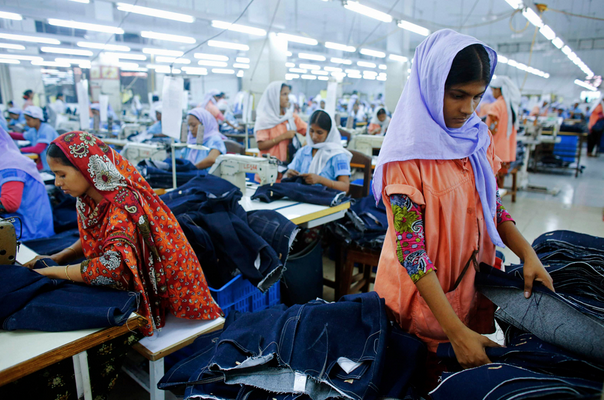
The Boston Global Forum (BGF) was fortunate enough to be able to speak with Mark Robertson, the Head of Communications at Sedex Global. As Mr. Robertson outlines below, Sedex Global is a non-profit organization that aims to enhance global supply chain transparency through audit-information sharing and collaboration between buyers and sellers. The following is the interview transcription containing information on Sedex Global, global supply chain transparency, the challenges of audits in the Ready Made Garment Sector, and the importance and relevance of supply chain transparency and audits for worker safety and rights.
Mark Robertson: Sedex is a global, not-for-profit organization. This is actually our tenth anniversary year. Basically we were set up ten years ago around a simple aim and that was basically, to address duplication in supply-chains. So the initial aim was around ensuring that, basically, buyers were experiencing difficulties in that they were being asked to be audited many times by their customers. For some suppliers that could mean responding to thirty or forty audit requests a year, for example, often from a similar set of customers all looking for similar types of assurances. So, Sedex was originally set up to tackle duplication in the supply-chains, so that was really about looking at how can we create a system globally to enable a supplier to go through the audit process once and then share that information about their ethical or responsible sustainability performance with multiple customers at the same time. So Sedex was, in its first incarnation, set up as an information exchange, if you like, a better way of connecting buyers with suppliers and suppliers with buyers. Uniquely, it was actually instigated by suppliers almost from a bottom-up approach. So rather than the traditional top-down “we’re a global brand and we want to look down our global supply-chain”, that was part of the process. In helping brands to do that we were looking at what needs to happen from the top-down but also from the bottom-up. So that’s kind of what Sedex was set-up to do. The way Sedex works is buyers and suppliers join as members. Globally now we have over 33,000 buyer and supplier members and they span 25 different industry sectors and over 125 different countries, so we operate in different parts of the world and different regions. We’re headquartered in the U.K., we have an office, in the U.S. and in China, representatives in Latin America and also throughout Europe as well. In terms of our membership we have three categories of members. We have buyers, so they are all of the worlds big, global brands are Sedex members. They join to track, manage, and respond to risks in their supply-chain and we probably have about 4-500 of them. Then we have people who kind of sit in between, so they are a buyer and a supplier. They could be a very large company like PepsiCo who is supplying into supermarkets, Walmart, whoever, but equally they have a very complex supply-chain in their own right. Then we have the vast majority of our members who are suppliers. In essence, the way it works is, from a buyer perspective they join Sedex, we help them map out their supply-chain, they see which suppliers are already on Sedex, if they’re not they reach out to the suppliers or we do that for them or they do that themselves. In joining, when their suppliers come aboard to Sedex they go through a self-assessment questionnaire, and then they go through a risk-profiling tool and if that throws up concerns the buyer will then commission an audit on that supplier. If their supplier is already on Sedex then the likelihood is they’ve already been audited and that’s where the efficiency comes in. That’s the broad sense, or the core part, of what we do, but we do many other things as well. We are a team of 50 people, we do a lot of work around publications, light advocacy work, we have a stakeholder engagement team so we’re constantly working with stakeholders from the U.N. Global Compact through to government agencies around the world, regulatory bodies, and that’s about sharing our expertise on global sourcing and responsible sourcing issues, but also about sucking in intelligence to make what we do more effective. So, that’s a bit of background about us. It’s interesting actually, we’re gearing up for our 10th anniversary event and we have a members forum every April and this year we’re celebrating our 10th birthday. We’re collecting thoughts from some of our members on that and somebody said, “Sedex is a cool idea, if it didn’t exist, you’d invent it” and I think that kind of sums up quite nicely the essence of elements of what we do. So that’s a bit of background on us and as I’m talking through the questions let me know if there’s other bits that don’t quite make sense.
Boston Global Forum (BGF): Okay, based on that background actually transitions pretty well into the first question. So, Sedex provides tools that help companies pre-screen, manage, engage, and audit their supply-chains. However, sub-contracting is a key issue, particularly in the garment industry in Bangladesh. How do your tools/services handle the issue of sub-contracting within global supply-chains?
Mr. Robertson: That’s an interesting challenge and question. So, basically, a unique part of what we do is around multi-tier supply-chain transparency. The way Sedex as a system tackles that issue is by enabling buyers to go beyond the first tier of their supply-chain. What that means in practice is, if I’m a clothing retailer and I’m sourcing from Bangladesh, Viet Nam, China, Pakistan, you name it, then I can use Sedex to reach out to the first tier supplier, so that could be an agent and then I would encourage them to join Sedex if they weren’t already a member and link to them. Then I can send a signal for them to tell me who their suppliers are and then so on and so on and so on. So the way Sedex works is, it enables the linkages between buyers and suppliers but beyond the first tier, if that makes sense. So I would make say to my first tier supplier, who often is an agent so they’re not making anything, they’re just fielding work and say “who are you using and where are they? And are they a Sedex member?” Then they would link to the underlying supplier and that supplier could link to their underlying supplier and so on and so on. And, actually, without sounding too promotional, that’s quite a unique element of the Sedex system. We’ve done research quite recently that shows, basically the way Sedex works is it’s a mechanism, amongst other things, for sharing audits, it means we sit on a huge, global pot of data, thousands and thousands of audits that can often act as a global barometer as to where standards are at. You imagine lots of audits being shared looking at lots of issues, so we can see what the issues are, how often the audit non-compliances occur and how long it takes them to be closed off and all those kinds of issues. But what we found is, in relation to your question, that the further you look down the supply-chain generally the risks increase. So, if you move beyond one supplier, and you can imagine why, its because often the suppliers are smaller, they don’t necessarily have the tools, the resources, or the knowledge even to tackle these issues or they’re nearer to the risks. So that’s how Sedex works. It’s really about cascading information down the supply-chain and being able to link suppliers together beyond the first tier. So that’s how we handle it I guess, if that answers your question.
BGF: Yeah, fantastic. So basically you’re shining a light a lot further down the supply-chain than previously had been done in a lot of instances that way you can see and unravel where the sub-contracting would be occurring and get deeper into where the risk might be.
Mr. Robertson: Yeah, and it’s not perfect but it gets you that bit nearer to where the risks are. Alongside that, the other kind of thing that we do as well is we run various programs and initiatives to push best practices in auditing. We have something called SMETA [Sedex Members Ethical Trade Audit], which is a Sedex Audit Methodology, one of the most commonly used globally now. Within it that we highlight the needs to go beyond tier-one suppliers, we have working groups of auditors around the world now that we convene to share best practices, so there are various things that we do as an organization, not only to facilitate the technical aspects of how to get beyond tier-one and deal with issues of sub-contracting, but around developing best practice guidance as well. That’s your working groups, SMETA, and the publications that we produce as well.
BGF: Kind of building off of that, what in your experiences, or Sedex’s experience, are the most common issues and trends that prevent individuals and companies from fully understanding or recognizing the safety issues in their supply-chains?
Mr. Robertson: I think sometimes it’s a lack of knowledge. Are you talking from a buyer’s perspective, from a supplier’s perspective, or both?
BGF: Probably more from a buyer’s perspective, but I think both would be relevant.
Mr. Robertson: I think, firstly, almost cultural differences. So, for example, in the States, and correct me if I’m wrong, but from our perspective understanding and concerns around environmental issues in the supply-chain are something that gets slightly more widely acknowledged whereas ethical and social issues perhaps aren’t always as readily embraced, or haven’t been anyways, by companies in the U.S. Whereas in Europe, that’s been slightly different. Even within Europe there are different issues that are of more concern to some companies, so there are certainly cultural differences. I think sometimes there’s also, when companies start to look at this, they don’t know where to start because I think the issue of scale is often under-appreciated by companies. Some of our members, they talk about working with 20-30,000 suppliers globally indirectly employing hundreds of thousands of people. So how on Earth do you put together a supply-chain program that’s going to deal with that scale and complexity? So I think scale and complexity are often things that companies don’t necessarily know how to deal with. I think sometimes, perhaps traditionally as part of their CSR approach have focused primarily on their direct impacts but I think there’s a growing amount of pressure now internationally for companies to look more at their indirect impacts through their supply-chain. Often that is more around environmental sustainability issues but increasingly there is pressure for companies to look far beyond that. So, I think it’s a combination of cultural approaches, not necessarily knowing how and where to approach the issues, how to deal with issues like complexity, how to get beyond tier-one.
BGF: The next question I have is that critics often raise the concern that safety audits are ineffective given that factory owners can often hide violations on the audits giving the false impression of compliance. When Sedex is helping out with audits are there any measures that can be put in place to ensure that violations do not remain hidden from auditors?
Mr. Robertson: Yeah, always a problem, things like double bookkeeping or going through to misunderstandings culturally depending on what part of the world you’re looking at. Again, it’s an issue. The kind of thing that we do to tackle that are around the training, and awareness, and capability building programs I was talking about. So we have something called the Associate Auditors Group which started off as a U.K. working group comprised of global audit companies, individual auditors as well, we also have NGOs who sit on that group, and of course buyer and supplier representatives as well. The group, we have a U.K.-based group but we’re also establishing groups in China and Latin America as well. Basically, that’s about looking at auditing challenges generally and coming up with a better way to do things in particular around transparency and pushing those kinds of agendas. So we do that. SMETA, which is the audit methodology I was telling you about, has particular guidance on that very issue as well. I suppose we’re doing more of it as well, we’re constantly looking at how we develop the Sedex system and the resources we provide as well. The other kinds of things we’re looking at are more resources for suppliers to help them appreciate the benefits of a more ethical way of doing business, you know the business benefits of responsible sourcing. That said, audits aren’t perfect but there are things that you can do to make them more effective as a tool. I suppose the things I’ve just listed out are resources we’ve put in place as well. It’s really about going beyond compliance and looking at the other issues, how do you work with suppliers to increase their capacity and get them onboard with responsible sourcing? Well, audits can flag the issues you need to look at but you need focus on things like training, capacity building programs, and all that kind of stuff.
BGF: Building off of that as well, I was reading in some of Sedex’s research that workers’ organizations, particularly women’s organizations, are marginalized in the Garment Industry audits in Bangladesh. Do your capacity building programs focus on ensuring that workers’ and women’s organizations are not marginalized during audits in the Ready Made Garment sector?
Mr. Robertson: That’s quite a big issue to tackle. One of the things we do is when a supplier comes onto Sedex they initially go through a self-assessment questionnaire and that’s a key process. Within that we do track gender specific data, so we look at gender split for example. So that enables that supplier’s customers to understand what the gender split is there and whether or not there are issues stemming from that. We also look at seasonality, which is relevant to particular industries or sectors. For example, tea pickers in the tea trade are often women and so seasonality data and employment rates enables buyers to focus their attentions on programs they have around gender equality and gender issues to focus their attentions at the right time. Generally, what we also do through SMETA and our Supplier Workbook is flag the issues that may or may not be relevant within any given sector and we do look at women’s rights and gender related challenges in supply-chains as part of that as well. So we provide guidance. It’s really about looking at that issue within the context of other issues and thinking about the data you need to focus your attention. Again, the challenge you have if you’re a medium to large-scale global business is the scale and complexity of your supply-chain. What you have to have in place first is the right understanding and the transparency you need to understand who’s employed, how they’re employed, and when they’re employed. Then you can start focusing on the issues you need to hone in on.
BGF: One finding that I found particularly interesting in some of Sedex’s research as well was that there isn’t as much variation in fire safety non-compliance between different sectors and industries as one might expect. Given this finding, that there’s not much variation in fire safety non-compliance between industries and sectors why do you think fires in the garment industry, in particular, receive so much attention when there are almost equally as many instances of violations and non-compliance in other industries and sectors?
Mr. Robertson: I think there are a number of reasons. I think the severity of fire safety hazards varies, obviously. There are all sorts of ways to answer that question. Firstly, there’s the fact that the garment sector often involves countries that are developing economies, or frontier economies, so obviously you’ve got Bangladesh, Pakistan, India, Viet Nam. You often find that in those countries the garment sector, or the clothing trade, is often one of the first industries to go in. So, often the kinds of challenges or level of industrialization that is encountered, it’s kind of early stage. The very nature of the clothing sector is that the risks are high. The way in which, if you think about the factories involved and the way clothes are manufactured and made, then fire safety is a particularly relevant and critical risk. And when things do go wrong, you’re often talking about hundreds and hundreds of people working in a factory, in cramped conditions, with lots of material around, you know fires can very quickly take hold and if the right safeguards aren’t in place, very quickly turn to a loss of life. Of course, that can be the same in other factories in other sectors but I think the risks are particularly high in the garment sector. Also, other things such as media scrutiny and NGO awareness has all helped to shine a spotlight on the global garment trade as well. So there are a number of factors that have come into play. I think it’s a combination of factors but really, critically fire safety risks are particularly high in the garment sector. I think that’s why, quite rightly, it’s received a lot of scrutiny. Also, to be honest, high-profile tragedies have helped to raise awareness.
BGF: Well, in the wake of the recent tragedies in Bangladesh that really pushed the garment industry back into the forefront of international consciousness, as I’m sure you’re aware, the Alliance for Bangladesh Worker Safety and the Bangladesh Accord on Fire and Building Safety have both sprung up. Their purpose are quite similar, in a way, to Sedex’s purpose which is to create a common standard so that the garment industry isn’t necessarily dealing with so many differing audits and standards that they have to cope with, which seems pretty similar to what Sedex is trying to do, trying to minimize the duplication of the audit procedure. So, given that similarity, does Sedex have any advice for the Alliance and the Accord in their efforts to increase safety in their supply chains?
Mr. Robertson: Again, I suppose this is where I might want to give you a more considered response, but a first stab at answering that is, so are you talking about the next question as well, which is: is it important to have a common set of standards? Or do you want me to answer that separately as well?
BGF: You can answer that as part of this as well because I think they’re related.
Mr. Robertson: Yeah, I think they are. Obviously, the Accord and the Alliance are slightly different in their approach and the commitments they place on signatories, but a good example of collaboration and action. There’s lots of ways in which buyers and suppliers can collaborate together but the Alliance and the Accord are a good example of retailers being mobilized around Bangladesh, in particular. I think one concern that I would have on that is that’s great on one level but do we need an Accord and an Alliance for the world, globally. Is there a risk that too much attention is being focused on Bangladesh at the expense of other areas? So I think, perhaps kneejerk isn’t the right term, but it’s important that we use this as an opportunity to get a better understanding of risks globally, not just in Bangladesh. Standardization, or having a common set of standards, reducing duplication, obviously is great because it introduces efficiency. All workers in all sectors deserve a basic standard of health and safety and deserve the right to work in safe environments. I think if you are talking about a common set of standards it’s important that these introduce the efficiencies that you want them to but that they can also bend and flex to meet the requirements in different sectors and industries as well. I think standardization is good but it’s important that there are mechanisms to enable different standards to be used as well. I don’t think you’re ever going to get to a point where one overall audit approach is going to cover absolutely every single issue. What you do need are good ways of sharing that information and creating efficiencies and getting buyers and suppliers working together. To a certain extent, yes, it’s very important [to have a common set of standards], and that’s certainly what we’re working towards, but you also need ways for other types of information to be shared and for other standards to be used more appropriate as well.
BGF: So, as Sedex noted in its Fire Safety Briefing the Ready Made Garment industry is a powerful economic force in Bangladesh. What steps do you recommend companies take when implementing changes or improvements based on audit findings so that workers who rely on the industry are not harmed in the process?
Mr. Robertson: I am not quite sure what you mean there.
BGF: Okay, what I am trying to get at is, based on audit findings companies will pull out of a particular factory. But there will be potentially hundreds of workers who rely on that factory for their employment. So pulling out that factory, for example, might just result in mass unemployment for the people who were depending on that job, thereby harming the people that we’re trying to help. So, I was wondering if Sedex takes note of that, and if there are any recommendations that Sedex makes to companies so that when they’re implementing changes based on audit findings they don’t just have a quick, rash reaction that actually does more harm to the people than maybe a more considered reaction might?
Mr. Robertson: Yeah, that’s interesting. I suppose we wouldn’t as an organization necessarily make recommendations on that basis because that’s not quite the way we work. Having said that though, our members forum that I was telling you about at the beginning of the conversation, that’s one of the issues we’ll probably be looking at, I would’ve thought within the context of the things we’ll be discussing during the day. I suppose based on our membership and using Bangladesh as an example, or the other things that have happened, there are different ways in which members would choose to react to that. Some may decide that, rather than moving out of an area where standards are questionable or where there’s been some kind of supply-chain disaster, be it a factory collapse or a fire or whatever, the best thing to do is to take their business elsewhere. Others would decide that’s not necessarily appropriate and they want to remain and improve standards. I think there are different ways of looking at both approaches. So, yes you could argue that it’s better to stay put and drive improvements as much as you can. I think it’s important to appreciate the factors which contribute to problems in different parts of the world. So, they can be things that are within the control of a buyer to consider but often not. I mean, if you look at building safety in Bangladesh, for example, or the context of the factory collapse. Obviously it was a poorly built building but the way in which factories have evolved and developed, you have mixed-use buildings, you have a lack of building codes which contributed, you have the fact that certain buildings have been built on improper foundations, you have corruption, you have bribery, you have lack of enforcement of local regulations, as well as sometimes not being careful enough to think about where you’re sourcing from as well. So, I suppose what I’m saying in a very roundabout way is, I don’t mean necessarily Bangladesh here, but removing your business from one part of the world or one region, sometimes people do do that because they cannot be confident or they cannot be certain that their basic requirements have been met. So, while it sometimes might look like you’re taking the easy option, actually sometimes it isn’t. I think often it’s quite a considered decision. If you really cannot be certain that even the most basic requirements or elements of your responsible sourcing policy are being met and you’re not even confident that you can work to get them there, do you stay or not? It’s an interesting question I guess. Likewise, in other parts of the world or other sectors, other members or other companies would decide that actually they do see worth in collaborating and driving standards. You do see two approaches but I think the context of both sometimes, you have to look at the wider picture I think.
BGF: Yeah, it’d be quite context specific.
Mr. Robertson: Yeah, I think so. You know, you’ve got to think about the impacts that you can have as well. Another advantage of the Sedex model is that by working with Sedex, as a buyer in particular, you’re working towards a common set of standards, you’re working towards a common set of goals and it means that suppliers aren’t getting as many mixed messages and it’s creating coherence. So I think there’s those kind of advantages in working via our platform.
BGF: Excellent. I just have one final wrap up question that will leave room for some final comments. What do you see as being some of the biggest challenges facing audits and monitoring in the Ready Made Garment Industry?
Mr. Robertson: That’s a big challenge. Firstly, I think a big challenge is being more proactive and less reactive. Obviously, it’s great to see so much effort and focus on Bangladesh, but what about the supply-chains in other garment producing countries? I think the challenge is really making sure that we are getting multi-tier supply-chain transparency so that we are looking beyond first-tier suppliers to properly get to grips with risks that exist further down the supply-chain. I think creating consistency and convergence is really important. We don’t need 50 new initiatives to tackle these issues, we need to see more people working together around them. Also, I think, perhaps being a bit more long-term in our thinking, sustainability challenges as well. Cotton, for example, you have sustainability pressures around the availability of raw materials, water scarcity, labor standards, security of the supply-chain, security of the workforce, there are a whole myriad of different risks that exist whether you look through an environmental focus or a social focus as well. Of course, globalization can quickly create new challenges and new patterns of trade so companies source from different parts of the world and their supply-chains can shift quite quickly sometimes, so I think it’s keeping track of that as well.
BGF: Fantastic, that sounds excellent. I really appreciate you taking the time to talk with me today. Your comments have been extremely enlightening and really helped clarified some of my thinking on this.