by Admin | Mar 8, 2024 | News
1. Board of Organizers
1.1. About Boston Global Forum and AIWS
The Boston Global Forum (BGF), founded in 2012, is a visionary think tank dedicated to addressing global challenges through collaborative efforts of thought leaders from diverse sectors, including government, private enterprises, academia, and civil society organizations, through a wide array of events and discussions. Over the past 11 years, BGF has been focused on promoting responsible behaviors of individuals, governments, and businesses in the digital age. The forum’s invaluable insights and recommendations have been shared with governments and international organizations such as the G7, G20, USA, EU, Japan, and India. Read more
In 2017, the Boston Global Forum introduced the AI World Society (AIWS). AIWS is initiated to advance AI technologies that align with human values, ensuring that AI serves the betterment, efficiency, and acceleration of humanity. It encompasses a framework of values, concepts, ideas, and standards aimed at fostering the peaceful development of AI for the benefit of all humankind and enhancing the realm of politics and society through AI. This ecosystem functions as a collaborative platform that not only rewards innovators and users of these technologies but also stimulates widespread innovation, dismantling traditional hierarchies that have historically been perpetuated. Read more
1.2. Vietnam Institute of Technology and Society Research (VITASR)
The Vietnam Institute of Technology and Society Research (VITASR) is the host organization of the AIWS Fellowship Program for the academic year 2024 in Asia. VITASR, established on June 24, 2023, is the first institute in Vietnam pioneering research on the interaction between Science, Technology, and Society (STS). VITASR aims to: (1) Conduct research, explore, and analyze the interaction and mutual influence between Science, Technology, and Society; and (2) Develop solutions to support and accelerate the digital transformation process of Governments and businesses. Read more
2. About the AIWS Fellowship Program
2.1. Introduction
The Board of Organizers is excited to announce our fellowship program, which is designed to attract exceptional talent in the fields of AI research and communication. This program offers a unique opportunity for youth to contribute to BGF and our initiatives including AIWS City and AIWS Angel – two initiatives founded on the principle of AI World Society (AIWS).
About AIWS City
On August 21, 2020, the concept of AIWS City was officially introduced during the United Nations Centennial Roundtable, a collaborative effort between the United Nations Academic Impact and the Boston Global Forum to commemorate the first century of the United Nations. AIWS City is a virtual digital city that brings together the cultural, historical, creative, innovative, and artistic values of humanity enabled by AI and blockchain. One noteworthy aspect of AIWS City is the integration of AI Assistants from the outset to simplify and enhance the daily lives of city residents by providing citizens with quick access to information, automating laborious tasks, and offering valuable insights in real time. Read more
About AIWS Angel
In 2024, introduced by BGF, AIWS Angel is an AI Assistant that transforms the way humans interact with technology in alignment with the principles of the AIWS Natural AI initiative. With its core components encompassing the Human Brain, Spiritual Values, Physical Computing, Interactive Interfaces linking the human brain and physical computing, and a sophisticated Display, AIWS Angel represents innovation with ethical design. It embodies a forward-thinking approach to AI-driven technology, aiming to empower users while nurturing a harmonious and ethical relationship between humanity and artificial intelligence.
Specifically, the AIWS Fellowship Program is organized in 2 rounds per year, each lasting 06 months with an average of 20 Doctoral/Master students and undergraduate students selected. The fellows are divided into two groups: Research Fellows and Communications Fellows to carry out research, reporting, analysis, communications, and event organization within the framework of BGF’s initiatives
Research Fellows
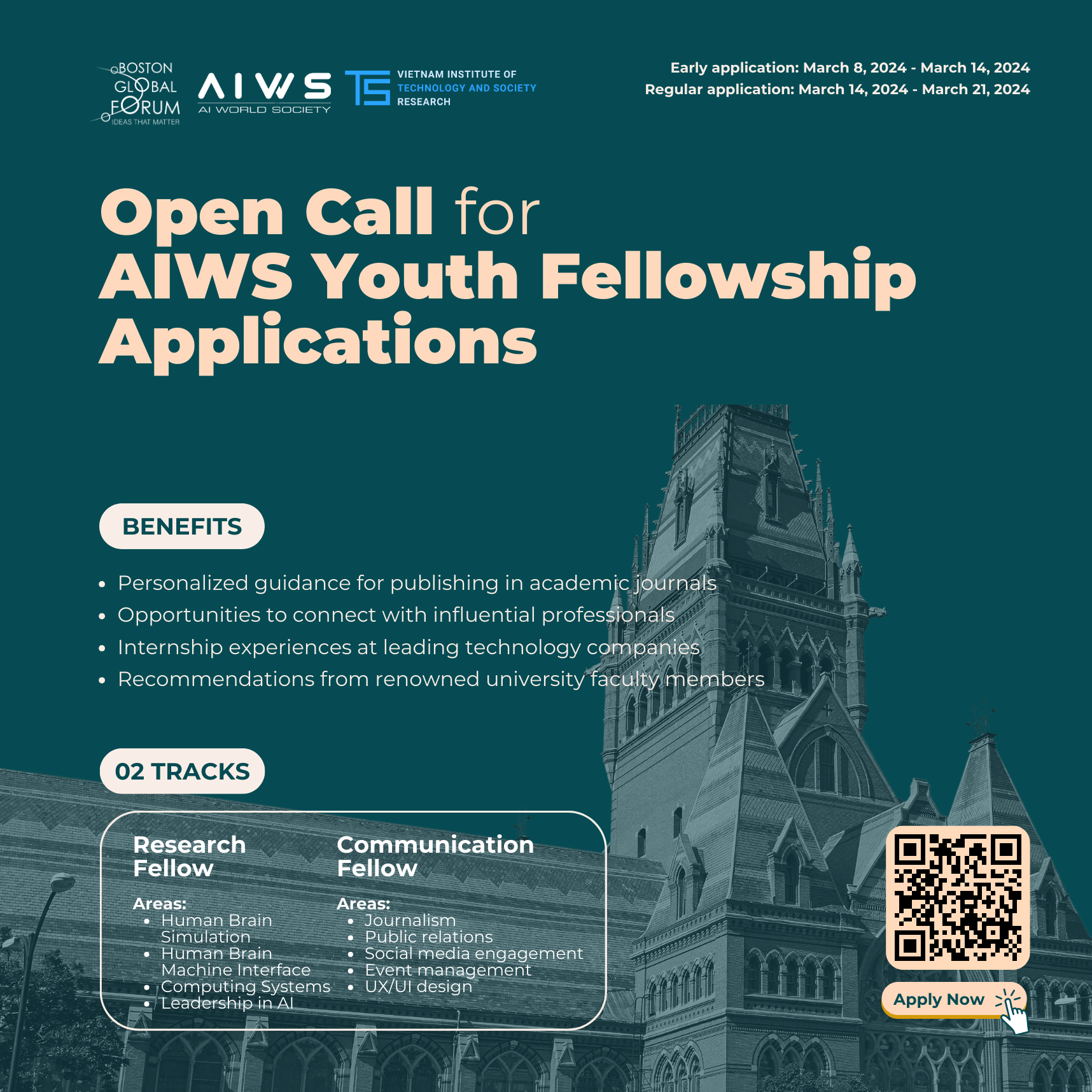
Research Fellows are tasked with activities to support the development of AIWS City or AIWS Angel by conducting research in one of the four key areas: Human Brain Simulation, Human Brain Machine Interface, Computing Systems, and Leadership in AI.
AIWS Angel
Human Brain Simulation: Undertake rigorous studies in brain science and neural cells to formulate computational models replicating the intricate structure, functions, and decision-making mechanisms of the human brain. The research aims to uncover the underlying principles of human cognition and facilitate the development of advanced AI systems capable of exhibiting human-like intelligence.
Human Brain Machine Interface (HBMI): Investigate the nexus between cognition, decision-making, and motor actions to engineer technologies proficient in interpreting and responding to real-time human brain signals. This line of inquiry holds immense potential for pioneering advancements, including cutting-edge prosthetics and brain-computer interfaces, revolutionizing the landscape of human-machine interaction.
Computing Systems: Undertake systematic data collection, processing, and organization to create a foundational chatbot with open-source code, laying the groundwork for AIWS Angel’s development. This chatbot will serve as an initial stage for the future development of AIWS Angel, which requires sophisticated computing systems to process and analyze data in real-time.
AIWS City
Leadership in AI: Engage in comprehensive research to identify key leaders and influencers who have significantly contributed to the development of AIWS City, while also analyzing their roles in shaping pertinent AI and technology policies. The narratives and achievements of these individuals offer valuable insights into visionary strategies, strategic planning, and collaborative initiatives instrumental in establishing AIWS City.
Communications Fellows
Communications Fellows are tasked with media-related activities to support the development of BGF. Your responsibilities span event coordination, and online resources development such as crafting UX/UI design for the website, managing the website, and ensuring effective communication and dissemination of the program’s findings and insights with well-designed media materials.
2.2. Board of Advisors
As leading researchers and professors, the Board of Advisors’ goal is to guide the program and advise graduate students during the research process. Members of the Advisory Board are the Boards of Directors of Boston Global Forum, who play key roles in guiding the organization’s initiatives and activities, including
Governor Michael Dukakis
Chairman of The Michael Dukakis Institute for Leadership and Innovation
Democratic Party Nominee for President of the United States, 1988
Distinguished Professor J.D., Harvard University
Nguyen Anh Tuan
Co-Founder and Director of The Michael Dukakis Institute for Leadership and Innovation (MDI)
Co-Founder of the AIWS City (AIWS.city)
Thomas Patterson
Bradlee Professor of Government and the Press, Shorenstein Center at Harvard Kennedy School, Harvard University
Nazli Choucri
Professor of Political Science, Massachusetts Institute of Technology
Principal Investigator and Director of a multi-disciplinary MIT-Harvard research project – Explorations in Cyber International Relations (ECIR)
President of the Scientific Advisory Committee for UNESCO’s Management of Social Transformation Program
Member of the European Academy of Sciences and the Council on Foreign Relations.
David Silbersweig
Stanley Cobb Professor of Psychiatry at Harvard Medical School, Harvard University
Chairman of the Department of Psychiatry at the Brigham and Women’s/Faulkner Hospitals.
Chairman of the Brigham and Women’s Hospital Institute for the Neurosciences.
3. Opportunities and expectations
The specific expectations for individual participants in the fellows program will be unique to each scholar, with broad expectations outlined below.
3.1. Expectation
3.1.1. Research Fellows
Human Brain Simulation
- Develop accurate and detailed computational models of the human brain that provide insights into its structure, function, and decision-making processes.
- Identify potential applications of brain simulation research in the development of human-like AI assistants and contribute to the integration of these findings into AIWS Angel.
Human Brain Machine Interface
- Design and prototype technologies that can effectively interpret and respond to human brain signals in real-time.
- Collaborate with the Computing Systems team to ensure the seamless integration of HBMI technologies into AIWS Angel.
Computing Systems
- Collect relevant data from various sources to train and inform your chatbot. This may include text data from websites, books, or other resources that align with the principles of the AIWS Natural AI initiative.
- Utilize open-source components, particularly those from chatGPT, to create a basic chatbot that can engage in simple conversations and provide information based on the cleaned data.
Leadership in AI
- Gather information about notable leaders and individuals who have contributed to the development of AIWS City.
- Create and produce engaging content, including articles, blog posts, and social media updates, to promote AIWS City and its initiatives.
3.1.2. Communications Fellows
- Plan, organize, and execute various events aligned with the objectives of BGF including seminars, workshops, conferences, and other gatherings.
- Develop and maintain a comprehensive online presence, which may include designing and managing a dedicated website, and crafting engaging content for social media platforms
- Ensure that the outcomes of Boston Global Forum reach a wide and diverse audience by developing strategies for disseminating research findings through various channels.
- Enhance the user experience and interface design of digital platforms (UX/UI) associated with Boston Global Forum.
3.2. Opportunities & Benefits
Opportunities
The AIWS Fellowship is a dynamic environment where your contributions directly translate into professional growth and career advancement opportunities. Specifically, your contributions or achievements can earn you a number of AIWS credits. The more you contribute, the more AIWS credits you earn. Eventually, these AIWS credits can be exchanged into opportunities, including (not limited to):
- Publications mentorship: Fellows will benefit from dedicated mentorship support to guide them in writing and publishing academic articles.
- Networking events: Fellows will gain access to a prestigious and influential network of fellows, potentially opening doors to future collaborations, job opportunities, and career advancement.
-
- Internship opportunities: Fellows will benefit from internship opportunities in partnership organizations or enterprises partnering with BGF from Sillicon Valley.
- Fellowship certification: Fellows will earn the internship certification from BGF.
- Reference letter: Fellows will receive reference letters from prestigious Harvard, and MIT professors who are project leaders in the AIWS Programs.
Benefits
To support fellows in their professional growth, the program offers a suite of benefits, including (not limited to):
- Recognition: Fellows will receive acknowledgment for their contributions by being named in working papers published by Boston Global Forum.
- Workspace: To foster productivity and collaboration, fellows will be provided virtual Google office spaces for coworking and flexible use including Google email, Google Drive, etc.
- Knowledge access: All fellows receive access to extensive libraries and research facilities through the BGF network.
4. Eligibility, Vacancy, and Qualifications
The AIWS Fellowship invites applications from youth ages 18-25 who have demonstrated early experience, strong interest, and clear motivation to contribute to the program’s mission.
4.1. Research Fellow
We accept applications from undergraduate, and graduate students under 30 who are passionate about conducting interdisciplinary research at the intersection of technology and society. Whether you are an ambitious undergraduate looking to get a headstart on research or a seasoned Ph.D. candidate keen to take your work in bold new directions, we welcome you to apply. Your level of education will only partly determine selection – we look for intellectual curiosity, creative thinking, and a genuine drive to grapple with the societal impacts of emerging science and technology.
Vacancy for Research Fellow
- Human Brain Simulation (1 vacancy)
- Human Brain Machine Interface (1 vacancy)
- Computing Systems (8 vacancies)
- Leadership in AI (5 vacancies)
4.2. Communication Fellow
We seek creative, strategic students to join our team as Communications Fellows responsible for effectively conveying the societal value of our initiatives to diverse global audiences. If you have proven skills in science communication, journalism, public relations, marketing, social media engagement, and event management, we want to hear from you.
Vacancy for Communication Fellow (5 vacancies)
5. Logistics and administration
5.1. Time commitment
The AIWS Fellowship Program is organized in 2 rounds per year, each lasting 06 months. By that, the AIWS Fellowship Program 2024 starts from 1/4/2024 – 1/10/2024. During the fellowship program, fellows are expected to be free of the majority of their regular commitments so that they may fully devote themselves to the work outlined in their application.
5.2.Location: 100% remote.
6. Application Process
6.1. Application Rounds
The fellowship program application process consists of two rounds, with interviews conducted on a rolling basis.
Early application round: March 8, 2024 – March 14, 2024
- Candidates who submit their applications during this period will receive priority consideration.
- Interviews will be scheduled within two days of application receipt, enabling a more expedited decision-making process.
Regular application round: March 14, 2024 – March 21, 2024
- Applications submitted during this period will be considered following the conclusion of the Early Application Round.
- Interviews will be scheduled after the application deadline, and candidates will receive notification of their interview dates accordingly.
6.1. Application Steps
Step 1: Application
Applications will be submitted online through LINK
PDF attachments you will be required to upload including the following
- Current resume or C.V.: Showcase your professional and academic background clearly and concisely. Highlight relevant skills, experiences, and achievements that demonstrate your qualifications for the chosen fellowship track (Research Fellow or Communications Fellow).
- Recommendation letter: Provide one letter of recommendation from individuals familiar with your work and qualifications. Ideally, these should be academics, supervisors, or colleagues who can speak to your potential for impactful contributions within the AIWS program.
- Writing Sample or Essay (750-1000 words in English): Choose one of the following options:
- Option 1: Share a piece of your original writing that best demonstrates your research, writing, and analytical skills. This could be a published academic paper, blog post, book excerpt, or another relevant written work. Remember, originality and freedom from plagiarism are essential.
- Option 2: Write an essay on one of the following topics:
- a) The impact of artificial intelligence on the future job market.
- b) The importance of establishing ethical principles in AI development.
Your essay should demonstrate your ability to research, analyze, and present ideas clearly and coherently. Originality and freedom from plagiarism are essential.
- Portfolio (ONLY FOR COMMUNICATION FELLOW): Share a Portfolio that best demonstrates communication skills, which may showcase your ability in event coordination, online resources development such as crafting UX/UI design, content writing, journalism, etc.
- Motivation statement: Clearly articulate your reasons for applying to the AIWS Fellowship. Explain how your goals align with the program’s objectives and how you envision your contributions to the diverse AIWS community. Be specific and passionate about your motivations for joining this enriching journey.
Step 2: Interview
Following the initial application review, selected candidates will proceed to the interview stage. The interview aims to delve deeper into your qualifications, experiences, and motivations. Details of this round will be announced to candidates through email.
We appreciate your interest in the AIWS Fellowship program and look forward to receiving your applications!
- Contact
Contact: [email protected]
Application Booklet: https://shorturl.at/hKRS4
by Admin | Apr 21, 2022 | Executive Board
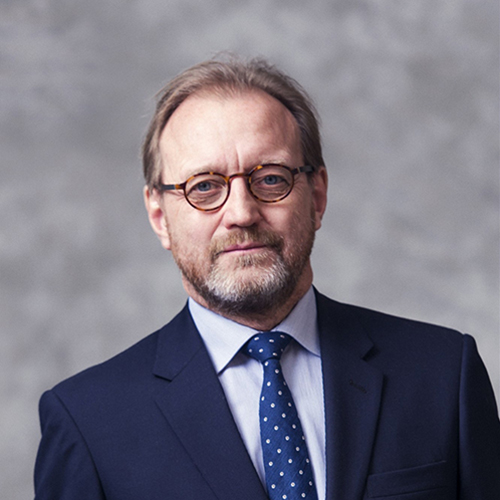
Visiting Professor of International and Public Affairs at the School of International and Public Affairs (SIPA) at Columbia University.
Before joining Columbia University, Karlsson was the Director of the Swedish Institute of International Affairs, and previously served as World Bank Vice President of External Affairs and United Nations Affairs, and as World Bank Country Director for Maghreb (region West and North Africa).
In his most recent post Karlsson was the Director of the Marseille Center for Mediterranean Integration (CMI) where he was responsible for coordinating the World Bank’s cooperation of the Mediterranean region.
As country director at the World Bank he was instrumental in the realization of modern coordinated partnership, from supporting Ghana’s development, growth and poverty reduction, to post-conflict reconstruction in Liberia and Sierra Leone.
As World Bank Vice President of External Affairs, Karlsson pursued strategic policy dialogue with the Bank’s partners and stakeholders. With the UN he worked on the Millennium Development Goals and he also led the World Bank’s engagement with civil society in debating globalization, as part of new UN cooperation.
Early in his career, Mats Karlsson worked at the Swedish Foreign Ministry as Chief Economist, he served as Foreign Policy Advisor to Swedish Prime Minister Ingvar Carlsson’s Commission on Global Governance (1992-1994), as well as the Swedish State Secretary for international development cooperation (1994-1999). He began his career in development when he joined the Swedish International Development Cooperation Agency (Sida) in 1983.
by Admin | Oct 9, 2019 | Executive Board
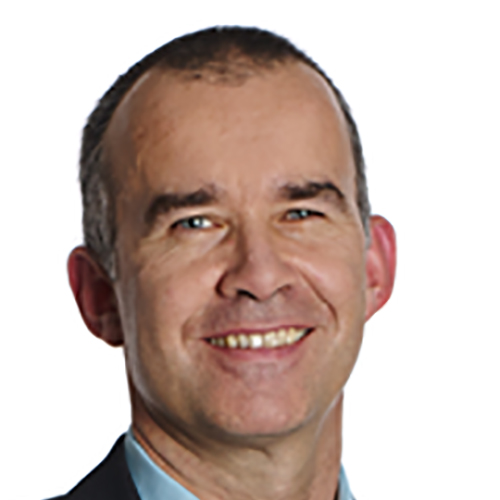
MARCEL R. ZUTTER, born in 1961 in Basel/ Switzerland, has more than 30 years of international experience in financial services and technology. He is the Founder and Chairman of Parsumo Capital in Zurich, a quant asset management company leveraging investor behavior research. He is also an Angel Investor in the ICT and Fintech area and supports young entrepreneurs in Europe.
Mr. Zutter has worked in the institutional services business in Europe, Asia and the U.S in executive as well as board capacity. He also advised for many years some of the most sophisticated institutional investors across the globe on strategic, technology, asset and risk management topics. Already early in his career he developed a keen interest in understanding how technology can help change business models profoundly. It started at university with the development of a new approach to market research for innovative products and has never stopped to fascinate him.
Prior to founding Parsumo Capital in 2010 he was executive vice president/chief operating officer of State Street Global Markets in Boston and a Member of Executive Management. He had responsibility for strategy development, Fintech business, technology and operations. He led many of State Street’s initiatives to become a global market leader in new, alternative business platforms, thereby using technology, algorithms and processes in smart ways. He was also a key part of State Street Associates, an investment research think tank collaborating with academics from Harvard and MIT which combined unique information with big data processing/analysis
His previous role included responsibility for State Street’s Executive Operations and Strategy Group. During that time he lead key projects that helped to further advance State Street’s global expansion and positioning. Prior to this he was a managing director based in Zurich, Switzerland, responsible for the business build-up in Southern and Eastern Europe.
Prior to joining State Street in 1997, Mr. Zutter was a managing director at Credit Suisse Group. He held various management positions in asset management and securities brokerage over his 10 years there. He also worked as a research analyst for Baring Securities in Hong Kong and Singapore. Prior to his career in the financial services industry he was a consultant for Prognos AG in Basle, specializing in market analysis and strategy development for innovative products/new technologies, supporting major multinational organizations.
Upon his return to Switzerland in 2010 he founded Parsumo Capital and Axopa Partners, a global initiative to create a conflict-free trading platform for buy-side institutions only.
Marcel R. Zutter holds a Master’s Degree in Business and Economics from Basle University, Switzerland. He is a graduate of the International Bankers School in New York and the Swiss Banking School in Zurich and also completed the Advanced Management Program of Harvard Business School in Boston
He is married and the proud father of three children. He enjoys various sports, music and is curiously learning every day.