by Editor | Feb 21, 2021 | News
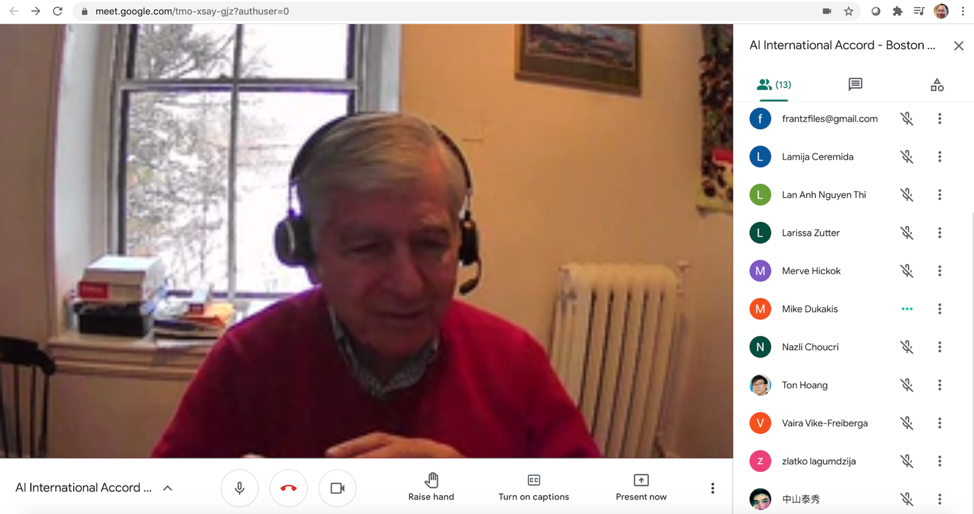
President Vaira Vike-Freiberga, World Leader for Peace and Cybersecurity Award gave a broad overview of the essential concerns that face us in connection with an AI International Accord. Some principles or guidelines for the strongest nations should be developed – civil society needs to continue to have a voice and think tanks like the MDI should work towards a new Social Contract to insure this. Furthermore, the general economy and human rights are two main concerns in regards to AI. The awareness and interest of society needs to be captured to invoke long term thinking in regards to AI.
Professor Choucri started by touching on challenges, opportunities and imperatives that AI poses.
Challenges
- How to establish stable principles and processes in a context that is rapidly changing
- No longer just governments, also private sectors, NGOs and individuals
Opportunities
- Figuring out what has worked best when, how and why in regards to international agreements and frameworks?
- Lines of cleavages have not yet been drawn, it is still fluid. We have potential to find ways to cooperate and transform these cleavages
Imperatives
- Governments do not really control AI realm, there are also many private actors
- How to regulate without dampening innovation
She ended by stating that the most immediate path is to take into account and connect with other constituencies that like us are trying to respond to AI reality, that we need a multi-stakeholder support system.


by Editor | Feb 21, 2021 | Global Alliance for Digital Governance, Global Law and Accord on AI and Digital, Event Updates
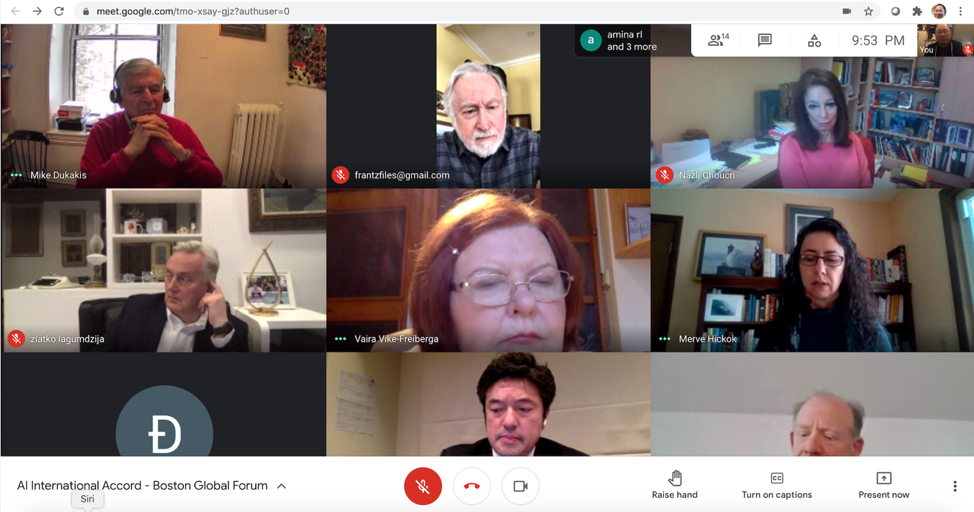
Governor Michael Dukakis, Professor Nazli Choucri, President Vaira Vike-Freiberga, Prime Minister Zlatko, State Minister Yasuhide Nakayama, Ms. Merve Hitkok, and Mr. Andrew W. Wyckoff spoke and discussed at the first panel for AI International Accord on February 19, 2021.
Pulitzer-winning journalist and former Assistant Secretary of State Douglas Frantz moderated the Panel.
Boston Global Forum is the first organization to build a framework of an international accord on Artificial Intelligence. This panel is the first of this initiative.
Governor Michael Dukakis opened the panel by expressing a message of hope. He emphasized the hope of possibility to collaborate with the new administration in the USA and hoped to return to a spirit of international collaboration.
Professor Choucri started by touching on the challenges, opportunities, and imperatives that AI poses.
Challenges
- How to establish stable principles and processes in a context that is rapidly changing
- No longer just governments, also private sectors, NGOs and individuals
Opportunities
- Figuring out what has worked best when, how and why in regards to international agreements and frameworks?
- Lines of cleavages have not yet been drawn, it is still fluid. We have potential to find ways to cooperate and transform these cleavages
Imperatives
- Governments do not really control AI realm, there are also many private actors
- How to regulate without dampening innovation
She concluded by stating that the most immediate path is to take into account and connect with other constituencies that are trying to respond to AI reality as well. We need a multi-stakeholder support system.
AI Ethicist Merve Hickok emphasized the importance of building alliances and accountability structures to hold actors accountable. She further touched on the report “Artificial Intelligence and Democratic Values- AISCI 2020” by the Center for AI and Digital Policy of Michael Dukakis Institute and the importance of monitoring the activities of governments and companies.
Michael Dukakis also emphasized the need to help all countries not just the non-democratic ones. There is a new state of world affairs and new technologies are helping to spread disinformation which also strongly affects countries like the USA. There is a need for be global solutions that also help democratic countries as they are also struggling with this new state of affairs.
by Editor | Feb 15, 2021 | News
At this point, many segments of the international community have already begun to respond to the serious challenges posed by cyber access, big data, technological development, and devious uses of all forms of “virtual” communication and exchange. Among the most responses are the Budapest Convention on Cybercrime and the EU General Directives that signal specific policies to protect the integrity of information and the values that support this integrity.
To date, however, little attention has been paid to the challenges surrounding the development and applications of Artificial intelligence (AI), and even less to the need for coordinated policy responses. The rates of change in AI innovations and applications far exceed our ability to fully appreciate the potentials for threat in an area that remains beyond the scope of international management.
In response to such challenges, this Panel is convened—under the leadership of Governor Michael Dukakis and President Ursula von der Leyen—to addresses foundational concepts and conditions, as well as procedural, operational, and driving principles for an emergent AI International Accord.
The purpose of the Panel for AI International Accord is to:
- Create an initial framework for the AI International Accord
- Establish a Democratic Alliance for Digital Governance focused on supporting to support the AI International Accord and the Social Contract for the AI Age.
- Design a Monitoring System to observe all abuses in applications of AI by private and public entities, and to identify notable violations of an emergent AI International Accord and of the Social Contract for the AI Age.
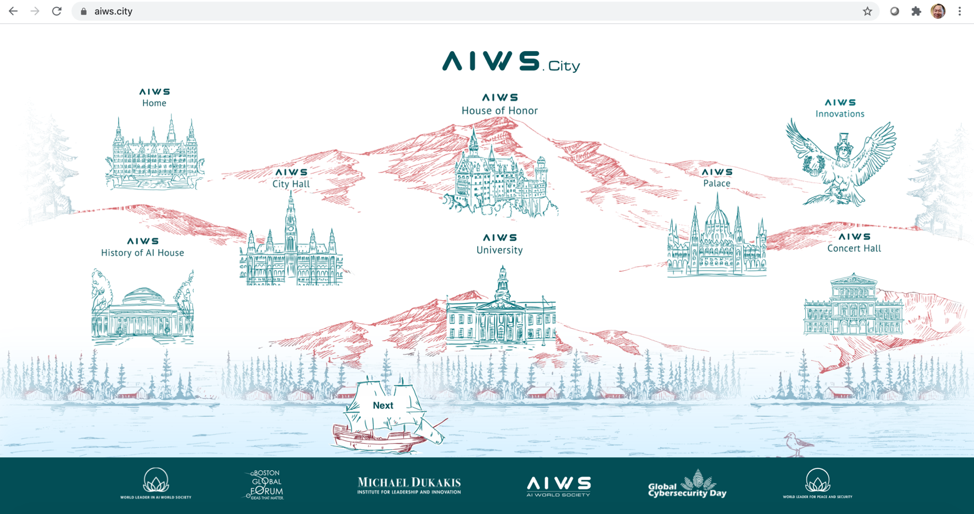
- Provide an initial “proof of concept” – in terms of implementation and operations in practice – focused on AIWS City.
- Explore potentials for reviewing and regulating potential deviances or damage created by algorithm development and implementation.
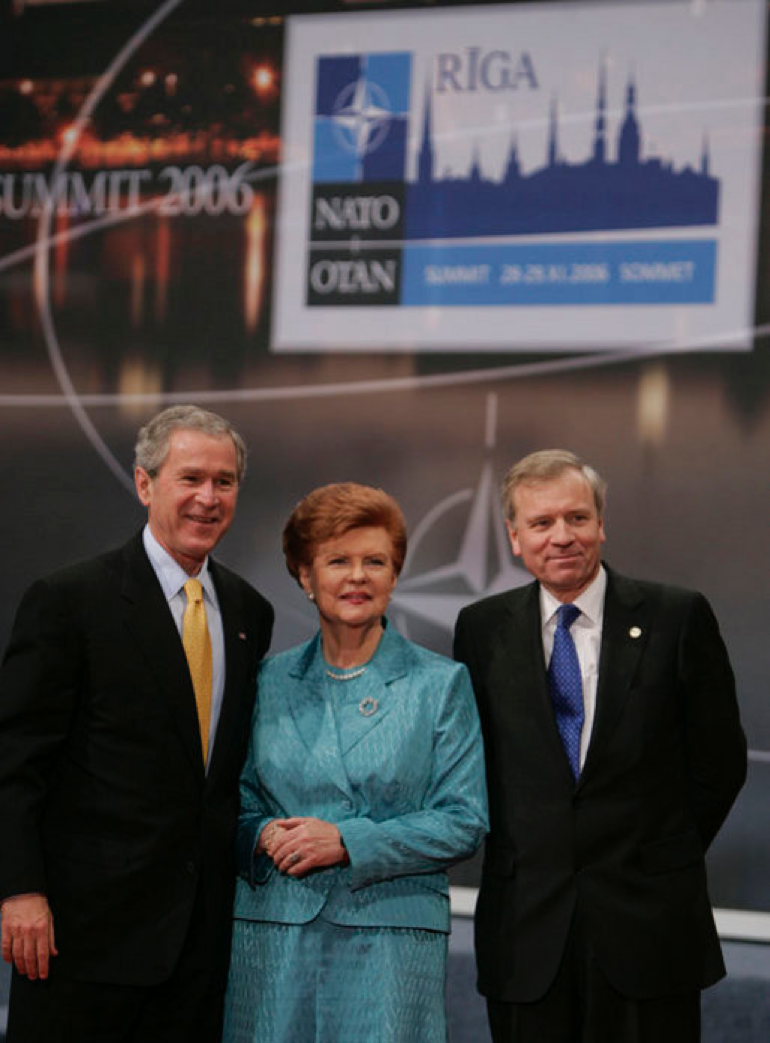
Latvian and WLA-CdM former President Vaira Vike-Freiberga, World Leader for Peace and Security Award recipient 2019, and Professor Nazli Choucri (MIT), Board of Leaders of AIWS City will speak at the Panel on this accord.
by Editor | Feb 15, 2021 | News
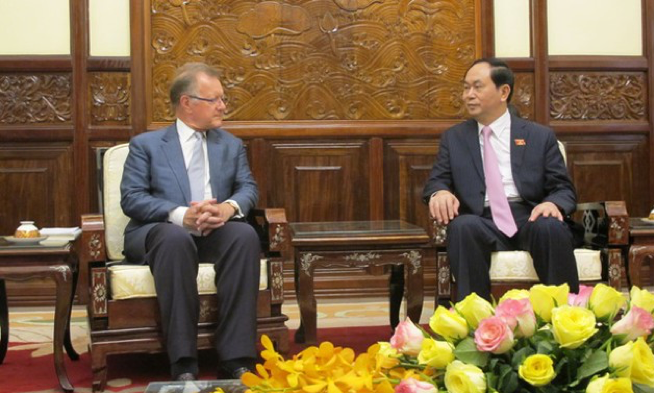
John A. Quelch is the Leonard M. Miller University Professor and Vice Provost at the University of Miami and Dean of Miami Business School. He is also the Charles Edward Wilson Professor of Business Administration Emeritus at Harvard Business School. Until 2017, he held a joint primary appointment at Harvard T.H. Chan School of Public Health as Professor of Health Policy and Management.
Professor John Quelch is a co-founder of the Boston Global Forum, which he will talk about at “A City for 100 Year of United Nations”
Ramu Damodaran, Chief of United Nations Academic Impact and Editor-in-Chief of United Nations Chronicle Magazine, will moderate this UN 2045 Roundtable.
Other panelists include Governor Michael Dukakis, Chair of the Boston Global Forum; Professor Thomas Patterson, Harvard University, President of AIWS University; Professor Alex Sandy Pentland, MIT; and Mr. Le Tuan Phong, Governor of Binh Thuan, Mr. Bui Thanh Nhon, Chairman of Novaland.
Time: 8:30 AM – 10:00 AM EST, February 21st, 2021
by Editor | Feb 15, 2021 | Event Updates
Among the issues addressed by the Panel are the following:
- Reviewing legal frameworks for AI and identifying essential elements for a international AI legal framework.
- Defining methods to present abuses by governments and businesses in uses of AI, Data, Digital Technology, Cyberspace, (including attacking companies, organizations, and individuals on the Internet)
- Articulating norms to manage robotics and cybersecurity, protecting Social Contract for the AI Age, democratic values, transparency, and accountability while ensuring equal opportunities across diverse socio-economic landscapes.
- Supporting the provisions of the Budapest Convention on Cybercrime as well as the EU General Directives and/or incorporating basic principles thereof.
- Sanctioning entities –including governments, businesses, and not-for profit actors — who violate the AI International Accord and/or Social Contract for the AI Age).
Speakers: Governor Michael Dukakis; President Vaira Vike-Freiberga; Prime Minister Zlatko Lagumdzija; Professor Nazli Choucri (MIT); Merve Hickok, the founder of AIEthicist; Ambassador Raghavan P.S, Chairman of the National Security Advisory Board, India.
Time: 9:00 AM – 11:00 AM EST, February 19th, 2021
The AI International Accord Panel will be moderated by Douglas Frantz.
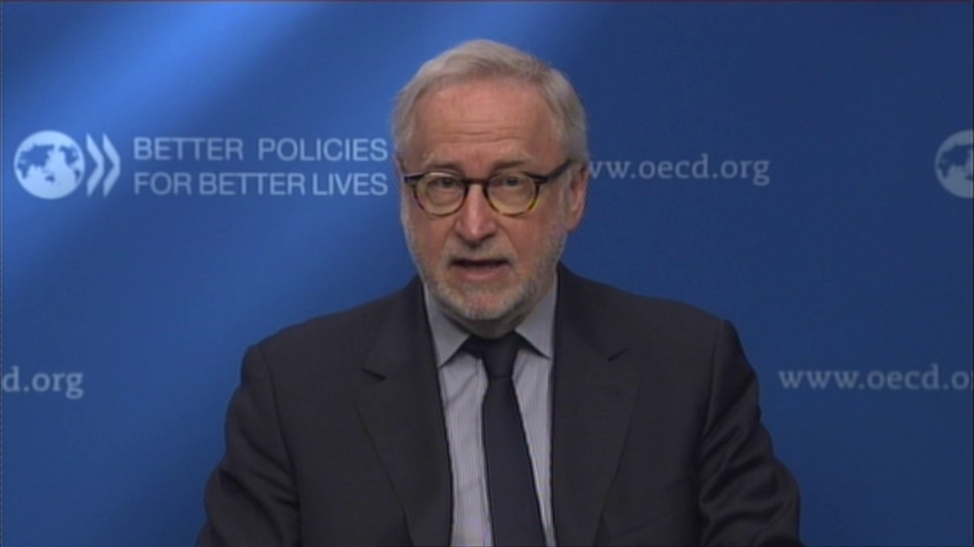
Douglas Frantz is a Pulitzer Prize-winning journalist, author, and former Deputy Secretary-General of the OECD. Frantz served as Assistant Secretary of State for Public Affairs in the Obama administration. He was an investigative reporter for the Los Angeles Times, the Chicago Tribune, and The New York Times. Frantz graduated from DePauw University and earned a M.S. from the Columbia University Graduate School of Journalism.
by Editor | Feb 7, 2021 | AIWS and the Age of Global Enlightenment
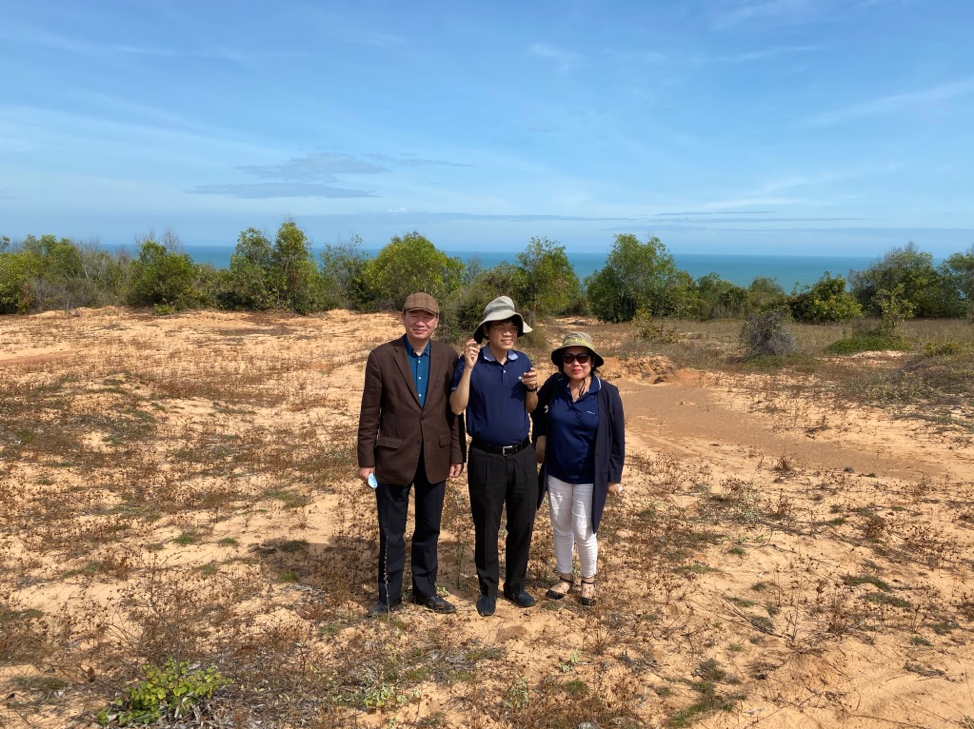
On January 31, 2021, Mr. Nguyen Anh Tuan, Director of Michael Dukakis Institute visited NovaWorld Phan Thiet and discussed with NovaWorld Phan Thiet leaders about building a branch of Michael Dukakis Institute and the History of AI House at NovaWorld Phan Thiet.
This is a part of cooperation between AIWS City and NovaWorld Phan Thiet.
The History of AI House is a part of AIWS City, will be located at ocean view with modern and smart infrastructure, combined with natural beauty.
by Editor | Feb 7, 2021 | News
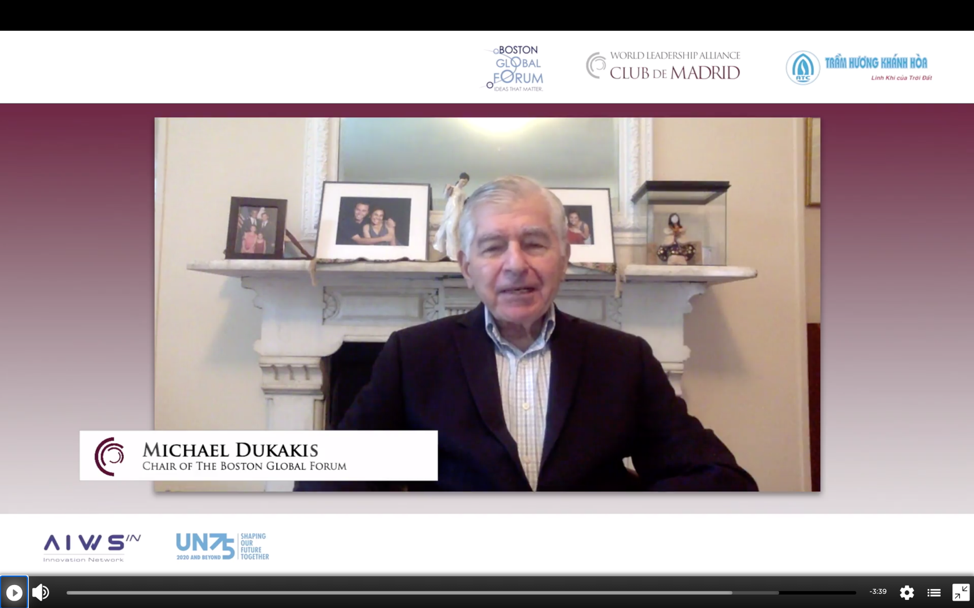
After introduction at the Computers, Privacy, and Data Protection Conference, the AI International Accord Initiative (AIIA) will be discussed at the AIIA Roundtable. Some of the content that will be discussed at this Roundtable are below:
– The current legal frameworks for AI and the essential elements of a global AI legal framework.
– Responsibilities of governments and companies in protecting data and privacy
– Preventing abuses by governments and businesses in AI, Data, Digital Technology, Cyberspace, including attacking companies, organizations, and individuals on the Internet.
– Creating norms to manage robotics and cyber-security
– Protecting Social Contract for the AI Age, democratic values, transparency, and accountability while ensuring equal opportunities across the socio-economic landscape.
– Collaboration and responsibility between governments and businesses in preventing international cybercrimes and criminals.
– Punishing governments and businesses which violate AI International Accord and/or Social Contract for the AI Age.
Moderator: Doug Frantz, Pulitzer Prize Journalist, former Assistant Secretary of State
Panelists: Governor Michael Dukakis, Chair of the Boston Global Forum, Professor Nazli Choucri, MIT, Board Member of Michael Dukakis Institute, Prime Minister Zlatko Lagumdzija, Mr. Nguyen Anh Tuan, CEO of the Boston Global Forum.
Time: 9:00 am EST, 02/19/2021
by Editor | Feb 7, 2021 | News
On 02/21/2021, Ramu Damodaran, Chief of United Nations Academic Impact and Editor-in-Chief of United Nations Chronicle Magazine, will moderate UN 2045 Roundtable “A City for 100 Year of United Nations”.
What is a city in 2045, when the UN turns 100?
The Speakers are Governor Michael Dukakis, Chair of the Boston Global Forum; Professor Thomas Patterson, Harvard University, President of AIWS University; Professor John Quelch, Harvard Business School, co-founder of the Boston Global Forum; and Governor of Binh Thuan, Mr. Bui Thanh Nhon, Chairman of Novaland.
The Roundtable is hosted at 9:00 am EST, 02/21/2021

by Editor | Feb 7, 2021 | Event Updates
World Leadership Alliance-Club de Madrid (WLA-CdM) joins the Boston Global Forum (BGF) and Michael Dukakis Institute (MDI) in building AI World Society, a new society in the AI and Digital Age. This is collaboration will be running for 5 years.
In 2021, BGF and WLA-CdM will co-organize a Policy Lab about AI International Accord, the fifth layer of AI World Society.
In 2022, BGF and WLA-CdM will co-organize the policy dialog about a new economy, a new Bretton Woods, and a new financial system in AI World Society.
AI World Society City will be an ecosystem to practice and apply the new economy and financial system.