by Editor | Aug 16, 2021 | Event Updates
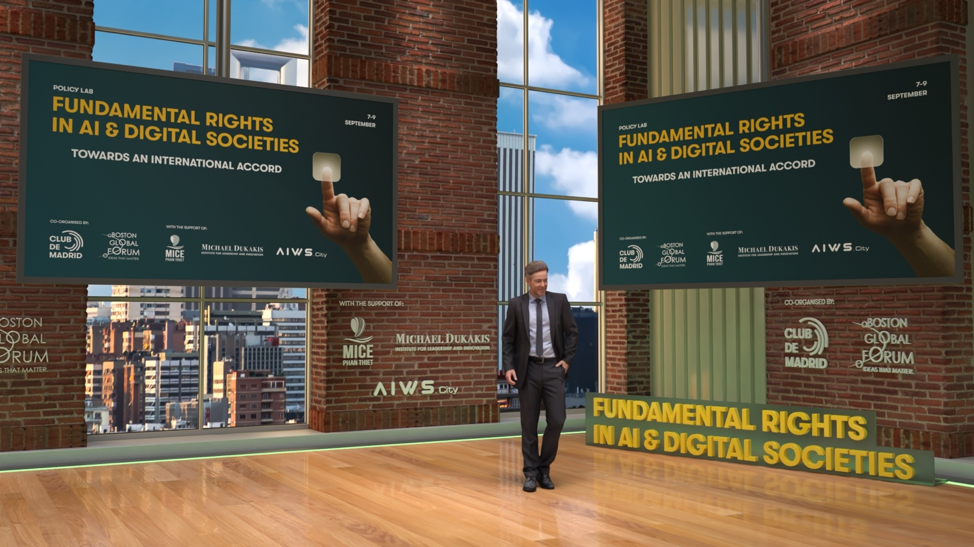
Plenary VI: Building safer, equitable and trustworthy AI and digital societies: The AI International Accord (AIIA)
Facilitator: William Hoffman, Head of Data-Driven Development, World Economic Forum
Lead speaker: Alex ‘Sandy’ Pentland, Director, MIT Connection Science and Human Dynamics labs, Co-Author of Social Contract for the AI Age
Panelists:
Zlatko Lagumdžija, Member of Club de Madrid, Prime Minister of Bosnia and Herzegovina (2001-2002)
Laura Chinchilla, Vice President of Club de Madrid, President of Costa Rica (2010-2014)
Ricardo Lagos, Member of Club de Madrid, President of Chile (2000-2006)
Gregor Strojin, Chair of the Council of Europe’s Committee on Artificial Intelligence (CAHAI)
Catalina Botero, Co-Chair of Facebook Oversight Board, Former Special Rapporteur for Freedom of Expression for the Inter-American Commission on Human Rights (IACHR)
This Plenary will take place on September 9 to discuss about the Community Innovation Economy and New Financial system, which are parts of the book Remaking the World – Toward an Age of Global Enlightenment.
Professor Alex Pentland will be a lead speaker, presenting about Community Innovation Economy
Please register to attend the Policy Lab “An AI International Accord – Toward an Age of Global Enlightenment”: https://aidigitalrights.com/

by Editor | Aug 8, 2021 | News
NovaWorld Phan Thiet combines with AIWS City to create a distinguished city to honor the United Nations Centennial. NovaWorld Phan Thiet will host and support events, conferences, and symposiums “Toward an Age of Global Enlightenment”. Phan Thiet MICE is a competition to get the best solutions to make NovaWorld Phan Thiet to become a leading city, a top MICE of the Global Enlightenment Age. They would like to attract pioneering, significant events, figures, creativities, innovations in “remaking the world toward an Age of Global Enlightenment”.
The Phan Thiet MICE Competition will be presented at Policy Lab An AI International Accord – Toward an Age of Global Enlightenment, co-organized by Boston Global Forum and Club de Madrid, September 7-9, 2021. This event will discuss the AI International Accord and Remaking the World – Toward an Age of Global Enlightenment.
by Editor | Aug 8, 2021 | News
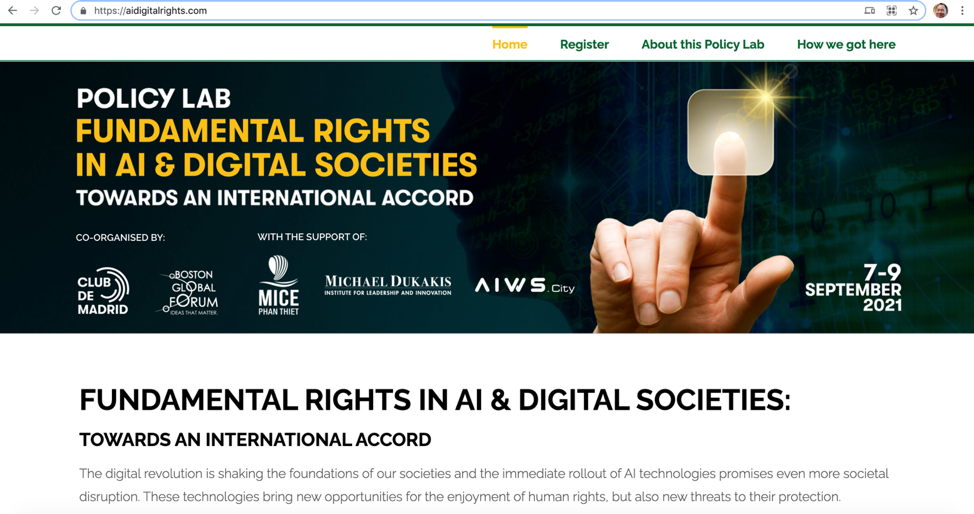
There are Heads of States and Governments (both current and former) that will attend and speak at the Policy Lab An AI International Accord – Toward an Age of Global Enlightenment, co-organized by Boston Global Forum and Club de Madrid, September 7-9, 2021. This event will discuss an AI International Accord and the book Remaking the World – Toward an Age of Global Enlightenment.
For more details: https://aidigitalrights.com/
Digital transformation is rapidly altering the panorama for fundamental rights around the world. Digital technologies and artificial intelligence (AI) create new opportunities for the enjoyment of human rights, as well as new threats to their protection. They also bring about new concepts of rights and obligations, directly arising from the relationship between citizens and technology. Governing this transformation, with the protection of fundamental rights as a central objective, requires a new approach to public policy, in line with the systemic changes occurring in society, the economy and international relations. While there have been attempts to articulate principles for an approach to the governance of digital societies based on the protection of fundamental rights, the international community has yet failed to define and adopt a common framework. With the invaluable support of NovaWorld Phan Thiet / Phan Thiet MICE Competition and partnership of the Boston Global Forum (BGF), Club de Madrid seek to contribute to global consensus-building around a rights-based agenda for the governance of digital societies. This initiative will feed into the work of the AI World Society (AIWS.net), an innovation network created by BGF to put forward new principles for governance in the age of AI. In partnership with UN Academic Impact, BGF and the AI World Society have launched the UN Centennial Initiative, UN100: Remaking the World – Toward an Age of Enlightenment, for which they will continue to develop and promote models for a Social Contract for the AI Age and an AI International Accord, using the AIWS City as a sandbox to put their ideas into practice.
by Editor | Aug 8, 2021 | News
After publishing the book Remaking the World – Toward an Age of Global Enlightenment, the United Nations Centennial Initiative established the Global Enlightenment Community to develop and implement concepts and principles of the book.
Core members of the Global Enlightenment Community are Distinguished Contributors to Remaking the World – Toward an Age of Global Enlightenment and others that work toward these goals.
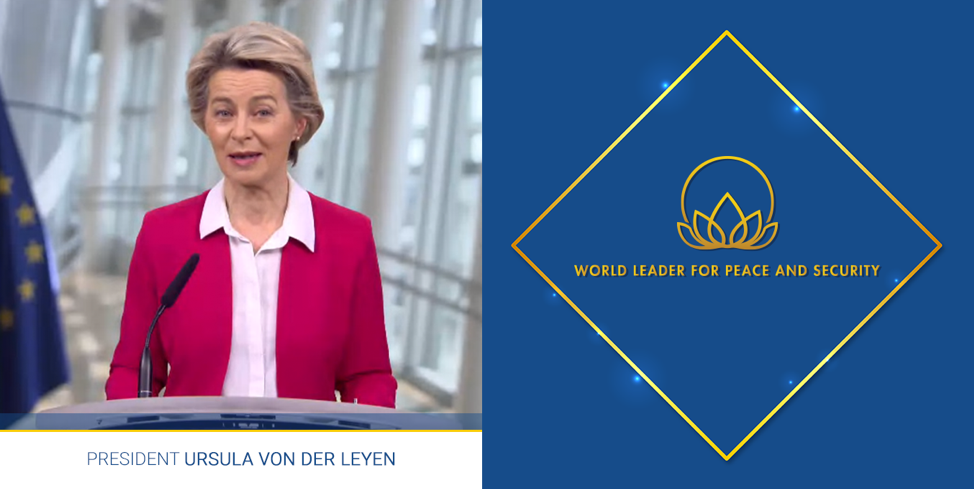
There are policy makers, thought leaders, scholars, creators, and innovators in the Global Enlightenment Community. Distinguished Contributors to Remaking the World – Toward an Age of Global Enlightenment include European Commission President Ursula von der Leyen, Father of the Internet Vint Cerf, 2020 World Leader in AIWS Award recipient Judea Pearl, Father of Soft Power Joseph Nye. Speakers of BGF-Club de Madrid Policy Lab, including former head of states and governments, will play an important role in the Global Enlightenment Community.
by Editor | Aug 8, 2021 | Event Updates
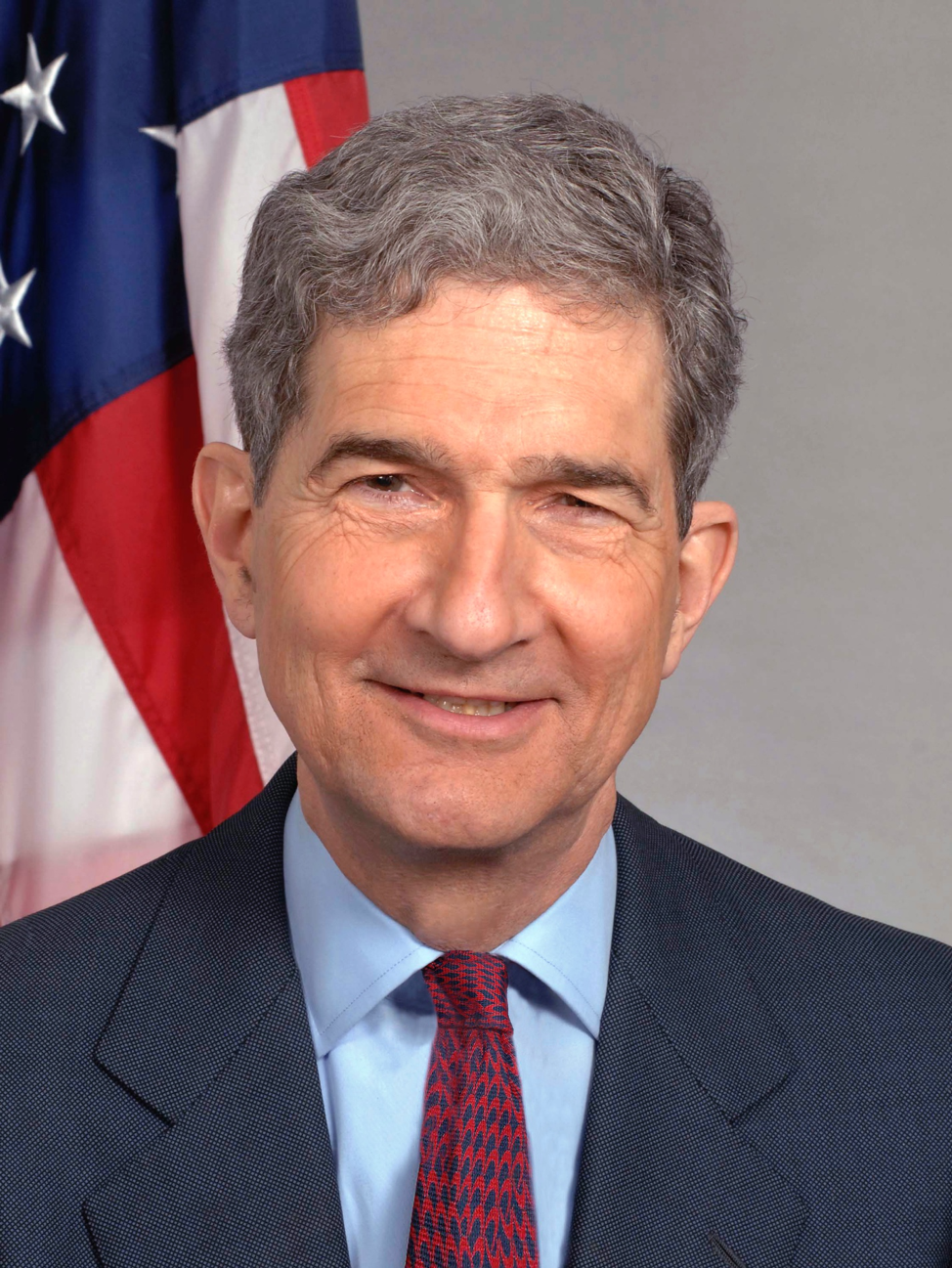
Cameron Kerry will be a lead speaker at the Plenary III: Current frameworks and agreements for AI International Accord of the Policy Lab “Fundamental Rights in AI & Digital Societies: Towards an International Accord”, co-organized by Boston Global Forum and Club de Madrid
DAY 2 – September 8, 15:00-17:30 CEST
15:00 – 15:05 Introduction
15:05 – 16:05 Plenary III: Current frameworks and agreements for AI International Accord
Facilitator: Véronique Choquette, Senior Policy & Programme Development Advisor at Club de Madrid
Lead speakers:
- Nazli Choucri, Boston Global Forum Board Member and Professor of Political Science at the Massachusetts Institute of Technology (MIT)
- Cameron Kerry, Former Acting Secretary of Commerce, USA
Panel discussion
- Doris Leuthard, President of the Swiss Confederation (2010 and 2017), Member of Club de Madrid
- Danilo Türk, President of Slovenia (2007-2012), President of Club de Madrid
- Nazli Choucri, Boston Global Forum Board Member and Professor of Political Science at the Massachusetts Institute of Technology (MIT)
- Cameron Kerry, Former Acting Secretary of Commerce, USA
- Andrew W. Wyckoff, Director for Science, Technology and Innovation, OECD
- Jutta Treviranus, Professor and Director of Inclusive Design Institute, OCAD University
Please join the Policy Lab by registering here: https://aidigitalrights.com/
by Editor | Aug 8, 2021 | News
Resources, coordinated by Boston Global Forum and AI World Society (AIWS), to protect fundamental values and standards proposed in the Social Contract for the AI Age, are in the AI International Accord and in the book Remaking the World – Toward an Age of Global Enlightenment.
- Governments
- Organizations and Institutions
- Companies
- Influencers and Creators
- Enlightenments Educators
- Thinkers, Scientists and Tech Innovators
- Artists
We name the resources of the list above “Enlightnow”. From now on, we will use the word “Enlightnow” to refer to these resources.
Enlightnow are very significant resources in assisting AI and a digital sphere for good. Global Alliance for Digital Governance (GADG) will make Enlightnow more effective, synthesizing and maximizing their impact.
by Editor | Aug 1, 2021 | News
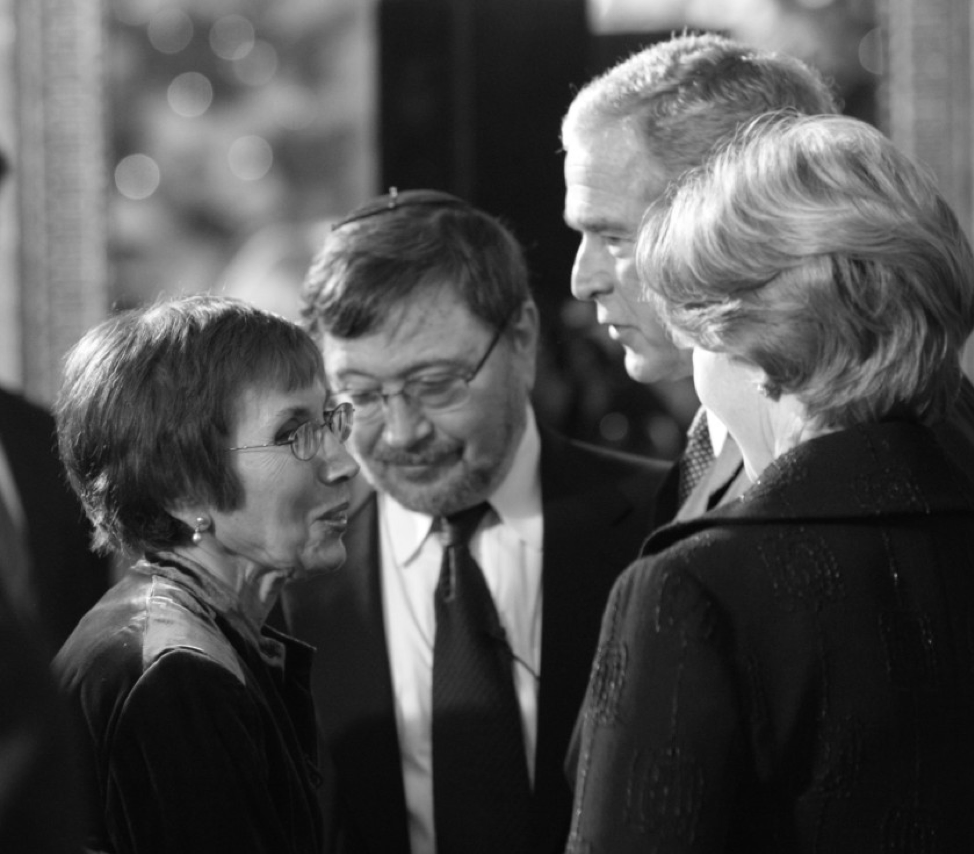
Ruth Pearl, the mother of slain Wall Street Journal reporter Daniel Pearl who turned the profound and lasting agony of losing a son into a life of activism, outreach and bridging cultural divides, has died at her home in Los Angeles.
Pearl, who died July 20, had been suffering from pulmonary difficulties. She was 85.
Mrs. Pearl, who was born in Iraq, was a retired software developer living in Los Angeles when Daniel, 38, The Journal’s South Asia bureau chief, was kidnapped while reporting in Karachi. Despite pleas from his parents and desperate efforts to win his release by the U.S. government, his kidnappers beheaded him on Feb. 1, 2002, recording a video of his last words — “My father’s Jewish, my mother’s Jewish, I’m Jewish.”
She was the wife of Professor Judea Pearl, a mentor and leader of Section “Modern Causal Inference” of AIWS.net and 2020 World Leader in AIWS Award. He is a distinguished contributor to the book “Remaking the World – Toward an Age of Global Enlightenment”.
Judea Pearl said his wife was a fast and firm believer in the pressing need to bridge cultural differences.
“I worry about the next generation,” Ruth Pearl told The Times in 2007. “If we don’t address this now, what will become of us? What will become of our children?”
Boston Global Forum and AIWS.net send our deep condolences to Professor Judea Pearl.
by Editor | Aug 1, 2021 | News
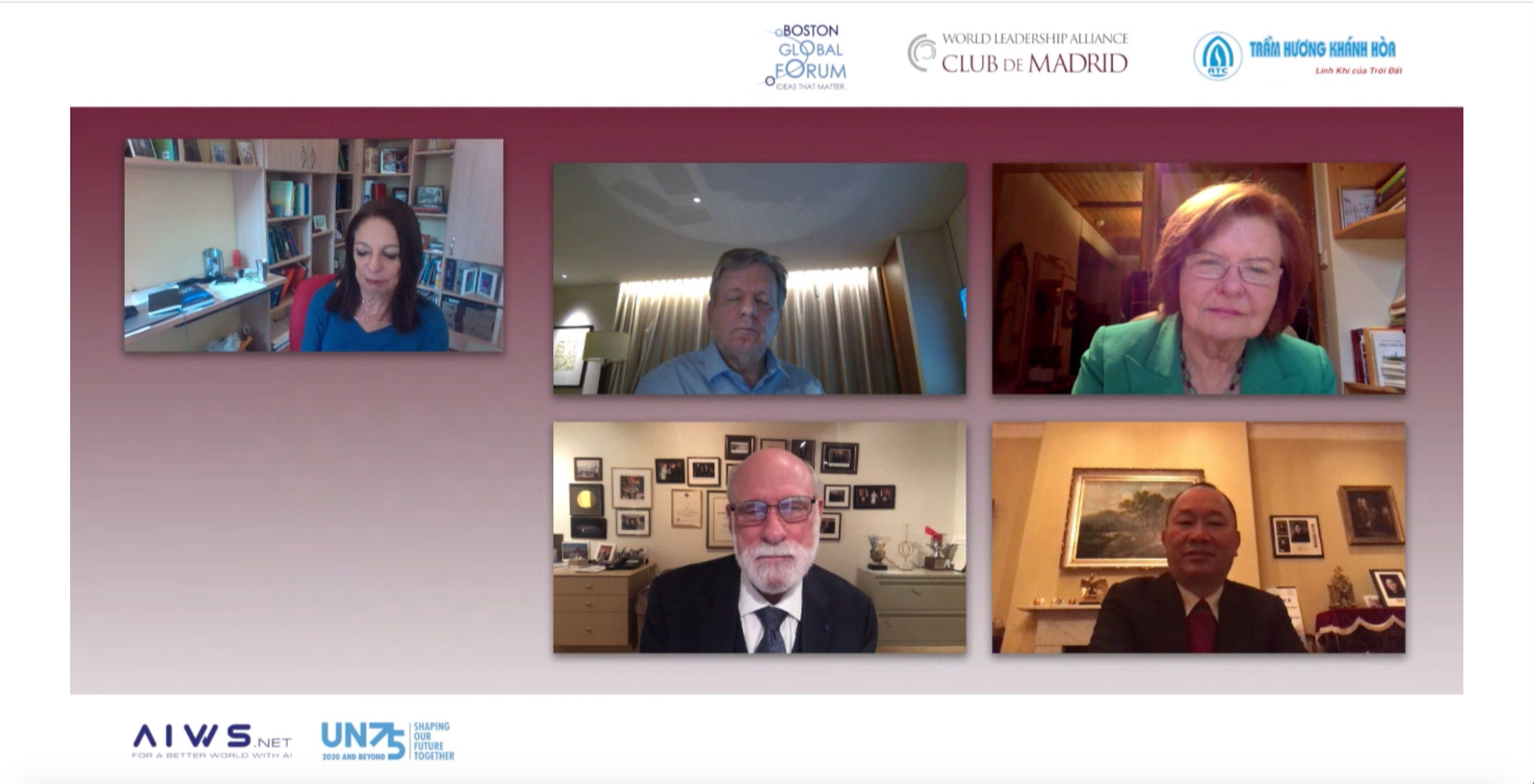
Club de Madrid and its members support Remaking the World – Toward an Age of Global Enlightenment, its core concepts are the Social Contract for the AI Age, AI International Accord, Global Alliance for Digital Governance, AI World Society (AIWS) Ecosystem, and AIWS City.
Former PM Zlatko Lagumdzija, a distinguished contributor of the book and member of Club de Madrid, will bring a plan for former presidents, former prime ministers of democratic nations to get their supports and advices, especially in Global Alliance for Digital Governance.
They are core of global enlightenment community at AIWS City to inspire practice of AIWS Values for Remaking the World.
A 5-year Partnership (2021 – 2026), BGF and Club de Madrid will collaborate to implement concepts and principles of the book. In 2021, the book will be presented and introduced at the Online BGF – Club de Madrid Policy Lab on September 7-9 and at Club de Madrid’s Policy Dialog in Washington DC On October 27-28.
BGF and Club de Madrid call and encourage people to join this program through initiatives, solutions, and action plans.
Please contact us through email [email protected]
by Editor | Aug 1, 2021 | News
AIWS City is honored to implement and develop concepts from Remaking the World – Toward an Age of Global Enlightenment.
Distinguished Contributors are the core of global enlightenment community. They are
Shinzō Abe, Prime Minister of Japan (9/2006-9/2007, 12/2012-9/2020), 2015 World Leader for Peace and Security Award.
Ashton Carter, Former U.S. Secretary of Defense, Director of the Belfer Center for Science and International Affairs, Belfer Professor of Technology and Global Affairs, Harvard University.
Vint Cerf, “Father of the Internet”, Vice President and Chief Internet Evangelist for Google, Co-author of Social Contract for the AI Age, 2019 World Leader in AI Society Award.
Nazli Choucri, Professor of Political Science, MIT, Boston Global Forum Board Member.
Ramu Damodaran, Chief of the United Nations Academic Impact (UNAI), Co-Chair of the United Nations Centennial – BGF and UNAI Initiative in Honor of the United Nations 2045 Centenary.
Michael Dukakis, Former Governor of Massachusetts, Chairman of the Michael Dukakis Institute for Leadership and Innovation, Co-Founder and Chairman of the Boston Global Forum, Co-Founder of the AI World Society.
Eva Kaili, Member of the European Parliament, Chair of the European Parliament’s Science and Technology Options Assessment Panel (STOA), Chair of the Centre for Artificial Intelligence (C4AI), Head of the Hellenic S&D delegation.
Robin Kelly, U.S. Representative (D-IL 2nd District), Vice Chair of the House Energy and Commerce Committee, Member of the House Committee on Oversight and Reform.
Ban Ki-Moon, Secretary-General of the United Nations (1/1/2007 – 31/12/2016), Lead the UNESCO Global Education First Initiative, 2016 World Leader for Peace and Security Award.
Didzis Kļaviņš, Senior Researcher, University of Latvia.
Taro Kono, Japanese Minister of Defense (9/2019 – 9/2020), Member of the House of Representatives, Japan.
Zlatko Lagumdžija, Former Prime Minister and Former Foreign Minister of Bosnia-Herzegovina, World Leadership Alliance – Club de Madrid (WLA-CdM) Member, Member of the History of AI Board, AIWS.
Stavros Lambrinidis, Ambassador of the European Union to the United States, 2021 World Leader in AI World Society Award.
Ursula von der Leyen, President of the European Commission, 2020 World Leader for Peace and Security Award.
Yasuhide Nakayama, Japanese Defense State Minister, Member of the House of Representatives, Japan, Head of Japan’s Liberal Democratic Party’s Foreign Affairs Division, Mentor of AIWS.net.
Paul Nemitz, Director for Fundamental Rights and Union citizenship in the Directorate-General for JUSTICE of the European Commission, co-author of the AIWS-G7 Summit Initiative 2019.
Nguyễn Anh Tuấn, CEO of the Boston Global Forum, Director of the Michael Dukakis Institute for Leadership and Innovation, Co-Founder of the AI World Society, Founder and former Editor in Chief of VietNamNet.
Andreas Norlen, Speaker of the Swedish Parliament.
Joseph Nye, Harvard University Distinguished Service Professor, Emeritus and former Dean of the Harvard’s Kennedy School of Government, Former Assistant Secretary of Defense for International Security Affairs, Member of Boston Global Forum’s Board of Thinkers.
Žaneta Ozoliņa, professor at the Department of Political Science at the University of Latvia and the Director at the Centre for International Politics, Chairwoman of the Latvian Transatlantic Organization.
Thomas Patterson, Bradlee Professor of Government and the Press, Harvard University, Research Director of The Michael Dukakis Institute for Leadership and Innovation, Co-founder of the Boston Global Forum.
Judea Pearl, Professor of Computer Science and Director of the Cognitive Systems Lab at the University of California, Los Angeles, recipient of the A.M. Turing Award, 2020 World Leader in AI World Society Award.
Alex Pentland, the Toshiba Professor at MIT, Director, MIT Connection Science and Human Dynamics lab, Co-author of Social Contract for the AI Age.
Iain Duncan Smith, Conservative Member of the Parliament of the United Kingdom.
Vaira Vīķe-Freiberga, 6th President of Latvia (1999-2007), President of World Leadership Alliance – Club de Madrid (WLA-CdM) 2013-2019, 2019 World Leader for Peace and Security Award.
The Global Enlightenment Community, with members of AIWS City, will contribute through AIWS Innovations and AIWS University. Their distinguished contribution will be recognized at the AIWS House of Honor.