by Editor BGF | Dec 30, 2024 | News, Shaping Futures
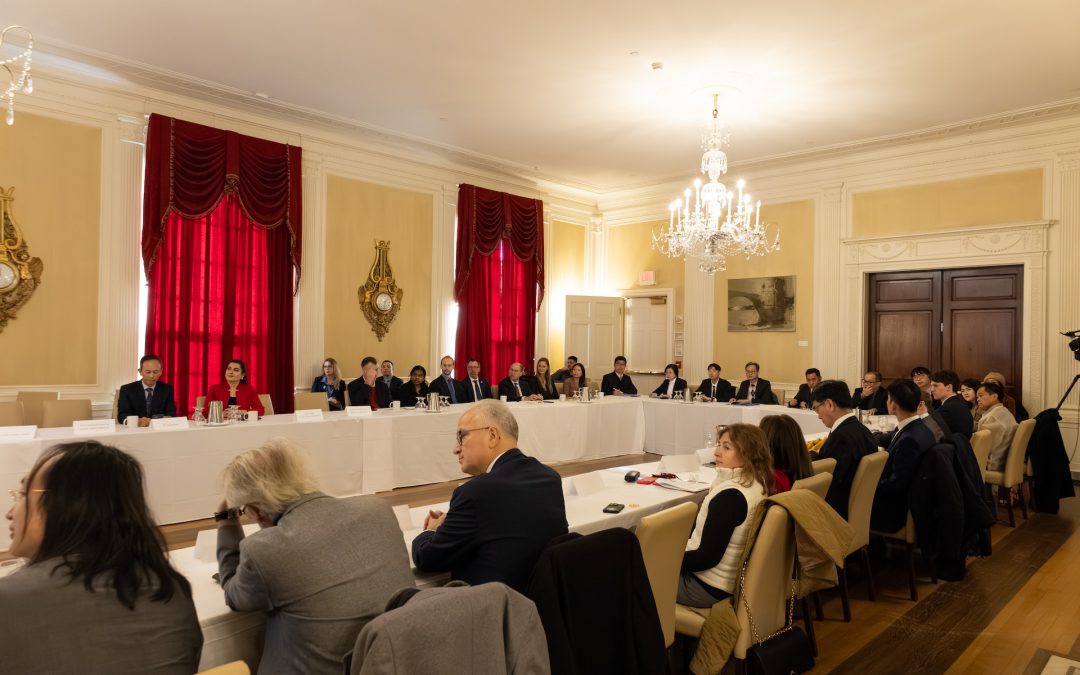
On November 25, 2024, at the “AI World Society (AIWS) – New Democracy” Conference, organized at Harvard University Loeb House, Harvard Distinguished Scholar Bruce Schneier delivered an insightful talk on AI for Politics and Democracy. Schneier discussed the implications of AI on democratic governance and its potential to shape political landscapes globally.
To watch the full talk, visit: Bruce Schneier’s Talk on AI for Politics and Democracy.

by Editor BGF | Dec 30, 2024 | News
The Enlightenment in Action Alliance (EAA) is committed to uniting university students across the world in the effort to leverage Artificial Intelligence (AI) for the greater good. Through collaboration with top universities globally, the EAA encourages youth involvement in developing ethical AI, creating innovative governance models, and shaping the future of AI policy.
The EAA’s activities are organized around four key pillars: US, Japan, EU-UK, and India. Each of these regions contributes uniquely to the mission of the EAA, with students playing an essential role in advancing AI for good, engaging in global dialogues, driving innovation, and contributing to leadership development across borders. Below is a breakdown of how the EAA and its students contribute to these four pillars:
1. US: Innovation and Policy Leadership
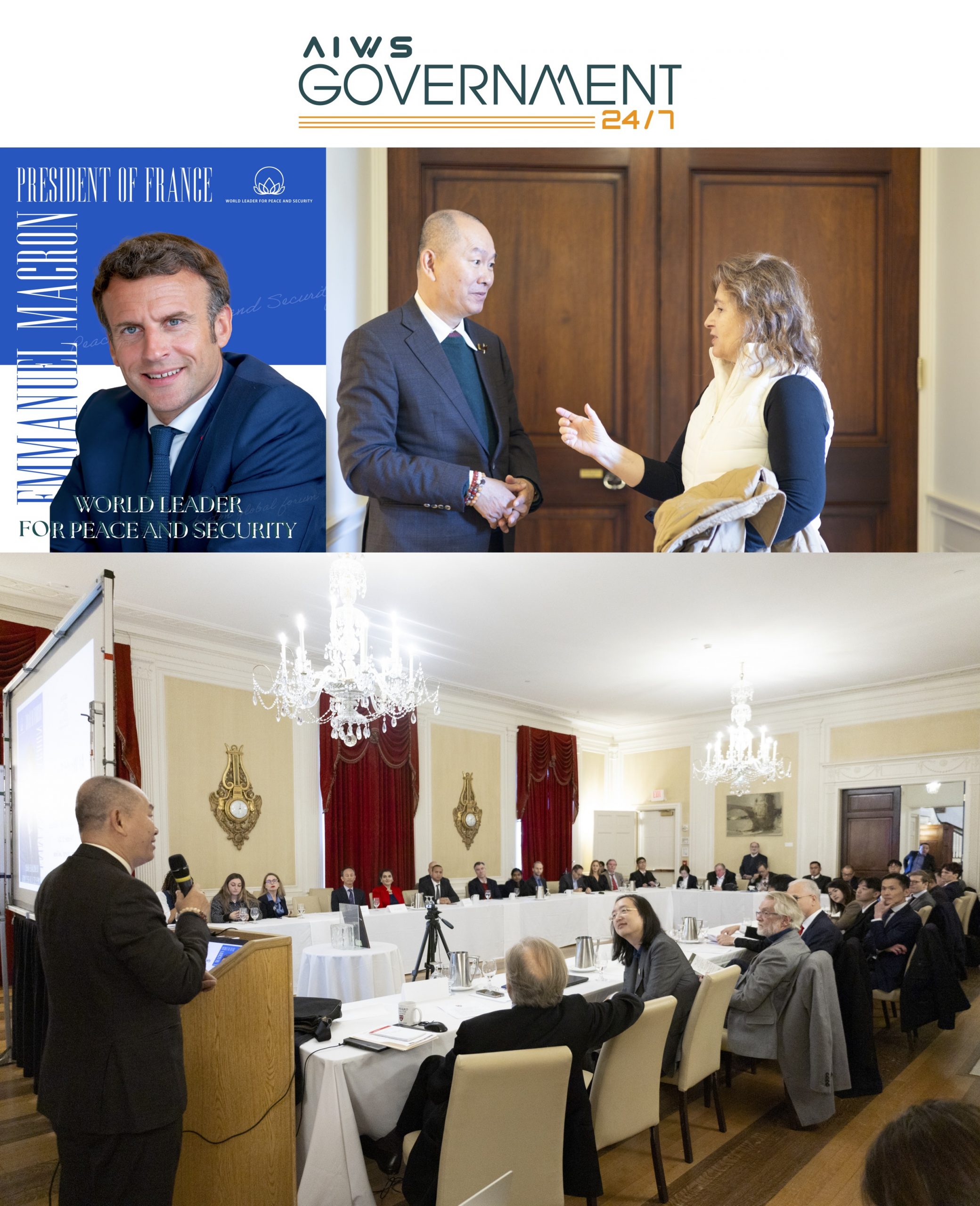
The US pillar focuses on the leadership and policy-making capabilities of students in North America, particularly in the field of AI innovation and regulation. Students from top US universities (e.g., Harvard, MIT, Stanford, Columbia) are heavily involved in shaping AI policy, ethics, and technological development. EAA students in the US collaborate with global tech companies, think tanks, and government agencies to ensure AI is deployed ethically and for the benefit of society. Their contributions also support AIWS Government 24/7, a transformative AI-driven governance model.
2. Japan: Ethical AI and Global Cooperation
The Japan pillar emphasizes the role of students in promoting ethical AI and fostering global cooperation. Under the guidance of Yasuhide Nakayama, Representative of BGF in Japan and Taiwan, and Coordinator of the EAA in the region, Japanese students collaborate with peers from across the world to explore AI solutions that prioritize social equity, responsibility, and compassionate leadership. Japanese universities and institutions are central to advancing AI applications that align with global standards and societal needs. These efforts also aim to strengthen the AIWS Government 24/7 model by embedding Japan’s ethical approach to technology.
3. EU-UK: Shaping Global AI Governance
The EU-UK pillar focuses on shaping the regulatory landscape for AI, with students in Europe and the UK contributing to the development of AI governance frameworks that are both ethical and inclusive. Students from leading universities (e.g., Oxford, Cambridge, University of Paris, ETH Zurich) engage in collaborative research to create AI policies that ensure fairness, transparency, and public trust. The EU is a key player in setting global standards for AI, and through their involvement in the EAA, students are working to ensure that AI remains a tool for the public good, not just in Europe but across the world. They also contribute to the AIWS Government 24/7 initiative, advancing AI-driven governance models that ensure continuous, inclusive service delivery.
4. India: AI for Social Equity and Global Collaboration
The India pillar focuses on ensuring that AI serves the needs of global equity and inclusive development. Students from Indian universities (e.g., IITs, University of Delhi, and JNU) are at the forefront of research into AI for social good, using AI to address challenges such as poverty, access to education, and healthcare in underserved communities. India’s role in the EAA is integral to ensuring that AI benefits all sectors of society. These students also work closely with students from the US, Japan, and EU-UK to build cross-border collaborations that address global challenges. Their efforts contribute to the development of the AIWS Government 24/7 framework, ensuring that AI policies foster global cooperation and societal well-being.
by Editor BGF | Dec 30, 2024 | Shinzo Abe Initiative for Peace and Security, News
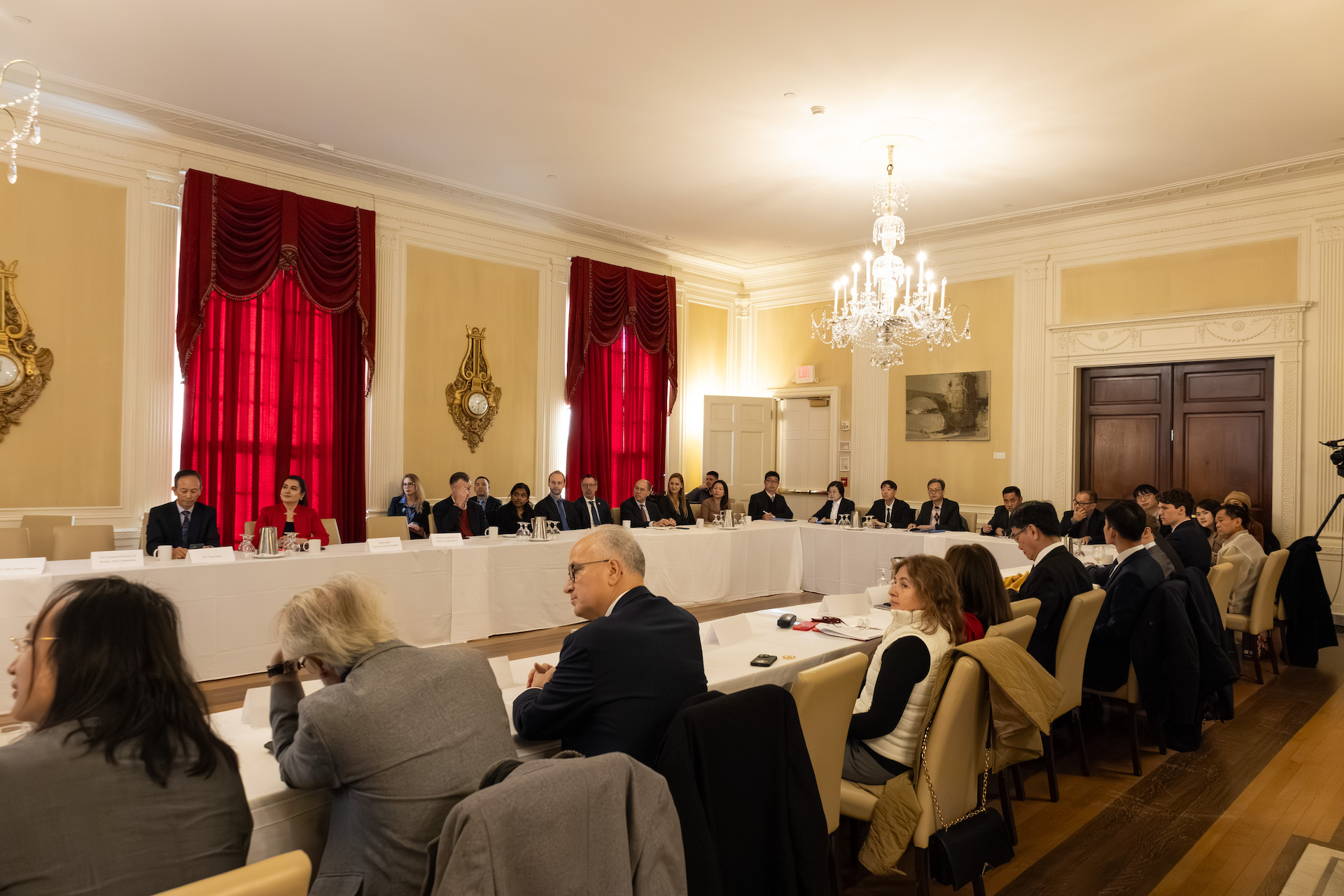
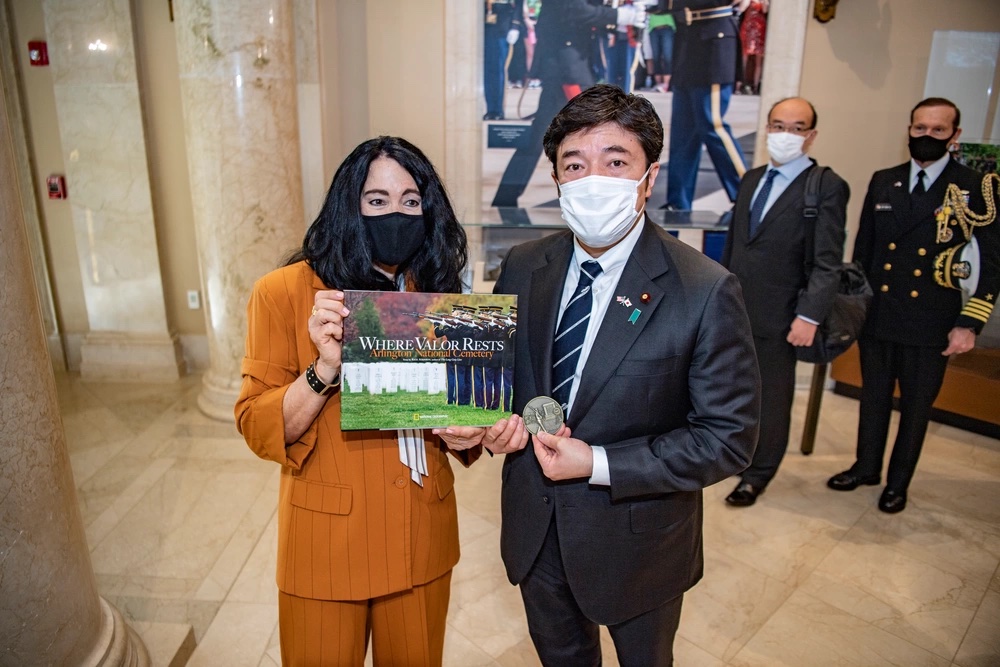
Yasuhide Nakayama, former Japanese State Minister of Foreign Affairs and Defense, Chief of the Shinzo Abe Initiative in East Asia, and Representative of the Boston Global Forum (BGF) in Japan and Taiwan, is the Coordinator of the Enlightenment in Action Alliance (EAA) in the region. He plays a pivotal role in advancing the mission of the EAA by collaborating closely with outstanding students from leading universities in Tokyo, Japan, and Taiwan. Nakayama actively fosters their engagement in global AI initiatives and ethical leadership development. Through his leadership, he is empowering the next generation of leaders to contribute to AI-driven solutions for a better world, ensuring that the core principles of innovation, responsibility, and inclusivity are strongly reflected in the region.

by Editor BGF | Dec 30, 2024 | Global Alliance for Digital Governance
Boston Areti AI (BAI) is an advanced AI initiative designed to assist leaders by continuously learning from extraordinary individuals, preserving their legacies, and offering strategic insights for governance and personal well-being. BAI’s scope extends beyond formal leadership support to enhance leaders’ personal lives with compassion, humanity, and joy—aligning with the values of the AI World Society (AIWS). To achieve these multifaceted goals, BAI is structured into four groups, each with distinct responsibilities and expert members.
Technology Group
The Technology Group will be responsible for the development and maintenance of the Boston Areti AI (BAI) infrastructure. This group will focus on advancing machine learning models, integrating cutting-edge AI technologies, and ensuring scalability and security. Key tasks include:
- Developing AI algorithms for leadership insights and decision-making support.
- Integrating advanced AI tools and frameworks such as OpenAI‘s API and other innovative technologies.
- Ensuring continuous AI training and optimization for enhanced performance over time.
Knowledge Platform Group
The Knowledge Platform Group will curate and manage the knowledge base that feeds into BAI. This group will be tasked with gathering relevant content, historical data, and leadership insights to enhance BAI‘s capabilities. Responsibilities include:
- Curating reliable content from a diverse range of thought leaders and historical figures.
- Managing a database of decision-making processes, leadership philosophies, and ethical frameworks.
- Collaborating with the Connect and Learn from Outstanding Leaders, Thinkers group to integrate expert knowledge into BAI.
Connect and Learn from Outstanding Leaders, Thinkers Group
The Connect and Learn from Outstanding Leaders, Thinkers Group will focus on identifying and collaborating with visionary leaders, thinkers, and innovators. This group will be dedicated to gathering personal insights from extraordinary leaders to enhance BAI‘s ability to emulate effective leadership. Key activities include:
- Engaging with leaders from various sectors to learn from their experiences.
- Organizing interviews, roundtables, and workshops to deepen BAI‘s knowledge of ethical leadership.
- Ensuring that BAI continuously evolves by emulating the values, decision-making processes, and strategic insights of these leaders.
Media and Sponsorship Group
The Media and Sponsorship Group will manage communication, outreach, and sponsorship initiatives for BAI and its associated programs. This group will be responsible for building strategic partnerships, securing funding, and amplifying the visibility of BAI. Responsibilities include:
- Creating and executing media strategies to promote BAI and its initiatives.
- Securing sponsorship and funding from organizations and individuals aligned with BAI‘s mission.
- Managing public relations, media campaigns, and event sponsorships to support the growth and impact of BAI.
For more details, please contact: [email protected]

by Editor BGF | Dec 22, 2024 | News

by Editor BGF | Dec 22, 2024 | News
President Volodymyr Zelensky, 2022 World Leader for Peace and Security Award recipient, said that the main topics of talks with European Commission President Ursula von der Leyen were the negotiation process on Ukraine’s accession to the EU and the use of frozen Russian assets.
“2025 will be a crucial year for Ukraine and its partners. We will stand by Ukraine’s right to fight for its freedom and choose its own destiny. We will support Ukraine’s economic stability, with over €30 billion of EU support next year,” von der Leyen stated.
One of BGF’s flagship programs, the Four Pillars for Peace and Security, brings together key global players including the United States, Japan, the European Union and the United Kingdom, and India. In today’s increasingly unstable world, the Four Pillars initiative serves as a vital framework for cooperation and strategic alignment among these influential nations. Additionally, BGF proudly incorporates the Shinzo Abe Initiative for Peace and Security, honoring the legacy of Japan’s former Prime Minister and his contributions to international stability and diplomatic relations.
https://euromaidanpress.com/2024/12/19/zelenskyy-and-von-der-leyen-discuss-eu-accession-and-financial-aid-in-brussels/
President Volodymyr Zelensky said that the main topics of talks with European Commission President Ursula von der Leyen were the negotiation process on Ukraine’s accession to the EU and the use of frozen Russian assets.
by Editor BGF | Dec 22, 2024 | News
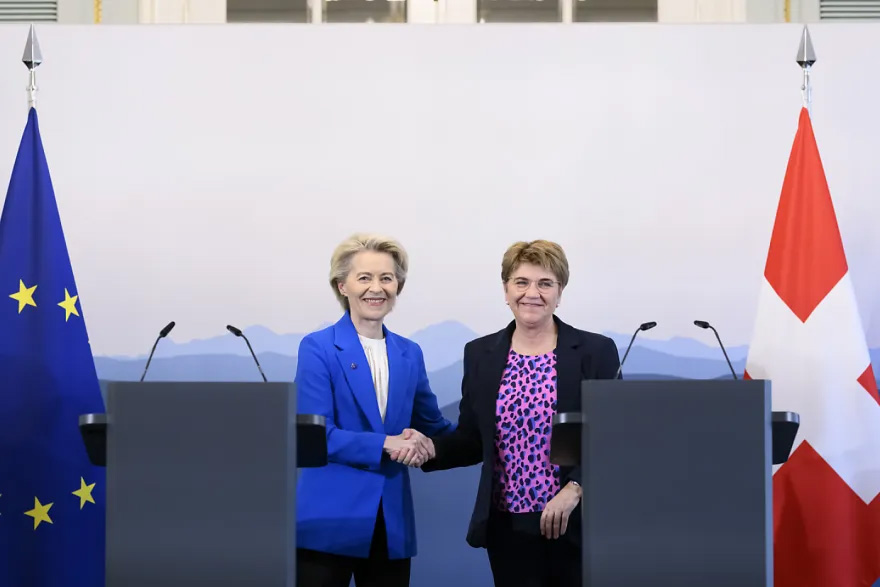
The European Commission president, 2020 World Leader for Peace and Security Award recipient, has pledged to boost the EU’s ability to compete with the U.S. and China.
https://www.politico.eu/article/ursula-von-der-leyen-mission-europe-economy/
by Editor BGF | Dec 22, 2024 | News, Shaping Futures
OpenAI saved its biggest announcement for the last day of its 12-day “shipmas” event.
On Friday, December 20, the company unveiled o3, the successor to the o1 “reasoning” model it released earlier in the year. o3 is a model family, to be more precise — as was the case with o1. There’s o3 and o3-mini, a smaller, distilled model fine-tuned for particular tasks.
OpenAI makes the remarkable claim that o3, at least in certain conditions, approaches AGI — with significant caveats. More on that below.
https://techcrunch.com/2024/12/20/openai-announces-new-o3-model/
by Editor BGF | Dec 22, 2024 | Shinzo Abe Initiative for Peace and Security, News
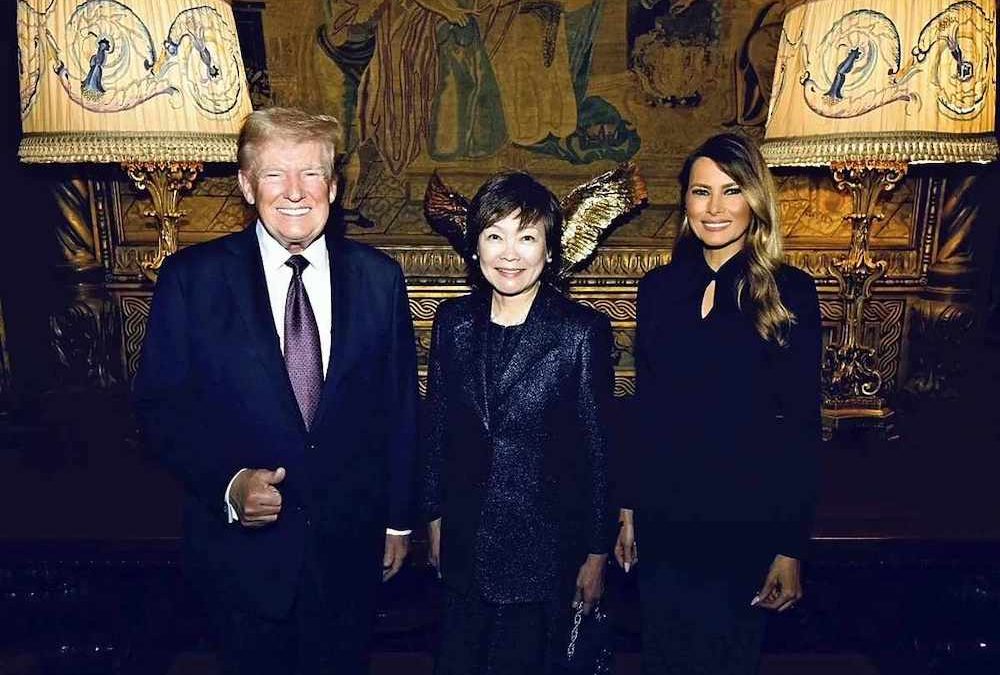
U.S. President-elect Donald Trump reportedly discussed the security environment surrounding China and Taiwan when he met with Akie Abe, the widow of late former Prime Minister Shinzo Abe, earlier this month.
According to sources, Trump said during the meeting, with a Taiwan contingency in mind, that China and Taiwan are a major issue for world peace. This indicated his administration’s stance of placing importance on dealing with the situation in Taiwan.
Trump and his wife Melania invited Abe to dinner at their Mar-a-Lago estate in Florida on Dec. 15. Trump and Abe talked about their memories of Shinzo Abe, and the conversation also touched on global affairs, including Taiwan.
https://japannews.yomiuri.co.jp/politics/politics-government/20241222-229166/
https://japannews.yomiuri.co.jp/world/us-canada/20241216-228130/