by Editor BGF | Jan 20, 2025 | AI Action Summit, News, Shaping Futures
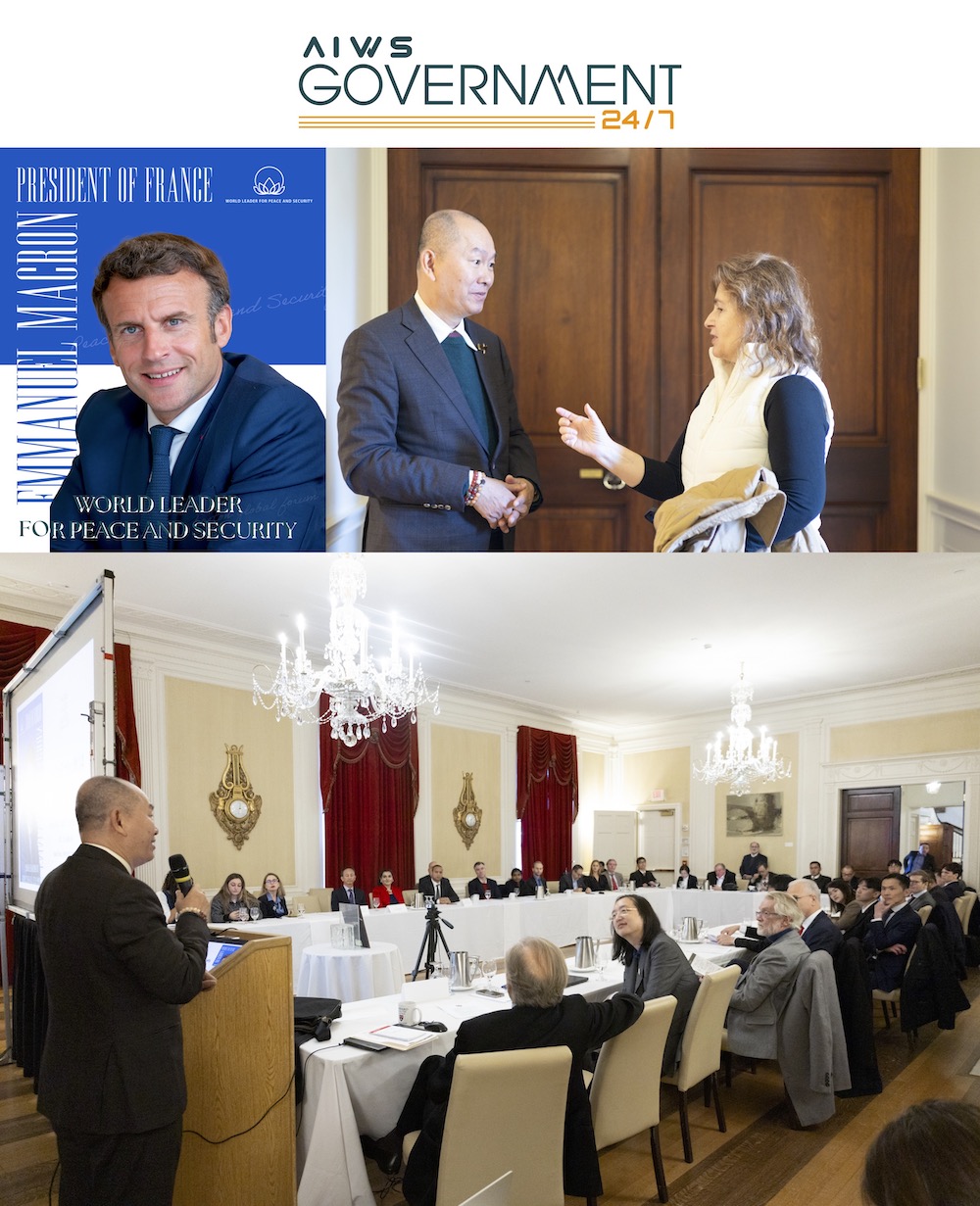
On the Road to the AI Action Summit in Paris, the Enlightenment in Action Alliance (EAA), a distinguished network of outstanding students from top universities including Harvard, MIT, Stanford, Berkeley, Princeton, Columbia, UCLA, Georgetown, Chicago, Oxford, Cambridge, and Paris PSL, will engage in a significant dialogue with President Macron and world leaders attending the AI Action Summit. The EAA, mentored and sponsored by the Boston Global Forum, focuses on building the AIWS Government 24/7 and contributing to the creation of a Special Program entitled “Make a New Paris of Enlightenment.”
This program aims to provide solutions to help France leapfrog in AI development and catch up with the world’s leading AI nations. The outcome of these dialogues will be presented at the AI Action Summit in Paris, where the special event “Government 24/7: How AI Might Best Transform Governance” will take place on February 11, 2025, as a special gift to President Macron and the French people.
This collaboration marks a pivotal moment in the global conversation on AI governance, fostering innovative ideas and partnerships to implement AI for a better future.

by Editor BGF | Jan 20, 2025 | Shinzo Abe Initiative for Peace and Security, News
Mark Kennedy
An issue getting scant attention should be among the most pressing concerns for the US. Preserving our innovation and technological edge and leadership is imperative to our economic success and to our national security. Yet that leadership faces significant threats, which are being all but ignored in the national discussion.
Warning signs have been flashing red when it comes to technological innovation, particularly in the competition with the People’s Republic of China (PRC). America’s leadership in this crucial area is at greater risk than any time since President John F. Kennedy’s call to win the space race some six decades ago.
China is now more a peer competitor economically, militarily, and diplomatically than many believe, and technology is driving its advances. Naïve arrogance keeps too many Americans from seeing that the PRC has become a tech powerhouse and, in worrisome ways, a tech threat.
Please see full here:
https://www.wilsoncenter.org/article/red-flags-tech-race-america-must-act-now-preserve-its-innovation-edge
by Editor BGF | Jan 20, 2025 | World Leader for Peace and Security, World Leaders in AIWS Award Updates
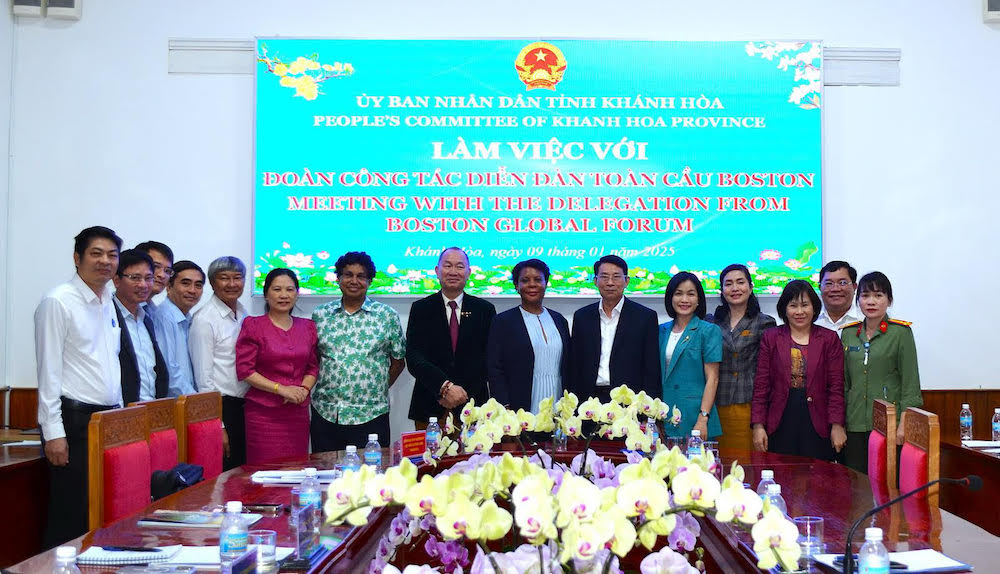
On January 9, 2025, Professor Alondra Nelson, member of the U.S. National Science Board and World Leader in AIWS Award recipient, visited Nha Trang-Khanh Hoa, Vietnam, where she engaged in insightful discussions with local government leaders. During the meeting, the leaders of Nha Trang-Khanh Hoa expressed their profound respect for Professor Nelson’s work and confirmed their support for the AIWS Government 24/7 Initiative, launched by the Boston Global Forum. They also announced their intention to host an annual international conference on AIWS and the AIWS Government 24/7 model starting in 2025, becoming the first government to formally recognize and back this transformative initiative.
This roundtable discussion was part of the “On the Road to the AI Action Summit,” set to take place in Paris on February 10-11, 2025. The meeting came at a crucial time, coinciding with a national conference led by the highest-ranking political leaders in Vietnam. On January 13, 2025, the Secretary-General of the Party, To Lam, chaired a pivotal nationwide meeting to implement the 57 Resolution on Science, Technology, and Digital Transformation, involving key leaders at both the central and local levels.
Later that day, on January 13, Alondra Nelson visited Da Nang, a major hub for Vietnam’s digital transformation. She recommended ideas to help develop science, technology, and digital transformation, engaging in productive discussions with city leaders. This marked the first local government-level discussion in Vietnam on deploying science, technology, and digital transformation under the 57 Resolution. Da Nang also expressed a strong interest in hosting an international conference focused on AIWS Government 24/7.
These meetings and ongoing dialogues highlight the growing support for the AIWS Government 24/7 initiative across Vietnam and underscore the country’s commitment to building the AI World Society (AIWS) to create a better world powered by AI.

by Editor BGF | Jan 20, 2025 | News
President-elect Donald Trump said Sunday that he plans to issue an executive order that would give TikTok’s China-based parent company more time to find an approved buyer before the popular video-sharing platform is subject to a permanent U.S.ban.
Trump announced the decision in a post on his Truth Social account as millions of TikTok users in the U.S. awoke to discover they could no longer access the TikTok app or platform. Google and Apple removed the app from their digital stores to comply with a federal law that required them to do so if TikTok parent company ByteDance didn’t sell its U.S. operation to an approved buyer by Sunday.
He said his order would “extend the period of time before the law’s prohibitions take effect” and “confirm that there will be no liability for any company that helped keep TikTok from going dark before my order.
“Americans deserve to see our exciting Inauguration on Monday, as well as other events and conversations,” Trump wrote.
https://apnews.com/article/tiktok-ban-trump-biden-china-bdc79b7ce741a81761f67ea56d410103
by Editor BGF | Jan 20, 2025 | Global Alliance for Digital Governance, AI Action Summit
As global efforts intensify to build the AI World Society (AIWS), nations and organizations worldwide are coming together to support the AIWS Government 24/7 initiative, which aims to reshape governance through artificial intelligence. This historic collaboration was highlighted at the upcoming AI Action Summit in Paris.
USA:
The Boston Global Forum (BGF) and the Wilson Center’s Wahba Institute for Strategic Competition under the leadership of Hon. Mark Kennedy, are pivotal in advocating for the AIWS Government 24/7 model. Their strategic collaboration calls on global leaders to implement AI-driven governance for greater efficiency, transparency, and societal benefits.
Vietnam:
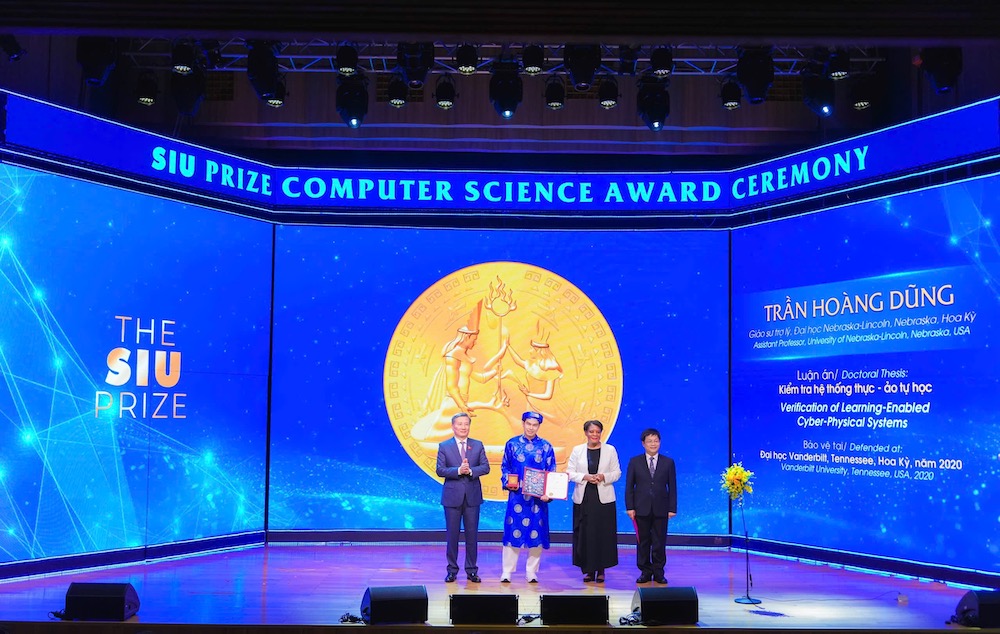
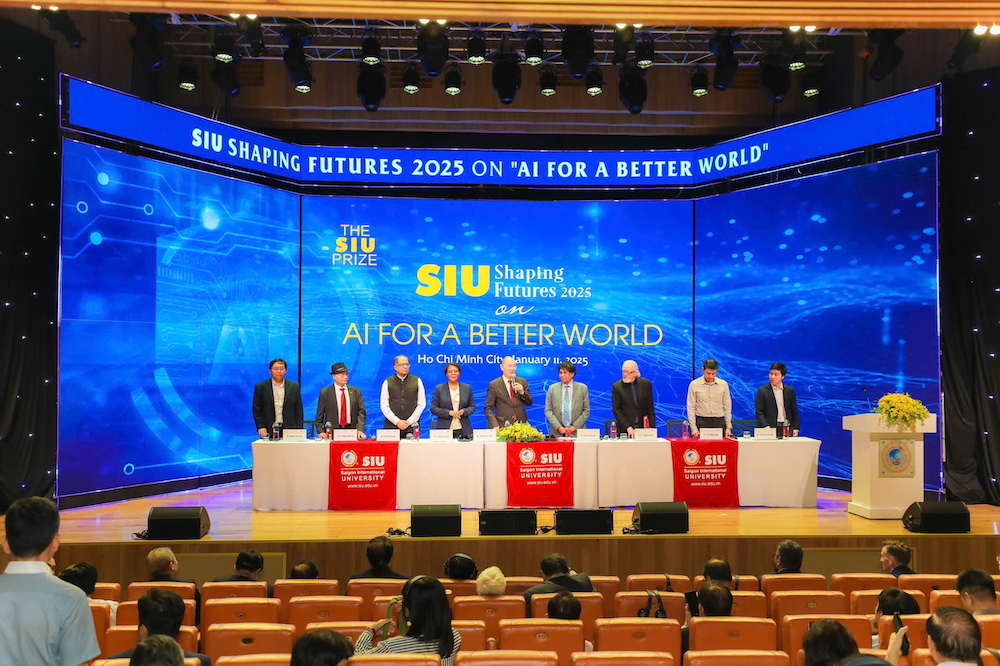
In a landmark move, the Nha Trang Khanh Hoa government became the first to officially endorse the AIWS Government 24/7 initiative, and expressed their readiness to host an international conference on the model. At the Saigon International University (SIU) Prize Computer Science Award Ceremony and the SIU Shaping Futures Conference on “AI for a Better World,” attendees, including SIU Prize Laureates, scientists, and scholars, urged governments, businesses, and academic institutions worldwide to join forces in realizing the AIWS Government 24/7 and the Boston Areti AI (BAI) model.
India:
India, through iSPIRT, is making significant contributions to the technical development of AIWS Government 24/7, providing critical solutions like the Digital Public Infrastructure (DPI) and Citizen Stack to build AI-driven governance.
Japan:
The Shinzo Abe Initiative will also contribute to the AI Action Summit in February 2025, demonstrating Japan’s strong commitment to supporting AIWS Government 24/7 and the ongoing global cooperation to integrate AI into governance.
This collaborative international effort underscores the growing support for AIWS Government 24/7 as a model for a new era of governance, fostering global peace, prosperity, and stability through the power of AI.

by Editor BGF | Jan 20, 2025 | AI Action Summit, News
The Boston Global Forum (BGF) is proud to co-organize two major events as part of the AI Action Summit, which will take place in Paris on February 10-11, 2025.
The first event, titled “Government 24/7: How AI Might Best Transform Governance”, will be held on February 11, 2025. This hybrid event, with its main venue in Paris, will be connected globally to cities including Boston, Washington DC, Tokyo, Taipei, Nha Trang, New Delhi, and Cabo Verde. The agenda includes a Special Report on Government 24/7 and a New Paris of Enlightenment, and Statement of Dialogs from outstanding students of leading universities such as Harvard, MIT, Stanford, Berkeley, Georgetown, Columbia, Princeton, Chicago, UCLA, Cambridge, Oxford, Paris PSL, alongside world leaders discussing “Toward a New Paris of Enlightenment”.
In addition, the second event, “AI Action Summit: Transforming Governance in the Age of AI”, marks the beginning of a series of events On the Road to the AI Action Summit, which started on January 4, 2025.
These events will serve as pivotal moments in shaping global discussions on the future of AI governance, focusing on leveraging artificial intelligence for the betterment of society and creating more effective, inclusive, and transparent governance worldwide.
by Editor BGF | Jan 13, 2025 | News, Shaping Futures
Ho Chi Minh City, January 11, 2025
Saigon International University (SIU)
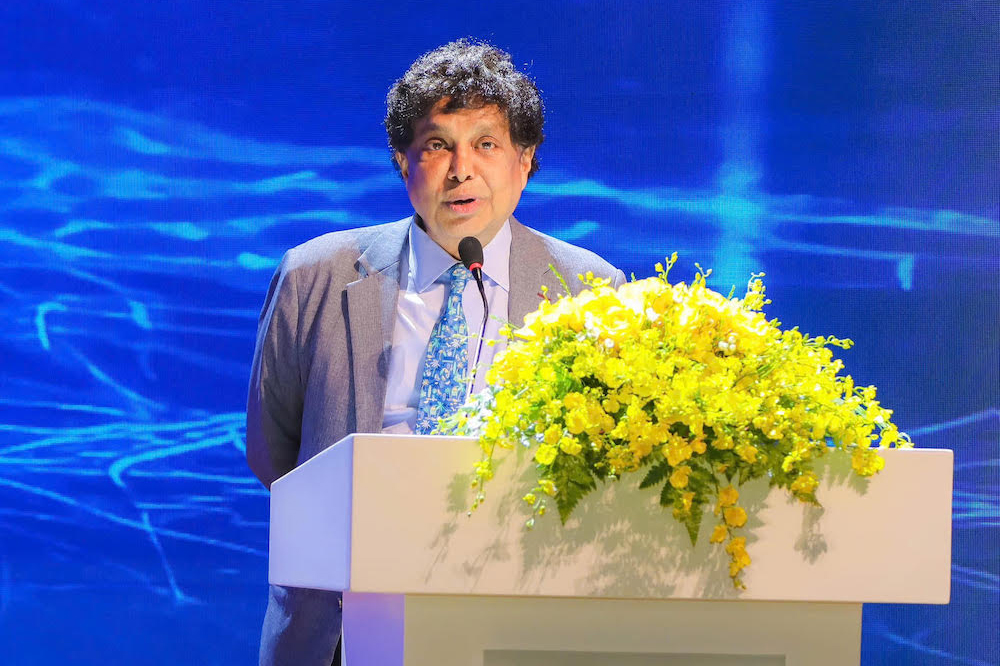
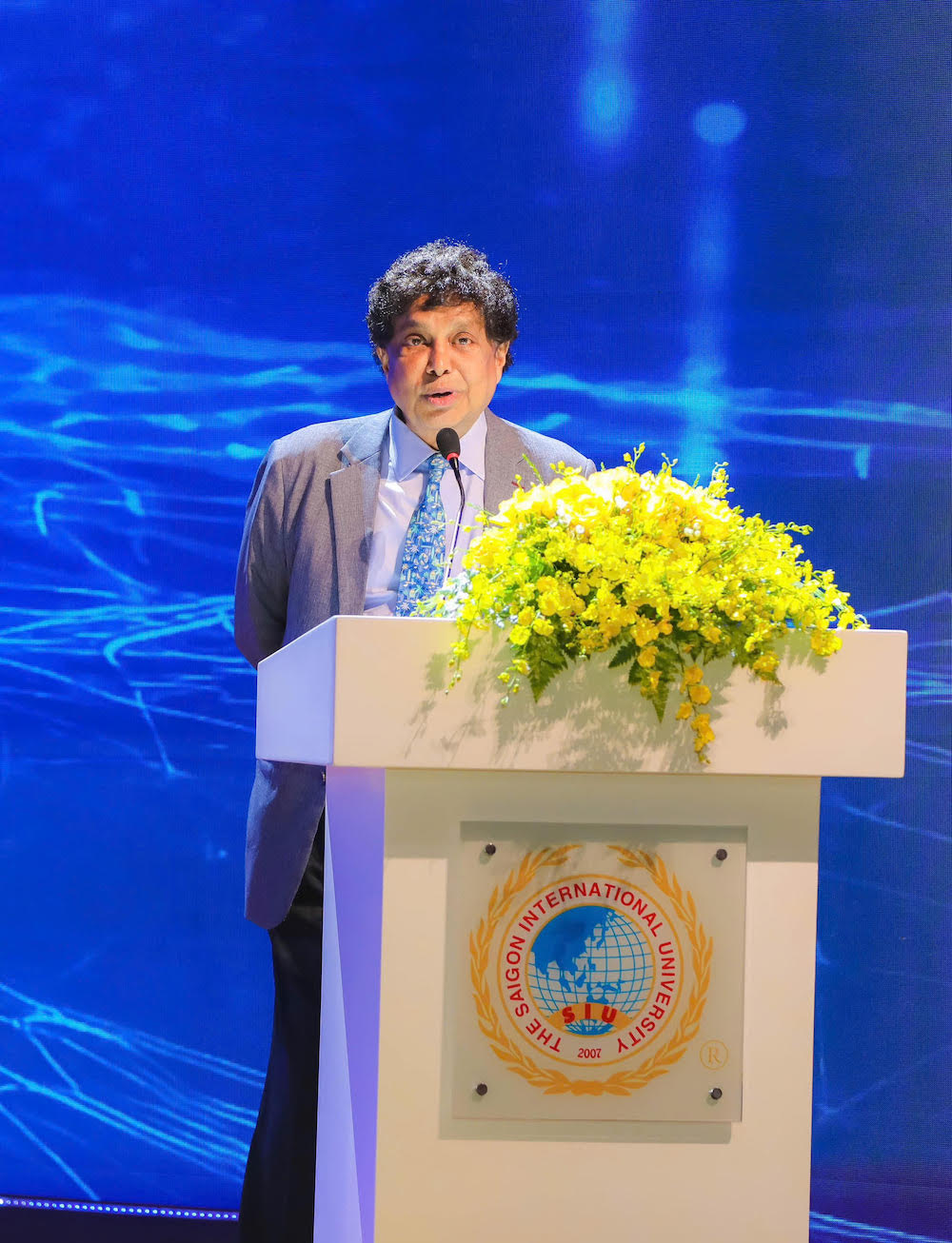
Today, at The Saigon International University (SIU) Prize Computer Science Award Ceremony and the international conference SIU Shaping Futures on “AI for a Better World,” SIU Prize Laureates, SIU Prize Candidates, speakers, scientists, and participants join SIU in calling on governments, the business community, and academic institutions worldwide to collaborate and work toward realizing the AIWS Government 24/7 and Boston Areti AI (BAI) model.
In 2025, marking the 50th anniversary of Vietnam’s reunification, this effort also represents a milestone contribution from Vietnam to the world—demonstrating how principles of innovation, collaboration, and ethical AI can be harnessed to benefit global society.
Through this collective vision, we aim to shape the future of AI in ways that foster continuous governance, ethical innovation, and greater well-being for all, while liberating the human mind, body and spirit from the tedium of tasks that inhibit creativity and true flourishing. As SIU strives to accompany and contribute to the development of these transformative models, we invite leaders, policymakers, researchers, and industries to partner with us, ensuring that AI-driven governance remains both principled and human-centered.
Shaping Futures on “AI for a Better World”
SIU’s commitment to pioneering research, inclusive education, and ethical AI practices underscores our dedication to nurturing the next generation of global innovators. By building the AIWS Government 24/7 framework and implementing BAI, we believe nations can deliver more responsive public services, ensure transparency, and ultimately create a better world through responsible AI integration.
A Call to Action
We encourage all stakeholders—governments, academic institutions, technology companies, and civil society organizations—to unite under this shared mission:
- Collaborate on research, development, and policy frameworks that uphold ethical standards and prioritize the public interest in AI.
- Invest in scalable infrastructure, human capital, and interdisciplinary studies to propel continuous AI innovation.
- Champion transparent, accountable, and inclusive AI governance that respects human dignity, ensures equitable access, and fosters global cooperation.
With perseverance and unity, we believe that together, we can shape an even brighter future — one where AI is harnessed for the benefit of all humanity.
Saigon International University (SIU)
On behalf of all Laureates, Speakers, and Participants
by Editor BGF | Jan 13, 2025 | Shinzo Abe Initiative for Peace and Security, News
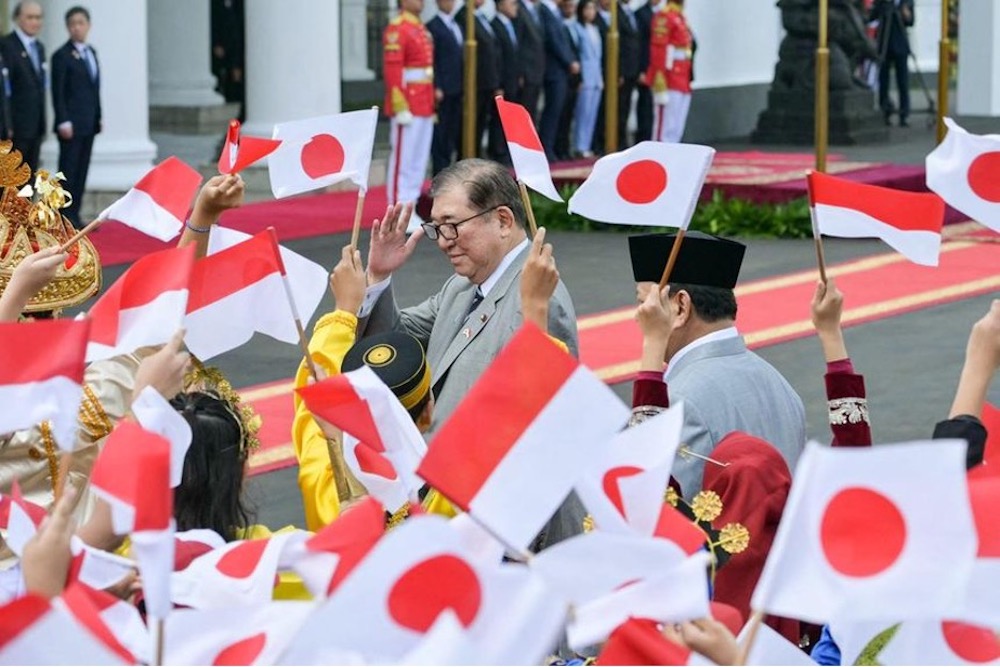
Japanese Prime Minister Shigeru Ishiba, on a four-day visit to Malaysia and Indonesia ending Jan 12, sought to deepen military, economic and energy security ties as China’s influence in South-east Asia loomed large.
The significance that he chose these countries as his first destinations for bilateral summits since taking office in October 2024 was not lost on many, given that there are signs that both are deepening their ties with Beijing.
Speaking to reporters with Indonesian President Prabowo Subianto beside him, Mr Ishiba himself alluded to this on Jan 11: “The international situation is becoming more complex and uncertain.
“Nevertheless, South-east Asia remains the centre of global growth with stable economic development, so enhancing collaboration in this region is a priority for Japanese diplomacy.”.
He had made a similar point in Malaysia on Jan 10, alongside Prime Minister Anwar Ibrahim.
Malaysia chairs the ASEAN grouping for 2025, while Indonesia is home to the 10-member bloc’s largest population and economy.
Both countries are also strategically located along the Strait of Malacca, through which many cargo shipments pass through en route to Japan, making them pivotal to ensuring the freedom of the seas in Japan’s Free and Open Indo-Pacific vision.
Dr Taizo Miyagi of Chuo University told The Straits Times that while the relationship that Japan has built with Asean since the end of World War II has been a “great asset for its diplomacy”, Japan’s presence in the region has inevitably weakened relative to China’s.
Choosing to visit ASEAN first – as had former prime ministers Shinzo Abe and Yoshihide Suga – sends the message of Japan’s commitment to the region’s growth and future, he added.
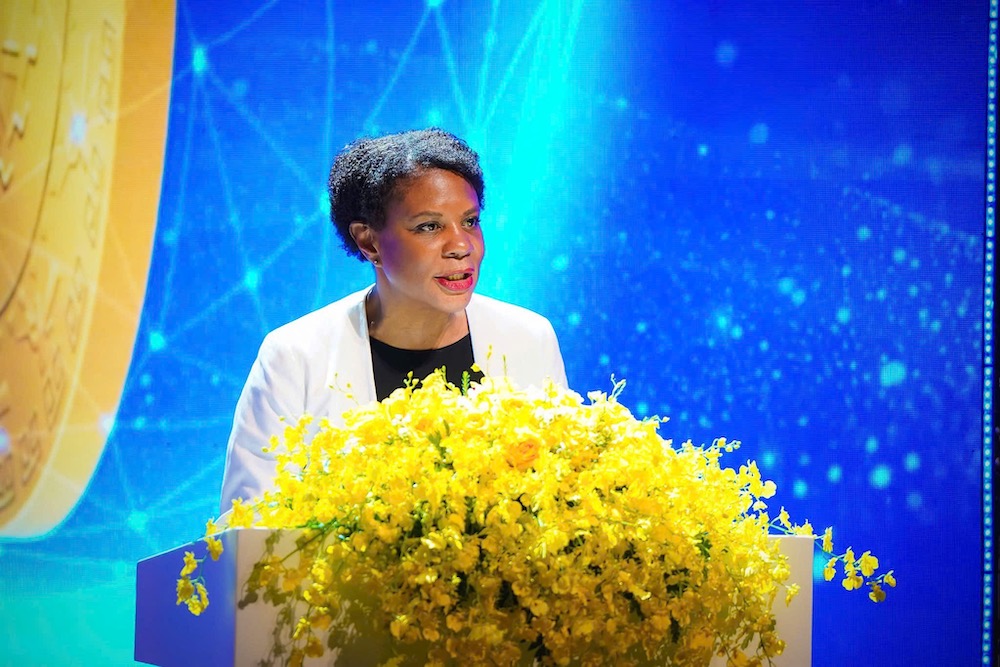
by Editor BGF | Jan 13, 2025 | World Leader for Peace and Security, News, World Leaders in AIWS Award Updates
AT THE AWARD CEREMONY OF THE SIU PRIZE COMPUTER SCIENCE SEASON 1
Ho Chi Minh City, January 11, 2025
Dear distinguished leaders, scholars, and guests,
It is an honor to be here today at the SIU Prize Ceremony, a distinguished initiative organized by Saigon International University (SIU). This special occasion celebrates the exceptional achievements of talented individuals of Vietnamese or Vietnamese descent from around the world.
The SIU Prize serves as a testament to the recipients’ dedication, perseverance, and their ability to contribute to the advancement of knowledge and society.
We are particularly proud to celebrate the accomplishments of these individuals, as their success reflects the bright future that lies ahead for Vietnam and its global community. Their contributions are an inspiration to us all and highlight the importance of fostering intellectual growth, innovation, and global cooperation.
As we look ahead, we are hopeful that these talented individuals will continue to push boundaries, particularly in the fields of AI and technology. Their expertise and commitment are vital for building a future that embraces the promises of the AI Economy and Society in Vietnam and globally. We hope their work will play a significant role in shaping the AI World Society, ensuring that technology not only drives progress but also serves the common good.
Congratulations to all the recipients of the SIU Prize. Your hard work and exceptional achievements are a testament to the transformative power of innovation. We are confident that you will continue to make valuable contributions to a better world through your work in AI and beyond.