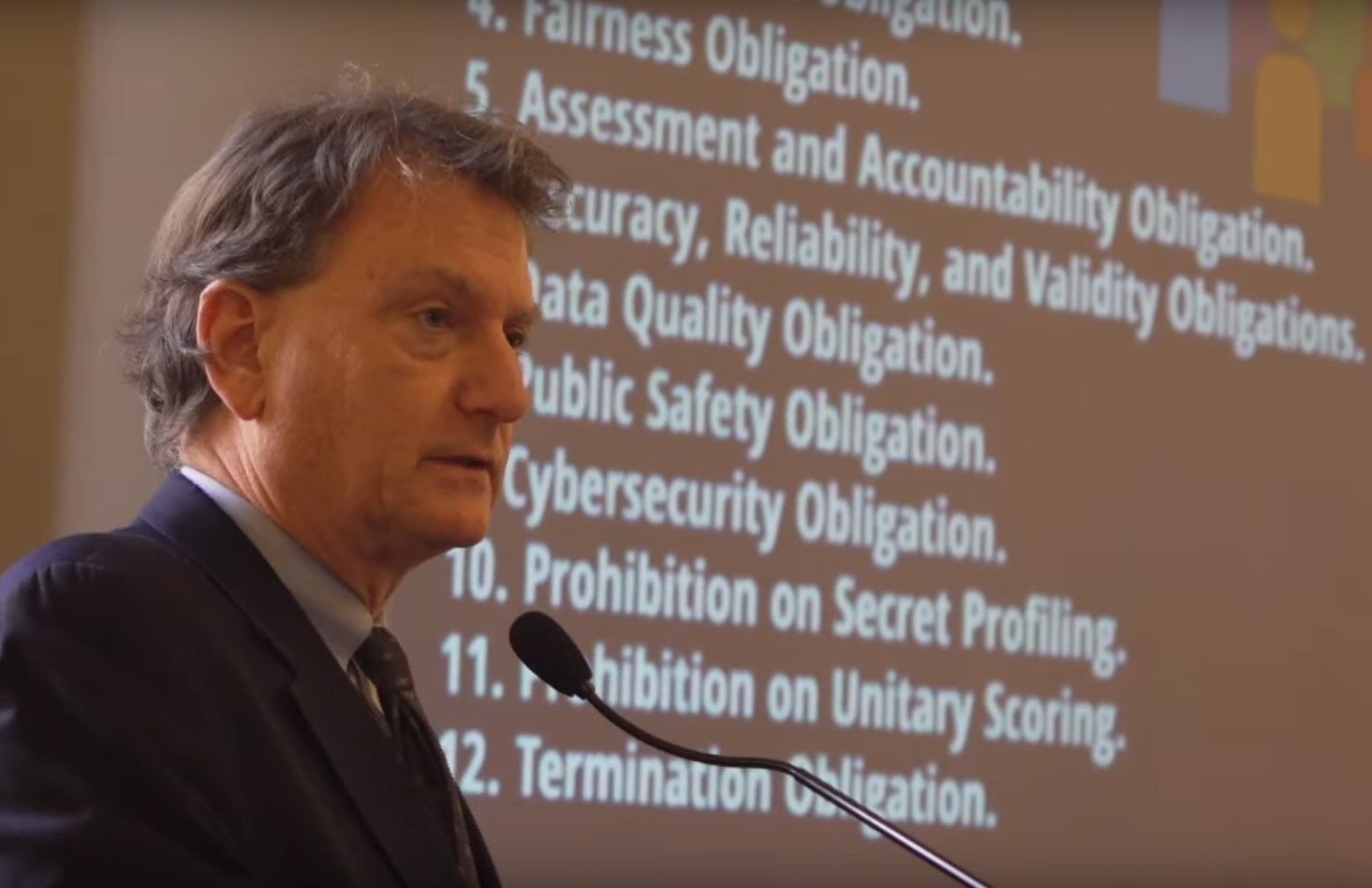
The Social Contract 2020, A New Social Contract in the Age of AI, sets the foundation for a new
historical chapter: the emergence of AI societies. Governor Michael Dukakis stressed the importance
of studying history to prevent past mistakes from repeating in the present and the future. I value his
insight and would like to add that looking back at history is a way to shape and invent the future. We
should not content ourselves with merely predicting the future; with AI as our tools, we can strive to
innovate and organize it.
With that idea in mind, AIWS.net announced May 5, 2020, a new project—The History of AI—as a
companion to the Social Contract 2020, A New Social Contract in the Age of AI. While many
individuals and organizations study the history of AI already, AIWS will study the field from a
different angle and with a different approach. Our approach will be cross-sectional with the
following structure:
1. Principles, concepts, motivating ideas, methodology, model, and solutions in AI.
2. AI inventions in science and technology
3. AI applications, initiatives in politics, government, economics, and society.
Today June 6, 2020, The History of AI, a part of Michael Dukakis Institute for Leadership and
Innovation, starts post content of the AI Chronicle on AI World Society Network (AIWS.net). This
content is the AI Chronicle – Open to Feedback: we encourage to receive comments, feedbacks from
today June 6, 2020 to June 27, 2020, then the History of AI Board will review, approve and the AI
Chronicle – Official will be posted on July 1, 2020. The History of AI Board will review the AI
Chronicle biannual. Our approach is open-ended: based on our findings, we will develop research on
the History of AI’s criteria, and we are open to invite individuals and organizations to contribute,
comment to the project by gathering documents, stories and participating in analysis.
As a part of the History of AI, the AIWS House organizes talks, seminars about pioneering ideas,
concepts, methodologies, products, historical figures, events, achievements in AI, and presents them
in the AIWS House Online, and physics.
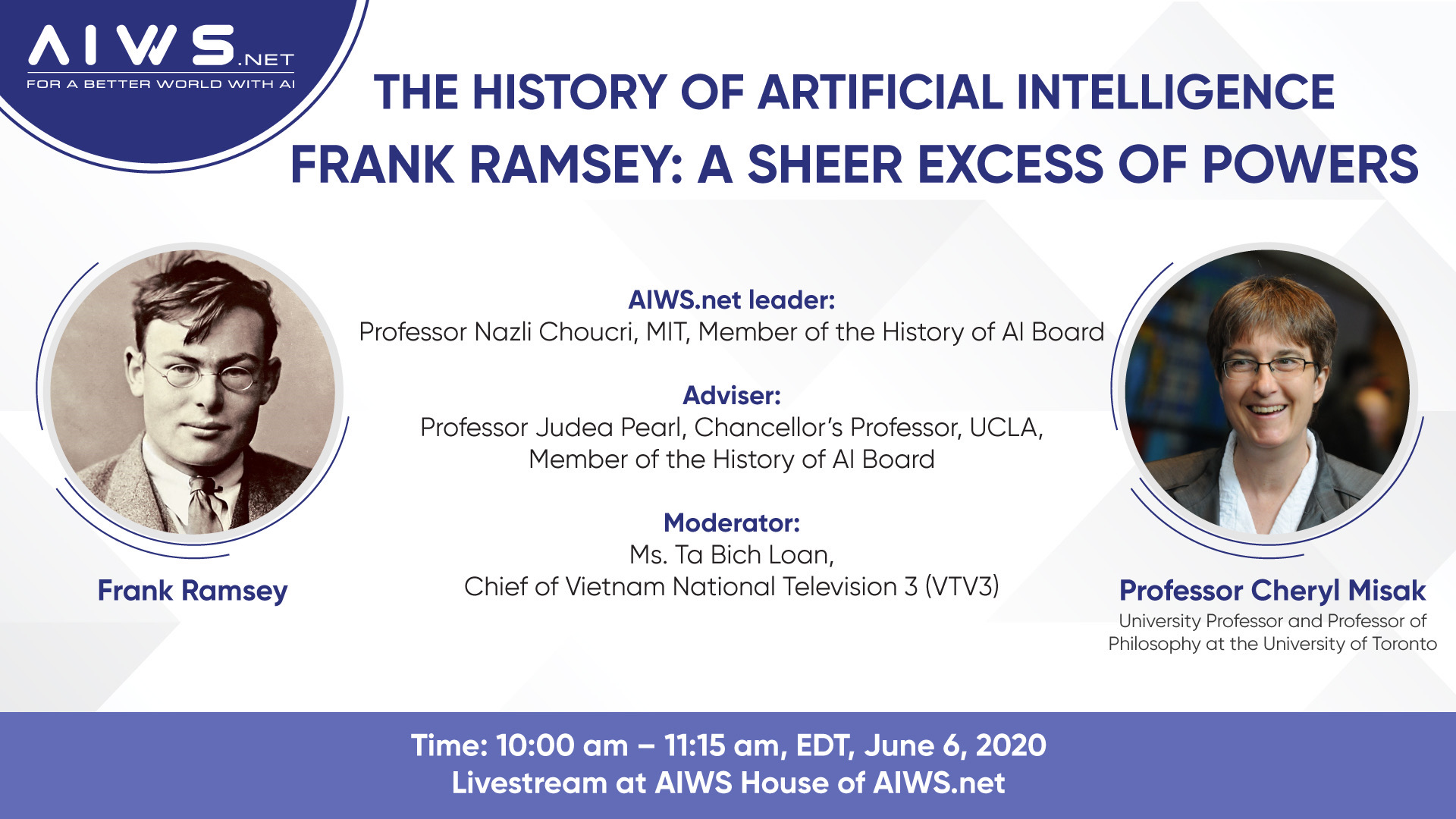
Today, as an event of AIWS House, the History of AI, Cheryl Misak, a University Professor and
Professor of Philosophy at the University of Toronto will talk “Frank Ramsey: A Sheer Excess of
Powers”. The History of AI at AIWS.net sees Frank Ramsey as an AI figure in history, who has
indirect influence on AI, especially in causal inference.
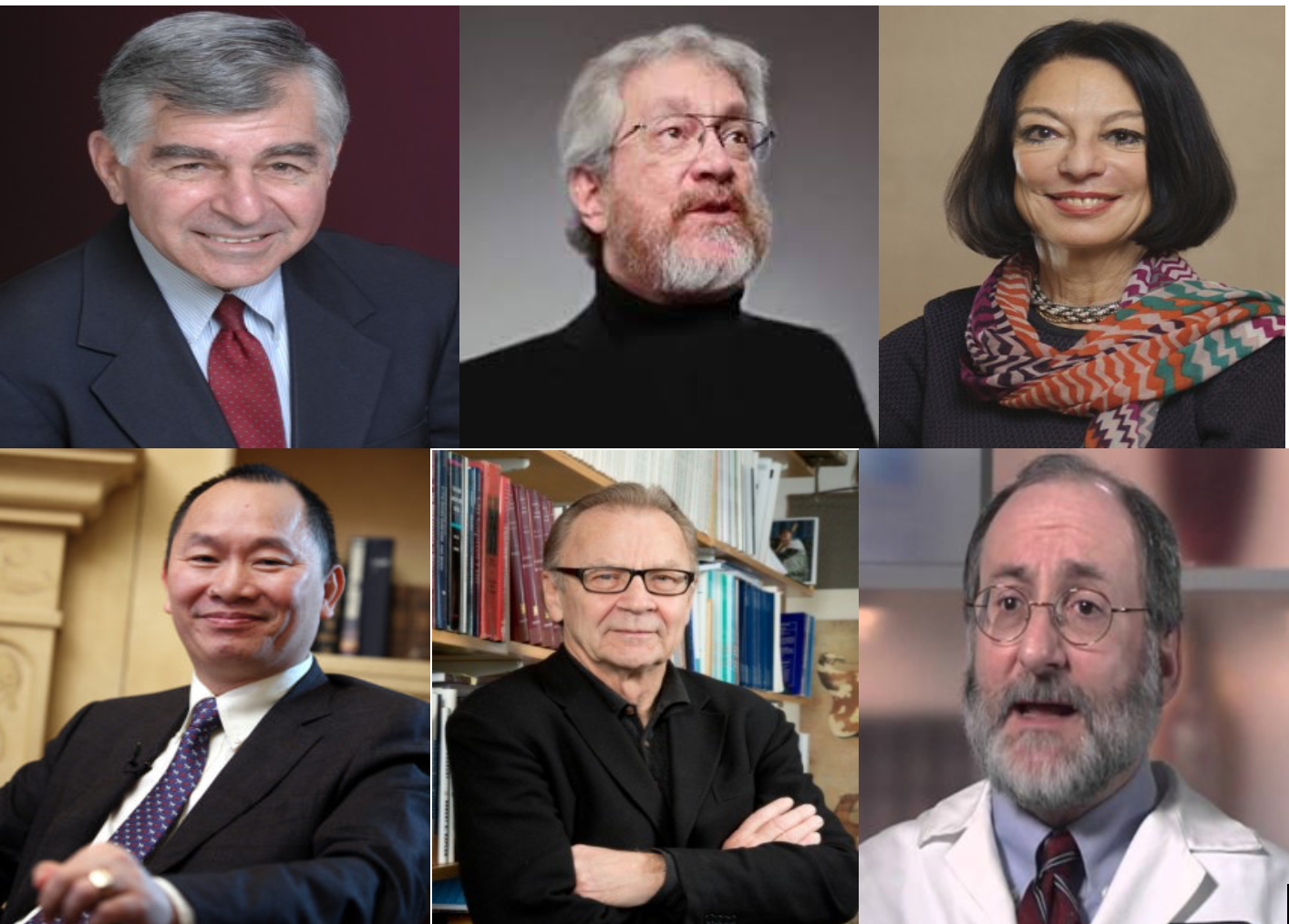
Nazli Choucri, Michael Dukakis, Tuan Anh Nguyen, Thomas Patterson, Alex Pentland, Nghia Trong Pham, David Silbersweig
I. A New Social Contract in the age of Artificial Intelligence
The term “artificial intelligence” refers to the theory and development of computer systems able to perform tasks that normally require human intelligence, such as visual perception, speech recognition, decision-making, translation between languages, self-driving cars, and so forth. Almost everyone recognizes that advances in AI have already altered conventional ways of viewing the world around us. This is creating new realities for everyone – as well as new possibilities.
These advances are powerful in many ways. They have created a new global ecology; yet they remain opaque and must be better understood. We have created new tradeoffs that must be assessed. We must now focus on critical principles and essential supporting practices for the new and emerging Social Contract 2020.
We must now re-think and consolidate the best practices for human development, recognizing the power and value of the individual and of society.
The expansion of innovations in and uses of Artificial Intelligence in almost all segments of human activity is well recognized, and it is evident that these will continue to change our lives in ways that we are yet able to imagine. At the same time, without some broad contours of guidelines or directives, undisciplined use of AI entails a number of significant risks to the health and wellbeing of individuals – damages to life-supporting properties, opaque decision-making, gender-based or other kinds of discrimination, control over private lives, and exploitation for criminal purposes – and seriously threatens the stability and security of all societies everywhere.
There is a clear awareness in the international community of the challenges and opportunities, as well as the problems and perils, of AI and many are seeking ways of managing their approach to AI. At least 20 countries have announced formal strategies to promote the use and development of AI. No two strategies are alike; however, there are common themes even among countries who focus on different aspects of AI policy. The most common themes addressed pertain to:
Scientific research,
Talent development,
Skills and education,
Public and private sector adoption,
Ethics and inclusion,
Standards and regulations, and
Data and digital infrastructure.
Concurrently, AI is becoming a focus of foreign policy and international cooperation – for both developed and developing states. There is a shared view that no country will be able to compete or meet the needs of its citizens without substantial AI capability.
More important, many countries are now involved in technology leapfrogging rather than in replicating known trajectories of the past century. It is no longer expected, nor is it necessary, to replicate the stages of economic development of the West—one phase at a time. Countries now frame their own priorities and strategies.
In sum, all countries are going through a common experience of adapting to and managing unknowns. This commonality of shared elements results in a welcoming international atmosphere for a Social Contract 2020.
In a world as diverse as the one today, there are few mechanisms for responding to such possibilities on a global scale. Social Contract 2020 is designed to frame a common understanding anchored in general principles to help maximise the “good” and minimise the “bad” associated with AI. Derived from the general concept of social contract in the 18th century—and its various manifestations and formulations—Social Contract 2020 is framed in response to the new conditions of the 21st Century. The fourth Industrial Revolution is characterized by artificial intelligence, big data, IoT, and high-speed computation – and the innovations thereof.
Foundations
Just as the Social Contract of the 18th Century helped shape a new world, Social Contract 2020 also has a transformative vision: It transcends the technological features of artificial intelligence per se, and seeks to provide foundations for a new society — one based on the profound, widespread, ethical and just application of AI. (Note, for example, how the Covid-19 pandemic urgently requires a new society with new structure and order). Social Contract 2020 lays the foundation and standards for a new international system; it focuses on the conduct of each nation, relations with non-state actors (such as international business and not for profit entities), and the interconnection of nations (and their relations with organized entities) on a worldwide basis. While TCP / IP is the platform for communication among internet users, Social Contract 2020 can be seen as a platform for connection between governments, stakeholders, and private and public institutions.
Objective
The overall objective of Social Contract 2020 is to help build a multi-stakeholder AI- intensive society in all aspects of life from politics, governments, economics, business, and industry, all the way to the social order and the life of each individual. Social Contract 2020 eencourages everyone to value the acts of creation, innovation, philanthropy, and mutual respect. It seeks the respect and right to have freedom on, and access to, the Internet worldwide. The vision of Social Contract 2020 is to make our world a place of honest and responsible interaction. That means, a place where everyone’s contribution is recognized and everyone has a right to knowledge and access to information, where no one is above the law, where money cannot be used to subvert political process, and were integrity, knowledge, creativity, honesty and kindness are seen as key values in shaping decision and policy.
In short, Social Contract 2020 is for shaping a world where all stakeholders are recognized, and all forms of governance adhere these values and are accountable and transparent. It is a world where only by working together it is possible to address and resolve global challenges.
II. Principles
Extensive and appropriate AI application to politics, governments, society, and businesses can create a Smart Democracy supporting a global supply chain. The Smart Democracy Social Contract 2020 creates a platform for a new global supply chain, named Supply Chain 2020. As a critically important framework for society in the AI age, the Social Contract 2020 is based on balancing power among all stakeholders and among governments, businesses, civil society, individuals, and AI assistants. Being an important contract, the Social Contract 2020 is a commitment of main stakeholders to protect property, common values, and norms for good between nations.
a. AI is grounded in and must serve fundamental human rights such as human dignity and privacy protection.
b. AI systems must be considered from a multi-stakeholder perspective — for an individual and for society as a whole
c. Social Contract 2020 is an important tool to achieve sustainable and inclusive development for a global community that is fair, equitable, effective and prosperous.
d. It will also enhance prospects for Smart Democracy.
III. Commitments of Stakeholders/ Power Centers
(1) Individuals, Citizens, Groups:
· Everyone is entitled to basic rights and dignity that are enhanced/promoted by AI and the Internet Age and entail greater responsibilities.
Data Rights and Responsibilities:
· Each individual has the right to privacy and is entitled to access and control over their own data. Individuals have a right to organize ways of managing their data, individually or collectively, and the right not to hand in their data to businesses.
Internet Rights:
· Each individual has the right to access the Internet and any website or news system (recognized by governments of countries or not).
· Freedom of expression on the Internet.
· Secure digital identity, which allows the individual to know about and control access to trustworthy data about themselves.
Education and Political Participation:
· Each individual has the right to education through available venues.
· Each individual has access to education/knowledge/vocational training pertaining to the use and impact of AI.
· Each individual has the right to political participation.
Responsibility:
· Each individual is prohibited from exercising socially disruptive behaviors, such as hacking and disseminating disinformation.
· Each individual must contribute to the common health of society, through appropriate taxes and provide critical personal information (with appropriate safety guarantees) as is familiar in the collection of census data
(2) Governments:
· All government are expected to behave responsibly in the management of AI for governance and for interactions with individuals and such behavior must be easily auditable.
· Respect and implement AI governance of honesty, transparency, accountability to effect collaboration with international communities. These standards and norms are also to be applied in every area of governance.
· Create incentives for citizens to use AI in ways that benefit society (each person can do good work for society that will be recognized as value, and this value can be exchanged with other values such as financial value, products, services, etc.).
· Create norms/laws/rules to ensure AI benefits society.
· Create secure safety net for citizens affected by AI.
· Protect and promote IP rights without undermining movements toward free access of knowledge commons.
Connect between governments:
· Norms, values and standards of Social Contract 2020 are designed as connections among governments. To maintain the Social Contract 2020, it is essential to establish a Democratic Alliance for Digital Governance. The first countries of the Alliance should include US, Canada, UK, Germany, France, India, Australia, Japan.
United Nations and International Organizations:
· Extend the spheres of international organizations to include AI and extend the upholding of international standards/norms/practices pertaining thereto — UN Convention on AI, a Specialized UN Agency on AI.
(3) Business Entities. Business operations and related rights come with accountability and responsibility – nationally and internationally:
· Enable independent audits for honest transparency, fairness, accountability, and cybersecurity.
· Adopt common AI values, standards, norms, and data ownership rules, and expect penalties for noncompliance.
· Companies will be incentivized to do business only with companies and countries that respect, apply the Social Contract 2020, and Supply Chain 2020.
(4) Civil Society Organizations & Community. Rights and responsibilities of civil society organizations include;
· Monitoring governments and firms with respect to common values.
· Compliance with common values/norms/standards/laws.
· Support AI users and assist them to serve the broad interests of society.
· Create multi-stakeholder AI support and protection plans.
· Participate in the making of AI rules and norms.
(5) AI Assistants. AI assistants provide an interface to facilitate compliance with established standards.
· Support AI users and assist them to serve the broad interests of society.
· Engage with other power centers for mutual support and supervision.
· Community control: Behavior of assistants should be governed by communities of users.
IV. Implementation
· Ethics code for AI makers and AI users.
· A system to monitor and evaluate governments, companies, and individuals in the world (based on their contribution to maintaining norms, standards, common values, and international laws, for honesty, transparency, accountability, and responsibility with the world and in their nations and communities).
· This system is recognized by the United Nations and the international AI community.
· A New United Nations AI Convention established to obligate all stakeholders, including governments, to comply with international rules and norms to protect other stakeholder’s rights in AI age.
· Link compliance with AI rules and norms to the achievement of the Sustainable Development Goals.
· Build and develop Democratic Alliance for Digital Governance as global power to enforce the Social Contract 2020.
BOSTON, MA / AGILITYPR.NEWS / May 05, 2020 / Today, May 5, 2020, the Michael Dukakis Institute for Leadership and Innovation officially launches the History of Artificial Intelligence project.
Topics for the History of Artificial Intelligence Project:
Historical events, achievements, and figures in AI technology are some of the topics of this project. These topics below will be included as well:Ideology, Ideas, Initiatives, Solutions, Norms, Standards, Laws, Regulations, Conventions, Accords, Political Decisions of AI by nations.
International Ideology, Ideas, Initiatives, Solutions, Norms, Standards, Laws, Regulations, Conventions, Accords, and Political Decisions of AI.
How AI change, innovate, and reform politics, societies, and economics.
Activities, campaigns related to AI.
“The History of AI” at AIWS.net has the subsections:
+ The AI Chronicle: updated monthly.
+ The AIWS House: (both online and physical AIWS House at Boston, Riga, Saint Petersburg, and at Dalat University).
The History of Artificial Intelligence will be updated monthly and posted on AIWS.net (“The AI Chronicle” of the section “the History of AI”). In addition, there will also be books, papers, and the AIWS House. HAI will contain historical documents and stories about historical figures, events, and achievements in AI.
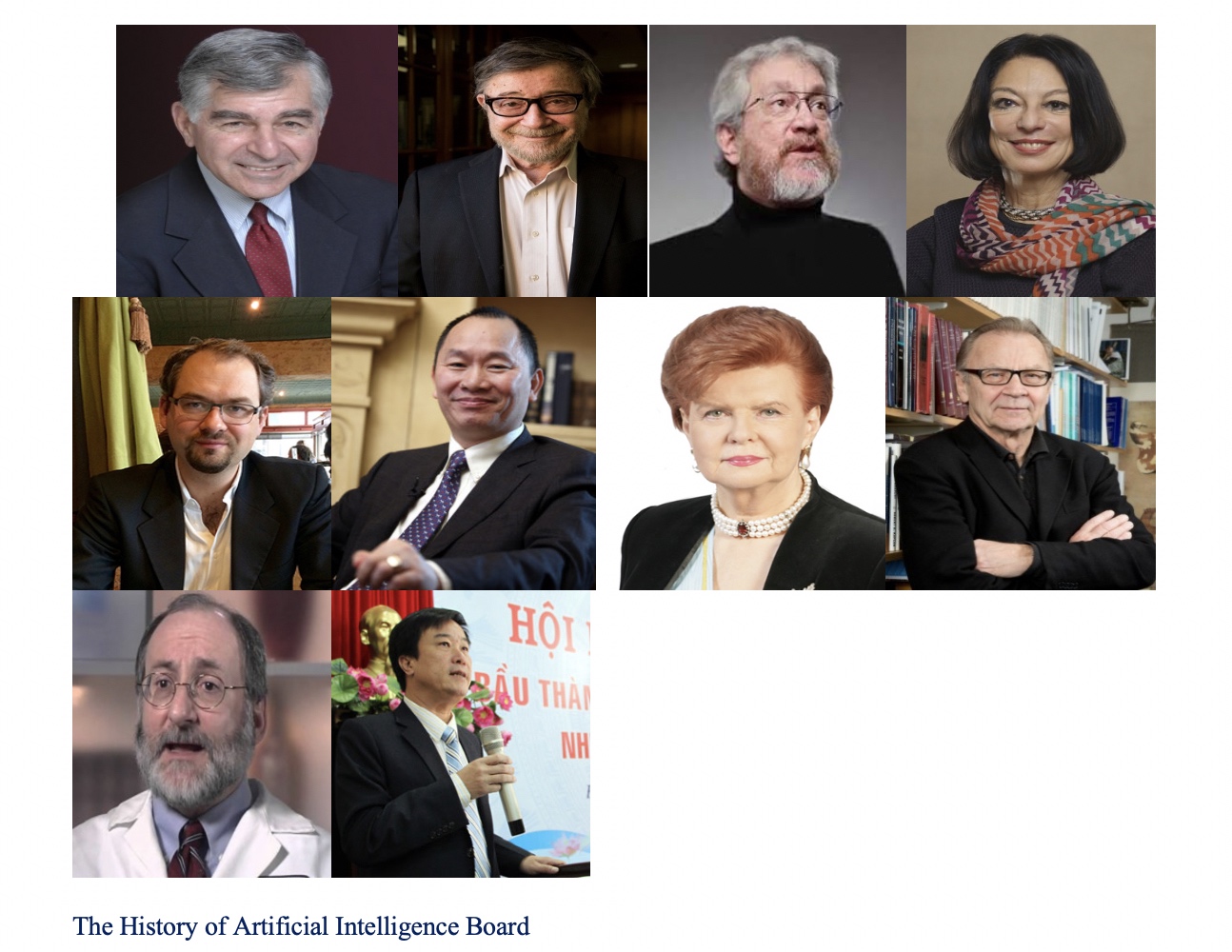
The HAI Board is chaired by Governor Michael Dukakis, with Professor Nazli Choucri (MIT), Historian Chien Minh Le, President of Dalat University, Professor Ole Molvig (Vanderbilt University), Tuan Anh Nguyen (Michael Dukakis Institute), Professor Thomas Patterson (Harvard University), Professor Judea Pearl (UCLA), Professor Alex Pentland (MIT), Professor David Silbersweig (Harvard University), and President Vaira Vike-Freiberga, Latvia as members.
Governor Michael Dukakis said on March 10, 2020 at UCLA: “study history to avoid mistakes from the past, learn great lessons from history for today and tomorrow”. The mission of HAI is to do so, in addition to shaping a better future and encouraging people to contribute to it. Anyone can make history with their helpful, pioneering, or influential contributions. HAI encourages those who lack good conditions or environment, who are not get benefit of official works in this, but are passionate and contribute and have pioneering results, works.
About Us
Founded in 2012, The Boston Global Forum (BGF) is a not-for-profit think tank based in Boston, Massachusetts. Our mission is to bring together, in an open and accessible public forum, an eclectic and engaging spectrum of esteemed academic leaders, real-world experts, thought leaders, media experts and promising young leaders, who are dedicated to seeking peaceful solutions to the most contentious issues of our times.
As an offshoot of The Boston Global Forum, The Michael Dukakis Institute for Leadership and Innovation (MDI) was born in 2015 with the mission of generating ideas, creating solutions, and deploying initiatives to solve global issues, especially focused on Cybersecurity and Artificial Intelligence.
Further details are available by contacting Mr. Tuan Anh Nguyen, Cofounder and Chief Executive Officer of the Boston Global Forum, and Director of the Michael Dukakis Institute for Leadership and Innovation.
AIWS Summit 2020: Speech by Andreas Norlén, Speaker of the Swedish Parliament
April 28, 2020
Anf. Andreas Norlén, AI World Society Summit 2020, the Boston Global Forum and World Leadership Alliance-Club de Madrid
———————–
Governor Dukakis,
Excellencies,
Ladies and gentlemen
As the Speaker of the Swedish Parliament I want to thank you for giving me the opportunity to address you today. I can only regret that I cannot be with you in person, but given the current circumstances, that is obviously not an option. And let me on behalf of the Swedish Parliament express my sympathy to the people of the United States and to all other countries represented at the conference for all the hardship and the suffering that this corona crisis has caused.
Today, some 3 billion people use social media. That is in itself a good thing; the advantages of more and more people going online, learning new things, exchanging ideas, criticizing political policies or interacting is something the world as a whole will greatly benefit from.
The problem of course is that everyone online is not honest and everyone is not our friend. There are many attempts to hack our systems and also to hack people’s minds. Thera are strong players who are very interested in what we do on the internet, and algorithms can track people’s actions online and then offer tailor made news that they think you want and provide you with either fake news or very biased news in order to make you think or vote or act in a certain way. Often the aim is to question our common values such as democracy, rule of law or personal freedom.
We have all heard about how elections in democratic countries have been exposed to this. For this reason, the awareness was quite high in Sweden when we had our last parliamentary elections in 2018.
Much to our surprise, no significant external organized hostile influence operations were detected. Maybe the most important advice on how to protect oneself from cyber-attacks, disinformation and organized hostile influence is: public awareness. As long as the public is aware that they run the risk of falling victim to those kinds of attacks, I think much has been won.
Do some news items seem too good to be true? Or maybe too bad to be true? Think again before you share them on social media. That is a very good advice.
I know it isn’t always easy to apply these virtues, but slowly but surely, I think the Swedes are getting better at this. Since 2016, it is mandatory for government agencies to report serious IT incidents. There are also many different agencies closely cooperating to detect cyber-attacks and hostile disinformation campaigns.
The role the parliament can play in this respect would be to facilitate the cooperation as much as possible, to stay alert and to also engage the public on how to behave on social media and on how to handle hostile disinformation campaigns. Even weak signals that something is going on are important. We must stay vigilante so that we can counter and handle hostile attacks.
There is also the strictly technological part – and I may not be the right person to elaborate on that in detail – but there are systems based on artificial intelligence that can expose influence operations. They include the use of algorithms to detect automated behaviour and hijacked user accounts. With this technology, you can detect potential deceptions in the large amount of data that is produced in social media every day.
It is hard to find a subject that is of greater importance to our democracies than safeguarding elections and making them legitimate, including safeguarding the public discourse and trying to keep it sound and balanced.
I think that the greatest challenge to any election is public trust. As politicians in democracies, we are all in the so-called confidence business. If the voter confidence is lost or even weakened, we are on a slippery slope. As we all know, confidence is something that takes quite a while to build, but it can be lost very easily.
In Sweden we have traditionally taken pride in having a society with comparatively high confidence between people and for the institutions. According to a recent survey, the Swedish Parliament enjoys higher confidence than many other actors and organizations in the Swedish society and I think that is a very good thing for our democracy. We also have a high voter turnout, 87 percent voted in the last parliamentary elections in 2018. That also indicates that people trust the institutions. Thanks to this trust, it is easier to have meaningful conversations also online and I believe it is harder to manipulate people’s minds.
By raising awareness both among the public and among civil servants, we managed to conduct our last elections in relative peace and protect our democracy and our common values, such as free and fair elections, human rights and the rule of law.
Increased awareness demands education. The more educated we are, the better we can, hopefully, detect fake news and biased information.
Education also applies to the new social contract in the age of artificial intelligence. New technology means automation in the workplace and that workers risk losing their jobs. Again, education and retraining are key. In Sweden, we talk more and more about “lifelong learning” – meaning that you are never really fully trained. In a society dependent on high technology you just have to accept that technology develops so fast, you will always lag behind – if you are not offered the proper training. For this reason, I believe that education must play a vital role for us to handle the new challenges in the new era.
Ladies and gentlemen,
For me as the Speaker of the Swedish Parliament it is a priority to follow developments in the scientific field. That task is probably more crucial today than ever before. For this reason, I am looking forward to your World Society Summit and the conclusions that will be drawn. I am also looking forward also to following the discussion that will take place after this summit.
Let us all engage in this important dialogue about how best to handle technology in this new world.
Please, ladies and gentlemen, your excellencies, stay safe and I hope we will meet in person in the future.
Summary: Digital identity that allows certification of the user’s health status, similar to today’s payment acceptance mechanism, can create safe working environments and consumer experiences (restaurants, hotels, meetings) while protecting personal privacy.
A New Economic Resource to help Restart the Economy
Soon we expect to have more than 30% unemployment, and repeated waves of infection for at least two years, preventing normal economic recovery. Finance, government, travel, hospitality, and manufacturing will be devastated, with widespread bankruptcies and business closings. We are going to have to restart the economy starting from a depression-level situation. But how?
One economically significant consequence of these waves of infection is creation a “safe worker” workforce. This workforce consists of people who have been infected and then recovered, so that they can be certified as less likely to become re-infected. This disease-resistant workforce will generally young, but also generally from the poorer communities that are being disproportionally affected.
Can we use these “safe workers” to help restart the economy? To make use of this resource we need to certify who is recovered (or, eventually, who is vaccinated). As testing become common, fast, and inexpensive we could also certify people who recently tested negative. All this also makes early detection of infection and contact tracing much, much easier, eventually preventing successive waves of infection.
A crude, brute-force version of this idea has been behind the most successful efforts at suppressing the disease (Taiwan, Korea, Singapore). They relied on “big brother” use of personal data, and authoritarian enforcement of quarantine and isolation. As the disease and recovery progresses, these countries now have a certified group of safe workers and can being restarting the economy.
In democratic countries the use of “big brother” data methods are feared because of the danger that it will continued to be used by government after the immediate emergency. Consequently, sophisticated institutions are turning to more sophisticated methods of computing that preserve privacy and data ownership[i]. Some countries and companies already use these sorts of methods, and the EU government has committed to migrate to such technology.
A Plan: Start By Making Safety Easy
Imagine a society where banks serve as repositories for citizens’ health data, much as they already do for their financial data. This personal form the basis of each citizen’s digital identity very much like bank data currently provides citizens with their financial identity. In this society a citizen can certify their health status to a participating merchant or employer in the same way their credit card charges are certified. They can also see where it is probably safe to go, and where the risk is higher, and even get immediate notice if they have been exposed to infection, all without endangering their personal privacy.
Moreover, with such certification available government could offer financial incentives for employment of safe workers, and to motivate safe workers to take jobs that require customer contact. They could also provide incentives for uninfected workers to take jobs that have less exposure to infection, and help make sure they stay safe. Similarly, merchants could (for instance) certify that their business has only safe employees in customer-facing positions.
This health certification also allows for extremely fast and accurate infection contact tracing and individual-level infection avoidance information without threatening personal privacy. Individuals with health certification can have their mobile phone automatically check the status of people around them without sending personal data off of their phone or identifying the people around them. This is accomplished by use of either sophisticated methods such as Secure Multiparty Computation (already nearly universally deployed for some types of updates on mobile phones) or simple “risk maps” aggregated from anonymized data and appropriately sanitized using differential privacy methods (such as employed by the U.S. Census Office).
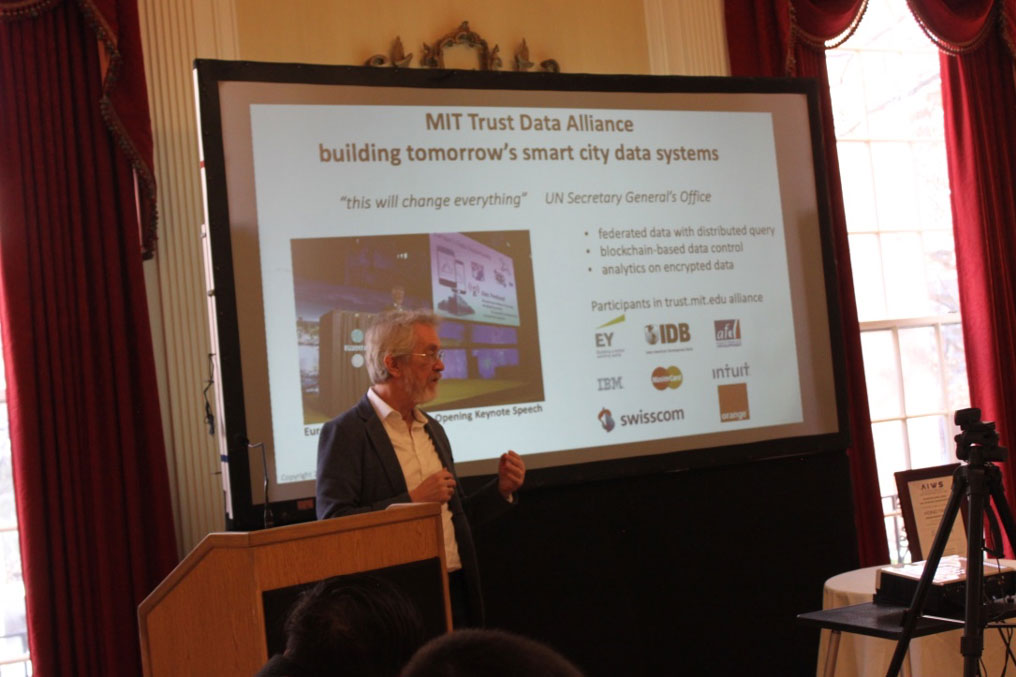
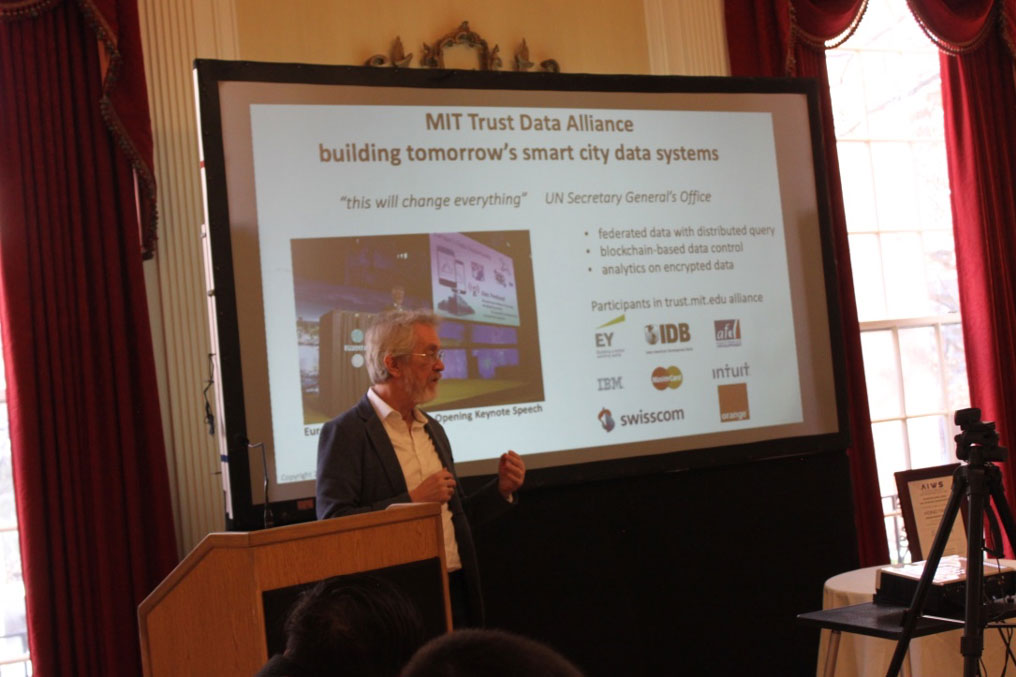
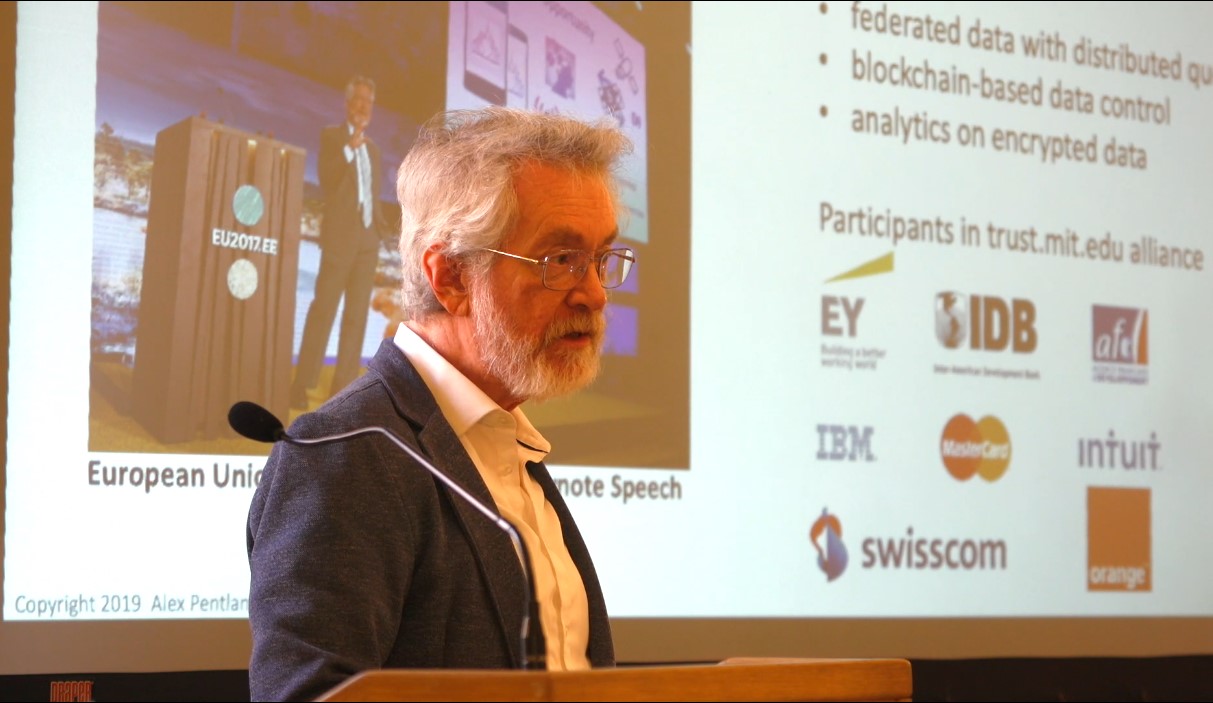
The major hurdle to implement this vision is sharing of health data certifications to citizens, which are then their bank. Mobile certification is similar to current digital payments, digital identity infrastructure that is already being deployed by (for instance) MasterCard, and we at MIT are releasing a USA-wide “safe paths” and contact tracing facilities this week. This system helps people stay safe, and can help restart our economy in multiple ways. To help kick-start use of this process government or large employers can provide financial incentives to, for instance, visit newly open merchants, to employ “safe workers” in customer-facing positions, and for merchants to obtain “safe environment” certification.
[i][i][i] An illustrative example is our Open Algorithms platform and employing Secure Multi-Party Computation, which provably maintains privacy and audit-ability of fairness and fraud.
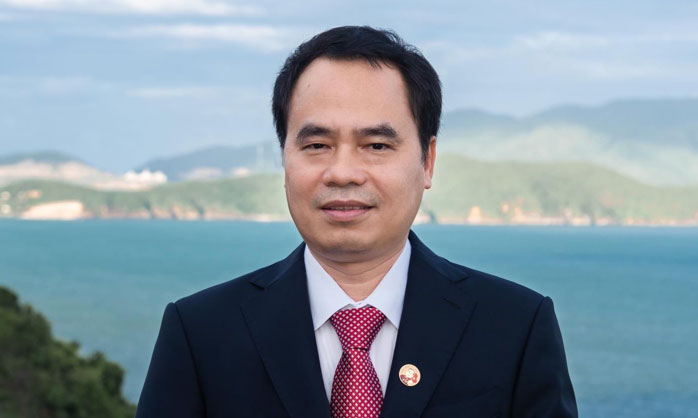
Message from Mr. Nguyen Van Tuong, Founder and Chairman of Tram Huong Khanh Hoa Company
Nha Trang, February 22, 2020
Trầm Hương or Agarwood in English, is the most precious product from Vietnamese forests.
Since ancient times, it has been called the Wood of Gods and the Scent from Heaven. Only emperors, royalty, senior officials, and noble lords got access to agarwood.
This dark wood, considered a national treasure, is used to produce medicines, fragrances from its essential oil that are more valuable than pure gold, and jewelry
Agarwood harvested in Khanh Hoa, Vietnam is popular all over the world, and has been traded as the most expensive product from Vietnam to all corners of the world along the Incense Route and the Silk Road, by land and sea, connecting Vietnam to other nations, and becoming a symbol of peace and prosperity in a harmonious world.
The world’s religions use agarwood as offerings in solemn ceremonies. When burnt, it releases aromatic smoke that clears the mind, increases wisdom, and stimulates pure, righteous thoughts. Agarwood is also believed to have a special quality that connects us with our ancestors and our gods in heaven. The wood itself is an expression of the human desire to be protected and blessed with favorable weather for abundant harvests and a happy, prosperous life.
Nghệ thuật Thưởng Trầm Vietnam or Vietnam Agarwood Pleasure Art, has been appreciated as a quintessential artform for all mankind. It has been scientifically proven, as well, that agarwood releases a gaseous nutrient that helps regenerate the body, cure many diseases, and provide a miraculous source of spiritual energy.
Agarwood is a messenger of peace that supports both romantic feelings and intellectual, sacred, and noble emotions, thus directing the human soul to the True, the Good, and the Beautiful. The presence of Agarwood in our lives bring more empathy to our modern industrial society, which is making extensive use of artificial intelligence, thus making AI more humane and compassionate. In this regard, Tram Huong Khanh Hoa Company (ATC) is honored to join the World Leadership Alliance-Club de Madrid and the Boston Global Forum and to hold the Tram Huong Agarwood-offering Ceremony honoring the World Leader in the Artificial Intelligence World Society, the April 27 to 29, 2020 at Harvard University Policy Dialogue “Transatlantic Approaches on Digital Governance: A New Social Contract in Artificial Intelligence.”
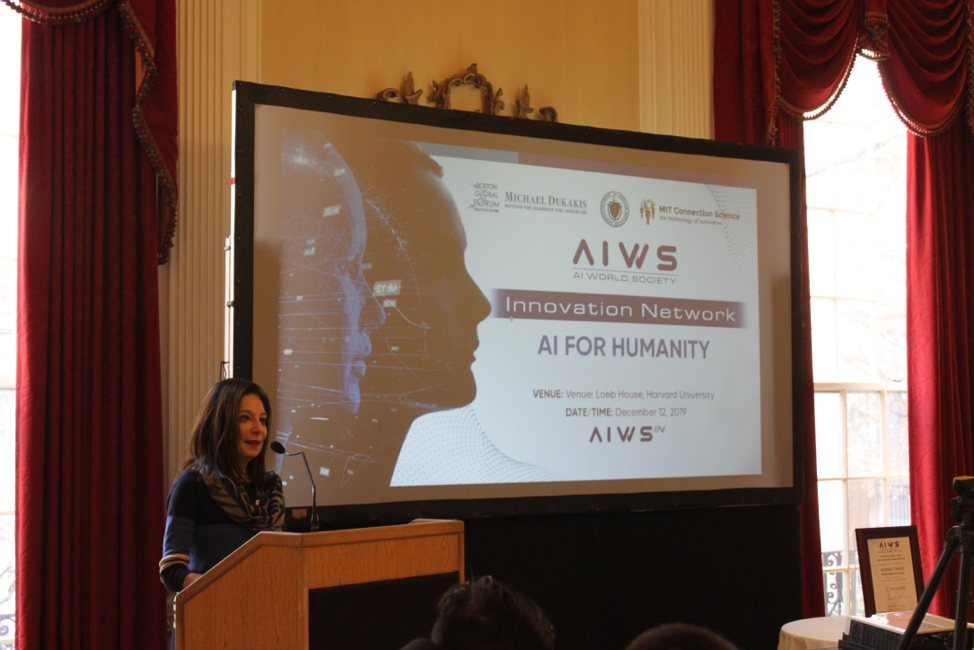
Advances in AI, Internet, social media, and threats to cybersecurity jointly shape a new worldwide ecosystem for which there is no precedent. At issue is building new dimensions, even principles, which would shape the future of international law. Toward this end, the Social Contract 2020 has been introduced, framed, and further refined in four contexts: (a) The Riga Conference, Oct 12, 2019, (b) “2019 Policy Dialogue on Artificial Intelligence” of World Leadership Alliance-Club de Madrid, Oct 21, 2019, (c) AI World Society – Summit 2020 at Loeb House, Harvard University, April 28, 2020, and (d) United Nations Charter Day, June 26, 2020.
Professor Nazli Choucri, MIT Co-founder of the AIWS Innovation Network
I. INTRODUCTION – NEW GLOBAL ECOLOGY
The term “artificial intelligence” refers to the theory and development of computer systems able to perform tasks that normally require human intelligence, such as visual perception, speech recognition, decision-making, translation between languages, self-driving cars, and so forth. Almost everyone recognizes that advances in AI have already altered conventional ways of viewing the world around us. This is creating new realities for everyone – as well as new possibilities.
These advances are powerful in many ways. They have created a new global ecology; yet they remain opaque and must be better understood. We have created new tradeoffs that must be assessed. We must now focus on critical principles and essential supporting practices for the new and emerging Social Contract 2020.
We must now re-think and consolidate the best practices for human development, recognizing the power and the value of the individual and of society.
II. NEW REALITY – AND NEW UNKOWNS
Advances in AI are far more rapid that we appreciate. Fully understanding the scale of the AI domain remains elusive. We have seen a shift from executing instructions by humans to replicating humans, outperforming humans, and transcending humans.
We are at the beginning of a new era, a world of mind-machine convergence with biological drivers for both mind and machine. Also elusive is the management of embedded insecurities in applications of this new ubiquitous technology and the imperatives of safety and security.
When all is said done, AI remains: devoid of consciousness, empathy, and perhaps select other human features, such as ethics, so fundamental to humanity and the social order. Its current logic is situated at the frontiers of biological intelligence and machine intelligence. While it is generally anchored in past data, it has made possible whole new sources and forms of design space.
In sum: The world of AI today is framed by a set of unknowns — known unknowns and unknown unknowns — where technological innovation interacts with the potential for a total loss of human control.
III. INTERNATIONAL CONSENSUS
There is a clear awareness in the international community of the challenges and opportunities, as well as the problems and perils of AI, and many are seeking ways of managing their approach to AI. At least 20 countries have announced formal strategies to promote the use and development of AI. No two strategies are alike, however there are common themes even among countries who focus on different aspects of AI policy. The most common themes addressed pertain to:
Scientific research,
Talent development,
Skills and education,
Public and private sector adoption,
Ethics and inclusion,
Standards and regulations, and
Data and digital infrastructure.
Concurrently, AI is becoming a focus for foreign policy and international cooperation – for both developed and developing states. There is a shared view that no country will be able to compete or meet the needs of its citizens without substantial AI capability.
More important, many countries are now involved in technology leapfrogging rather than in replicating known trajectories of the past century. It is no longer expected, nor is it necessary, to replicate the stages of economic development of the west —one phase at a time. Countries now frame their own priorities and strategies.
In sum, all countries are going through a common experience of adapting to and managing unknowns. This commonality of shared elements result in a welcoming international atmosphere for a Social Contract 2020. What is the Social Contract 2020?
IV. FOUNDATIONS and PRINCIPLES
There is a long tradition of consensus-based social order founded on cohesion and not use of force nor formal regulation or legislation. It is a necessary precursor for managing change and responding to societal needs.
The foundational questions are: what, why, why and how?
What?
A social contract is about supporting a course of action. It is inclusive and equitable. It focuses on the relationships among people, governments, and other key entities in society.
Why?
To articulate the concerns and find common convergences. And to frame ways of addressing and managing potential threats.
Who?
In today’s world, participants in the Social Contract 2020 involve:
Individuals as citizens and members of a community
Governments who execute citizen goals
Corporate and private entities whose operations involve
Business rights and responsibilities
Civil society that transcends the above
Innovators of AI and related technologies, and
Analysts of ethics and responsibility. None of the above can be “left out.”
Each of these constitutes a distinct center of power and influence.
How?
The starting point consists of three foundational principles for powerful international cooperation that provide solid anchors for the Social Contract 2020:
(1) Precautionary Principle for Innovations and Applications:
The precautionary principle is well established internationally. It does not impede innovation, but supports it. It does not push for regulation, but supports initiatives to explore the unknown with care and caution.
(2) Fairness and Justice for All
The second principle is already agreed upon in the international community as a powerful aspiration. It is the expectation of all entities – private and public — to treat, and be treated, with fairness and justice.
(3) Responsibility and accountability for policy and decision – private and public
The third principle recognizes the power of the new global ecology that will increasingly span all entities worldwide — private and public, developing and developed.
Jointly, these basic foundations – what, why, who and how – create powerful anchors for framing and implementing the Social Contract 2020.
V. SOCIAL CONTRACT 2020
All participants and centers of power and influence contribute to framing the legal order in the age of AI. And each has rights and responsibilities that must be articulated and respected. An initial framing is presented below:
(1) Individuals, Citizens, Groups:
Everyone is entitled to basic rights and dignity that are enhanced (?) by AI and the Internet Age and entail greater responsibility:
Data Rights and Responsibilities
Each individual has a right to privacy and is entitled to a device to access and control their own data. Individuals have a right to organize ways of managing their data, individually or collectively.
Education and Political Participation
Each individual has the Right to be involved directly and effectively in political decisions. Each has access to education/knowledge pertaining to the use and impact of AI.
Responsibility:
Each individual is prohibited from exercising adverse behaviors, such as hacking and disseminating disinformation.
(2) Governments:
Every government is expected to behave responsibly in the management of AI for governance and for interactions with individuals.
Governments Standards:
Create incentives for citizens to use AI in ways that benefit society.
United Nations and International Organizations:
Extend sphere to include AI and extend the upholding of international standards/norms/practices pertaining thereto.
Create and manage a universal digital currency.
(3) Business Entities
Business operations and related rights come with accountability and responsibility – nationally and internationally.
Respect independent audits for fairness, accountability, and cybersecurity.
Respect common AI values, standards, norms, and data ownership rules, and expect penalties for noncompliance.
(4) Civil Society Organizations:
Rights and responsibilities of civil society organizations include monitoring governments and firms with respect to common values.
Civil society organizations are responsible for compliance with common values/norms/standards/laws and expect penalties for noncompliance.
Support and recognize exemplary citizen contributions in AI area.
(5) AI Assistants:
AI assistants provide an interface to facilitate compliance with established standards.
Support AI users and assist them to serve the broad interests of society.
Engage with other power centers for mutual support and supervision.
VI. PREFERENCES and PERFORMANCE
The Social Contract 2020 consists of general principles and directives for its implementation. Each country is different, as would be the approach to the implementation and adoption of Social Contract 2020. These preferences are often in the nature of tradeoffs at the intersection of AI and society. These are simply adjustment mechanisms to facilitate implementation of Social Contract 2020. For example:
Performance & explicability
Ethics & efficiency
Growth & sustainability
Convenience vs. safety
Power & accountability
Regulation & innovation
Security vs. stability
Social Contract 2020 helps steer societies to transcend current practices and forms of e-government by enabling and providing applications of AI to assist decision making for all critical functions – notably the provision of public services, performance of civic functions, and evaluation of public officials – supported by a Center for National Decision Making and Data (NDMD).
AI supported public services span major critical functions to enable automated public services assisted by AI, notably:
Health care and public health:
Build AI hospitals for remote, rural, and mountainous areas.
Education:
Build AI schools for remote, rural, and mountainous areas.
Law, legal services:
Build AI law, legal services.
Public transportation:
AI public transportation information and support system.