
by Admin | Mar 12, 2016 | AI World Society Summit
(March 14th, 2016) The battle between parts of the U.S. private sector and government officials over the tension between privacy and law enforcement goes on.

Politico reported on California Sen. Dianne Feinstein “criticizing technology companies for preventing law enforcement from accessing encrypted data yet allegedly mining similar data to better target advertisements. The lawmaker is equating apples and oranges, {some cyber} specialists said, because companies that deliver ads to users typically have access to unencrypted versions of any data they use to target those ads. That means they could turn that data over in response to a search warrant. In the legal battle between Apple and the Justice Department over the encrypted iPhone used by San Bernardino terrorist Syed Farook, by contrast, Apple can’t simply decrypt the data.’’
“There is no relation between these encryption issues and the way ads are targeted,” Ronald Rivest, a cryptography researcher at the Massachusetts Institute of Technology, told Politico. “Browsers such as Google’s Chrome, for example, access unencrypted data that identifies the Web sites a user visits even if those sites encrypt what the customer does once on the site itself, said Joe Hall, chief technologist at the Center for Democracy and Technology,’’ the news service reported.
by Admin | Mar 12, 2016 | Event Updates
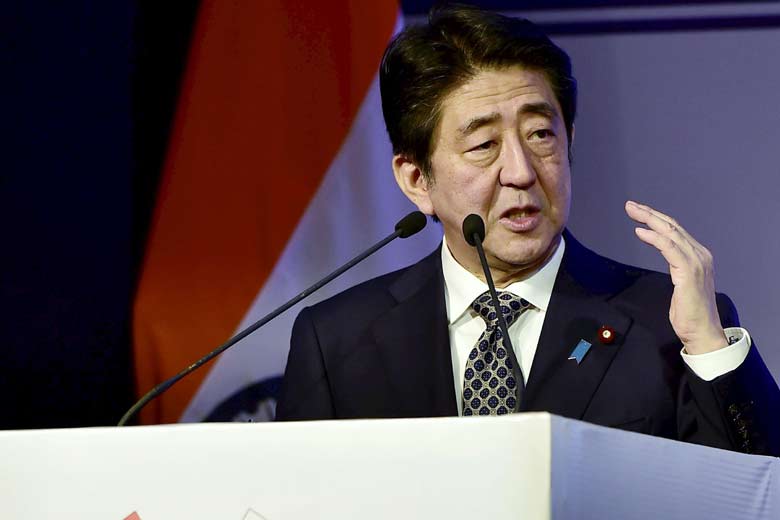
(March 14th, 2016) Japan is hosting international economic forums starting this month to study possible measures to reduce the volatility of financial markets. The forums are part of the preparation for the G7 Summit, May 26-27, in Japan.
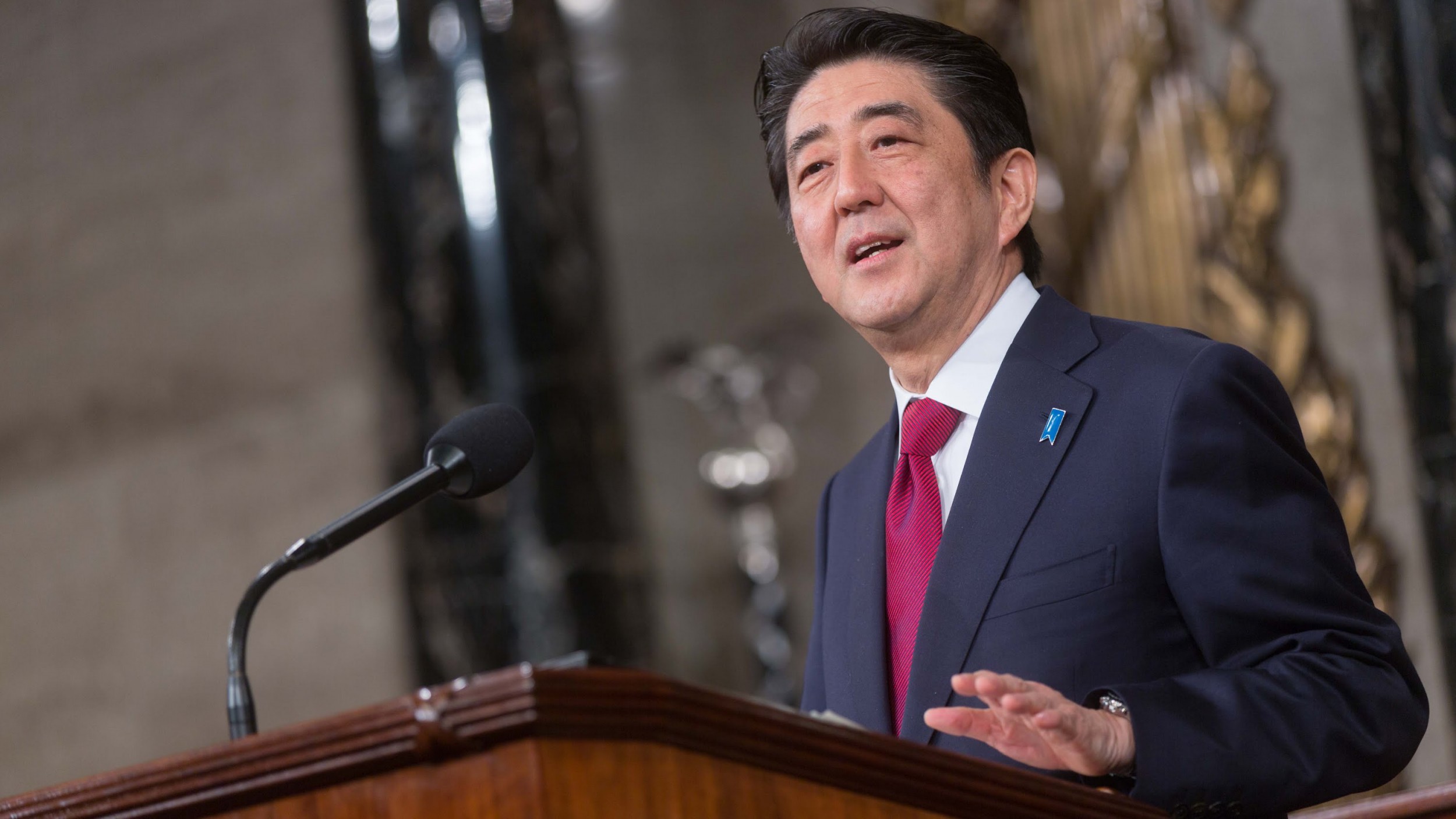
Data, opinions and analyses from the sessions will be used to aid the decision-making of national leaders, finance ministers and central bankers at the summit of the seven leading industrialized democracies.
“I think the world economic situation will undoubtedly become the biggest theme of the summit. To fulfill its responsibility as (the G-7) host (for this year), Japan will hold talks to analyze international finance and the economy,” said Japanese Prime Minister Shinzo Abe.
The government is having six meetings with international economists, central bank officials and others who will discuss possible actions to alleviate international financial uncertainty and anxiety.
Experts will put much focus on assessing the effectiveness of fiscal stimulus in major economies to combat the negative effects of the slowdown in China, Europe and elsewhere and the fall in crude-oil prices, Japanese official sources said.
See more on Efe
by Admin | Mar 12, 2016 | AI World Society Summit
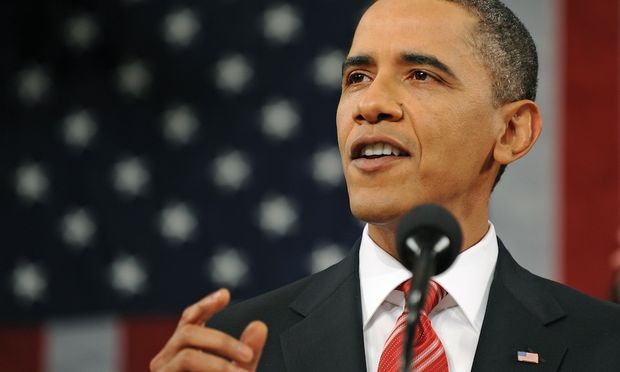
(March 14th, 2016) President Obama said on May 11 that smartphones – such as the iPhone used by one of the San Bernardino terrorists that the FBI is trying to make Apple Inc. help it hack for information about possible ISIS links — can’t be allowed to be “black boxes,” inaccessible to the government.
He said that the U.S. high-tech industry should work with the government law-enforcement officials now instead of leaving the issue to Congress.
He said that the tech industry has an urgent duty to work out an agreement with federal law-enforcement officials that balances privacy rights and the protection of the public from terrorists and other criminals.
“You cannot take an absolutist view on this, your argument is strong encryption no matter what, and we can and should create black boxes, that I think does not strike the kind of balance we have lived with for 200, 300 years, and it’s fetishizing our phones above every other value,” he told the South by Southwest music and tech festival, in Austin, Texas.
Government lawyers have complained that the battle with Apple “is the direct result of Apple’s deliberate marketing decision to engineer its products so that the government cannot search them, even with a warrant.’’
Mr. Obama said: “The question we now have to ask is, if technologically it is possible to make an impenetrable device or system, where the encryption is so strong there’s no key, there’s no door at all, then how do we apprehend the child pornographer? How do we solve or disrupt a terrorist plot? If in fact you can’t crack that at all, government can’t get in, then everybody’s walking around with a Swiss bank account in their pocket.”
See more on Bloomberg
by Admin | Mar 12, 2016 | World Leaders in AIWS Award Updates
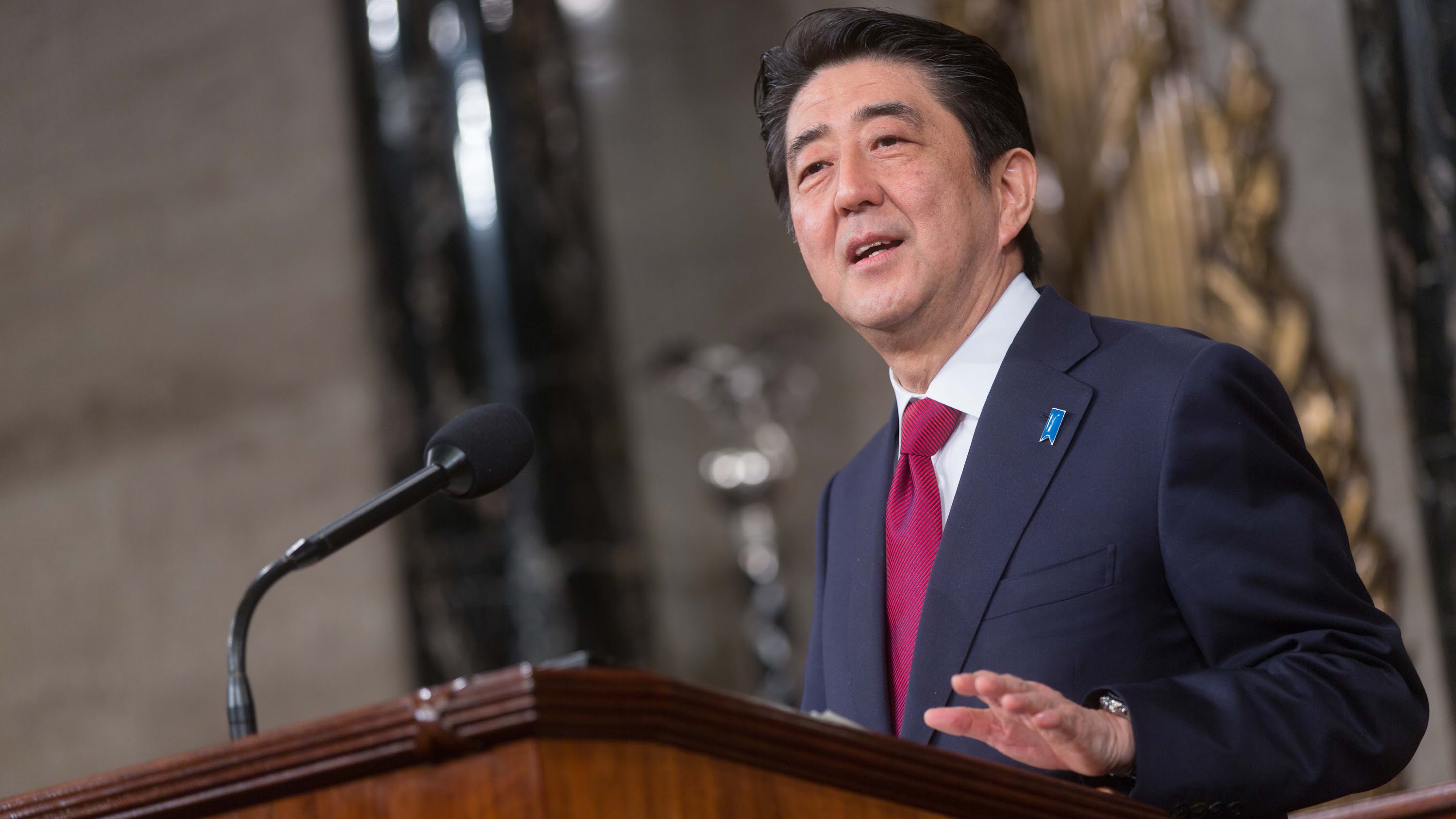
(March 14th, 2016) Japanese Prime Minister Shinzo Abe, who will be the main host of this year’s G7 Summit, on May 26-27, last week marked the fifth anniversary of the huge earthquake and tsunami that struck the north coast of Honshu on March 11, 2011.
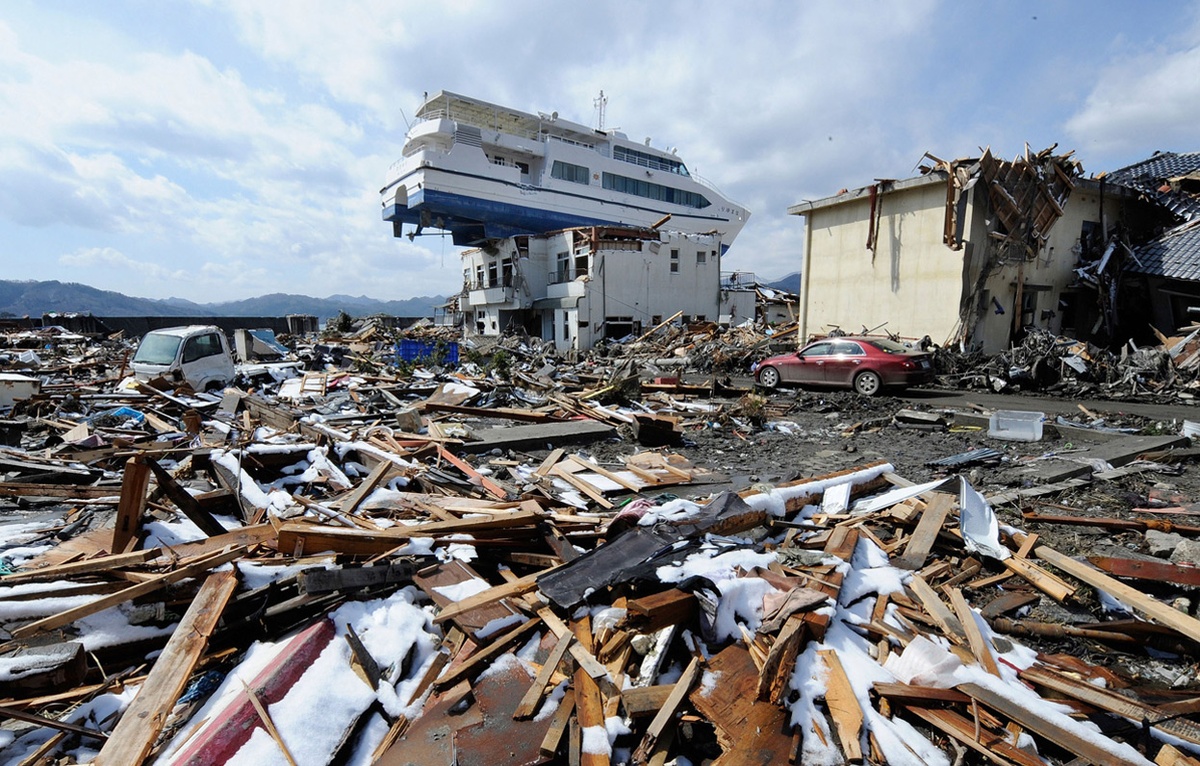
He said:
“Already, five years have passed since the Great East Japan Earthquake, which claimed many precious lives and completely changed the lives of so many more people.
“When I think of the despair of those who lost beloved members of their families and friends in the disaster, I am overwhelmed even now with deep sorrow. It is with my deepest sympathy that I reiterate my sincerest condolences. I would also like to extend my heartfelt sympathies to all those who have been affected by the disaster.
“Many people are still leading uncomfortable lives in the affected areas. There are many who cannot return to their beloved homes because of the accident at the nuclear power plant.
“Every time I visit the affected areas, I fully sense that ‘the disaster is continuing.’ And yet, step by step, the reconstruction is making steady progress. Revitalization of the livelihoods of the residents is similarly gathering pace and becoming fully fledged alongside the construction of new housing.
“By being aware of the circumstances of each and every one of the affected individuals, we commit ourselves to such tasks as providing care for their minds and bodies, forming new local communities and supporting industrial development of the affected areas, so that reconstruction leads to the attractive revitalization of the region.
“Consequently, with the determination to never allow the valuable lessons learned from the disaster to erode, we will ceaselessly review disaster-prevention measures by constantly integrating the latest wisdom and knowledge. Once again, I would like to make a firm pledge here that the government will exert its unified efforts to build a strong and resilient nation that is resistant to disasters.’’

by Admin | Mar 12, 2016 | World Leaders in AIWS Award Updates
(March 14th, 2016) Irina Bokova, director general of the United Nations Educational, Scientific and Cultural Organization (UNESCO), participated March 12 and 13 in the Global Education & Skills Forum in Dubai (United Arab Emirates), which focused on the theme ‘’Taking greater collective responsibility for public education’’
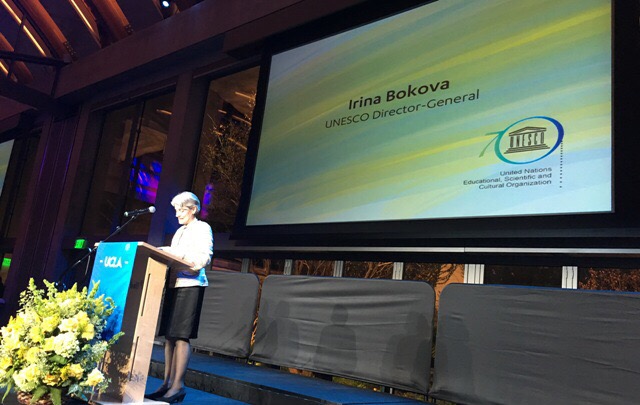
The Boston Global Forum (BGF) collaborates with UNESCO on global education and citizenship projects, especially through the Global Learning and Global Citizenship program at the University of California at Los Angeles (UCLA). Prof. Carlos Alberto Torres, Distinguished Professor of Social Sciences and Comparative Education and UNESCO Chair in Global Learning and Global Citizenship Education at UCLA, is a member of the BGF’s Board of Thinkers.
You may see and hear him in his recent BGF online video, in which he discusses the meaning of global education and citizenship
Bringing together public- and private-sector leaders, the Dubai forum addressed ways to make education everybody’s business, reconcile relevance, excellence and inclusiveness, and promote stronger linkages for young people with the fast-changing world of work.
The director general shared UNESCO’s vision on what education should look like in 2030; on global citizenship; on girls’ and women’s empowerment; on addressing humanitarian crises, and on related issues in a session moderated by Economist senior editor Ann McElvoy. Ms. Bokova also interacted with 40 girls given the Sheikh Fatima Bint Mubarak award for their academic success and commitment to social responsibility. She also attended the Global Teacher Awards ceremony.
