by BGF | Jun 10, 2018 | News

Source: CITI IO
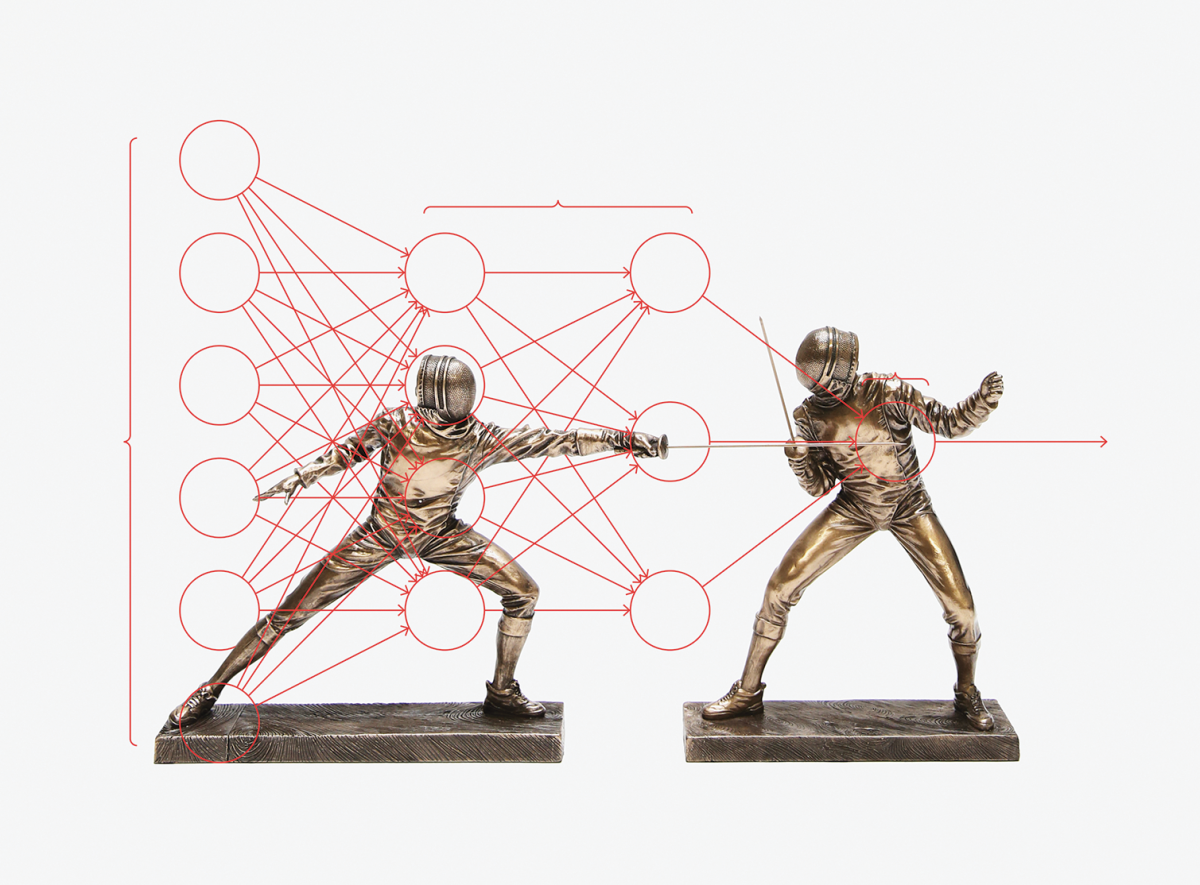
MIT Technologies Review has just revealed the 10 breakthrough technologies since 2001. One, Dueling Neural Networks, entailed the invention of two AI systems that can spar with each other to create ultra-realistic original images and sounds, giving machines something akin to a sense of imagination and making them less reliant on humans. The breakthrough was the work of Ian Goodfellow, a research scientist at Google Brain who has made several contributions to the field of deep learning, and is also a member of AIWS Standards and Practice Committee.
by BGF | Jun 10, 2018 | News

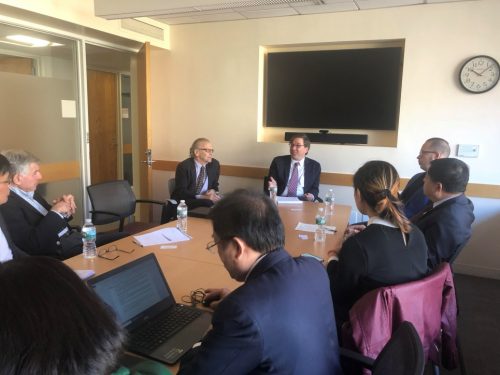
Prof. Jason Furman and Ministry of Planning and Investment of Vietnam’s delegates leading by Minister Nguyen Chi Dung. Source: MDI
On July 25, Vietnam CEO Summit 2018 will be hosted by Vietnam Report JSC. and VietNamNet Newspaper with the theme: “AI Economic Breakthrough Strategy and Solutions for Vietnam”. The Summit will provide opportunities for Vietnamese CEOs and top business executives to engage in dialogue with MDI’s representatives such as Prof. Jason Furman – former Chairman of the Council of Economic Advisers of former President Barack Obama, Dr. Kazuo Yano – Chief Engineer of Hitachi Group, a leading innovator in field of AI in Japan, and Dr. Masahiro Fukuhara – CEO of Institute for a Global Society, all of whom are members of the AIWS Standards and Practice Committee.
This year’s summit is expected to bring about an innovative, practical approach to AI for Vietnamese leading enterprises, marking a new, prosperous era in Vietnam’s history.

by BGF | Jun 10, 2018 | News
As reported by Technology Review, The White House promises to release government data to fuel the AI boom. Mr. Michael Kratsios, Donald Trump’s deputy assistant and Deputy U.S Chief Technology Officer, at Em Tech Next said, “Anything that we can do to unlock government data, we’re committed to.” The data can be used to train innovative algorithms in machine learning contexts.
While technology can be a positive force, there is a very real and important question about the role of data control. Therefore, we need to have a set of standards and norms to advance the peaceful development of AI, which is the reason AIWS has established the Ethical Frameworks for AI.
by BGF | Jun 10, 2018 | News
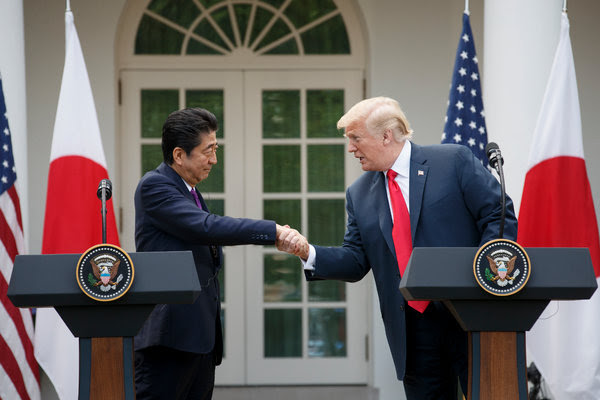
Mr. Shinzo Abe, the 57th Prime Minister of Japan since 2012, recently visited U.S from 17th to 20th of April, and addressed during his visit the abductions of Japanese citizens in North Korean. He attempted to build an alliance with President Trump by being the first foreign leader to visit him after 2016 election.
Prime Minister Abe was named the World Leader in Cybersecurity for his exemplary leadership and contributions in promoting cybersecurity in Japan and Asia by the Michael Dukakis Institute (MDI) on December 12, 2015.

Former Vietnamese Prime Minister Vo Van Kiet. Source: VietNamNet
Another Prime Minister, Mr. Vo Van Kiet, also has a close relationship with MDI. Former Vietnamese Prime Minister is an innovative leader, who inspired and supported Mr. Nguyen Anh Tuan, Director of MDI, when he was the founder, CEO and Editor-in-Chief of VietNamNet Newspaper. Sadly he passed away 10 years ago.
by BGF | Jun 10, 2018 | News
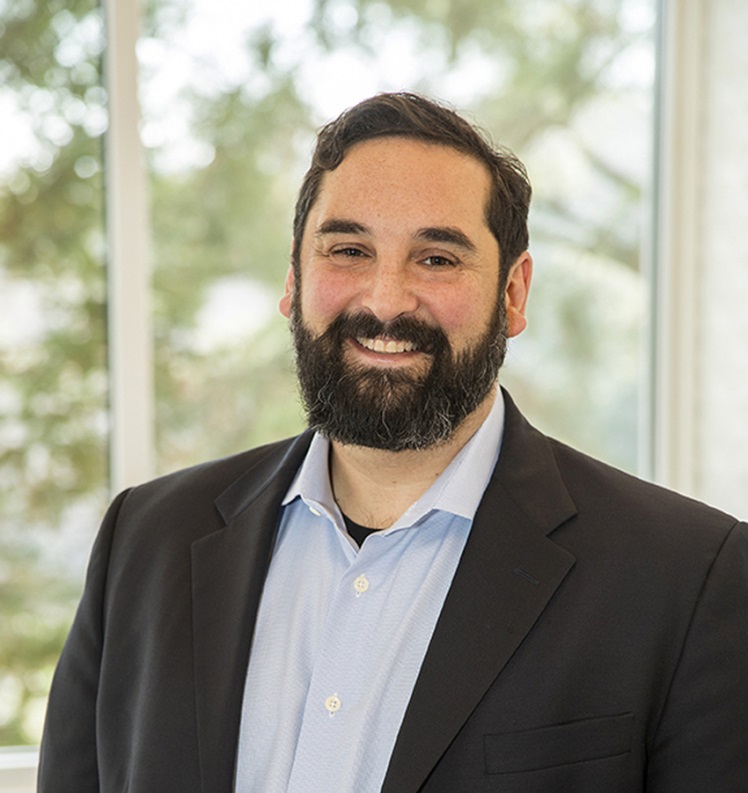
Gamalon Inc. has developed a new learning model for AI called Gamalon Idea Learning system. Gamalon Idea Learning is a system with the ability to generate data from collected data, seen in a drawing experiment, with the ability to recognize object based on shapes drew by human. To clarify the process of this system, Ben Vigoda, Gamalon’s CEO, recently described how deep learning and other state-of-the art machine learning operate at MIT Technology Review EmTech.

Ben Vigoda, Gamalon’s CEO. Source: Everipedia
With the recognition of AI as a growing factor of modern life, it is crucial to build the AIWS 7-Layer Model, an ethical framework for AI development.
by BGF | Jun 10, 2018 | News

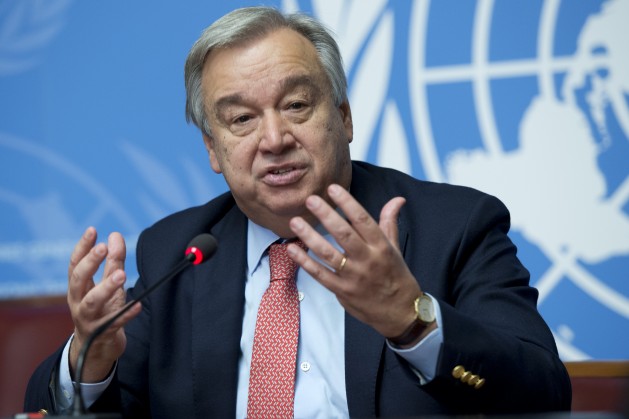
H.E. Mr. António Guterres, United Nations Secretary-General, Former Prime Minister of Portugal and a member of World Leadership Alliance-Club de Madrid (WLA-CdM) made the welcome speech for AI for GOOD Global Summit in Geneva, 7-9 June, 2017 expressing interests in AI Development. The Summit provided a neutral platform for government officials, UN agencies, NGO’s, industry leaders, and AI experts to discuss ethical, technical, societal and policy issues related to AI, offer recommendations and guidance, and promote international dialogue and cooperation in support of AI innovation.
The WLA-CdM is partnered with BGF and MDI to collaborate and develop the AIWS initiative, especially the AIWS 7-Layer Model.

by BGF | Jun 6, 2018 | Global Cyber Security Day
Global Cybersecurity Day was created to inspire the shared responsibility of the world’s citizens to protect the Internet’s safety and transparency.
The 2017 Conference theme is Cyber-Defense Strategy for a Nation, featuring discussions by noted world authorities:
“Can We Develop Norms to Control Cyber Conflict?” by Prof. Joseph Nye
“A Cyber-Defense Strategy for a Nation” by Prof. Nazli Choucri
“Applying Estonia’s Cyber-Defense Strategy Internationally” by Estonia President Toomas Hendrik Ilves
“Cyber-Defense Strategy for a Nation: Recommendation of The BGF and MDI” by Prof. Derek Reveron.

Download EBOOK here
by BGF | Jun 3, 2018 | News
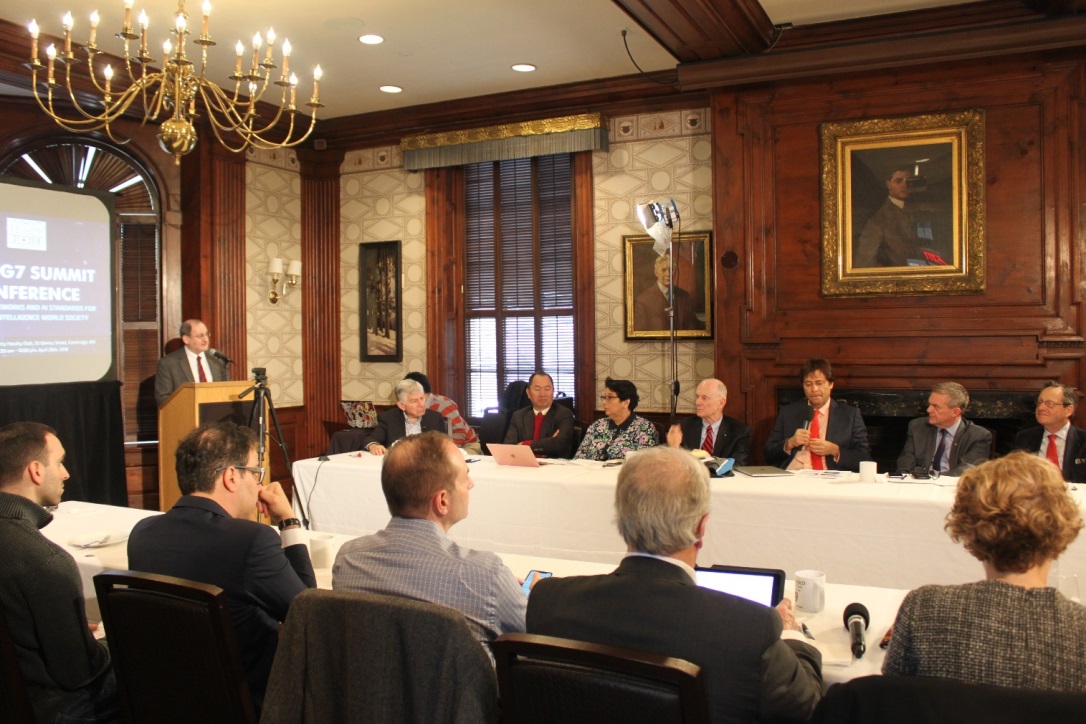
Consulate General of Greece in New England will host AIWS Roundtable in Boston, specifically AIWS Roundtable to Build the Next Generation Democracy, at the Greece Consulate General’s house on Beacon Street.
Athens is the origin of the first democratic society in human history and the home of the greatest philosophers who created the foundation of philosophy today. Representing Athen’s long-established tradition of being the frontrunner, Mr. Stratos Efthymiou, Consulate General of Greece in Boston, met with Mr. Nguyen Anh Tuan, Director of MDI, on May 30, 2018 to discuss Greece’s role in the AIWS 7-layer model. Mr. Tuan welcomed the Consulate General and confirmed his involvement in hosting the AIWS Roundtable in Boston.
by BGF | Jun 3, 2018 | News
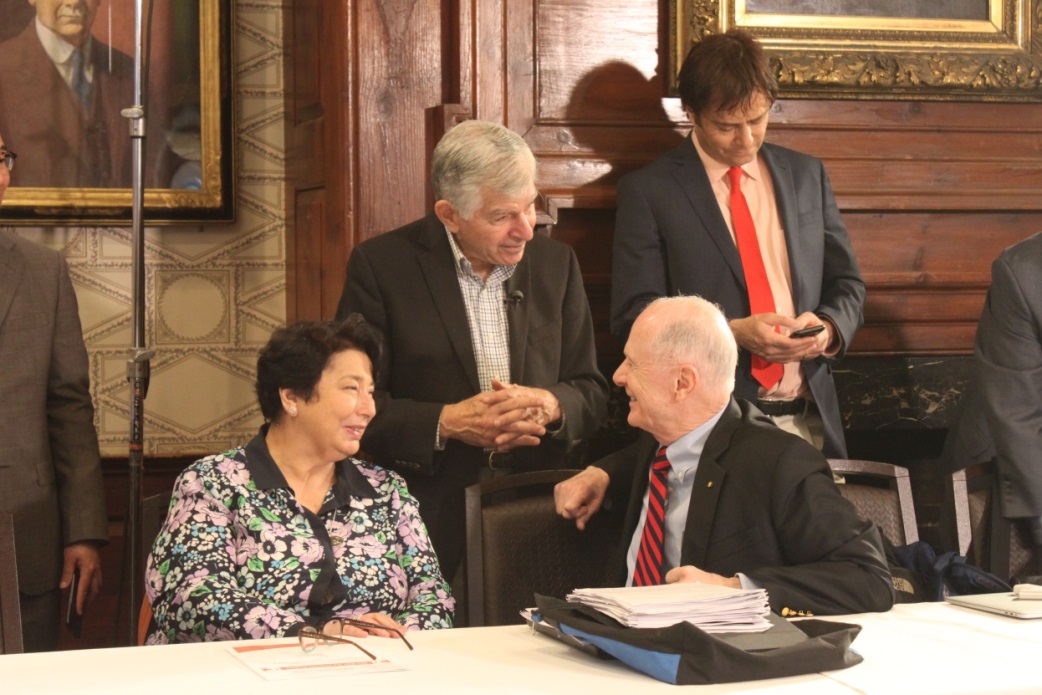
On September 20, 2018 at Harvard University Faculty Club, MDI and BGF will host a conference on AIWS Citizens Ethics and Standards. Some initial AIWS standards for AI Citizens have been outlined.
The World Leadership Alliance-Club de Madrid, the largest forum of former democratic presidents and prime ministers who foster a democracy, will co-organize this conference. President Vaira Vike-Freiberga will co-chair with Governor Michael Dukakis.