by BGF | Jun 25, 2018 | News
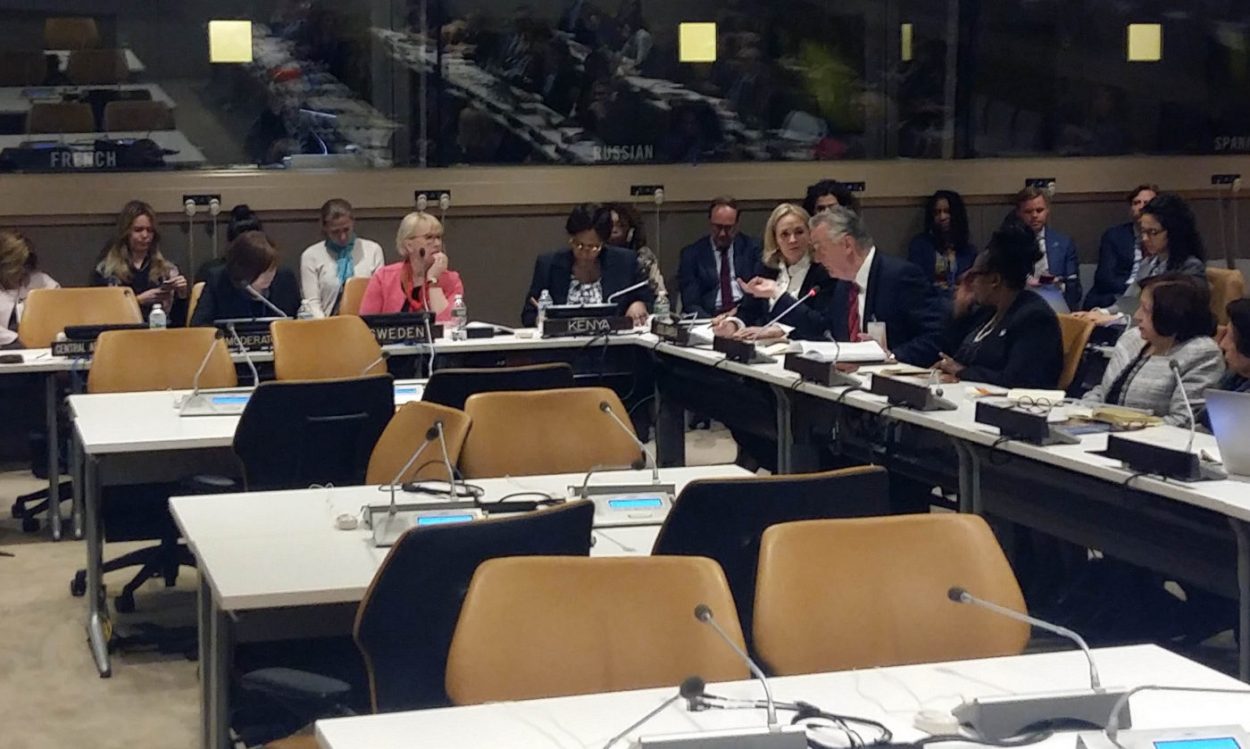
On 24 and 25 of April 2018, President of the UN General Assembly, H.E. Mr. Miroslav Lajčák invited WLA-CdM Member Zlatko Lagumdzija to the UN High Level Meeting on Sustaining Peace. The Meeting was launched to assess efforts undertaken and opportunities to strengthen the United Nations’ work on peacebuilding and sustaining peace.
The event offered the opportunity for discussion with many multi-stakeholders about approaches to conflict prevention and peace sustainment.
The delegation held a meeting with Louise Arbour, United Nations Special Representative on International Migration. In the meeting, Mahmoud Mohieldin, Senior Vice-President of the World Bank, discussed current interests and activities of the WLA-Club de Madrid, including Education for Shared Societies and migration. Roza Otunbayeva, another member of WLA-CdM, also attended the event as a key speaker at the interactive dialogue: “Strengthening the United Nations work on Peacebuilding and Sustaining Peace in the field”.
The World Leadership Alliance-Club de Madrid not only works on migration, it is also a partner of BGF and MDI in developing the AIWS initiative.
by BGF | Jun 18, 2018 | News
On June 12th, 2018, AI Time at ThoidaiAI.net was officially published to bring AI opportunities to Vietnam’s industry.

MDI is creating AIWS initiative to ensure that the future of AI is shaped for humanity’s prosperity and safety. Hence it is fundamental for AI information to be spread to industries where AI applications are extremely useful.
MDI recently has supported Vietnam Report to create an AI information gateway in Vietnam to provide companies and industries in Vietnam with AI solutions, tools, information, and AI applications in every aspect of life. ThoidaiAI- AI Time will come up with strategies, and chances for AI development in Vietnam. The website was published officially on 12th of June 2018 in order to set a foundation for Vietnam’s progress in Artificial Intelligence development and assist Vietnam’s government in building AI economic breakthrough strategy and solutions.
by BGF | Jun 18, 2018 | News
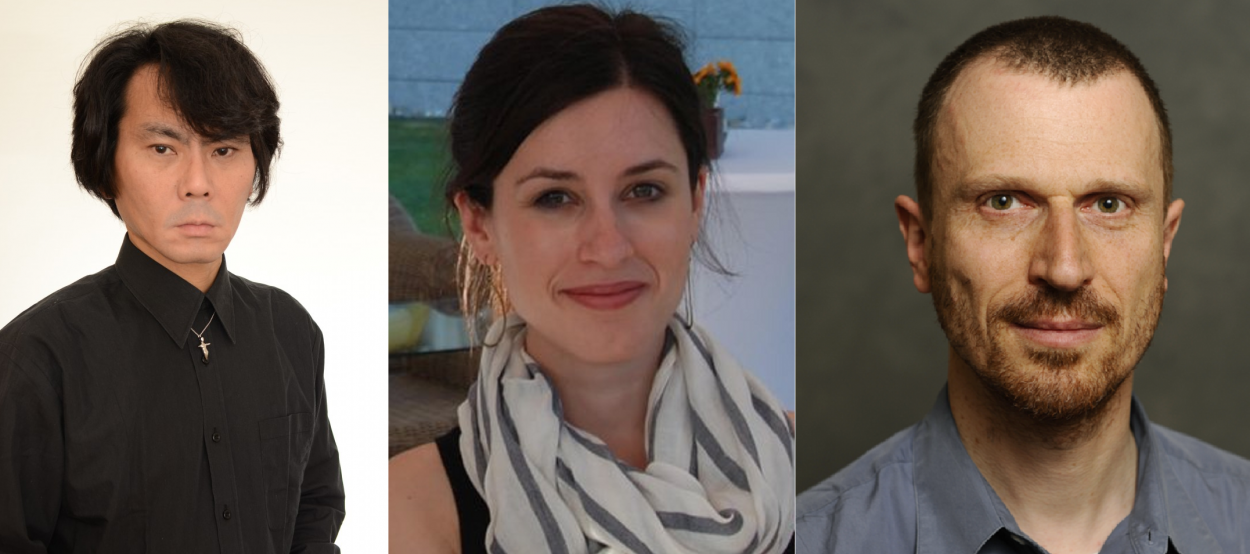
Recently, three leading innovators in AI have agreed to take part in the AIWS Standards and Practice Committee: Professor Hiroshi Ishiguro, Professor Matthias Scheutz and Harvard Fellow Sarah Cotterill.
Since AI can potentially be enormously helpful and harmful at the same time, to keep AI ethical, AIWS Standards and Practice Committee is established with key roles and responsibilities:
- Update and collect information on threats and potential harm posed by AI.
- Connect companies, universities, and governments to find ways to prevent threats and potential harm.
- Engage in the audit of behaviors and decisions in the creation of AI.
- Create both an Index and Report about AI threats – and identify the source of threats.
- Create a Report on respect for, and application of, ethics codes and standards of governments, companies, universities, individuals and all others…
There are 18 members of AIWS Standards and Practice Committee found by Michael Dukakis. Recently the board welcomed three innovative figures in the AI world.
The first figure is Mr. Hiroshi Ishiguro, the director of the Intelligent Robotics Laboratory, part of the Department of Systems Innovation in the Graduate School of Engineering Science at Osaka University, who recently created an AI copy of himself.

The second new member is Mr. Matthias Scheutz, a professor of cognitive and computer science, and the director of the Human-Robot Interaction Laboratory at Tufts University.

And the latest new member is Ms. Sarah Cotterill, PhD of Psychology in Harvard University, Harvard Fellow. She conducts research on decision-making in the context of charitable giving, using experimental and machine learning techniques. She will join the Committee as the Secretary.

by BGF | Jun 18, 2018 | News
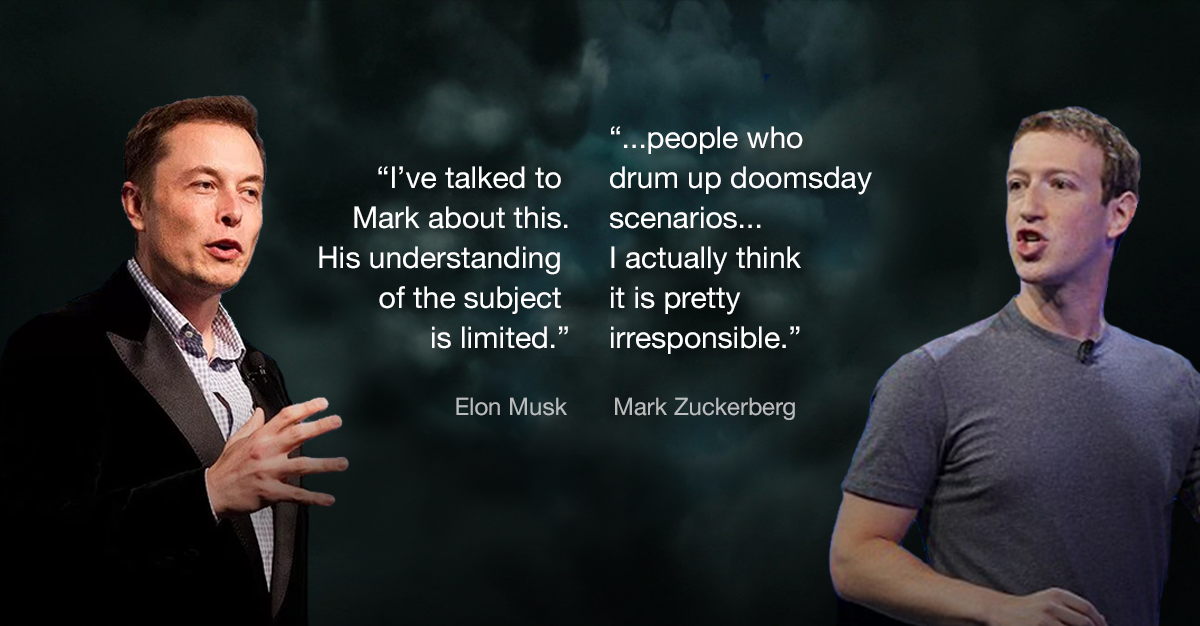
On November 19, 2014, Mark Zuckerberg invited Elon Musk to have dinner at his home in Palo Alto, California with two other Facebook executives to have a discussion over artificial intelligence.

Earlier, Elon Musk, the CEO of Space X, Co-founder and product architect of Tesla, expressed his worry regarding the AI threat to humanity in interview and social media. “AI is potentially more dangerous than nukes”. He was afraid of the fact that “If we create machines that are smarter than humans, they could turn against us.”
According to a New York Times report, in the dinner hosted by Mr. Mark Zuckerberg, the CEO of Facebook, the Facebook group attempted to convince Mr. Musk that his concern was wrong. Neither of the two CEOs would talk in detail about the discussion.
Artificial intelligence research can have great potential and implications but the debate over the future of AI has infiltrated the tech industry, with many influential people playing a part, such as the Microsoft founder Bill Gates, the late Stephen Hawking…
The future evolution of AI is predicted to bring about inevitable risks; therefore, sets of principles and standards for AI exploitations and applications must be developed so that we are able to take best control of possibilities. AIWS is one of the outstanding initiatives of MDI aiming at creating general moral standards which are expected to keep AI developing safely and pacifically.
by BGF | Jun 18, 2018 | News
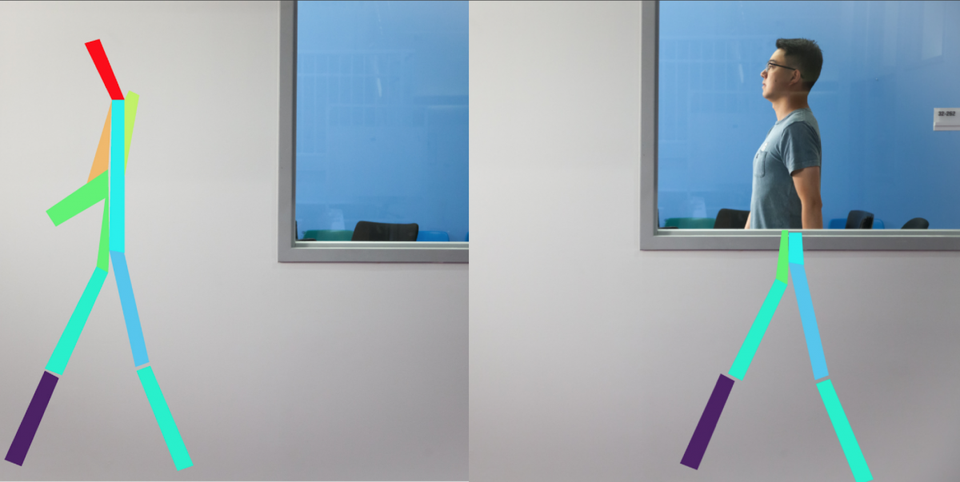
Under the supervision of Professor Dina Katabi from MIT’s Computer Science and Artificial Intelligence Laboratory (CSAIL), her team has continually made progress in making an AI device with X-ray vision.

Over the last decade, Professor Dina Katabi from MIT’s Computer Science and Artificial Intelligence Laboratory (CSAIL) and her research group has got us closer to seeing through walls. They have been working on a project named “RF-Pose” which uses AI to train wireless devices to sense people’s postures and movement through the wall. “RF-Pose” uses a neural network to analyze radio signals bouncing off people’s bodies to produce the stick figures that illustrate the people behind the wall. The application of this technology is vast, it can be applied to healthcare services, search-and-rescue operations, monitoring environments, etc.
Opportunities will be open for new applications through the 7th layer and 6th layer of AI World Society model.
by BGF | Jun 18, 2018 | News
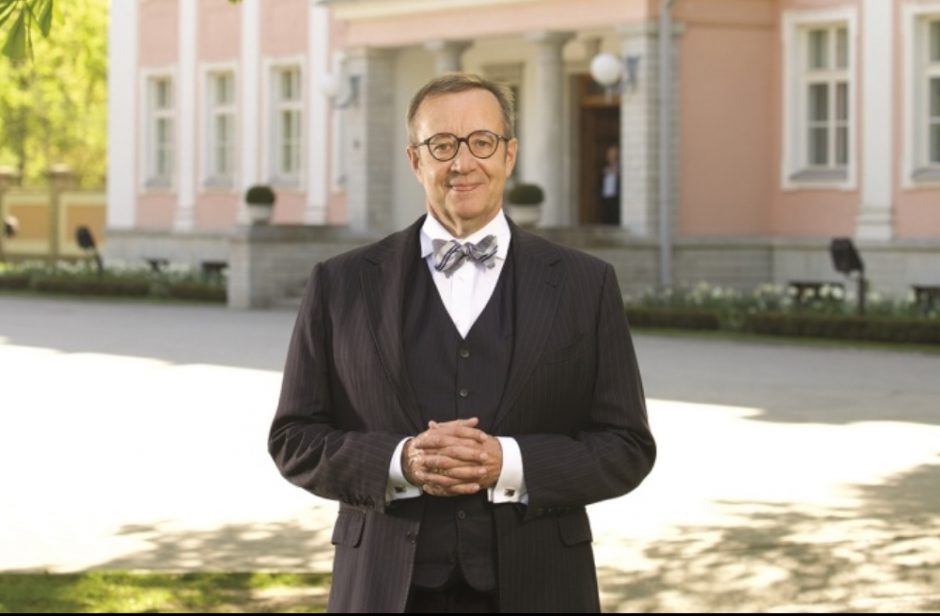
Estonia is one of the countries that pursued digital evolution very early since 1999; the World Economic Forum considered Estonia among the innovation-driven knowledge-based societies. Former Estonian President Toomas Hendrik Ilves was interviewed about the digital evolution program in Estonia.

Mr. Toomas Hendrik Ilves was the fourth President of Estonia from 2006 until 2016. Ilves worked as a diplomat and journalist, and he was the leader of the Social Democratic Party in the 1990s. He was also awarded with the World Leader in Cybersecurity award by BGF and MDI in 2017. He shared his point of view about the Tiger Leap Programme, which was the secret of Estonia’s transformation from an undeveloped economy with little infrastructure to one of the most advanced nations in the world.
The program equipped schools with computers and Internet access and other ICT services. Computer science classes were taught in every schools. The project familiarized Estonians with technology and gave easy internet access to the majority of Estonians.
According to Mr. Toomas Hendrik Ilves, the key to the success of the programme in 1999 is to make children curious about technology and it has succeeded in that respect. In 2012, the country began teaching programming and robotics at all educational levels.
by BGF | Jun 18, 2018 | News
Professor Patrick Winston has his computer learn about the human mind’s perception through stories.

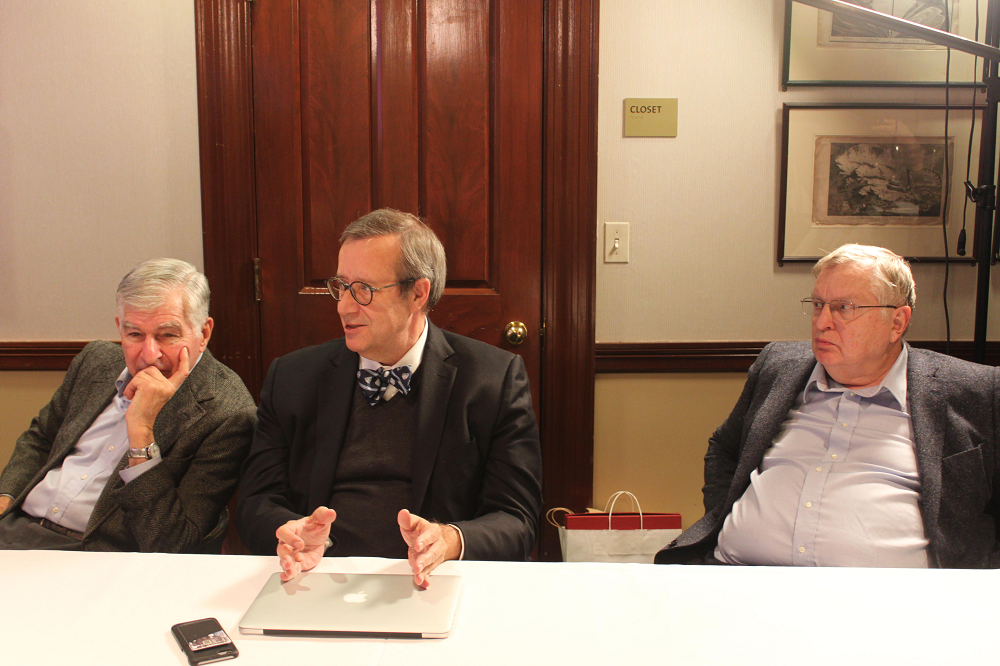
Prof. Patrick Winston attended AIWS Roundtable on December 12, 2017 at Harvard University Faculty Club together with Estonian President Toomas Hendrik Ilves and Governor Michael Dukakis (sitting on the right).
As AI technology is thriving, its application can be helpful in many industries with enormous opportunities. Recently, MIT professor Patrick Winston successfully taught his computer about human perception and insight through a shortened version of Macbeth- Shakespeare’s Scottish tragedy.
Professor Patrick Winston’s work in the field of Artificial Intelligence is outstanding, he was the Director of the Artificial Intelligence Laboratory from 1972 to 1997. He is also a member of AIWS Standards and Practice Committee.
His algorithm installed in his computer enabled it to learn about revenge and ambition; it knows the joy of victory and death just through a truncated version of Macbeth- in just 37 sentences, a summary of the Bard’s immortal poetic: “Witches had vision and danced” and “Lady Macbeth has bad dreams”.
by BGF | Jun 18, 2018 | News
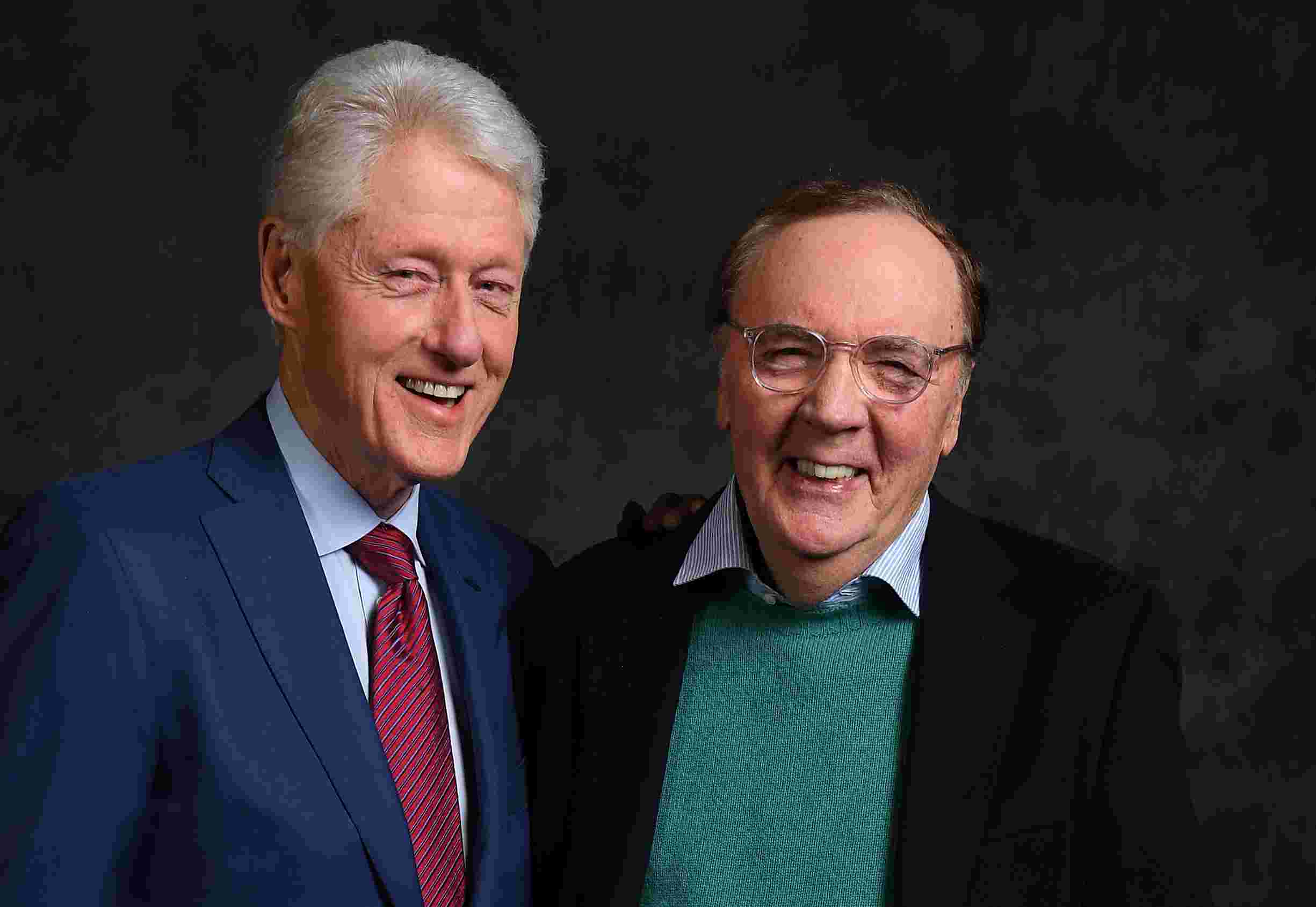
Cyber security has been a hot debate all over the world as it is extremely influential to everyone in every field, the debate on its effects on politic is also noticeable, Mr. Clinton had an interview with USA Today and James Patterson talking about politics and cyber security.

In the beginning of June, there was a talk about cyber security and politics, reported by USA Today with the presence of James Brendan Patterson, an American author and philanthropist who was awarded Edgar Award for the Best First Novel by American Author and Bill Clinton, the 42nd President of the United States from 1993 to 2001. They discussed cybersecurity issues in elections and politics in this interview.
Not only known as the former President of United States, after his presidency, Bill Clinton continued his political career. He is currently a member of World Leadership Alliance-Club de Madrid – a partner of Boston Global Forum and Michael Dukakis Institute in developing the AI World Society (AIWS) initiative.
by BGF | Jun 10, 2018 | News
Today artificial intelligence is rapidly changing the way businesses build products and provide customer service, and public services.
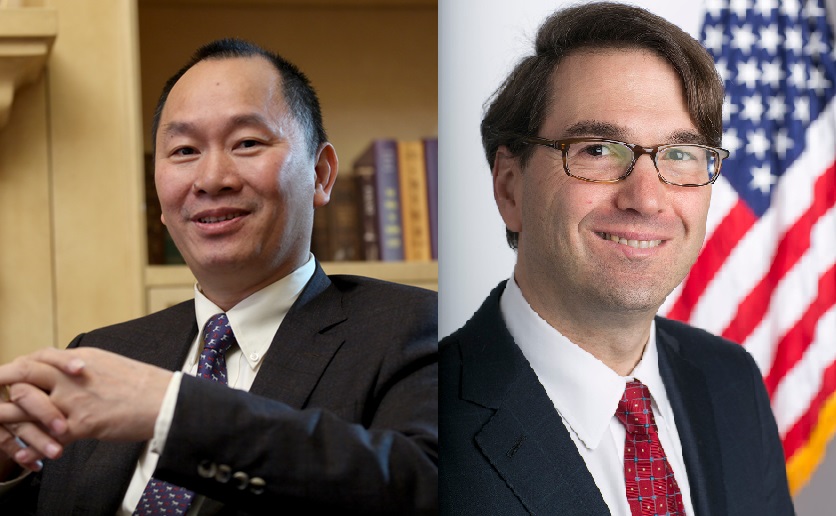
In that context, The Michael Dukakis Institute (MDI) and our colleges developed the AIWS 7-Layer Model. This model will soon be applied to build the AI Economic Strategy and Solutions for Vietnam. Professor Jason Furman – Professor of the Practice of Economic Policy at Harvard Kennedy School, Chairman of the Council of Economic Advisers (CEA) of President Barack Obama, and Mr. Nguyen Anh Tuan – Director of MDI are closely working to build it, and they will present at Vietnam CEO Summit 2018 in Hanoi with the participation of Vietnamese leaders.