by Editor | Feb 12, 2024 | News
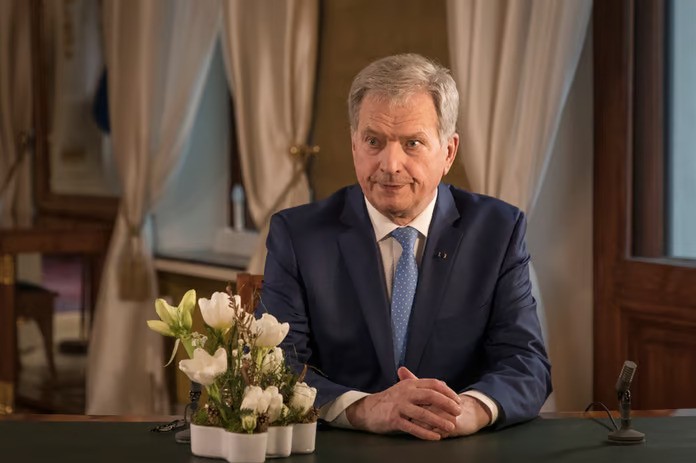
President Sauli Niinisto, the 2018 World Leader for Peace and Security Award and a Global Enlightenment Leader, discussed his position on nuclear weapons.
In a recent interview with a Finnish newspaper IS.fi, Finnish President Sauli Niinistö made headlines with his firm stance on the nuclear weapons debate, diverging sharply from the views of Alexander Stubb, a fellow politician and presidential candidate. Niinistö’s comments come at a time when the topic of nuclear armament is increasingly contentious, not just within Finland but across the globe.
During the state opening of Parliament, when asked about the possibility of revisiting the nuclear energy law and the notion of Finland harboring nuclear weapons, President Niinistö responded emphatically. “I have sometimes noted that Finland has no need to open a discussion on nuclear weapons,” he stated, underscoring his position with a clarity that left little room for ambiguity.
Niinistö further elaborated, “The fact is that NATO only keeps nuclear weapons in a few places in Europe, and none of them are particularly close to Finland. But another fact is that the nuclear deterrent is realized through many different means, including submarines, among others. As far as I understand, it’s already quite well established.”
Read the full article here and in its original Finnish here.
by Editor | Feb 12, 2024 | News
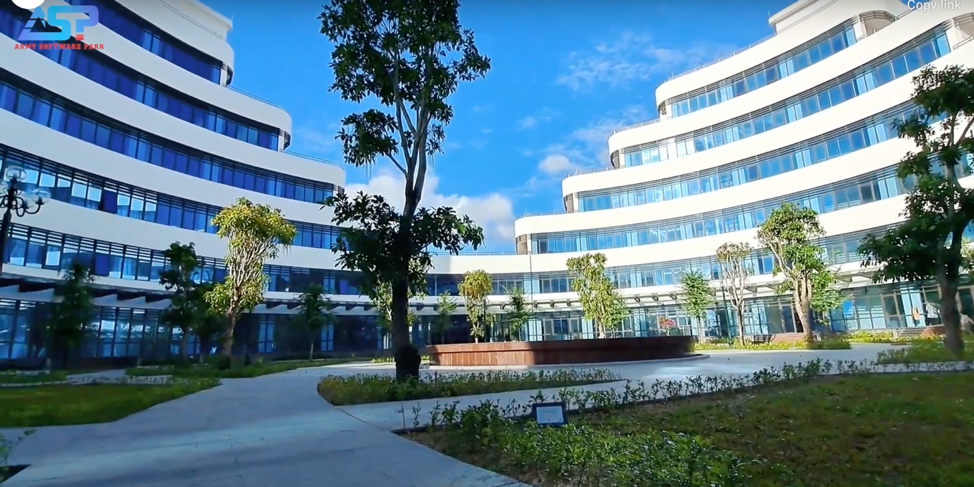
On March 16, 2024, a significant collaboration between the Boston Global Forum and the Army Innovation Park (AIP) at Telecommunication University (TCU) in Nha Trang, Vietnam, marks a pivotal moment in the advancement of artificial intelligence (AI). This partnership, under the auspices of the Ministry of Defense of Vietnam, signals a proactive approach towards harnessing the potential of AI for societal benefit. At the heart of this collaboration lies a conference dedicated to exploring the capabilities of AIWS Angel, a groundbreaking Natural AI Assistant, as part of the AIWS Natural Initiative.
The conference represents a convergence of visionary minds, where experts from diverse backgrounds will convene to delve into the intricate nuances of Natural AI and its implications for the future. Held within the innovative ecosystem of the Army Innovation Park, renowned for its commitment to fostering technological innovation, the event promises to be a breeding ground for transformative ideas and collaborative ventures.
At its core, the discussion will revolve around AIWS Angel, a beacon of innovation poised to redefine human-computer interaction. With its naturalistic approach to AI, AIWS Angel holds the potential to revolutionize various facets of society, from enhancing productivity to promoting inclusivity and accessibility. By leveraging the power of AI in alignment with human values and ethics, this initiative seeks to pave the way towards a more harmonious coexistence between humans and intelligent machines.
Army Innovation Park in Nha Trang, Vietnam
by Editor | Feb 5, 2024 | News
Minh Nguyen is the Editor of the Boston Global Forum and a Shinzo Abe Initiative Fellow. She writes the Four Pillars column in the BGF Weekly newsletter.
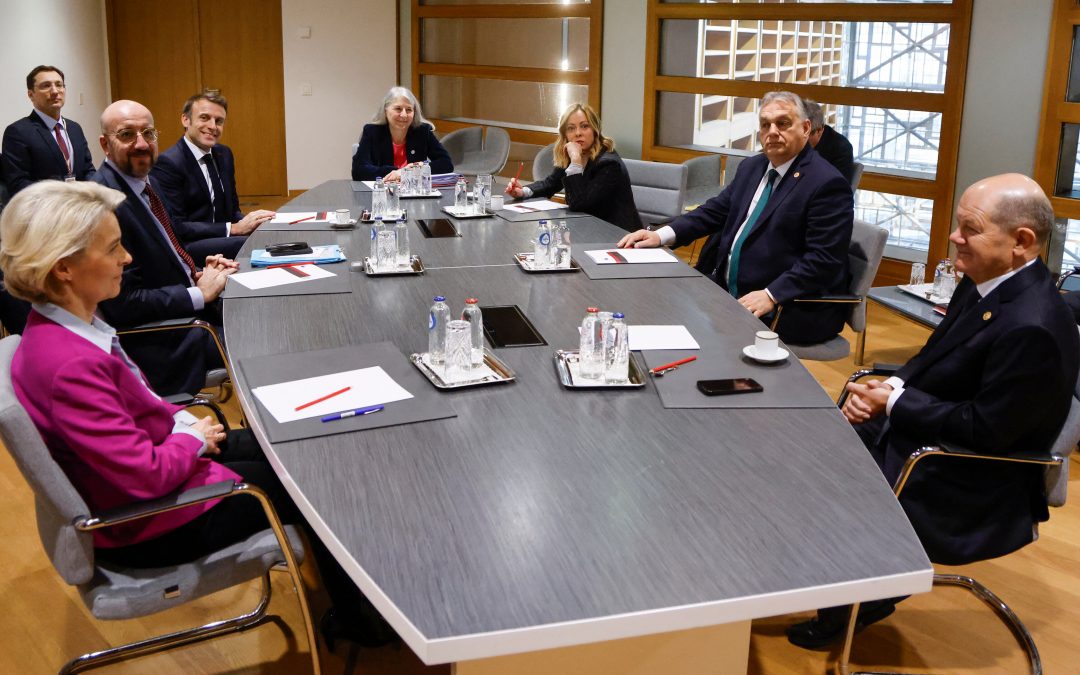
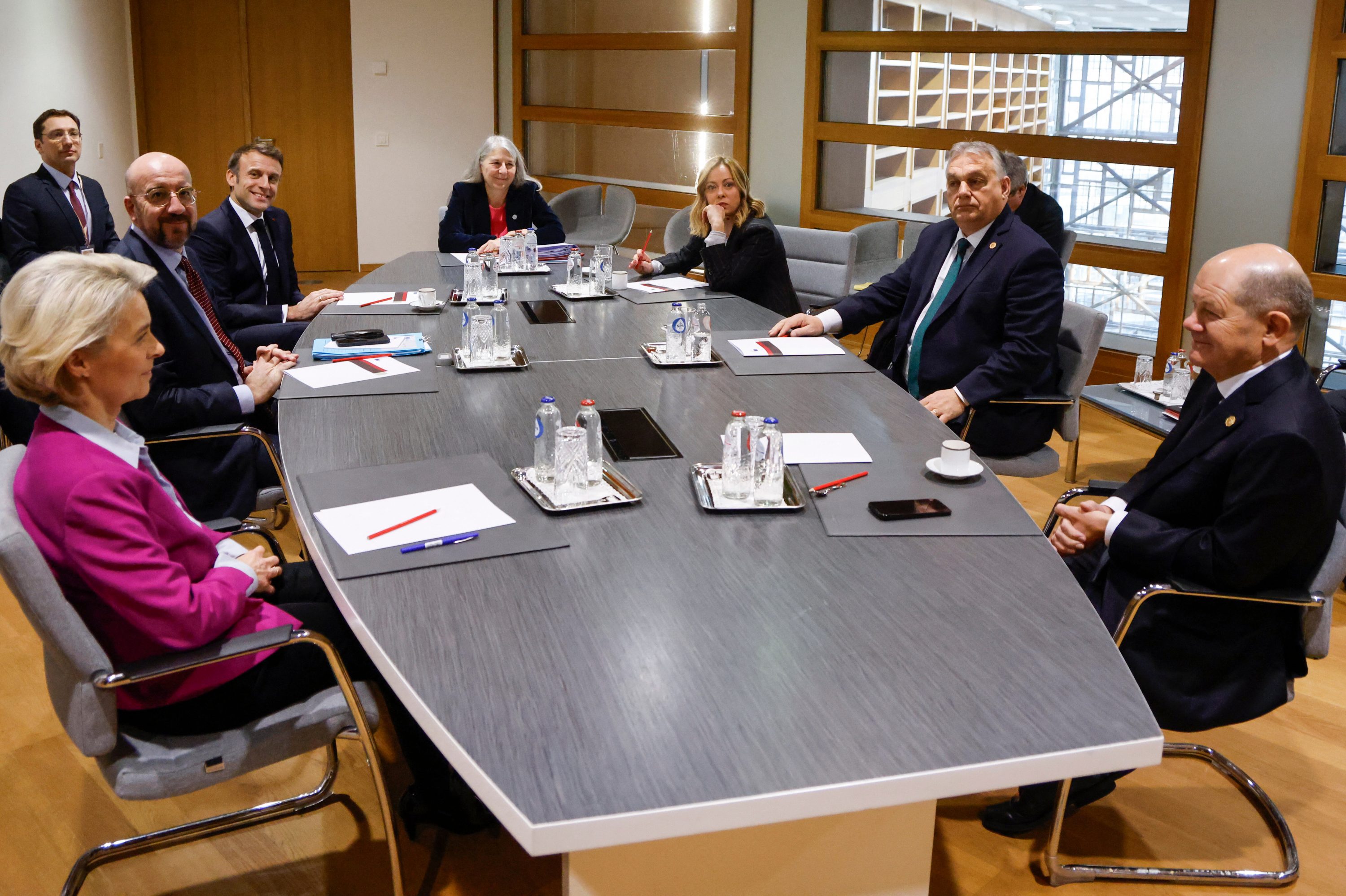
In the past week, the EU, a Pillar, was finally able to approve more aid to Ukraine, this package consisting of €50bn. EU leaders were able to bend Hungary, the sole holdout and closest associate of Russia in the EU, to withdraw their veto. This is due to threats of cutting Hungary off from the European economic systems, or more colloquially, “destroying the Hungarian economy.” This was also achieved because of Hungary’s lack of a partner, now that the Polish party PiS were no longer in power. Hopefully in the coming weeks, this also signals an aid package to Ukraine from the US after their domestic political dog and pony show as well.
In Europe, Germany, the Netherlands, and Poland signed a “military Schengen” agreement to ease troop movements between the three countries. While mostly bureaucratic on the surface, it is one in a series moves wherein the EU continue to increase conflict preparedness, as the danger of the eastern flank and to the global democratic order continue to surface.
In the Middle East, the US conducted airstrikes on Iran proxies in Iraq and Syria in retaliation for the drone attack on an American base in Jordan. This decision was well telegraphed in advance though, and serves as a kind of tit-for-tat or whack-a-mole exchange game that the US and Iran continue to play in the region, and would not lead to further escalations.
On the naval front, India, a Pillar, continues to reinforce its operations in the Arabian Sea as well. Although they have not formally joined Operation Prosperity Freedom, any effort from any of the Pillars to counter the continuing piracy in the region is welcomed to promote stability and upholding the current global trade institution.
by Editor | Feb 4, 2024 | News
Dear friends and readers,
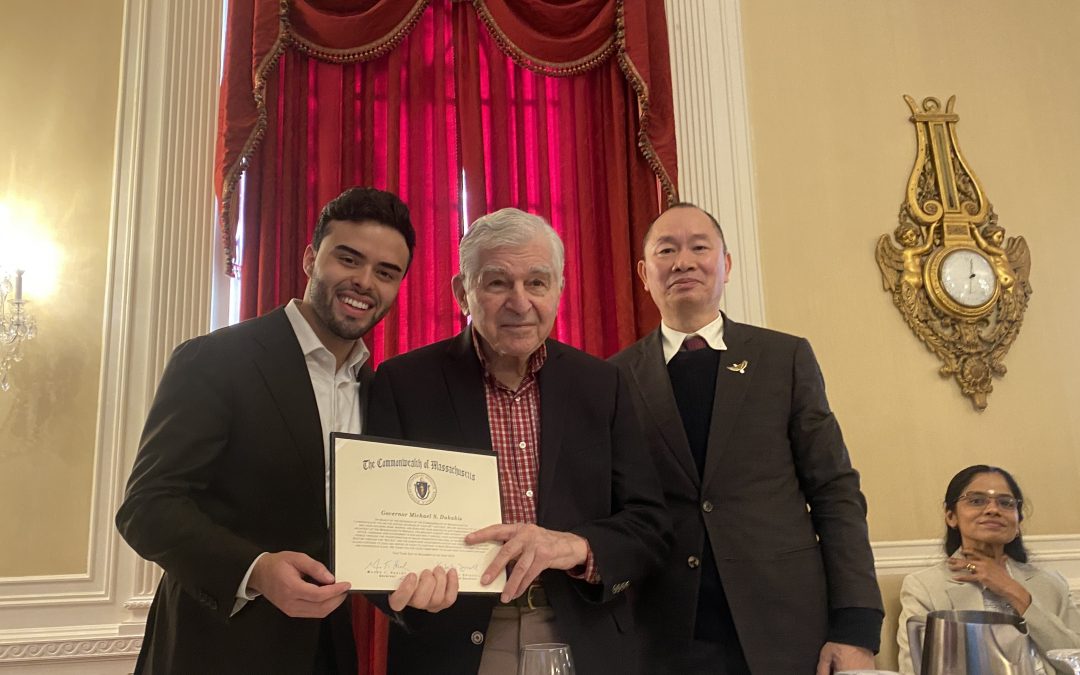
As we welcome the Lunar New Year, Governor Michael Dukakis, Chair of the Boston Global Forum, and Mr. Nguyen Anh Tuan, CEO of the Boston Global Forum, extend our warmest congratulations and best wishes to all.
May 2024 bring joy, prosperity, and fulfillment to all around the globe. In these challenging times, let us strive for a world marked by peace, security, and effective and smart decision-making.
Our heartfelt wishes go out to the people affected by conflicts, particularly those in Ukraine, Russia, Israel, Palestine, Sudan, and beyond. May the new year bring an end to these conflicts, giving way lasting peace and stability to the regions.
We express our hope that the AI World Society model will continue to serve as a catalyst for positive change, fostering collaboration, understanding, and innovation on a global scale. Let us work together to harness the power of technology for the betterment of humanity.
Happy Lunar New Year to all, and may the year ahead be one of harmony, progress, and unity.
Sincerely,
Governor Michael Dukakis, Chair of the Boston Global Forum
Mr. Nguyen Anh Tuan, CEO of the Boston Global Forum
by Editor | Feb 4, 2024 | Event Updates, News
The Boston Global Forum will host a Shinzo Abe Peace and Security Conference this spring. Distinguished leaders, scholars, and professionals from various fields will meet in Tokyo on March 28, 2024, to engage in critical discussions addressing pressing global challenges.
The conference will place a particular focus on exploring sustainable solutions for peace and security in regions of significant geopolitical concern. Thought leaders will discuss the crisis in the Middle East and the war between Ukraine and Russia. Additionally, the conference will deliberate on strategies to navigate the rising tensions in the Asia-Pacific between China and its neighbors (Japan, Taiwan, India, etc).
A key highlight of the event will be the discussion surrounding the AIWS Natural AI Initiative. Renowned experts such as Yutaka Matsuo from the University of Tokyo and Hiroshi Ishiguro will contribute their insights towards the development of AIWS Angel, a groundbreaking example of Natural AI. This initiative aims to bridge the gap between artificial and natural intelligence, showcasing the potential of technology to serve humanity in profound ways.
Moreover, the conference will pay homage to the efforts of Japanese young leaders through the prestigious Shinzo Abe Award for Young Leaders in the Age of Global Enlightenment. This accolade seeks to recognize and celebrate the contributions of the younger generation towards fostering peace, security, and positive global change.
The Shinzo Abe Peace and Security Conference promises to be a dynamic platform, bringing together diverse perspectives and expertise to chart a course towards a more secure and harmonious world. We look forward to the insightful discussions and collaborative efforts that will emerge from this event.
by Editor | Feb 4, 2024 | Global Alliance for Digital Governance
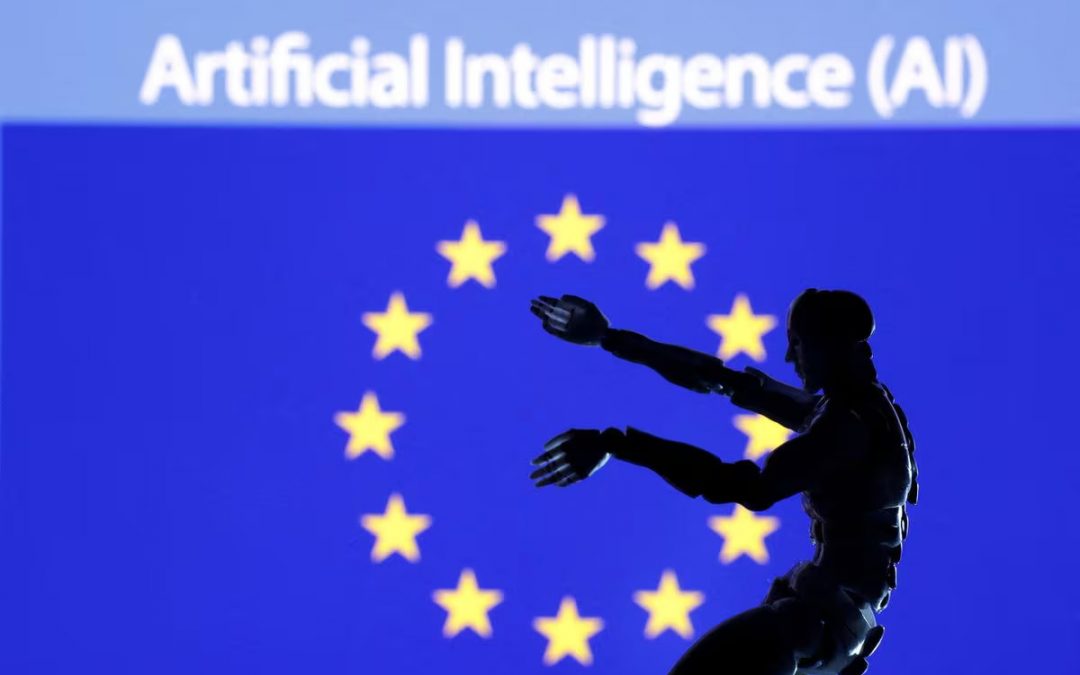
Europe on Friday moved a step closer to adopting rules governing the use of artificial intelligence and AI models such as Microsoft-backed ChatGPT after EU countries endorsed a political deal reached in December.
The rules, proposed by the European Commission three years ago, aim to set a
global standard for a technology used in a vast swathe of industries from banking and retail to the car and airline sectors.
They also set parameters for the use of AI for military, crime and security purposes.
EU industry chief Thierry Breton said the Artificial Intelligence (AI) Act is historical and a world first.
“Today member states endorsed the political agreement reached in December, recognising the perfect balance found by the negotiators between innovation and safety,” he said in a statement.
A major concern of experts is that generative AI has boosted
deepfakes – realistic yet fabricated videos created by AI algorithms trained on copious online footage – which surface on social media, blurring fact and fiction in public life.
EU digital chief Margrethe Vestager said the spread of fake sexually explicit images of pop singer Taylor Swift on social media in recent days underscored the need for the new rules.
“What happened to @taylorswift13 tells it all: the #harm that #AI can trigger if badly used, the responsibility of #platforms, & why it is so important to enforce #tech regulation,” she said on X social platform.
Friday’s agreement was a foregone conclusion after France, the last holdout,
dropped its opposition to the AI Act after securing strict conditions that balance transparency versus business secrets and reduce the administrative burden on high risk AI systems.
The aim is to allow competitive AI models to develop in the bloc, an EU diplomatic official told Reuters earlier on Friday. The official declined to be named because they were not authorised to comment publicly on the issue.
French AI start-up Mistral, founded by former Meta and Google AI researchers, and Germany’s Aleph Alpha have been lobbying their respective governments on the issue, sources said.
Germany earlier this week also backed the rules. Tech lobbying group CCIA which counts Alphabet’s Google, Amazon, Apple and Meta Platforms as members, warned of roadblocks ahead.
“Many of the new AI rules remain unclear and could slow down the development and roll-out of innovative AI applications in Europe,” CCIA Europe’s Senior Policy Manager Boniface de Champris said.
“The Act’s proper implementation will therefore be crucial to ensuring that AI rules do not overburden companies in their quest to innovate and compete in a thriving, highly dynamic market.”
The next step for the AI Act to become legislation is a vote by a key committee of EU lawmakers on Feb. 13 and the European Parliament vote either in March or April. It will likely enter into force before the summer and should apply in 2026 although parts of the legislation will kick in earlier.
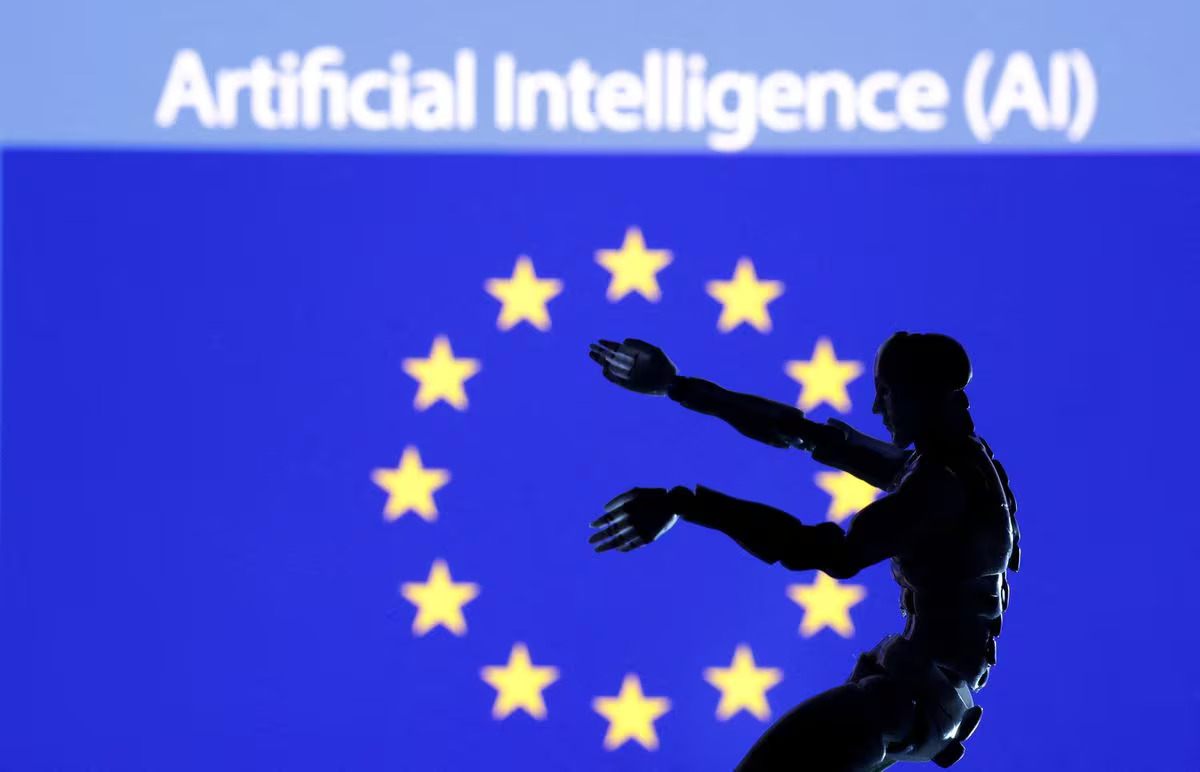
AI Artificial intelligence words, miniature of robot and EU flag are seen in this illustration taken December 21, 2023. REUTERS/Dado Ruvic
by Editor | Feb 4, 2024 | News
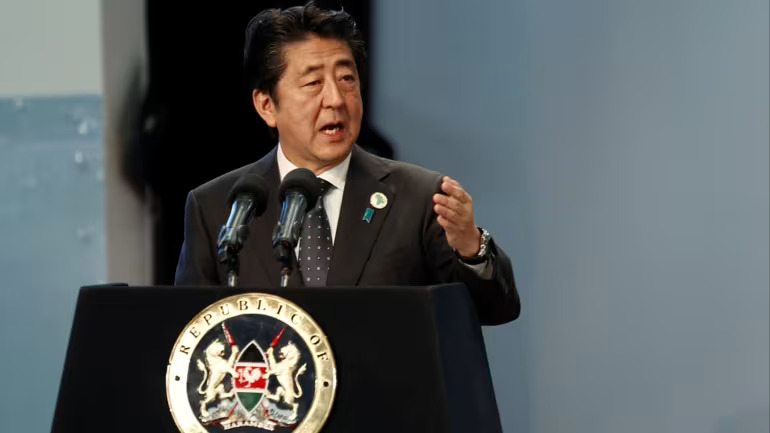
BGF recalls how the late Prime Minister Shinzo Abe, 2015 World Leader for Peace and Security Award, first spoke of the concept of a free and open Indo-Pacific region at the 2016 Tokyo International Conference on African Development.
The term “Indo-Pacific” then began to rapidly spread internationally. In November 2017, in response to Abe’s speech, then-U.S. President Donald Trump announced his own free and open Indo-Pacific strategy in remarks to the APEC CEO Summit in Danang, Vietnam. This signified Washington’s embrace of the notion that a geopolitical narrative linking the Pacific and Indian Oceans as one region is in the national interest of the U.S.
The administration of President Joe Biden has kept with this framing. Other governments, including ASEAN, major European countries and Canada have also announced their own Indo-Pacific strategies.
Japan’s Global South vision can achieve similar geopolitical significance. But doing so requires us to weave a story that will interest the U.S. and the international community.
It is worth noting that some media observers see the “Indo-Pacific” term as a framing intended to compete with China’s Belt and Road Initiative.
https://asia.nikkei.com/Opinion/Japan-must-take-its-Global-South-vision-forward-in-2024
Shinzo Abe first talked of the concept of a free and open Indo-Pacific region at the 2016 Tokyo International Conference on African Development. © Reuters
by Editor | Jan 29, 2024 | News
Minh Nguyen is the Editor of the Boston Global Forum and a Shinzo Abe Initiative Fellow. She writes the Four Pillars column in the BGF Weekly newsletter.
In the midst of all the conflicts and airstrikes in the Middle East, another flashpoint has arisen. American installations have been attacked in Iraq and other locations in the region, but none of them have been lethal – until now. Recently, there was a lethal drone attack on an American base in Jordan, leading to three casualties and over two dozen injured. Even though there were attacks in the previous months, they were simply struggled off, and now they can’t be ignored. This is a difficult needle for the Pillars to thread, as it is unwise to continue pouring more resources and investment into the region when there should be focus on the Asia-Pacific region, but not retaliating to such attacks would be weak posturing.
Something else that could cripple the strength of the Pillars is the decision by the Biden administration to halt LNG exports. At a time when American energy production is at its peak, this move would hamper European energy independence, especially vis-a-vis Russia and other authoritarian states. Even though environmental implications are understandable, this would only help destabilize and demotivate the democratic effort in the globe.
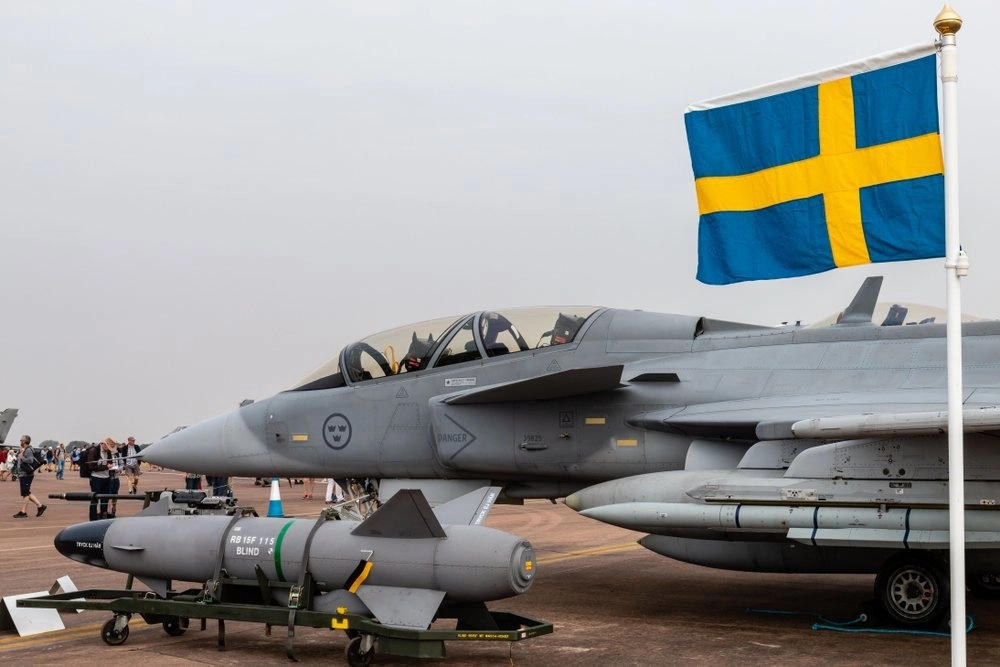
Finally, Turkey and Hungary have stopped their opposition to Sweden’s ascension into NATO, with the Turkish Parliament voted in favor of ascension, and Hungary caved in from pressure (most likely regarding fighter jets). This has the implications of turning the Baltic Sea into a NATO lake, and helps with a more cohesive defense position for Europe, one of the Pillars, and North America. It is the rare good news in a week of concerns and crises.
Shutterstock/Richard Whitcombe
by Editor | Jan 29, 2024 | Event Updates, News
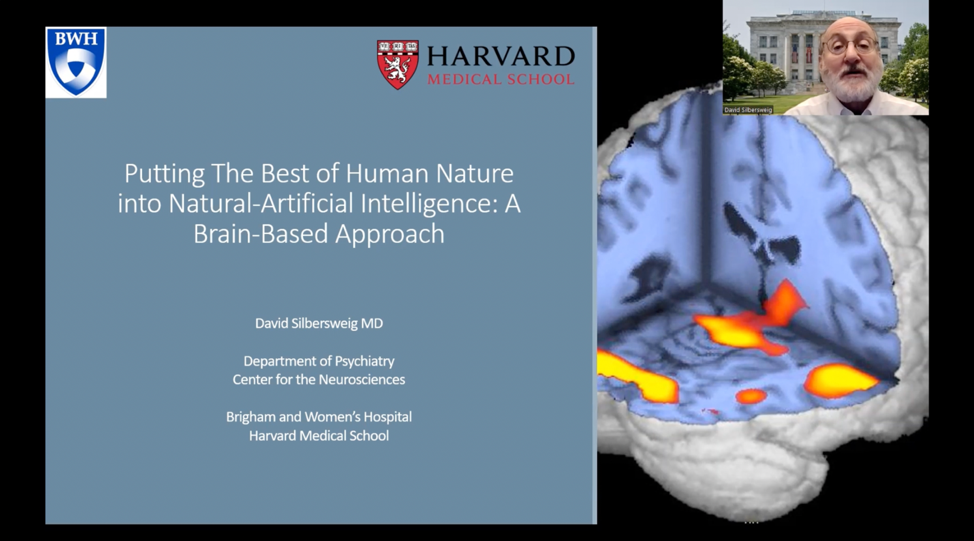
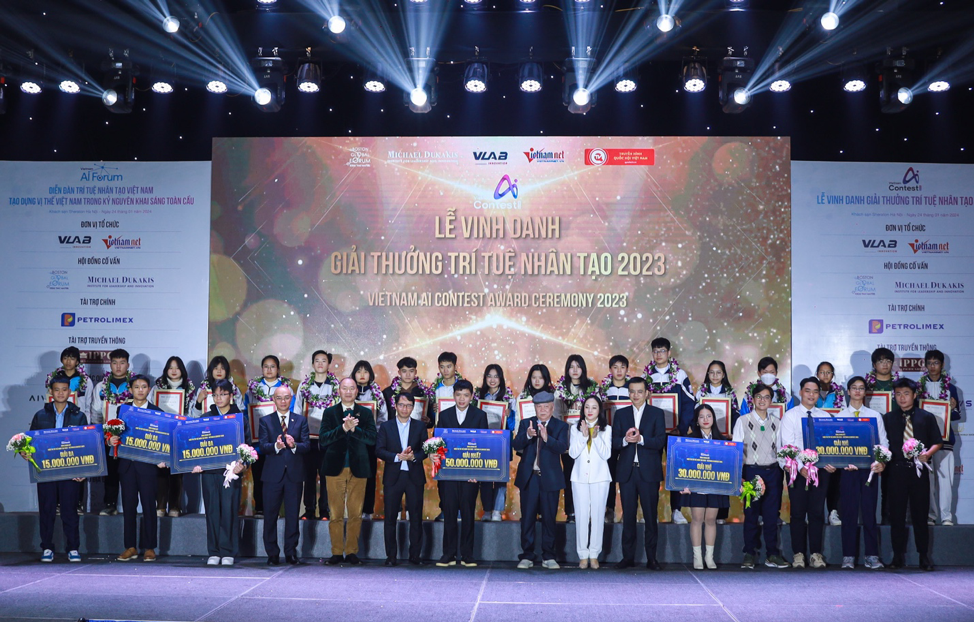
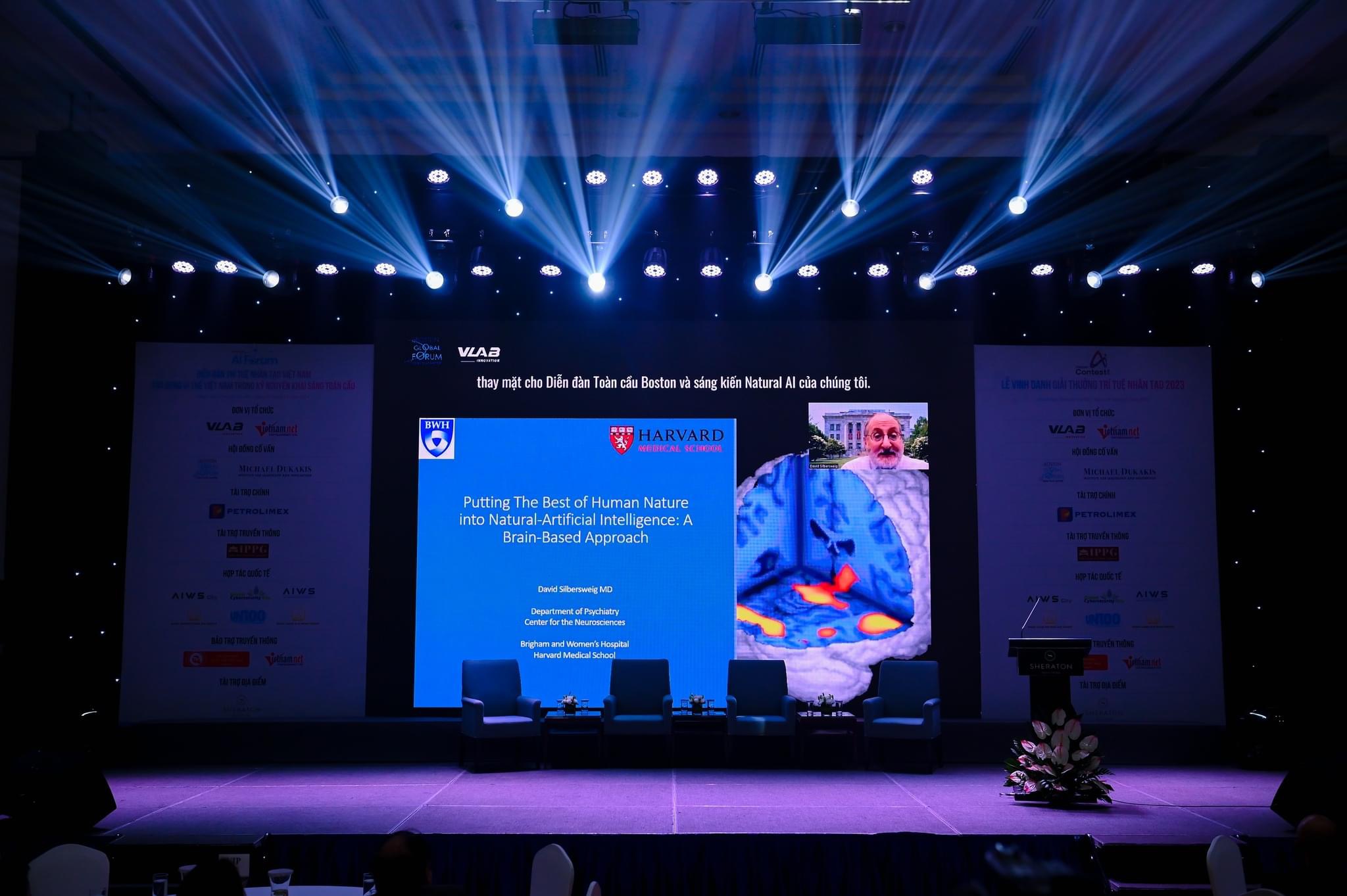
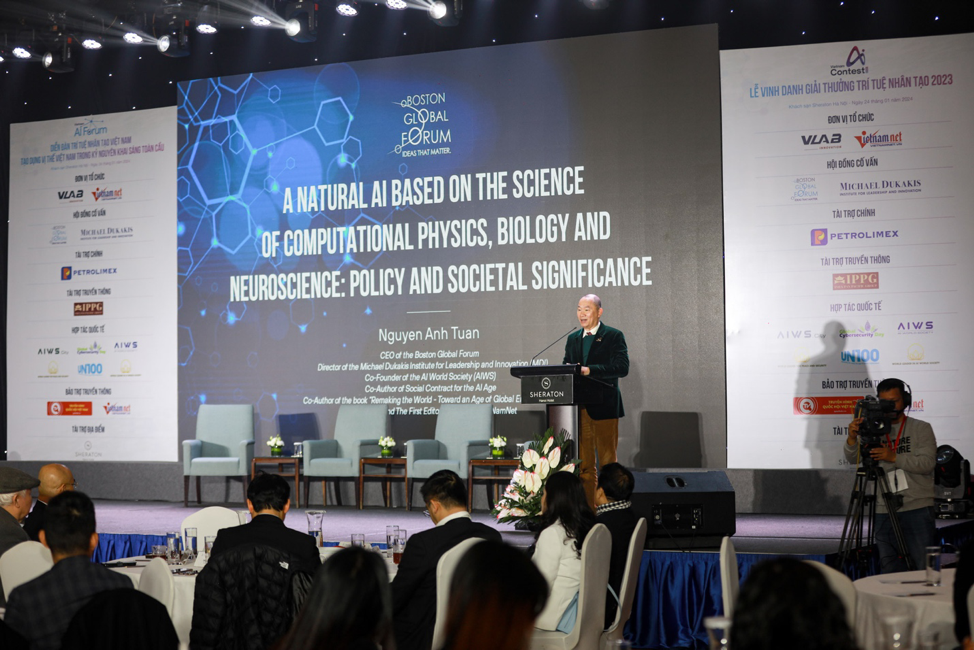
On January 24, 2024, Mr. Nguyen Anh Tuan, the CEO of Boston Global Forum (BGF), alongside Harvard professors and BGF Board members David Silbersweig and Thomas Patterson, ignited inspiration at the Vietnam AI Forum through the lens of AIWS Natural AI. This initiative, a collaborative effort between Boston Global Forum and the Active Inference Institute, not only offered valuable insights but also provided Vietnam with an opportunity to embrace pioneering initiatives and ideas in the field of artificial intelligence. The event marked a significant moment for the country to advance its understanding and engagement in the rapidly evolving landscape of AI.
Videos:
News on VietNamNet:
https://www.youtube.com/watch?v=isiRM3_8m08
Harvard Professor Thomas E. Patterson speaks about AIWS Natural AI at Vietnam AI Forum
https://www.youtube.com/watch?v=tYePGsRLmp4
Harvard Professor David Silbersweig speaks about AIWS Natural AI at Vietnam AI Forum
https://www.youtube.com/watch?v=ZPvzLBD8v5c
Articles on VietNamNet (Vietnamese):
https://vietnamnet.vn/tao-dung-vi-the-viet-nam-trong-ky-nguyen-khai-sang-toan-cau-2243290.html
https://vietnamnet.vn/ky-nguyen-ai-va-giac-mo-cua-nguoi-viet-2244700.html