by Editor BGF | Jan 26, 2025 | AI Action Summit, News
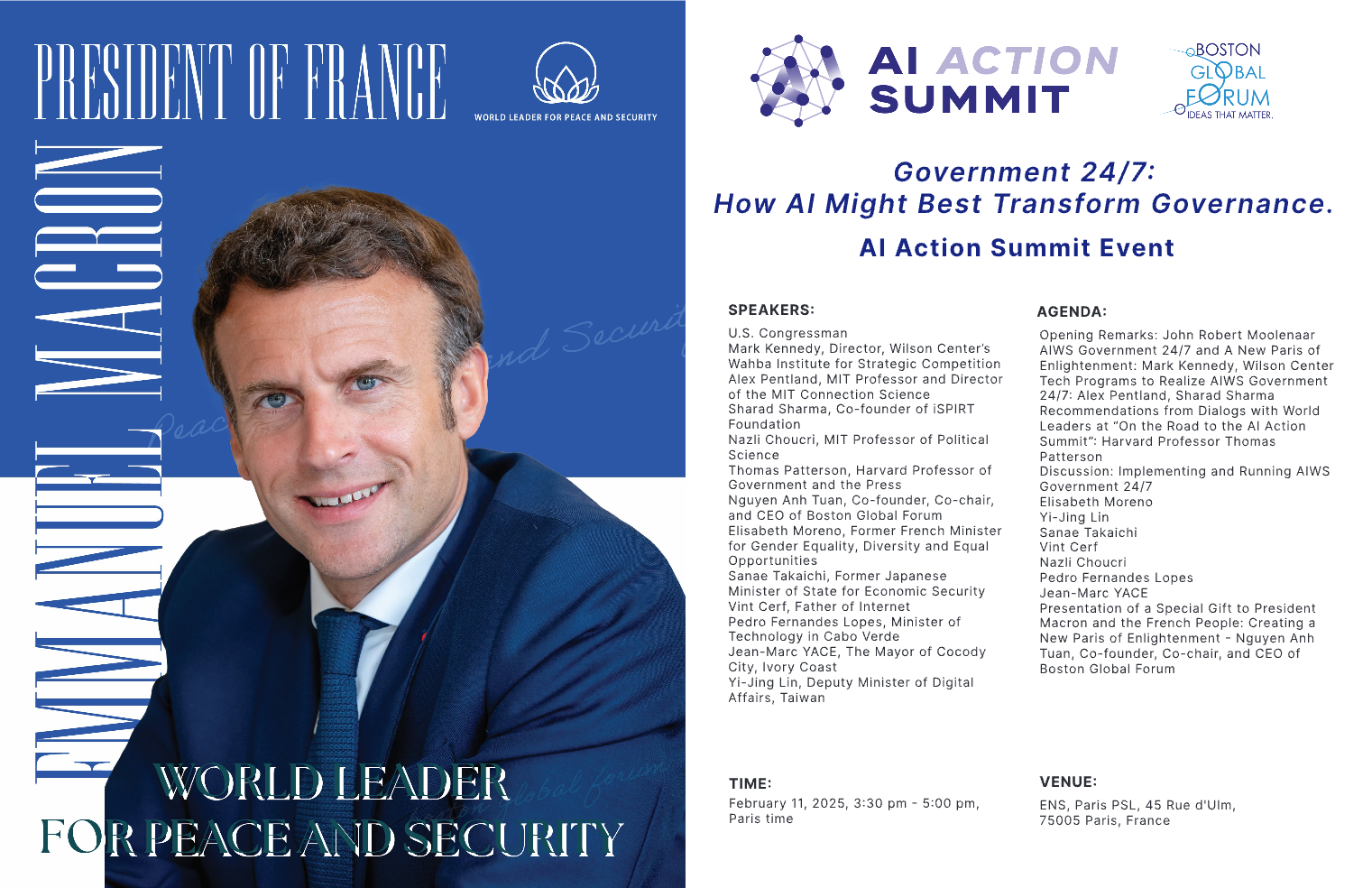
Time:
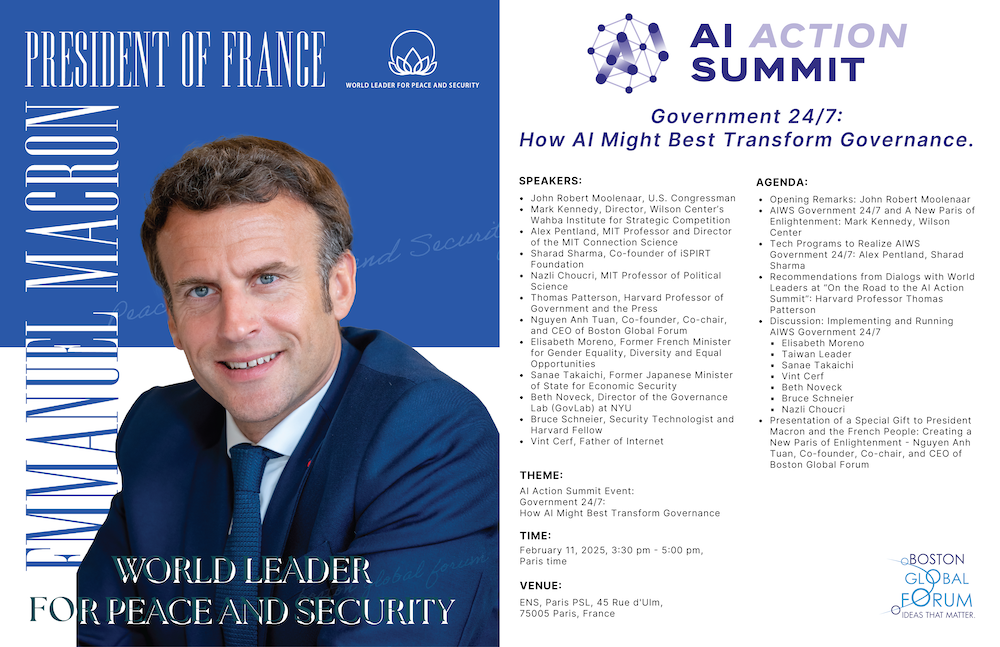
February 11, 2025, 3:30 pm – 5:00 pm, Paris time
Venue:
ENS, Paris PSL, 45 Rue d’Ulm, 75005 Paris, France
Agenda:
- Opening Remarks
- AIWS Government 24/7 and A New Paris of Enlightenment
- Mark Kennedy, Wilson Center
- Tech Programs to Realize AIWS Government 24/7
- Alex Pentland
- Sharad Sharma
- Recommendations from Dialogs with World Leaders at “On the Road to the AI Action Summit”
- Harvard Professor Thomas Patterson
- Discussion: Implementing and Running AIWS Government 24/7
-
- Elisabeth Moreno
- Yi-Jing Lin
- Sanae Takaichi
- Vint Cerf
- Nazli Choucri
- Pedro Fernandes Lopes
- Jean-Marc YACE
6. Presentation of a Special Gift to President Macron and the French People
-
- Creaing A New Paris of Enlightenment
- Nguyen Anh Tuan, Co-founder, Co-chair, and CEO of Boston Global Forum

by Editor BGF | Jan 26, 2025 | News, Shaping Futures
To Distinguished Leaders, Visionaries, Actors, and Actresses of Hollywood and the Film Industry
The AI Action Summit and Boston Global Forum are honored to invite you to a groundbreaking dialogue featuring President Macron, world leaders attending the AI Action Summit, and visionaries, actors, and actresses of Hollywood during the AI Action Summit, taking place in Paris on February 11, 2025, as part of the broader AI Action Summit events. The outcome of this meeting will be the announcement of an initiative, “Hollywood for a New Enlightenment,” on March 1, 2025, the eve of Oscar 2025. Hollywood’s unique ability to inspire and shape global culture positions its leaders and creatives as essential contributors to the ethical and imaginative development of the Artificial Intelligence World Society (AIWS).
Please provide feedback to: [email protected]
1925 saw the release of The Big Parade, one of the earliest Hollywood films. A story set in France, it captured the impact upon one individual—his life, his loyalties, and his loves—of a global war.
One hundred years later, France is host to another event of global dimensions: the Artificial Intelligence (AI) Action Summit, to be held in Paris on February 10 and 11. It will look into a future where the threats of war are as plausible as the promise of peace, a world whose order will profoundly affect the life, happiness, and opportunities for every human being.
The Boston Global Forum is proud to be part of this effort, a hope for a New Paris of Enlightenment. We hope you can be too.
In 2018, French President Macron initiated the Paris Peace Forum to encourage collective governance and international cooperation in tackling global challenges. In the realm of technology, he has been a leader in advancing artificial intelligence for France and Europe, emphasizing the need for Europe to invest strategically in AI to remain competitive globally while seeking approaches to AI that strengthen the tech community and enhance democratic governance. His values as much as his vision informed the decision to confer upon him the 2024 Boston Global Forum’s World Leader for Peace and Security Award.
In his acceptance speech, President Macron highlighted the power of face and voice—the two hallmarks of motion pictures and the creative community—saying he “wanted to take the time to tell you this warmly, through this message read aloud—this oral reading remains, in these times of artificial intelligence, perhaps the most revolutionary of practices, the best guarantee against deep fakes.” He continued with an assertion of his belief “that we all have an interest in maintaining both composure and reason in the face of artificial intelligence, often described in Promethean terms. We must build a collective agenda to democratize artificial intelligence, make it more sustainable from environmental and social perspectives, and create inclusive governance that brings together all countries and all stakeholders who need to be involved—social partners, artists, even teachers. It will involve articulating responses to risks and support for innovation.”
You are part of that truly inclusive governance that we seek. And we hope you will find the time to join us at an online conversation with global leaders attending the Paris summit. Your participation in “Hollywood at the AI Action Summit and a New Paris of Enlightenment” will be deeply meaningful.
This is the moment to parade our hopes, our sense of possibility, our ideas. And to do so big.
Warm regards,
Governor Michael Dukakis, Co-founder and Co-Chair of Boston Global Forum
Nguyen Anh Tuan, Co-founder, Co-Chair, and CEO of Boston Global Forum

by Editor BGF | Jan 26, 2025 | News
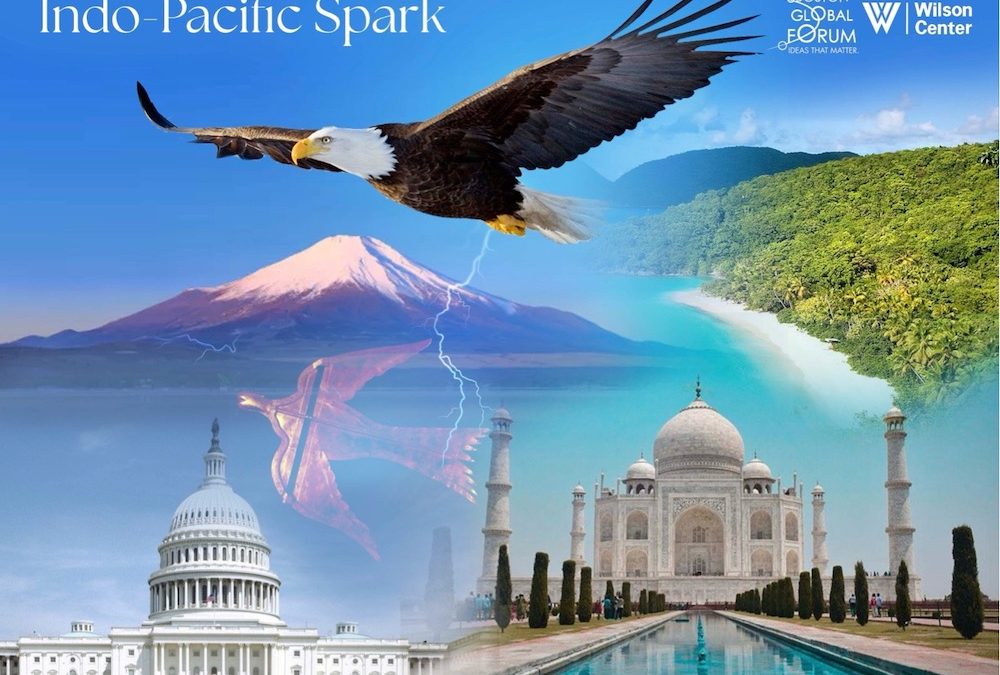
As U.S. President Donald Trump embarks on his second term, the opportunity for a substantial U.S.-India trade deal has never been more promising. This time around, Prime Minister Narendra Modi and President Trump should seize the moment to strike a meaningful bilateral agreement.
Contrary to the conventional wisdom in Washington and New Delhi that predicts a potential downturn in the U.S.-India trade relationship during Trump’s second term, the reality is that the two countries have a significant opportunity to expand trade. Furthermore, a realistic path forward exists for achieving this goal.
While U.S.-India economic ties have steadily grown throughout the 21st century, this cooperation has fallen short compared to the extraordinary advances in other dimensions of the bilateral relationship. A well-crafted trade agreement could unlock the untapped potential of this economic partnership and deepen the broader strategic relationship between the two nations.
Discussion Prompt:
What are the key challenges and opportunities in forging a U.S.-India trade deal during President Trump’s second term? How might such an agreement impact the Indo-Pacific economic landscape?
For further context, you can reference the article here: Foreign Policy – U.S.-India Trade Deal
https://foreignpolicy.com/2025/01/21/us-india-trade-deal-trump-modi-economy-indo-pacific/
https://www.vifindia.org/article/2025/january/08/Navigating-the-Future-of-Europe-Impact-of-the-Second-Trump-Administration

by Editor BGF | Jan 26, 2025 | Shinzo Abe Initiative for Peace and Security, News
The strategic competition between the United States and the People’s Republic of China (PRC) emerged prominently during Donald Trump’s first administration. Policies such as tariffs and trade restrictions, initially implemented under Trump, were subsequently maintained and expanded under Joe Biden’s administration.
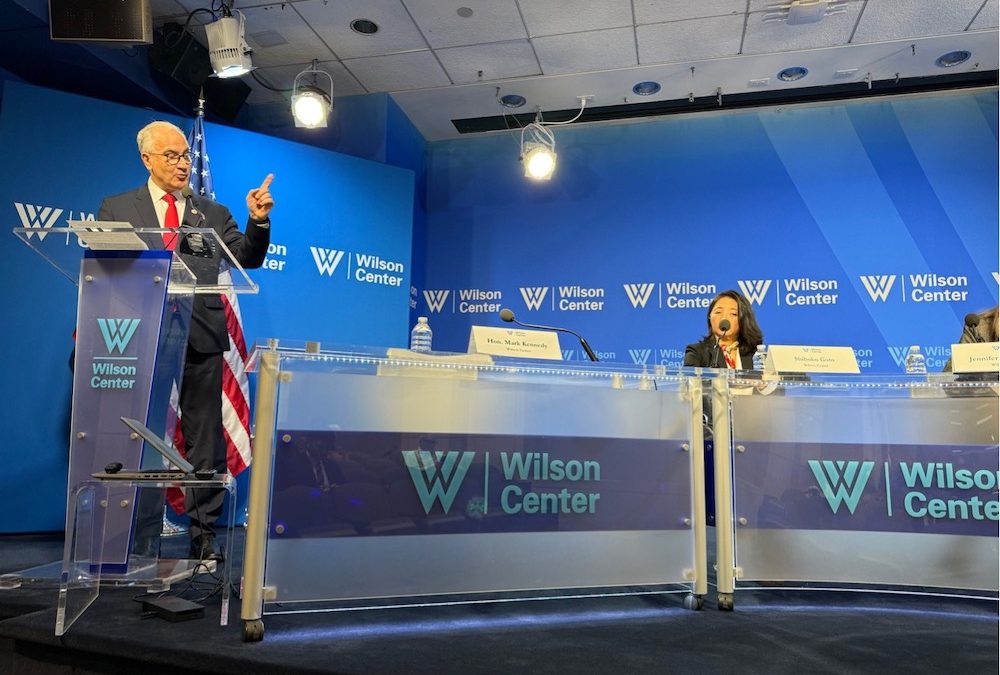
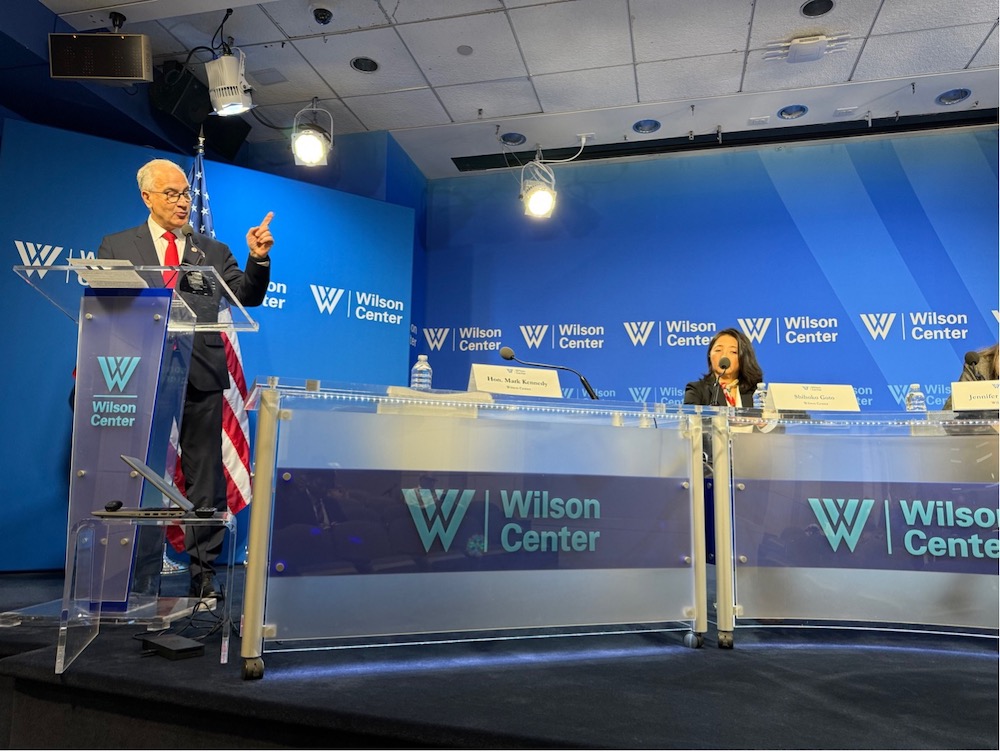
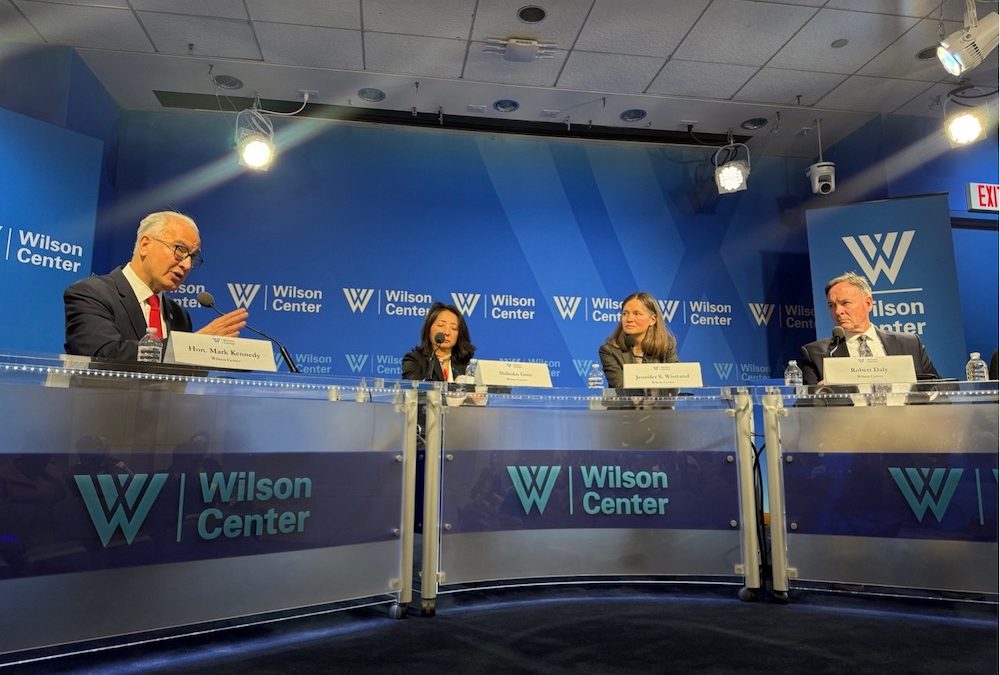
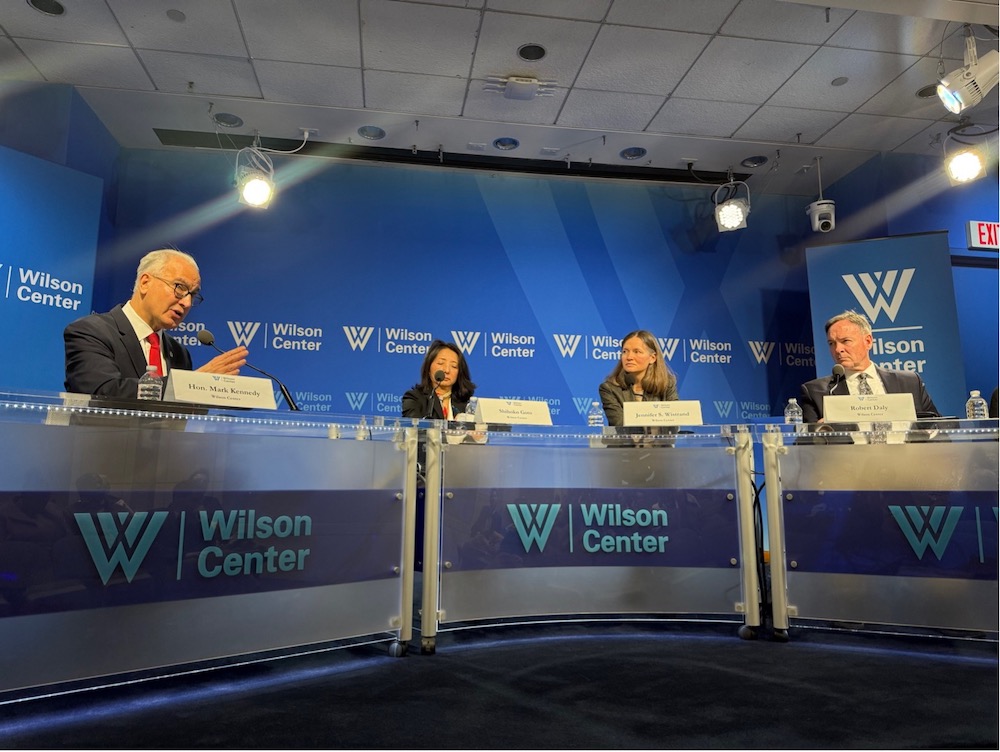
On January 22, 2025, as the makeup of the second Trump Administration takes shape and following the President’s priorities outlined in his inaugural address, the Wilson Center convened its leading experts on China, the Indo-Pacific, Russia, and the Middle East in addition to keynote remarks from Hon. John Moolenaar, Member of the United States House of Representatives.
Moderator: Mark Kennedy, Director, the Wilson Center’s Wahba Institute for Strategic Competition
This event is part of the Indo-Pacific Spark Initiative, a collaboration between the Boston Global Forum and the Wilson Center. Here is the video of the event
https://www.wilsoncenter.org/event/strategic-competition-second-trump-administration
by Editor BGF | Jan 26, 2025 | Global Alliance for Digital Governance
Mark Kennedy, Wilson Center
America is making a critical mistake in its AI strategy—it is overreaching in playing defense but doing the opposite in playing offense. While Washington is busy building regulatory walls to restrict access to AI compute power (a term encompassing computational resources used to train and run AI models), China is circumventing these barriers and strategically developing asymmetric advantages.
Recognizing that it will take time for China to match the US in high-performance AI compute, Chinese companies have focused on developing more efficient, less expensive AI technologies. They are also seeking to build dominant positions in open-source AI, cloud infrastructure, and global data ecosystems. These strategies enable China to offer cheaper, unrestricted AI access to countries frustrated by US policies, embedding itself into emerging markets in ways that will be difficult to dislodge. This is not just an AI competition—it is a battle for control over the global digital infrastructure today and in the future.
https://www.wilsoncenter.org/article/americas-ai-strategy-playing-defense-while-china-plays-win
by Editor BGF | Jan 26, 2025 | World Leader for Peace and Security, AI Action Summit, World Leaders in AIWS Award Updates
On February 11, 2025, during the AI Action Summit, the transformative concept of AIWS Government 24/7 will be explored in a special event titled Government 24/7: How AI Might Best Transform Governance. You can watch the introductory video for the event at the following link: https://www.youtube.com/watch?v=jRavkWnjNPc&t=185s.
by Editor BGF | Jan 20, 2025 | AI Action Summit, News, Shaping Futures
On the Road to the AI Action Summit in Paris, the Enlightenment in Action Alliance (EAA), a distinguished network of outstanding students from top universities including Harvard, MIT, Stanford, Berkeley, Princeton, Columbia, UCLA, Georgetown, Chicago, Oxford, Cambridge, and Paris PSL, will engage in a significant dialogue with President Macron and world leaders attending the AI Action Summit. The EAA, mentored and sponsored by the Boston Global Forum, focuses on building the AIWS Government 24/7 and contributing to the creation of a Special Program entitled “Make a New Paris of Enlightenment.”
This program aims to provide solutions to help France leapfrog in AI development and catch up with the world’s leading AI nations. The outcome of these dialogues will be presented at the AI Action Summit in Paris, where the special event “Government 24/7: How AI Might Best Transform Governance” will take place on February 11, 2025, as a special gift to President Macron and the French people.
This collaboration marks a pivotal moment in the global conversation on AI governance, fostering innovative ideas and partnerships to implement AI for a better future.

by Editor BGF | Jan 20, 2025 | Shinzo Abe Initiative for Peace and Security, News
Mark Kennedy
An issue getting scant attention should be among the most pressing concerns for the US. Preserving our innovation and technological edge and leadership is imperative to our economic success and to our national security. Yet that leadership faces significant threats, which are being all but ignored in the national discussion.
Warning signs have been flashing red when it comes to technological innovation, particularly in the competition with the People’s Republic of China (PRC). America’s leadership in this crucial area is at greater risk than any time since President John F. Kennedy’s call to win the space race some six decades ago.
China is now more a peer competitor economically, militarily, and diplomatically than many believe, and technology is driving its advances. Naïve arrogance keeps too many Americans from seeing that the PRC has become a tech powerhouse and, in worrisome ways, a tech threat.
Please see full here:
https://www.wilsoncenter.org/article/red-flags-tech-race-america-must-act-now-preserve-its-innovation-edge
by Editor BGF | Jan 20, 2025 | World Leader for Peace and Security, World Leaders in AIWS Award Updates
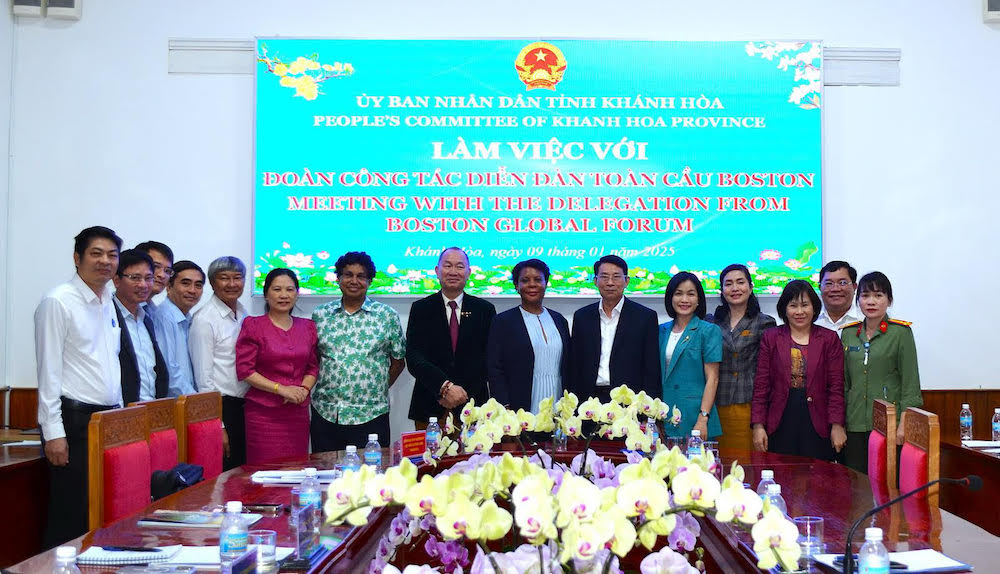
On January 9, 2025, Professor Alondra Nelson, member of the U.S. National Science Board and World Leader in AIWS Award recipient, visited Nha Trang-Khanh Hoa, Vietnam, where she engaged in insightful discussions with local government leaders. During the meeting, the leaders of Nha Trang-Khanh Hoa expressed their profound respect for Professor Nelson’s work and confirmed their support for the AIWS Government 24/7 Initiative, launched by the Boston Global Forum. They also announced their intention to host an annual international conference on AIWS and the AIWS Government 24/7 model starting in 2025, becoming the first government to formally recognize and back this transformative initiative.
This roundtable discussion was part of the “On the Road to the AI Action Summit,” set to take place in Paris on February 10-11, 2025. The meeting came at a crucial time, coinciding with a national conference led by the highest-ranking political leaders in Vietnam. On January 13, 2025, the Secretary-General of the Party, To Lam, chaired a pivotal nationwide meeting to implement the 57 Resolution on Science, Technology, and Digital Transformation, involving key leaders at both the central and local levels.
Later that day, on January 13, Alondra Nelson visited Da Nang, a major hub for Vietnam’s digital transformation. She recommended ideas to help develop science, technology, and digital transformation, engaging in productive discussions with city leaders. This marked the first local government-level discussion in Vietnam on deploying science, technology, and digital transformation under the 57 Resolution. Da Nang also expressed a strong interest in hosting an international conference focused on AIWS Government 24/7.
These meetings and ongoing dialogues highlight the growing support for the AIWS Government 24/7 initiative across Vietnam and underscore the country’s commitment to building the AI World Society (AIWS) to create a better world powered by AI.