by Editor BGF | Apr 13, 2025 | Global Alliance for Digital Governance
By Hon. Mark Kennedy
In this strategic policy piece, Hon. Mark Kennedy underscores Southeast Asia’s growing importance as a linchpin in the global competition for technological leadership and supply chain resilience. He argues that countries like Vietnam, Malaysia, and Singapore are becoming critical partners for the United States and its allies in advancing semiconductor innovation, AI development, and economic diversification—thereby reducing dependence on China and fortifying democratic influence in the Indo-Pacific.
Kennedy highlights Vietnam’s aggressive push to become a regional semiconductor hub, as well as the broader regional momentum in Malaysia, Singapore, and beyond. With $235 billion in foreign direct investment (FDI) in 2024, Southeast Asia is outpacing China and attracting strategic interest from both the U.S. and Europe. The region’s digital economy is projected to reach $2 trillion by 2030, offering massive potential for aligned U.S. investment in cloud infrastructure, AI, and digital governance.
However, Kennedy warns that the U.S. risks losing ground. Without joining binding trade frameworks like CPTPP and RCEP, and with proposals like the AI Dispersion Framework potentially hampering U.S. companies, Washington could cede influence to authoritarian tech powers like China. He calls for a more pragmatic, tiered export control regime that balances national security with Southeast Asian development, enabling secure, responsible tech growth across the region.
To succeed, Kennedy recommends:
- Upgrading the tech ecosystem from assembly to advanced R&D and chip design.
- Strengthening IP and data governance.
- Investing in talent and infrastructure.
- Encouraging AI applications in diverse sectors and languages.
- Supporting trusted, cost-effective legacy chip production in Southeast Asia and nearby allies like Mexico.
Ultimately, Kennedy positions Southeast Asia as a decisive front in shaping a democratic, open, and innovation-driven digital order. The U.S. must act with urgency and precision—not to contain AI, but to build trusted technology partnerships that advance security, prosperity, and freedom in the Indo-Pacific.
https://www.wilsoncenter.org/article/360deg-view-how-southeast-asia-can-attract-more-fdi-chips-and-ai

by Editor BGF | Apr 6, 2025 | News
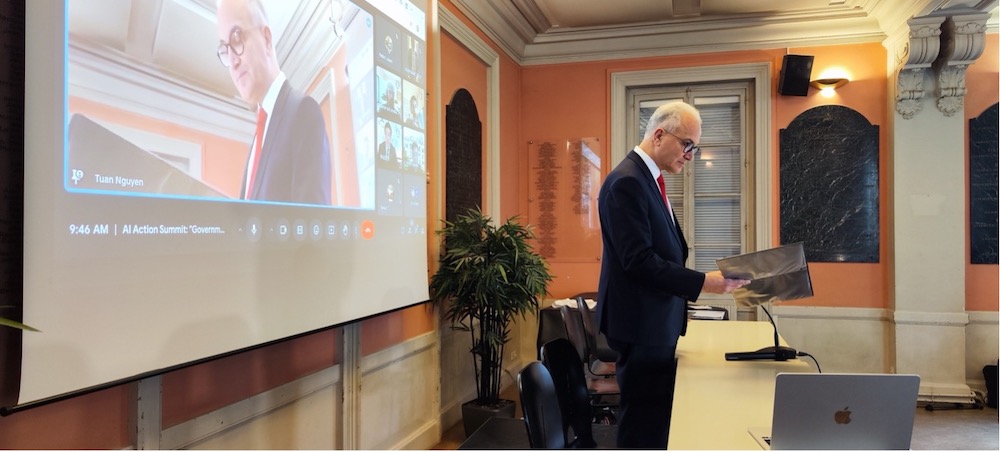
BGF Conference: Boston Finance Accord for AI Governance 24/7
Date: Tuesday, April 22, 2025
Venue: Harvard University Loeb House, Cambridge, MA
Time: 8:00 AM – 12:00 PM EDT
The Boston Global Forum (BGF), founded in 2012 by Michael Dukakis, Nguyen Anh Tuan, Thomas Patterson, and John Quelch, with the guidance of its distinguished Board of Directors—Governor Michael Dukakis (Chairman), Nguyen Anh Tuan (CEO), Professor Thomas Patterson, Professor John Quelch, Professor Nazli Choucri, Professor Alex Pentland, and Professor David Silbersweig—leads ethical AI governance through the AI World Society (AIWS) Initiative (2017) and AIWS Government 24/7, a vision of continuous, AI-driven public service. Building on the Tokyo Accord (March 28, 2025, Tokyo) and the AI Action Summit (February 10-11, 2025, Paris), the BGF Conference on April 22, 2025, at Harvard University’s Loeb House launches the Boston Finance Accord for AI Governance 24/7. Leveraging Boston’s financial and academic strengths—particularly the contributions of distinguished professors from Harvard Business School (HBS) and MIT Sloan—this accord aims to establish secure, scalable funding mechanisms for real-time governance, honoring Shinzo Abe’s legacy.
Objectives
- Award Recognition: Honor Audrey Tang with the 2025 World Leader in AIWS Award for her transparent governance innovations.
- Financial Accord Development: Define the Boston Finance Accord, setting standards for a secure, scalable financial platform to support AIWS Government 24/7.
- Global Dissemination: Share outcomes with world leaders, reinforcing US-Japan collaboration.
Key Themes
- Finance-Driven AI Governance: Secure platforms (e.g., blockchain, real-time systems) to fund 24/7 services.
- Boston’s Leadership: Uniting Fidelity, HBS, and MIT as a global model.
- Ethical Standards: Transparency and equity, inspired by Tang’s systems.
Speakers
Ministers Minoru Kiuchi, Audrey Tang, Elisabeth Moreno, professors of Harvard Business School, MIT Sloan, Softbank.


by Editor BGF | Apr 6, 2025 | News
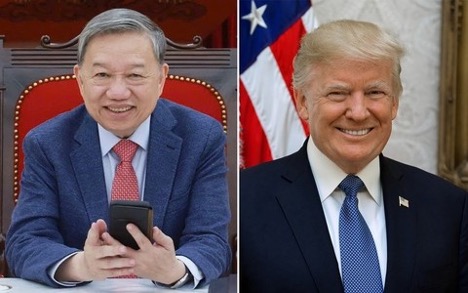
HANOI, April 4 (Reuters) – U.S. President Donald Trump and Vietnam’s leader To Lam agreed on Friday to discuss a deal to remove tariffs, both leaders said after a phone call that Trump said was “very productive”, as Hanoi escalated its campaign to dodge duties of 46%.
Days before Trump’s announcement on reciprocal tariffs that hit Vietnam hard, the country had already cut several duties as part of a series of concessions to the U.S., which also included pledges to buy more American goods such as planes and agriculture products.
“Just had a very productive call with To Lam, General Secretary of the Communist Party of Vietnam, who told me that Vietnam wants to cut their Tariffs down to ZERO if they are able to make an agreement with the U.S.”, Trump wrote on his Truth social platform.
“I thanked him on behalf of our Country, and said I look forward to a meeting in the near future,” Trump added.
Lam confirmed the call and the pledge to cut tariffs on U.S. goods. “At the same time (Lam) proposed that the U.S. apply similar tax rates to goods imported from Vietnam,” read a report on Vietnam’s government portal published shortly after Trump’s post.
The two leaders agreed they will continue talking “to soon sign a bilateral agreement” on tariffs, the Vietnamese government said, adding Trump accepted an invitation to visit Vietnam soon.
Please see full here:
https://www.reuters.com/markets/asia/vietnam-foreign-ministry-says-regrets-us-tariff-decision-2025-04-04/
by Editor BGF | Apr 6, 2025 | Shinzo Abe Initiative for Peace and Security, News
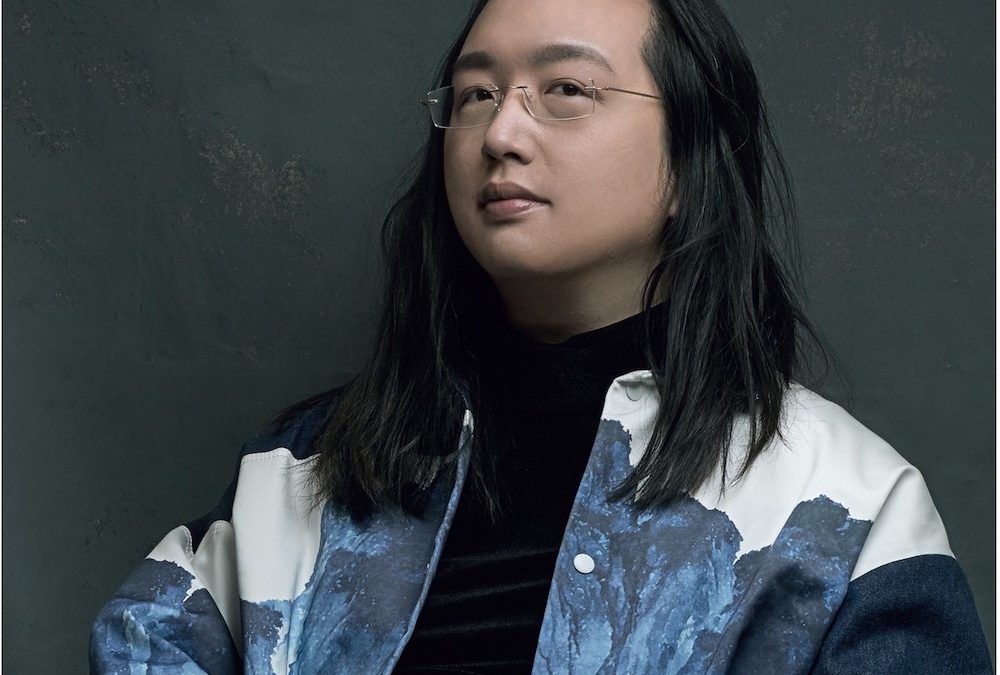
On March 28, 2025, at The Okura Tokyo Hotel, Audrey Tang joined distinguished speakers in a discussion on “AIWS Government 24/7: AI and Financial Platform”. The session was moderated by Soichiro Chiba, Chairman of Thousandleaf and representative of Y7/Y20.
Watch the full discussion here: https://www.youtube.com/watch?v=XSj5AEg-wFE&t=7s
by Editor BGF | Apr 6, 2025 | World Leader for Peace and Security, News
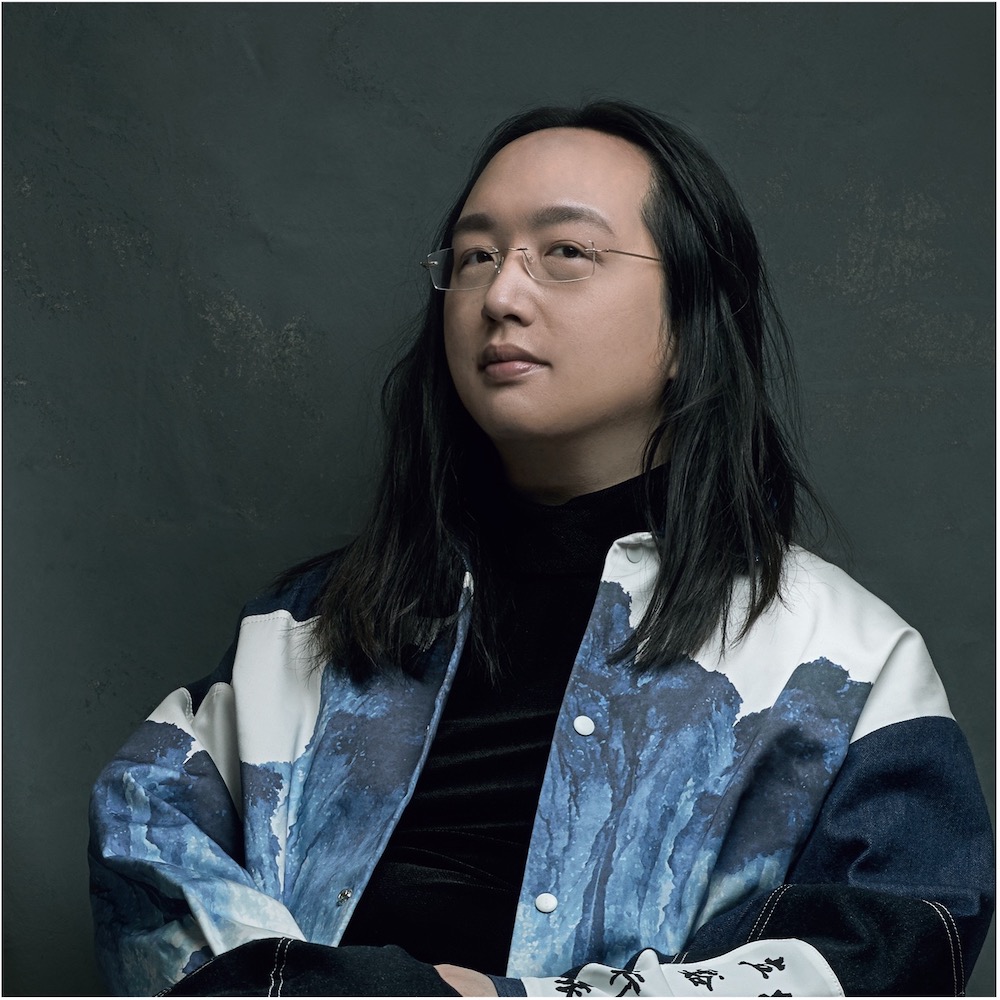
While the top minds in artificial intelligence are racing to make the technology think more like humans, researchers at Elon University have asked the opposite question: How will AI change the way humans think?
The answer comes with a grim warning: Many tech experts worry that AI will make people worse at skills core to being human, such as empathy and deep thinking.
‘Fundamental, revolutionary change’
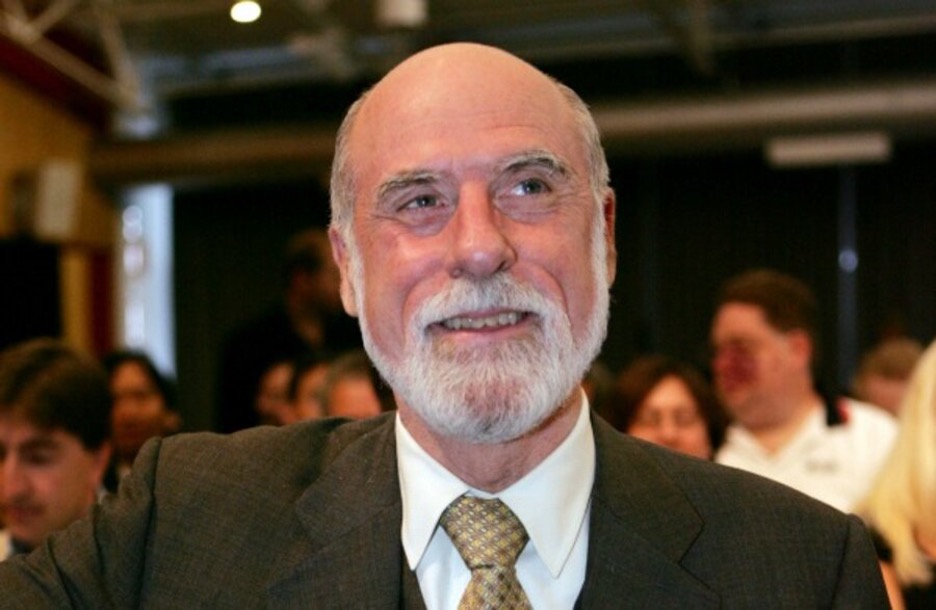
Elon University researchers surveyed 301 tech leaders, analysts and academics, including Vint Cerf, one of the “fathers of the internet”, World Leader in AIWS Recipient, and now a Google vice president; Jonathan Grudin, University of Washington Information School professor and former longtime Microsoft researcher and project manager; former Aspen Institute executive vice president Charlie Firestone; and tech futurist and Futuremade CEO Tracey Follows. Nearly 200 of the respondents wrote full-length essay responses for the report.
More than 60% of the respondents said they expect AI will change human capabilities in a “deep and meaningful” or “fundamental, revolutionary” way over the next 10 years. Half said they expect AI will create changes to humanity for the better and the worse in equal measure, while 23% said the changes will be mostly for the worse. Just 16% said changes will be mostly for the better (the remainder said they didn’t know or expected little change overall).
Please see full here:
https://imaginingthedigitalfuture.org/reports-and-publications/being-human-in-2035/
and:
https://www.cnn.com/2025/04/02/tech/ai-future-of-humanity-2035-report/index.html