by Robert Whitcomb | Jun 7, 2016 | AI World Society Summit
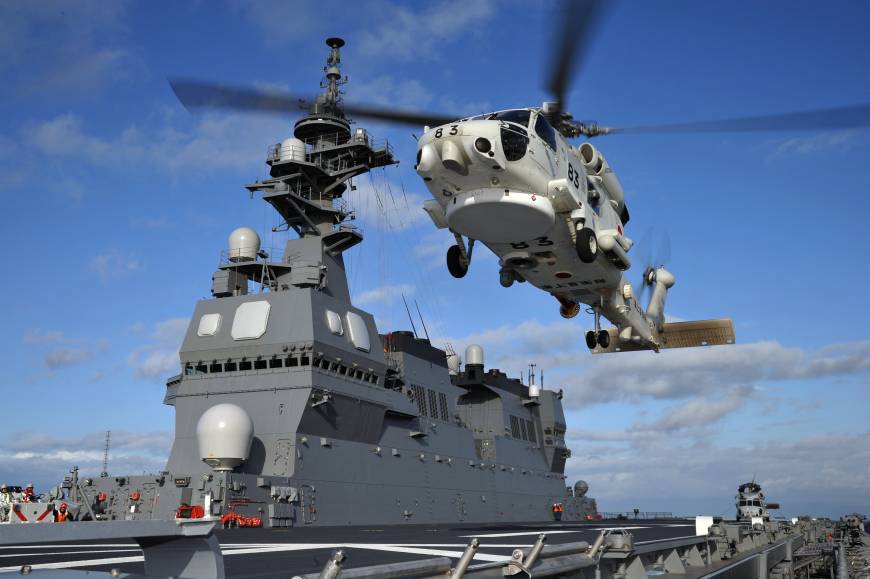
(June 13th, 2016) In the context of China’s repeated incursions into Japanese territorial waters in the East China Sea and attempts to dominate the South China Sea by military force, Japan, India and the United States will hold major trilateral naval exercises off the east coast of Okinawa Prefecture through June 17, the Japan Maritime Self Defense Forces said June 7.
The large-scale exercises are part of an annual event that since last year has included Japan as a permanent member.
The Japan Times reported that drills, “which will focus on anti-submarine warfare and air-defense training, are likely to bolster ties among the three allies.’’
China has been rapidly bolstering its submarine and other naval forces in the East China and South China Seas for the past several years, worrying other nations in the Asia/Pacific region.
For more information hit this link.
by Robert Whitcomb | Jun 3, 2016 | Initiative
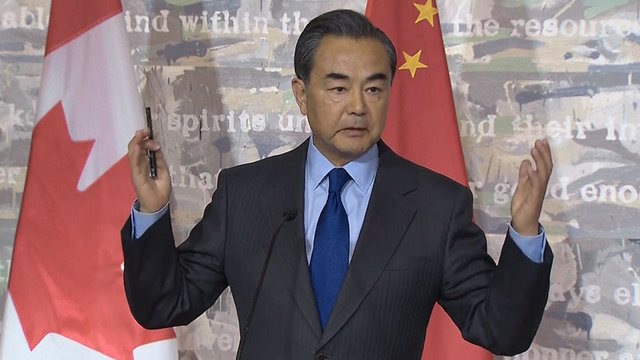
(June 6th, 2016) Chinese Foreign Minister Wang Yi, on a trip to Canada, denounced Canadian journalist Amanda Connolly for asking an “irresponsible” question about China’s human-rights record.
Ms. Connolly said: “There are no shortages of concerns about China’s treatment of human rights advocates such as the Hong Kong booksellers …,not to mention the destabilizing effects of its territorial ambitions in the South China Sea.”
Mr. Wang angrily told the reporter: “I have to say that your question is full of prejudice against China and arrogance … I don’t know where that comes from. This is totally unacceptable,” he said through an interpreter.
He continued: “Other people don’t know better than the Chinese people about the human rights condition in China and it is the Chinese people who are in the best situation, in the best position to have a say about China’s human rights situation.”
See more
by Robert Whitcomb | Jun 1, 2016 | Initiative
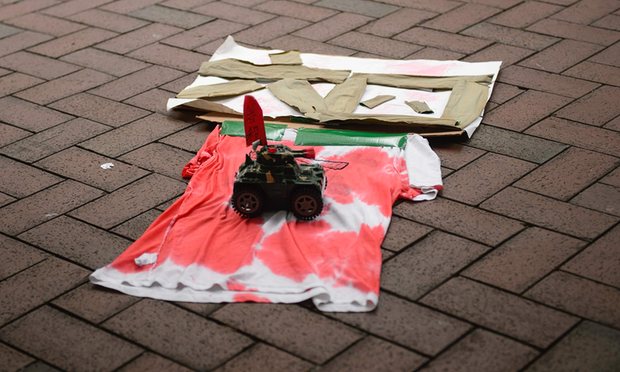
(June 7th, 2016) Some of the families of the hundreds or perhaps thousands killed by the Chinese army during the government’s 1989 crackdown on pro-democracy demonstrators in Tiananmen Square and elsewhere in China have accused Beijing of subjecting them to 27 years of “white terror” to try to stop them from speaking out about the mass killings.
In an open letter, published on June 1 ahead of the 27th anniversary of the protests, the Tiananmen Mothers campaigning group said that security agents has spied on, detained and threatened them as part of attempts to cover up the killings.
But the families vowed that they would not be silenced by such “detestable perversity”. “We have nothing left to fear,” they wrote.
The Communist Party continues to outlaw discussion of those events, fearing that it would undermine its grip on power. No public investigation has even been held and the precise death toll remains a mystery.
See more
by Robert Whitcomb | May 26, 2016 | Initiative
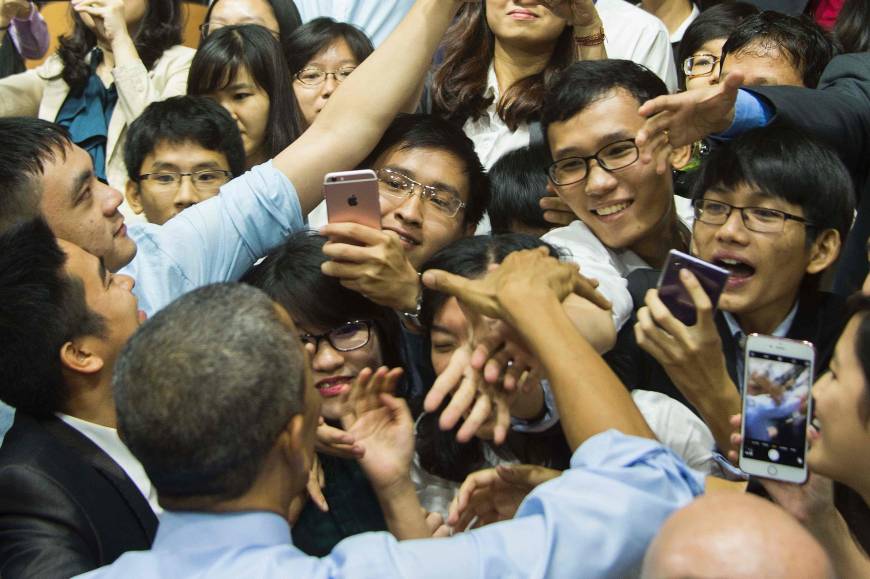
(May 30th, 2016) China has played down the U.S. decision to lift a decades-old ban on sales of arms to Vietnam because it is trying to avoid worsening relations already strained by Chinese military expansionism in the South China Sea.
On May 24, a day after U.S. President Obama expressed his desire for closer U.S. economic and military ties with Vietnam, the vice foreign ministers of China and Vietnam met in a Chinese border province to discuss their relationship.
“China and Vietnam are friendly neighbors connected by mountains and rivers,” said Chinese Foreign Ministry spokeswoman Hua Chunying at a news conference. China, Ms. Hua said, is willing to work with Vietnam to implement a range of legal agreements “to elevate boundary management and cooperation.”
That suggests that Beijing wants to reassure the Vietnamese that the two communist nations should put their shared interests above their dispute over who owns what in the South China Sea, especially as the Obama administration offers more support to Association of Southeast Asian Nations countries worried about China’s expansionism.
Read more
by Admin | Sep 11, 2013 | Highlights
This is a series of videos used to train managers in China to address labor disputes. Credit owed to Professor Arnold Zack of the Harvard Law School and Professor Tom Kochan of the MIT Sloan School of Management.
1) What Chinese Managers Need to Know and Do: Lessons from Richard Locke’s Global Supply Chain Research
2) Essentials of an Effective Mediation System for Workplace Disputes in China