by Robert Whitcomb | Jun 3, 2016 | Initiative
(June 6th, 2016) Roger Cohen, a foreign-affairs columnist for The New York Times, writes:
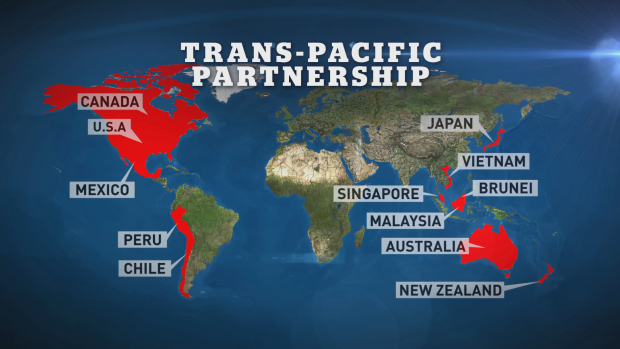
“The best way to kick Vietnamese aspirations in the teeth, turn the country sour on the United States, and undermine the stabilizing American role in Asia, would be for Congress to fail to ratify the Trans-Pacific Partnership, President Obama’s signature trade agreement with 11 Pacific Rim countries, including Vietnam but not China.
“If TPP falls apart, China wins. It’s as simple as that. Nonratification would signal that Beijing gets to dictate policy in the region {of Southeast Asia}, and the attempt to integrate Vietnam comprehensively in a rules-based international economy fails.’’ Hit this link to read his entire column on this subject.
by Robert Whitcomb | Jun 3, 2016 | Initiative
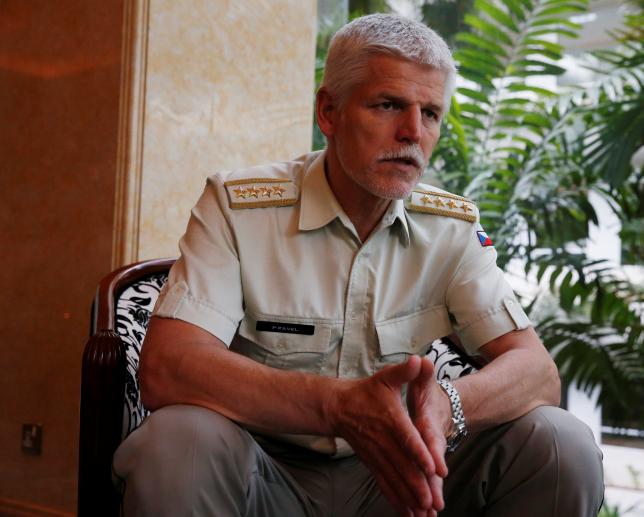
(June 6th, 2016) NATO’s top military officer, Gen. Petr Pavel, has denounced U.S. presidential candidate Donald Trump for calling the alliance obsolete and said that such comments played into the hands of its opponents.
Chairman of NATO’s military committee Petr Pavel speaks to Reuters on the sidelines of the IISS Shangri-La Dialogue in Singapore June 3, 2016. REUTERS/Edgar Su
In unusual criticism of a presidential candidate, Pavel, chairman of the NATO Military Committee, said that Russian “President (Vladimir) Putin and some others may be pleased by this approach”.
“To take such an approach would be a great mistake,” he said.
Mr. Trump has criticized the NATO alliance, created in 1949, as allegedly obsolete and too costly for America.
The North Atlantic Treaty Organization was set up in a different era, Trump has said, when the main threat to the West was the Soviet Union. He said that it was ill-suited to fighting terrorism.
Pavel, a former Czech Republic army chief, said the NATO alliance formed in 1949 was not perfect but it had great potential to protect the security of members.
He also said about Chinese expansionism in the South China Sea:
“Freedom of navigation in this region, through the South China Sea, is crucial for any further development in the region and it’s difficult to imagine that without this freedom, there will be stability and peace in this region.’’ For more information, read this link.
by Robert Whitcomb | Jun 3, 2016 | Initiative
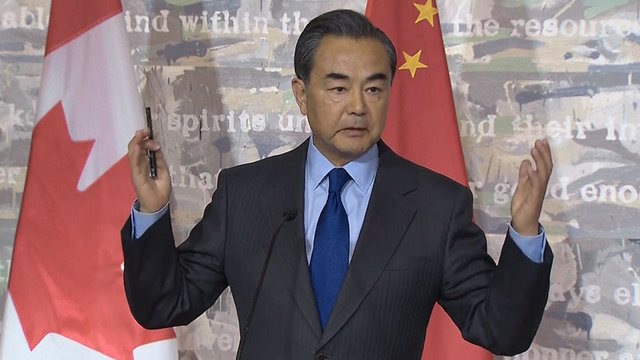
(June 6th, 2016) Chinese Foreign Minister Wang Yi, on a trip to Canada, denounced Canadian journalist Amanda Connolly for asking an “irresponsible” question about China’s human-rights record.
Ms. Connolly said: “There are no shortages of concerns about China’s treatment of human rights advocates such as the Hong Kong booksellers …,not to mention the destabilizing effects of its territorial ambitions in the South China Sea.”
Mr. Wang angrily told the reporter: “I have to say that your question is full of prejudice against China and arrogance … I don’t know where that comes from. This is totally unacceptable,” he said through an interpreter.
He continued: “Other people don’t know better than the Chinese people about the human rights condition in China and it is the Chinese people who are in the best situation, in the best position to have a say about China’s human rights situation.”
See more
by Robert Whitcomb | Jun 3, 2016 | AI World Society Summit
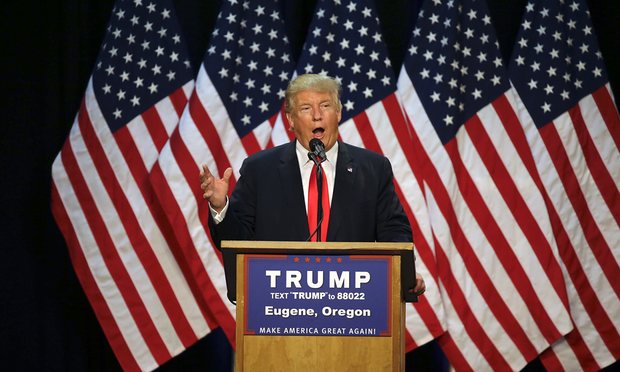
(June 6th, 2016) James Clapper, the U.S. director of national intelligence, says that that hackers, possibly working for foreign governments, are spying on American presidential candidates.
As a result, government officials are working with the campaigns to tighten security. Presidential candidates often receive national security information, which could be compromised by hackers.
Such hacking has been done at least since the 2008 presidential campaign. Read this article.

by Robert Whitcomb | Jun 1, 2016 | Initiative
(June 6th, 2016) On the Vermont-Quebec line, along what had been for many years a virtually open border between close allies Canada and the United States, a virtual wall has been constructed since 9/11, fraying what had been very close and fluid daily relations between the townspeople on both sides of the border.
It’s another sad outcome of Islamic terrorism. Read this Washington Post story,