
by Robert Whitcomb | Jun 3, 2016 | AI World Society Summit
(June 6th, 2016) Major Gen. Stephen Day, the former head of Cyber and Information Security at the Australian Signals Directorate, says that a trusted and ethical cybersecurity industry is vital to Australia’s socio-economic well being and national security.
General Day discussed America’s heightened awareness of cyberattacks; that there is a real concern about the threat of an attack in the U.S., in stark comparison to Australia.
“Out of this {the U.S.} atmosphere, one tinged with a little bit of fear, has arisen some less-than-honorable businesses and business practices. There is a risk that the reputation of the cybersecurity industry could be harmed, and if that happens then the industry will be kept at arm’s length, and that is in no one’s interests.”
“If you are a cybersecurity vendor and you have a single technical product offering, do the right thing and explain to your customers that your offering will work best when it is part of a bigger plan,” he said. “If you are a consumer of cybersecurity products, and you have a vendor that insists that they have a single silver bullet solution, then you’re probably best off showing them the door.”

by Robert Whitcomb | Jun 3, 2016 | AI World Society Summit
(June 6th, 2016) Julia Sweet , writing in Modern Diplomacy, praises Gabriel Weimann’s new book, Terrorism in Cyberspace: The Next Generation. See her review here.
She writes:
“The new book by Weimann can be found timely and valuable for a wide audience of readers. Providing an in deep study of numerous aspects of this important issue, this masterpiece is perfect to start with for students and scholars. Gabriel Weimann’s book analyzes the expansion of terrorists’ presence on the Internet in terms of its transformation, the impact on terrorist structural organization, and strategical approaches. In particular, the author tries to project the evolution of terrorist threat and how the global community has to confront it.’’
by Robert Whitcomb | Jun 3, 2016 | AI World Society Summit
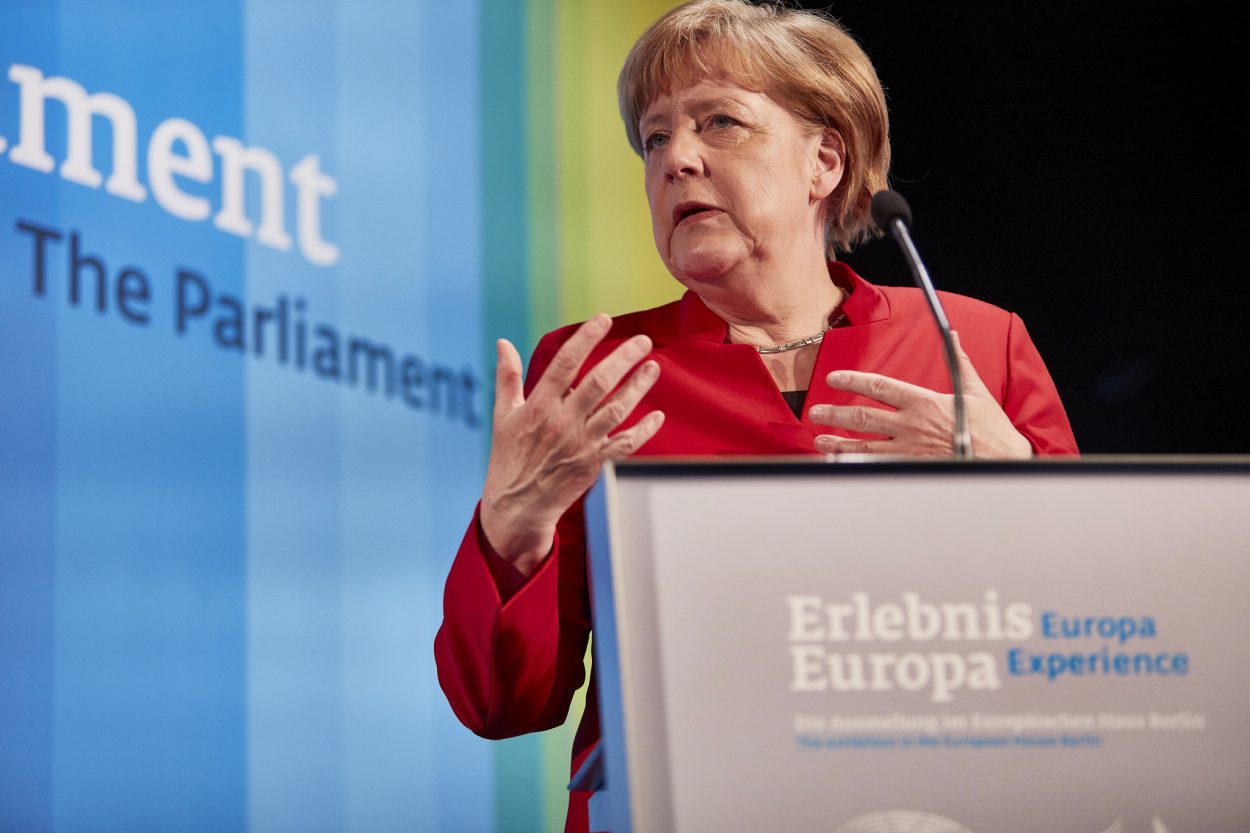
(June 6th, 2016) Suggesting growing anxiety about the United Kingdom’s possible exit from the European Union, German Chancellor Angela Merkel has warned Britain that nations “at the bargaining table” negotiate better deals than those “outside the room”.
Mrs. Merkel emphasized that it was up to the British people, but she hoped that Britain would vote to stay in the E.U. in the referendum on June 23.
She said that Britain was “part and parcel” of the E.U. and was of “benefit to all of us”.
“Brexit’’ campaigners said staying in the E.U. might be in Germany’s interest but that “does not mean it’s in the U.K.’s interest”.
German sources were saying privately just a few weeks ago that Mrs. Merkel wasn’t planning to say anything about the referendum.
by Robert Whitcomb | Jun 3, 2016 | AI World Society Summit
(June 6th, 2016) A United Nations conference in South Korea has stressed the urgency of greater investments in global citizenship education programs around the world to unlock the potential of young people.
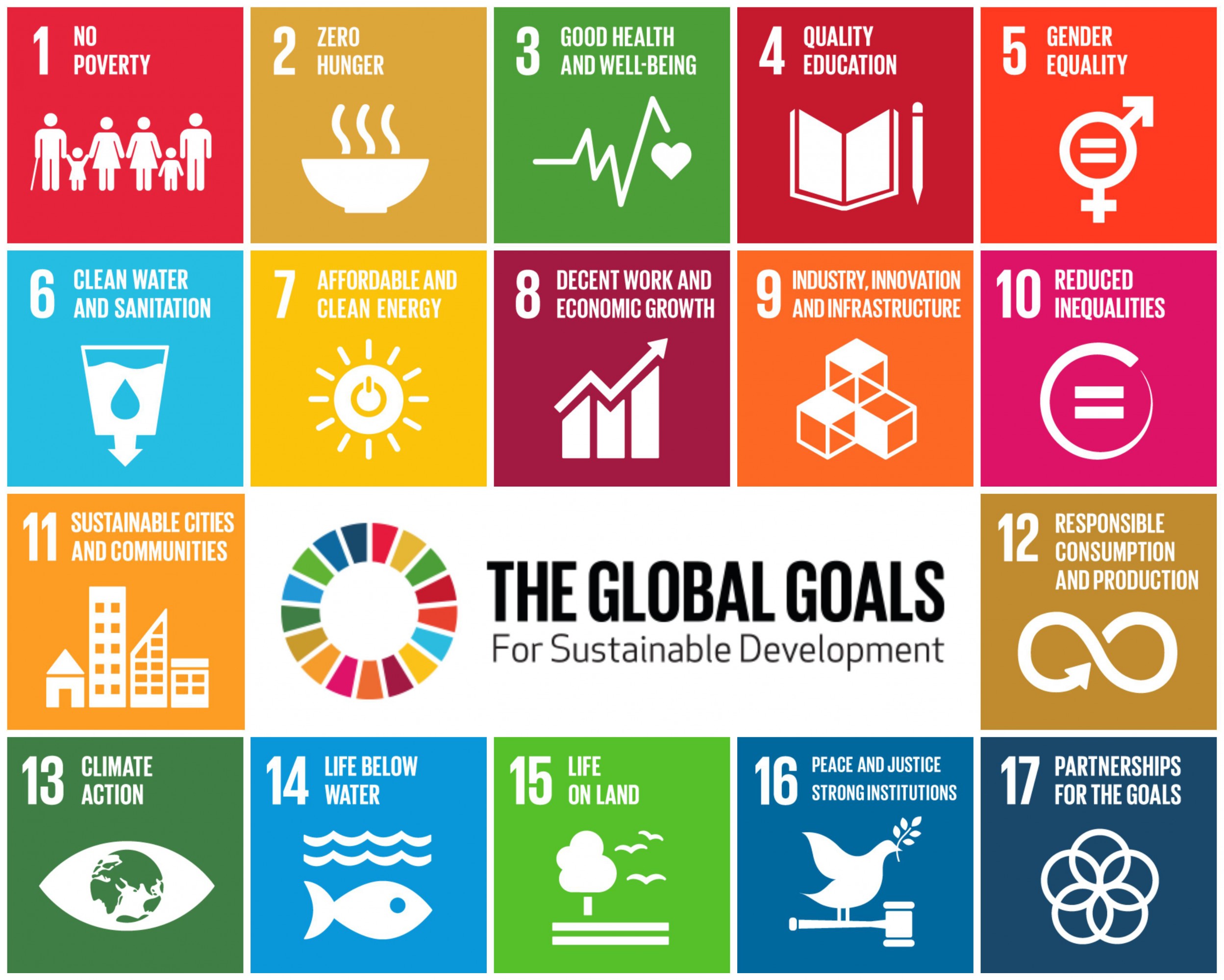
The global education action agenda at the meeting affirmed the importance of U.N. Sustainable Development Goal 4 — ensuring inclusive and equitable quality education and promoting lifelong opportunities for all.
The Boston Global Forum has been collaborating closely with the UNESCO Chair in Global Learning and Global Citizenship Education at the University of California at Los Angeles.
by Robert Whitcomb | Jun 3, 2016 | Initiative
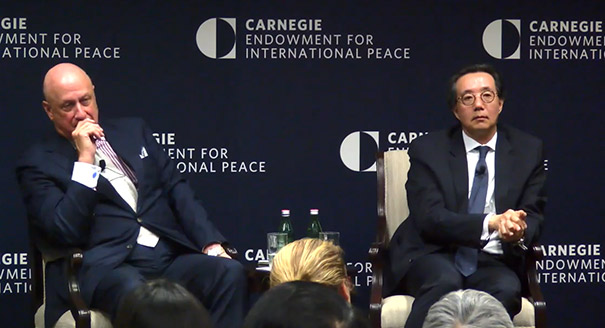
(June 6th, 2016) Chung Min Lee of the Carnegie Endowment for International Peace writes:
“…., Asia’s rise has captured the popular imagination for three decades. By most hard-power measures, such as gross domestic product, trade volumes, technological prowess and military capabilities, Asia has emerged as the world’s third pillar, along with the United States and Europe. Indeed, many commentators have argued that the 21st century will not only be dominated by key Asian states such as China, India and Japan, and major middle powers including South Korea, Vietnam and Indonesia, but also that the region as a whole is on its way to eclipsing the West.’’
“But …. it’s timely to point out that such linear conceptions of Asia’s inexorable rise are misleading and incomplete, given the magnitude of political, security and socioeconomic problems confronting Greater Asia. With the Asian economic juggernaut coming to an end, due to lower growth in China, an aging Japan and South Korea, and India’s ongoing problems with corruption and a bureaucracy that impedes structural reform, the continent must be viewed from another angle: as a department store of many of the world’s gargantuan political and military challenges. Indeed, unless Asia’s strategically consequential states can significantly mitigate, if not resolve, the region’s political and military deficits, Asia’s rise will never be completed.’’
“There is no doubt that Asia has made enormous progress over the past half-century, but it’s time to wake up to the continent’s political, security and strategic quagmires….Asia must undertake wrenching political reforms, including the embracing and strengthening of universal values, for an Asian century to truly dawn. Asia has risen, but it is far from reigning.’’
Hit this link to read his entire essay.