by Robert Whitcomb | Jun 7, 2016 | AI World Society Summit
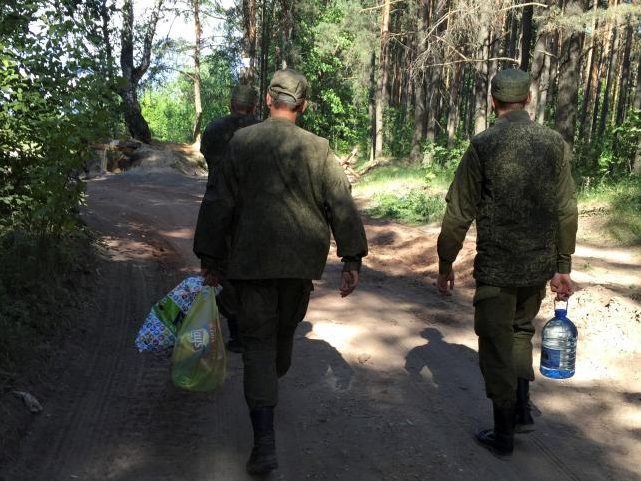
(June 13th, 2016) An increasingly militaristic and aggressive Russia is building new military sites along what the Kremlin sees as its western frontline in a growing confrontation with NATO.
At the same time the NATO alliance is staging major military exercises and increasing deployments on its eastern flank in response to Russian aggression against Ukraine and threatening actions by the Russian air force over and near the Baltic Sea.
Russia and NATO member states share borders around the Baltic Sea; further south Ukraine and Belarus separate the two blocs.
Russia has pulled out of the treaty on Conventional Forces in Europe, a post-Cold War pact that limits the deployment of troops in Europe. This makes it feel freer to move extra troops and military equipment to its western border.
For more information, hit this link.

by Robert Whitcomb | Jun 7, 2016 | AI World Society Summit
(June 13th, 2016) The Guardian reports that team of security researchers are calling on Mitsubishi to recall at least 100,000 Outlander hybrid cars after exposing a security breach that let “the hackers to remotely turn off the car’s alarm system, control the lights and drain the battery.’’
The publication reported that “Ken Munro, the security expert who led the investigation, was tipped off about the vulnerability when his friend’s Outlander showed up as a Wi-Fi access point on his phone. Curious, he bought one of the cars himself and set about hacking it.’’
The Guardian elaborated: “Modern cars with their own smartphone apps, which offer a way of monitoring features such as battery level and alarm status, usually connect through a Web-based service that uses GSM, a mobile data communication channel. But the Outlander uses wifi to connect the car directly with a smartphone, which is less secure and allowed Monroe to disable the alarm and then open the car.’’
For more details, hit this link.
by Robert Whitcomb | Jun 7, 2016 | Initiative
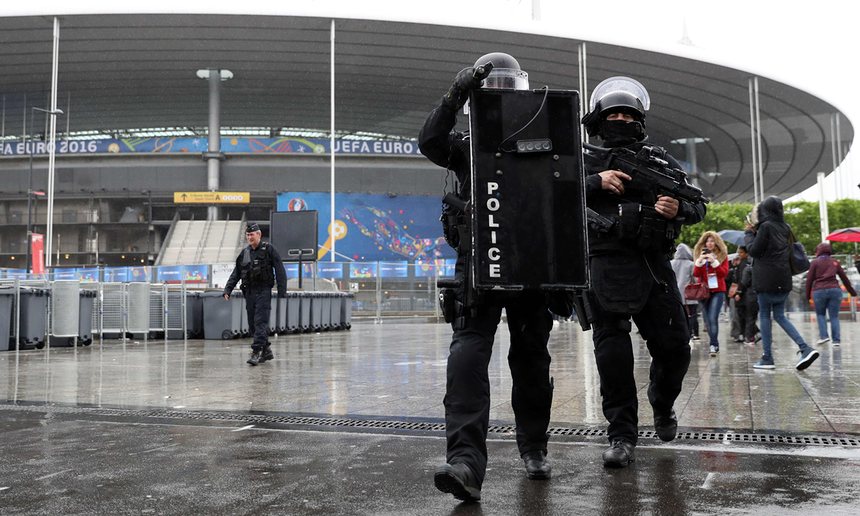
(June 13th, 2016) French security forces have been staging scary simulated terror scenes to train for the European football championships, which start June 10.
At least 30 “doomsday’’ scenarios staged by police and emergency services have been held across France in the run-up to the championships. It is the heaviest sports security operation in history. For details, read this link.

by Robert Whitcomb | Jun 6, 2016 | AI World Society Summit
(June 13th, 2016) In what has caused some chuckling, Facebook Chief Executive Mark Zuckerberg’s Twitter and Pinterest accounts have been resecured, after media reports that the social-media mogul’s sites had been hacked.
VentureBeat said that Mr. Zuckerberg’s Twitter and Pinterest accounts were compromised over the weekend.
Perhaps most interesting is that the nature of the bogus tweet sent from Mr. Zuckerberg’s Twitter account on Sunday suggests that the alleged hackers may have gained access to the account by using the same password associated with his LinkedIn profile. Sloppy computer hygiene by Mr. Zuckerberg? For more information, hit this link.
by Robert Whitcomb | Jun 6, 2016 | Initiative
(June 13th, 2016) Scarborough Shoal, in the South China Sea, may be becoming a line in the sand against Chinese militaristic expansionism in that sea, most of which China claims. China seized and occupied the shoal in 2012.
It is unclear what the United States and nations friendly to it in the region would do if China continues to seize and militarize reefs and islands in the sea.
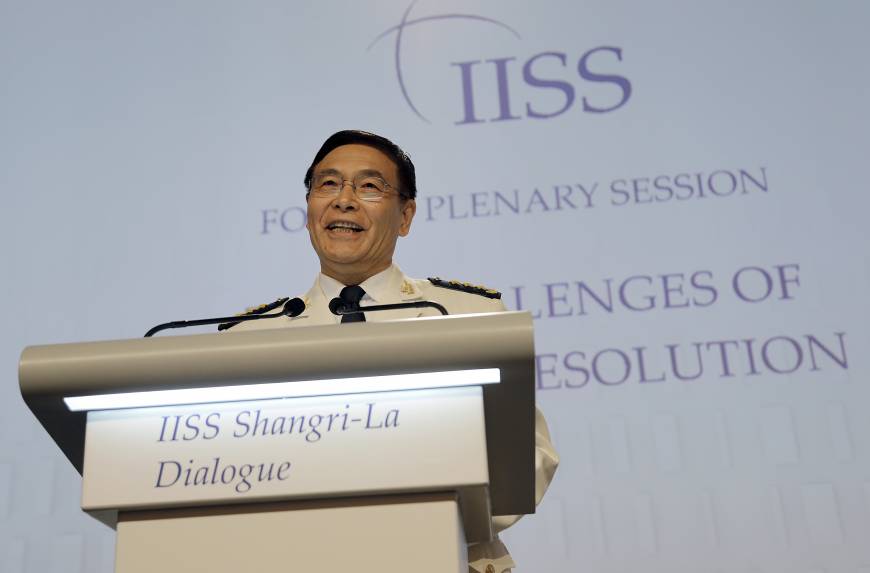
China has warned that it might respond to an unfavorable international arbitration ruling against its claim to the “island’’ in favor of the Philippines by putting structures on the shoal to give it a military outpost very close to the Philippines’s door. Chinese Admiral Sun Jianguo says China will not accept the tribunal’s ruling, expected sometime this summer.
Speaking at a Singapore forum, U.S. Defense Secretary Ash Carter said that the U.S., as an ally of the Philippines, would take action, without elaborating. Hit this link for more information.