BGF CEO Nguyen Anh Tuan to Highlight Nha Trang Spark on Vietnam National Day 2024
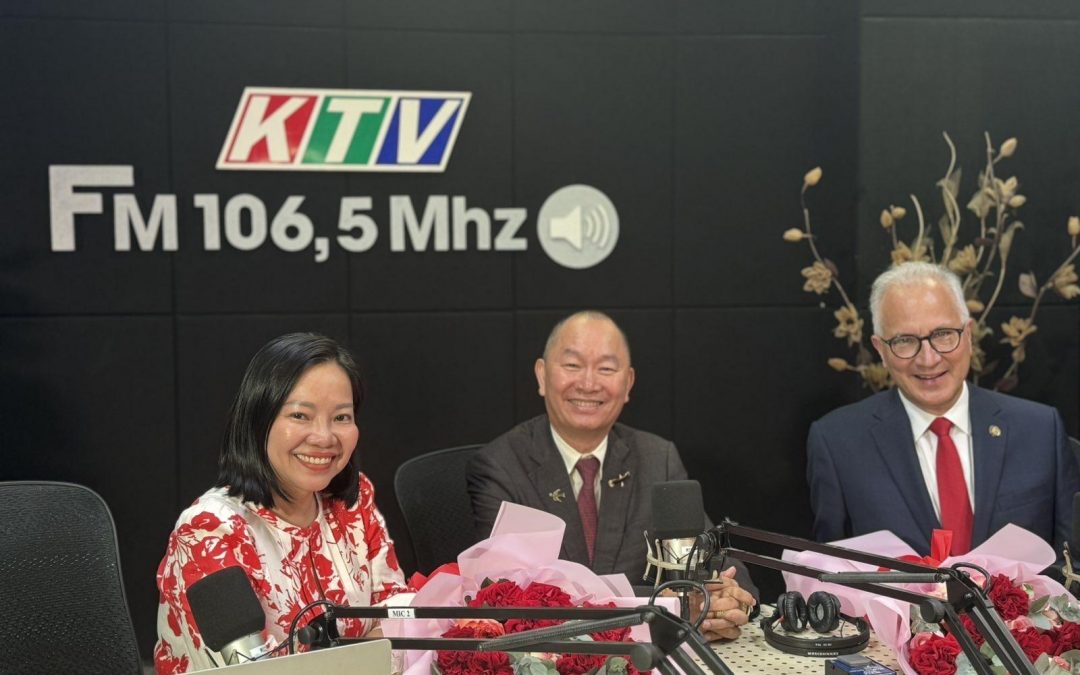
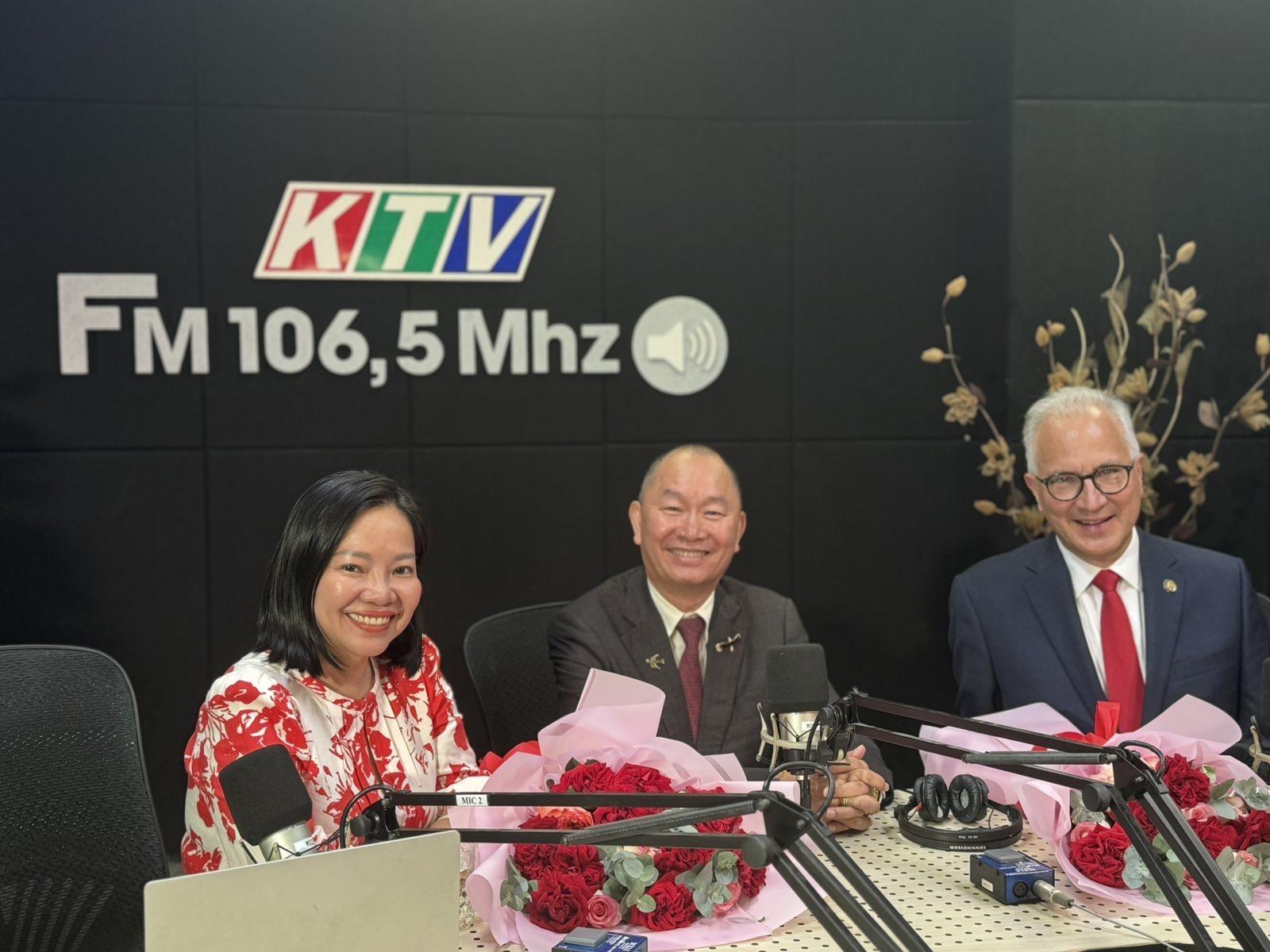
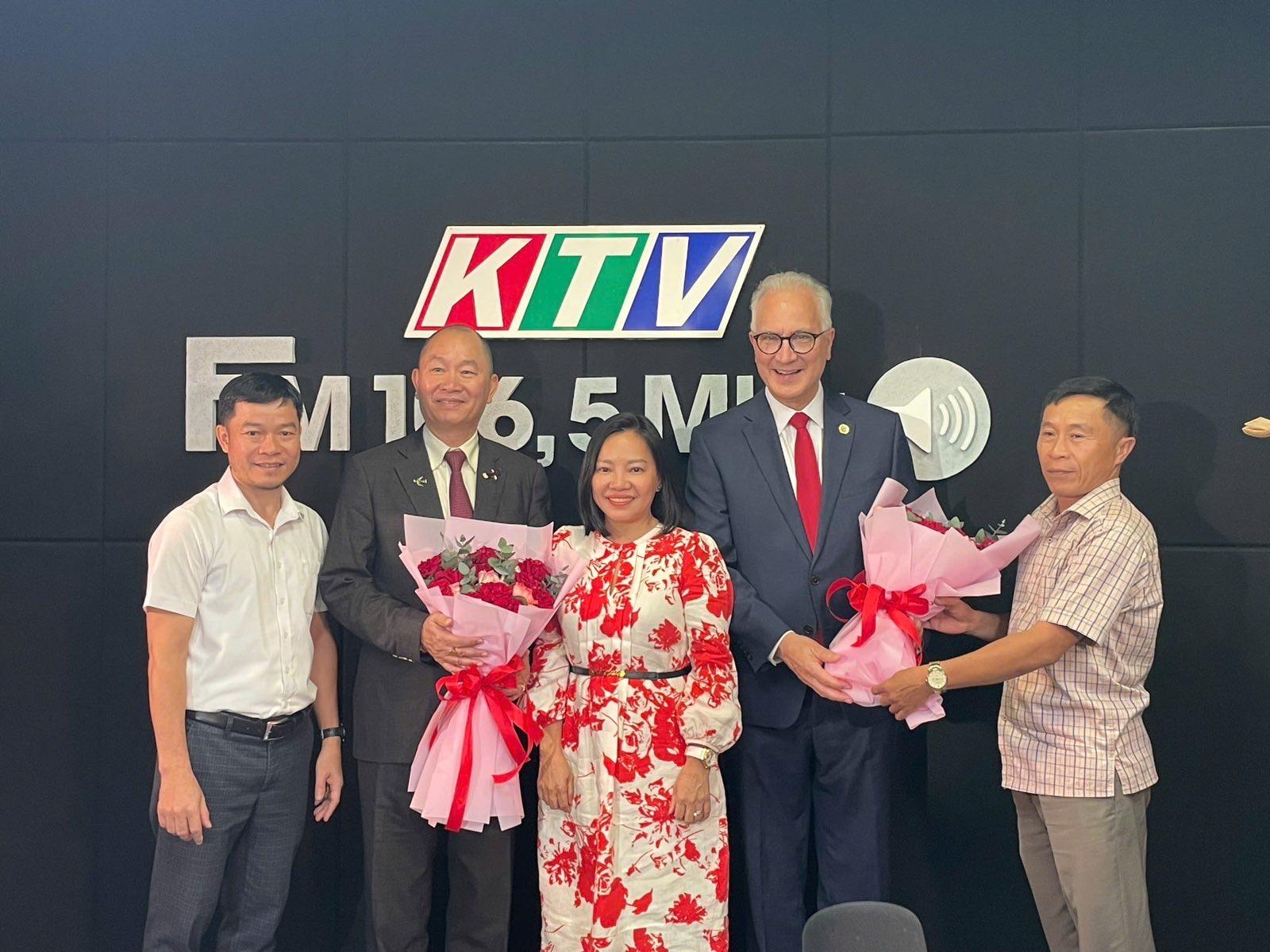
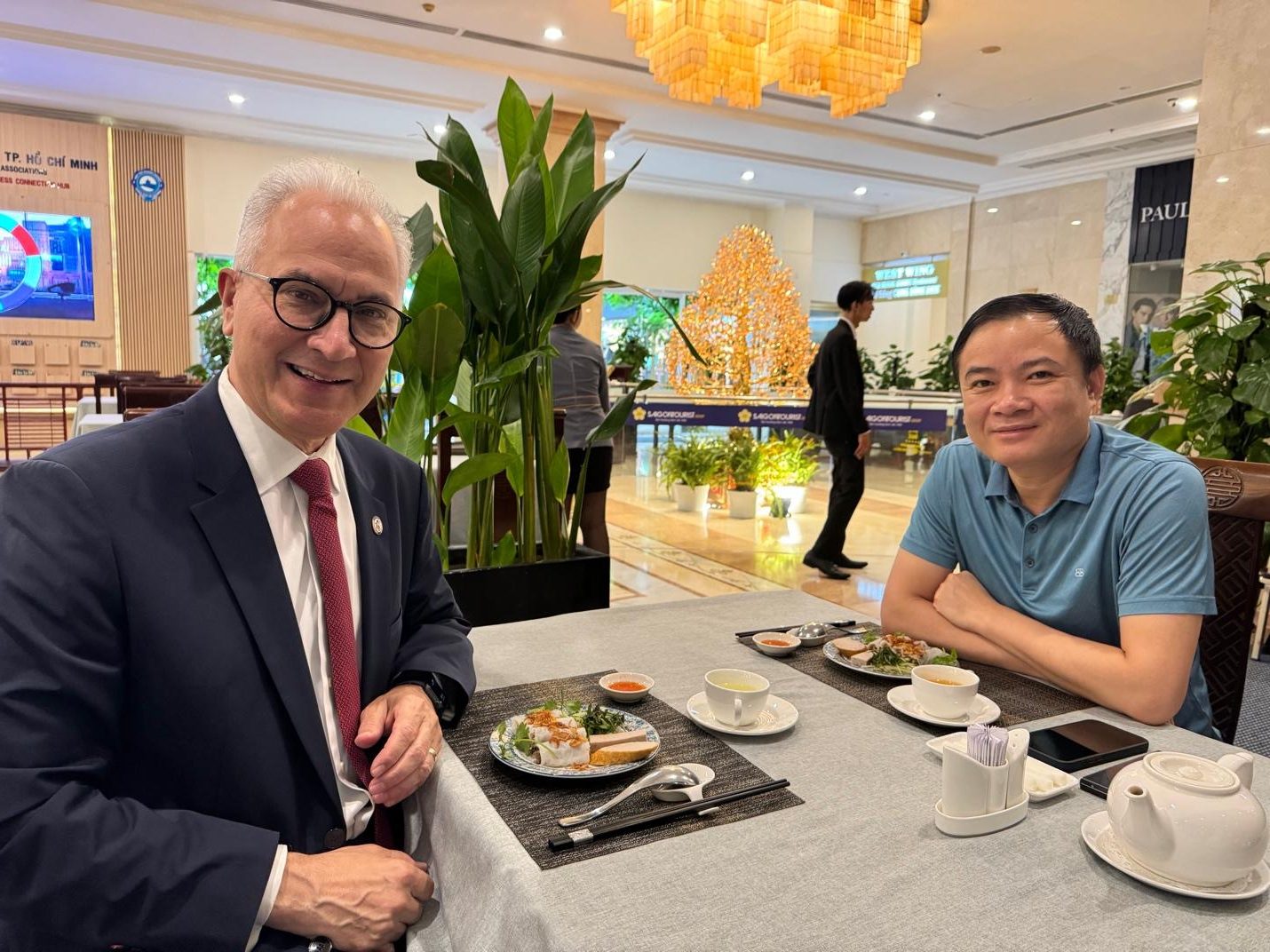
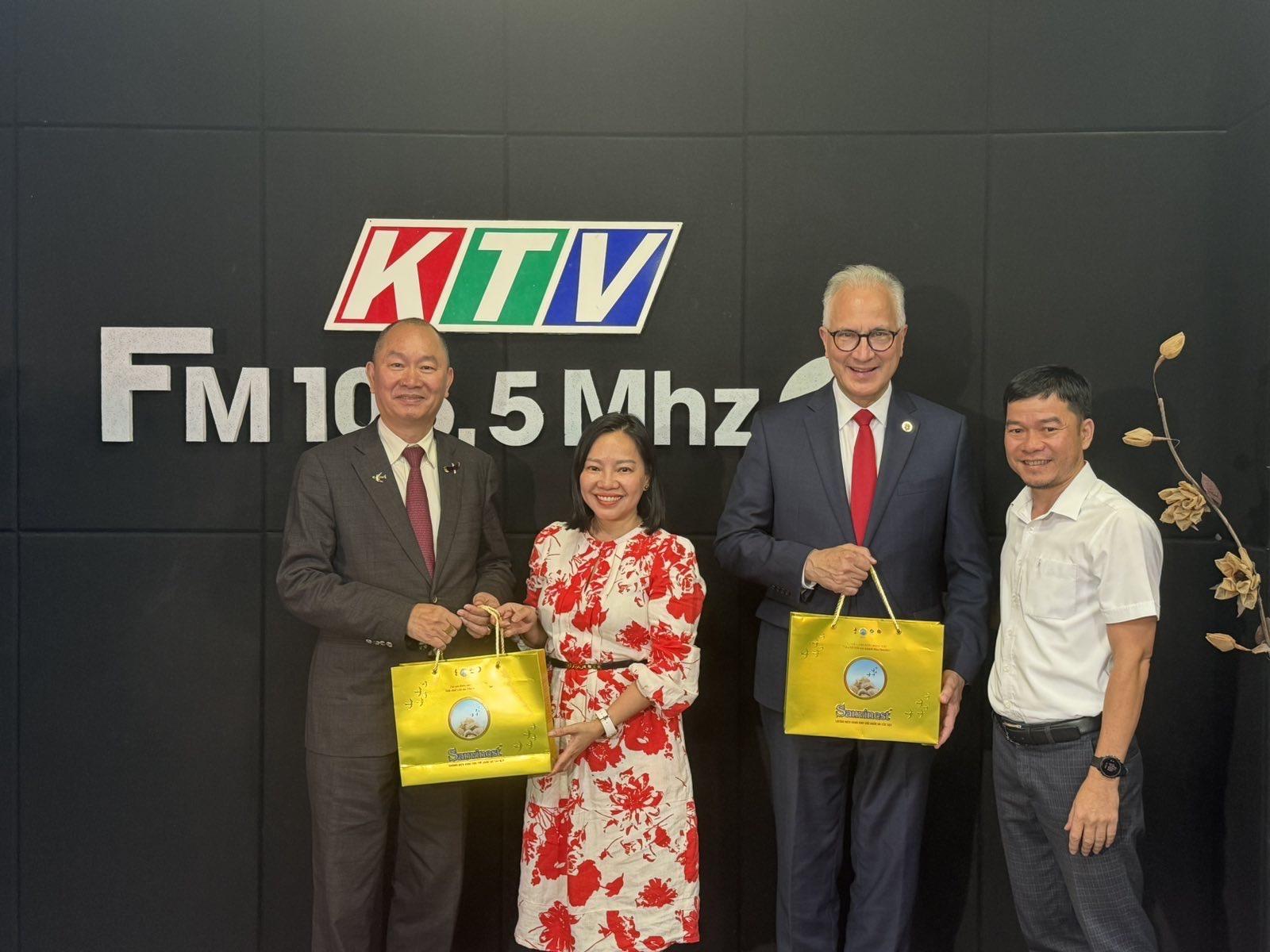
On Vietnam National Day, September 2, 2024, at 4:00 pm Vietnam time, Boston Global Forum (BGF) CEO Nguyen Anh Tuan and Mark Kennedy, Director of the Wilson Center’s Wahba Institute for Strategic Competition and a member of BGF’s Board of Thinkers, spoke a special talk show on KTV titled “Meet and Discuss with Nguyen Anh Tuan about Nha Trang Khanh Hoa Spark.”
During this special event, Nguyen Anh Tuan and Mark Kennedy discussed the strategic importance of connecting and engaging Nha Trang Khanh Hoa with Boston, Massachusetts. The discussion focuses on the shared goal of transforming Nha Trang Khanh Hoa into a global center of excellence in the Age of AI and the AI World Society (AIWS).
Nguyen Anh Tuan shared insights into the ongoing efforts to establish Nha Trang Khanh Hoa as a pivotal hub for technological innovation, digital economy, and AI-driven advancements. The dialogue explored the collaboration between Vietnam and the United States in areas such as AI, smart city development, and digital economy, tourism, with Nha Trang Khanh Hoa serving as a model for regional growth and global engagement.
Mark Kennedy offered his perspectives on the strategic significance of fostering such international connections, particularly in the Indo-Pacific region. The talk show highlighted the potential for Nha Trang Khanh Hoa to emerge as a key player in the global AI economy, attracting thought leaders, businesses, and innovators from around the world.
This event marks a significant step forward in the Indo-Pacific Spark Initiative, which seeks to build a strong economic and cultural bridge between the Indo-Pacific and the United States, with a focus on sustainable growth, innovation, and global security.
Referred to as one of Southeast Asia’s ‘Tiger Cub’ economies for its export-driven growth model similar to the ‘Asian Tigers’ Singapore, South Korea, and Taiwan, Vietnam continues to experience strong economic growth. This is largely driven by the government’s efforts to pursue international economic integration and implement pro-market reforms. In addition, Vietnam’s relatively cheap labor costs have enabled it to become an attractive investment destination for manufacturing.
Due to the current geopolitical environment, the country is positioning itself as an alternative for companies seeking to diversify their supply chains away from China. An important aspect of Vietnam’s foreign policy is its Three Nos: no military alliances, no siding with one country against another, and no foreign military bases on its soil. Rather than picking sides, Vietnam seeks to balance itself and forge strong relations with numerous other countries. Vietnam has formally designated seven countries as its ‘comprehensive strategic partners’: Australia, China, India, Japan, Russia, South Korea, and the United States.
As a result of its reforms, many countries now consider Vietnam to be a market economy which has helped to strengthen its global trade ties, though the US Department of Commerce recently decided to extend its current non-market status designation. The US hopes that Vietnam will continue its reforms so that it can grant non-market status. The Vietnamese government continues to enact policies designed to attract and retain more foreign investment by investing in education, pursuing free trade agreements, and improving infrastructure towards the goal of spurring further growth.
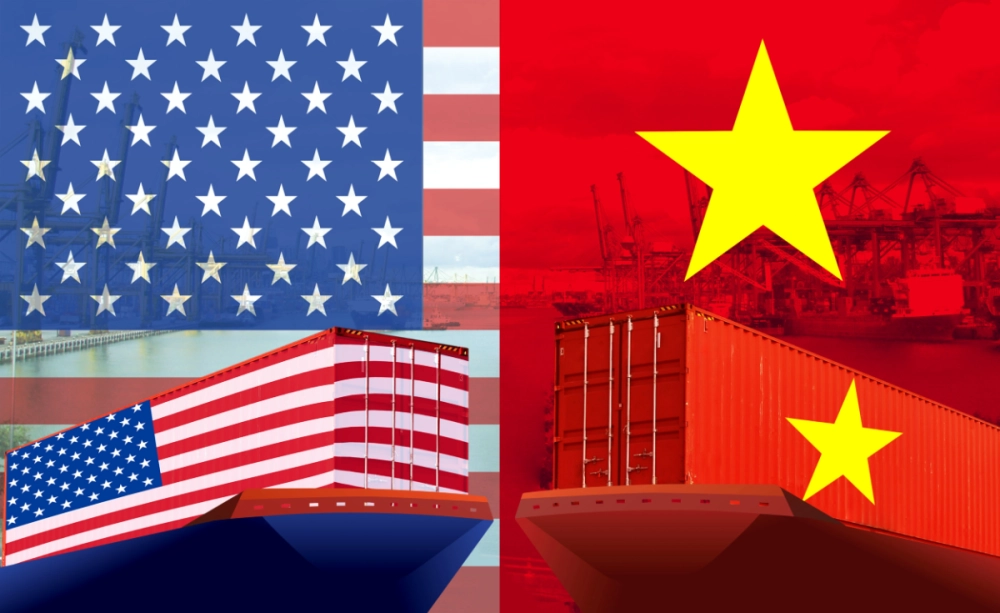
A close review of investments and trade flows show strong economic vitality and highlights two opportunities. First, there is an opportunity for greater US investment in Vietnam as its investment in Vietnam lags strategic partners and competitors alike. Second, that the robust trade between the US and Vietnam is imbalanced with significant Vietnamese exports to the US but scant imports from the US to Vietnam. Balancing this trade could be an opportunity to unlock greater US investment.
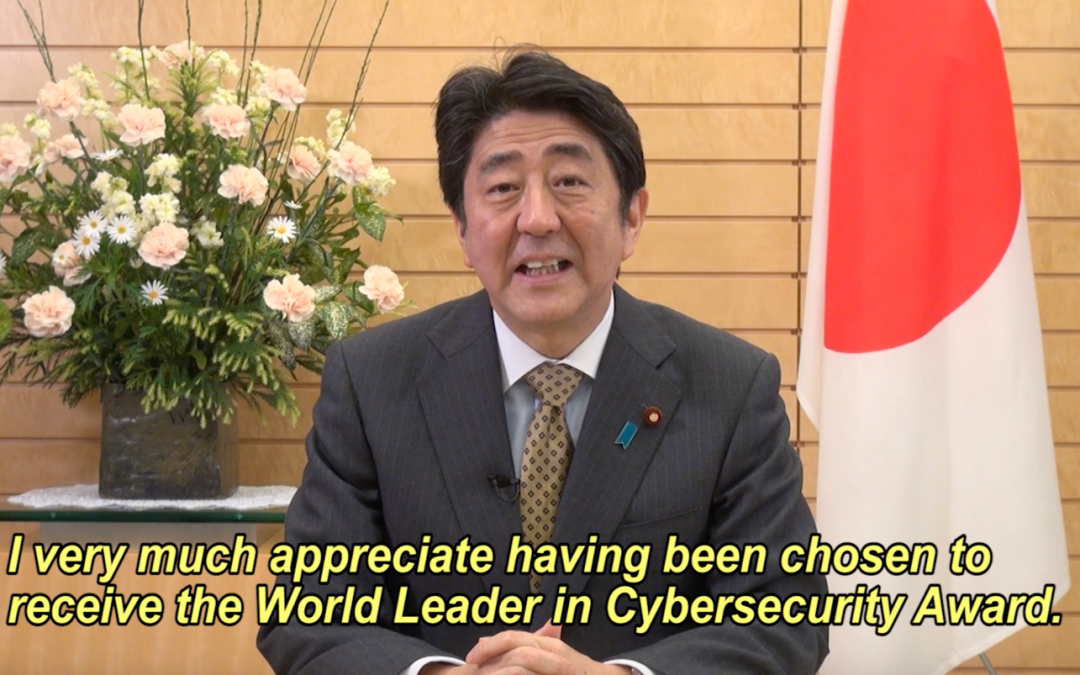
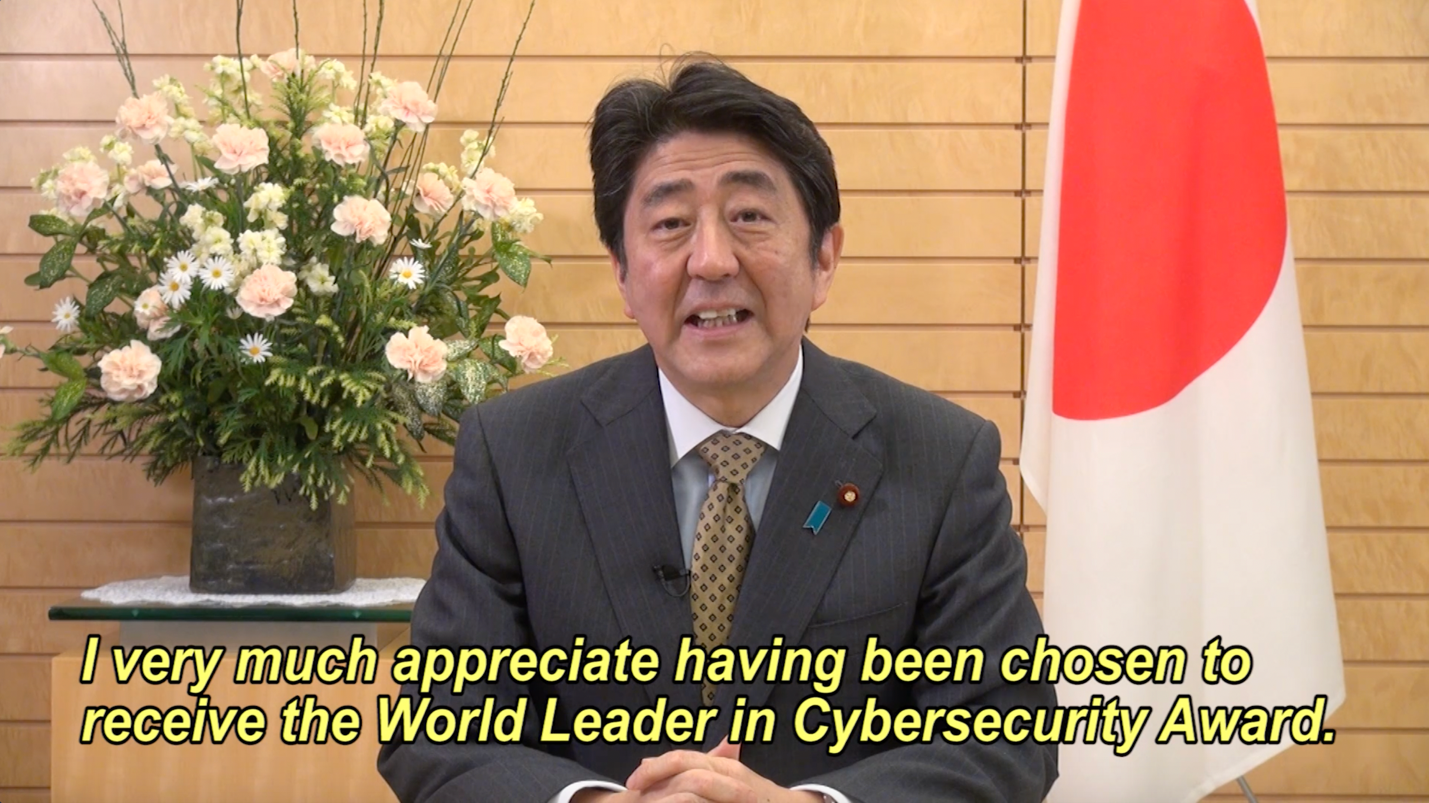
With the election of Trump in November 2016, Prime Minister Shinzo Abe, 2015 World Leader for Peace and Security Award Recipient, proactively engaged with his administration to help contribute to shaping its decisions rather than being shaped by them.
At the diplomatic level, Japan has an advantage in its relationships within the Indo-Pacific. According to a survey on Southeast Asia by a leading research institute, Japan remains one of the most trusted partners of the Association of Southeast Asian Nations. Additionally, India-Japan relations continue to deepen along a path charted by Abe.
Mark Kennedy, Director of the Wilson Center’s Wahba Institute for Strategic Competition and a member of Boston Global Forum’s Board of Thinkers, will visit Vietnam from August 31 to September 7, 2024. The purpose of the visit is to gain deep insights into Vietnam’s current potential and capabilities, with the aim of designing a strategic plan to propel Vietnam’s economy forward. Kennedy’s focus will be on identifying opportunities for rapid economic growth and aligning Vietnam’s trajectory with global trends. During his visit, he will meet with top business leaders, government officials, and deliver a keynote at the Indo-Pacific Spark Club in Hanoi. Nguyen Anh Tuan, CEO of Boston Global Forum, will accompany him on this significant trip.
For more information on Mark Kennedy, visit Wilson Center’s profile. Learn more about the Indo-Pacific Spark Initiative here.
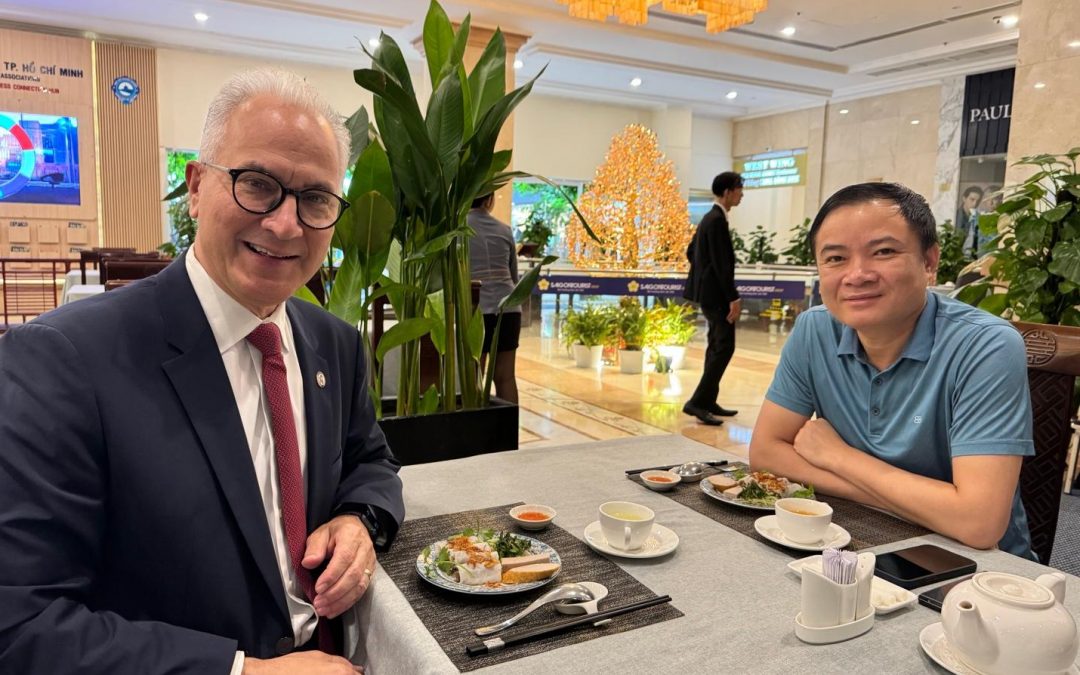
Mark Kennedy was a guest speaker at KTV Talk Show on Vietnam National Day, Sep 2, 2024
While Ukraine fights on and continues making small gains in its incursion into Kursk Oblast against Russia, this offensive has revealed many topics of interests for the Four Pillars:
This incursion demonstrates that Russian red lines and fear-mongering of escalation continues to be proven false. Deterrence is essential to managing escalation with not just Russia, but China as well. This incursion has also made it more likely for peace to happen, as it should incentivize Russia to sue for peace (however, Russia is not a normal rational actor). It gives Ukraine a bargaining chip at the negotiating table, and to demonstrate to the Pillars about their willingness to fight on. Furthermore, Russia cannot be beaten back just on the battlefield, but also in the more invisible theaters of war – information warfare and sabotage warfare. The Pillars outside of the US, notably EU and India, have a role to play and own interests in dealing with these issues. And thus, it is important that the Pillars collaborate with each other in finding real lasting solutions to the Russia issues.
Additionally, some interesting pieces from other theaters of the world:
Minh Nguyen is the Chief Editor of the Boston Global Forum and a Shinzo Abe Initiative Fellow. She writes the Four Pillars column in the BGF Weekly newsletter.