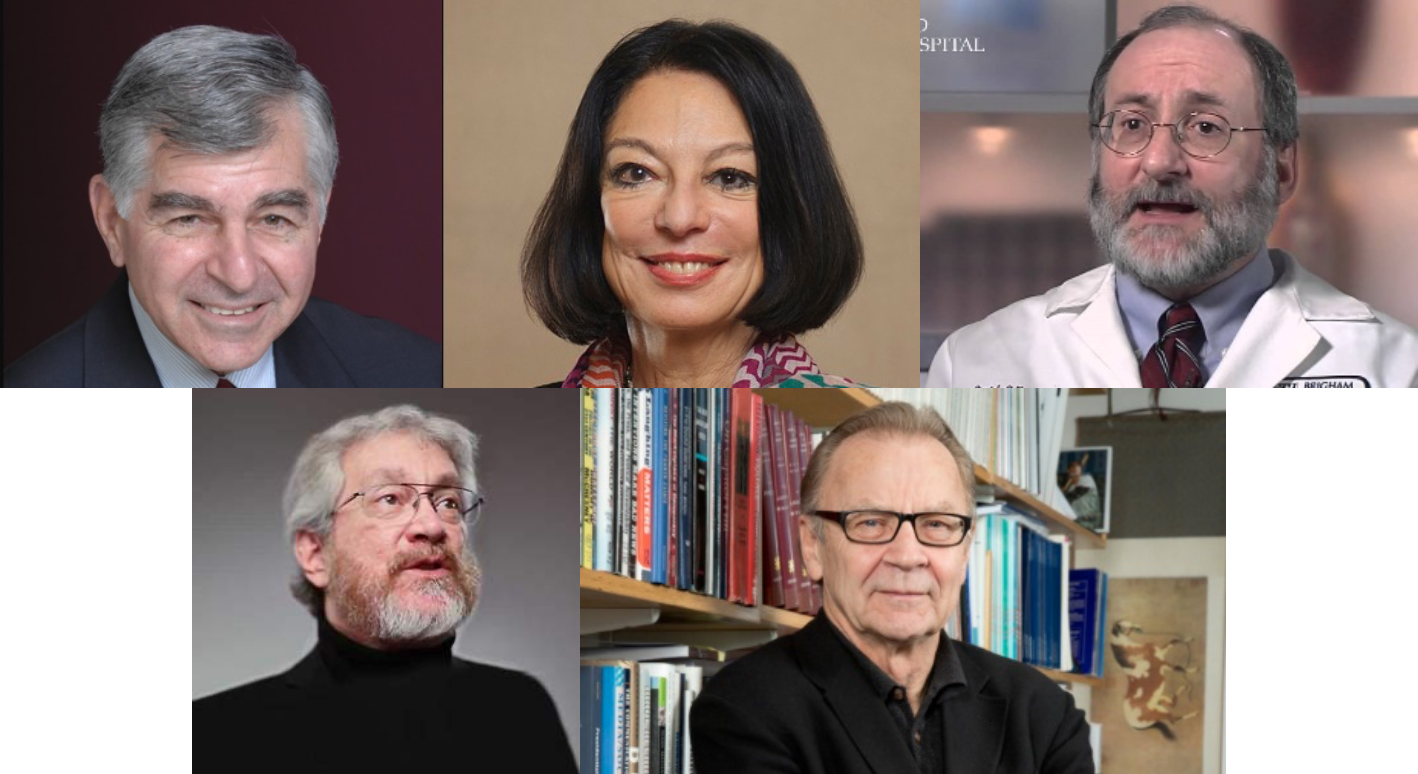
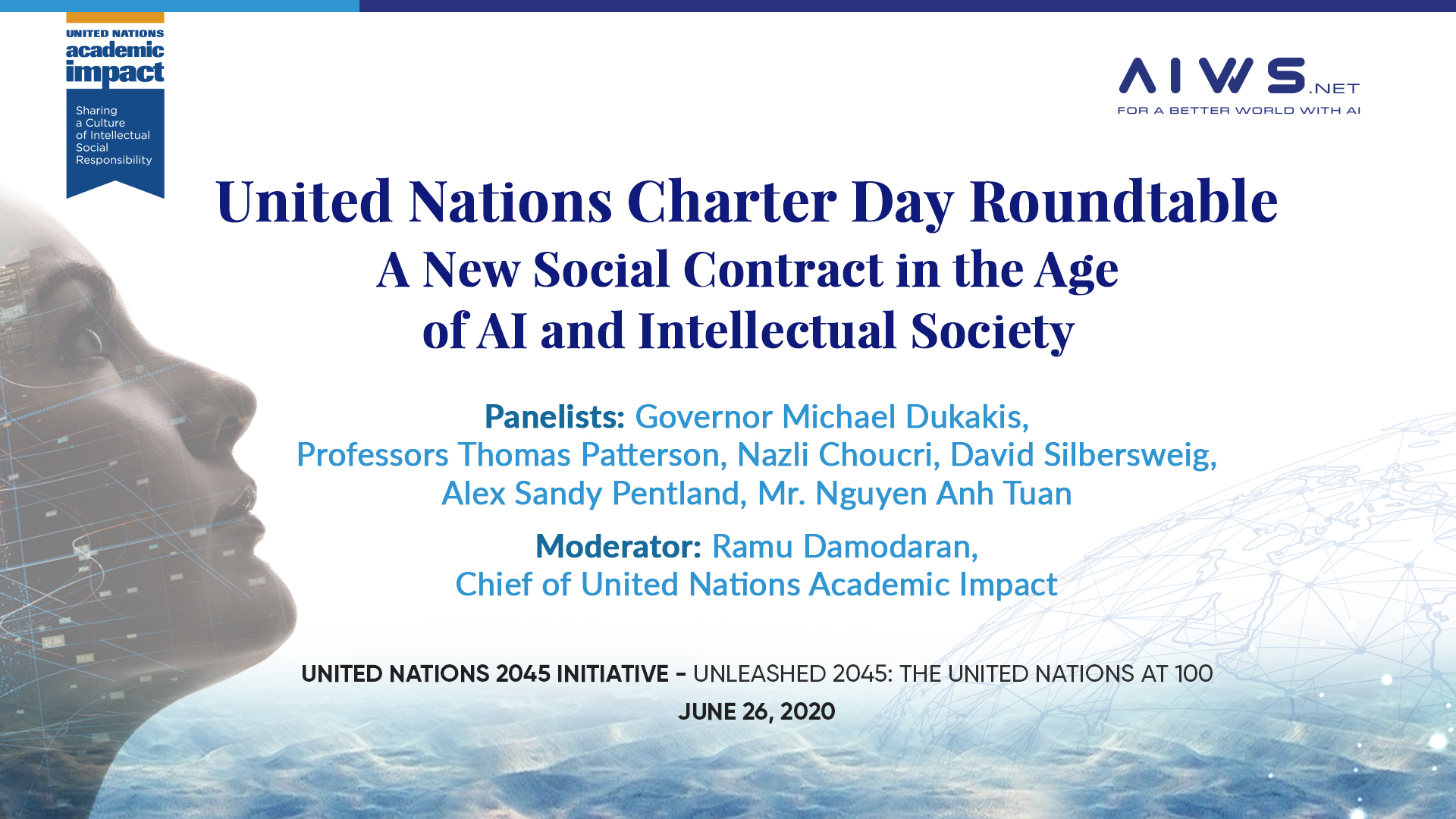
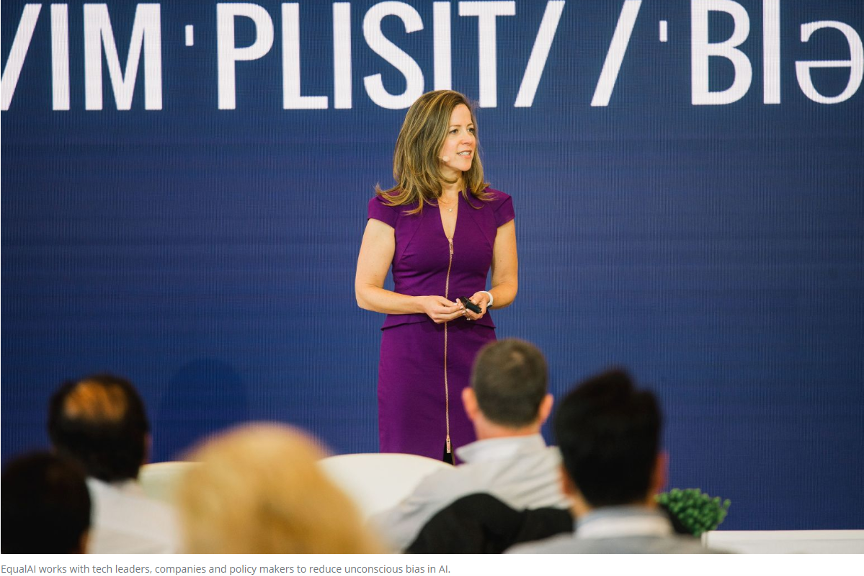
Co-founders and Mentors of AIWS.net – Governor Michael Dukakis, Professor Thomaas Patterson (Harvard), Professor Nazli Choucri (MIT), Professor Alex Sandy Pentland (MIT), Professor David Silberweig (Harvard), and Nguyen Anh Tuan – spoke and dialogued at the United Nations Charter Day Roundtable, organized by the United Nations Academic Impact to celebrate the 75-year anniversary of UN Charter Day. The roundtable was moderated by Ramu Damodaran, Chief of UN Academic Impact and Editor in Chief of UN Chronicle Magazine. Panelists presented the Social Contract 2020, A New Social Contract in the Age of AI and Intellectual Society.
This is a good foundation for a better world with peace, security, intelligence, and effectiveness in 2045 when the United Nations turns 100.
There were experts and journalists that attend and dialog, such as Ms. Ta Bich Loan, Chief of Vietnam National Television 3 (VTV3), Allan Cytryn, former CTO of Goldman Sachs, Barry Nolan 6 times Emmy Awards, Mariko Gakiya, Llewellyn King (White House Chronicle), Pham Trong Nghia, Vietnam National Assembly, Miyuki Inoue (Asahi), Anh Nguyen (VietNamNet), and others.
Ramu Damodaran wrote on his Twitter: “a fascinating event”.
The COVID-19 pandemic has caused a great disaster for humanity.
Today this disaster poses urgent problems to the world that need to be addressed to protect and strengthen Democracy.
This disaster stems partly from the fact that China’s leaders and political systems are secretive, have no transparency of information, do not cooperate with the United States and other democratic countries, and pressured the World Health Organization to delay recognition of the epidemic and to develop appropriate responses.
Mr. Vu Ngoc Hoang, a former leader of the Communist Party of Vietnam wrote: “China’s leaders often are scheming, treacherous, and devious and are a danger to and threatening the world peace and security. They are not trust-worthy, so there should not be any illusion that they will soon change their nature for the better. It will take forever; don’t send the chicken to the fox and hope for the best!”
China has also deployed new technologies for social control that are intended to stifle dissent, monitor private life, and enforce state authority. Of particular concern is the growing use of face surveillance which allows the Chinese government to track individuals in their daily lives and to observe and assess social and political networks.
This conference will discuss strategies and solutions to cope with these growing risks both in politics and economics and to find models of alliances or affinity to promote strengthen democracy around the world.
Panel 1: New Alliance, New Order, New Democracy
This panel discusses the risks of China’s undermining world democracy, of which Hong Kong is an example of the consequence. July 1 is also the anniversary of Hong Kong being handed over to China by the United Kingdom.
While governments of democratic states are fragmented, lacking a coherent strategy, united plan, or close cooperation to protect and strengthen democracy, parliamentarians have established Inter-Parliamentary Alliance on China (IPAC). What role can IPAC play to rally democratic resources around the world? In the digital, Internet, and AI era, digital democracy has an important role in protecting and strengthening democracy.
After a year of research and development, the Boston Global Forum officially announced The Social Contract 2020, A New Social Contract in the Age of AI, on May 5, 2020. On May 12, 2020, the World Leadership Alliance-Club de Madrid and the Boston Global Forum held a roundtable to discuss the Social Contract 2020 and risks to human rights stemming from governments’ response to COVID-19. On June 26, 2020, to celebrate 75 Years of United Nations Charter Day, the UN and BGF co-organize UN Charter Day Roundtable: A New Social Contract in the Age of AI. Participants in both events stated that the Social Contract is a good foundation to strengthen democracy and to preserve peace and security for humanity in the Age of AI. The Social Contract calls for the establishment of the Democratic Alliance on Digital Governance.
How should this Democratic Alliance be set up? What is the connection between IPAC, BGF, World Leadership Alliance-Club de Madrid, and the newly established Global Partnership on AI? How do governments, businesses, and foundations support it? How should an initiative to build government and business monitoring and auditing system for digital democracy be developed?
What other international organizations should become partners in this new initiative?
How does one monitor the system of governments and businesses on digital democracy?How does one promote, link and unite all democratic power in the world?
The outcome of this panel will a report that outline ideas, solutions, and initiatives for governments, the UN, and international organizations.
Panel 2: New Supply Chain, New Economy, New Democracy
Insidious Chinese leaders and their political systems use a market of more than 1.4 billion people to pressure businesses and make the world economy dependent on China’s economy. The “Belt and Road Initiative” is creating economic dependencies that may weaken the ability of democratic states to maintain independence. Technologies for social control within China are now being deployed in countries that fall within the BRI regions. Most of all, there have been allegations that American finance and investment sectors are being manipulated by China … Now is the time to review economic relations with China. Is it possible that economic dependence with China lessens democratic values? What should be solutions for the world economy to not be dependent on China? Has Australia learned lessons from Chinese pressure, making it difficult for the Australian economy when the Australian government defends its democratic values and requests investigation of the Covid-19 pandemic?
The world needs a new and China-independent global economic strategy in which the undemocratic totalitarian dictatorship in China cannot compete and undermine democratic values through economic relations. What is that strategy? How will the new model be shaped? How does this new strategy leverage the fruits of AI and digital innovation? What should the combination of economic growth and the value of democracy and civilization of mankind look like? Is economic growth necessary at all costs, irrespective of democratic and other fundamental values?
The outcome of this panel is a report that outline ideas, solutions, and initiatives for governments, the UN, and international organizations.
From the opinions presented at this conference, BGF will synthesize and build initiatives, solutions, and action programs to protect and strengthen democracy.
We have human-sounding AI technology that responds to customer service calls and helps customers navigate the issues they face.
We have smart assistants that wake their users up on time, share information about the weather outside and report on the latest news.
We have intelligent tools taking over administrative tasks such as meeting scheduling, calendar management, or even lead generation while the employees focus on more important tasks that require human judgment.
With AI getting more and more pervasive in our day-to-day lives, it is gradually turning into an integral, seamless and natural element — something many considered impossible only a few years ago. And I believe the fast pace of its development and its current ubiquity are due to its unique ability to perform tasks that typically require human intelligence — and learn to get better at completing them over a short period of time.
Since AI already automates repetitive tasks and can increase accuracy and efficiency, and since it can discover hidden insights and trends thanks to its algorithms, it may only be a matter of time until it revolutionizes the bookkeeping and accounting practices in place today. According to one Accounting Todayarticle, AI technologies could automate the lengthy process of gathering, sorting and visualizing pertinent data, while human employees are left to focus on more productive tasks and have more time to achieve tangible results and business goals. These capabilities are not fictional — in fact, systems such as QuickBooks have already been introducing AI tools that allow client companies (big or small) to automate repetitive office work and improve cash flow forecasts.
What the achievements in AI applications today have proven to me is their ability to allow humans to exercise their judgment and creativity, while computers are left to assist them in relatively more operational, systematic and reason-driven assignments and tasks. And while AI exhibits the elements of evolution and growth so inherent to human beings, it differs from its creators in very significant ways: self-awareness and human relationships.
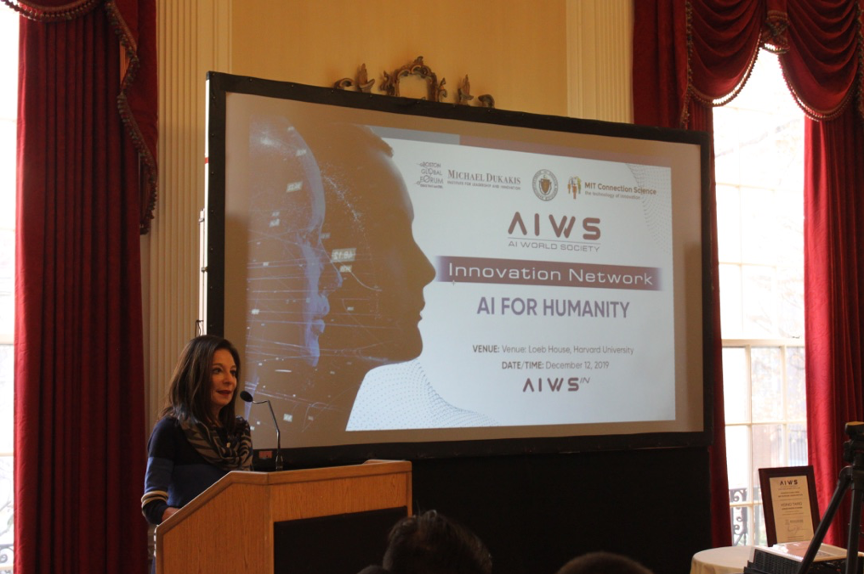
According to Artificial Intelligence World Society Innovation Network (AIWS.net), AI can be an important tool to serve and strengthen democracy, human rights, and the rule of law. In this effort, AIWS.net invites participation and collaboration with think tanks, universities, non-profits, companies, and other entities that share its commitment to the constructive and development of AI.
Governor Michael Dukakis, co-founder of the Boston Global Forum and co-author of the Social Contract 2020, will speak at the United Nations Charter Day Roundtable, June 26, 2020. This event is co-organized by the United Nations Academic Impact and the Boston Global Forum (AI World Society Innovation Network – AIWS.net).
This is a special event to celebrate the United Nations Charter Day June 26. This is also the first roundtable of the series United Nations 2045 Initiative (100 years of United Nations), moderated by Chief United Nations Academic Impact and Editor-in-Chief of the United Nations Chronicle Magazine, Ramu Damodaran.
Governor Michael Dukakis was a politician and leader who made miracle stories in Massachusetts as a 3-term governor, and the Democratic Party Nominee for President of the United States 1988. Currently he is a distinguished professor of Northeastern University and UCLA.
Gov. Dukakis co-created: “World Leader in Peace and Cybersecurity” Award; “World Leader in AI World Society” Award, and the AI World Society Initiative. Together with Nguyen Anh Tuan he also established December 12 as the annual Global Cybersecurity Day. Gov. Dukakis also coauthored, “The concepts of AI-Government,” “Ethics Code of Conduct for Cyber Peace and Security (ECCC),” and the “BGF-G7 Summit Initiative Report.”
Ramu Damodaran, Chief of United Nations Academic Impact: “We prepare to observe the 75th anniversary of the United Nations, we in the Academic Impact are particularly mindful of the opportunities, challenges and dangers inherent in new and emerging technologies which were unforeseen at the time the Organization was founded.
We look ahead to the global landscape in 2045, when the United Nations completes its first centenary, in areas of these technologies, including artificial intelligence, cyber security and weapons systems, among others. Such a compilation which looks both to the horizon ahead and the role of the United Nations in making it beneficial and secure, would be timely.”
On United Nations Charter Day June 26, 2020, the Boston Global Forum and the United Nations Academic Impact organize a UN Charter Day Roundtable to talk about A New Social Contract in the Age of AI and Intellectual Society.
The UN Charter Day Roundtable will discuss the world in 2045 with deeply applied AI, how to upgrade civil society to Intellectual Society, a knowledge-based global society, and how the Social Contract 2020 will happen in 2045.
The UN Charter Day Roundtable is a part of the United Nations 2045 Initiative.
Panelists: Governor Michael Dukakis, Professors Thomas Patterson, Nazli Choucri, Alex Pentland, David Silbersweig; Nguyen Anh Tuan
Moderator: Ramu Damodaran, Chief of Academic Impact, United Nations, and Editor-in-Chief of the UN Chronicle Magazine.
Agenda
June 26, 2020
11:30 am: Opening Remarks, Ramu Damodaran, Chief of Academic Impact, United Nations and Editor in Chief of the UN Chronicle Magazine
11:50 am: The Social Contract 2020, A New Social Contract in the Age of AI and Intellectual Society, Governor Michael Dukakis, Professors Thomas Patterson, Nazli Choucri, Alex Pentland, David Silbersweig; Nguyen Anh Tuan
12:40 pm: Q&A, Moderator Ramu Damodaran
Llewellyn King, Pham Trong Nghia, Barry Nolan, Ta Bich Loan, Mariko Gakiya, Mikhail Kupriyanov and Allan Cytryn contribute questions and dialog
While writing a proposal for the Democratic Alliance on Digital Governance (DADG) and developing the Social Contract 2020, I conceived an idea: to upgrade civil society to intellectual society.
Father of Internet, Vint Cerf, who was honored as a World Leader in AI World Society, said: “the best detector of misinformation and disinformation is critical thinking”. Misinformation and disinformation are big challenges and threats to the world in the age of the Internet, AI, and social media.
Our dream is that in 2045 (100 years of the United Nations and the end of World War II), citizens will have good and knowledge-based education, critical thinking, and intellect so that they can contribute actions, initiatives, and solutions to solve social issues. We named the term “Intellectual Society”. There are very interesting discussions about this new term, concept, and its name.
Mr. Nguyen Anh Tuan, Professor Nazli Choucri, Professor Thomas Patterson, Professor John Quelch contributed names:
Intellectual Society
Knowledge-Based Global Society
Global Innovation Society
The UN Next Century Society
We chose the name “Intellectual Society”. Even though some said, “sound erudite to me” and “like elite”, but we are very delighted to see this new concept and term to be quite attractive. We will continue to learn more from our friends and open to invite you to contribute a name with your thinking.
During the COVID-19 pandemic, artificial intelligence (AI) has become a trusted ally and partner in our daily lives. While there are countless benefits of AI, embedded bias could be determining who keeps their job, what news we see – even who lives or dies – without our even knowing it.
AI-based technology is enabling us to stay connected to our communities, order essential supplies and perform our jobs while adhering to stay-at-home orders. It ensures we’re entertained by using algorithms to compare our past Netflix viewings to recommend our next binge watch. AI even enables robots to answer the call for contactless food delivery to our homes and deliver personal protective equipment (PPE) to hospitals without exposing supply workers to the virus.
These developments have saved and enhanced lives during the pandemic. However, even in the best of times, the sharpest minds at the most sophisticated companies struggle to ensure their use of AI is neither discriminatory nor inequitable. For instance, the most advanced AI facial recognition programs often fail to identify persons of color, as recently addressed by the large tech companies, including Amazon, Microsoft and IBM in the laudable decision to take these programs used by law enforcement off the shelf for at least the next year. Further risks can be seen most prominently in our current use of AI to facilitate review of online media content, employment decisions, and healthcare opportunities.
According to Artificial Intelligence World Society Innovation Network (AIWS.net), AI can be an important technology and a potential tool for COVID-19 prediction. Regarding to AI Ethics, AIWS.net initiated and promoted to design AIWS Ethics framework within four components including transparency, regulation, promotion and implementation for constructive use of AI for avoiding bias and discrimination.
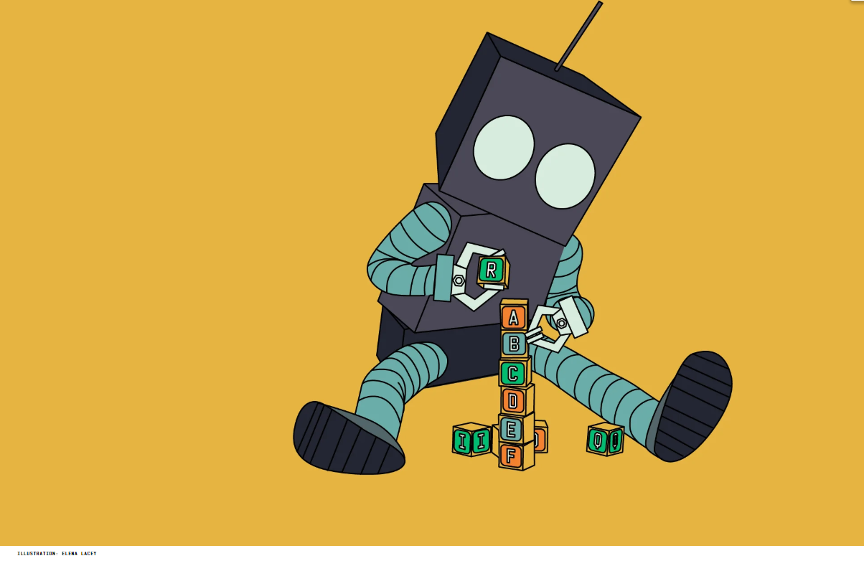
A cognitive psychologist at Harvard, has spent her career testing the world’s most sophisticated learning system—the mind of a baby.
Gurgling infants might seem like no match for artificial intelligence. They are terrible at labeling images, hopeless at mining text, and awful at videogames. Then again, babies can do things beyond the reach of any AI. By just a few months old, they’ve begun to grasp the foundations of language, such as grammar. They’ve started to understand how the physical world works, how to adapt to unfamiliar situations.
Yet even experts like Spelke don’t understand precisely how babies—or adults, for that matter—learn. That gap points to a puzzle at the heart of modern artificial intelligence: We’re not sure what to aim for.
It isn’t yet clear how humans solve these problems, but Spelke’s work offers a few clues. For one thing, it suggests that humans are born with an innate ability to quickly learn certain things, like what a smile means or what happens when you drop something. It also suggests we learn a lot from each other. One recent experiment showed that 3-month-olds appear puzzled when someone grabs a ball in an inefficient way, suggesting that they already appreciate that people cause changes in their environment. Even the most sophisticated and powerful AI systems on the market can’t grasp such concepts. A self-driving car, for instance, cannot intuit from common sense what will happen if a truck spills its load.
Josh Tenenbaum, a professor in MIT’s Center for Brains, Minds & Machines, works closely with Spelke and uses insights from cognitive science as inspiration for his programs. He says much of modern AI misses the bigger picture, likening it to a Victorian-era satire about a two-dimensional world inhabited by simple geometrical people. “We’re sort of exploring Flatland—only some dimensions of basic intelligence,” he says. Tenenbaum believes that, just as evolution has given the human brain certain capabilities, AI programs will need a basic understanding of physics and psychology in order to acquire and use knowledge as efficiently as a baby. And to apply this knowledge to new situations, he says, they’ll need to learn in new ways—for example, by drawing causal inferences rather than simply finding patterns. “At some point—you know, if you’re intelligent—you realize maybe there’s something else out there,” he says.
It is useful to note that AI and causal inference has been contributed by professor Judea Pearl, who is awarded Turing Award 2011. In 2020, Professor Pearl is also awarded as World Leader in AI World Society (AIWS.net) by Michael Dukakis Institute for Leadership and Innovation (MDI) and Boston Global Forum (BGF). At this moment, Professor Judea Pearl also contribute on Causal Inference for AI transparency, which is one of important AIWS.net topics on AI Ethics.
Cerf received his master’s and Ph.D. in computer science from UCLA in the early 1970s. He is the co-designer of the TCP/IP protocols and the architecture of the internet – both of which govern how computers connect to each other and the wider internet. Among his many recognitions, he has received the U.S. Presidential Medal of Freedom, the A.M. Turing Award, the Charles Stark Draper Prize in Engineering, the Queen Elizabeth Prize for Engineering, World Leader in AI World Society Award. For many years, Cerf has been a vice president and Chief Internet Evangelist for Google.
Cerf congratulated this year’s graduates and those celebrating their reunions. He also acknowledged the challenges presented by the COVID-19 pandemic. For Cerf, who tested positive for the virus in early March, it was a personal ordeal. The experience, he said, helped him recognize the drastic ways in which COVID-19 has interfered with the infrastructure of our society.
He said: “The Internet has proven to be a resilient and scalable infrastructure, open to evolving new functionality and applications. Preserving its values and protecting against its abuse is a challenge for our times.”
The best detector of misinformation and disinformation, he remined, is critical thinking.
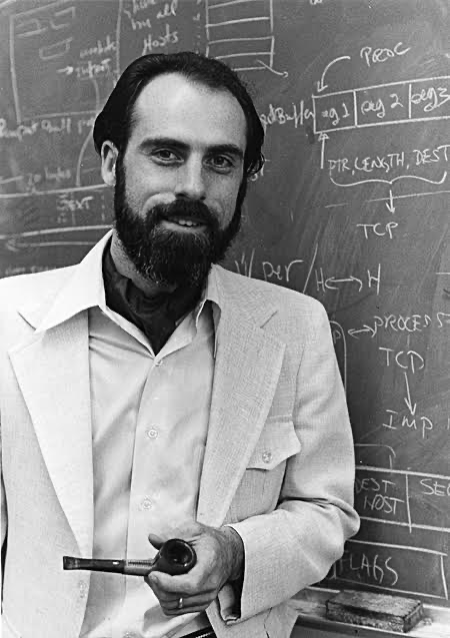
TCP/IP and Internet are recognized as historical achievements and Vint Cerf is a historical figure of AI. As a historical figure of the History of AI, as well as a Mentor of AIWS.net, Vint Cerf presented the History of AI his picture at Stanford 1974 when he created TCP/IP.