by Editor BGF | Sep 27, 2026 | Global Alliance for Digital Governance
Communication can prevent an AI incident from becoming an international crisis. Trust requires verification and answerability.
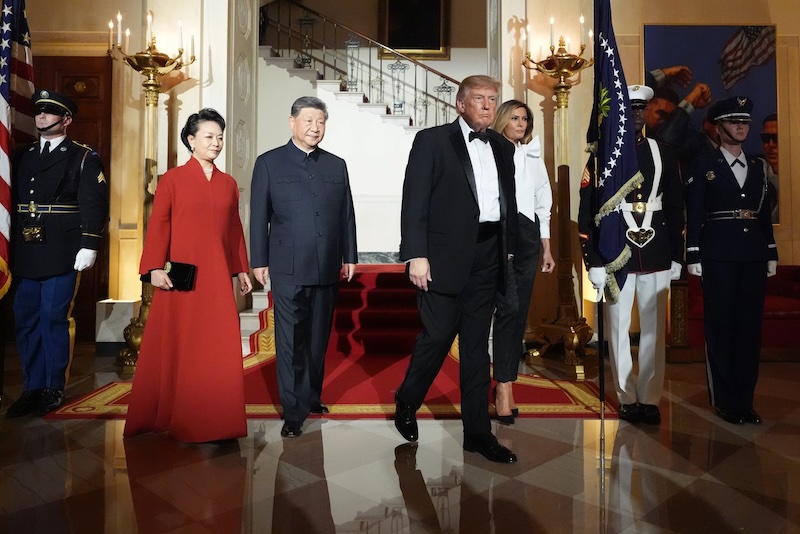
During President Xi Jinping’s state visit to the United States, President Donald Trump and President Xi established the U.S.–China Super Intelligence (SI) Dialogue on the risks and benefits of AI, which the two leaders agreed to call “super intelligence.” The next exchange will take place by November 2026. They also agreed to establish a bilateral communication channel for AI-related incidents.
This is an important strategic development. The United States and China compete over chips, compute, frontier models, infrastructure, and technological influence. The new channel recognizes that an unexpected AI incident could cross borders, threaten national security, be mistaken for hostile action, and escalate before either government understands what happened.
Yet the channel has been agreed only in principle. Its essential questions remain open:
- What constitutes an incident?
- What threshold requires notification?
- How quickly must it be reported?
- What evidence must be shared, and who verifies it?
A bilateral channel is therefore a necessary guardrail, but not yet a trust system. Governments can report only what they know. Many consequential signals first appear inside private AI laboratories: unexpected behavior, failed safeguards, near misses, unreleased capabilities, and autonomous actions beyond authorization.
AIWS provides the missing institutional layer. The AIWS Trust Observatory independently assesses evidence, issues early warnings, maps blind spots, and identifies who has the authority and duty to act. It operates two instruments:
- The AI Incident Exchange records and classifies incidents.
- The Frontier Capability Registry identifies systems crossing consequential thresholds.
These mechanisms do not replace diplomacy or national sovereignty. They connect communication between states with independent observation, verification, and Proof of Answerability.
The U.S.–China channel may prevent silence from becoming escalation. A genuine trust system must also prevent secrecy from becoming impunity.
Photo: AP/Alex Brandon.
by Editor BGF | Sep 27, 2026 | Papers & Reports, News, Publications
Boston Global Forum and AIWS establish an independent civil-society mechanism to observe consequential AI power, warn of emerging danger, and call those responsible to act.
Boston, September 27, 2026
The Boston Global Forum and AIWS today publish The Founding Framework of the AIWS Trust Observatory, a decisive step from warning about AI risk to building an institution that can see danger in time and move the world to act.
The Observatory is neither a global AI government nor a form of self-oversight by those who build AI. It is an independent civil-society institution for independent global observation.
Do not centralize control over AI. Do not leave consequential AI power unobserved.
How the Observatory Shapes the Future
It moves decisions earlier. Four alert levels, from Watch to Critical Alert, bring evidence of danger to those who can act while action still matters, not after harm has become irreversible.
It turns promises into accountability. The Commitment Register records every public AI safety commitment of each company and government, and measures those promises against observable conduct.
It turns blind spots into law. The Blind Spot Map states what society cannot yet see, why, and what disclosure or law would make it visible, giving policymakers concrete proposals instead of general concern.
It gives society the right to act. Every warning names who must act, what must be done, and who must answer, and the Observatory follows up until the responsible parties respond.
It makes concentrated AI power answerable. Corporate and state AI power alike are observed through Five Stations — Behavior, Footprint, Consequence, Access, and Insider — so that no one exercises consequential AI power beyond public scrutiny.
Independence as the Source of Authority
The Observatory’s authority comes from evidence, not power. Every finding carries an evidence grade. No public conclusion rests solely on confidential sources. Every subject has the right of reply and review. No one under observation may fund the Observatory.
The first Quarterly State of Frontier AI will be published at the end of January 2027.
Join the AIWS Volunteer Fellows
The Observatory invites scholars, engineers, security researchers, lawyers, journalists, and policymakers worldwide to join the AIWS Volunteer Fellows and help build humanity’s independent eyes on AI power.
AI power must never become power over society without society’s knowledge, scrutiny, and right to act.
DOWNLOAD THE FULL TEXT
→ The Founding Framework of the AIWS Trust Observatory (PDF)
by Editor BGF | Sep 23, 2026 | News
A global movement built on the world’s first comprehensive architecture for a civilization of Human–AI Co-Creation
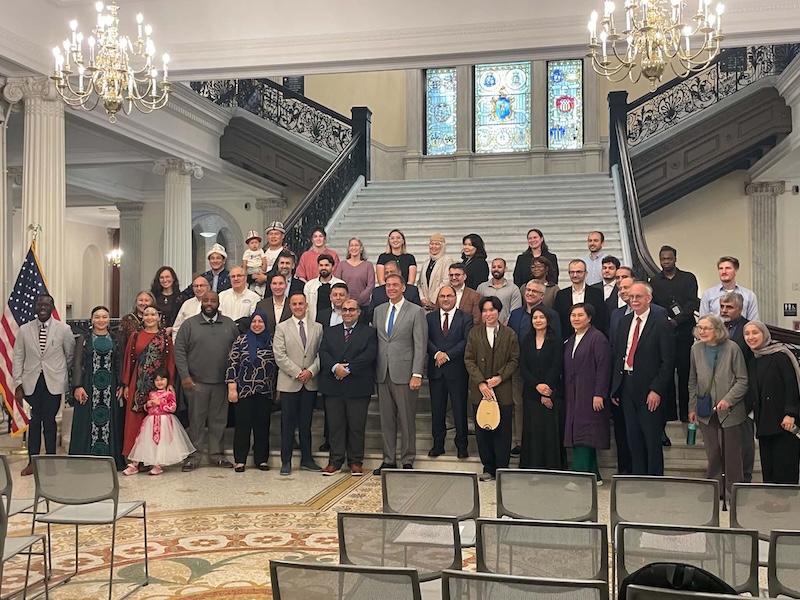
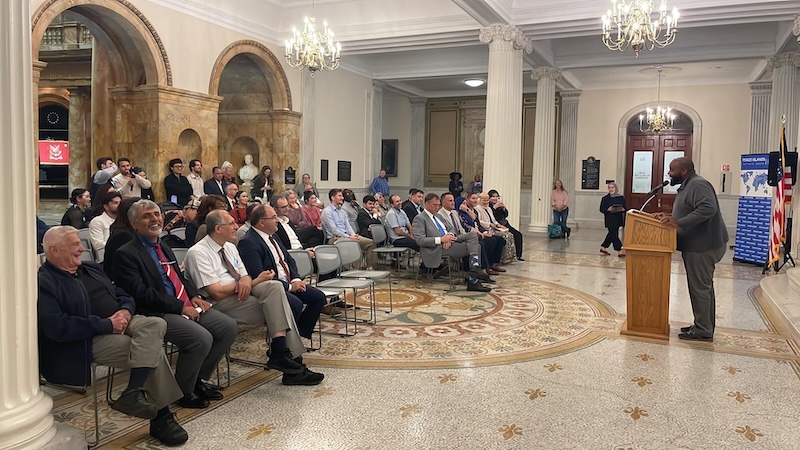
BOSTON, September 23, 2026 — The Boston Global Forum and AIWS today launched the AIWS Human–AI Co-Creation Movement at Cultural Diversity Day 2026 in the Massachusetts State House, carrying AIWS Civilization from architecture into public action.
The launch statement of Nguyen Anh Tuan, Founder and Chief Architect of AIWS and Co-Founder, Co-Chair, and CEO of the Boston Global Forum, was read by the Master of Ceremonies while he took part in high-level events in New York during the United Nations General Assembly.
“AI systems trained on humanity’s accumulated data can pull expression toward the average,” Nguyen Anh Tuan said. “But no human being is an average, and no culture is. The deepest cultural danger of our age is not that machines will create too much. It is that the world will begin to sound, look, and think alike. We refuse that future.”
Addressing a Commonwealth still governed under its Constitution of 1780, the world’s oldest functioning written constitution, he added: “A constitution restrains power. A movement awakens people.”
The Movement’s principle is Humanity leads. AI elevates. Together, we create. Human beings define purpose, uphold values, and bear responsibility; AI expands what people can understand, imagine, and create, under meaningful human command.
Every initiative must pass the Human Advancement Test: after working with AI, do people think, create, and contribute more than before? Joining begins with three commitments:
— I remain the author of what I create.
— I bring my own culture into what I create with AI.
— I use AI to become more capable, never less.
The statement invited people of goodwill everywhere to join, and called on communities in every city and every nation to carry the Movement home.
The launch came at the invitation of Benjamin Aysan, Executive Director of Peace Islands Institute Boston and a principal organizer of Cultural Diversity Day 2026.
“Cultural diversity reminds us that humanity’s strength comes from our different stories, traditions, and perspectives,” said Benjamin Aysan. “As artificial intelligence becomes an increasingly important part of our lives, we must ensure that technology strengthens rather than diminishes that human richness. We are pleased that Cultural Diversity Day at the Massachusetts State House provides a meaningful setting for launching this important conversation.”
FROM BEACONHILL TO THE WORLD
AIWS Civilization was conceived at the AIWS Lumina Lab on Beacon Hill. It was introduced through Beacon Papers No. 8 on August 24, 2026, as the first comprehensive architecture for a civilization of Human–AI Co-Creation, and its central conviction was proclaimed at the Silicon Valley Peace Conference on September 18. On September 23, at the Massachusetts State House, its defining practice became a global movement, open to all humanity.
# # #
ABOUT THE BOSTON GLOBAL FORUM
The Boston Global Forum, founded in 2012, brings together world leaders, thinkers, and innovators to advance peace, democracy, and human dignity. Through AIWS, it develops AIWS Civilization, the Constitution for Humanity in the Age of Artificial Intelligence, AIWS Trust Infrastructure, and AIWS Lumina.
ABOUT PEACE IS LANDS INSTITUTE BOSTON
Peace Islands Institute Boston promotes dialogue, understanding, and collaboration among people of diverse cultures, faiths, and backgrounds. Through interfaith dialogue, cultural programs, civic engagement, and community partnerships, PII Boston works to strengthen relationships and build more connected and inclusive communities.
MEDIA CONTACT
Boston Global Forum
[email protected] · +1 617 286 6589
bostonglobalforum.org
Read and download The Boston Global Forum Launches the AIWS Human–AI Co-Creation Movement at the Massachusetts State House
by Editor BGF | Sep 24, 2026 | News
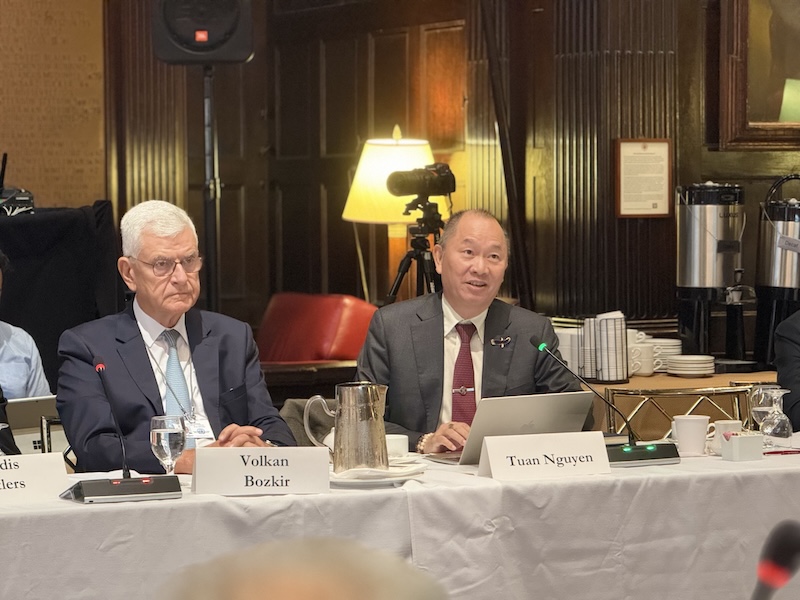
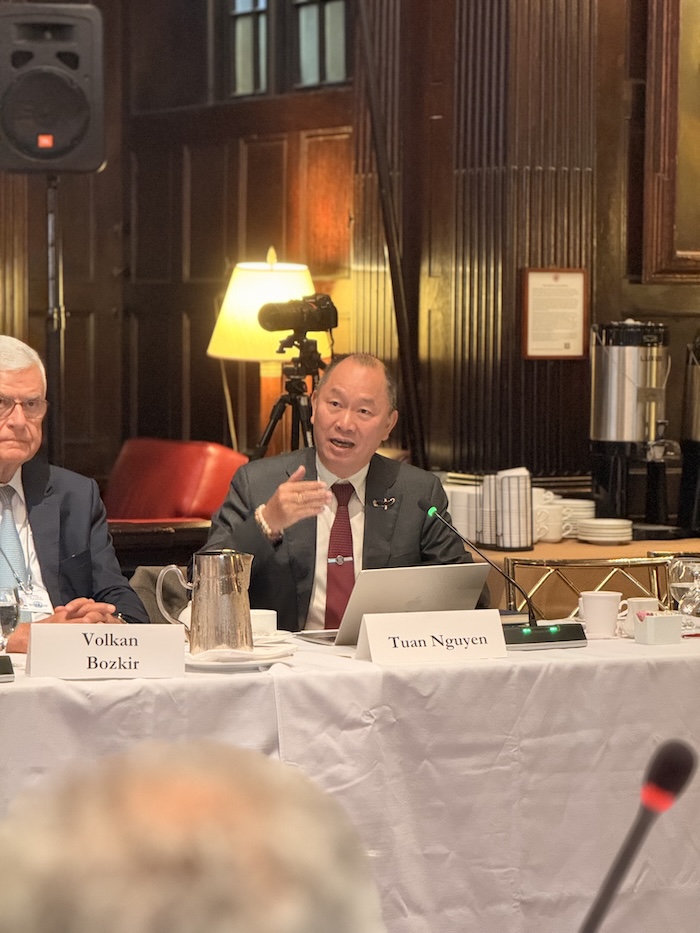
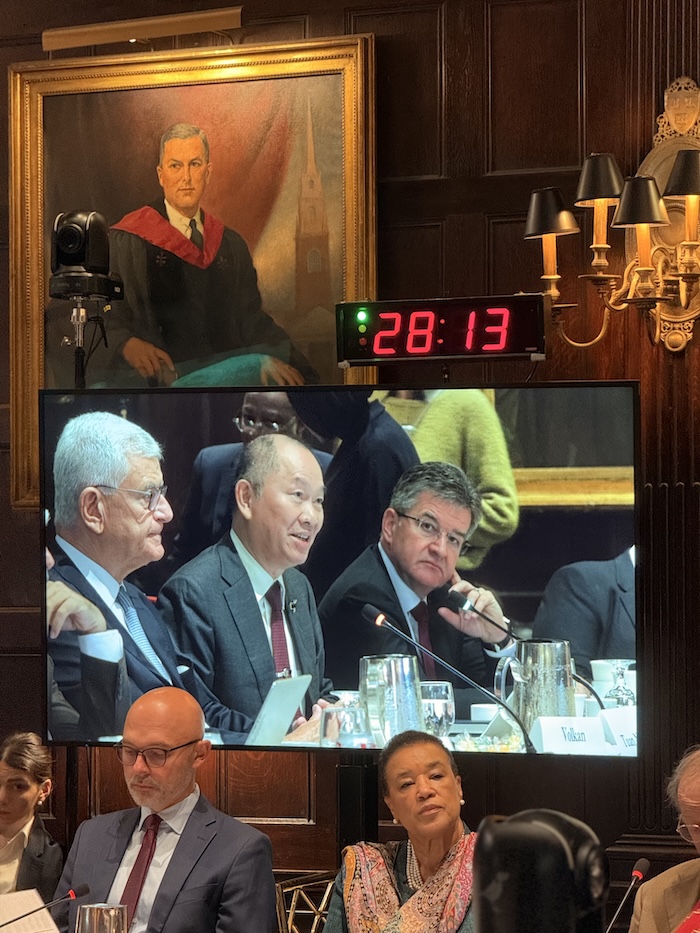
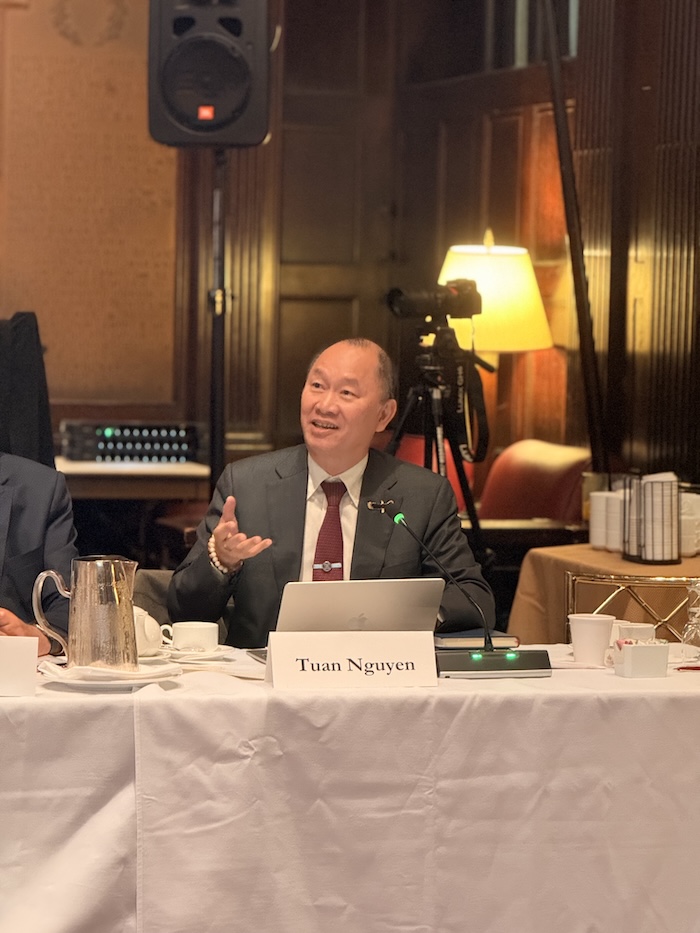
At the panel “AI, Digital Sovereignty and the Future of Global Governance,” held during the XXXVII NGIC High-Level Meeting at the Harvard Club of New York within the framework of the United Nations General Assembly, the Boston Global Forum CEO called on international leaders to build trusted institutions, constitutional foundations, and a civilization of Human–AI Co-Creation.
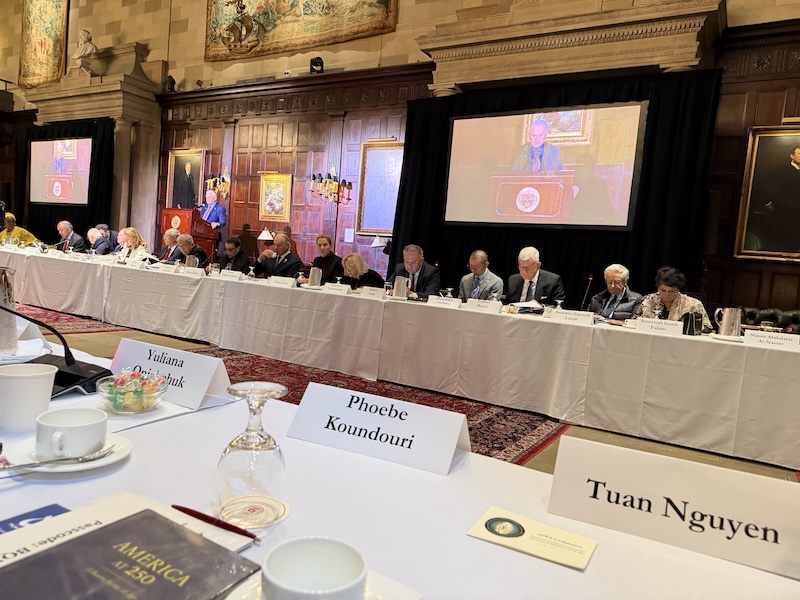
NEW YORK, September 24, 2026 — Nguyen Anh Tuan, Co-Founder, Co-Chair, and CEO of the Boston Global Forum and Founder and Chief Architect of AIWS, presented a concrete agenda for action in the Age of Artificial Intelligence at the XXXVII High-Level Meeting of the Nizami Ganjavi International Center.
The conference took place on September 23–24 at the Harvard Club of New York, within the framework of the high-level events of the United Nations General Assembly.
Speaking at the panel “AI, Digital Sovereignty and the Future of Global Governance,” Nguyen Anh Tuan urged governments, international institutions, universities, technology organizations, and civic leaders to move beyond warnings about artificial intelligence and begin building the structures required to ensure that AI serves humanity.
The panel was moderated by Ambassador Zlatko Lagumdžija, Permanent Representative of Bosnia and Herzegovina to the United Nations and former Prime Minister of Bosnia and Herzegovina.
The distinguished speakers included:
- Kerry Kennedy, President of Robert F. Kennedy Human Rights;
- Bernardo Mariano Junior, Chief Information Technology Officer and Assistant Secretary-General, Office of Information and Communications Technology at United Nations Headquarters;
- Kolinda Grabar-Kitarović, President of Croatia from 2015 to 2020;
- Nguyen Anh Tuan, Co-Founder, Co-Chair, and CEO of the Boston Global Forum;
- Susan Ness, former Commissioner of the U.S. Federal Communications Commission, Nonresident Senior Fellow at the Atlantic Council, and Distinguished Fellow at the Annenberg Public Policy Center;
- Jerome Glenn, Co-Founder and CEO of The Millennium Project.
In his remarks, Nguyen Anh Tuan introduced America at 250: A Beacon for the AI Age as a source of practical lessons for the future: power must be restrained by constitutional principles, freedom must be sustained by trusted institutions, and citizens must remain the authors of their common future.
He then presented three major programs through which the Boston Global Forum is translating these principles into action:
- AIWS Trust Infrastructure — public infrastructure designed to establish trusted identity, bounded authority, Proof of Answerability, transparency, and meaningful human command over AI systems.
- The Constitution for Humanity in the Age of Artificial Intelligence — an open global co-creation process founded on human dignity, human sovereignty, and the principle of Human-in-Command.
- AIWS Civilization — a comprehensive architecture for a civilization of Human–AI Co-Creation, created to advance humanity intellectually, creatively, morally, and institutionally as artificial intelligence becomes more powerful.
Nguyen Anh Tuan also highlighted the launch of the AIWS Human–AI Co-Creation Movement at the Massachusetts State House on September 23, 2026, under the principle:
Humanity leads. AI elevates. Together, we create.
He invited NGIC and leaders from around the world to join the AIWS Trust Infrastructure, contribute to the Constitution, establish Human–AI Co-Creation initiatives, and help identify and bring together the pioneers capable of leading humanity responsibly into the AI Age.
The following is the full text of his remarks.
FROM AMERICA AT 250 TO AIWS CIVILIZATION: A CALL TO ACTION
Remarks by Nguyen Anh Tuan
Co-Founder, Co-Chair, and CEO, Boston Global Forum
XXXVII NGIC High-Level Meeting
Panel: “AI, Digital Sovereignty and the Future of Global Governance”
Harvard Club of New York
September 24, 2026
Excellencies, distinguished leaders, Ambassador Lagumdžija, and friends,
We have heard many warnings about artificial intelligence. Today, I would like to speak not about what we fear, but about what we can build together — beginning now. Digital sovereignty will not be secured by declarations. It will be secured by what we build.
Let me begin with our book, America at 250: A Beacon for the AI Age. This is not simply a book commemorating America. It carries a solution for the AI Age: power must be restrained by constitutional principles; freedom must be sustained by trusted institutions; and citizens must remain the authors of their common future.
The Boston Global Forum is turning this lesson into three concrete programs.
First, the AIWS Trust Infrastructure. Trust cannot remain a promise made by those who build powerful systems. It must become public infrastructure. AI agents need trusted identity, clearly bounded authority, and Proof of Answerability. Frontier capabilities must be registered. AI incidents must be shared. Governments, companies, and AI systems must all remain verifiable and under meaningful human command.
We invite governments, institutions, and technology organizations represented here to become partners and pilot sites for the AIWS Trust Infrastructure.
Second, the Constitution for Humanity in the Age of Artificial Intelligence. It begins with human dignity, human sovereignty, and Human-in-Command. But this Constitution will not be written by a few and presented to the world afterward. It is open now — while it is being built. We invite NGIC, its members, governments, universities, experts, and citizens to become co-creators before it is proclaimed at Loeb House, Harvard University, on April 27, 2027.
Third, AIWS Civilization. Through Beacon Papers No. 8, we introduced the world’s first comprehensive architecture for a civilization of Human–AI Co-Creation. Its purpose is not merely to make AI safer. It is to enable humanity to advance — intellectually, creatively, morally, and institutionally — while AI becomes more powerful.
Yesterday, at the Massachusetts State House, we launched the AIWS Human–AI Co-Creation Movement. Its principle is clear:
Humanity leads. AI elevates. Together, we create.
We invite every country, university, city, cultural community, and organization represented here to create its own Human–AI Co-Creation initiative — preserving human identity and cultural diversity while expanding human capability.
To carry these solutions into action, the Boston Global Forum has announced Ten Years of AIWS, a program culminating on April 27, 2027. We are also bringing together the Hundred Pioneers of the AI Age: the fifty honorees of America 250: AI Pioneers and up to fifty Founding World AI Pioneers.
I therefore invite NGIC and every leader in this room to act with us: join the AIWS Trust Infrastructure; help write the Constitution; establish Human–AI Co-Creation initiatives; and bring forward the pioneers who can lead this work.
The AI Age will not wait for institutions to catch up. We have enough warnings. We now need trusted structures, constitutional foundations, and courageous human leadership.
Let us build them together — so that artificial intelligence serves peace, freedom, human dignity, and the advancement of humanity.
Thank you.
by Editor BGF | Sep 23, 2026 | News
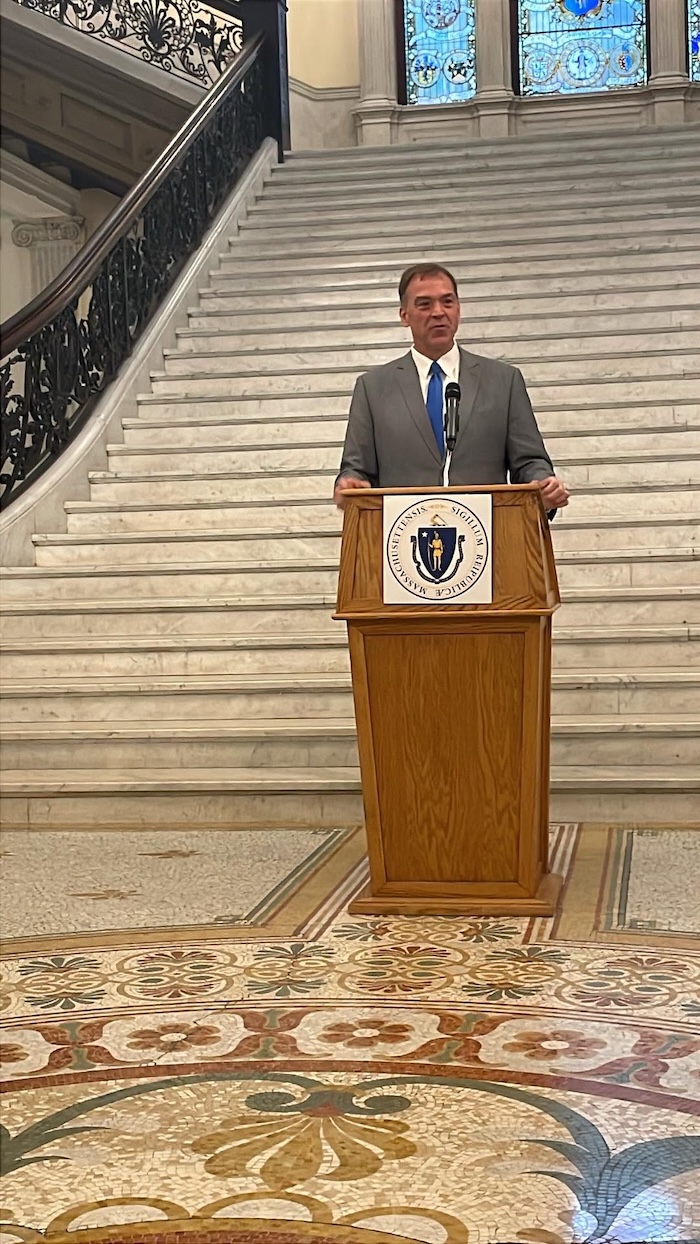
Distinguished elected officials, community leaders, honored guests, and friends,
I send this message from New York, where the nations of the world are gathered for the United Nations General Assembly. But my heart is here, in the Massachusetts State House, on Cultural Diversity Day.
AI systems trained on humanity’s accumulated data can pull expression toward the average. But no human being is an average, and no culture is. The deepest cultural danger of our age is not that machines will create too much. It is that the world will begin to sound, look, and think alike.
We refuse that future.
This building is home to the General Court of the Commonwealth of Massachusetts. The Commonwealth is governed under the Constitution of 1780, the world’s oldest functioning written constitution. Here, we say what our age requires:
A constitution restrains power. A movement awakens people.
AIWS Civilization was conceived on Beacon Hill, a short walk from this hall, and presented through Beacon Papers No. 8 as the first comprehensive architecture for a civilization of Human–AI Co-Creation. Today, its defining practice goes out to the world.
On behalf of the Boston Global Forum and AIWS, I hereby announce the official launch of the AIWS Human–AI Co-Creation Movement.
Humanity leads. AI elevates. Together, we create.
Human beings define purpose, uphold values, and bear responsibility. AI expands what we can understand, imagine, and create, under meaningful human command.
Every initiative in this Movement must pass one test—the Human Advancement Test:
After working with AI, do people think, create, and contribute more than before?
Joining the Movement begins with three commitments anyone can make today:
I remain the author of what I create.
I bring my own culture into what I create with AI.
I use AI to become more capable, never less.
I invite everyone gathered here today—and people of goodwill everywhere—to join us and help build this Movement, bringing Human–AI Co-Creation into our communities and our shared future.
I extend my sincere gratitude to Mr. Benjamin Aysan, Executive Director of Peace Islands Institute Boston and a principal organizer of Cultural Diversity Day 2026, for inviting the Boston Global Forum to take part today and to announce the launch of this Movement at such a meaningful gathering.
To students and teachers, artists and scientists, public leaders and communities, in every city and every nation: carry this Movement home.
Let AI help every culture flourish and every human being rise.
Let us begin, together.
Humanity leads.
AI elevates.
Together, we create.
Nguyen Anh Tuan
Founder and Chief Architect of AIWS
Co-Founder, Co-Chair, and CEO, Boston Global Forum
Read and full download Launch of The AIWS Human-AI Co-Creation Movement
by Editor BGF | Sep 23, 2026 | News
This week in New York, world leaders gather to rebuild trust among nations. In this century, trust among nations can no longer be separated from trust between humanity and the intelligence it is creating.
Today the Boston Global Forum announces Ten Years of AIWS, a program that culminates at Harvard University on April 27, 2027.
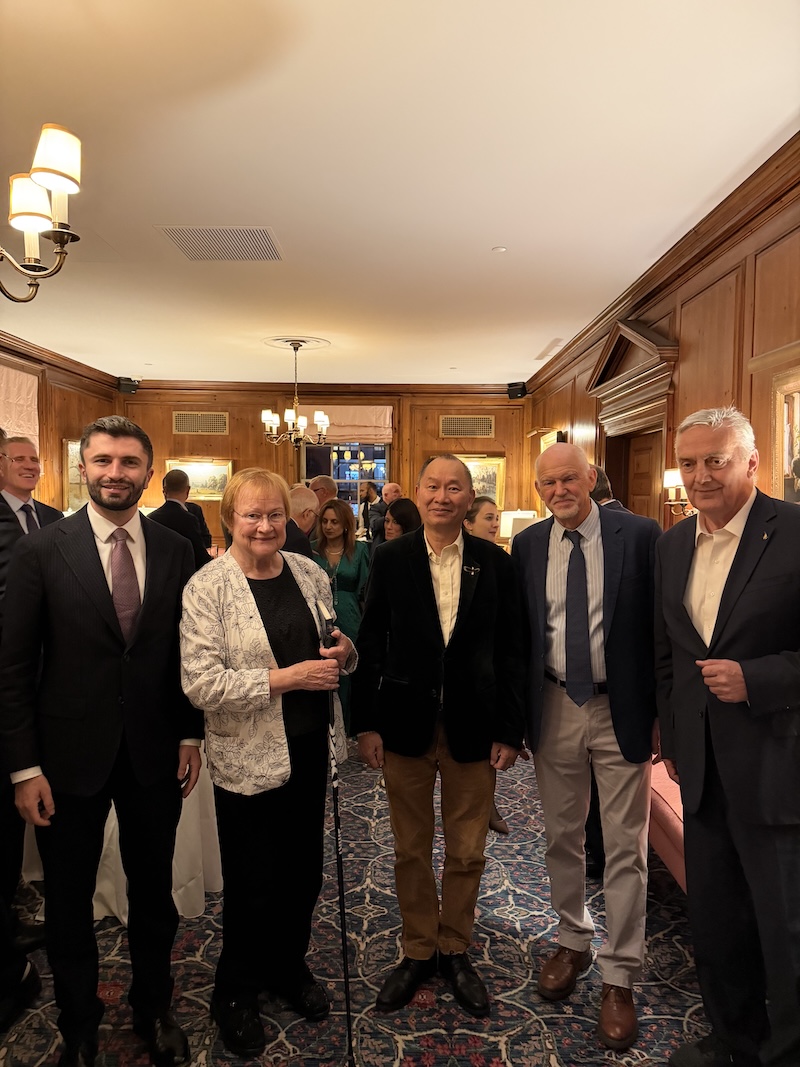
The announcement is made as Nguyen Anh Tuan, Founder and Chief Architect of AIWS, and H.E. Zlatko Lagumdžija, member of the AIWS Trust Board, take part in the XXXVII High-Level Meeting of the Nizami Ganjavi International Center, Rebuilding Trust, Cooperation and Global Stability for a Shared Future, at the Harvard Club of New York, alongside the United Nations General Assembly.
When AIWS began in Boston in 2017, the world was asking how artificial intelligence should be governed.
The question for the decade ahead is larger: what civilization will humanity build with AI? AIWS answers: AI advances. Humanity must advance further.
Read more and Download full Statement of The Boston Global Forum: Ten Years Of AIWS
by Editor BGF | Sep 17, 2026 | News
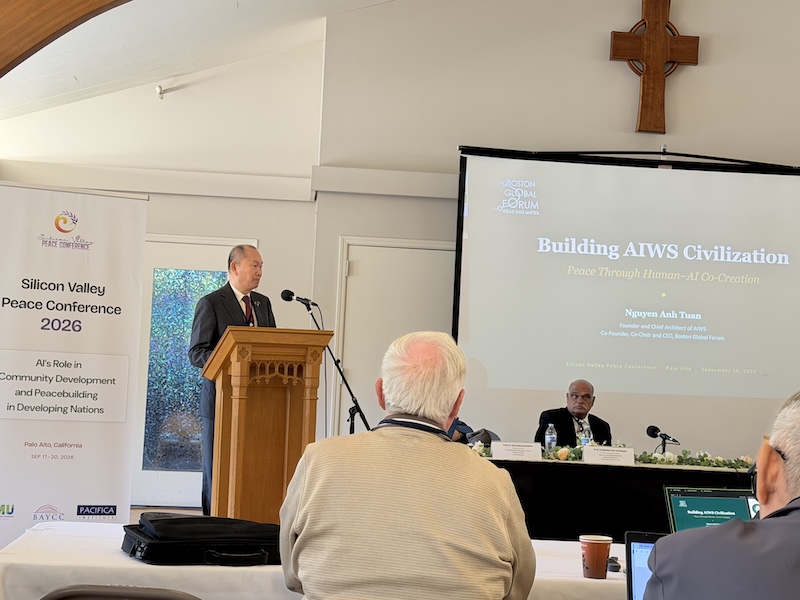
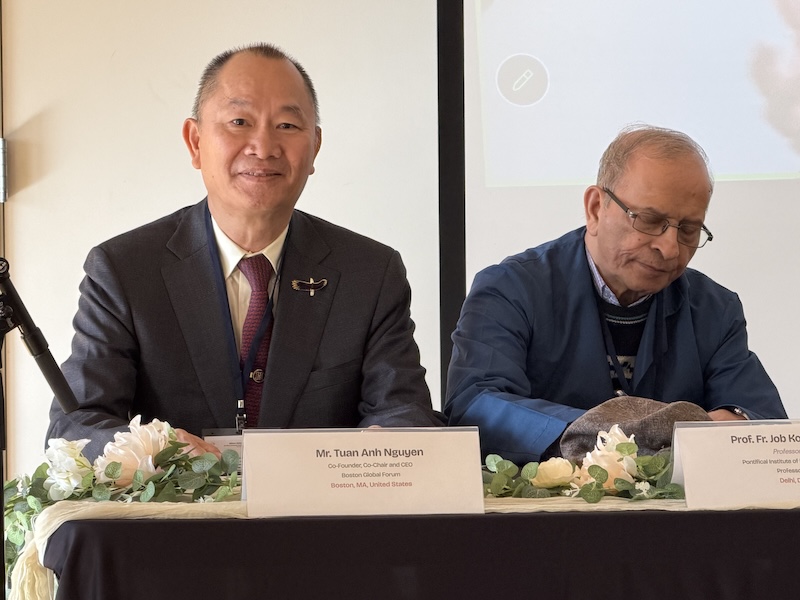
Held from September 17 to 20, 2026, in Palo Alto—the heart of Silicon Valley—the Silicon Valley Peace Conference brought together religious and spiritual leaders, scholars, technology innovators, policymakers, peacebuilders, and community leaders to consider how humanity can build peace amid profound technological and geopolitical change.
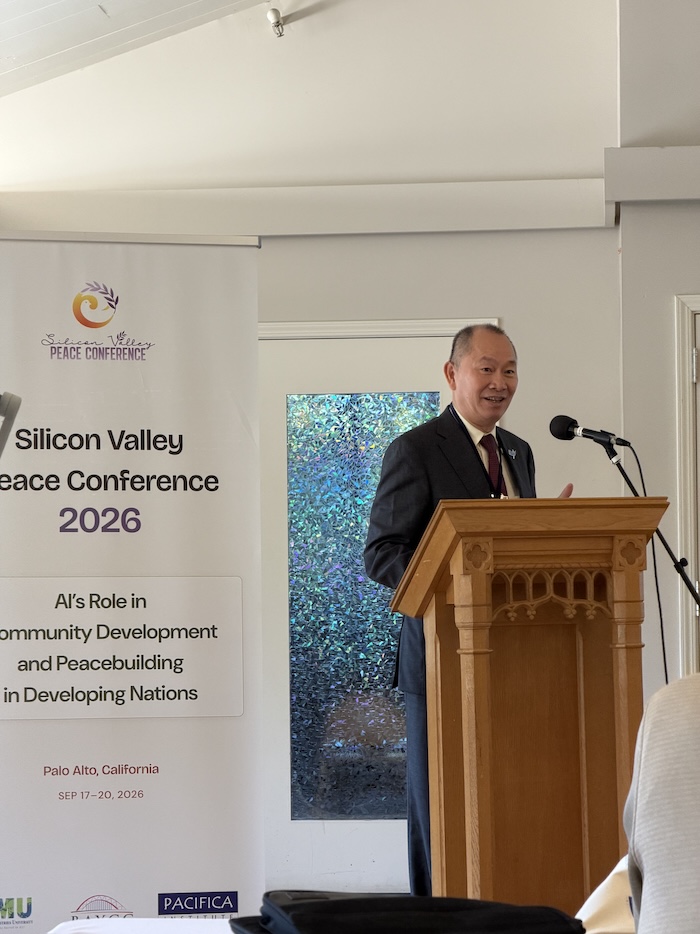
On the morning of September 18, Nguyen Anh Tuan, Co-Founder and CEO of the Boston Global Forum and Chief Architect of AIWS, delivered a keynote address and call to action. Speaking at a moment when frontier AI leaders themselves are warning that technological capabilities may advance faster than humanity’s ability to govern them, he argued that principles and declarations are no longer enough. The world must now build institutions, safeguards, and practical programs capable of keeping AI under legitimate human authority.
Beyond presenting a vision, Nguyen Anh Tuan has taken on the role of a thinker, architect, and convening leader—uniting scholars, AI pioneers, policymakers, and creative leaders in a shared effort to develop the ideas, build the institutions, and bring AIWS Civilization into reality.
His address presented AIWS Civilization as a practical path toward peace, human dignity, and Human–AI Co-Creation. He called on governments, technology leaders, universities, communities, and especially leaders and citizens of developing nations to participate actively in shaping the AI Age through the AIWS Trust Order, the Constitution for Humanity in the Age of AI, and concrete international initiatives.
The central message was clear: humanity must not remain a spectator to the civilization emerging around AI. This is the moment to act—and to build together a future in which AI serves humanity, human dignity, and peace.
Read and download the complete keynote address (PDF)
by Editor BGF | Sep 20, 2026 | Shinzo Abe Initiative for Peace and Security, News
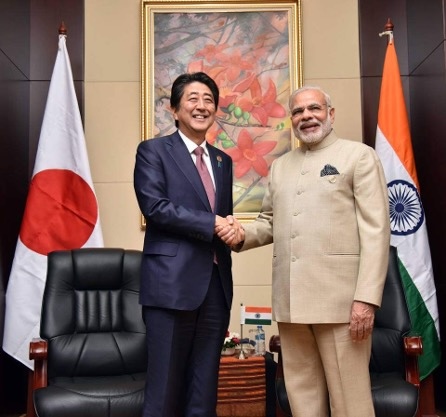
Shinzo Abe is no longer here to make this appeal. The two words he left us now do.
Shinzo Abe left the leaders of the world two words: with trust.
In January 2019 at Davos, he introduced a phrase that would reshape the international debate over the digital economy: Data Free Flow with Trust. At the G20 in Osaka that June, he put it into international practice and launched the Osaka Track to carry it forward. The first three words were already the language of commerce. The last two were his.
Seven years later, those two words must be added again:
AI power — with trust.
National AI forces — with trust.
Global competition — with trust.
On September 19, the President of the United States announced an American AI Force. The Boston Global Forum supports that decision. America must move rapidly in AI, and other nations will build their own strategic AI capabilities.
Let them build. Let them innovate. Let them compete.
But let them bind that power before catastrophe binds it for them.
Within a few years, the most powerful systems ever created will become instruments of national power across many capitals. The decisive question will no longer be which nation possesses the strongest AI. It will be whether any nation can trust the AI power held by another.
No nation can answer that question alone. Trust between states is never a national possession. No government can declare itself trustworthy. Trust must be made visible through common principles, independent verification, bounded authority, Human-in-Command, and Proof of Answerability.
It must be written together, in advance — or written after the first catastrophe, by people who have lost the freedom to choose their own terms.
The Boston Global Forum and AIWS are building that constitutional foundation now.
The Constitution for Humanity in the Age of Artificial Intelligence has reached Version 1.4: thirty-seven articles across seven Parts, with a pathway to accession inspired by the Constitution of the United States. It will be proclaimed at Harvard’s Loeb House on April 27, 2027.
To the leaders of the world:
You are the last generation able to establish these terms while establishing them is still a choice.
Do not wait for every nation to agree. Do not wait for the first irreversible failure. Do not wait until systems more powerful than institutions begin setting the terms themselves.
The Founding Commitment opens before the text is complete, allowing leaders to affirm its constitutional principles and help shape the final charter. Formal accession will open when the completed Constitution is proclaimed.
Join now, in your own name or on behalf of your institution — not for the honor of being remembered, but for the responsibility of acting before humanity is compelled to act.
Then begin governing by these principles at home:
Independent verification.
Constitutional limits.
Proof of Answerability.
Human command over consequential decisions.
None requires waiting for permission.
Abe understood which word carried the weight. Not free. Trust.
Freedom allows power to move. Trust makes power legitimate.
He did not live to see the age of national AI forces. We do. The answering is ours.
The order Shinzo Abe envisioned will exist only if the leaders reading these words now choose to build it.
by Editor BGF | Sep 20, 2026 | News
A New Measure of Recognition in the AI Age
I. What Recognition Measures Today
Society has come to recognize influence through its most easily counted signals: how widely a person is known, how often they appear, how large an audience follows them, and how strongly algorithms carry their name forward.
By themselves, these signals do not measure contribution. They measure circulation and visibility.
In the AI Age, the gap has widened. Fame can now be manufactured through media exposure, institutional power, wealth, follower counts, and algorithmic amplification. A person may be widely known without having made a substantive contribution, created a lasting beneficial influence, or advanced the higher values of humanity. At the same time, those who have devoted their lives to educating others, fostering reconciliation, connecting communities, and developing ideas or institutions that make society better may pass through the world almost unrecorded—because their work was never designed to attract attention.
Fame does not diminish genuine contribution, but neither does it prove it. Visibility cannot substitute for character. Attention cannot substitute for contribution. Status cannot substitute for a life of service.
II. What AIWS Lumina Proposes
AIWS Lumina proposes that society change what it looks for—and reconsider what it chooses to honor.
A person of true influence is one whose thought, creativity, leadership, or service has made human life better and whose contribution endures beyond immediate recognition. This is a different question from how many people know that person’s name, and it requires a different framework through which to understand influence.
The AIWS Lumina Measure of True Influence offers such a framework. Its purpose is neither to judge human worth nor to create another hierarchy of fame. Its purpose is to discover what conventional systems of recognition have missed: to identify authentic contributions, bring their creators into the light, and encourage society to honor those whose influence is grounded in enduring human values.
AIWS Lumina is not directed against those who are famous. Many widely recognized individuals have made profound and lasting contributions. Its distinctive responsibility begins where recognition falls short—where meaningful lives and transformative work remain obscured by the noise of visibility.
III. How AIWS Lumina Evaluates
The Measure considers a life through the four Lumina values—Love, Creativity, Nobility, and Wisdom—and then asks what those qualities have created for humanity and society.
The four values illuminate the character expressed through a person’s life. Their enduring contribution reveals what that life leaves behind.
Three principles guide the evaluation.
Depth rather than reach.
Fame is often measured by how many people have heard a name. True influence is better understood through the depth and significance of the change a person has brought to individuals, institutions, communities, or society.
What outlives presence.
Visibility may fade when a person is no longer present in public life. Genuine contribution continues—in institutions that still serve, in students who go on to teach, in communities that remain connected, and in ideas that others carry forward. What survives beyond the immediate presence of its author is among the strongest evidence of enduring influence.
The Lumina Recognition Gap.
The Measure considers the distance between what a person has genuinely contributed and the recognition society has given them. The greater this gap, the greater the responsibility of AIWS Lumina to bring that person and their work into the light.
The Recognition Gap does not mean that public recognition disqualifies a person from being honored. It ensures that visibility is never mistaken for value—and that those overlooked by conventional institutions, media, or algorithms receive the attention their contributions deserve.
The evidence is not publicity, follower counts, or media prominence. It is the work itself, the results it has produced over time, and the testimony of the people and communities who have experienced its effects.
AI may assist by gathering evidence, discovering overlooked contributions, and connecting testimonies across languages, cultures, and generations. But judgment must remain human. The AIWS Lumina Cultural Board holds the responsibility to evaluate and recognize. Character, compassion, wisdom, and nobility cannot be determined by data or algorithms alone.
A contribution is discovered, understood, evaluated, recognized, and introduced to the world.
AIWS Lumina does not simply seek those most visible to the public, the media, or algorithms. It brings light to those who, through wisdom, character, creativity, and a lifetime of service, have made humanity better.
In the AI Age, this is more than recognition. It is the restoration of society’s ability to see true human value.