by Editor BGF | Mar 10, 2025 | News, Shaping Futures
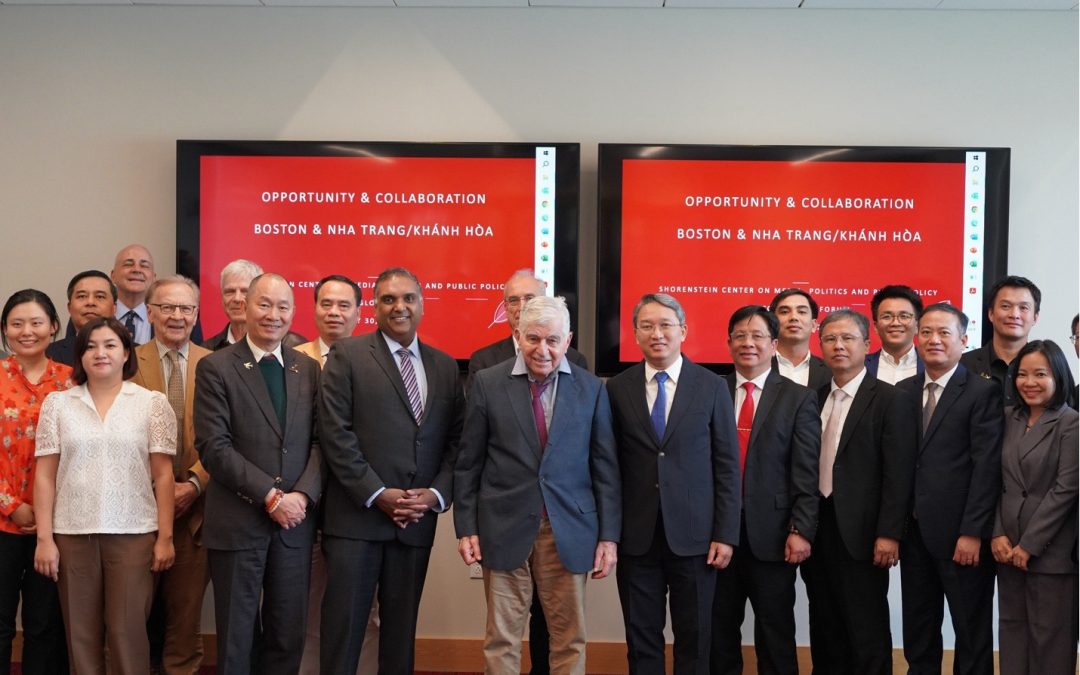
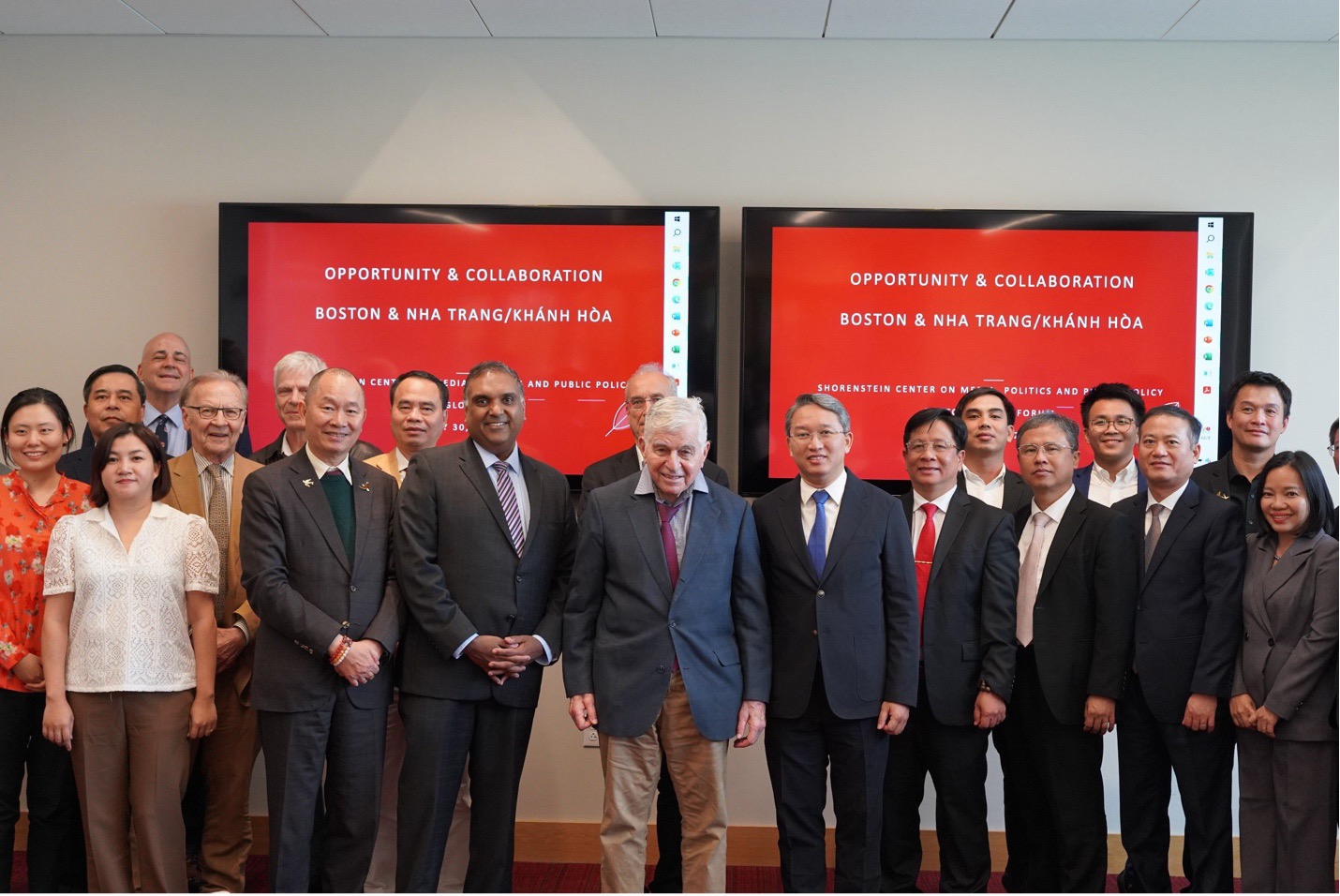
The “AIWS Nha Trang Film Park” is envisioned as a groundbreaking cinema hub that unites writers, creators, innovators, directors, investors, and marketers at the intersection of film and artificial intelligence (AI). Rooted in Nha Trang, Vietnam, and guided by AI World Society (AIWS) standards, this initiative connects Nha Trang to global film capitals—Boston, New York, Hollywood, Washington DC, San Francisco, Paris, Rome, Venice, and London—fostering creativity, collaboration, and innovation on an international stage. By blending natural beauty with cutting-edge AI and digital technology, the AIWS Nha Trang Film Park aims to redefine filmmaking, empower communities, and elevate Vietnamese cinema’s global presence in the AI Age.
Objectives
- Foster Global Collaboration: Create a dynamic network of filmmakers, scholars, innovators, and investors to exchange ideas, develop new films, and explore the responsibilities of cinema in the AI era.
- Innovate Filmmaking: Build a new model of studios that combines natural settings with AI and digital tools, revolutionizing film production and storytelling.
- Expand Market Reach: Analyze and enhance the Asian film market while connecting it to global audiences and industries.
- Promote Education and Accessibility: Democratize filmmaking by educating individuals to create short and mobile films using AI tools, natural studios, and real-world settings.
- Celebrate Cultural Legacy: Highlight humanity and compassion in Vietnamese cinema while advancing its contributions to the AI World Society.
Collaborative Framework
- Partners:
- Vietnam Film Development Association (VFDA) and VST Entertainment
- Boston Global Forum (BGF)
- Centers, Programs of Harvard University, MIT, Columbia University, UCLA
- Investors: Business communities from the USA and Vietnam
- Offices: Nha Trang, Vietnam, and Boston, Massachusetts
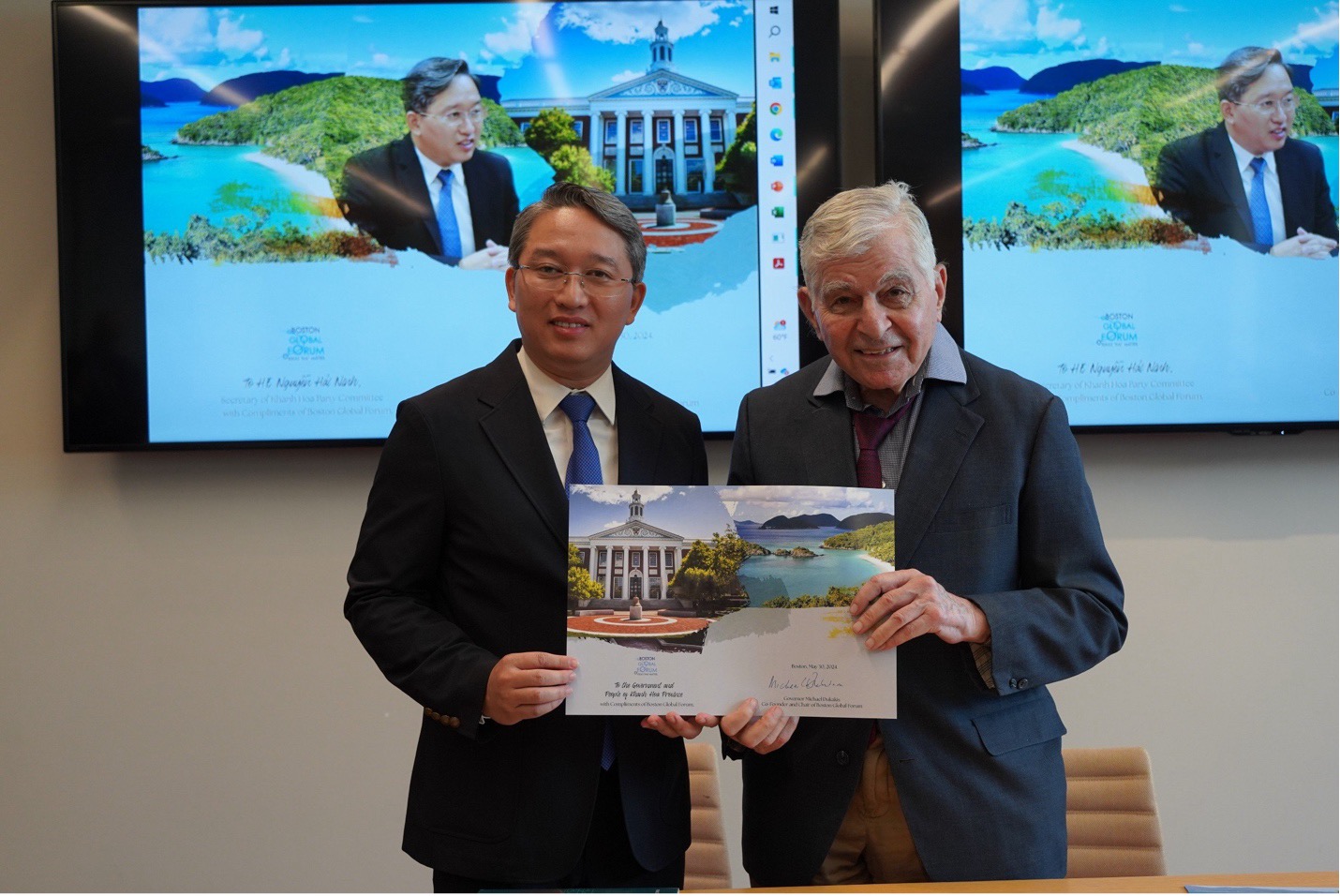
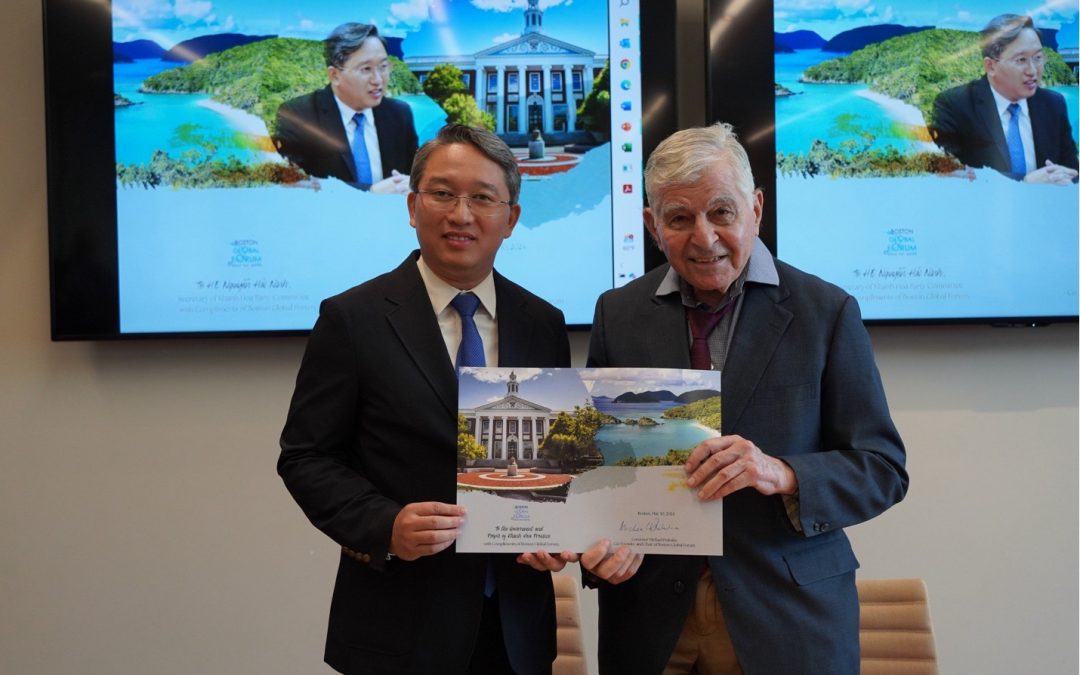
- Support: Nha Trang Khanh Hoa government, building on the Memorandum of Understanding (MOU) signed with BGF in May 2024
- Strategic Advisors: Boston Global Forum (BGF), providing expertise in AI innovation, AI World Society (AIWS) standards, and cultural integration, while connecting the project to globally eminent figures. BGF offers pioneering ideas and solutions to make the AIWS Nha Trang Film Park a unique cinematic hub in the AI era.
Key Components
- AIWS Nha Trang Film Park Community
- A special network connecting Nha Trang with Boston, New York, Hollywood, Washington DC, San Francisco, Paris, Rome, Venice, and London.
- Activities include:
- Roundtables and meetings with writers, screenwriters, directors, innovators, investors, scholars, and stars to brainstorm new ideas and films.
- Development of studios integrating natural landscapes with AI and digital technology.
- Discussions on the Asian film market and its global potential.
- A “Roundtable of Film in the AI Age – Age of Global Enlightenment,” continuing the legacy of the AI Action Summit.
- Innovation in Film
- New Models: Introduce short films and mobile films as accessible, innovative formats.
- Education Initiative: Equip individuals with tools and knowledge to create films using AI, natural settings, and mobile devices, fostering a global creative community across the AIWS Nha Trang Film Park cities.
- Friends of Vietnam-U.S. Film Collaboration
- A dedicated program to build the AIWS Nha Trang Film Park, linking Vietnamese and U.S. film industries and leveraging expertise from both nations’ business and academic communities.
by Editor BGF | Mar 10, 2025 | News
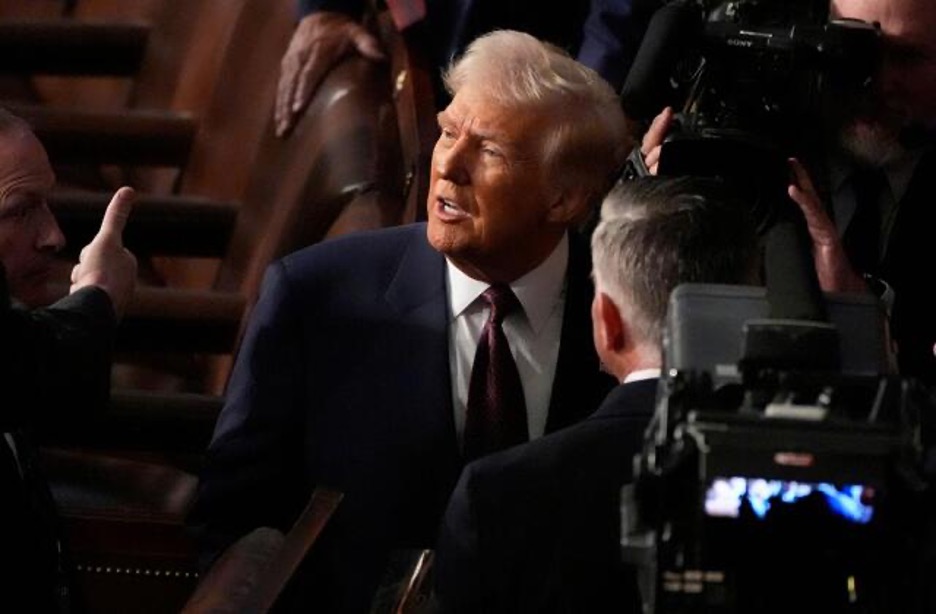
President Donald Trump signed an executive order Thursday March 6, establishing a government reserve of bitcoin, a key marker in the cryptocurrency’s journey towards possible mainstream acceptance.
Under Trump’s new order, the U.S. government will retain the estimated 200,000 bitcoin it’s already seized in criminal and civil proceedings, according to Trump’s “crypto czar” David Sacks.
“The U.S. will not sell any bitcoin deposited into the Reserve. It will be kept as a store of value. The Reserve is like a digital Fort Knox for the cryptocurrency often called ‘digital gold,’” Sacks said on social media.
The executive order calls for a “full accounting” of the government’s bitcoin holdings, which Sacks said have never been fully audited. He added that the U.S. government has previously sold off about 195,000 bitcoin over the last decade for $366 million. He said those bitcoins would be worth about $17 billion if the government hadn’t sold them.
by Editor BGF | Mar 10, 2025 | Shinzo Abe Initiative for Peace and Security
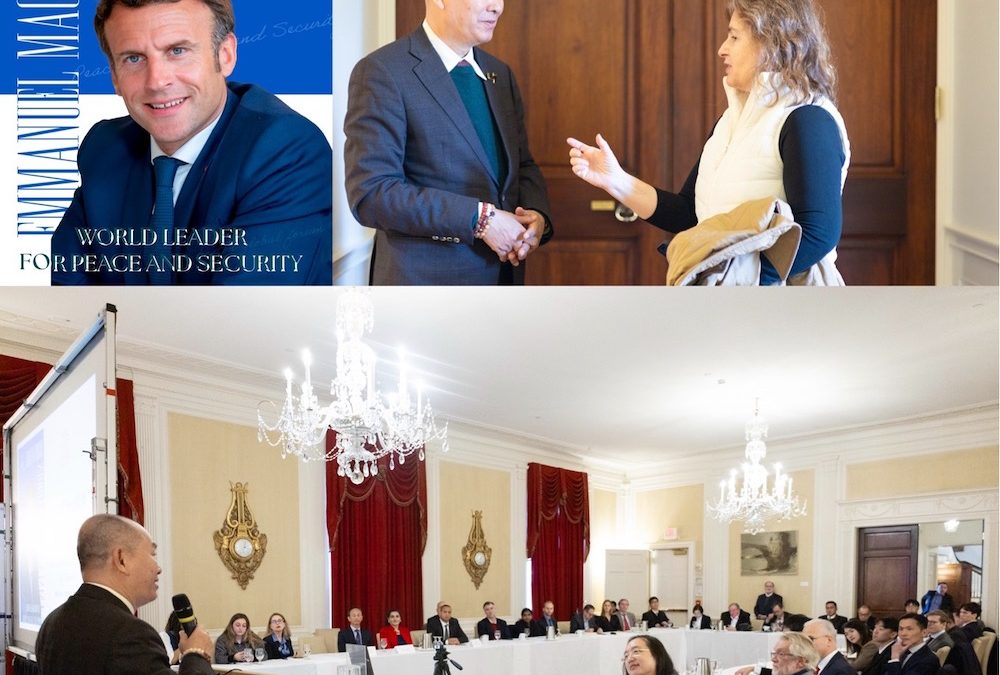
The Shinzo Abe Initiative Conference on AIWS Government 24/7 will convene on March 28, 2025, in Tokyo, featuring keynote addresses by Japan’s Minister of State for Economic Security, Mr. Minoru Kiuchi, and Minister for Digital Transformation, Mr. Masaaki Taira. Building on the momentum of the AI Action Summit held in Paris on February 10-11, 2025, this event will advance the vision of AI World Society (AIWS) Government 24/7—a model of AI-driven, continuously responsive governance that prioritizes security, innovation, and human-centric values.
The conference will explore the technological frameworks required to support an AI-enhanced government operating 24/7, leveraging Japan’s expertise in cybersecurity and digital reform to offer unique perspectives and solutions. It honors the legacy of former Prime Minister Shinzo Abe, whose forward-thinking vision for peace, security, and technological progress continues to shape Japan’s leadership in the global AI landscape.
Bringing together policymakers, tech innovators, and scholars, the event will address how AIWS Government 24/7 can enhance transparency, efficiency, and resilience in governance while tackling challenges such as cybersecurity threats and ethical AI deployment. Held at a venue in Tokyo to be announced, the conference underscores Japan’s commitment to harnessing AI for societal advancement.
As a bridge between the AI Action Summit in Paris and actionable global outcomes, this event promises to outline practical steps toward a connected, AI-empowered society. Japan’s contributions will reinforce its role in driving the Age of Global Enlightenment through innovative governance solutions.

by Editor BGF | Mar 10, 2025 | World Leader for Peace and Security, News, World Leaders in AIWS Award Updates
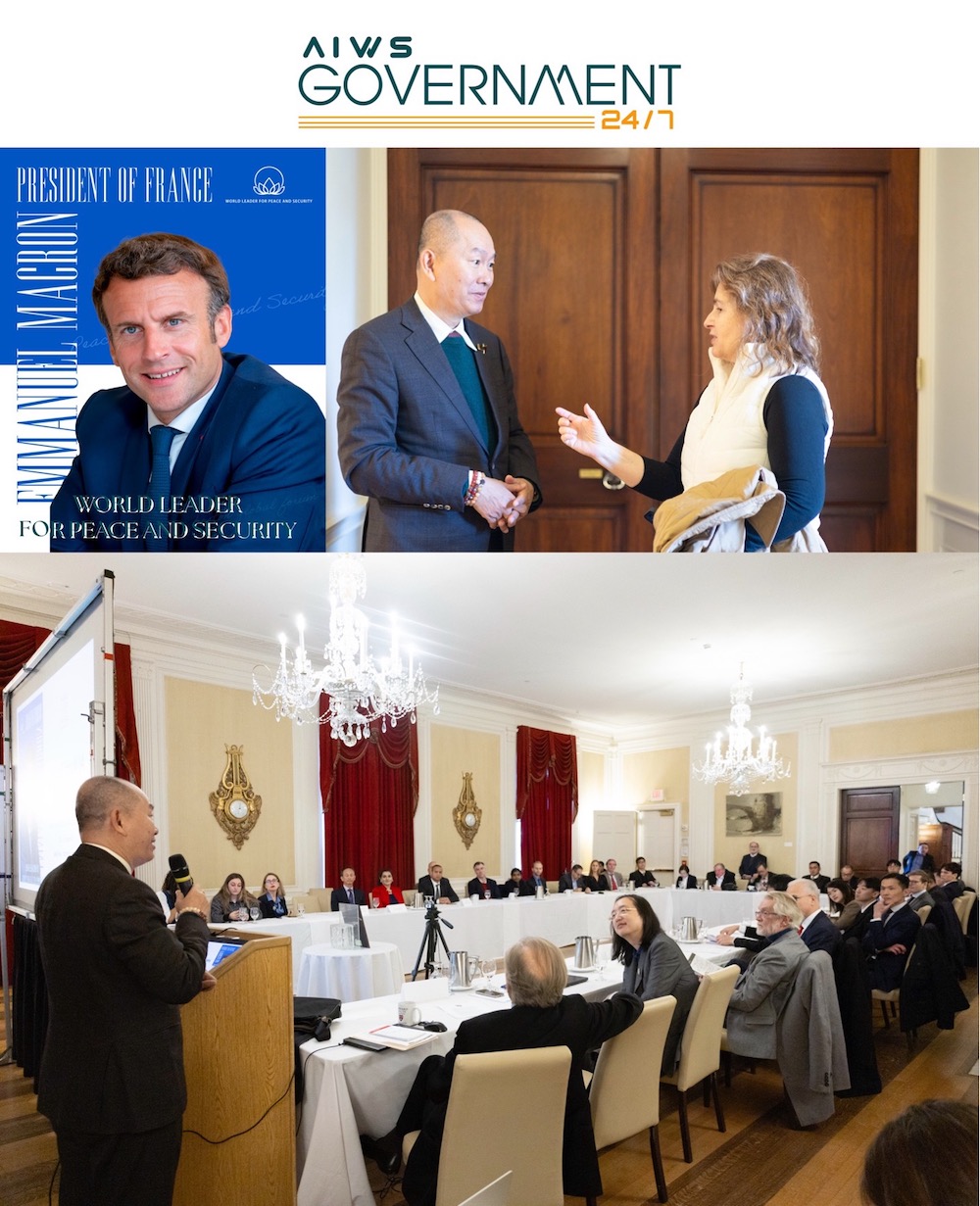
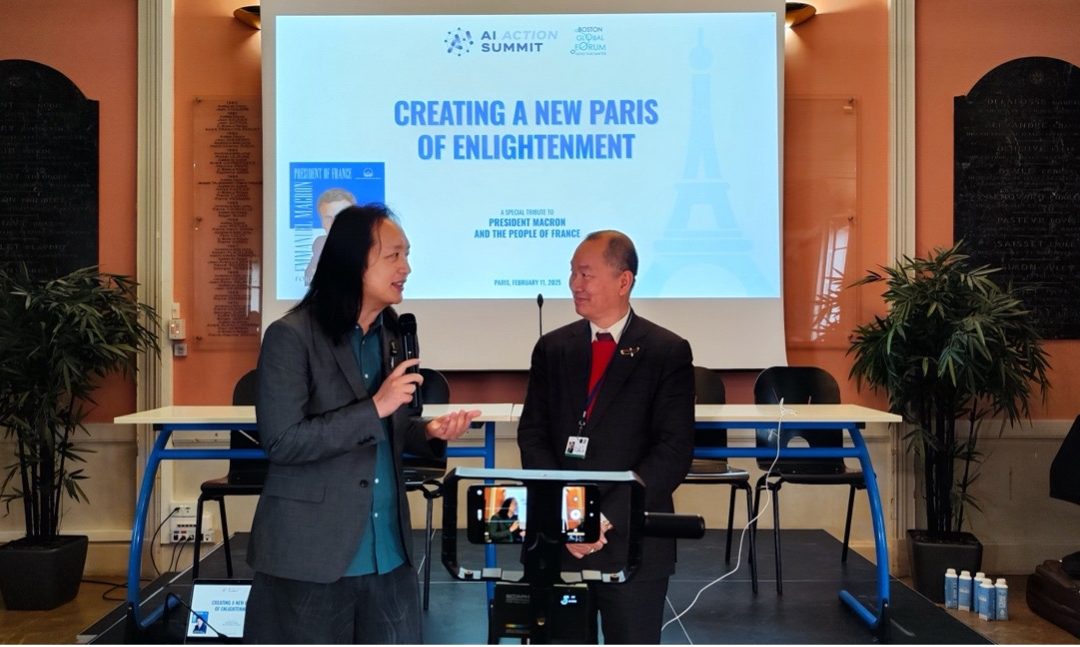
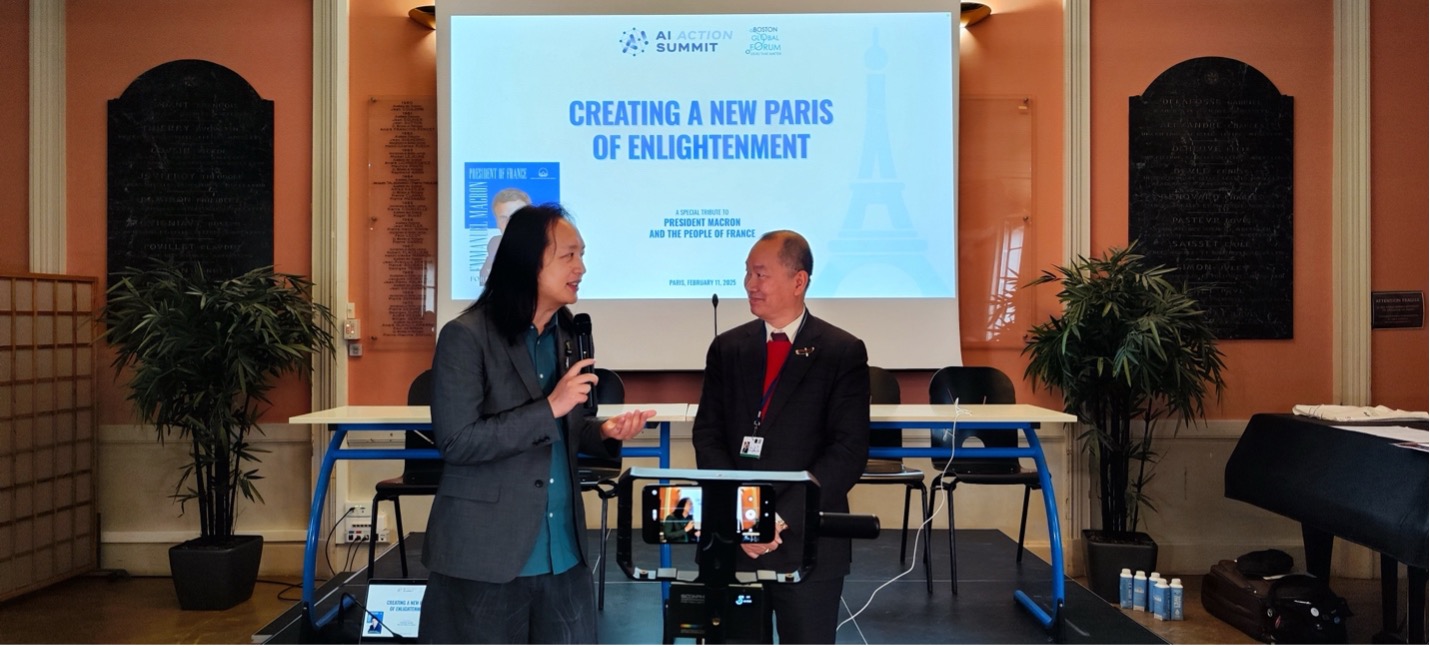
The Shinzo Abe Initiative Conference on AIWS Government 24/7 will convene on March 28, 2025, in Tokyo, featuring a keynote address by Audrey Tang—Taiwan’s first Digital Minister, Cyber Ambassador at Large of Taiwan, and 2025 World Leader in AIWS Award recipient. Tang will join Japan’s Minister of State for Economic Security, Minoru Kiuchi, and Minister for Digital Transformation, Masaaki Taira, at this landmark event, held at a venue in Tokyo to be announced.
Building on the AI Action Summit in Paris on February 10-11, 2025, the conference will explore technological frameworks for AI World Society (AIWS) Government 24/7—a vision of continuously responsive, AI-enhanced governance. Leveraging Japan’s expertise in cybersecurity and digital reform, discussions will offer unique perspectives to enhance transparency, efficiency, and resilience while tackling cybersecurity threats and ethical AI deployment.
Honoring former Prime Minister Shinzo Abe’s legacy of peace, security, and technological progress, the event unites policymakers, tech innovators, and scholars to advance his vision in the global AI landscape. Tang, renowned for her tenure as Taiwan’s Digital Minister (2016–2022) and her ongoing work as Cyber Ambassador promoting human-centric technology, will share insights on empowering governance with AIWS principles.
As Japan underscores its leadership in AI-driven societal advancement, the conference promises to bridge the Paris summit with actionable steps toward a globally connected, AI-empowered future, setting a new benchmark for governance in the AI era.
by Editor BGF | Mar 9, 2025 | Global Alliance for Digital Governance
The AIWS Nha Trang Film Park Community stands as a beacon of AI responsibility, uniting filmmakers, writers, innovators, investors, and scholars in a shared mission to harness artificial intelligence for the betterment of cinema and society. Anchored in Nha Trang, Vietnam, and guided by the AI World Society (AIWS) standards, this pioneering network champions the ethical integration of AI into filmmaking, ensuring that technology amplifies human creativity, preserves cultural values, and promotes social good. By fostering a global community that spans Nha Trang, Boston, New York, Hollywood, Washington DC, San Francisco, Paris, Rome, Venice, and London, it creates a platform for collaboration and dialogue on AI’s role in storytelling.
The community is dedicated to developing innovative filmmaking models—such as AI-enhanced studios and mobile film initiatives—that prioritize transparency, accountability, and inclusivity. It seeks to empower individuals worldwide to create responsibly, blending natural settings with AI tools to democratize cinema while safeguarding against misuse, bias, or loss of human agency. Through roundtables, workshops, and events like the “Roundtable of Film in the AI Age – Age of Global Enlightenment,” the AIWS Nha Trang Film Park Community addresses critical issues like data privacy, ethical AI deployment, and the balance between technological advancement and artistic integrity.
In contributing to AI responsibility, this community not only elevates Vietnamese cinema’s global voice but also sets a precedent for how AI can responsibly shape narratives that inspire, educate, and connect humanity. By aligning with AIWS’s vision, it ensures that the future of film in the AI era remains a force for enlightenment, empathy, and collective progress.