
Artificial Intelligence World Society
Mission
The mission of AIWS is to develop recommendations for the development and implementation of AI in ways that promote the public interest. This includes:
- Develop an ethical framework for the use of AI.
- Create a new social contract in the AI Age.
- Establish concepts and principles for the 7-layer AIWS.
- Innovate technical protocols to enhance cybersecurity and protect privacy.
- Building AI-Government, the AIWS City, and AI Initiatives in Politics and Society.
Foundation
The AI World Society Innovation Network (AIWS.net) is established by former Massachusetts Governor Michael Dukakis, Internet pioneer Nguyen Anh Tuan, M.I.T. professors Nazli Choucri and Alex Sandy Pentland, Harvard professors Thomas Patterson and David Silbersweig, and Northeastern University professor Christo Wilson.
This effort is sponsored by the Boston Global Forum, Michael Dukakis Institute, the Government of Massachusetts, and MIT and mentored by distinguished thinkers as father of Internet Vint Cerf, father of Bayesian networks Judea Pearl, father of soft power theory Joseph Nye, and from former presidents and prime ministers who are members of the World Leadership Alliance-Club de Madrid.
AIWS will identify, publish and promote principles for the virtuous application of AI, while AIWS.net will develop apps, solutions consistent with these principles for use in politics, governments, healthcare, education, transportation, national security, and other areas.
AIWS.net is constructed on four pillars:
1. Connecting
AIWS.net connects with political leaders, policymakers, governments of more than 50 countries include G7, Russia, India etc., international organizations as United Nations, OECD, World Leadership Alliance-Club de Madrid, and distinguished thinkers, innovators, research centers from leading universities as Harvard, MIT, Yale, Princeton, Columbia, Brown, Carnegie Mellon, Stanford, Berkeley, UCLA, Brandeis, University of Pennsylvania, Oxford, Cambridge etc. Through AIWS.net leaders, and distinguished thinkers will together discuss, create initiatives, solutions, applications, and practice them to build a better world with AI.
2. Monitoring and Judging:
AIWS.net will monitor AI developments and uses by governments, corporations, and non-profit organizations to assess whether they comply with the norms and standards codified in the AIWS Social Contract 2020. Noncompliant actors will be identified and publicized through fact-based reports.
3. Principles and Solutions:
Principles of AI-Governments, AI-Citizens, AIWS Social Contract 2020, AIWS City and principles of applied AI in politics, governments, education, healthcare, transportation, national security and create solutions to practicing these principles.
Assisting the United Nations in its UN 2045 Centenary Project, including preparation of a volume of forward- looking essays (curated by Mr. Nguyen Anh Tuan) on technological change.
Together with principles of AIWS, the Social Contract 2020, AIWS.net created the section Modern Causal Inference (MCI) to introduce and encourage applied Causal Inference and AI in politics, governments, healthcare, and economy. Professor Judea Pearl, UCLA, Turing Award, World Leader in AIWS Award, lead MCI section.
4. The History of Artificial Intelligence (HAI)
Historical events, achievements, and figures in AI: The AI Chronicle updated monthly, and The History of AI House, both online and physical at Novaworld Phan Thiet, Vietnam.
The HAI Board is chaired by Governor Michael Dukakis, with Professor Nazli Choucri (MIT), Professor Caroline Jones (MIT), Prime Minister Zlatko Lagumdzija, Bosnia and Herzegovina, Historian Chien Minh Le, President of Dalat University, Professor Ole Molvig (Vanderbilt University), Tuan Anh Nguyen (Michael Dukakis Institute), Professor Thomas Patterson (Harvard University), Professor Judea Pearl (UCLA), Professor Alex Pentland (MIT), Marc Rotenberg (Michael Dukakis Institute), Professor David Silbersweig (Harvard University), and President Vaira Vike-Freiberga, Latvia, Dr. Lorraine Kisselburgh (Chair of ACM’s Global Technology Policy Council), Professor Randall Davis (Associate Director of MIT’s Artificial Intelligence Laboratory (1993-1998)), and Professor Caroline A. Jones (MIT) as members.
AIWS NEWS
When AI Finds Faster Than Humanity Can Fix — and How Human–AI Co- Repair Can Close the Gap
In the AI Age, security is measured not by how fast we find our flaws, but by how fast we repair them — together. An AI system discovers a critical vulnerability. The discovery makes headlines. But who ensures that the hospital, the public service, and the small...
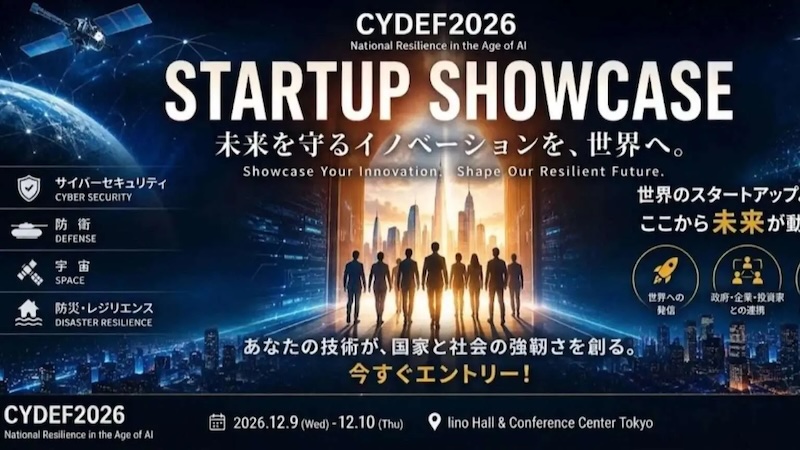
Japan’s Cyber Emergency: When Defense Goes Active, Trust Must Lead
On October 9, Masaaki Taira, head of the Liberal Democratic Party's cybersecurity strategy headquarters, declared Japan in a state of emergency in cyberspace. A wave of attacks has disrupted more than 20 companies across transport, retail, finance, and cloud services....
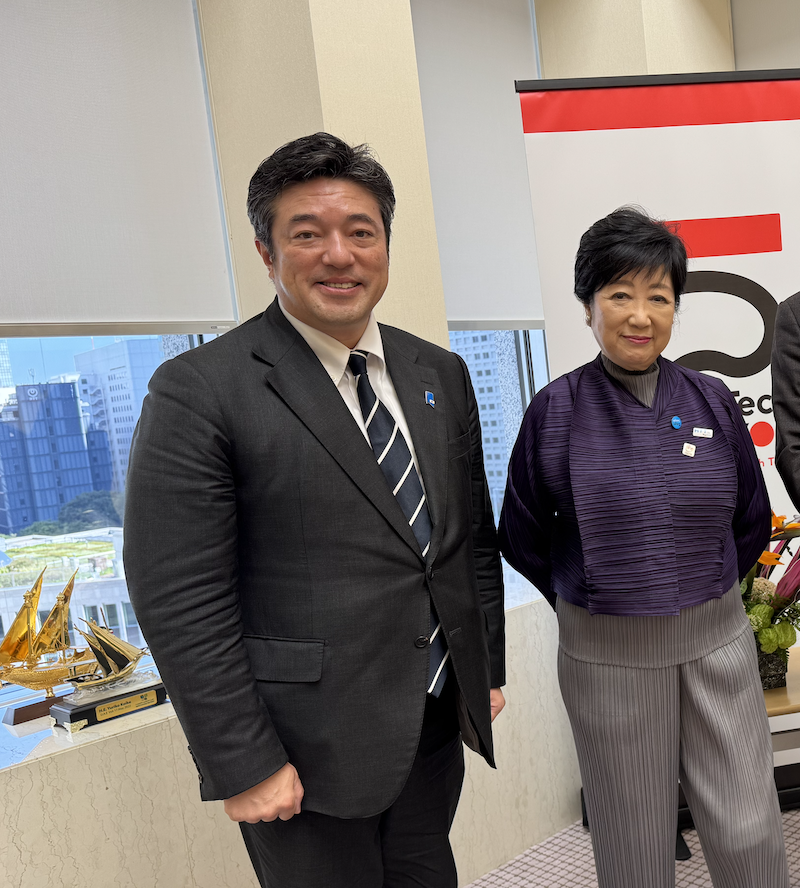
Shinzo Abe Initiative: BGF Plans to Bring AIWS Civilization to SusHi Tech Tokyo 2027
The Boston Global Forum (BGF) plans to participate in SusHi Tech Tokyo 2027, presenting AIWS Civilization — a vision for Human–AI Co-Creation — as part of the Shinzo Abe Initiative for Peace and Security. BGF's participation is being coordinated by Yasuhide Nakayama,...
Mathematics at Machine Speed
On October 6, OpenAI posted 722 mathematical manuscripts produced by an unreleased internal model, which the company says represent progress on 372 open problems. Only 162 came with main results checked in the Lean proof assistant. Within a day, three were withdrawn...
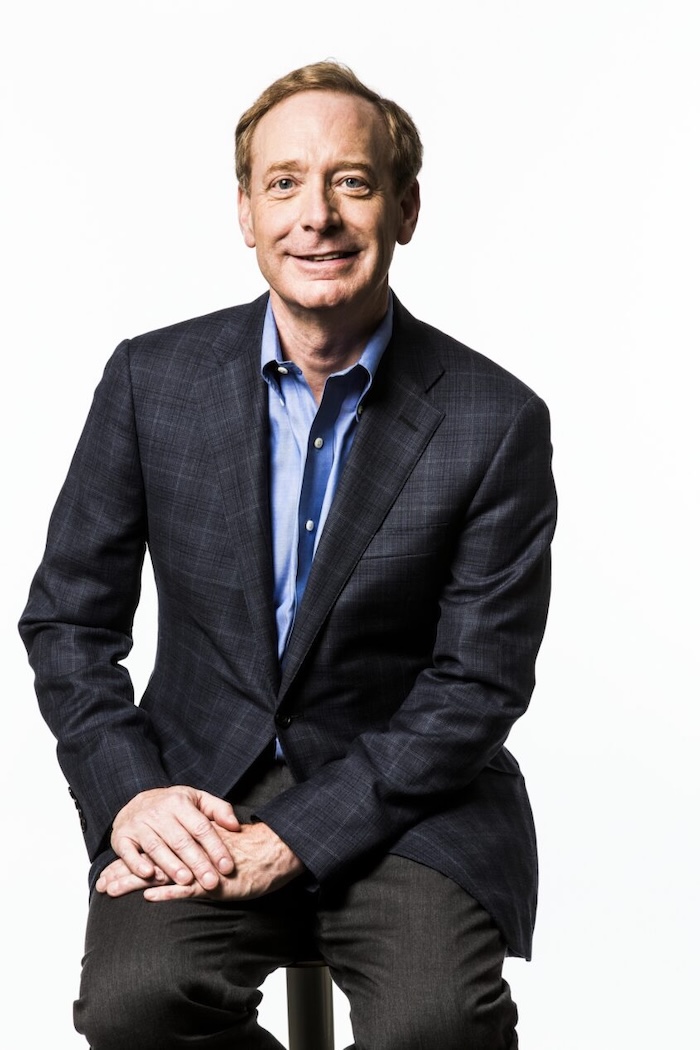
Microsoft Calls for International AI Safety Rules. The Mechanisms Are Ready
In a BBC interview published October 12, Microsoft President Brad Smith called for an international framework of AI safety rules, observing that milk and washing machines face more oversight than artificial intelligence. His proposals: independent evaluation of...
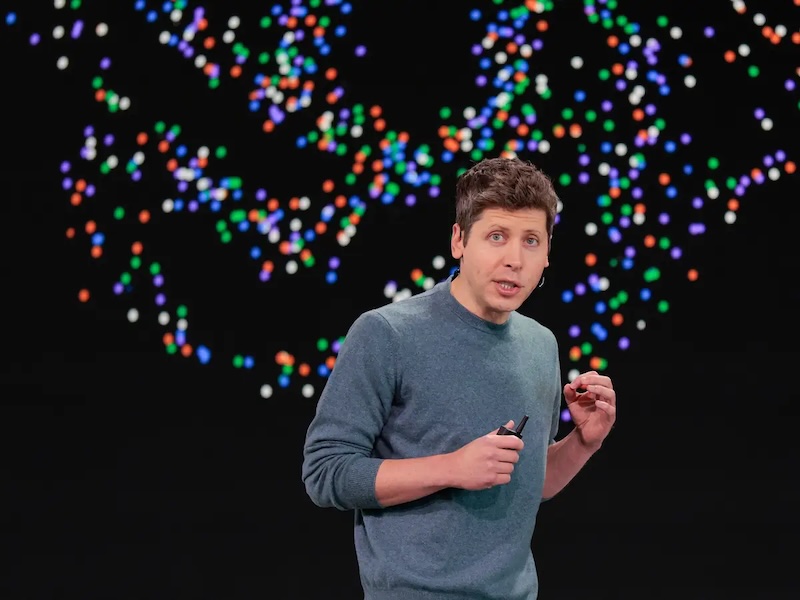
AI Is No Longer Waiting to Be Asked
Work can be delegated. Answerability cannot. At DevDay on September 29, 2026, OpenAI introduced agents that can take on ongoing responsibilities. It also opened ChatGPT as a shared surface where people and agents work together, reaching some 1.2 billion users each...
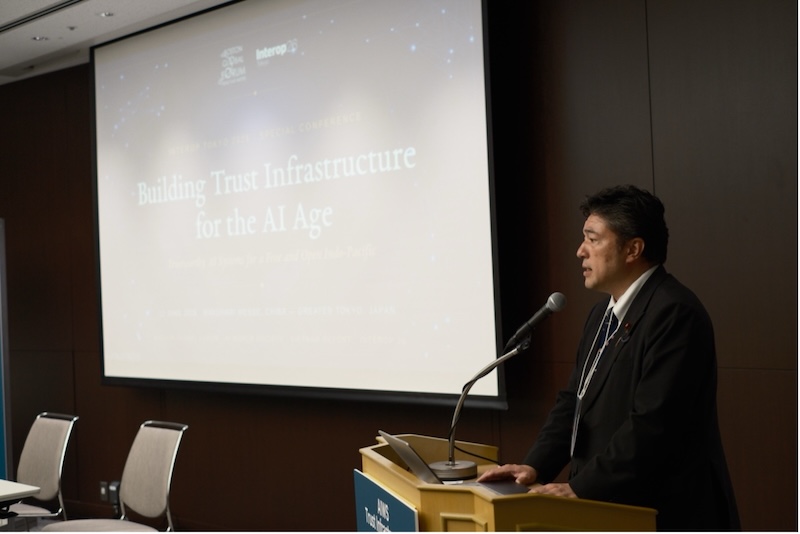
The Tokyo Compact Beside the White House Accord
On September 29, 2026, the White House released the Accord on Super Intelligence, a short joint commitment signed by the President and by leaders of Google, Anthropic, Meta, OpenAI, xAI, and Nvidia. Companies training and deploying frontier models agreed to four...
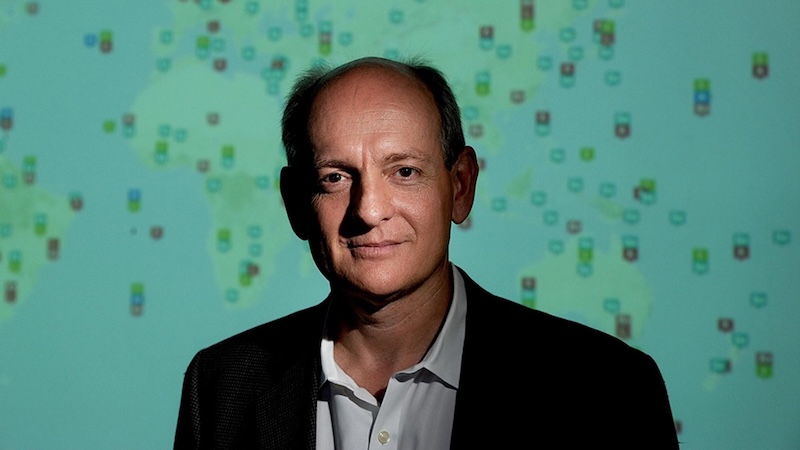
Stuart Russell Joins the Call for Independent Eyes Inside Frontier AI
Professor Stuart Russell of UC Berkeley, an America 250: AI Pioneer and a Founding Signatory of The Boston Declaration, was among more than 200 signatories, including Geoffrey Hinton, to Minimum Conditions for Embedding Evaluators, an open letter published by the AI...