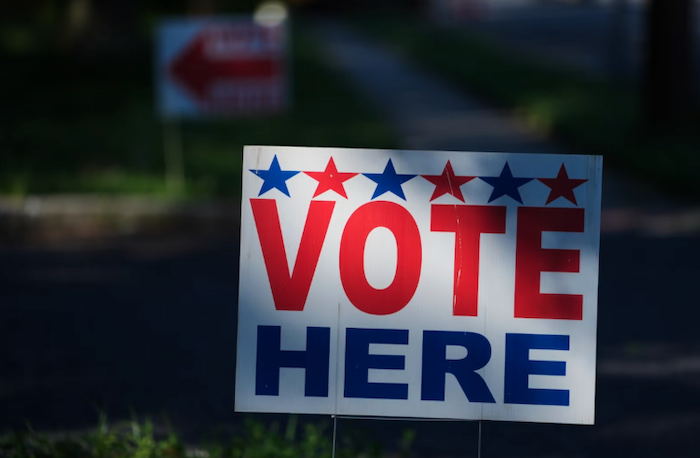
An AIWS approach to protecting voters’ access to authentic information while preserving freedom of expression.
On November 3, Americans vote in the midterm elections. A false announcement about where to vote can cause harm before a correction reaches the public. A fabricated message attributed to an election authority can undermine confidence at the moment citizens most need reliable information.
Boston Global Forum proposes a practical policy priority: make official election communications verifiable at their source, and make authentic versions easy for the public to find.
The proposal applies the principles of AIWS Trust Infrastructure to a specific democratic need: citizens should be able to establish who issued an official message, whether it has been altered, and which institution is responsible for correcting it.
- Establish verifiable official sources
Election authorities should maintain clearly identified public channels and authoritative records of essential announcements, including voting procedures, polling locations, deadlines, and results.
Where technically appropriate, they should digitally sign media using interoperable provenance standards such as C2PA. Implementation must include verification of institutional identity, protection of signing keys, and procedures for revoking compromised credentials.
Citizens should have a straightforward way to reach the authoritative source without needing specialist software or technical knowledge.
- Make political advertising accountable
Political advertising rules should require clear identification of sponsors and disclosure of materially synthetic or manipulated content that could mislead viewers about a person’s words, actions, or identity.
Public advertising archives should preserve the material distributed, its sponsor, publication dates, and meaningful information about targeting practices, while protecting individuals’ personal data. These records would help journalists, researchers, and citizens examine political communication that might otherwise remain visible only to selected audiences.
- Create rapid, reviewable responses to impersonation
Election authorities, platforms, and news organizations should establish designated channels for reporting suspected impersonation of official sources.
Responses should preserve evidence, provide access to the authentic communication, explain the basis for any intervention, and allow timely appeal. The process should distinguish fraudulent claims of official origin from political disagreement, criticism, satire, and legitimate anonymous speech.
- Measure whether voters are actually protected
Success should be assessed through practical outcomes: how quickly an impersonated authority can authenticate its response, whether citizens can locate the original announcement, how corrections reach affected audiences, and how often legitimate content is wrongly flagged.
These are the measures the Election Watch proposed in Beacon Papers No. 18 would track within the AIWS Trust Observatory, with each serious case documented in a Correction Record — so that democracies learn from every election, not merely survive it.
Provenance technology cannot determine the truth of every political claim. Its narrower contribution is nevertheless important: providing evidence about origin and integrity. Policy must ensure that this evidence serves citizens without becoming a mechanism for restricting lawful debate.
Democratic trust grows when citizens can inspect evidence, challenge decisions, and hold institutions accountable. Verifiable official communications are a concrete step toward that future.
The measures above are BGF proposals, not descriptions of existing law. The open C2PA standard already provides the signing and verification tools they require.