by Robert Whitcomb | Jul 14, 2016 | News
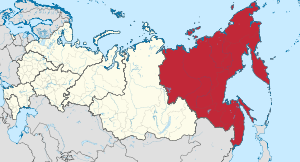
The Russian Far East is in red.
Many Russians fear that their nation’s Far East could end up being absorbed by China, with its 1.4 billion people and huge economy.
So the Russian government, following the directive of strongman President Vladimir Putin, is offering to give land to lure Russian settlers to the vast region. The nine Far Eastern regions covered by the program take up more than a third of Russia’s area but are home to only 6.1 million people, compared with the 110 million Chinese living across the border in Manchuria.
Mr. Putin said in 2013 that the development of Siberia and the Far East must be “our national priority for the entire 21st Century.”
To read a New York Times piece on this, please hit this link.
by Robert Whitcomb | Jun 17, 2016 | Initiative
The New York Times reports that “there is a widespread recognition that the Western alliance has yet to develop a strategy” to counter Russia’s increasingly aggressive actions against NATO members in cyberspace.
“While there are frequent conferences and papers, there are no serious military plans, apart from locking down the alliance’s own networks. Russia, China and Iran have increasingly sophisticated offensive cyberforces; NATO has none, and no established mechanism to draw on United States Cyber Command or its British equivalent.”
To read the entire story, please hit this link.
by Robert Whitcomb | Jun 12, 2016 | AI World Society Summit
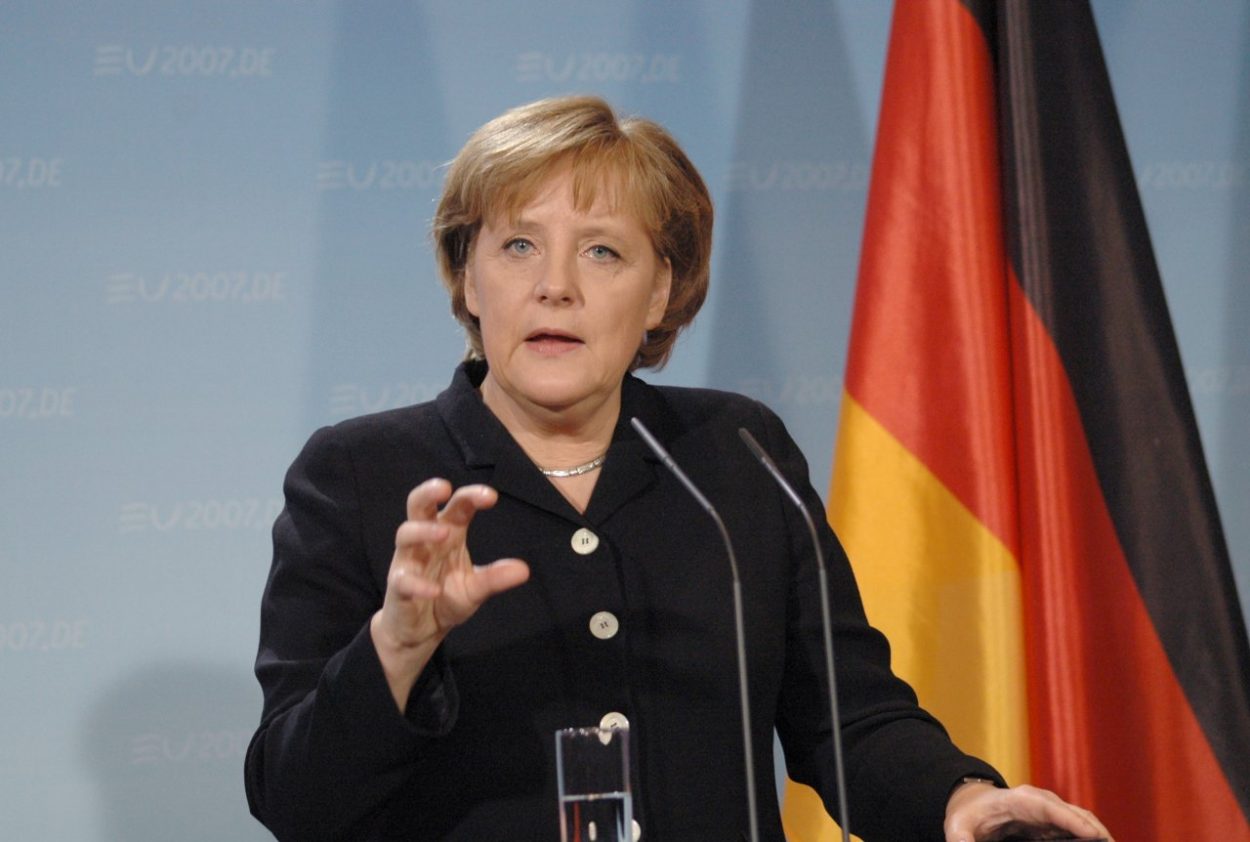
(June 13th, 2016) German Chancellor Angela Merkel said on June 10 that implementing the Minsk Agreement to end the conflict between Russia and Ukraine would end sanctions imposed against Russia for its seizure of Crimea from Ukraine and its ongoing attacks on the latter nation’s east.
Mrs. Merkel also said that in the long term, the European Union should aim for a vast common economic zone with Russia extending from Russia’s Pacific coast to Portugal.
“We should move gradually towards this goal,” she said.
The Boston Global Forum last December named Chancellor Merkel a “World Leader for Peace, Security and Development’’.
Hit this link for more details.
by Robert Whitcomb | Jun 12, 2016 | Event Updates
Do the actions of the G7 nations meeting at their May 26-27 summit in Japan suggest that Russian aggression against Ukraine and Chinese aggression in the South China Sea will not succeed in the long run because of pushback from the G7 industrialized democracies? Joshua W. Walker of the German Marshall Fund discusses this in The National Interest.
He concludes:
“The significance of this year’s G7 in Japan in advance of the G20 in China in September will be judged by which summit ultimately sets the tone for either the enduring nature of the liberal international order or sweeping tide of revisionist authoritarianism. Obama’s historic Hiroshima and Vietnam visits were symbolic of the legacy he hopes to leave. Yet, symbolism risks complacency without action. The G7’s latest initiative for global infrastructure development confirmed the member countries’ internationalist commitment but whether they can remain unified in the face of Chinese and Russian revisionist alternatives such as OBOR {One Belt, One Road} or the {Russiian-led} Eurasian Economic Union will have to be seen. As Japan passes the G7 baton to Italy next year, the world anxiously expects the world’s seven most advanced democracies and economies to lead toward the triumph of internationalism over revisionism.’’
To read the article, hit this link.
by Robert Whitcomb | Jun 12, 2016 | Event Updates
Alexei Pushkov, the Foreign Affairs Committee chairman of the lower house of the Russian parliament, said that it would be no surprise if the G7 nations extended sanctions against Russia for its occupation of Crimea and its war against the pro-Western government of Ukraine in the eastern part of that country, reports Sputnik News, which acts as a mouthpiece for the Russian government of Vladimir Putin.
But then, the G7 leaders at their May 26-27 summit in Japan had already make it quite clear that the sanctions would be extended.
“The signals from the West on the extension of sanctions are not a surprise. The decision was taken at the G7 [summit]. Since then, other options have been excluded,” Mr. Pushkov wrote on Twitter.
To read the Sputnik News article, hit this link.