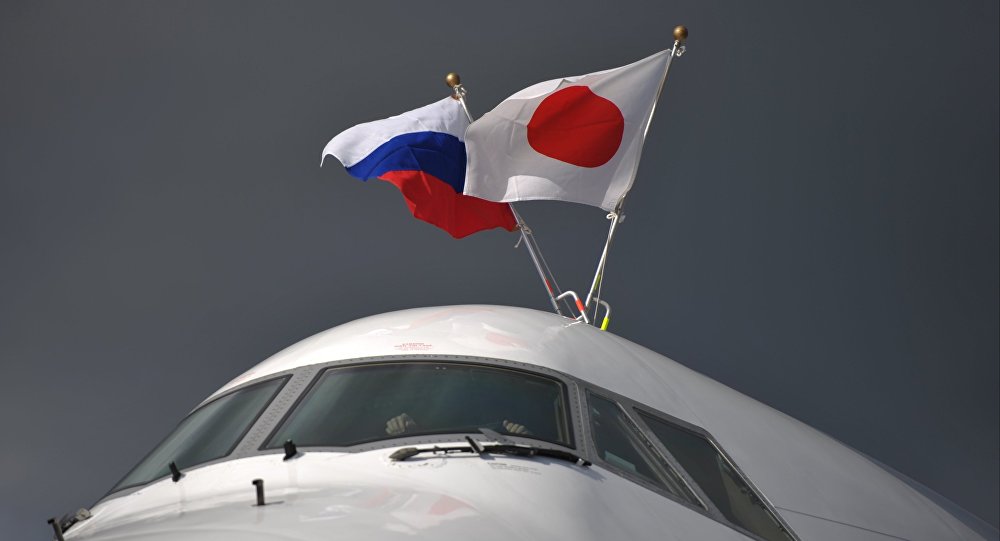
(May 16th, 2016) The Russian government-linked news service Sputnik News reported that Japanese Prime Minister Shinzo Abe has expressed his confidence in what the service called a ‘’breakthrough’’ in relations with Vladimir Putin’s government.
Mr. Abe said that talks on various issues would continue between the nations. Key among them is the status of the Kuril Islands (which the Japanese call “The Northern Territories’’), which the former Soviet Union seized from Japan at the end of World War II.
Indeed, a formal peace treaty between Moscow and Tokyo has yet to be signed, over seven decades after the end of the war, at least in part because of Japanese anger over the seizure of the Kurils.
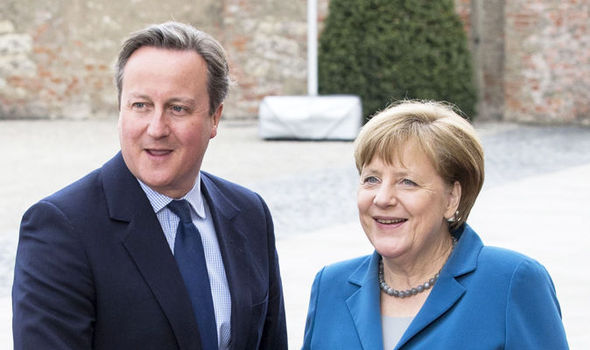
(May 16th, 2016) The (London) Daily Mail calls the disclosure that British Prime Minister David Cameron bowed to German Chancellor Angela Merkel’s demand to drop his European Union membership renegotiation “red line” demanding stronger immigration controls for the E.U., now being flooded with immigrants from the Mideast and North Africa, “explosive’’.
The paper says that tightening immigration controls would have formed the core of the Cameron government’s renegotiation requirements but that “all talk of it vanished when David Cameron finally revealed his demands in a speech in November 2014.’’
“At the time there were a number of Tory MPs who expressed their anger. They knew that without such a plan to halt immigration, even for a while, any renegotiation, however well meant, was fundamentally pointless. Now we know for certain that the renegotiation was not even well meant. It was a sham from the start,’’ the paper asserted.
The Boston Global Forum last year named Chancellor Merkel a “World Leader for Peace, Security and Development’’.
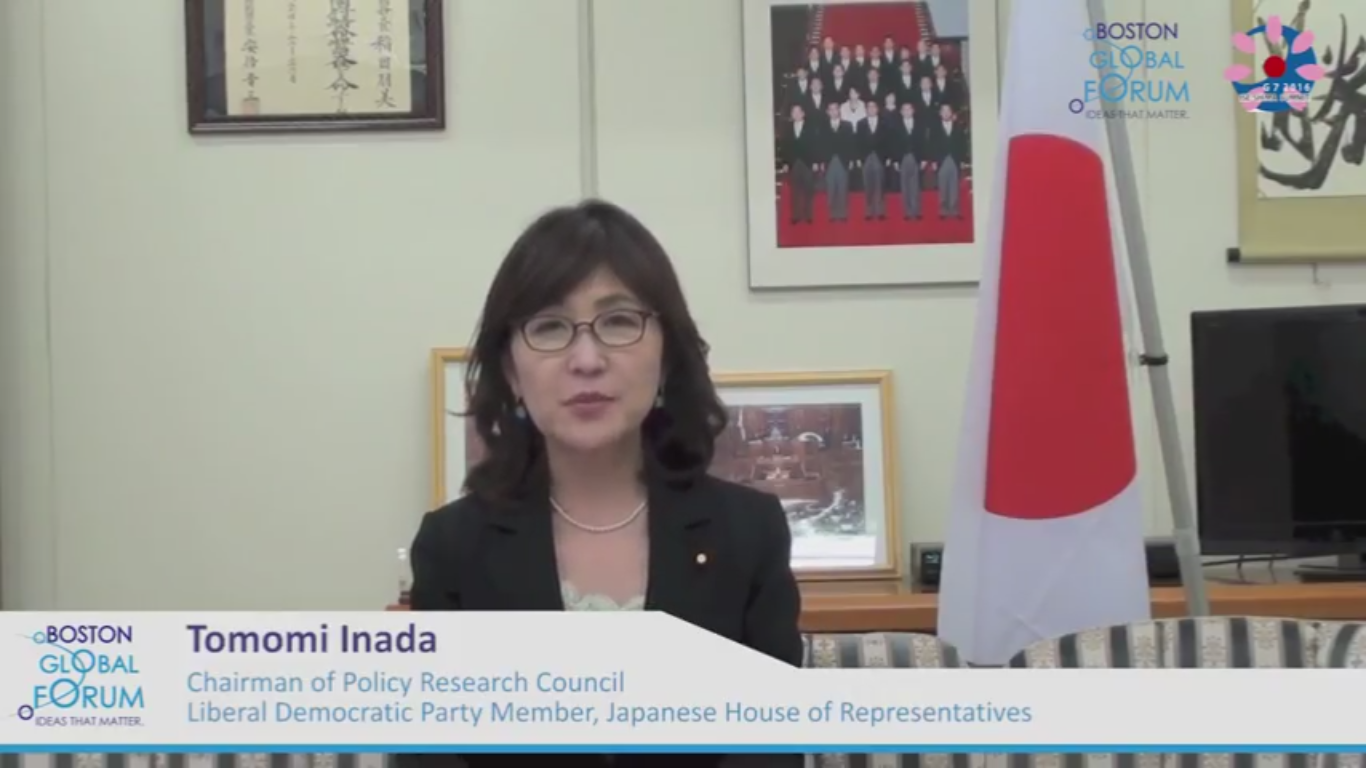
Tomomi Inada, Chairman of the Policy Research Council of Japan’s Liberal Democratic Party and a Member of the Japanese House of Representatives, addressed The Boston Global Forum-G7 Summit Initiative Conference, held May 9 at the Harvard Faculty Club, in Cambridge, Mass.
In her remarks, she discussed the Asia/Pacific security environment to be discussed at the G7 Summit. She said that environment is worsening because of {in addition to North Korean threats} Chinese expansionism in the East and South China Seas and China’s rapid military buildup; its military budget, she said, is now “3.6 times’’ Japan’s.
But she said that Japan, in close collaboration with the United States, is “expanding its deterrent force’’ in the Asia/Pacific region.
She noted the importance of cybersecurity in Japan’s “national risk assessment’’ as “the threat of cyberattacks is increasing around the world.’’
“We need the rule of law in cyberbehavior,’’ Ms. Inada emphasized. We note that she is seen as a possible first woman prime minister of Japan.
At the conference, Gov. Michael Dukakis, its moderator and the BGF’s chairman and a co-founder, presented to Tsutomo Himeno, the Japanese consul general for New England, the documents containing the final recommendations of the BGF-G7 Summit Initiative Committee, which mostly involved cybersecurity, the BGF’s focus this year. Mr. Himeno has forwarded them to the summit planners.
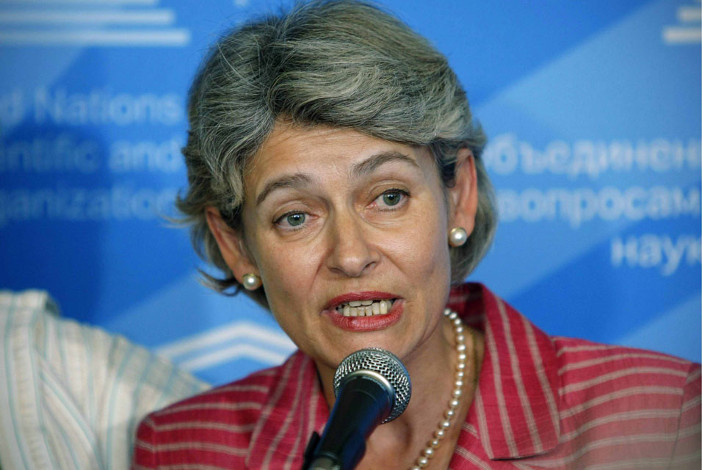
(May 15th, 2016) UNESCO Director General Irina Bokova told an event organized at the United Nations University in Tokyo that the ‘’world needs more soft power to diffuse tensions, prevent conflict and build coalitions around a positive agenda.’’ She discuss ed UNESCO’s broad mandate to ‘’build peace in the minds of men and women’’ and promoted the United Nations’ Sustainable Development Goals and the Paris agreement to address climate change and the poverty and insecurity stemming from it.
The director-general recalled Japan’s deep role in promoting UNESCO’s core mandate to build peace, noting the founding of the first UNESCO club in Sendai, Japan, in the early 1950s. She highlighted the breadth of Japan’s contribution to the organization, including its leadership on education for sustainable development, support for Afghanistan’s largest literacy program and protection of cultural heritages.
She said that the central challenge is charting new ways to learn how to live together, drawing attention to UNESCO’s leadership in Global Citizenship Education. She underlined the importance of teaching history and the humanities, developing cultural competencies and using the full range of UNESCO’s networks to nurture more empathy, tolerance and solidarity.
The Boston Global Forum (BGF) collaborates with UNESCO on global education and citizenship projects, especially through the Global Learning and Global Citizenship program at the University of California at Los Angeles (UCLA). Prof. Carlos Alberto Torres, Distinguished Professor of Education at UCLA, is the UNESCO Chair in Global Learning and Global Citizenship Education and member of the BGF’s Board of Thinkers.
Nguyen Anh Tuan, the BGF’s chief executive and co-founder, is Chair of the International Advisory Committee of the UNESCO-UCLA Chair on Global Citizenship Education. The Committee’s main responsibilities are supporting the research and development of the UNESCO-UCLA Chair.
The Boston Global Forum (BGF) held its BGF-G7 Summit Initiative Conference on Monday, May 9, at the Harvard University Faculty Club, in Cambridge, Mass., with prominent experts, and leaders from around the world, in person and online, discussing topics to be taken up at the G7 Summit on May 26-27 in Japan. The BGF has been working with Japanese officials to craft proposals to submit for consideration by the national leaders.
Much of the conference was taken up by the focus of this year’s BGF-G7 Summit Initiative – “Building Ethics Norms for Cyberbehavior’’. To advance this cause, BGF experts have crafted its “Ethics Code of Conduct for Cyber Peace and Security,’’ which has been informed by, among other things, a series of online dialogues in the past few months about cybersecurity and other issues to be taken up by the leaders at the summit.
The second part of the conference included discussions about other themes at the summit, especially Japanese concerns about aggressive actions by North Korea and China.
The BGF was honored by the participation of Inada Tomomi – a high official in Japan’s ruling Liberal Democratic Party who could become that nation’s first woman prime minister.
We were also honored that another participant, Tsutomu (“Tommy”) Himeno, the Japanese consul general for New England, lauded The Boston Global Forum for its work in the BGF-G7 Summit Initiative, which he sees as very useful in preparing the leaders’ agenda for May 26-27.
Gov. Michael Dukakis, moderator of the conference and BGF chairman and co-founder, presented to Consul Himeno the documents containing the final recommendations of the BGF-G7 Summit Initiative Committee. Mr. Himeno has forwarded them to the summit planners.
Among the remarks by speakers at the BGF-G7 Summit Initiative conference:
Governor Dukakis: “No country is without sin’’ when it comes to cybersecurity violations.
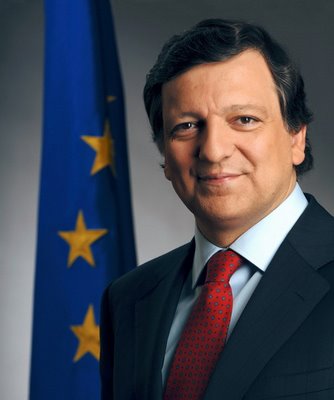
Prof. Jose Barroso, former President of the European Commission; former Prime Minister of Portugal and Member of The BGF-G7 Summit Committee, said that growing cybersecurity threats called for “binding agreements based on international law.’’ He added that other important matters to be taken up by the G7 Summit include “lack of investment confidence,’’ as well as “Muslim terrorism,’’ the refugee crisis and the related war in Syria and Russian attacks on Ukraine.
John Savage, An Wang Professor of Computer Science, Brown University, and Member of The BGF-G7 Summit Committee:
Three key (and interwoven) topics at the summit are “the global economy; trade and investment, and improving infrastructure.’’ All are profoundly affected by cybersecurity and the lack thereof. This further heightens the need for the public and private sectors to adopt and obey international cybersecurity norms to protect economic growth.
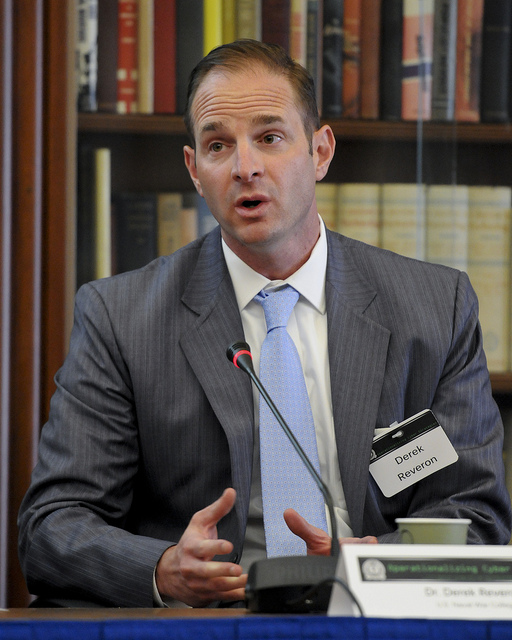
Prof. Derek Reveron, Professor of National Security Affairs and the EMC Informationist Chair at the U.S. Naval War College and Member of The BGF-G7 Summit Committee: “Citizens feel struck in the middle’’ of growing cyberinsecurity and interwoven “political, economic and social challenges,’’ of which one big player is transnational criminal gangs. And, he noted, the discovery of government roles in cybersecurity violations “undermines public confidence’’. The public, he said, wants and needs cyberbehavior norms in order to feel more secure as they go about their lives.
Ryan Maness, Research Fellow in Security and Resilience Studies, Northeastern University, and Member, The BGF-G7 Summit Initiative Committee: “Many fear that we’re experiencing a dangerous breakout trend’’ and that “cyberwars’’ are underway but things aren’t that bad yet. Further, better “cyberhygiene’’ (common-sense practices – e.g., more careful password protection, etc.) would prevent many problems.
Tomomi Inada, Chairman of the Policy Research Council of Japan’s Liberal Democratic Party and Member, Japanese House of Representatives, said that the security environment to be discussed at the summit is worsening because of {in addition to North Korean threats} Chinese expansionism in the East and South China Seas and China’s rapid military buildup; its military budget, she said, is now “3.6 times’’ Japan’s. But Japan, in collaboration with the United States, is “expanding its deterrent force’’ in the Asia/Pacific region. She noted the importance of cybersecurity in Japan’s “national risk assessment’’ as “the threat of cyberattacks is increasing around the world.’’
“We need the rule of law in cyberbehavior,’’ she emphasized.
Speakers at the conference included:
Gov. Michael Dukakis.
Prof. Joseph S. Nye Jr., Member of Board of Thinkers, Harvard University Distinguished Service Professor; Member of Board of Thinkers, the Boston Global Forum.
Prof. Jose Barroso.
Prof. Stephen M. Walt, Belfer Professor of International Affairs, International Security Program, Belfer Center for Science and International Affairs, Harvard University.
Prof. Ezra Vogel, Henry Ford II Professor of the Social Sciences Emeritus, Harvard University.
Prof. Nazli Choucri, Professor of Political Science, MIT; Director of the Global System for Sustainable Development (GSSD), Member of The BGF-G7 Summit Committee.
Prof. John Savage.
Prof. Derek Reveron.
Prof. Chris Demchak, RADM Grace M. Hopper Chair of Cybersecurity in the Strategic Research Center for Cyber Conflict Studies, U.S. Naval War College.
Tsutomu Himeno, Japanese Consul General, Boston; Member of The BGF-G7 Summit Committee.
Prof. Eisuke Sakakibara (“Mr. Yen’’), Former Japanese Vice Minister of Finance.
Tomomi Inada.
Ambassador Ichiro Fujisaki, President of the America-Japan Society; Professor at Sophia University and Keio University; Former Japanese
Ambassador to the U.S.; Member of The BGF-G7 Summit Committee.
Ambassador Shunji Yanai, Former Japanese Ambassador to the U.S.
Prof. Koichi Hamada, Special Adviser to Japanese Prime Minister Shinzo Abe.
Prof. Fumiaki Kubo, Graduate Schools for Law and Politics, University of Tokyo.
Prof. Matthew Smith, Computer Science Professor at the Rheinische Friedrich-Wilhelms-Universität, Bonn.
Prof. Ryan Maness.
Greg Palmer, Director of Azure Infrastructure and Cybersecurity for Microsoft in New England.
Allan Cytryn, Senior Information Technology Executive, Risk Masters Inc.; Member of the BGF-G7 Summit Committee.
Margarita Levin Jaitner, Research Fellow, Blavatnik Interdisciplinary Cyber Research Center (ICRC).
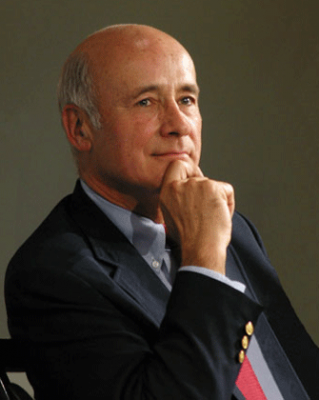
Prof. Joseph Nye, an internationally known political scientist, addressed The Boston Global Forum’s BGF-G7 Summit Initiative Conference on May 9 at the Harvard Faculty Club, Cambridge, Mass. He is a member of the BGF’s Board of Thinkers and University Distinguished Service Professor at Harvard as well as former Dean of Harvard’s Kennedy School.
He lauded the BGF’s focus this year on promoting better international understanding of the need to improve cybersecurity and, more broadly, cyberbehavior in general, in the public and private sectors. He recommended an appeal to nations’ enlightened self-interest in “restricting’’ their cyberbehavior in order to limit geopolitical uncertainty and, by implication, dangerous miscalculations.
He noted that the need for international cyberbehavior norms of the sort recommended by the Boston Global Forum becomes increasingly important as more and more nations develop powerful cybercapacity.
Professor Nye emphasized in his remarks the important role that Japan, the G7 Summit host this year, can play in promoting cyberbehavior norms.
Among the first remarks at the BGF-G7 Summit Initiative Conference were those of Prof. Jose Barroso, former President of the European Commission; former Prime Minister of Portugal and Member of The BGF-G7 Summit Committee.
Referring to the BGF’s focus this year on cybersecurity, he said that growing cyberthreats called for “binding agreements based on international law’’ to establish acceptable cyberbehavior.
He added that other important matters to be taken up by the G7 Summit include “lack of investment confidence,’’ as well as “Muslim terrorism,’’ the refugee crisis affecting Europe and the related war in Syria and Russian attacks on Ukraine.
One of The Boston Global Forum’s cybersecurity experts, Prof. Derek S. Reveron of the U.S. Naval War College and Harvard’s Belfer Center for Science and International Affairs, will be one of the speakers at the BGF’s May 9 conference titled “Building Ethics Norms for Cyberbehavior.’’
His report for the conference is titled “Cybersecurity Deficits and International Norms.’’ It builds on the norms outlined by Prof. John Savage of Brown University.
Among his recommendations:
Convening sub-regional summits to outline the scope of cybersecuriy challenges and improve multilateral efforts to promulgate norms.
Establishing information-sharing centers where governments can share threat information, coordinate cybersecurity policies and implement best practices for governments and private-sector organizations, including companies, and individuals.
Assisting governments in developing countries to strengthen their government networks, improve protection of critical public infrastructure and educate citizens to raise their security posture by improving human capital.
The Boston Global Forum welcomes this opportunity to provide input to the agenda or the G7 Ise-Shima Summit. Global Economy and Trade, Development, and Quality Infrastructure Investment are three themes of this summit. Given the importance of the Internet in all three areas, we encourage you to address the following actions concerning cybersecurity at the summit. These actions have as their goal to raise the general level of security in cyberspace.