by Admin | Apr 13, 2016 | News
(April 14th, 2016) The event below will start at 7:30 EDT, April 18. That is a change from April 14 forced by a last-minute urgent meeting between Japanese and Russian diplomatic officials visiting Japan.
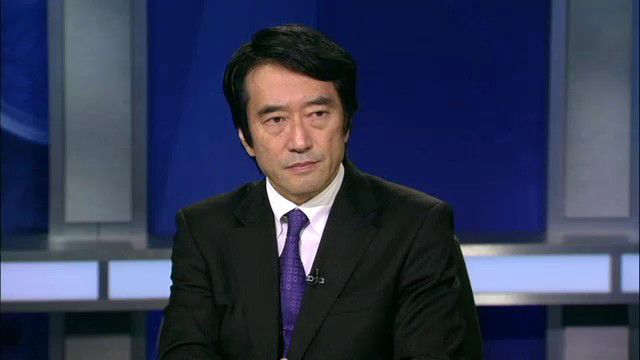
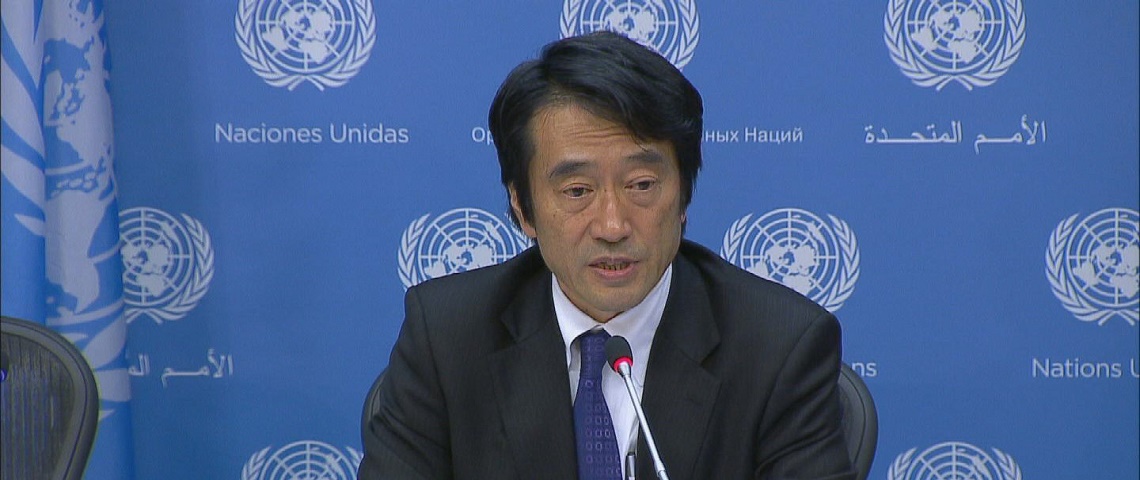
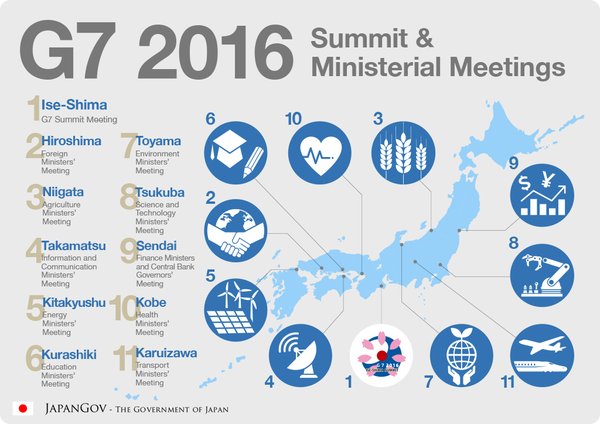
Yasuhisa Kawamura, Director-General for Press and Public Diplomacy of the Japanese government, a job that includes being chief spokesman for Japanese Prime Minister Shinzo Abe, will be the featured speaker in a Boston Global Forum (BGF) live online dialogue titled “The Role of Japan in Peace, Security and Development in the World Today.’’ Such a dialogue takes on particular importance now because Japan will host this year’s G7 Summit, to be held on May 26-27.
The event can be seen live at www.bostonglobalforum.org.
Joining Mr. Kawamura in the discussion will be Michael Dukakis, Chairman of the Boston Global Forum’s Board of Directors and Board of Thinkers, and Prof. Thomas Patterson, a member of the BGF Board of Directors and Board of Thinkers; Bradlee Professor of Government and the Press at Harvard’s Kennedy School of Government, and Acting Director of the Kennedy School’s Shorenstein Center on Media, Politics and Public Policy.
The session is one in the series of online dialogues in the Boston Global Forum’s BGF-G7 Summit Initiative, in which BGF experts have been working with Japanese officials to craft proposals to be considered by the national leaders at the summit.
The Boston Global Forum encourages its members and friends to send questions for the discussants to [email protected]. Members of the Boston Global Forum’s Special Editorial Board will gather your questions and insights and send them to the speakers.
The talk and listeners’ responses to it will be live-streamed at www.bostonglobalforum.org
About Mr Yasuhisa Kawamura
Press Secretary
Director-General for Press and Public Diplomacy
1956 Born in Nagoya, Japan
1981 Graduated from Hitotsubashi University (BA of Law)
Joined Ministry of Foreign Affairs(MOFA)
1984 Graduated from Amherst College, MA, USA
Second Secretary, Embassy of Japan to U.S.A.
1988 Deputy Director, Second North America Division, MOFA
1993 Principal Deputy Director, Second Southeast Asia Division, MOFA
1993 First Secretary, Permanent Mission to Int’l Organization in Geneva
1995 Counselor, Embassy of Japan in Indonesia
1998 Director, International Press Division, MOFA
2000 Director, Second International Organization Division, Economic Affairs Bureau, MOFA
2002 Counselor, Permanent Mission of Japan to European Union
2004 Representative in Tokyo, Organization of Economic Development and Cooperation
2008 Deputy Press Secretary (Deputy Director General) for Foreign Minister
2010 Deputy Consul General, Consulate General of Japan in New York
2012 Deputy Chief of Mission, Consulate General of Japan in New York
2013 Minister & Deputy Chief of Mission, Embassy of Japan in India
2015 Press Secretary, Director-General for Press and Public Diplomacy
Married, One Daughter
by Admin | Apr 10, 2016 | AI World Society Summit
(April 11st, 2016) The U.S. government has officially announced that it is launching cyberwarfare against the so-called Islamic State, in the first case of the U.S. publicly disclosing cyberattacks in warfare, although it has acted before against U.S. foes with cyberattacks on, for example, and most famously, Iran in order to slow that nation’s nuclear program.
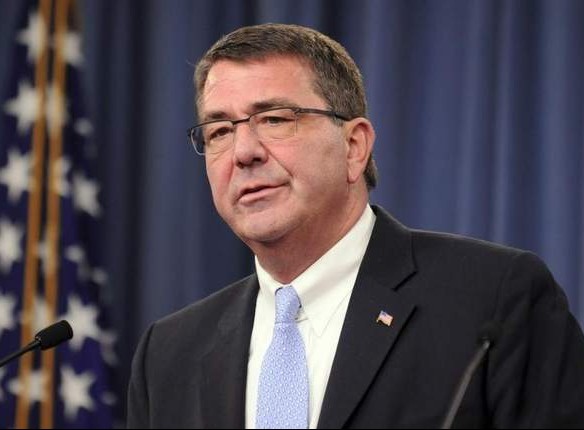
U.S. Defense Secretary Ashton Carter said: “I have given the Defense Department’s Cyber Command really its first wartime assignment. Even a few years ago, it would not have occurred to a secretary of defense to say, ‘let’s get cyber in the game,’ but here we have real opportunities.”
The U.S. will use its digital tools to weaken the Islamic State’s online communications network and its access to money and trade. Mr. Carter said the aims include undermining “their ability to command their forces, interrupting their ability to plot” and damaging “their finances, their ability to pay people”.
by Admin | Apr 10, 2016 | World Leaders in AIWS Award Updates
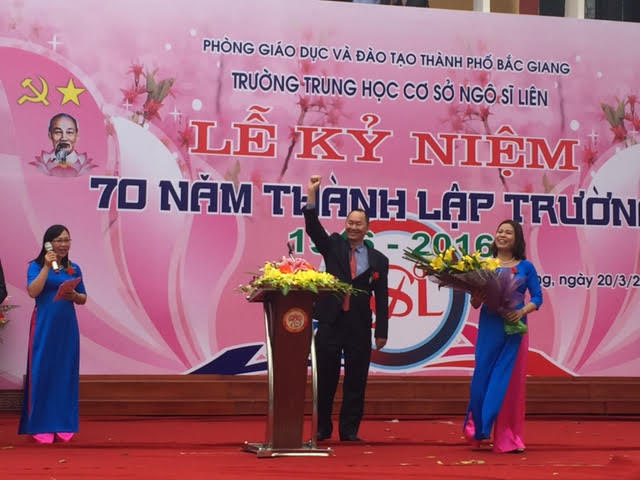
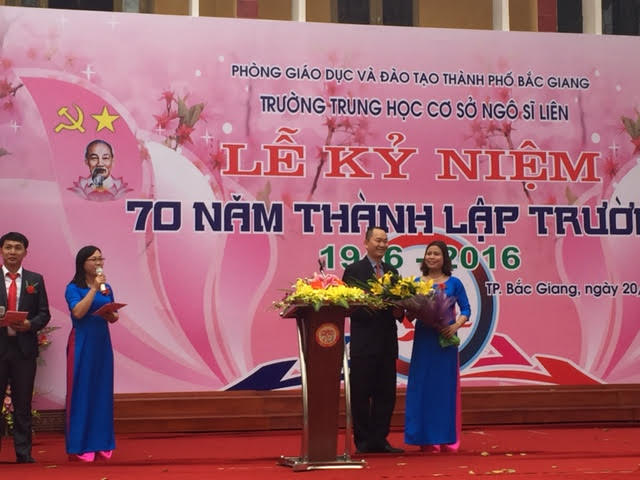
(April 11st, 2016) On March 20, Nguyen Anh Tuan, CEO and co-founder of The Boston Global Forum (BGF), gave a keynote speech to help celebrate the 70th anniversary of one of Vietnam’s leading high schools, the Ngo Sy Lien School, in Bac Giang, Vietnam.
In the speech, he encouraged the school to bring the Global Learning and Global Citizenship Education program to its students and teachers.
Global Citizenship Education has been a priority of the BGF, which was founded in 2012.
Tuan is chairman of the International Advisory Committee of the UNESCO Chair of Global Learning and Global Citizenship Education at the University of California at Los Angeles.
An Internet pioneer in Vietnam, as well as Boston-based international civic leader and businessman, Tuan is one of the school’s most successful alumni.
by Admin | Apr 10, 2016 | World Leaders in AIWS Award Updates
(April 11st, 2016) Japanese Prime Minister Shinzo Abe assured visiting Ukrainian President Petro Poroshenko last week that G7 leaders meeting at their summit in Japan on May 26-27 would discuss Russia’s seizure of Crimea in 2014 and its continuing support of pro-Russian separatists in eastern Ukraine.
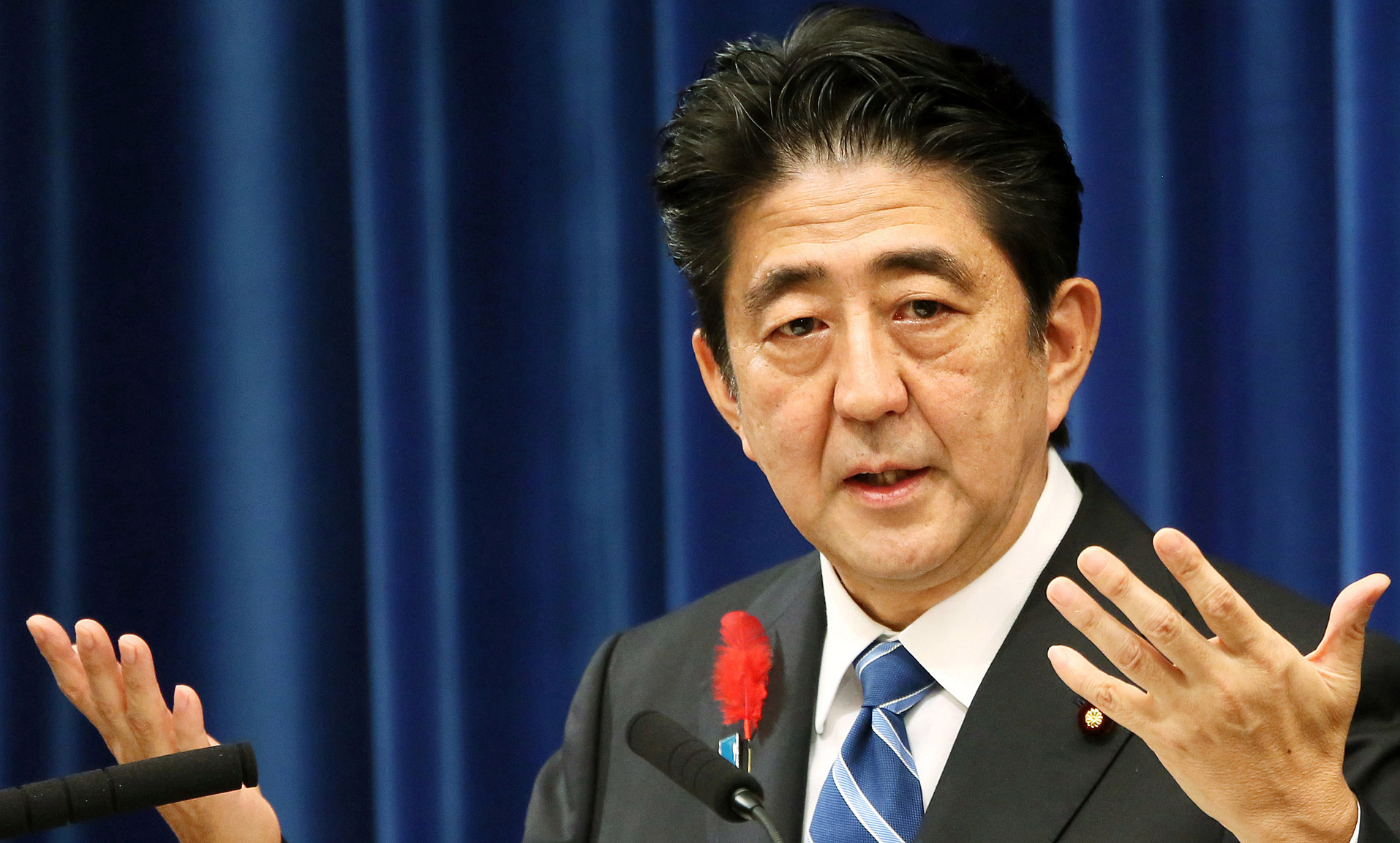
“Issues surrounding Ukraine remain among the important issues for the international community,” Mr. Abe said at a joint appearance with Mr. Poroshenko. “Japan views this issue seriously, and we plan to thoroughly discuss it at the G7 summit.’’
The Boston Global Forum last December honored Mr. Abe as a “World Leader for Peace, Security and Development”.
by Admin | Apr 10, 2016 | Event Updates
( April 11st, 2016) Foreign ministers of the G7 nations met early this week in Hiroshima, Japan, to plan for the G7 Summit to be held May 26-27.
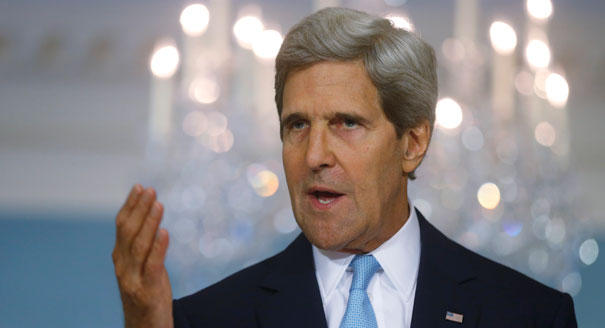
John Kerry will become the first ever US secretary of state to visit Hiroshima, obliterated by an American atomic bomb in 1945.
Given the heightened fears of nuclear proliferation to Islamic terrorists and nuclear saber-rattling by North Korea, the site of the foreign ministers’ meeting, in a city destroyed by a U.S. atomic bomb at the end of World War II, takes on particularly strong symbolism.
John Kerry is the first U.S. secretary of state to visit Hiroshima. President Obama may also go to the now thriving city during his summit visit to Japan.
The foreign ministers were expected to discuss such topics as Chinese military expansionism in the South China Sea, terrorism, Russian aggression against Ukraine, refugees and, of course, North Korean threats to attack South Korea, Japan and the United States.
by Admin | Apr 10, 2016 | World Leaders in AIWS Award Updates
(April 11st, 2016) German Chancellor Angela Merkel has defended the European Union’s agreement with Turkey aimed at stemming the flood of refugees into Europe from the Mideast.
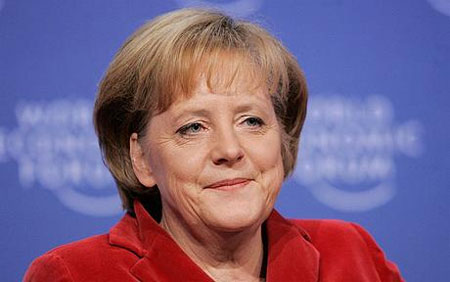
Before the deal, Mrs. Merkel had been under increasing domestic political pressure, mostly from the right, to tighten the borders.
The Boston Global Forum has named the chancellor a “World Leader for Peace, Security and Development.’’
by Admin | Apr 10, 2016 | Event Updates
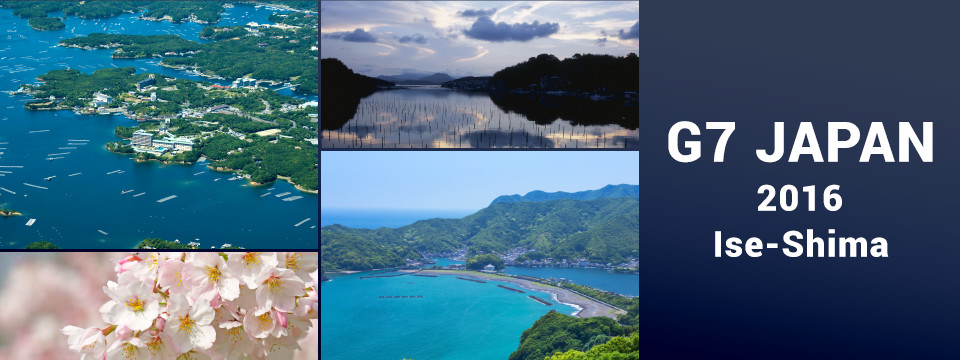
(April 11st, 2016) In a sign that the G7 nations (Britain, Germany, Italy, Canada, the United States, France and Japan) want to both expand their trade relationships in the Asia/Pacific region and strengthen the security of nations facing a militarily aggressive China, the G7 has invited Indonesia, Vietnam, Laos, Sri Lanka, Bangladesh and Papua New Guinea to send representatives to the G7 Summit, set for May 26-27 in Japan.
Vietnam, in particular, faces Chinese military threats with Beijing’s seizure and militarization of disputed reefs and islands in the South China Sea.
The Japanese government plans to focus a great deal of attention at the summit on challenges facing the Asia-Pacific region as it pursues the theme of “linking the region’s nations for development”.
by Admin | Apr 10, 2016 | Event Updates
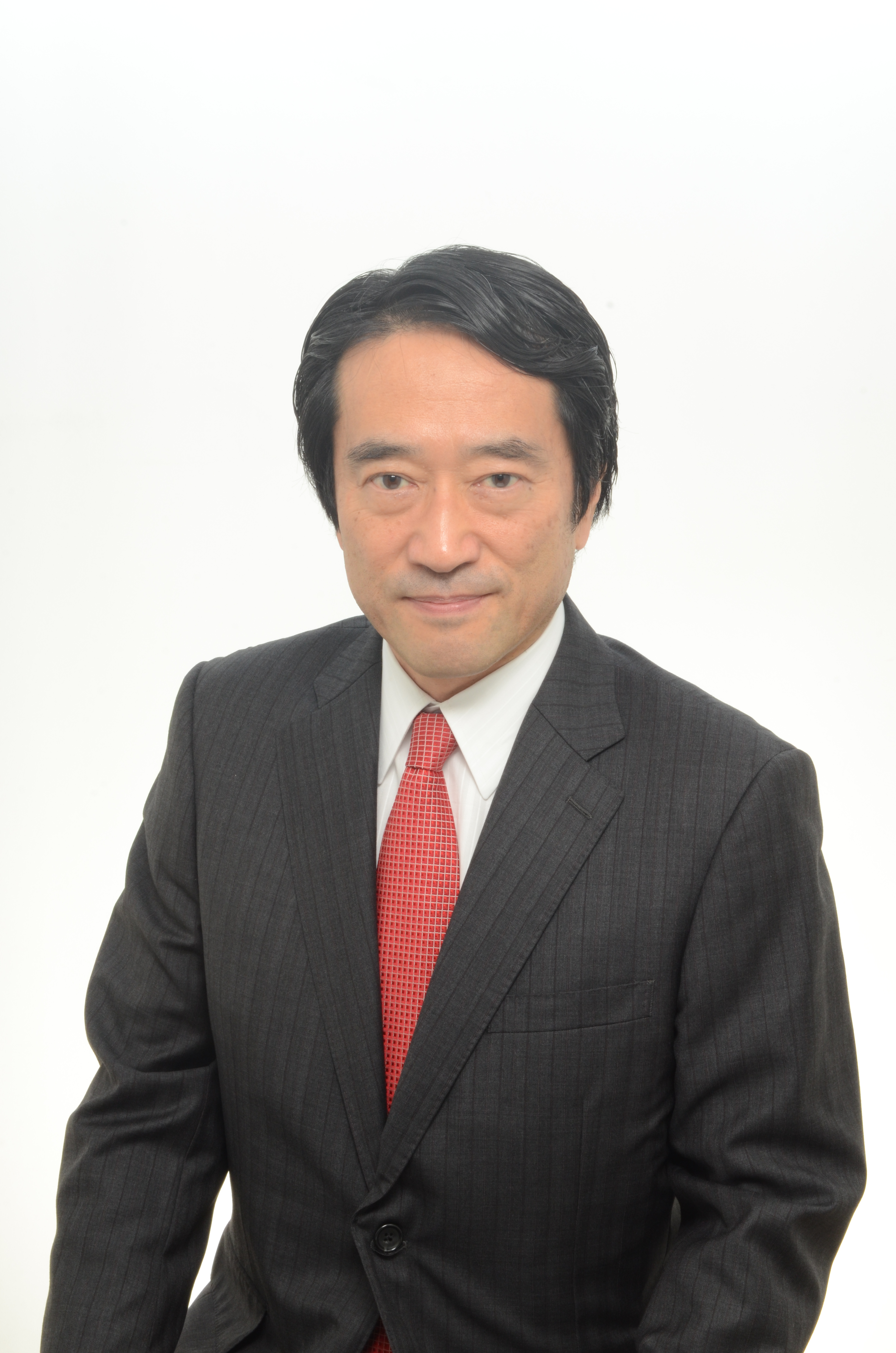
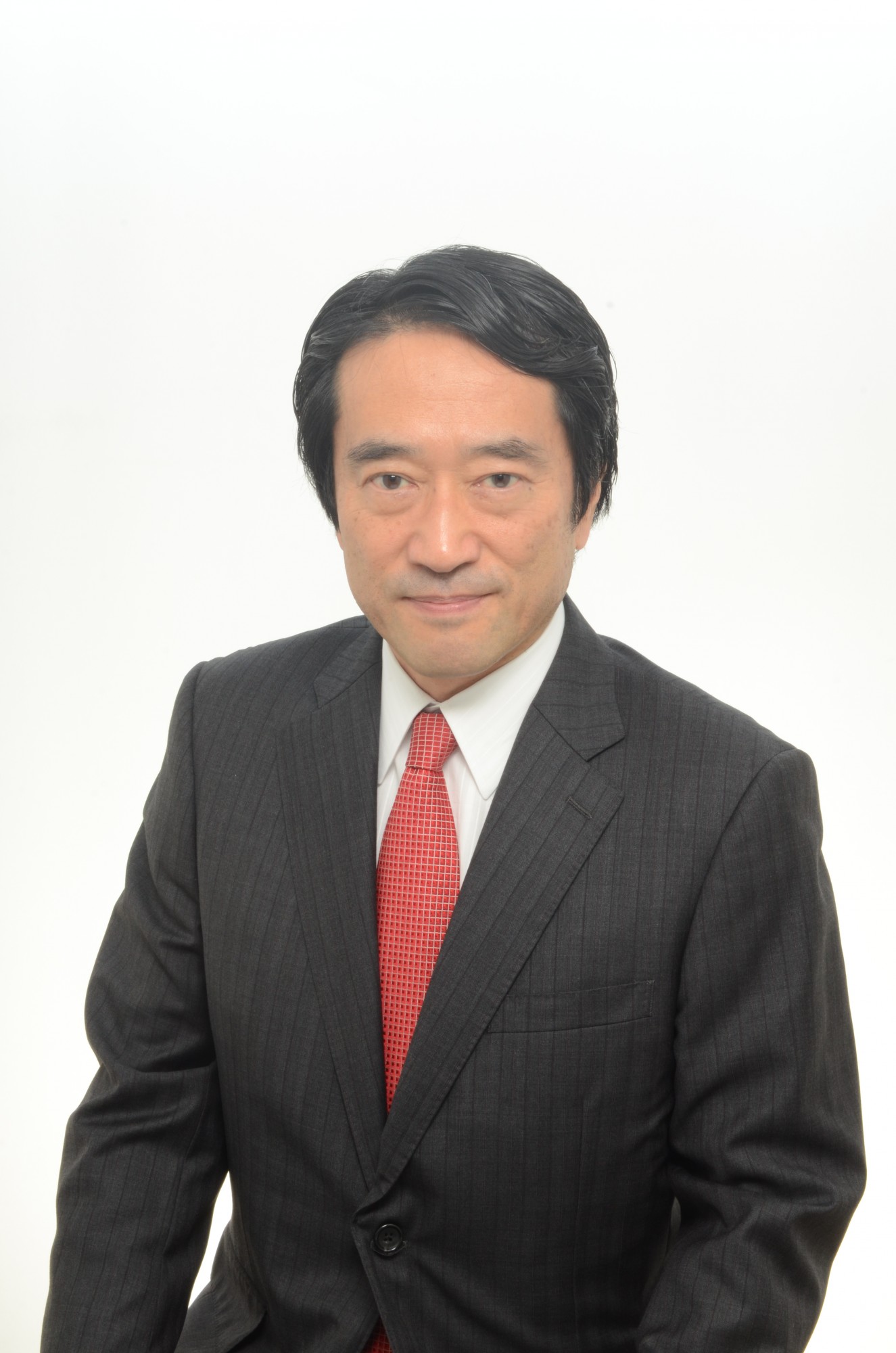
( April 11st, 2016) Yasuhisa Kawamura, the Director General for Press and Public Diplomacy for the Japanese government, will discuss themes of the G7 Summit, scheduled for May 26-27 in Japan, in a Boston Global Forum (BGF) online dialogue. The session will start at 7:30 a.m ( EST ) on Thursday, April 14.
This event will be an important part of the BGF-G7 Summit Initiative, in which BGF experts, in cooperation with Japanese officials, have developed recommendations for action by the seven national leaders who will attend the summit.
Mr. Kawamura, the chief spokesman for Prime Minister Shinzo Abe, will discuss “The Role of Japan in Peace, Security and Development in the World Today’’.
The Director General, who was educated in Japan and the United States, has held very high-level diplomatic positions around the world.
The Kawamura program can be seen on the BGF’s Web site — bostonglobalforum.org. BGF members and friends are invited to send questions to Mr. Kawamura via: [email protected]
About Mr Yasuhisa Kawamura
Press Secretary
Director-General for Press and Public Diplomacy
1956 Born in Nagoya, Japan
1981 Graduated from Hitotsubashi University (BA of Law)
Joined Ministry of Foreign Affairs(MOFA)
1984 Graduated from Amherst College, MA, USA
Second Secretary, Embassy of Japan to U.S.A.
1988 Deputy Director, Second North America Division, MOFA
1993 Principal Deputy Director, Second Southeast Asia Division, MOFA
1993 First Secretary, Permanent Mission to Int’l Organization in Geneva
1995 Counselor, Embassy of Japan in Indonesia
1998 Director, International Press Division, MOFA
2000 Director, Second International Organization Division, Economic Affairs Bureau, MOFA
2002 Counselor, Permanent Mission of Japan to European Union
2004 Representative in Tokyo, Organization of Economic Development and Cooperation
2008 Deputy Press Secretary (Deputy Director General) for Foreign Minister
2010 Deputy Consul General, Consulate General of Japan in New York
2012 Deputy Chief of Mission, Consulate General of Japan in New York
2013 Minister & Deputy Chief of Mission, Embassy of Japan in India
2015 Press Secretary, Director-General for Press and Public Diplomacy
Married, One Daughter
by Admin | Apr 9, 2016 | AI World Society Summit
(April 11st, 2016) Perhaps not surprisingly, “the Panama Papers’’ — the stunning pile of documents involving national leaders and powerful businesspeople around the world using offshore tax havens – includes the names of family members of major Chinese government officials. They have been identified as directors or shareholders of offshore companies.
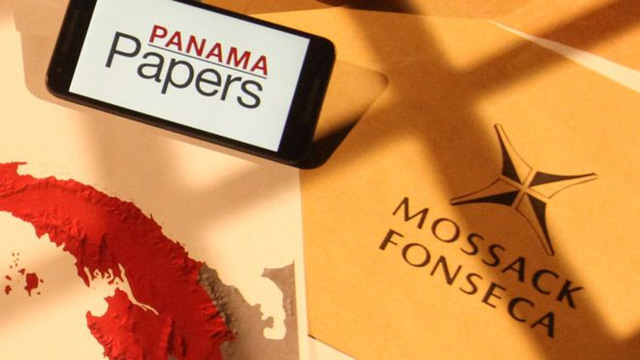
Offshore bank accounts and companies have often been used in the past to launder criminally obtained money as well as to avoid taxes.
G7 Summit leaders will probably talk about global efforts to revise international law to crack down on dubious uses of offshore tax shelters, particularly because President Obama proposed such action in the wake of the Panama Papers news.
At the center of the global scandal is the law firm Mossack Fonseca & Co., a Panamanian law firm and corporate service provider. Information on offshore tax havens and client information from the firm was published in the Panama Papers after a huge cache of its documents from 1970-2015 was leaked to news media.
The Wall Street Journal noted about the International Consortium of Investigative Journalists’ document drop:
“The disclosures etch in details the lifestyles that many Chinese assume families of upper-echelon party members lead, and, thus, analysts said, are likely to fuel public cynicism about official corruption. While an anticorruption campaign launched by Xi Jinping, the president and party chief, is widely popular, many Chinese also see it as a tool for settling political scores.
“A brother-in-law of Mr. Xi is also named in the leaked documents as a shareholder of offshore firms, as reported earlier this week by the ICIJ.’’
We can expect many more bombshells from the document drop over the next few weeks.