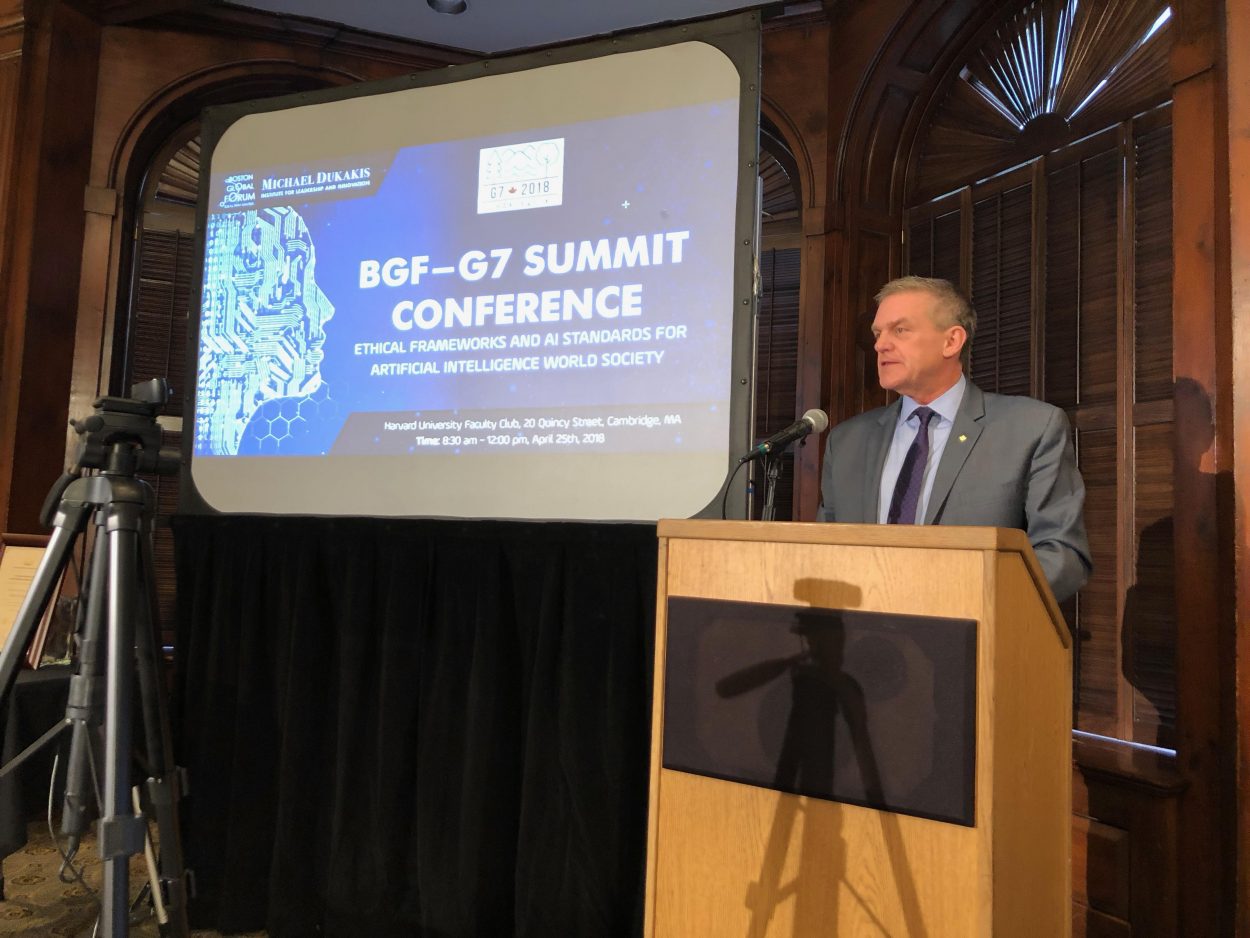
VIDEO: Consul General of Canada David Alward to speak at BGF-G7 Summit Conference 2018
David Alward, Consul General of Canada, spoke about G7 Summit 2018 in Canada at the BGF-G7 Summit Conference on April 25, 2018 at Harvard University Faculty Club.

David Alward, Consul General of Canada, spoke about G7 Summit 2018 in Canada at the BGF-G7 Summit Conference on April 25, 2018 at Harvard University Faculty Club.
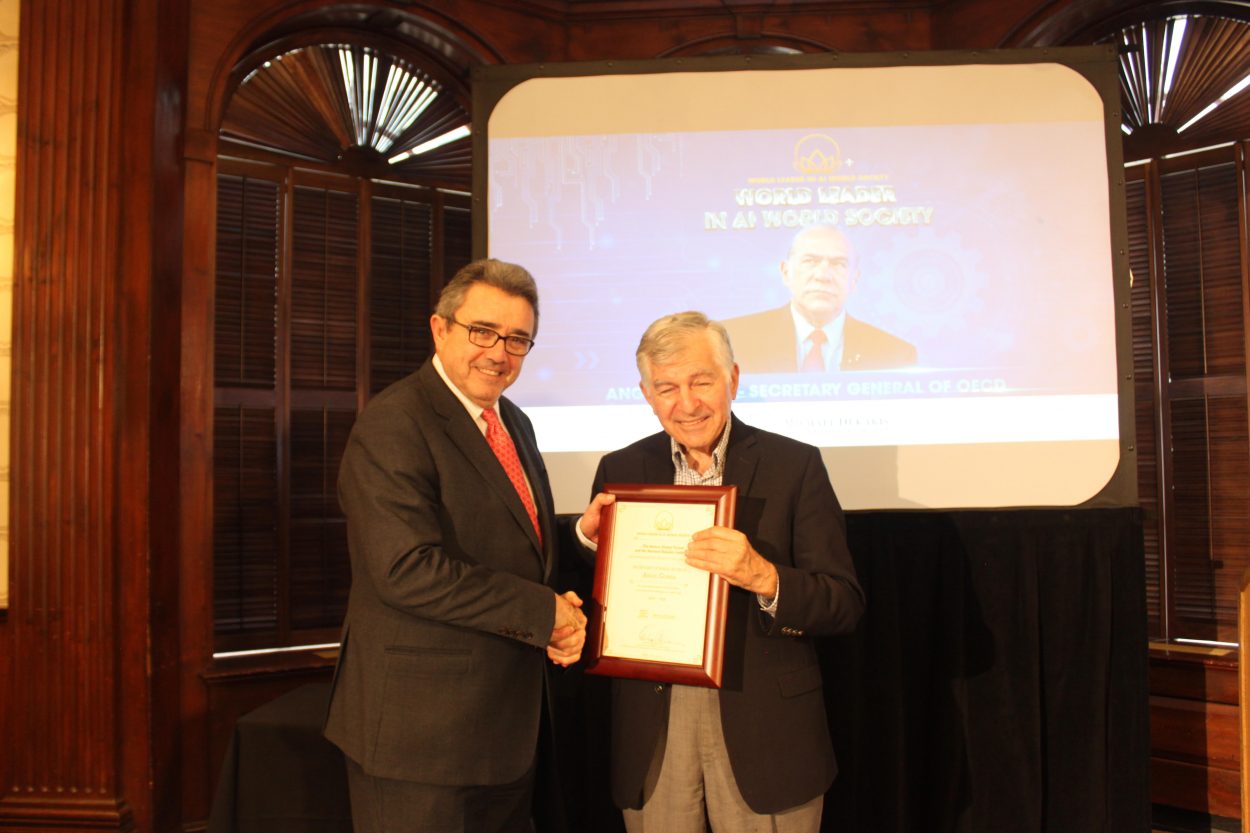
Governor Michael Dukakis, Chairman of Boston Global Forum and Michael Dukakis Institute, announced and honored Secretary General of OECD Angel Gurria as World Leader in AIWS Award at the BGF-G7 Summit Conference on April 25, 2018 at Harvard University Faculty Club.
Mexican Consul General in Boston Emilio Rabasa received this award on behalf of Angel Gurria.

Consul General Emilio Rabasa and Governor Michael Dukakis.
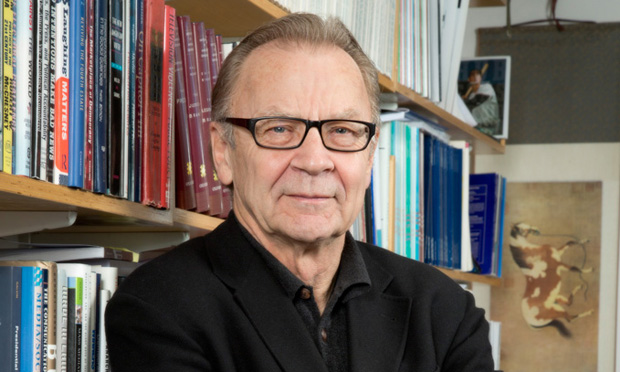
Professor Thomas Patterson, Harvard University, announced the program “Distinguished Innovation Leaders” at the BGF-G7 Summit Conference on April 25, 2018 at Harvard University Faculty Club.
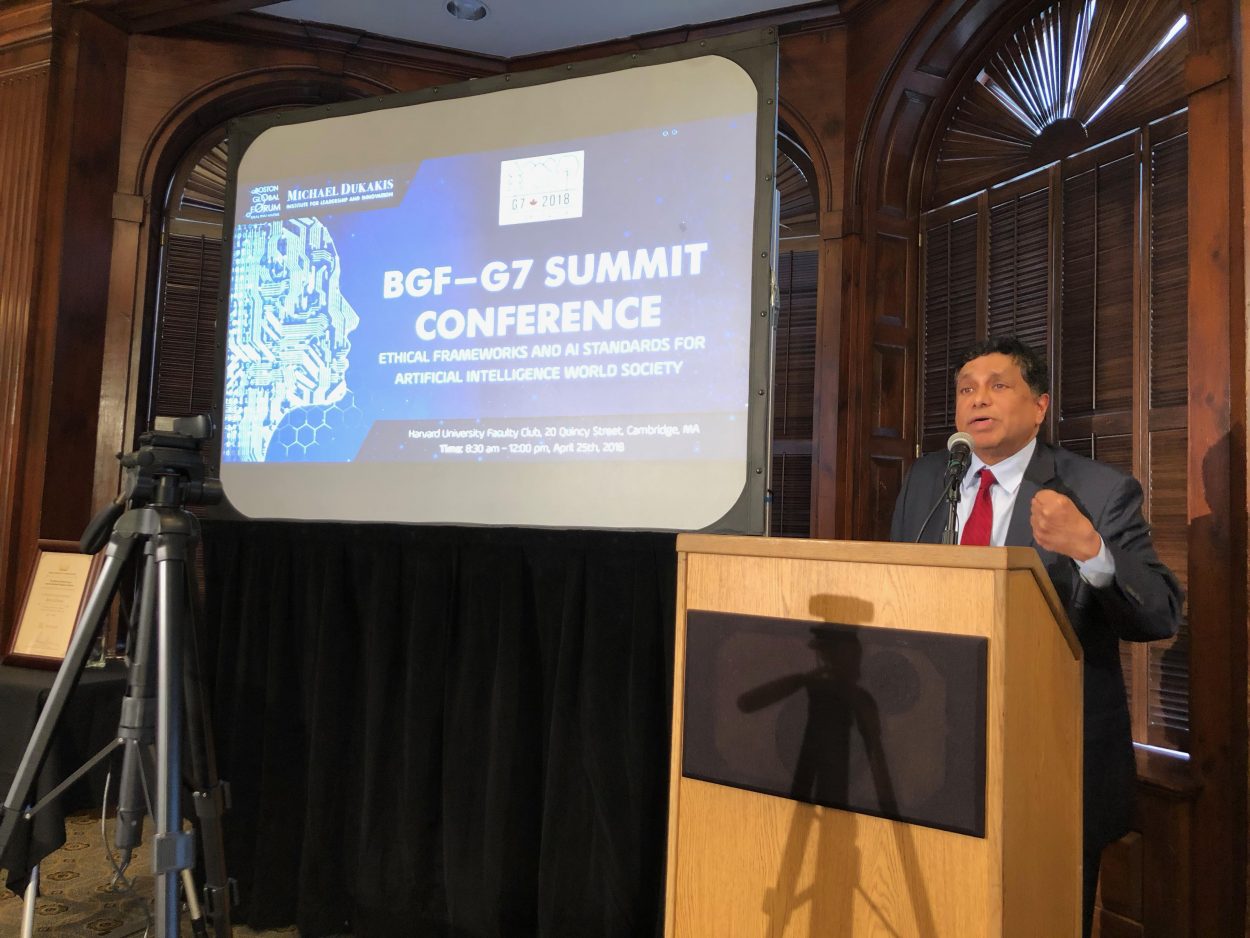
Ramu Damodaran, Chief of United Nations Academic Impact, spoke about 7-layer of AI World Society for AI Governance at the BGF-G7 Summit Conference on April 25, 2018 at Harvard University Faculty Club.
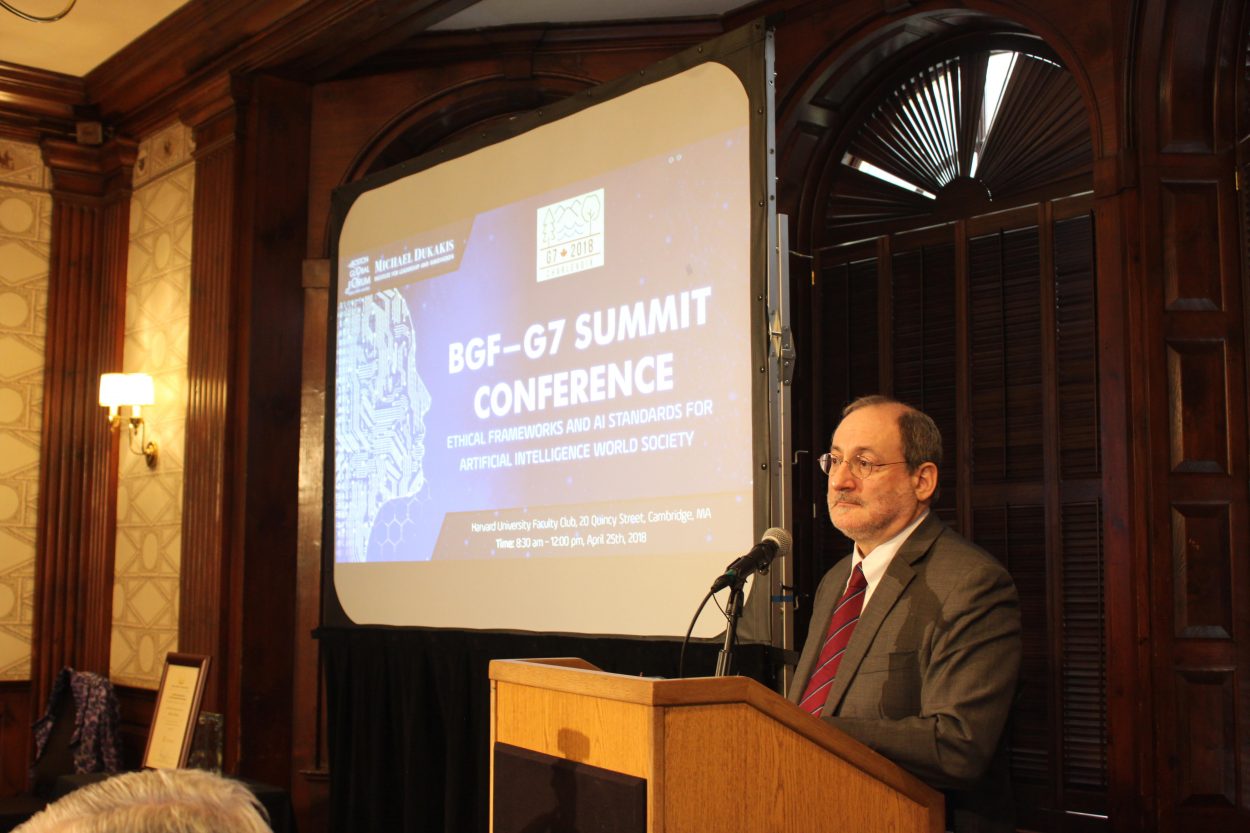
Professor David Silbersweig, Harvard University, spoke about The BGF-G7 Summit Report: 7- layer of AI World Society for AI Governance at the BGF-G7 Summit Conference on April 25, 2018 at Harvard University Faculty Club.
Download Power Point HERE
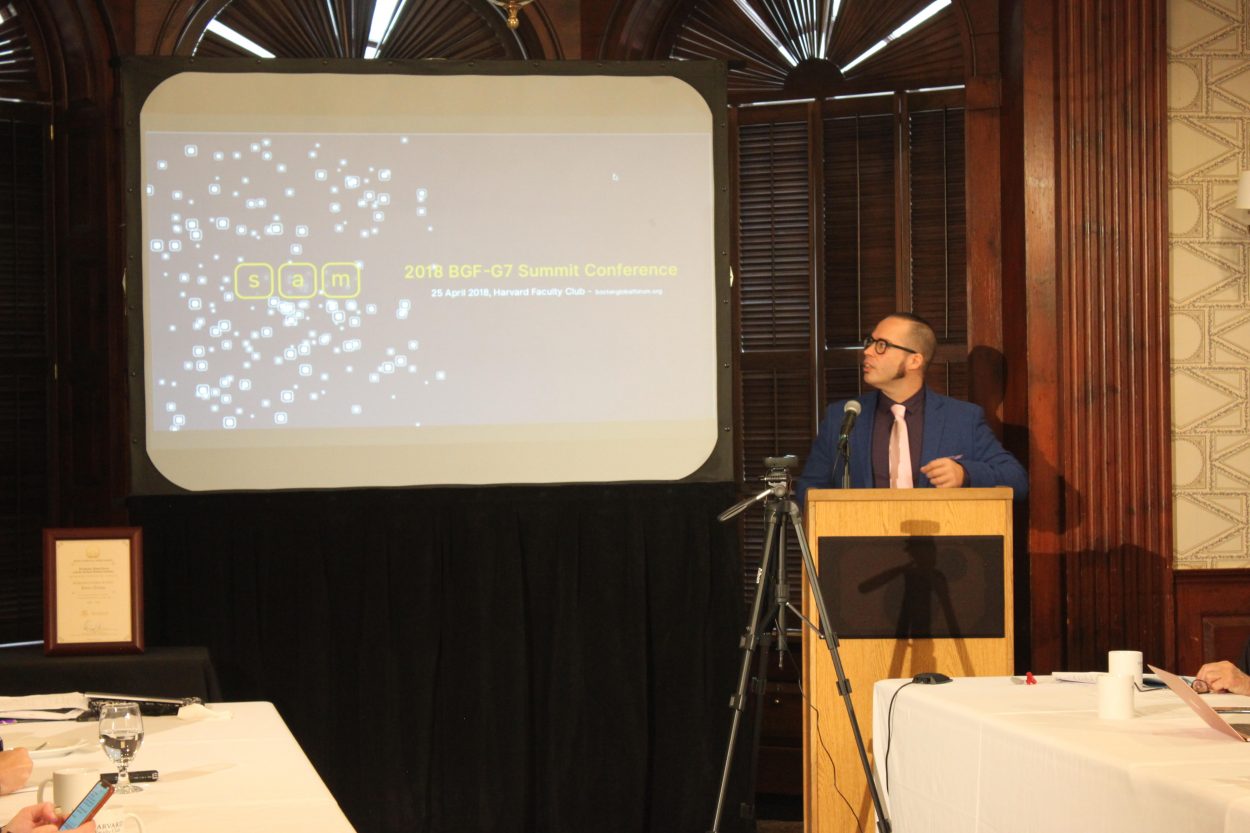
Walter Langelaar – Co-founder of SAM, the first AI Politician – spoke about SAM at the BGF-G7 Summit Conference on April 25, 2018 at Harvard University Faculty Club.
Download Power Point HERE
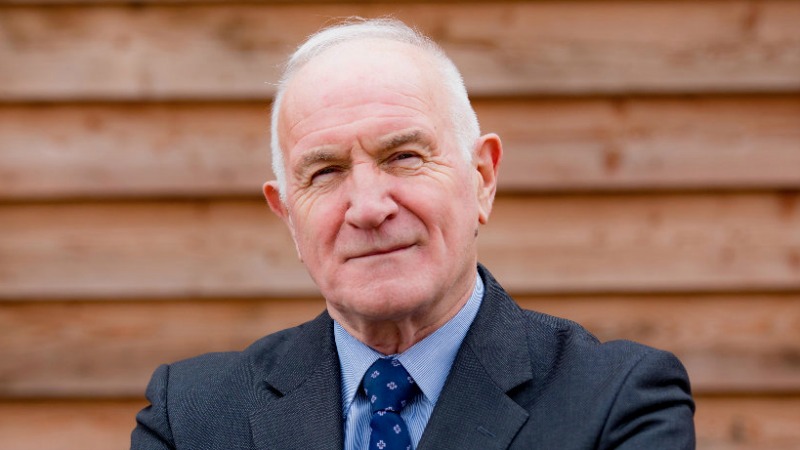
Professor John Savage, Brown University, spoke about Ethical Frameworks in AIWS at the BGF-G7 Summit Conference on April 25, 2018 at Harvard University Faculty Club.
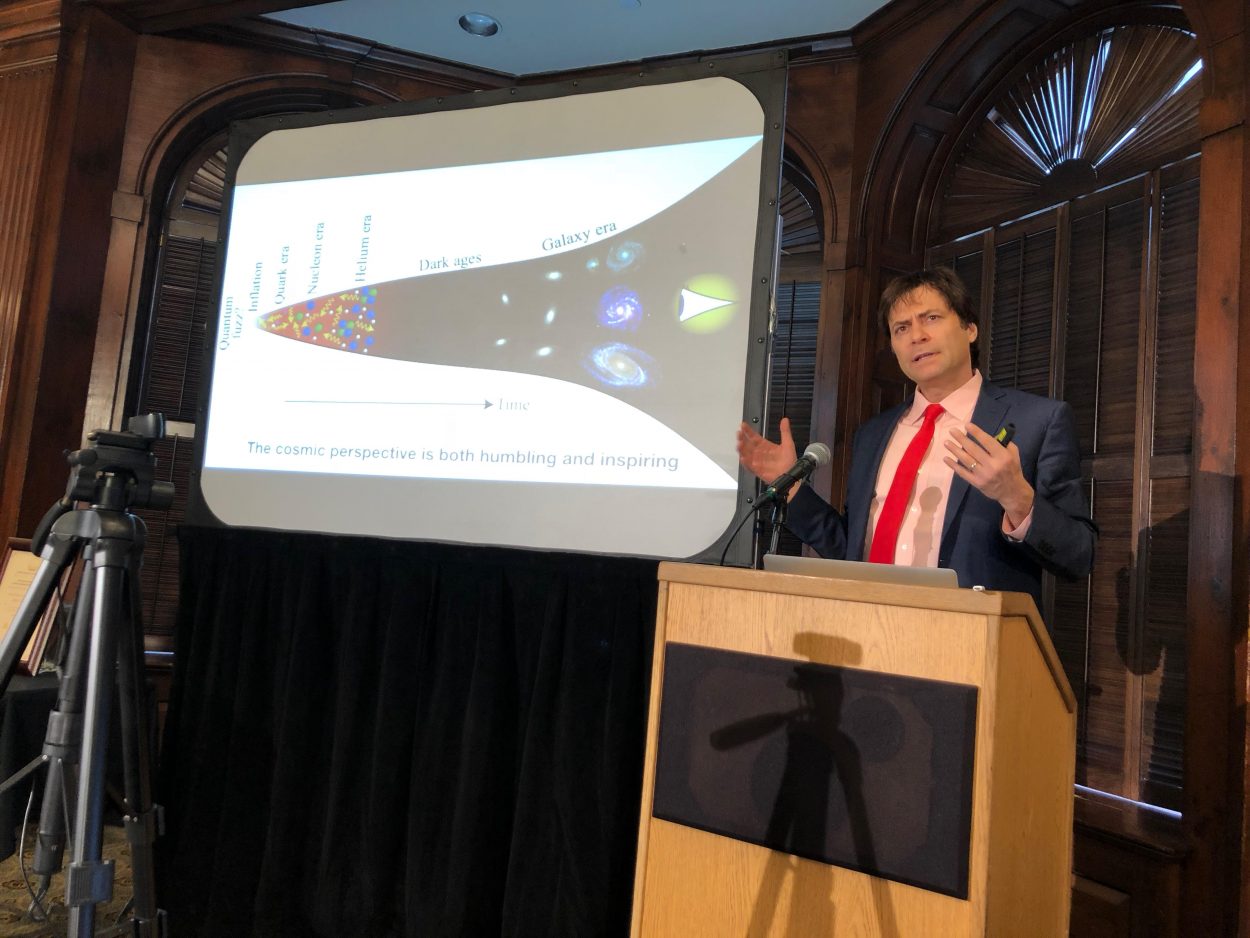
Professor Max Tegmark, MIT and Editor Board of Shaping Future Magazine, spoke about Ethical Frameworks in AIWS at the BGF-G7 Summit Conference on April 25, 2018 at Harvard University Faculty Club.
By Nguyen Anh Tuan, Co-founder and CEO of the Boston Global Forum
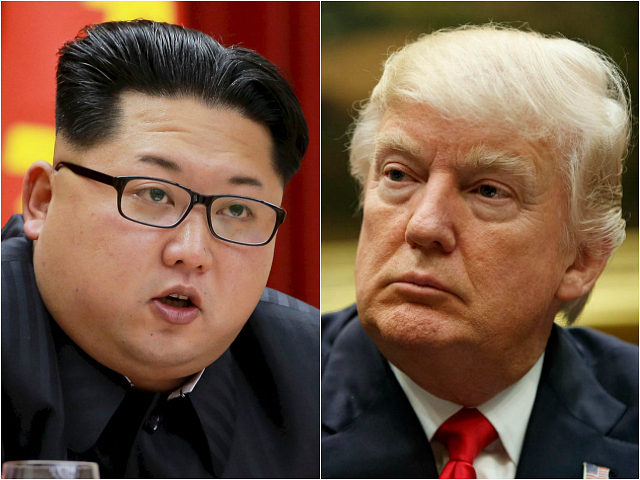
Leading scholars and international relations authorities gathered at Harvard University recently to urge a diplomatic solution to the US-North Korean conflict and an end to the maelstrom of threats and personal insults. The symposium, organized by the Boston Global Forum (BGF) and the Michael Dukakis Institute for Leadership and Innovation as part of its annual World Reconciliation Day events here and in Japan, was moderated by former Massachusetts governor Michael Dukakis, who cofounded the BGF think tank in 2012.
Among the international relations scholars were Prof. Joseph Nye, Asst. Secretary of Defense during the Clinton Administration, who called for employing soft power diplomacy to reduce tensions with North Korea, and Professor Sung-Yoon Lee of the Fletcher School of Diplomacy, Tufts University, who offered his analysis of North Korea.
Gov. Michael Dukakis told the delegates, when rhetoric overshadows reason, “a single misstep can turn political brinksmanship into a global conflagration. Nowhere is there a greater risk today than with North Korea.”
In keeping with the reconciliation theme, Nye told 20 delegates and journalists, “Reconciliation with friends means one thing, but in the case of North Korea, there is similar second level of reconciliation possible that means reduction of enmity, which is extraordinarily difficult when the President talks about tuning North Korea into a sea of fire and fire and fury.”
Nye added, “We must be careful not to mistake reality for rhetoric. The North Koreans are not suicidal. North Korea is extremely rational — and has chosen a set of means to get to an objective of preserving the current regime.” He emphasized that while there is a low probability of nuclear war one must then ask. “is there a probability of conventional war?”
Historically, Nye added, “The temptation of escalation is always there. If you ask whether the Russian Tsar and German Kaiser intended a war in 1914 in which they would lose their thrones and their see their monarchies dismembered the answer is no. They expected a third Balkan war lasting for three weeks and never expected four years of armed conflict. Moreover, Japan did not act irrationally,” when it bombed Pearl Harbor. “If Japan had done nothing, the nation would have been strangled by a US oil embargo, so they hoped for short war believing it would be better than certain strangulation because of the embargo.”
While political hawks may be tempted, a decapitating strike against North Korea that seizes the nuclear weapons or kills Kim Jong Un does not seem realistic observed Nye, “Hospitality between North Korea and the US goes back to Kim Ill Sung who, in June of 1950, crossed the 38th parallel,” invading South Korea. Though hostilities ended 1953 with an armistice, both North and South Korea are technically still at war. “There have been seven decades of enmity with 100,000 North Korea troops remaining on the border,” and a highly militaristic society.
The hostilities over nuclear weapons began in 1993 when North Korea violated a treaty by reprocessing plutonium, which they at first denied and tried to cover up. When their deception was discovered, the country withdrew from the proliferation treaty rather than abide by its terms because North Korea believes nuclear weapons are the only way to preserve its existence. The North Koreans don’t believe America will treat them normally if they don’t have such destructive power. “So North Korea continues its tests, which included a thermonuclear bomb five-times more powerful than previous devices, and has a stated goal of miniaturizing the bomb so that, in a few years, they can credibly say they can hit the US.”
Is reconciliation possible?
Cultural commonality and exchanges can contribute to enemies becoming friends, or at minimum a reduction of enmity. North and South Koreans, for example, compete on the same soccer teams, and Kim Jong Un is enamored of American movies and presumably American popular culture.
Nye looked to other historical lessons, pointing to international security communities that have evolved to a point where there is no likelihood of war among, say, the Scandinavian nations or, in Western Europe, where war between Germany and France would be unthinkable today. “There are few examples of democracies, especially liberal democracies going to war. However, there is also no likelihood of North Korea developing into a liberal democracy.”
“In 1895 the US and Britain almost came to war,” says Nye adding that, “Britain accommodated the US because, with the rise of Germany and Russia, it could not accommodate instability in Europe and also police the Western Hemisphere. So the Brits swallowed their pride and accommodated the United States.”
Similarly, the US and China fought against each other in Korea in 1950 when China crossed the Yalu River and we demonized Red China. In 1964, the US, under Linden Johnsen, contemplated preemptive nuclear strikes against China, but finally by “1971 with Nixon’s visit to China, the US accommodated China to stem Russian influence and maintain the balance of power.”
Is it like the Cuban missile crisis?
“When The US and Soviet Union came close to war during Cuban missile crisis – the positive outcome was to demonstrate that the path we were on could potentially lead to disaster.” John F. Kennedy responded by delivering a speech in which he said we cannot continue on the path of extreme hostility with the Soviet Union and this resulted in the eventual signing of a treaty to reduce underground testing of nuclear weapons, followed by nuclear nonproliferation pacts with the Soviets such as the SALT and START talks. “While this led to a set of agreements that lowered tensions with Mikhail Gorbachev and Boris Yeltsin, tensions have reversed with current Russian leader Vladimir Putin.”
To negotiate effectively with North Korea, the US needs a reduction of enmity to assess what is realistic. “Appeasement is not a bad thing per se and there is nothing wrong with appeasement if you have assessed your opponent’s objectives and found they are willing to accept the status quo rather the being a revisionist nation that wants to kick over the table.”
What are the goals of North Korea — status quo or revisionist? If we miss-assess the goals, we lay out greater problems for the future. We did not understand Hitler’s goals but with China we can compete and have strong differences by largely accepting the framework of the current order, Nye points out.
“Now if North Korea is interested in the status quo— if they really want weapons to prevent an overthrow of the regime, a peace treaty will let the country grow economically, the nature of their society will change and the matter is relatively easily resolved,” according to Nye, who is quick to point out, “If they really are revisionist, then given the nature of the region, a family dynasty of three generations and a belief that they are the heart of the Korean people and want to unify the Korean people under the North,” then appeasement is not possible.
Unfortunately, US knowledge and its ability to assess the situation in North Korea is limited. Nye, said President Bill Clinton believed a North Korean regime that was presiding over starvation while a nation across the border was prospering would last only a decade. “We were wrong and should admit we do not know much about what goes on inside North Korea. Additionally, we have a record of failure and of US presidents drawing redlines and Americans accepting the unacceptable.” Nye said, adding, “North Korea exploits the power of weakness and uses it to bluff and take risks.”
Nye said, “I don’t see much prospect in the use of force and we can’t wait and let them have a nuclear weapon. In 1994 we contemplated a strike, but the South Koreans said no. Sanctions may have some effect but not get to the core” of changing the behavior of a government willing to see ten-percent of its population starve.
Add that to the fact that China’s ability to solve the problem is limited because President Xi Jinping does not want to cause chaos on its border with North Korea, so the options are not impressive. “However, a China centric approach with gradual reduction of tensions over time could work,” says Nye. The US would assure China of our limited interest in deposing Kim Jong Un, and China would use its leverage to prevent escalating the North Korean nuclear threat. “The US would then gradually relax sanctions and expect North Korea to integrate with the world.”
As part of the agreement, the US would offer a peace treaty calling for North Korea to stop testing or exporting of nuclear weapons and for their eventual elimination from the peninsula. At the same time, US would retain its deterrence capacity if North Korea doesn’t live up to the agreement. The best argument, says Nye, “The current policy has failed for 30 years so we could take some risks to get a recession of enmity. I propose this as a way to go this but the administration is not likely to follow.”
Tufts University Prof. Sung-Yoon Lee of the Fletcher School of Diplomacy and an authority on the Korean Peninsula stated that he is not so sure Kim Jong Un will be satisfied with the status quo. “North Korea is a revisionist state whose greatest threat is the fact that across the border we have a legitimate, pleasant alternate Korea that serves as a magnet for 30,000 North Koreans who have escaped to the South. This enormous wealth disparity between two countries sharing a border is the challenge North Korea cannot overcome.”
Lee, who is the Kim Koo-Korea Foundation Professor of Korean Studies at Tufts, added this trajectory does not favor North Korea becoming the legitimate sole government for a unified Korean state and “calls into question why North Korea’s continuing existence is necessary,” in an environment that has fostered South Korean economic development during seven decades of freedom and prosperity. “Most regrettable is the extreme suffering of the North Korean people and crimes against humanity committed by the Kim Jong Un regime, which according to a UN study, have no parallel in the world.” If these conditions are acceptable, then the status quo is extremely better than increasing the risk of war by a US preemptive strike. Will the status quo hold for the next decade and will more Americans reconcile to a nuclear North Korean state across the border of South Korea?
Lee said he expects North Korea to continue to menace South Korea, kill South Koreans, murder Americans from time-to-time such as it did with two officers they hacked to death when they went to trim a tree in the demilitarized zone or when, in 1969, North Korean jets shot down a US spy plane killing all 30 airmen aboard. We did not respond militarily at the time and then four months later the North Koreans shot down an American helicopter, killing three American military people.
Said Lee, “We have spoiled and conditioned North Korea to feel it can get away with murder. We have not put pressure on the regime sufficient to reduce its aggression.” The regime even managed to hold the US hostage by effectively censoring a satirical movie about the assassination of its leader. Sony, producer of the film The Interview, gave into North Korean demands after the regime hacked its computers by pulling the movie from theatrical distribution. In so doing North Korea was able to censor a nation that prides itself on free speech.
Post 9/11, the US Treasury found alternate ways to choke off the money supply to Iran by targeting the banks it dealt with in a bid to get their leaders to the bargaining table. The strategy worked and Lee suggested employing the same treatment with banks doing business with North Korea. Simply put, the US gives the bank a choice, continue doing business with North Korea or face the prospect of not being able to business in US dollars. The banks invariably agree to cooperate and those that cheat, face crushing fines.
Both the banks and North Korea favor the US dollar over other currencies giving the US tremendous leverage on this score and we have seen some progress on the financial front. Lee also believes China is likely to support these measures. “Awareness that this will work is no guarantor of sustained financial pressure. There is always the risk that Trump will accept political expedience over sanctions that will take at least three years to be effective.”
Though solutions to the crisis are not easy, discussions such as those being held by Boston Global Forum, in which cooler heads gather to develop and propose reasoned and peaceful solutions is a step in the right direction.