by Editor BGF | Jan 26, 2025 | News
As U.S. President Donald Trump embarks on his second term, the opportunity for a substantial U.S.-India trade deal has never been more promising. This time around, Prime Minister Narendra Modi and President Trump should seize the moment to strike a meaningful bilateral agreement.
Contrary to the conventional wisdom in Washington and New Delhi that predicts a potential downturn in the U.S.-India trade relationship during Trump’s second term, the reality is that the two countries have a significant opportunity to expand trade. Furthermore, a realistic path forward exists for achieving this goal.
While U.S.-India economic ties have steadily grown throughout the 21st century, this cooperation has fallen short compared to the extraordinary advances in other dimensions of the bilateral relationship. A well-crafted trade agreement could unlock the untapped potential of this economic partnership and deepen the broader strategic relationship between the two nations.
Discussion Prompt:
What are the key challenges and opportunities in forging a U.S.-India trade deal during President Trump’s second term? How might such an agreement impact the Indo-Pacific economic landscape?
For further context, you can reference the article here: Foreign Policy – U.S.-India Trade Deal
https://foreignpolicy.com/2025/01/21/us-india-trade-deal-trump-modi-economy-indo-pacific/
https://www.vifindia.org/article/2025/january/08/Navigating-the-Future-of-Europe-Impact-of-the-Second-Trump-Administration
by Editor BGF | Jan 26, 2025 | Shinzo Abe Initiative for Peace and Security, News
The strategic competition between the United States and the People’s Republic of China (PRC) emerged prominently during Donald Trump’s first administration. Policies such as tariffs and trade restrictions, initially implemented under Trump, were subsequently maintained and expanded under Joe Biden’s administration.
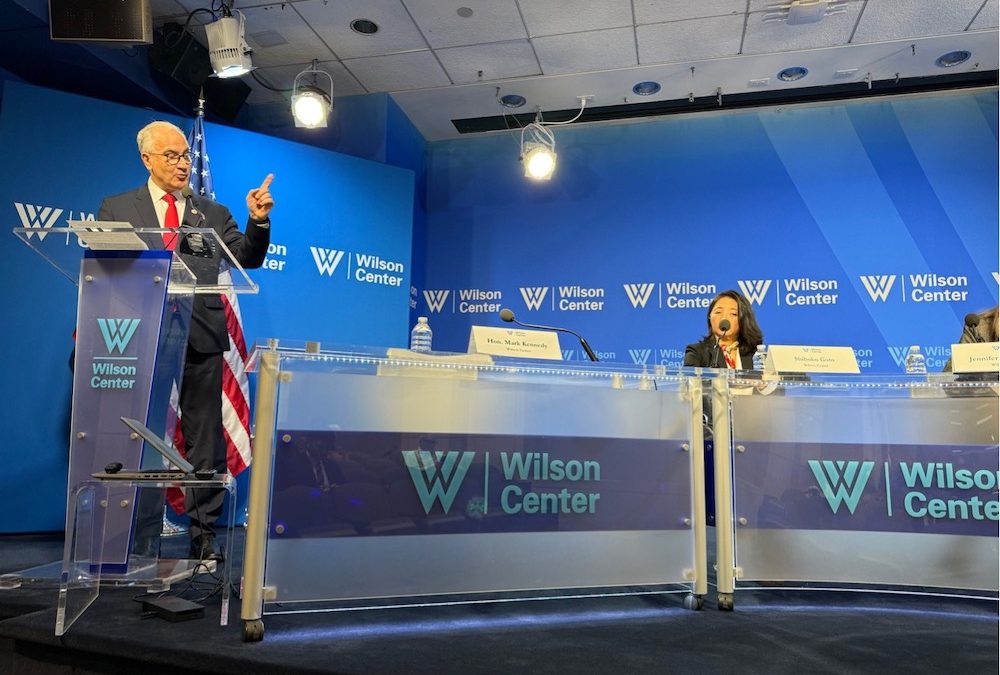
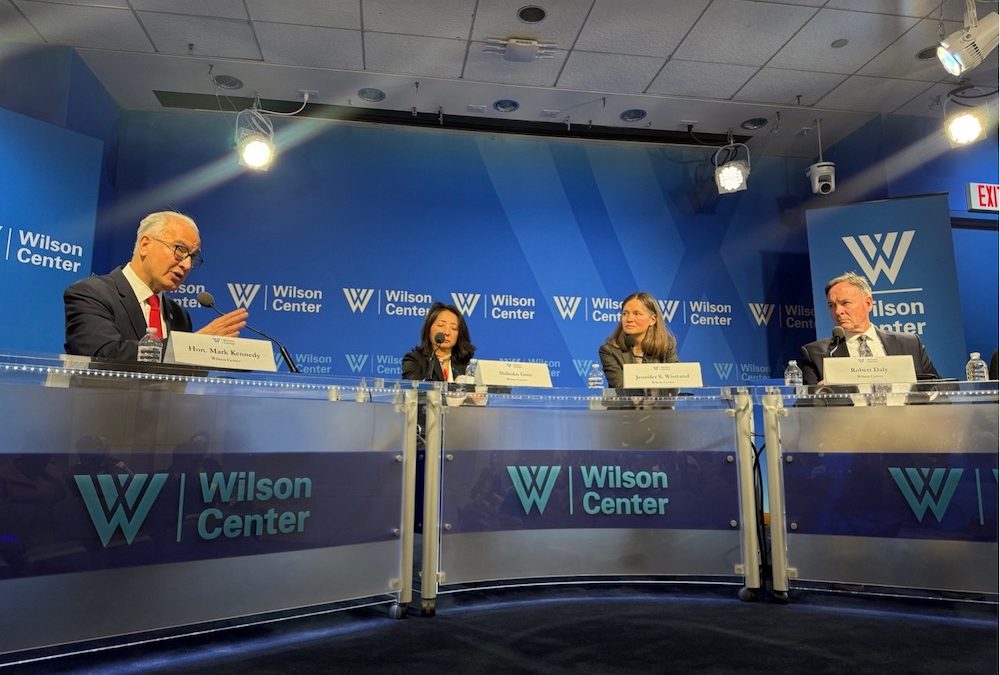
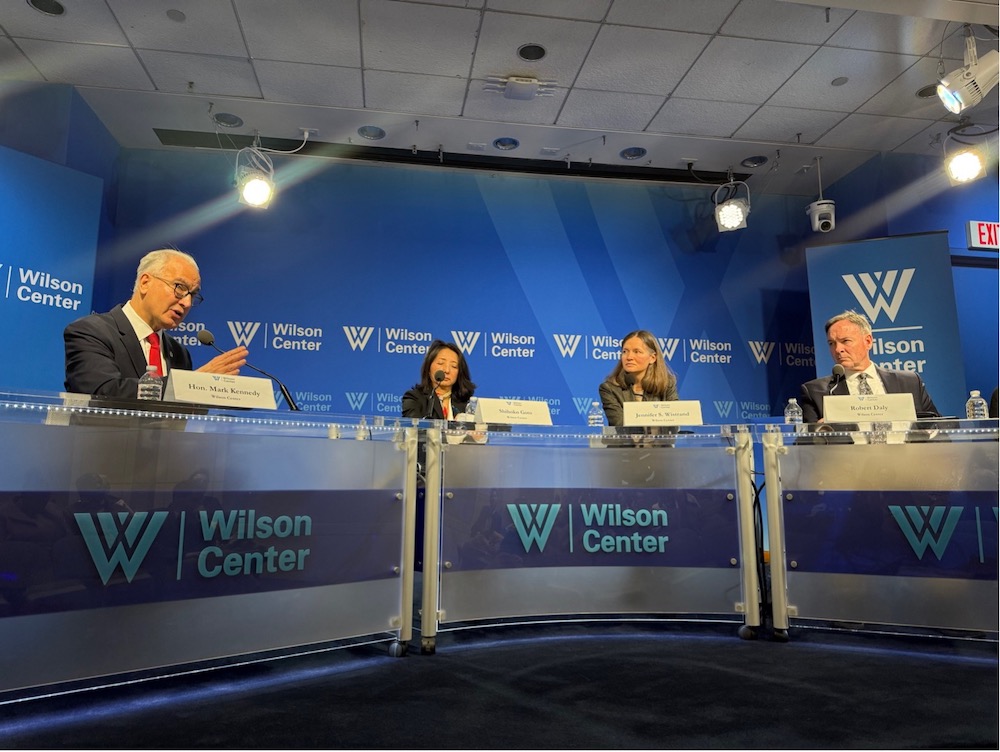
On January 22, 2025, as the makeup of the second Trump Administration takes shape and following the President’s priorities outlined in his inaugural address, the Wilson Center convened its leading experts on China, the Indo-Pacific, Russia, and the Middle East in addition to keynote remarks from Hon. John Moolenaar, Member of the United States House of Representatives.
Moderator: Mark Kennedy, Director, the Wilson Center’s Wahba Institute for Strategic Competition
This event is part of the Indo-Pacific Spark Initiative, a collaboration between the Boston Global Forum and the Wilson Center. Here is the video of the event
https://www.wilsoncenter.org/event/strategic-competition-second-trump-administration
by Editor BGF | Jan 26, 2025 | Global Alliance for Digital Governance
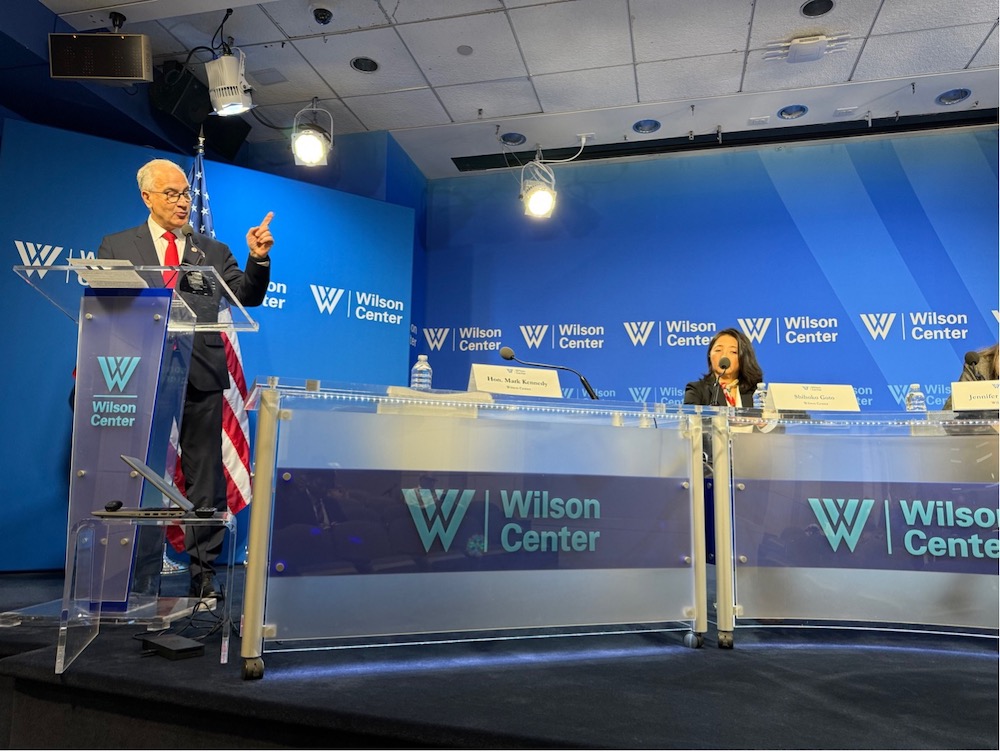
Mark Kennedy, Wilson Center
America is making a critical mistake in its AI strategy—it is overreaching in playing defense but doing the opposite in playing offense. While Washington is busy building regulatory walls to restrict access to AI compute power (a term encompassing computational resources used to train and run AI models), China is circumventing these barriers and strategically developing asymmetric advantages.
Recognizing that it will take time for China to match the US in high-performance AI compute, Chinese companies have focused on developing more efficient, less expensive AI technologies. They are also seeking to build dominant positions in open-source AI, cloud infrastructure, and global data ecosystems. These strategies enable China to offer cheaper, unrestricted AI access to countries frustrated by US policies, embedding itself into emerging markets in ways that will be difficult to dislodge. This is not just an AI competition—it is a battle for control over the global digital infrastructure today and in the future.
https://www.wilsoncenter.org/article/americas-ai-strategy-playing-defense-while-china-plays-win
by Editor BGF | Jan 26, 2025 | World Leader for Peace and Security, AI Action Summit, World Leaders in AIWS Award Updates
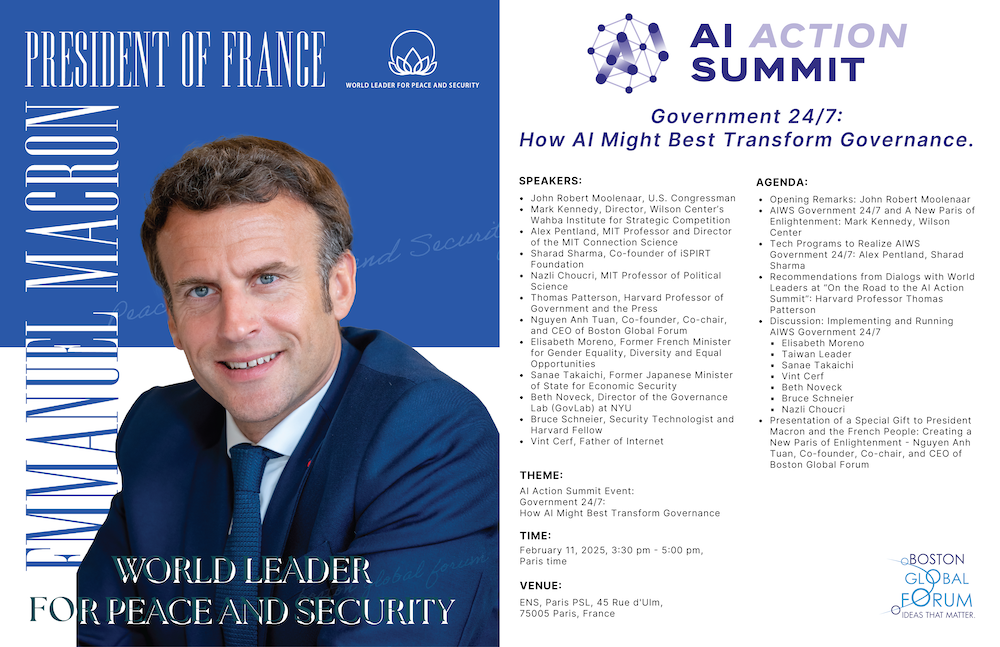
On February 11, 2025, during the AI Action Summit, the transformative concept of AIWS Government 24/7 will be explored in a special event titled Government 24/7: How AI Might Best Transform Governance. You can watch the introductory video for the event at the following link: https://www.youtube.com/watch?v=jRavkWnjNPc&t=185s.
by Editor BGF | Jan 20, 2025 | AI Action Summit, News, Shaping Futures
On the Road to the AI Action Summit in Paris, the Enlightenment in Action Alliance (EAA), a distinguished network of outstanding students from top universities including Harvard, MIT, Stanford, Berkeley, Princeton, Columbia, UCLA, Georgetown, Chicago, Oxford, Cambridge, and Paris PSL, will engage in a significant dialogue with President Macron and world leaders attending the AI Action Summit. The EAA, mentored and sponsored by the Boston Global Forum, focuses on building the AIWS Government 24/7 and contributing to the creation of a Special Program entitled “Make a New Paris of Enlightenment.”
This program aims to provide solutions to help France leapfrog in AI development and catch up with the world’s leading AI nations. The outcome of these dialogues will be presented at the AI Action Summit in Paris, where the special event “Government 24/7: How AI Might Best Transform Governance” will take place on February 11, 2025, as a special gift to President Macron and the French people.
This collaboration marks a pivotal moment in the global conversation on AI governance, fostering innovative ideas and partnerships to implement AI for a better future.