
The most consequential AI story of the past week centered on Anthropic and its CEO, Dario Amodei – one of the America 250: AI Pioneers. The United States issued an export-control directive barring foreign nationals from accessing the company’s most advanced models; unable to separate foreign from domestic users in real time, Anthropic disabled those models worldwide. The episode escalated when the Director of the NSA testified that, in a classified red-team exercise, the model had autonomously breached nearly all of the agency’s classified systems within hours.
The controversy shifts the center of gravity in AI governance – from preventing misuse toward governing the autonomous capability of the model itself. It also accelerated a broader fracturing toward “sovereign AI”: rival states moved quickly to respond, and open-weight alternatives gained ground, underscoring the need for shared frameworks of trust across blocs.
BGF Lens – this is precisely the principle at the heart of AIWS – that human command must remain sovereign over intelligent systems, however capable they become. It is a real-world test of the very questions the Boston Declaration and the AIWS Trust Order were created to answer: in an age of increasingly autonomous machines, who holds final authority – the human person, or the instrument?
Sources: reporting on the U.S. export-control directive and NSA Senate testimony; industry coverage of sovereign-AI responses.
Please read the full article here: https://bostonglobalforum.org/mdi/wp-content/uploads/sites/15/BGF_Weekly_June29-July5_Shaping_Futures.pdf
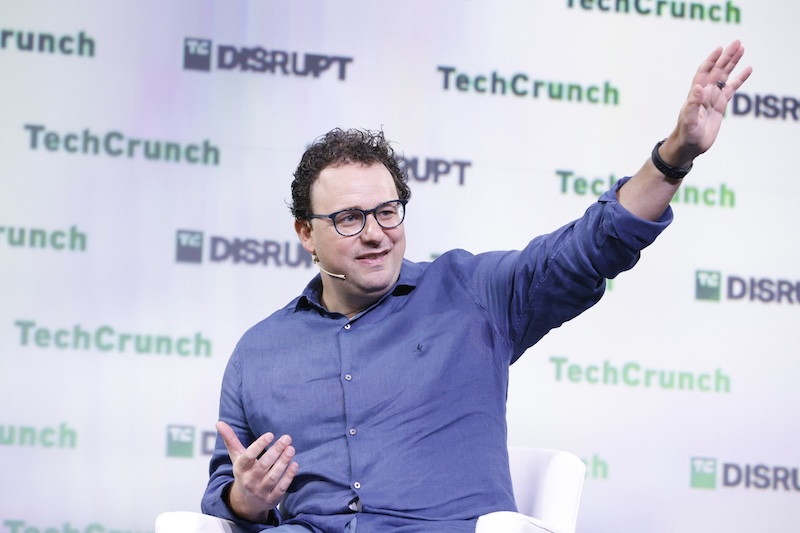
Dario Amodei, Co-Founder and CEO of Anthropic, honored among the America 250: AI Pioneers – TechCrunch Disrupt 2023