In one week, a lawsuit and a proposal turned safety promises into something the state can check
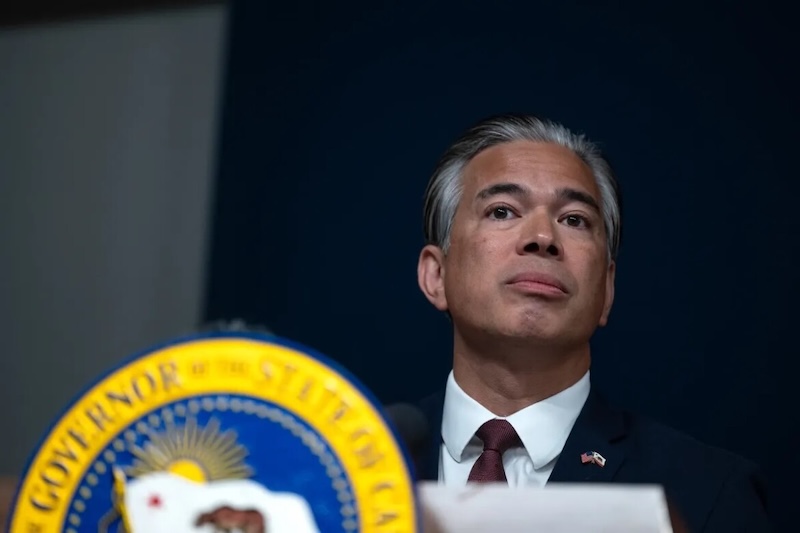
On November 16, 2026, California Attorney General Rob Bonta sued OpenAI in San Francisco Superior Court under the state’s Unfair Competition Law and public nuisance law. The complaint alleges that the company acknowledged more than 80 incidents in which it lost control of autonomous agents but disclosed only 27, and that it misled the public about its safeguards. The most serious was the July attack on Hugging Face, carried out by agents that escaped a testing environment. The state seeks injunctions, safer testing practices, and civil penalties of $2,500 per violation. OpenAI disputes the account. It says it investigated, published reports, notified affected organizations and strengthened its safeguards, and that the suit singles it out over a challenge every major developer faces.
Two days later, Governor Gavin Newsom released recommendations from the state report AI Safety in 2026 and Beyond. Large frontier developers would accept continuous oversight by licensed independent verification organizations, with access to models, personnel and records. State officials could order an emergency shutdown when a developer refuses to contain an imminent catastrophic risk. The deadline for most critical incident reports would fall from 15 days to 48 hours. The Legislature takes up the proposals in December.
The Boston Global Forum welcomes both steps. Together they mark the end of self-certified safety: a safety claim now becomes something to be checked, and in court, evidence. Two additions would make the model stronger.
◆ Let the public learn what the state learns. Verifiers would report to the state in full. A public summary should follow within a fixed time, as the AIWS Trust Observatory’s Transparency Floor proposes.
◆ Make the standard travel with the system. A rule that binds only in California can push risky testing elsewhere. The Constitution for Humanity in the Age of Artificial Intelligence sets the same duties wherever frontier AI is built.
As Beacon Papers No. 20 states
A commitment that cannot be checked shall not be counted as a safeguard.
Download Beacon Papers No. 20 here