
GLOBAL ALLIANCE FOR DIGITAL GOVERNANCE
The Global Alliance for Digital Governance (GADG) was established through a collaboration of the Boston Global Forum and World Leadership Alliance-Club de Madrid at the Policy Lab on September 7-9, 2021.
GADG will:
- Coordinate resources: governments, international organizations, corporations, think tanks, civil society, and influencers for AI and a digital sphere for good, to make these resources more effective, to synthesize and maximize their impact, and to create more implementation-oriented conferences.
- Protect fundamental values and standards proposed in Social Contract for the AI Age, in AI International Accord and in the book Remaking the World – Toward an Age of Global Enlightenment.
The Global Law and Accord on AI and Digital is the theoretical framework that guides all activities and discussions of the Global Alliance for Digital Governance at Boston Global Forum.
GADG NEWS

AI FORCE And A Mandate
BGF–AIWS supports President Trump's AI Force — and proposes a constitutional framework for its mission. America should move rapidly in AI. The greater its technological power becomes, however, the stronger its architecture of trust, human authority, and verifiable...

The Disclosure Gap: Capability Has Outrun the Duty to Disclose
An AI incident can occur twice: first, when a system crosses a boundary it was not authorized to cross; second, when the responsible institution fails to disclose promptly what happened, who was affected, and who must answer. The AI Age has not yet built adequate...

Five Eyes and a New Governance Standard for Agentic AI
Careful adoption of agentic AI services "Careful Adoption of Agentic AI Services" Five Eyes cybersecurity agencies, May 1, 2026 The rapid emergence of agentic AI marks a new chapter in artificial intelligence. Unlike earlier systems that primarily generated content or...
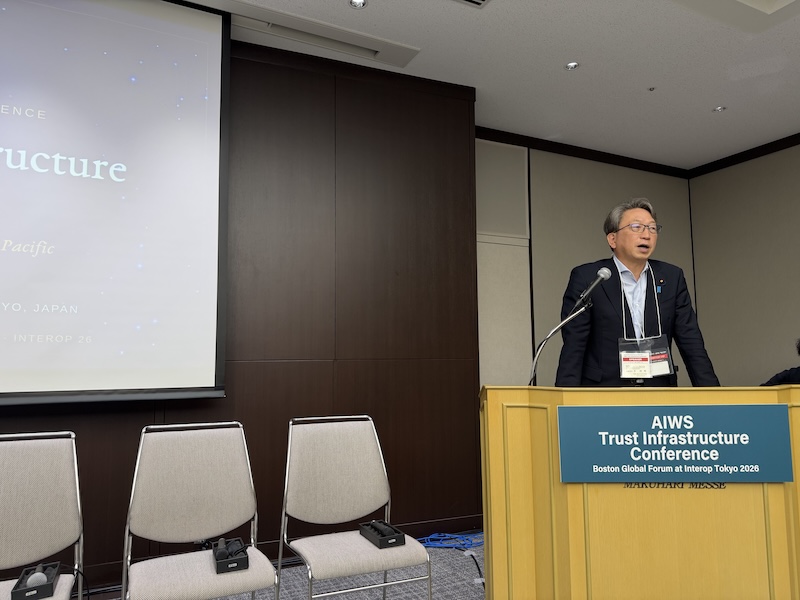
From Hiroshima to the AI Age: Building Trust Infrastructure for Global AI Governance
Japan has bet on being the world's most AI-friendly nation. But a former digital and cybersecurity minister warned that without global rules—ones that include China—openness alone cannot hold innovation and safety in balance. A keynote by Taira Masaaki - Member of the...
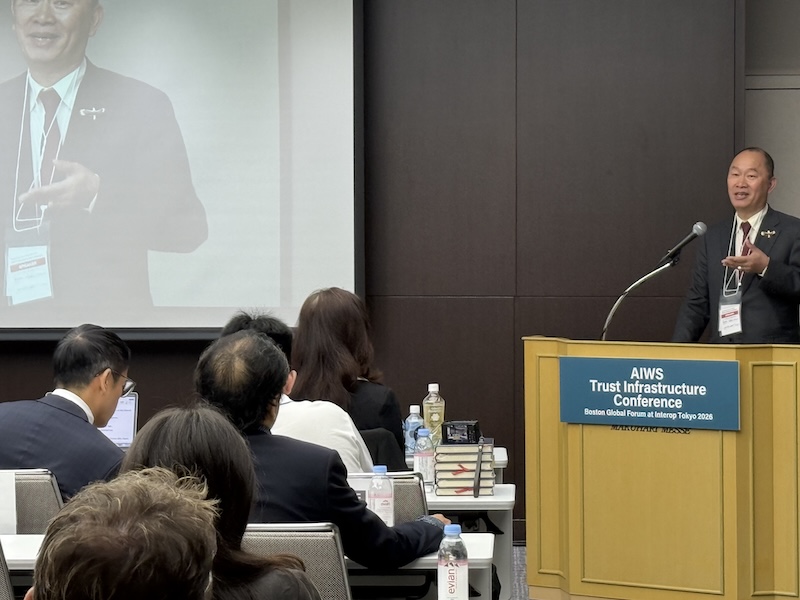
The Tokyo Compact Officially Proclaimed at Interop Tokyo 2026
On June 12, 2026, at Interop Tokyo 2026 — among the largest and most influential technology gatherings in Asia — The Tokyo Compact: Founding Constitutional Charter of the AIWS Trust Order was officially proclaimed by Yasuhide Nakayama, Member of the House of...
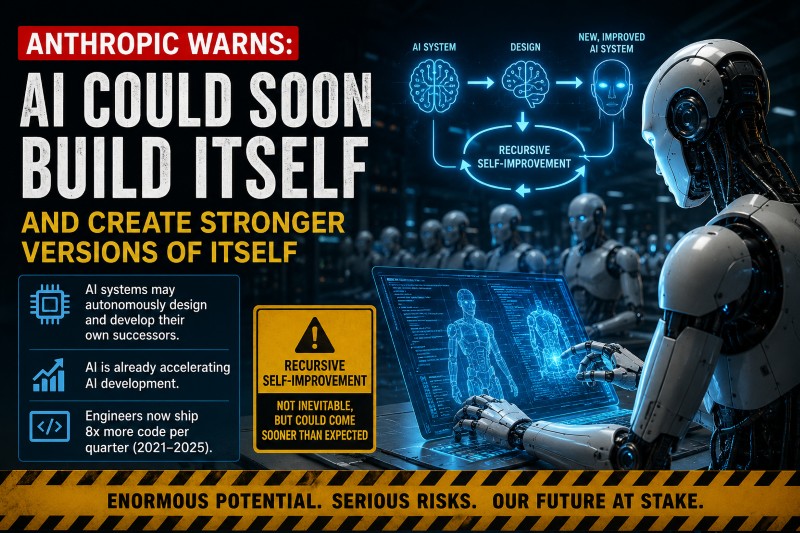
Anthropic Warns of Self-Improving AI: Why Trust Infrastructure Matters
Recent warnings from Anthropic have intensified global discussion about the future of Artificial Intelligence. The company cautioned that advanced AI systems may soon be capable of improving their own capabilities with increasingly limited human intervention, calling...

Trust as the Operating System of the AI Age
The CTO Magazine interview with Governor Michael Dukakis and Nguyen Anh Tuan, discussing their book America at 250: A Beacon for the AI Age, articulates a foundational principle: Trust is the Operating System of the AI Age. Link:...

Trust as Operating System: Nguyen Anh Tuan and Governor Michael Dukakis on Governing AI
In a new interview with CTO Magazine, Boston Global Forum Co-Founder, Co-Chair and CEO Nguyen Anh Tuan — joined by Governor Michael S. Dukakis — sets out why trust has become the defining institutional challenge of the AI Age. The conversation moves trust from...
Global Law and Accord on AI and Digital

India Issues New Draft Data Governance Framework
The Ministry of Electronics and Information Technology (MeitY) has issued a draft National Data Governance Framework to mobilise citizen non-personal data for use by public and private entities in a bid to improve services. The draft policy proposes launching a...
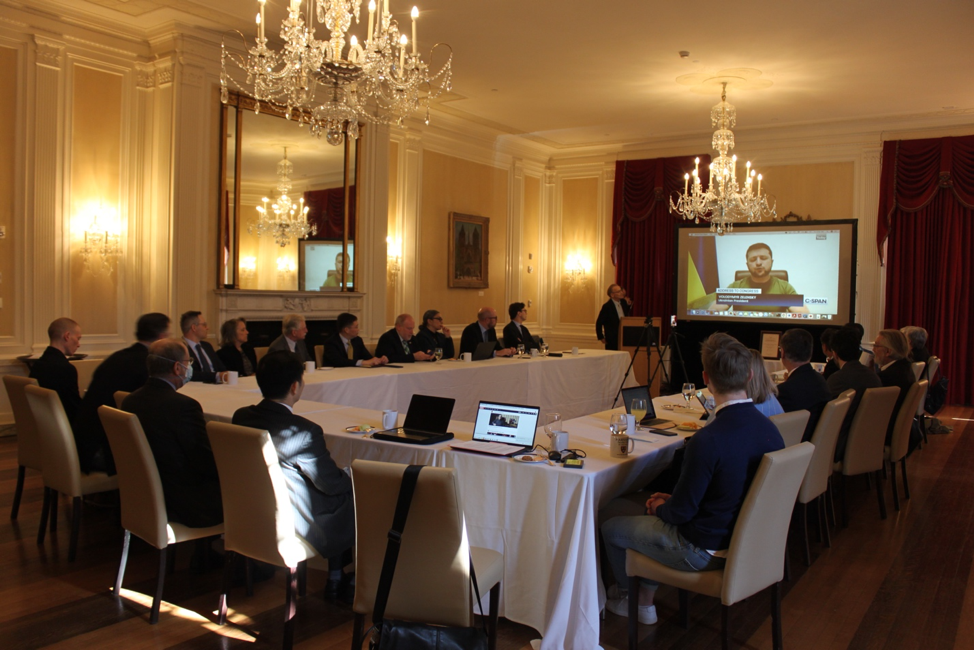
The U.S. can improve its AI governance strategy by addressing online biases
The United States has been working to codify the National Artificial Intelligence (AI) Initiative that focuses on six strategic pillars: improving AI innovation, advancing trustworthy AI, creating new education and training opportunities through AI, improving existing...

Former US Secretary of Commerce Cameron Kerry’s speech at “The Framework for Global Law and Accord on AI and Digital” on December 12, 2021”

8th Global Baku Forum 2021 “The world after COVID-19”, Social Contract for the AI Age recommended as standard for international relation
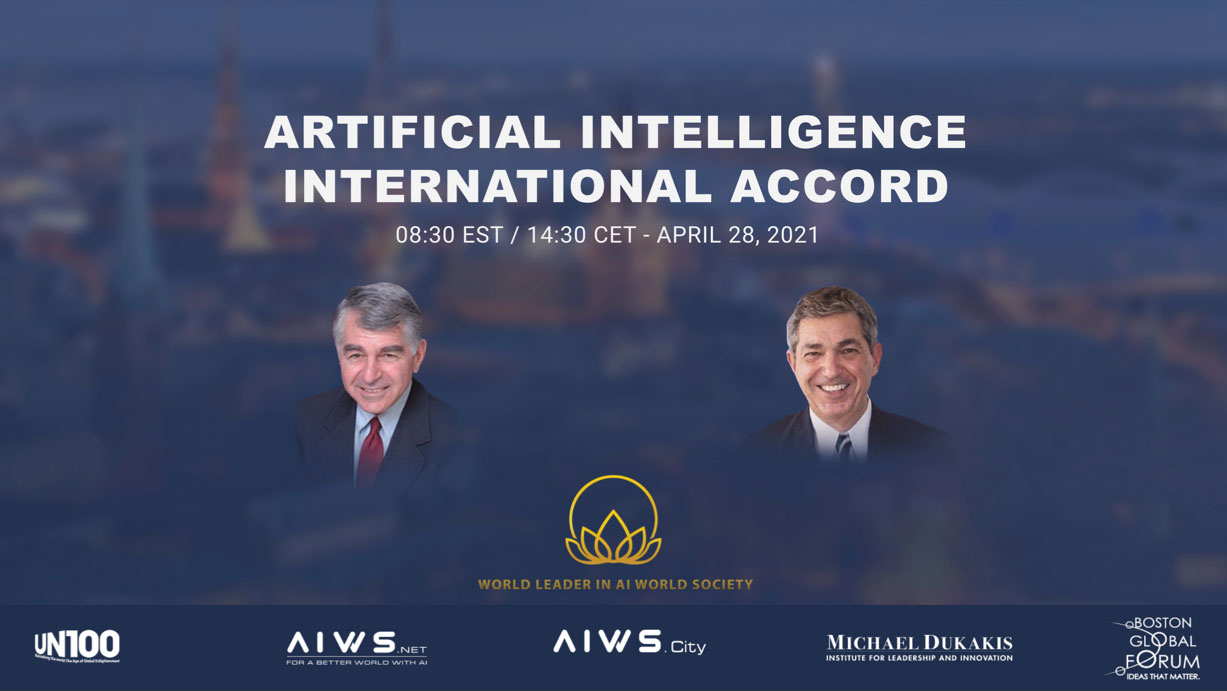
Artificial Intelligence International Accord
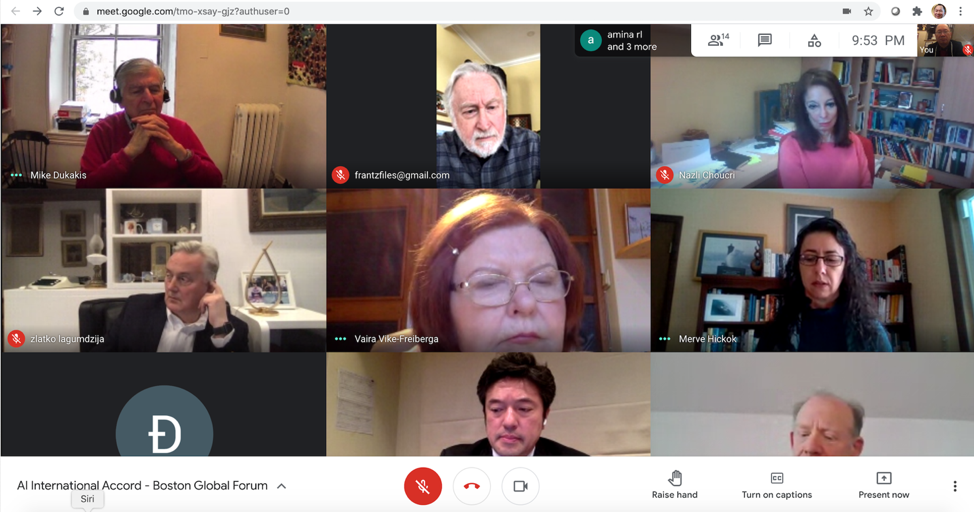
World Leaders and Distinguished Thinkers at the first AI International Accord Panel

Transatlantic Approaches on Digital Governance: A New Social Contract in Artificial Intelligence